The internet is great for quick purchases, but no online retailer can replace the experience of holding a tool or material in your hands before putting it to work.
When a project stalls over a technical detail, algorithms cannot provide precise guidance or connect people with others who have already solved the same problem through practical experience.
Physical stores continue to thrive because they offer expert advice, specialized tools, and niche materials that are difficult to evaluate through a screen.
For anyone looking to strengthen their creative skills and find reliable support at every stage of the process, these fifteen hobby shops across Massachusetts provide an excellent place to start.
Each one represents a distinct combination of specialized inventory and an environment where genuine craftsmanship continues to be valued.
The Beautiful Stuff Project – Somerville
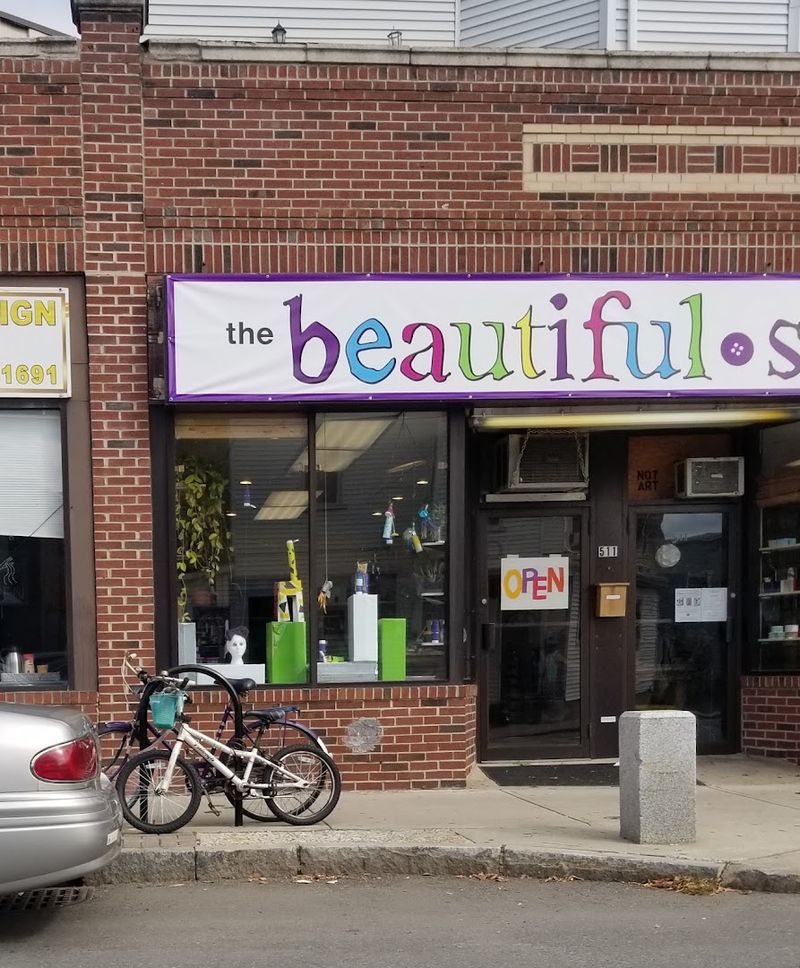
Creative reuse changes the starting point of art and education by treating discarded materials as resources rather than waste.
In Somerville, this model supports teachers, families, artists, and program leaders who need unusual supplies for open-ended making.
Plastic offcuts, fabric remnants, cardboard forms, wood pieces, and industrial leftovers invite experimentation because they do not arrive with a single expected use.
That flexibility matters in STEAM learning, where children and adults benefit from materials that encourage testing, building, and revising ideas.
Reused components can become sculpture, engineering prototypes, collage elements, puppet parts, or classroom invention kits.
Since the materials are often unfamiliar, you are pushed to think about structure, attachment, balance, and design in a more exploratory way.
Sustainability also becomes tangible here instead of rhetorical.
By redirecting surplus from the waste stream into schools and creative projects, the organization shows how environmental responsibility can support imagination rather than limit it.
For educators especially, access to affordable reuse materials helps stretch budgets while creating lessons about systems, material life cycles, and the inventive value of paying closer attention.
Hobby Emporium Inc – Tyngsborough
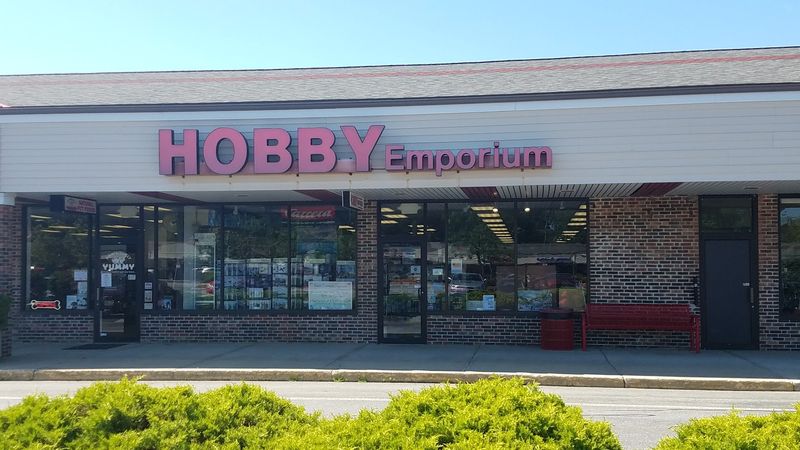
Traditional hobby culture still has real power when one store brings together remote control vehicles, scale models, rockets, tools, paints, and fiber arts under one roof.
In Tyngsborough, that range matters because hobbies often grow through cross-pollination.
A child who starts with a snap kit may become interested in airbrushing, electronics, or even the patience required for knitting and other handwork.
Remote control vehicles teach more than speed and steering.
Through batteries, gearing, tires, maintenance, and replacement parts, you begin to understand systems, troubleshooting, and the value of careful setup.
Model rockets and plastic kits add a different kind of discipline, requiring attention to safety, surface preparation, adhesives, decals, and finishing methods that reward precision.
Multi-generational stores are especially important because they connect newcomers with people who already know the language of tools and technique.
You can ask practical questions and compare options before buying gear that may need upkeep.
For many families, that setting keeps hobbies from becoming disposable entertainment and turns them into long-term skills shaped by curiosity, craft, and shared experience.
Hobby Quarters – Foxborough
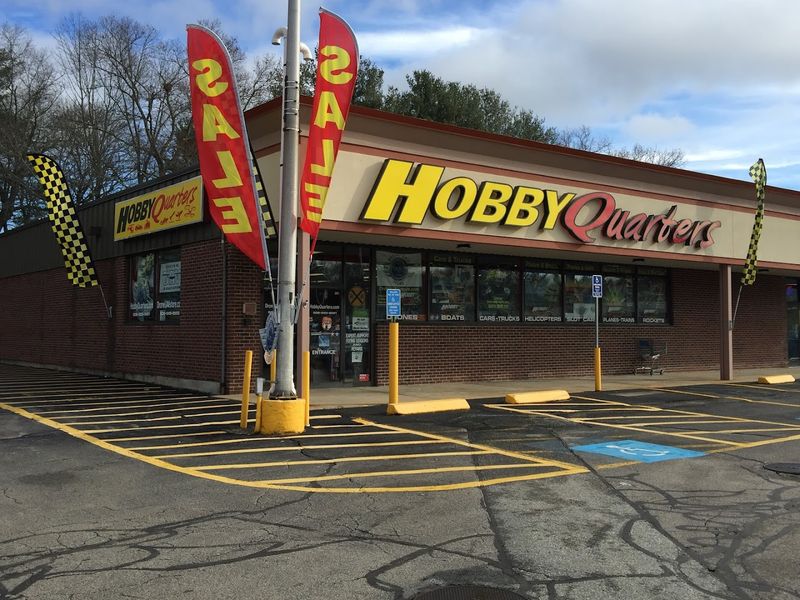
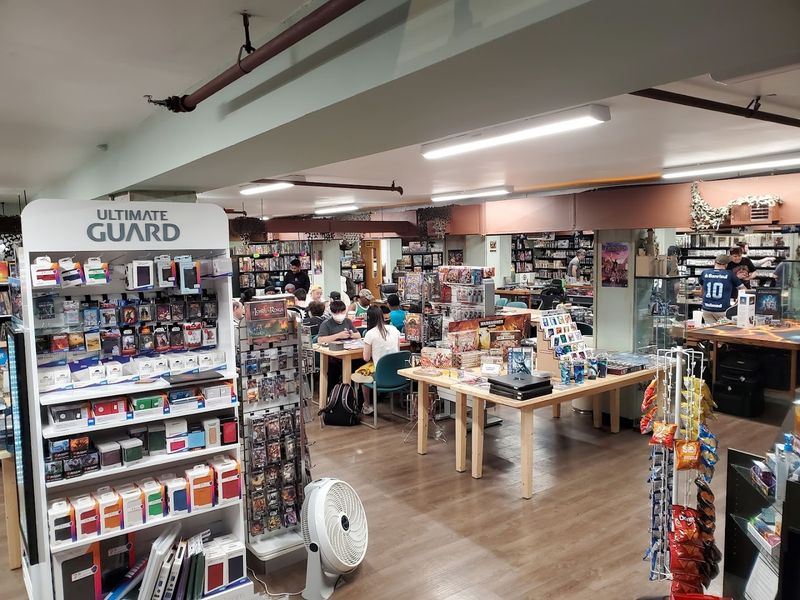
Gaming stores matter because creative hobbies are not always solitary, and this Foxborough destination is built around that social reality.
Board games, collectible card games, and miniatures all depend on rules, shared space, and other people who want to play repeatedly.
A local shop gives you more than products by creating an environment where strategy, sportsmanship, and community habits can actually develop.
Organized play is especially important for collectible games and miniature systems.
Regular events help beginners learn formats, timing, deck construction, list building, and etiquette that are hard to absorb from videos alone.
Tournament structures also teach preparation and adaptation, since players must respond to changing opponents, new releases, and evolving metagames.
Board gaming adds another layer by bringing together families, friend groups, and hobbyists who care about design, theme, and replay value.
Staff recommendations can steer you toward mechanics that fit your interests, whether you prefer cooperative campaigns, abstract strategy, or narrative conflict.
For you, that means a store functions as a civic room for hobby culture, where conversation and repeated participation matter as much as any purchase.
Craft Loft – Cambridge
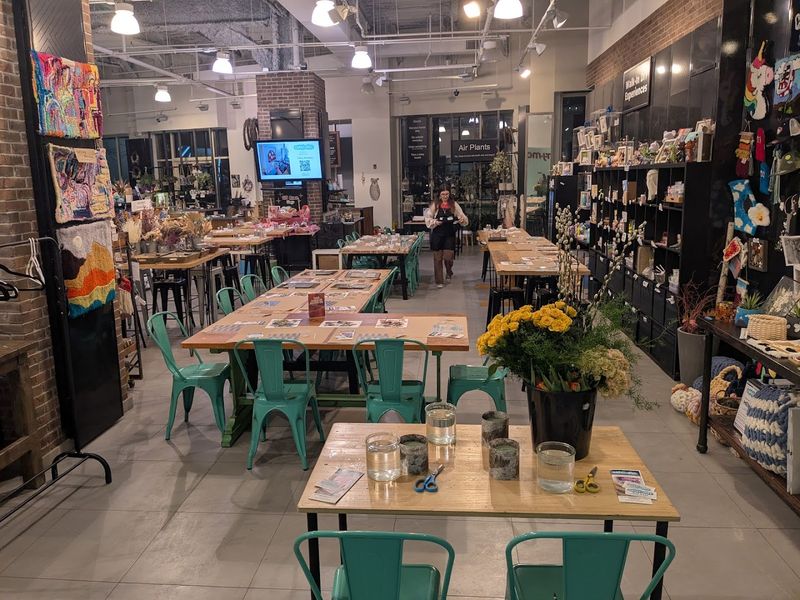
Across Cambridge, this long-established art supply destination matters because serious making depends on access to specific tools, not just generic materials.
Artists, students, architects, and designers can compare papers by texture, weight, and surface before committing to a project.
That kind of choice affects graphite control, watercolor lift, ink bleed, and how a finished piece holds up over time.
Beyond basic paint and brushes, you find drafting instruments, markers, framing materials, printmaking needs, and presentation supplies that support school and studio work.
For many people, being able to test color ranges in person changes the outcome of a drawing or painting. Physical browsing also helps you discover unfamiliar mediums, from toned papers to specialty adhesives, that online shopping often hides behind categories.
Equally important, knowledgeable staff can explain archival quality, substrate compatibility, and which tools suit beginner versus advanced techniques.
Those conversations save money and reduce frustration when a project has technical demands.
In a city shaped by universities and design culture, that expertise gives creative work a stronger foundation.
Pratt Hobby Shop – Georgetown
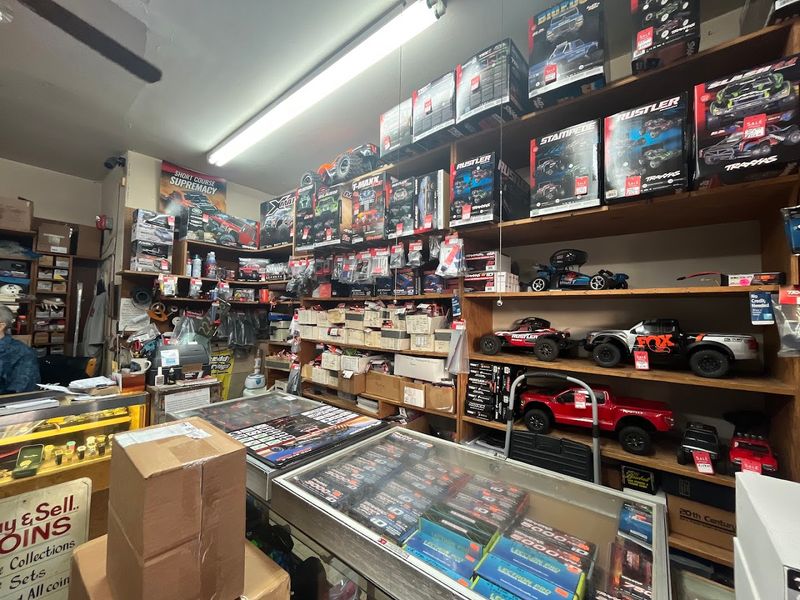
Railroad hobbies endure because they sit at the intersection of history, mechanics, design, and imagination. In Georgetown, a shop centered on trains and model railroads supports people who care about accurate locomotives, period freight cars, track planning, and realistic scenery.
Every layout asks you to think like a historian, engineer, and storyteller at the same time.
Historical accuracy is not just a collector’s obsession.
Paint schemes, signage, regional equipment, and era-specific rolling stock determine whether a layout feels coherent or vaguely assembled.
For many hobbyists, researching railroad lines and matching details to a chosen time period is part of the pleasure, since it turns building into a form of interpretation rather than simple consumption.
Technical knowledge also matters once track, wiring, couplers, switches, grades, and operating reliability enter the picture.
Small choices affect whether trains run smoothly or become frustrating maintenance projects.
By talking through scale differences, layout constraints, and parts compatibility, a specialized store helps you avoid expensive mistakes.
That guidance keeps the hobby approachable for beginners while still serving experienced modelers who want precision and historical depth.
North East Trains – Peabody
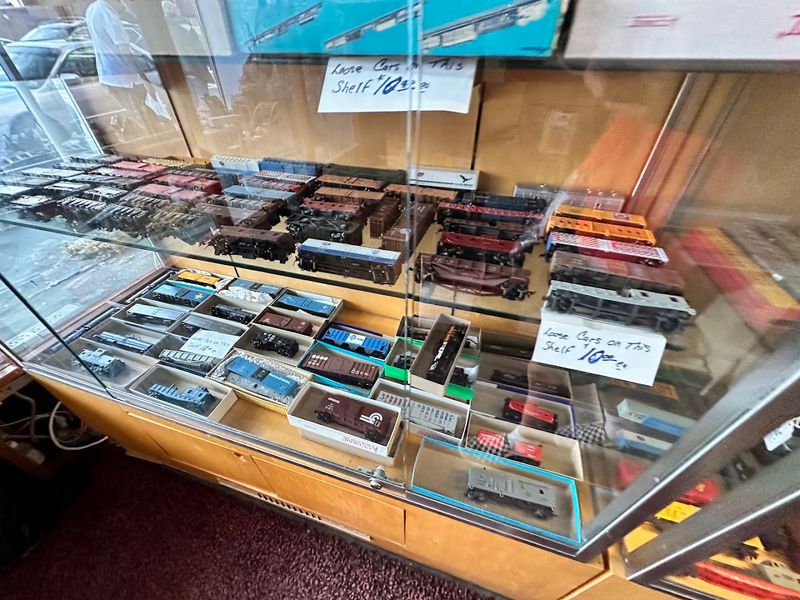
Specialized train shops serve a narrower audience, yet their value is easy to understand once you see how detailed the hobby becomes.
Collectors and operators often need specific scales, road names, coupler types, electronics, and replacement parts that broad retailers do not stock.
In Peabody, a dedicated focus on trains helps serious enthusiasts maintain standards that casual shopping rarely supports.
Collectors are often balancing two interests at once: historical connection and mechanical performance.
A locomotive may need to look right for a region or era, but it also has to run dependably on a layout with compatible track and control systems.
That makes expertise around motors, wheel cleaning, wiring, sound units, and maintenance routines especially important.
Browsing a specialized inventory can also sharpen your understanding of railroad history.
Seeing variations in freight cars, passenger equipment, liveries, and manufacturers reveals how much the hobby preserves transportation heritage through objects and operation.
For you, the store experience becomes educational as well as practical.
It supports collecting, layout planning, and careful upkeep in a field where tiny inaccuracies or worn components can affect the whole experience.
Alpha Omega Hobby – Quincy
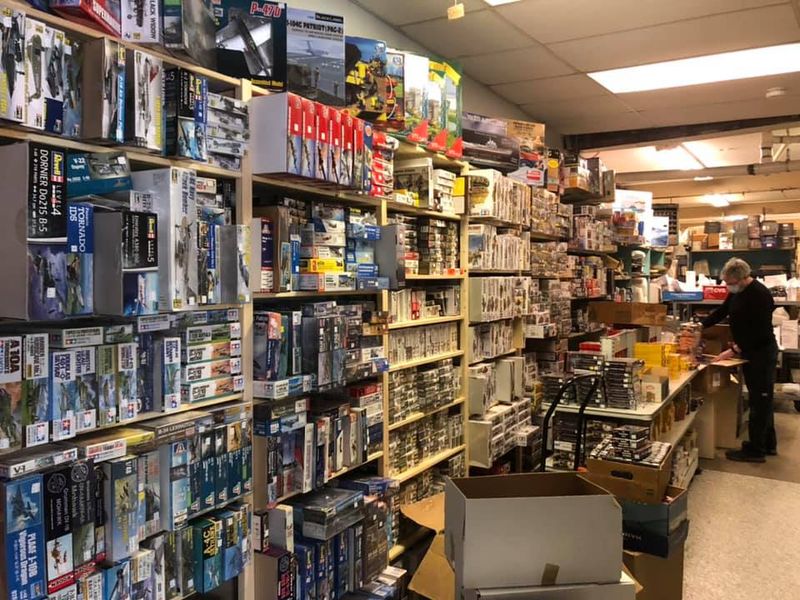
Military, naval, and aviation modeling asks for a level of patience that rewards close observation.
In Quincy, a shop focused on these categories supports builders who care about fit, scale fidelity, camouflage accuracy, and surface finish.
Those concerns may sound niche, yet they are exactly what turn a plastic kit into a convincing historical replica.
Aircraft and armor modelers often need far more than a box kit.
Paint matching, masking tools, decal solutions, weathering products, sanding sticks, putties, and fine brushes all shape the final result.
Learning when to pre-shade, wash panel lines, chip edges, or soften transitions gives a model depth and realism that separates display work from a quick assembly.
Historical subjects also invite research.
You may end up comparing reference photos, unit markings, field modifications, or ship configurations before gluing major parts together.
That process trains the eye to notice proportion, wear, and construction detail.
For creative people, the hobby blends sculpture, painting, and history in a remarkably disciplined form.
A specialized store matters because it supports that discipline with the right materials and informed technical conversation.
Craft Zone – Brookline
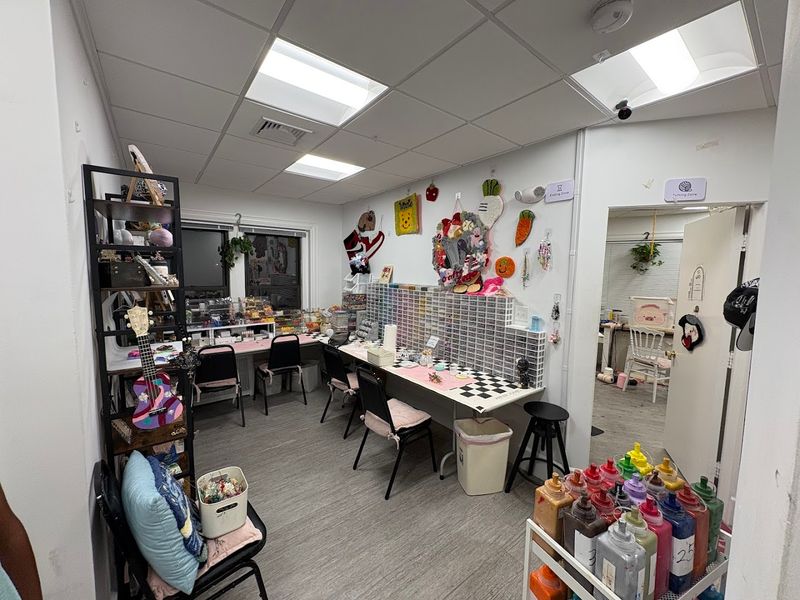
Inside Brookline, this kind of craft store serves a different creative need than a fine art supplier.
You come here for hands-on projects that invite experimentation, low-pressure making, and materials that work across age groups.
That includes paper crafts, seasonal decorations, kids’ activity supplies, classroom-friendly tools, and simple DIY components that turn ideas into something tangible fast.
Parents, teachers, and casual makers often need materials that are approachable rather than highly specialized.
In that setting, craft foam, beads, glue systems, felt, stencils, and decorative papers become gateways to problem solving and confidence.
Children learn sequencing, fine motor control, and color decisions through making, while adults get an accessible way to unplug and produce something real.
Seasonal inventory also matters more than it may seem at first glance.
Holiday projects, school events, and community programs often depend on timely access to themed materials in manageable quantities.
For you, that means a local source where creative activity feels immediate, social, and adaptable instead of delayed by shipping and limited by impersonal search results.
Pandemonium Books & Games – Cambridge
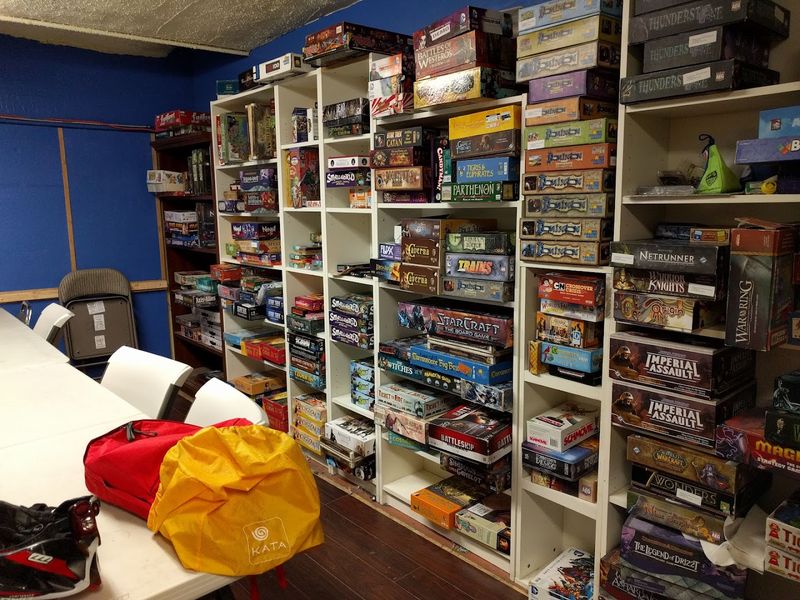
Storytelling and gaming meet in especially rich ways at a place that combines books with tabletop play.
In Cambridge, that combination supports readers, role-players, and strategy fans who move easily between fiction, rules systems, and collaborative imagination.
Fantasy and science fiction shelves matter here because many gaming communities draw ideas, tone, and worldbuilding energy directly from literature.
Tabletop role-playing games give you a form of creativity that is verbal, social, and improvisational. Character creation, campaign design, map use, and scenario building require the same muscles that support writing and performance.
Organized events add structure, helping newcomers learn systems, find groups, and understand how shared storytelling works when rules and personal invention have to coexist.
Board games broaden that culture by bringing in people who may not identify as role-players but still value design and interaction.
Recommendations from experienced staff can connect you to mechanics, themes, and complexity levels that fit your table.
Community events matter because they lower the barrier to participation. Instead of treating hobbies as isolated purchases, the store frames them as living practices shaped by conversation, curiosity, and recurring play.
Hobby Bunker – Wakefield
Miniatures gaming depends on a balance of competition, craftsmanship, and community, and that balance is easiest to see in a dedicated hobby space.
In Wakefield, shelves of figures, paints, terrain products, and accessories support both the playing side and the making side of the pastime.
You are not only buying units or cards. You are entering systems that reward customization, practice, and repeated interaction.
Painting and model preparation remain central even when competitive play gets most of the attention. Assembly quality, basing choices, magnetizing options, and color planning all shape how an army or display piece feels on the table.
A specialized paint selection matters because miniature work often requires precise coverage, smooth layering, washes, and durable finishes that standard craft paint cannot consistently deliver.
Shared space may be the most important feature of all.
Events, leagues, and casual meetups give players a reason to refine lists, finish projects, and learn from others in person.
That environment helps beginners build confidence and gives experienced hobbyists room to test ideas.
For you, the store becomes both workshop and social arena, which is why these spaces remain essential.
Centerline Hobbies – Hyannis
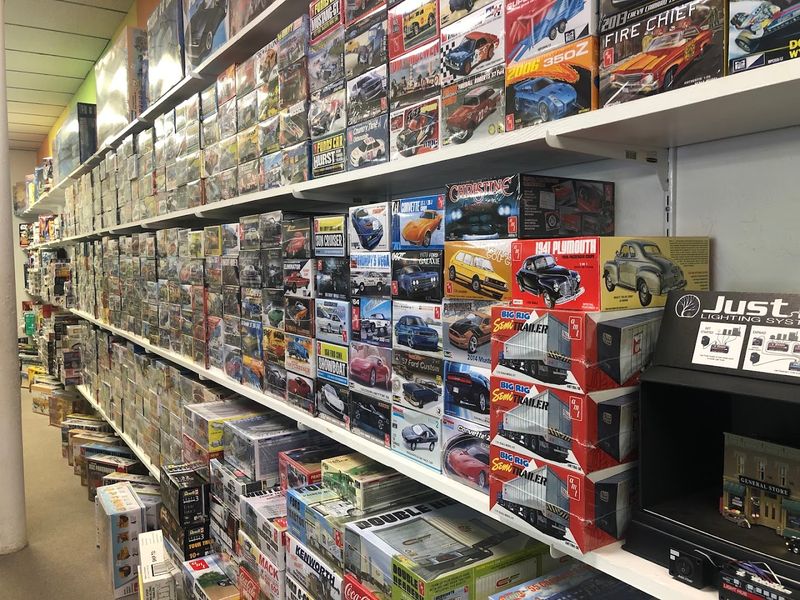
On Cape Cod, a hobby shop centered on radio control and model building serves practical needs that go beyond browsing.
Airplanes, cars, and boats all require parts support, battery knowledge, setup advice, and repair understanding if you want them to keep working.
In Hyannis, that kind of technical guidance is especially useful because outdoor hobby use quickly exposes weak components and poor maintenance habits.
Remote-controlled aircraft demand attention to balance, motor systems, control surfaces, and safe operation.
Cars bring their own lessons through drivetrains, suspension tuning, tire choice, and impact repair.
Boats add another layer, since water resistance, seals, radio reliability, and hull behavior can determine whether a session is enjoyable or ends in preventable damage.
Model kits broaden the appeal for people who prefer bench work to field use.
Building teaches patience and mechanical reasoning, while parts counters and repair conversations keep problems from ending a project prematurely.
For local hobbyists, access to a knowledgeable store helps maintain momentum after the first purchase. That support matters because many technically complex hobbies are abandoned not from lack of interest, but from avoidable frustration.
Hobby World – Adams
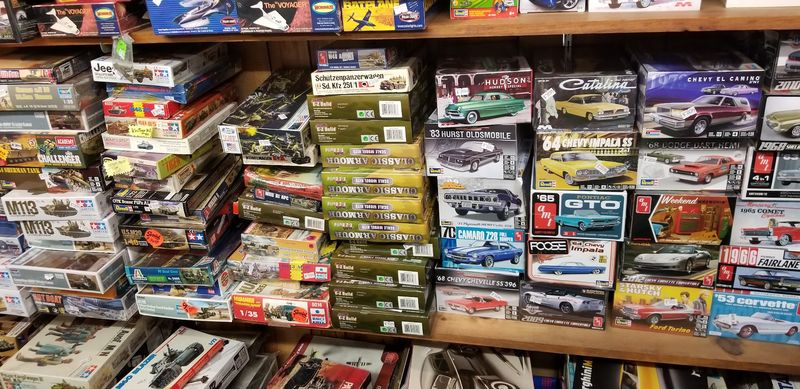
Small-town hobby stores often preserve a broad idea of what a hobby can be.
In Adams, that means models, collectibles, educational kits, crafts, and family-friendly activities sharing one local space.
Instead of sorting creativity into rigid categories, a shop like this reflects older hobby traditions where curiosity, patience, and tinkering all belonged together.
That range matters for households with different interests and skill levels.
One person may be drawn to collecting, another to building a model, and someone else to puzzles or hands-on crafts.
When those interests coexist, younger visitors can discover hobbies organically, often by watching how materials, tools, and finished pieces connect across generations.
Educational hobbies also deserve more attention than they usually get.
Building kits, making objects by hand, and maintaining collections encourage memory, focus, dexterity, and observational skill without feeling like formal instruction.
For you, the appeal may be partly nostalgic, but it is also practical.
A local store offers real examples of slow, sustained engagement in a culture that pushes instant replacement.
That makes traditional hobby spaces important, especially in communities where personal knowledge still travels by conversation.
Stitch Boutique – Boston
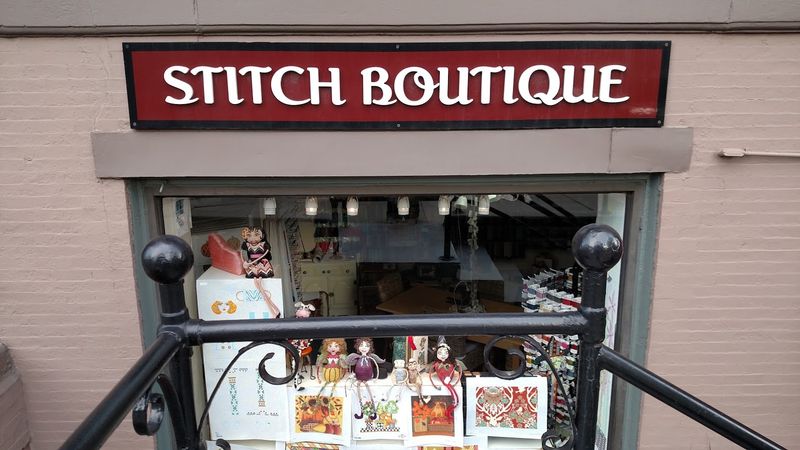
Textile arts require patience, touch, and material sensitivity, which is why a focused fiber shop stands apart from general craft retail.
In Boston, a boutique devoted to embroidery, tapestry, and hand-sewing techniques supports makers who care about thread quality, stitch structure, and finish.
Those details matter because fiber work is slow by nature, and poor materials can undermine hours of careful labor.
Luxury threads and specialized supplies are not just aesthetic indulgences.
Fiber content, twist, sheen, and strength affect how stitches sit, how colors interact, and how durable a finished piece becomes.
If you are learning embroidery or tapestry, being able to compare needles, grounds, fibers, and kits in person makes technique easier to understand and mistakes easier to avoid.
Classes add another layer of value by preserving methods that are often passed through demonstration rather than brief instructions.
Tension control, thread management, finishing edges, and reading textile structure are tactile skills.
Urban creative life can feel rushed, so these traditions offer a deliberate counterpoint.
For many people, hand stitching becomes both an artistic practice and a way to stay connected to historical forms of making.
Know More Trains – Dighton
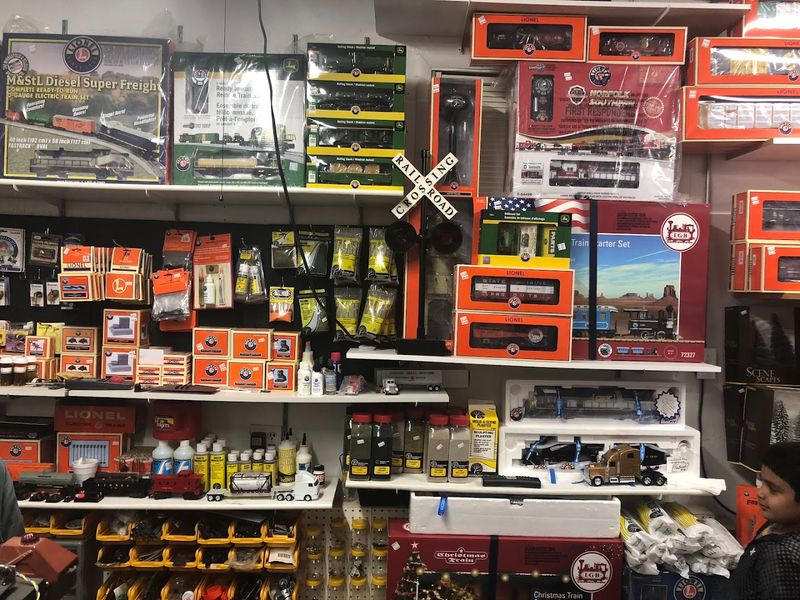
For train enthusiasts, operations can be just as compelling as collecting, and that distinction shapes the value of a specialized store.
In Dighton, attention to timetables, locomotive types, railroad history, and operating equipment speaks to hobbyists who want layouts to function like real systems.
Running trains with purpose requires more than attractive scenery. It calls for planning, sequence, and an understanding of how railroads actually move.
Schedules, dispatching logic, switching patterns, and era-appropriate equipment all deepen the hobby.
A freight car is no longer just an object on display when you know where it belongs, what cargo it suggests, and how it would be routed.
That operational mindset turns a layout into a working model of transportation history rather than a static collection.
Collectors benefit too, especially when seeking specific locomotives, specialty equipment, or historically meaningful pieces.
Technical advice around compatibility, maintenance, and setup keeps those items useful rather than merely decorative.
For you, the enduring appeal of trains may come from that rare mix of memory, machinery, and order.
A focused shop supports the hobby at its most detailed, where knowledge of history strengthens every choice on the layout.
Make & Mend – Somerville
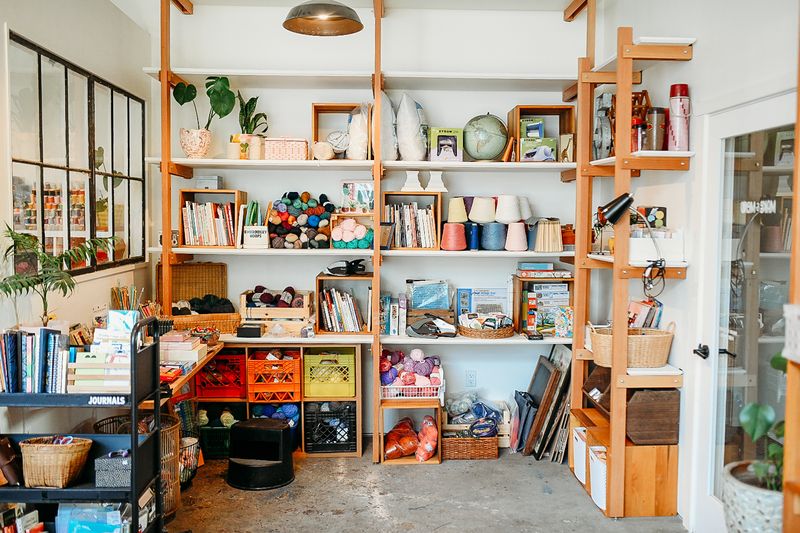
Somerville’s sewing and repair scene reflects a broader shift in how people think about clothing.
Instead of discarding worn garments, you can learn to patch, reinforce, alter, and visibly mend them in ways that add character.
That approach blends practical skill with design thinking, since every repair asks you to consider fabric behavior, color, durability, and use.
Workshops centered on mending and fiber arts give beginners a clear entry point into sewing without requiring a full garment-making background.
Darning, sashiko-inspired stitching, patch placement, and hand-finishing techniques teach patience and close observation.
Those methods matter because repair done well extends the life of textiles and helps you understand why clothes fail at seams, knees, elbows, and hems.
Sustainable fashion often sounds abstract until you hold a damaged sweater or pair of jeans and fix it yourself.
Local instruction turns that idea into repeatable practice, supported by tools, thread knowledge, and community encouragement.
For creative people, repair is not merely frugal – it becomes a visible record of care, skill, and a more thoughtful relationship with material objects.