A quiet street corner can look completely different once you know it appeared on the big screen. Across Massachusetts, ordinary beaches, historic buildings, theaters, parks, and neighborhoods have been transformed into memorable movie settings, giving familiar places an unexpected connection to stories audiences know and love.
Exploring Massachusetts movie filming locations offers a chance to experience those settings without the camera crew, costumes, or carefully staged scenes. You might stand where a memorable moment was filmed, recognize a building from a favorite movie, or notice details that looked entirely different through a director’s lens.
Along the way, the journey can reveal pieces of local history and scenery that deserve attention on their own.
For movie fans and curious travelers alike, these locations add another layer to exploring the state. Here are 12 Massachusetts filming locations worth seeking out, along with the stories that made them part of movie history.
Boston Public Garden, Boston
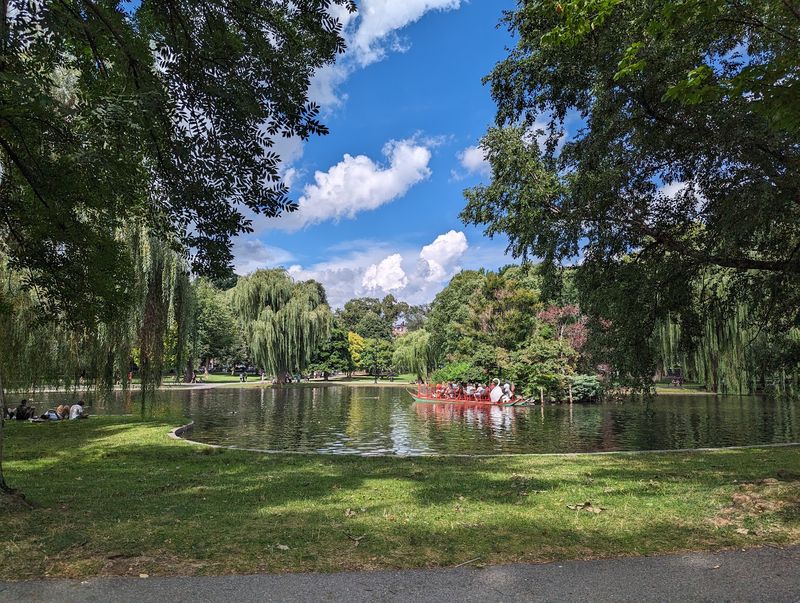
Morning light can make a city feel softer, and that is exactly the mood waiting here. Birds move across the lagoon, the paths curve past bright flowers, and the noise of downtown fades just enough to let you slow down.
It feels like a place built for reflection.
That is one reason the Boston Public Garden became such a lasting part of Good Will Hunting. Visitors still come looking for the spirit of the famous bench scene tied to Matt Damon and Robin Williams, even though the park offers much more than one movie memory.
The Swan Boats, duck statues, and shaded walkways give the whole area a lived-in charm.
If you go, give yourself time to sit rather than rush through. Bring coffee, wander near the small footbridges, and notice how the park balances beauty with ordinary city life.
That mix helps explain why the scene worked so well on screen, and why the garden still stays with people after they leave.
Fenway Park, Boston
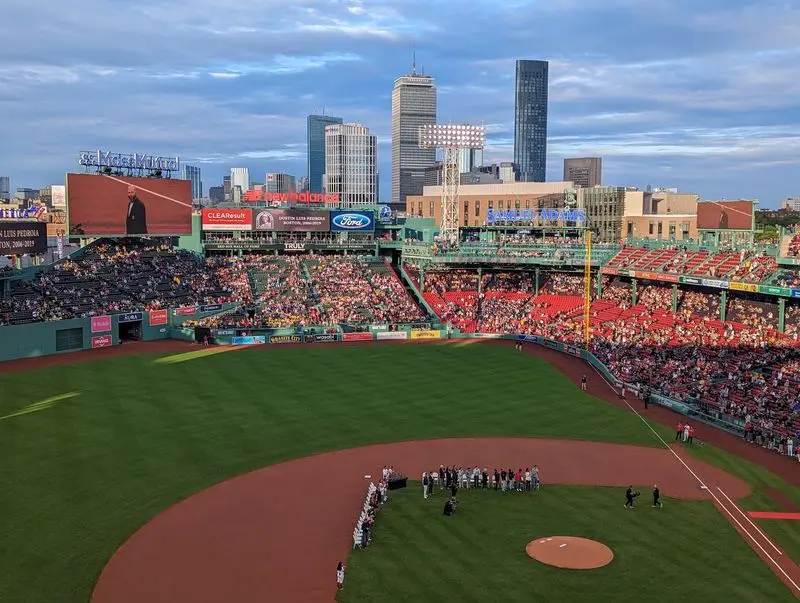
Few places hit you with history as fast as the smell of grass, peanuts, and old wood. Even before a game starts, the ballpark feels charged with memory.
Every corner seems to hold a story, which may be why cameras keep coming back.
Fenway Park is best known as the home of the Red Sox, but it also has a place in movie history through Field of Dreams and several Boston-set productions. Seeing the Green Monster in person gives you a better sense of why filmmakers use it so often.
It instantly says Boston without needing a single line of dialogue.
A tour is a smart choice if you are not visiting on game day. Guides often share odd little details about the stadium, and you get close to areas many fans never see.
Grab a sausage outside or take a photo from Jersey Street after sunset. The place works because it is not polished or perfect.
Its worn edges, loyal crowds, and deep local pride make it feel real, which always helps a movie setting come alive.
Boston Public Library, Boston
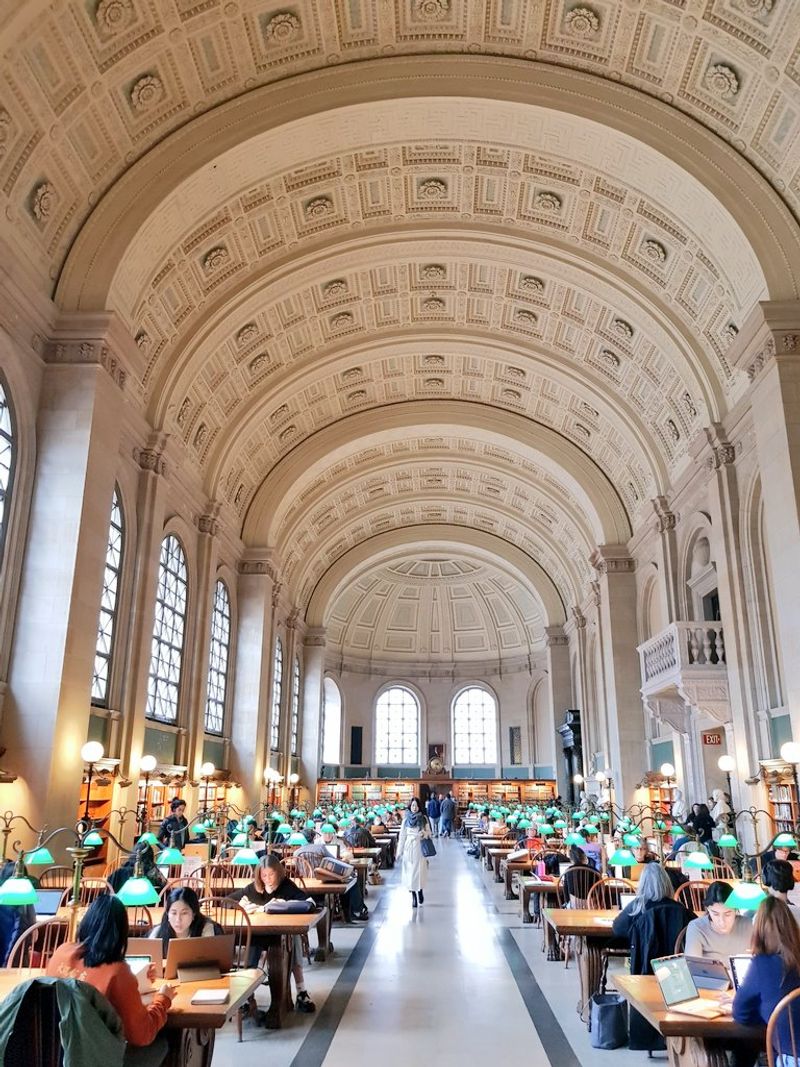
Silence can feel dramatic when you are standing in a room full of marble, murals, and tall windows. The Boston Public Library has that kind of atmosphere.
It is calm, but never dull, and every hallway seems to suggest that something important once happened there.
That made it a natural fit for Spotlight, a film built around patience, records, and careful reporting. Inside the Central Library, the grand architecture gives weight to the story without pulling attention away from it.
You can imagine researchers moving from desk to desk, chasing facts through stacks of files and books.
The best visit here is a slow one. Look up at the ceilings, walk through the courtyard, and stop in the reading rooms where the quiet feels almost ceremonial.
Copley Square outside gives you another strong Boston view, especially if you pair the stop with a nearby cafe. For movie fans, the reward is not just recognizing a filming location.
It is understanding why a story about truth needed a place that already feels serious, public, and deeply connected to the city.
Union Oyster House, Boston
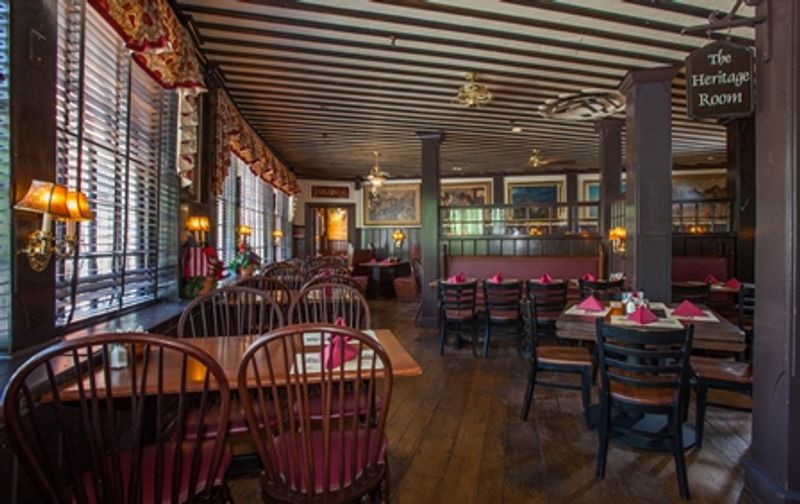
Some buildings tell you their age the second you step inside. The floors creak, the wood glows in low light, and the air carries a mix of seafood, chowder, and history.
It feels cozy, crowded, and a little timeless in the best possible way.
That character helped Union Oyster House earn its place in Julia, the series about Julia Child. Because it is already one of Boston’s most historic restaurants, the setting needed very little movie magic.
The oyster bar, narrow rooms, and old-fashioned details create a backdrop that feels lived in instead of dressed up.
Come hungry, because this stop works best when you do more than look around. Order oysters if you want the classic experience, or keep it simple with clam chowder and a lobster roll.
The neighborhood also puts you close to Faneuil Hall and the Freedom Trail, so it fits easily into a day of walking. What makes it memorable is the overlap between screen history and real life.
You are not staring at a closed set. You are eating in a place that still does exactly what it has done for generations.
Somerville Theatre, Somerville
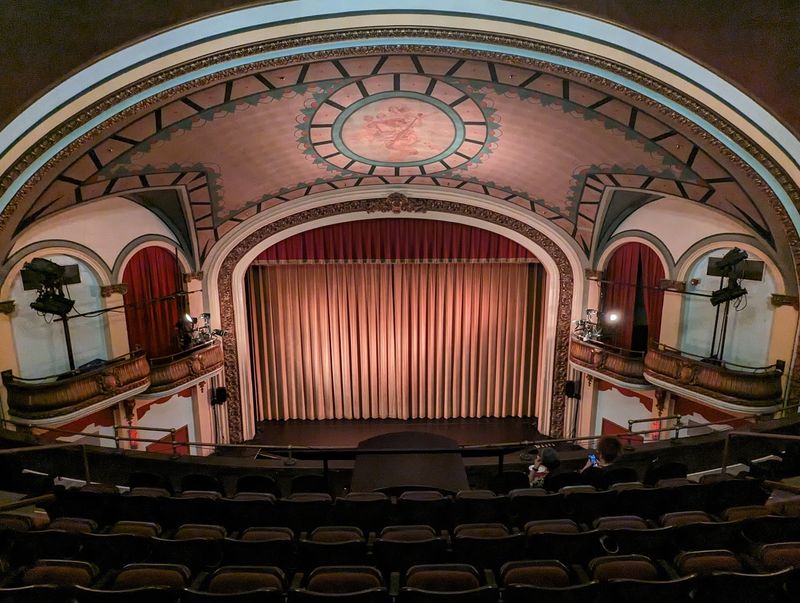
Neon has a special way of making a night feel older and more exciting at the same time. In Davis Square, the glowing marquee of the Somerville Theatre gives off that mood before you even buy a ticket.
The place feels proud of its age without feeling stuck in it.
That balance made it perfect for The Holdovers, a movie that leans into period feeling and emotional texture. Open since 1914, the theater already has the kind of visual personality filmmakers spend money trying to build somewhere else.
Its lobby, old auditorium details, and neighborhood setting help sell the story naturally.
Seeing a movie here is the smartest way to visit because you get the full experience instead of just the photo. Check whether there is a repertory screening, a concert, or one of the theater’s special events.
Afterward, walk through Davis Square for pizza, coffee, or a quick dessert. The area stays lively without losing its local feel.
For behind-the-scenes appeal, this stop is hard to beat because the theater was not pretending to be cinematic. It already was, and the film simply noticed.
Ventfort Hall Mansion and Gilded Age Museum, Lenox
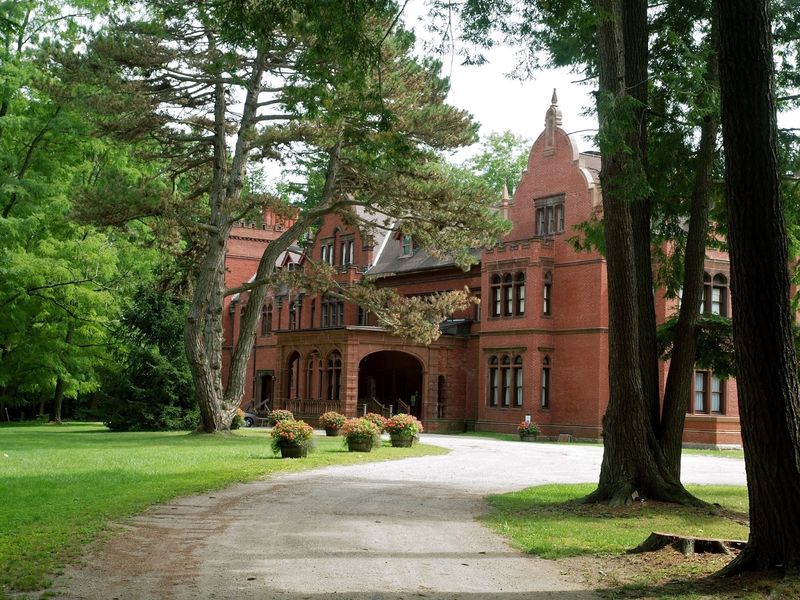
Even from a distance, the mansion feels a little mysterious. Big houses often do.
Their wide porches, tall windows, and heavy doors make you wonder who once moved through them and what stories those rooms might have held.
Ventfort Hall in Lenox gave that feeling to The Cider House Rules, where it stood in for St. Cloud’s Orphanage. The building has enough scale and period detail to carry emotional weight without saying a word.
Once you see the exterior in person, it becomes easy to understand why filmmakers chose it for a story that mixes tenderness, hardship, and moral conflict.
Today, the mansion works beautifully as a museum visit, especially if you like places where history feels visible instead of distant. The self-guided tour lets you move at your own pace, and the Berkshires setting adds another layer of charm.
Plan a little extra time for Lenox itself, where you can find bookstores, cafes, and quiet streets nearby. This stop is worth seeking out because it lets you step inside a location that did more than frame a scene.
It helped create the film’s emotional world.
Water Wizz of Cape Cod, East Wareham
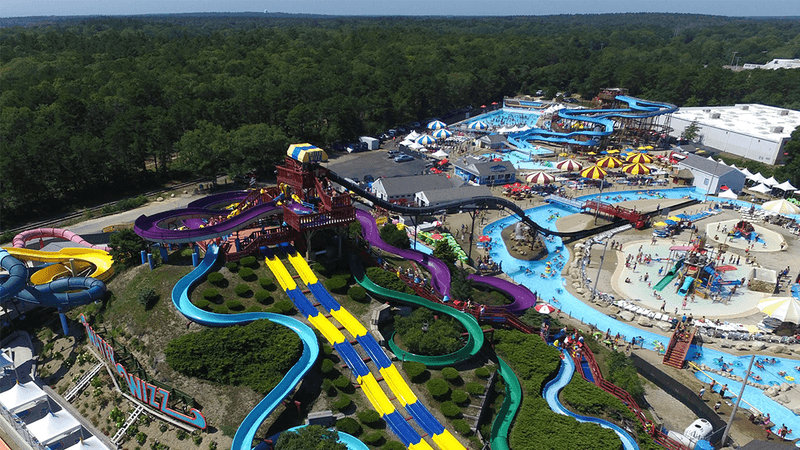
Summer can smell like sunscreen, fried dough, and chlorine, and that mix hits the moment you arrive. Laughter bounces off the slides, flip-flops slap the pavement, and suddenly the day feels lighter.
It is easy to understand why a coming-of-age movie found a home here.
Water Wizz of Cape Cod served as the main setting for The Way Way Back, and the film used the park’s slightly scruffy, lovable energy to great effect. Nothing about it feels too polished, which actually helps.
The slides, snack bars, and lazy river look like the kind of place where real summer memories happen, not a fake set built for a week.
If you visit, lean into the experience instead of treating it like a checklist stop. Ride something fast, float for a while, and get a simple lunch from the concession stand.
Families will find plenty to do, but the location also works for adults who grew up with similar parks and want that flash of nostalgia. Behind the scenes, the magic is simple.
The movie worked because the place already carried the awkward, funny, hopeful feeling of one unforgettable summer.
Worcester Art Museum, Worcester
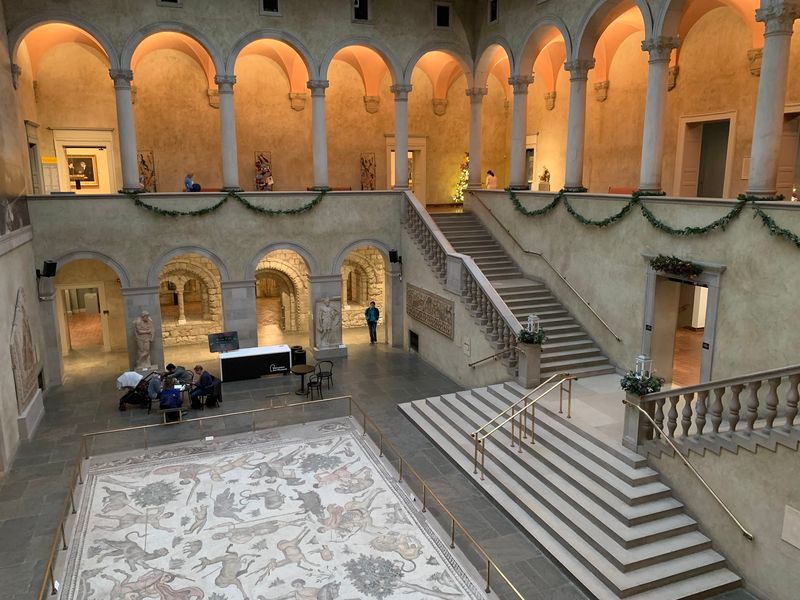
Some places slow your heartbeat the second you enter, and this museum does that without trying too hard. Light falls softly across paintings and stone floors, voices drop to a near whisper, and the whole building seems designed for careful looking.
That sense of control made it useful to filmmakers.
Worcester Art Museum appeared in American Hustle, a movie full of style, deception, and shifting appearances. The museum gave the production a polished setting that could support the film’s flashy energy while still feeling believable.
Its galleries, grand staircases, and dignified rooms add texture that a plain location never could.
For visitors, the nice surprise is that this stop offers more than a movie reference. You can spend real time with the art, from ancient objects to modern pieces, then step back and picture how the space worked on screen.
It is especially good for a rainy day or a trip that mixes film locations with culture. Check current exhibits before you go, and leave room for lunch nearby in Worcester.
What stays with you is the contrast between quiet museum order and a movie built on charming chaos.
First Parish Cohasset, Cohasset
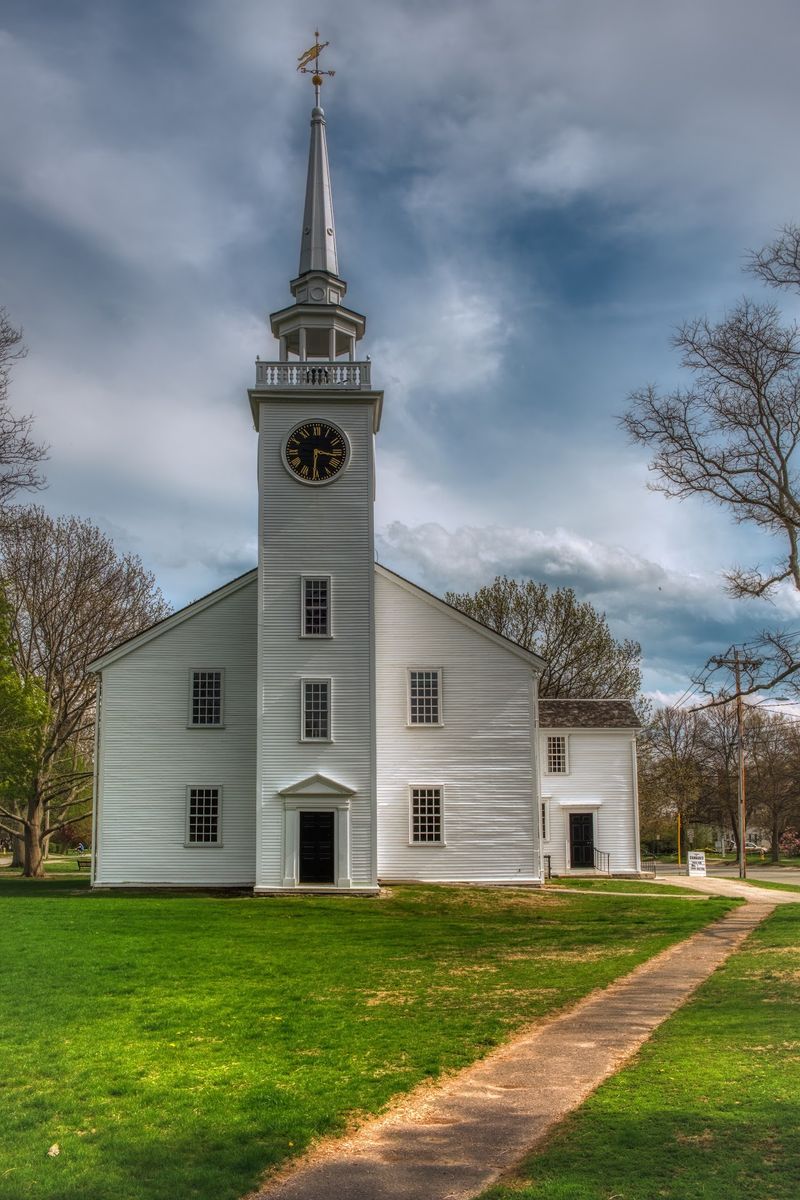
A white church against a New England sky can look peaceful, almost innocent, until you remember that movies love contrast. The cleaner and quieter a place appears, the more unsettling it can feel when a strange story lands there.
That tension gives this stop its special pull.
First Parish Cohasset was used in The Witches of Eastwick, and the choice makes perfect sense once you see it. The meetinghouse has graceful lines, a classic steeple, and a setting that seems pulled from an old painting.
Against the film’s supernatural mischief, that calm exterior became even more striking.
Visitors should spend a little time walking the surrounding area rather than only snapping a quick photo. Cohasset has that coastal town rhythm that invites a slower pace, and nearby streets add to the mood.
Stop for coffee or a simple lunch after exploring the common. Even if you have not seen the movie in years, the location leaves an impression because it captures something deeply Massachusetts: beauty with a hint of severity.
On screen, that quality created atmosphere. In person, it gives the place a quiet, lasting magnetism.
Halibut Point State Park, Rockport
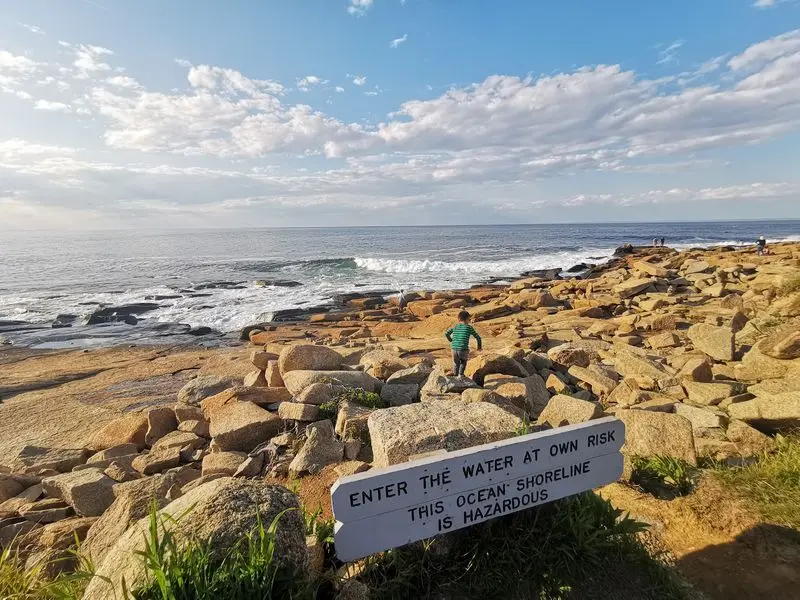
Wind changes everything on the coast. It sharpens the smell of salt, lifts the sound of gulls, and makes the horizon seem farther away than it is.
At Halibut Point, that feeling is part of the experience, and it helps explain why the landscape looked so powerful in CODA.
The park’s granite quarry and broad Atlantic views gave the film a setting that felt grounded, tough, and beautiful all at once. Nothing here seems staged.
The rough stone, coastal paths, and open sky reflect the working waterfront spirit that runs through the story, even in its quieter moments.
Wear good walking shoes and give yourself time to move beyond the first lookout. The trails are not complicated, but the scenery changes enough to keep you curious, especially when the light shifts late in the day.
Bring water, and pause to watch the waves rather than racing for the next stop. Rockport nearby makes it easy to turn the visit into a fuller outing with seafood or a harbor walk.
For movie lovers, this location proves that natural scenery can carry as much emotional truth as any actor or line of dialogue.
Rockport Music – Shalin Liu Performance Center, Rockport
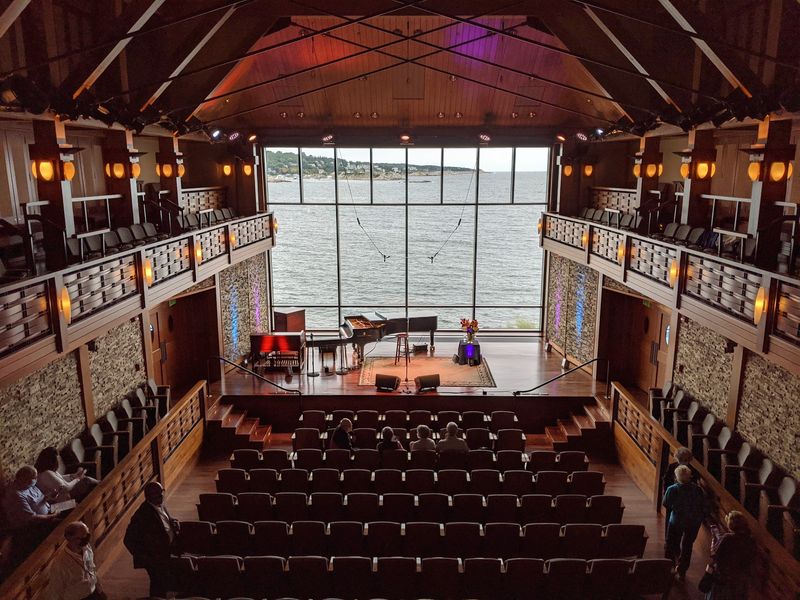
At some venues, the view competes with the performance. Here, it becomes part of it.
Huge windows frame the ocean so beautifully that even an empty stage feels dramatic, as if the building itself knows how to hold attention.
The Shalin Liu Performance Center used that visual gift in CODA, where it doubled as Berklee College of Music. That bit of movie transformation is fun on its own, but the more impressive part is how little the place needs help.
Clean design, water views, and a polished interior give it a calm confidence that reads beautifully on screen.
Try to visit when there is an actual concert if your schedule allows. Hearing music in the hall gives you a fuller sense of why the location mattered to a film centered on listening, ambition, and connection.
Rockport’s shops and harbor are close by, so the stop fits naturally into a relaxed day by the sea. If you can, sit for a few minutes before or after an event and just look out at the water.
That stillness is part of the story here, both in real life and in the movie that borrowed the space.
Battleship Cove, Fall River

Steel can have a strange kind of presence. Standing beside a massive ship, you feel both tiny and alert, as if the structure is still carrying the noise and weight of another era.
Battleship Cove has that effect right away.
That is part of what makes its connection to Don’t Look Up so interesting. A maritime museum filled with warships is not the first place most people would link to a modern disaster satire, yet the contrast works.
The hard lines, gray metal, and serious history create a visual backdrop that makes the movie’s absurdity even sharper.
Plan to spend enough time to actually board the ships, because the interior spaces are where the scale becomes real. Narrow passages, sleeping quarters, and deck views all help turn the visit into something more memorable than a waterfront glance.
Fall River’s setting also gives the stop a rough, working-city texture that suits it well. For a break afterward, look for seafood nearby and take in the river views.
The behind-the-scenes appeal comes from seeing how a place rooted in military history could be reimagined for a story about panic, denial, and spectacle.