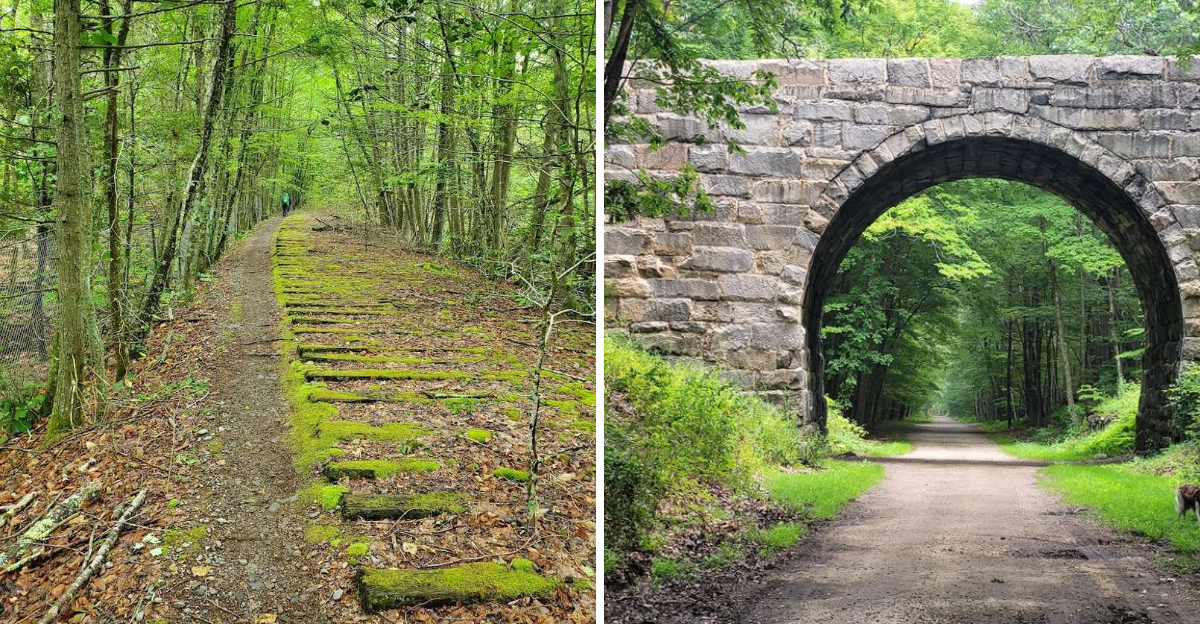
Massachusetts hides a secret: some of its wildest places feel big enough to swallow you whole.
Step past the parking lot, and the noise disappears fast. One minute you’re in New England.
The next, you’re deep in pine forests, climbing rocky ridges, or staring across water so wide it feels like the edge of the world.
These parks aren’t polished little picnic spots.
They’re the kind of places where trails stretch for miles, cell signals vanish, and the trees seem to close in like they’ve been standing there forever.
Some hold ghost towns under their waters. Others hide waterfalls, ravines, and peaks that make the state feel twice its size.
If you think Massachusetts is all cobblestone streets and clam shacks, these 13 untamed escapes are about to change your mind.
October Mountain State Forest
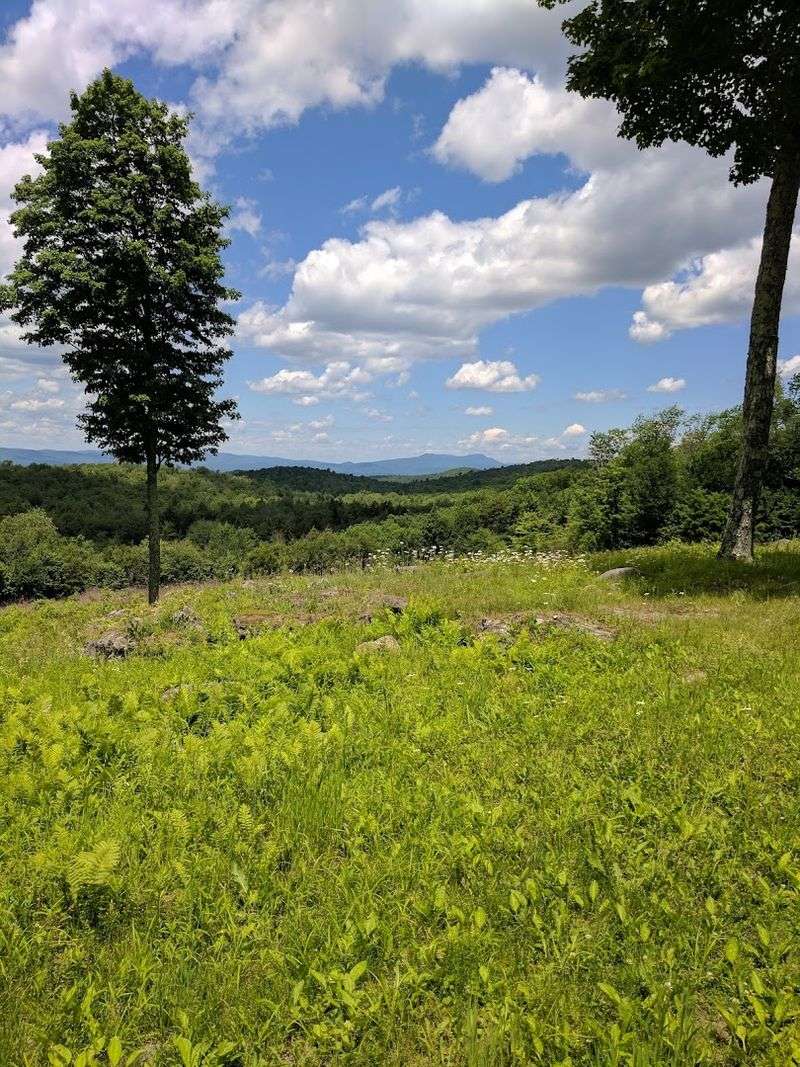
Spanning more than 16,000 acres across the Berkshire Mountains, this wilderness area stands as the largest state forest in Massachusetts. The sheer size creates an overwhelming sense of isolation that few other parks in New England can match.
Thick forests swallow every sound, leaving only wind through branches and your own footsteps on needle-covered trails.
Sections of the famous Appalachian Trail wind through here, taking hikers past hidden reservoirs tucked into mountain valleys. These water bodies reflect surrounding peaks like mirrors, especially stunning during fall when maples explode in red and gold.
Wildlife thrives in this backcountry sanctuary where black bears, bobcats, and countless bird species roam freely.
The elevation changes throughout create diverse ecosystems from hardwood forests to cooler spruce groves at higher altitudes. Many visitors camp at primitive sites that feel miles from civilization despite being relatively accessible.
Getting genuinely lost here is possible if you wander off marked paths into the endless woodland maze.
Quabbin Reservoir
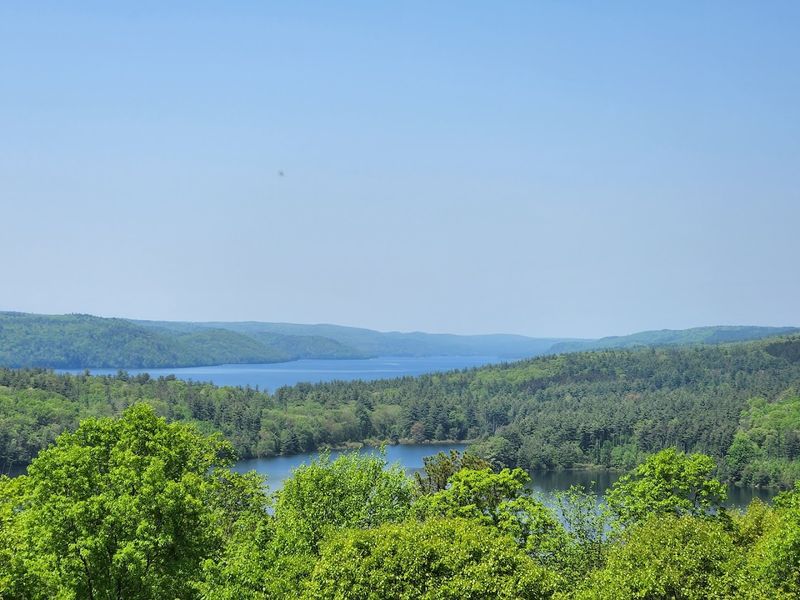
Beneath these waters lie entire ghost towns, sacrificed in the 1930s to create Boston’s drinking water supply. Walking the restricted shoreline today feels haunting and profound, knowing that roads, homes, churches, and cemeteries rest submerged below.
The reservoir covers 39 square miles with 118 miles of undeveloped coastline where nature has completely reclaimed what humans once built.
Bald eagles soar overhead year-round, attracted by the abundant fish population thriving in these protected waters. Moose sightings have become increasingly common as the massive animals wade into shallow coves to feed on aquatic plants.
The surrounding watershed forest stretches across 80,000 acres of some of the most tightly restricted land in Massachusetts.
Access remains purposely limited to protect water quality, which adds to the area’s wild mystique. Even permitted visitors must follow strict rules about where they can walk and what they can bring.
This isolation has created one of New England’s most successful wildlife recovery stories.
Mount Greylock State Reservation
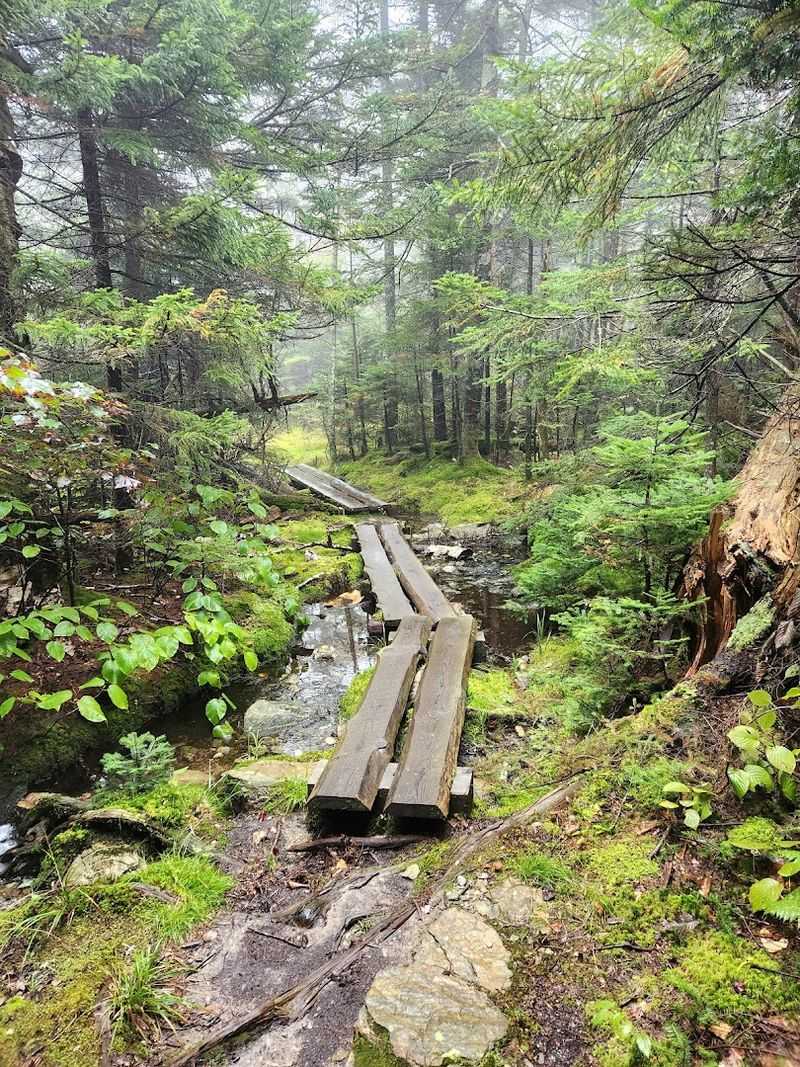
Standing atop Massachusetts’ highest point at 3,491 feet feels like touching the sky itself. On clear days, views stretch into New York, Vermont, New Hampshire, Connecticut, and across the state to create a 360-degree panorama that seems impossible from such a small state.
The Veterans War Memorial Tower at the summit serves as a lighthouse for land lovers rather than sailors.
Deep forests blanket the mountain’s slopes with ecosystems that change dramatically as elevation increases. Lowland hardwoods give way to cooler spruce-fir forests near the top where temperatures can drop twenty degrees cooler than valley towns below.
Appalachian Trail hikers consider this section among New England’s most rewarding stretches.
Ridge walks between peaks create an alpine-like experience rare in this region. Bascom Lodge near the summit has welcomed tired hikers since the 1930s, offering warm meals and rustic accommodations.
Winter transforms everything into a frozen wonderland where ice encases every tree branch in crystal sheaths several inches thick.
Myles Standish State Forest
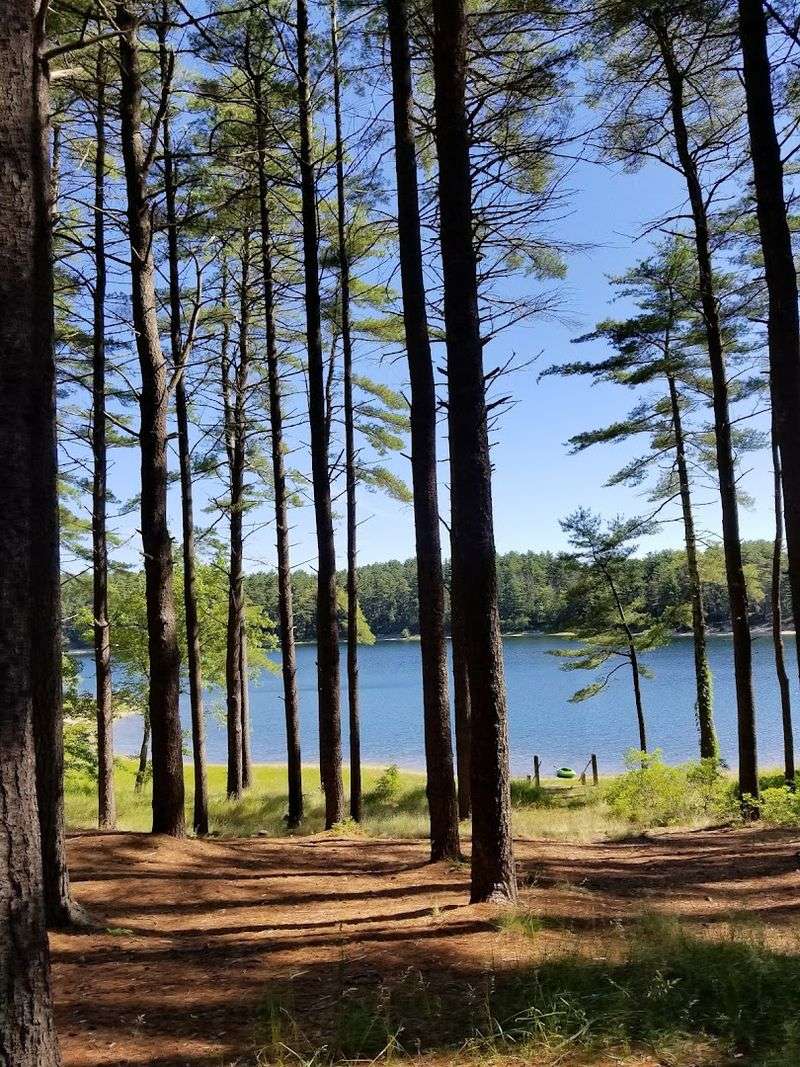
Picture New Jersey’s Pine Barrens mysteriously transported to southeastern Massachusetts and you’ll understand this unusual landscape. Sandy soil supports pitch pine forests and scrubby vegetation completely different from typical New England woodlands.
The terrain feels almost lunar in places where exposed sand creates miniature desert environments.
Fifteen kettle ponds dot the forest, carved by retreating glaciers thousands of years ago. These crystal-clear swimming holes maintain cool temperatures even during hot summer days when surrounding sand bakes underfoot.
College Pond and East Head Reservoir attract paddlers seeking peaceful water trails through untouched shoreline.
Over 35 miles of trails wind through pine groves, past cranberry bogs, and across open barrens where fire-adapted plants thrive. The scale surprises most visitors who expect something smaller and tamer near suburban communities.
Camping areas offer genuine backcountry experiences where coyote calls echo through darkness and stars shine brilliantly without light pollution interference. Few Massachusetts forests feel this genuinely wild and spacious.
Savoy Mountain State Forest
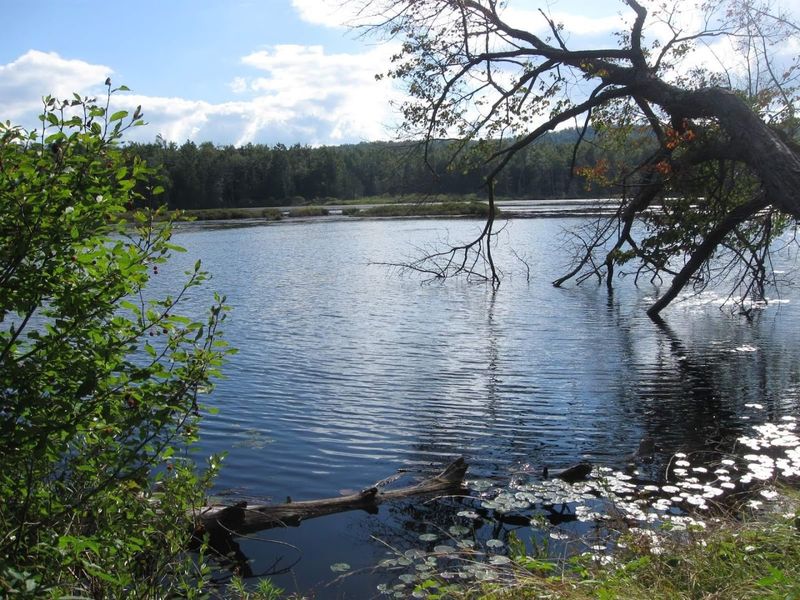
Tucked into the northern Berkshires, this rugged mountain sanctuary rewards adventurous souls willing to travel bumpy dirt roads. The remoteness keeps crowds away, creating a genuine wilderness experience increasingly rare in southern New England.
Old-growth forest sections harbor trees that witnessed centuries of Massachusetts history unfold beneath their branches.
Tannery Falls crashes sixty feet down rocky ledges in a spectacular display that requires moderate hiking to witness. The waterfall pools below invite brave swimmers to test frigid mountain-fed waters that never truly warm even during August heat waves.
North Pond and South Pond offer high-elevation fishing and paddling opportunities surrounded by unbroken forest.
Steep terrain challenges hikers but rewards effort with stunning overlooks across wave after wave of mountain ridges. The forest feels genuinely alpine despite modest elevations compared to western mountains.
Black bears frequent the area regularly, requiring proper food storage from campers. Winter snow depths can exceed several feet, transforming trails into snowshoe and cross-country ski routes through silent white wilderness.
Mohawk Trail State Forest
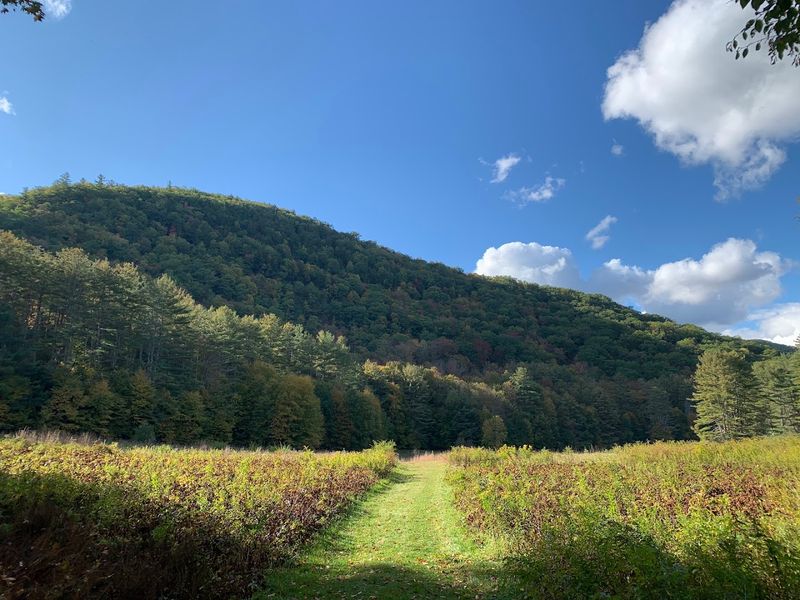
Ancient trees tower overhead like cathedral columns, some reaching heights that make you crane your neck backward. The old-growth forest sections contain hemlocks and pines that sprouted when colonial America was still young.
Walking among these giants creates an almost spiritual experience, humbling visitors with nature’s patient power and enduring presence.
The Cold River carves deep gorges through bedrock, creating dramatic scenery along scenic trails. Water tumbles over boulders worn smooth by millennia of flowing current, forming perfect swimming holes during summer months.
The river’s name proves accurate year-round as snowmelt and spring-fed sources keep temperatures bracingly cold.
Camping here feels like stepping backward through time into primeval wilderness. Early morning mist hangs between massive tree trunks, filtering sunlight into golden beams.
Woodpeckers hammer echoing rhythms while searching for insects in dead wood. The forest floor shows minimal human disturbance in protected areas where logging never reached.
This preservation offers rare glimpses of what Massachusetts looked like before European settlement transformed most landscapes.
Mount Washington State Forest
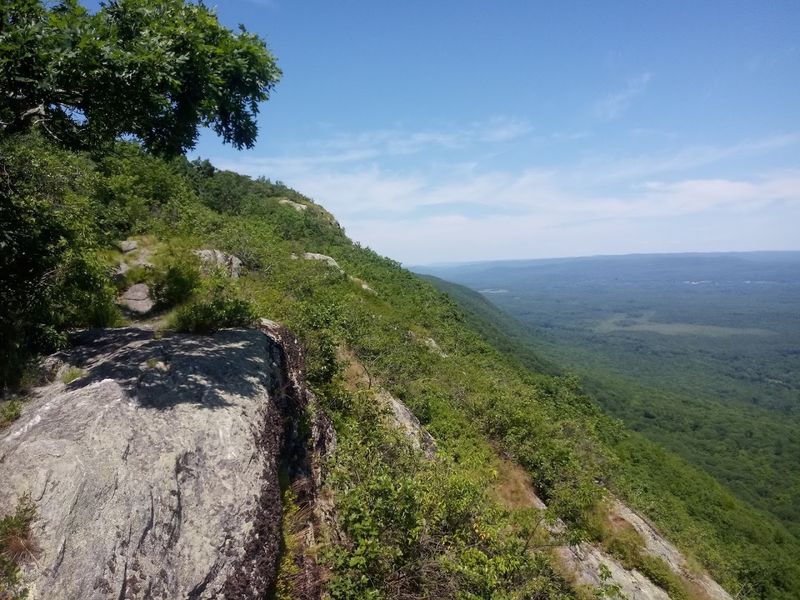
Occupying Massachusetts’ southwestern corner, this Taconic wilderness represents one of the state’s most isolated and least-visited parks. Getting here requires commitment as winding mountain roads discourage casual visitors.
That difficulty creates perfect conditions for solitude seekers wanting genuine backcountry experiences without sharing trails with dozens of other hikers.
Rocky overlooks provide dramatic views across New York’s Hudson Valley and Connecticut’s northwestern hills. The elevation and exposed ridges create weather patterns noticeably different from surrounding lowlands.
Temperatures drop rapidly as afternoon thunderstorms build over mountains, reminding hikers that wilderness demands respect and preparation.
Appalachian Trail sections through here challenge even experienced backpackers with steep, rocky terrain. The forest’s ruggedness has preserved it from development, maintaining primitive conditions throughout most acreage.
Bears, fishers, and occasional bobcats roam freely through dense mountain laurel thickets. Camping feels truly remote with nearest towns miles away.
Stars shine with remarkable clarity on cloudless nights far from any city glow. Silence here is profound and complete.
Bash Bish Falls State Park
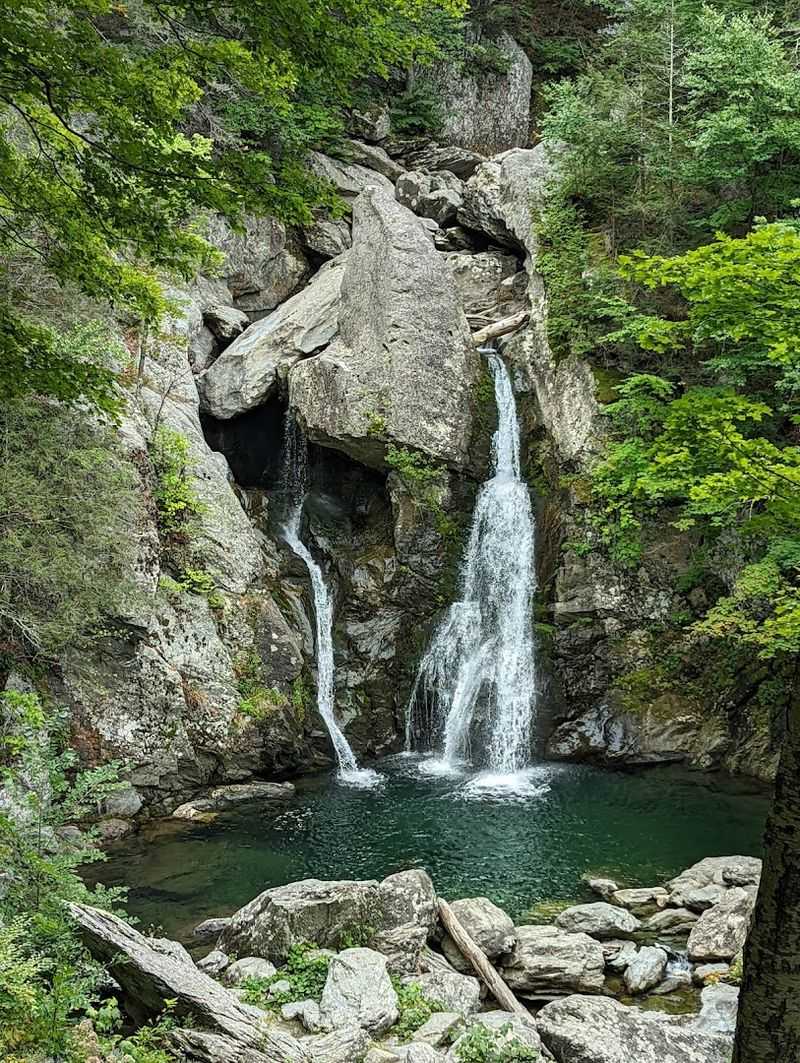
Everyone knows the waterfall, but few explore the extensive wilderness surrounding this 60-foot cascade. Bash Bish Creek tumbles dramatically over quartzite ledges, splitting around a massive boulder before plunging into a crystal pool below.
The falls themselves justify the visit, but the adjoining forest lands contain hidden treasures worth discovering.
Trails connect to Mount Washington State Forest and New York’s Taconic State Park, creating an interconnected wilderness system. These paths wind through mountain laurel tunnels, across boulder fields, and up to ridge overlooks.
The area feels much larger than its modest acreage suggests due to surrounding protected lands.
Hemlock forests create deep shade even on bright summer days while keeping temperatures noticeably cooler. Wildlife thrives here with frequent deer sightings and occasional bear encounters.
Swimming in the falls pool tempts many visitors despite strong currents and cold water temperatures. The park’s location on the Massachusetts-New York border adds to its frontier feeling.
Rock climbing routes on surrounding cliffs attract skilled climbers seeking challenging vertical adventures.
Harold Parker State Forest
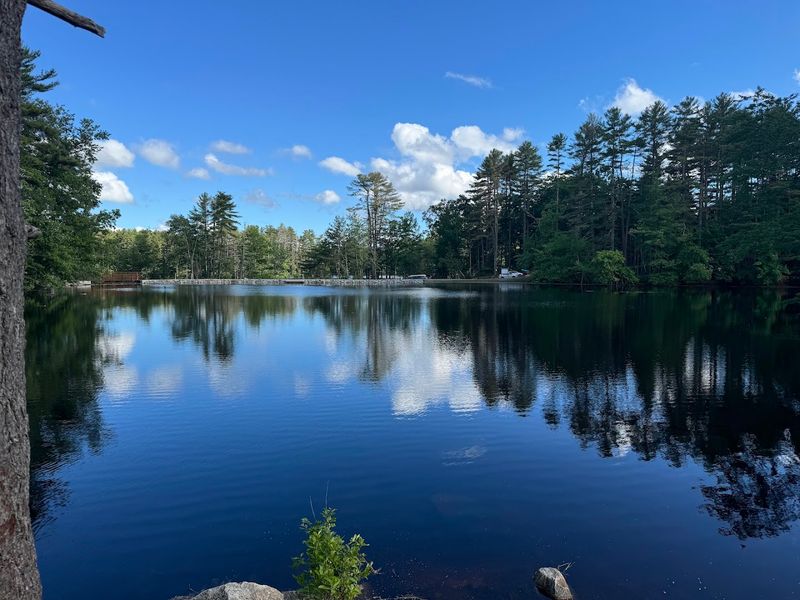
Just thirty miles from Boston’s skyscrapers lies this surprising 3,000-acre wilderness where city noise vanishes within minutes. The forest contains eleven ponds scattered across rolling terrain covered in oak, pine, and maple.
Finding solitude this close to metropolitan areas seems impossible until you experience Harold Parker’s ability to absorb and hide visitors along its 35-mile trail network.
Each pond possesses unique character from tiny Brackett Pond’s intimate shores to larger Stearns Pond’s expansive waters. Paddlers can spend entire days exploring interconnected waterways while anglers cast for bass, pickerel, and sunfish.
Berry Pond and Frye Pond offer excellent swimming beaches that remain surprisingly uncrowded even on hot weekends.
Mountain bikers treasure the diverse terrain mixing smooth forest roads with technical single-track challenges. The trail system feels genuinely complex with enough variation to explore different routes repeatedly without boredom.
Fall foliage transforms everything into a brilliant tapestry visible from higher elevation lookouts. Winter offers cross-country skiing and snowshoeing through peaceful frozen landscapes where only animal tracks disturb fresh snow.
Douglas State Forest
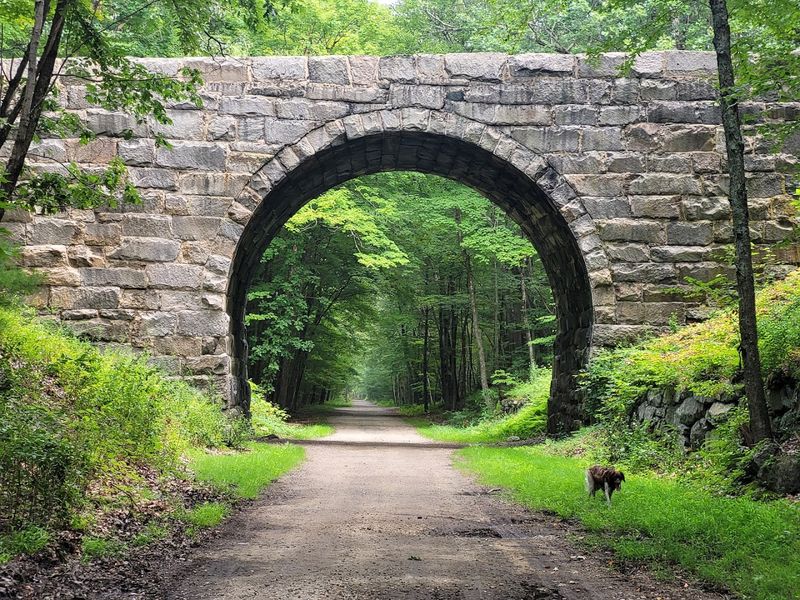
Straddling the Massachusetts-Rhode Island border, this often-overlooked forest surprises visitors with genuine wilderness character. Wallum Lake forms the centerpiece, offering 200 acres of clear water perfect for swimming, fishing, and paddling.
The lake’s sandy beach and gradual depths make it family-friendly while surrounding forests provide solitude for those willing to hike beyond immediate shoreline areas.
Rocky hills throughout create challenging terrain with rewarding views from multiple overlooks. Trails wind past stone walls marking old farm boundaries, reminding hikers that forests once cleared for agriculture have completely reclaimed this land.
Cedar swamps and wetlands support diverse wildlife including river otters, beavers, and great blue herons.
The trail system extends over 20 miles with connections linking different sections through varied ecosystems. Mountain laurel blooms create stunning displays each June, transforming understory into pink and white flower clouds.
Winter ice fishing attracts dedicated anglers who brave cold temperatures for perch and pickerel. The forest’s scale and remote feeling defy central Massachusetts’ suburban reputation, offering genuine backcountry experiences surprisingly close to Worcester.
Wompatuck State Park
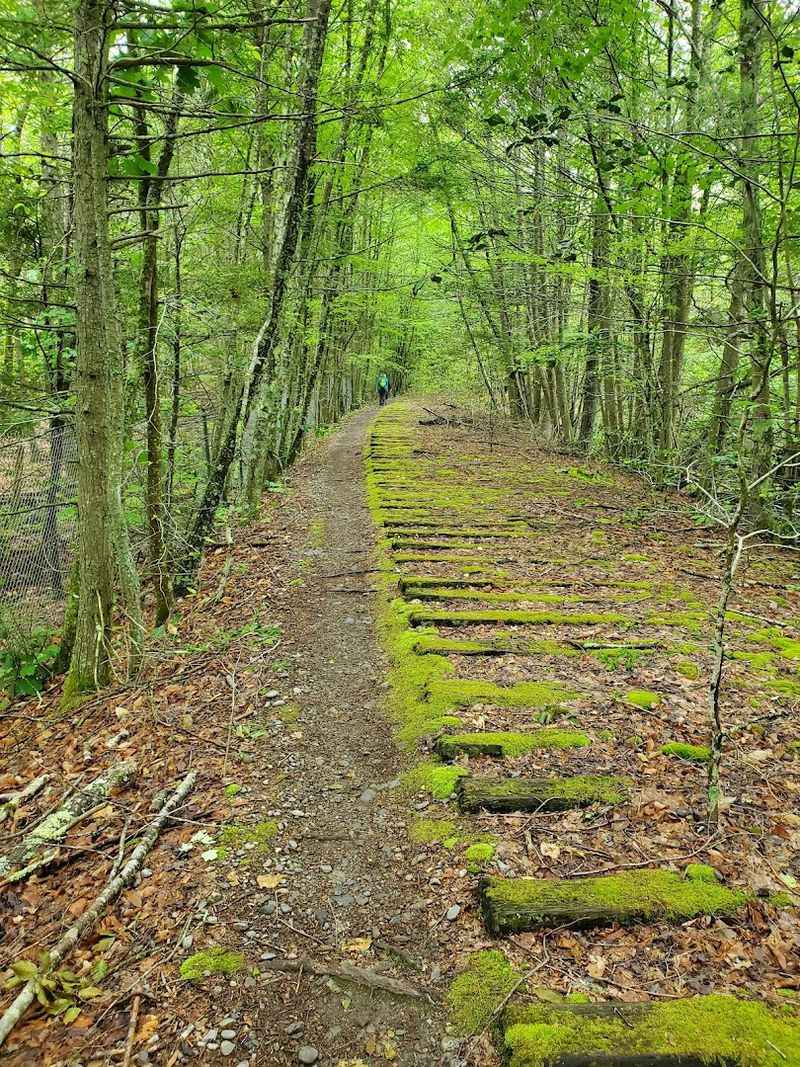
Former military ammunition depot transformed into eerie paradise creates unlike any other Massachusetts park. Concrete bunkers peek from undergrowth like ruins from civilization’s collapse, slowly being consumed by advancing forest.
The military past adds strange atmosphere to what’s become a remarkably wild 3,500-acre recreation area just south of Boston.
Over 40 miles of trails crisscross the property, attracting mountain bikers, horseback riders, and hikers. Abandoned roads from military days now serve as wide, smooth paths perfect for easy exploration.
More adventurous visitors seek overgrown single-track routes winding through dense woodland where few venture.
Mount Blue Spring feeds a stream system supporting trout populations surprising this close to urban areas. The spring’s reliable flow creates lush habitat even during dry summers.
Camping areas offer developed and primitive options, with some sites nestled between forgotten bunkers adding unique flavor to overnight stays. The park feels expansive despite its modest size, with trail networks complex enough that getting temporarily turned around becomes common.
Nature’s reclamation of military infrastructure creates fascinating study in how quickly wilderness returns when given opportunity.
Borderland State Park
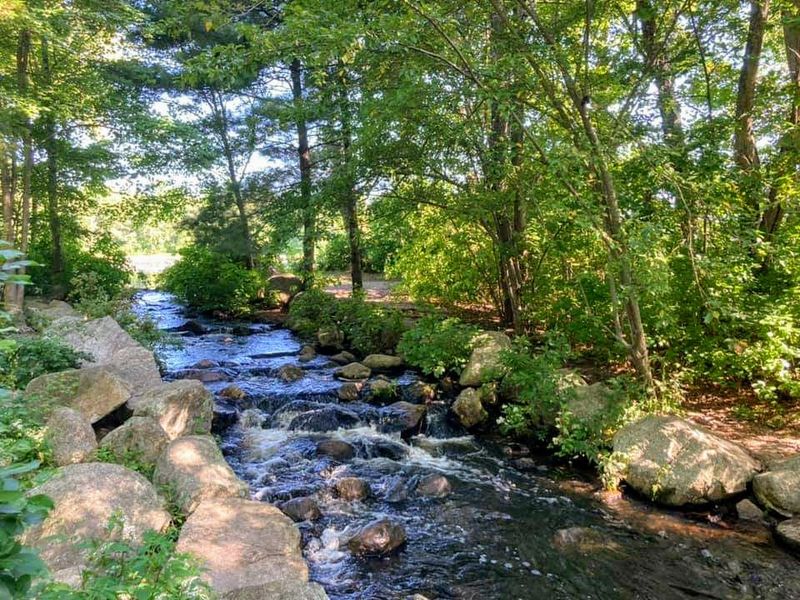
The historic Ames mansion draws initial attention, but savvy visitors quickly discover surrounding wilderness deserves equal appreciation. Once a private estate, the property protected these lands from development, creating a 1,800-acre oasis now surrounded by suburban sprawl.
The mansion’s stone architecture provides dramatic focal point while forests beyond offer genuine escape.
Seven ponds and wetlands support incredible biodiversity with great blue herons stalking shallow waters and wood ducks raising broods in hidden coves. Leach Pond’s peaceful shoreline trail makes an easy loop perfect for families or anyone seeking gentle nature immersion.
Quiet contemplation comes easily along these well-maintained paths winding through mixed hardwood forests.
The trail network extends over 20 miles with options ranging from flat lakeside strolls to moderate hills testing cardiovascular fitness. Stone walls crisscross the property marking old field boundaries from farming days before the Ames family consolidated holdings.
Mountain bikers appreciate smooth carriage roads while hikers prefer narrower footpaths offering closer connection with surrounding nature. The park’s ability to feel remote despite visible houses at boundaries represents remarkable achievement in land preservation.
Purgatory Chasm State Reservation
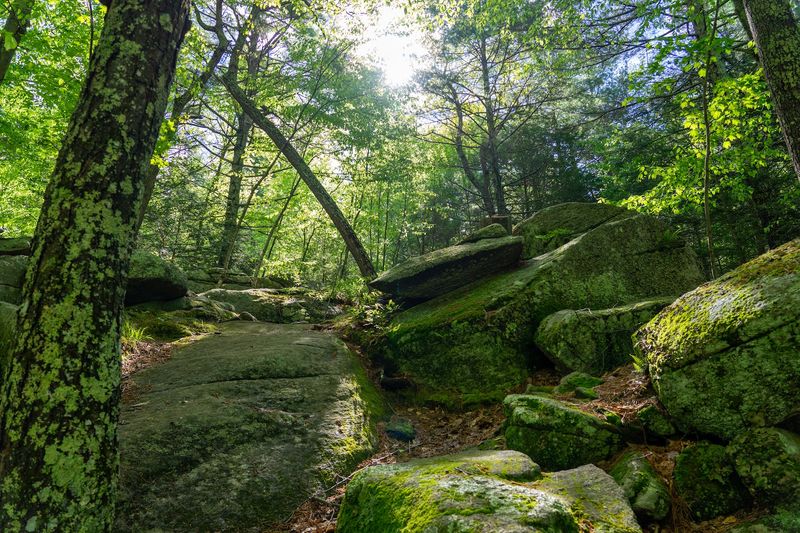
A quarter-mile long granite chasm drops fifty feet deep through solid bedrock creating one of Massachusetts’ most dramatic geological features. Walking through the narrow gorge feels like entering another world where massive boulders lean overhead and stone walls press close from both sides.
The chasm’s mysterious origin sparks debate among geologists who argue whether glacial meltwater or earthquakes carved this remarkable split.
Rock scrambling through the main gorge requires moderate agility as you climb over and around enormous stones wedged between vertical walls. The Devil’s Coffin, Fat Man’s Misery, and other colorfully named passages challenge visitors with tight squeezes and vertical climbs.
Children love the adventure while adults appreciate geological forces powerful enough to fracture solid bedrock.
Surrounding trails extend the experience beyond the famous chasm itself, winding through boulder fields and pine forests. The park feels much larger than its 900 acres due to dramatic topography and varied terrain.
Rock climbers practice skills on surrounding cliffs under proper supervision. The unique landscape creates excellent habitat for wildlife adapted to rocky environments including chipmunks, snakes, and various bird species.