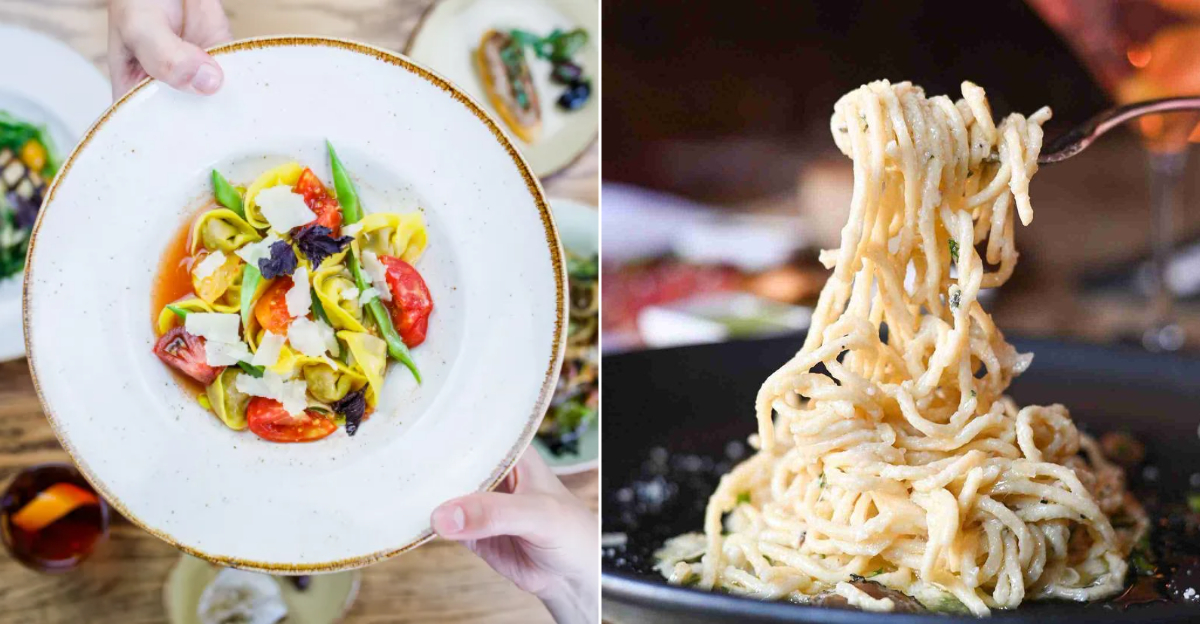
While modern dining trends often emphasize constant experimentation and visual presentation, some of Massachusetts’ most enduring restaurants continue to rely on carefully preserved family recipes.
A plate of perfectly prepared pasta serves as a direct connection to the past, linking Italian-American traditions with the established techniques and structure of classic Italian cooking.
The aromas of roasted garlic, olive oil, and slow-simmered sauces help create an atmosphere where hospitality feels just as important as the food itself.
That rare ability to maintain high culinary standards within a setting that feels welcoming and familiar helps explain why these trattorias have remained respected institutions for decades.
Explore this selection of 13 iconic restaurants across Massachusetts where pasta dishes represent a pure expression of Italian culinary tradition.
These are places where pride in heritage remains evident in every plate that leaves the kitchen.
Carmelina’s – Boston
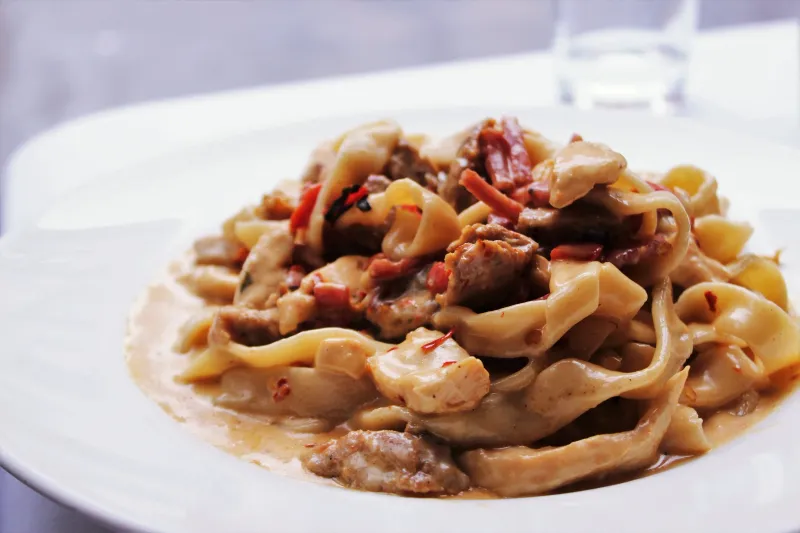
Sicilian influence shapes the kitchen here in ways that feel specific rather than decorative.
Sweet notes, sharper acidity, and the careful use of eggplant, seafood, and tomato give many plates a southern Italian structure.
Homemade sauces matter because they provide the restaurant’s strongest link to family cooking, where long simmering builds flavor instead of masking weak ingredients.
Several pasta dishes lean into that idea with bold but clear profiles.
The lobster ravioli, often discussed by regulars, balances richness with sauce rather than burying the filling. Fra diavolo preparations and other red-sauced plates show how heat can support shellfish and pasta without turning the meal into a one-note exercise.
Hospitality also plays a real role in why the food resonates.
In Boston’s Italian dining culture, warmth at the table has long been part of the meal, especially in places influenced by family tradition.
That atmosphere reinforces the old-school feeling, but the more important point is culinary continuity: classic pasta remains alive when technique, sauce work, and welcome all move together.
Giacomo’s Ristorante – Boston
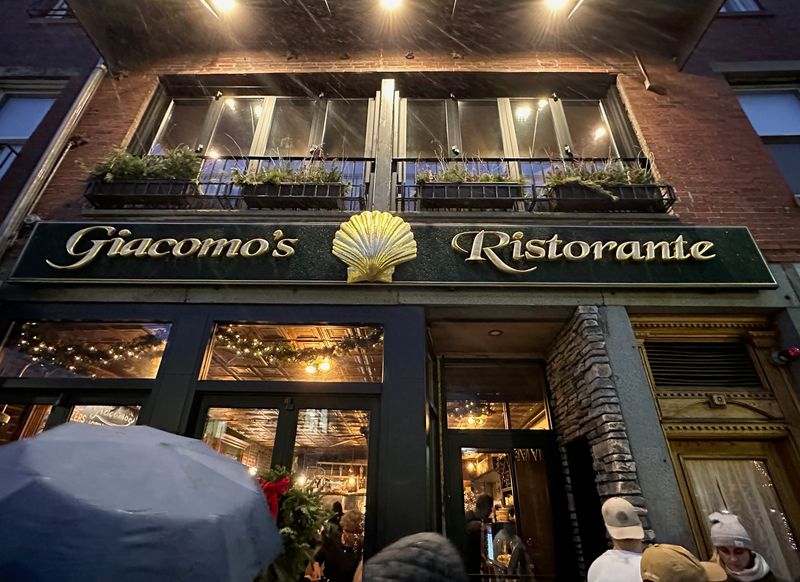
Long lines outside this dining room are not just a tourism story.
They reflect decades of neighborhood trust built on plates that arrive full, hot, and unmistakably made to satisfy rather than impress.
Seafood pasta became central to that reputation because the kitchen consistently pairs abundance with direct, scratch-driven cooking.
Lobster, shrimp, scallops, clams, and mussels appear in preparations that lean heavily on garlic, olive oil, stock, and tomato instead of complicated garnish.
That approach matters because old-school Italian-American seafood pasta depends on timing and pan control more than visual refinement.
When shellfish is cooked properly and the sauce clings to the noodles, the meal speaks through concentration rather than novelty.
Consistency is the deeper reason the restaurant still holds its place.
Generations of diners return expecting the same intensity, the same familiar room, and the same oversized bowls that helped define local memory.
In a city where many dining trends move quickly, that steadiness preserves a style of neighborhood restaurant cooking rooted in repetition, confidence, and unapologetically hearty pasta.
Mamma Maria – Boston
Fine Italian cooking often reveals its values most clearly through restraint, and that principle shapes the pasta here.
Regional influences guide the menu, but technique holds everything together, from delicate fillings to carefully mounted sauces.
Handmade pasta is important in this context because it shows control over texture, thickness, and absorption, all central to traditional Italian craft.
Plates tend to avoid excess and instead emphasize balance between dough, fat, stock, herbs, and seasonal ingredients.
That allows subtle regional references to remain legible, whether the inspiration comes from northern stuffed pasta traditions or central Italian sauce structures.
Precision matters because refined pasta can lose its identity quickly when a kitchen treats it like a blank canvas for luxury ingredients.
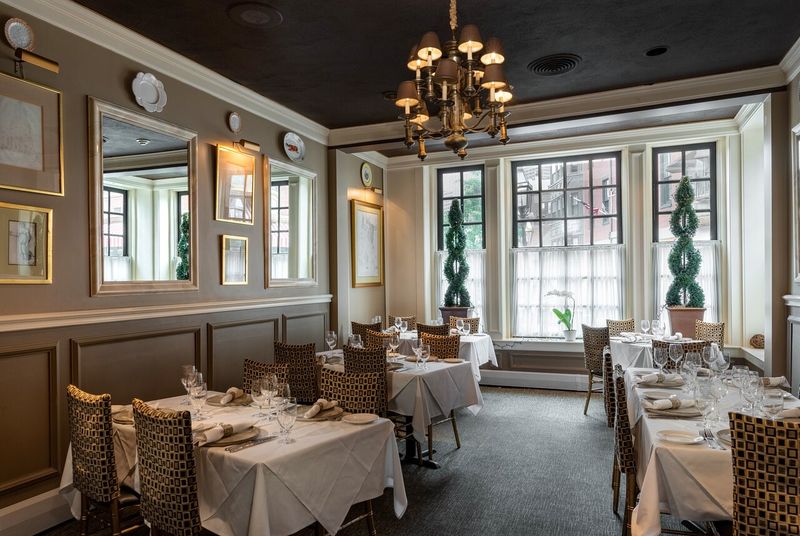
The historic surroundings deepen that experience without turning it into theater.
Dining in an older townhouse connects the meal to Boston’s own layered past, while the food points back to older European culinary habits built around patience and proportion.
Rather than separating elegance from tradition, the restaurant shows how formal service and handmade pasta can still operate inside the same inherited Italian framework.
Trattoria Il Panino – Boston
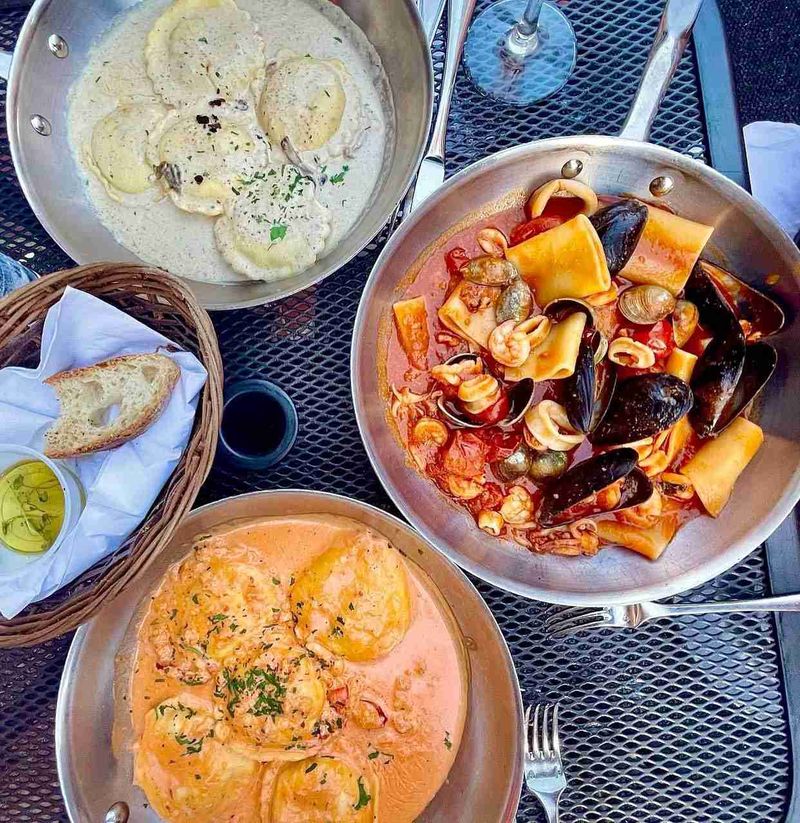
Classic comfort food depends on familiarity, but it also depends on execution that never feels careless. Fresh pasta preparation supports that balance by giving the kitchen a softer, more responsive base for rich sauces, braises, and cream-based combinations.
Family recipes matter because they preserve proportions and habits that were built for regular eating, not occasional display.
Many plates draw strength from recognizable Italian-American forms, including baked dishes, stuffed pastas, and meat-focused sauces that suit a lively North End room.
Those choices remain important because local trattoria culture has long favored generosity, immediacy, and dishes that can anchor a long meal.
The appeal is not innovation. It is the dependable pleasure of food designed to be shared, remembered, and ordered again.
Neighborhood tradition gives the restaurant its broader significance.
In Boston, trattorias have often served as everyday guardians of Italian culinary continuity, especially when larger trends moved toward abstraction.
By keeping fresh pasta at the center of comfort-oriented cooking, the kitchen reinforces a durable lesson: simple dishes survive across generations when they meet real appetites with honest craft and stable flavor.
Antico Forno – Boston
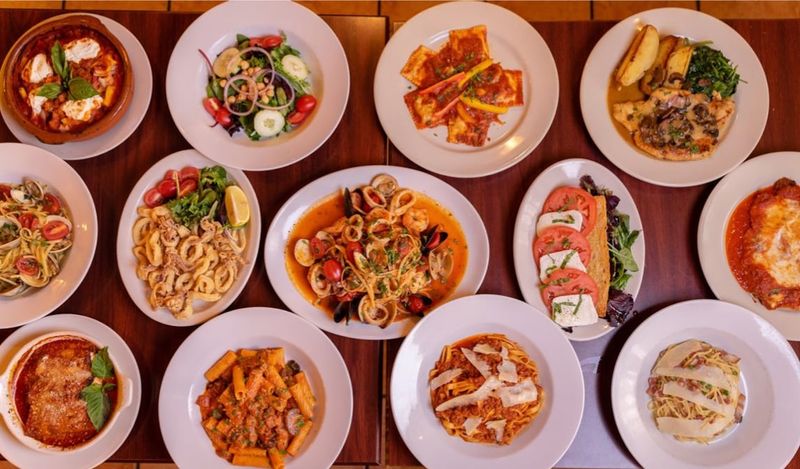
Old-fashioned cooking methods still matter because they shape flavor before seasoning even begins.
A kitchen built around roasting, baking, and slow reduction develops the kind of depth that many classic Italian dishes require, especially when pasta shares space with braised meats or oven-finished sauces. Traditional recipes feel grounded here because technique remains visibly tied to rustic dining habits.
House specialties often reflect that sturdy approach.
Baked pastas, lasagna, and robust meat sauces make sense in a room that values warmth, structure, and the patient layering of ingredients.
Rustic dining traditions are important not for nostalgia alone, but because they preserve practical wisdom: hearty preparations evolved to feed groups well, hold heat, and reward long cooking.
That continuity matters in a neighborhood where Italian food can easily be reduced to shorthand. Instead, the restaurant keeps classic culinary practices in circulation by emphasizing methods that resist shortcuts.
When pasta is paired with slow-cooked ragus, properly browned components, and careful oven work, diners experience the depth that comes from patient preparation.
Italian-American tradition reflects a broader truth: durability often begins with the discipline of cooking things the long way.
La Famiglia Giorgio’s – Boston
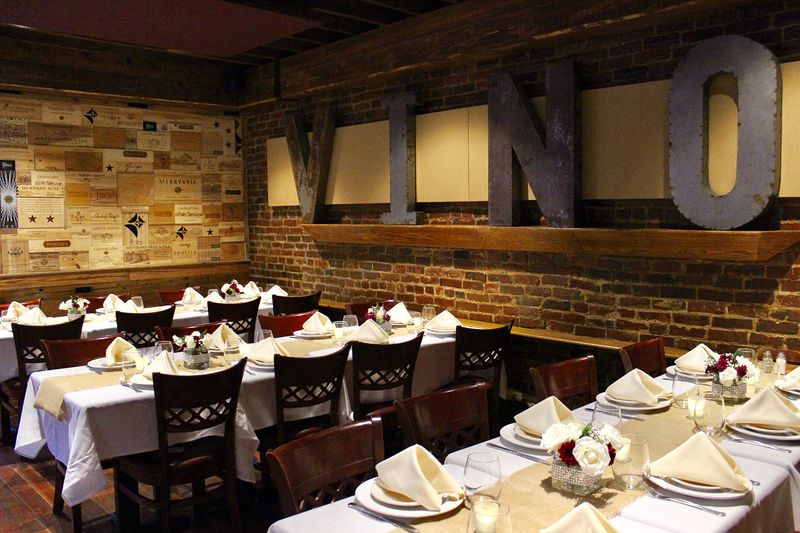
Family ownership gives this dining room more than a sentimental backstory.
It shapes portioning, pacing, and the sense that pasta should satisfy a table fully, not arrive as a carefully rationed symbol of refinement.
Generous servings matter in Italian-American food history because abundance became one visible way immigrant families expressed care, stability, and success.
Traditional dishes such as chicken parm with pasta, baked combinations, and red-sauce staples carry that legacy forward.
Those plates are not important because they are elaborate.
They matter because they preserve a style of restaurant cooking that turned Sunday-style meals into an accessible public ritual, where sauce, cheese, and pasta worked together to create familiarity across generations.
The broader cultural role of family restaurants becomes clear in places like this.
Recipes survive more easily when they are repeated daily in a business where relatives, regulars, and neighborhood memory overlap.
That structure keeps Italian-American heritage active rather than museum-like.
By maintaining hearty pasta traditions without apology, the restaurant reinforces the value of recipes passed down through generations.
Food customs endure through repetition, hospitality, and a shared understanding that comfort can also be a serious cultural inheritance.
Casarecce – Boston
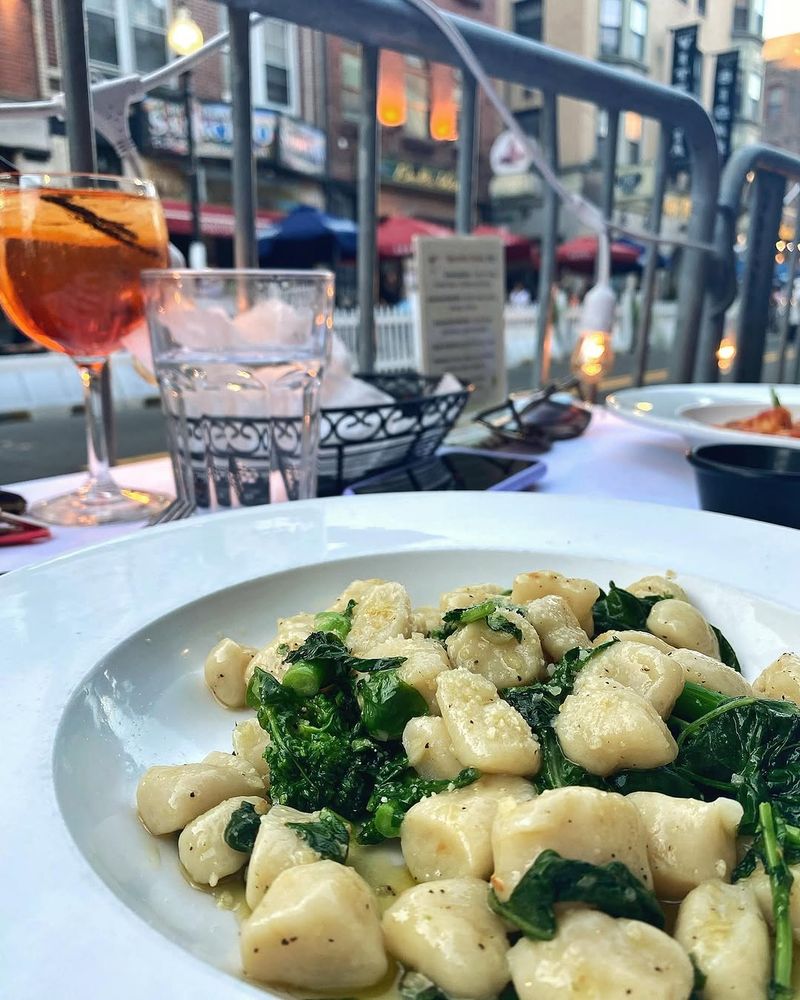
Craftsmanship sits at the center of the experience here, beginning with fresh pasta production rather than finishing touches.
Handmade dough changes everything about a dish, from chew and elasticity to how sauce clings and settles.
Quality ingredients matter more in that setting because there is little room to hide once the noodle itself becomes the main event.
Regional Italian traditions come through in shape choices, restrained sauces, and attention to flour, eggs, and texture.
A dish built around a specific cut of pasta teaches something important about old-school cooking: form was historically developed to match sauce weight, ingredient cost, and local habit.
When a kitchen respects that relationship, pasta stops being generic and becomes a precise culinary language.
The restaurant’s value lies in making that precision visible without making it precious.
Guests can taste the difference between machine-like uniformity and the slight irregularity that signals handwork.
Such details are not cosmetic.
They reveal labor, judgment, and accumulated skill. In a state full of red-sauce history, this kind of focused pasta making widens the conversation by showing how tradition also survives through artisan discipline and regional exactness.
Giulia – Cambridge
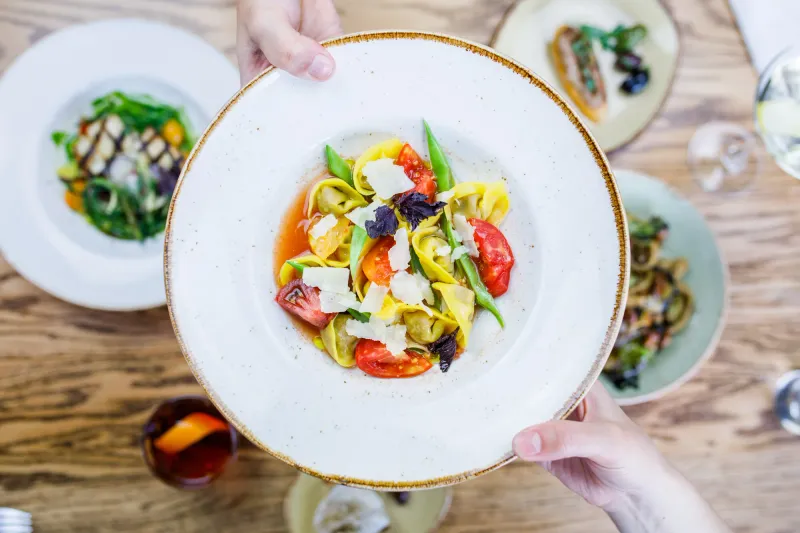
Handmade pasta here reflects a modern kitchen that still respects old regional logic.
Dough texture, filling balance, and sauce structure are handled with notable care, which matters because precision is often the clearest sign that tradition has been studied rather than merely referenced.
Ingredient sourcing also plays a central role, allowing vegetables, dairy, and meats to support the pasta instead of competing with it.
Regional Italian influences appear through combinations that feel considered rather than overloaded.
A plate may borrow from Emilia-Romagna, Tuscany, or other parts of Italy, yet the result stays coherent because the kitchen understands why those traditions developed in the first place.
That historical awareness is important. Without it, contemporary pasta can become a collage instead of a disciplined continuation of craft.
There is also value in how the restaurant frames technique for today’s diner.
The cooking shows that modern appreciation does not have to mean breaking from the past.
Instead, it can mean clarifying it through better sourcing, cleaner execution, and sharper attention to proportion.
In that sense, the restaurant offers a persuasive model of continuity, where innovation works best when it strengthens the grammar of traditional pasta making.
Via Cannuccia – Boston
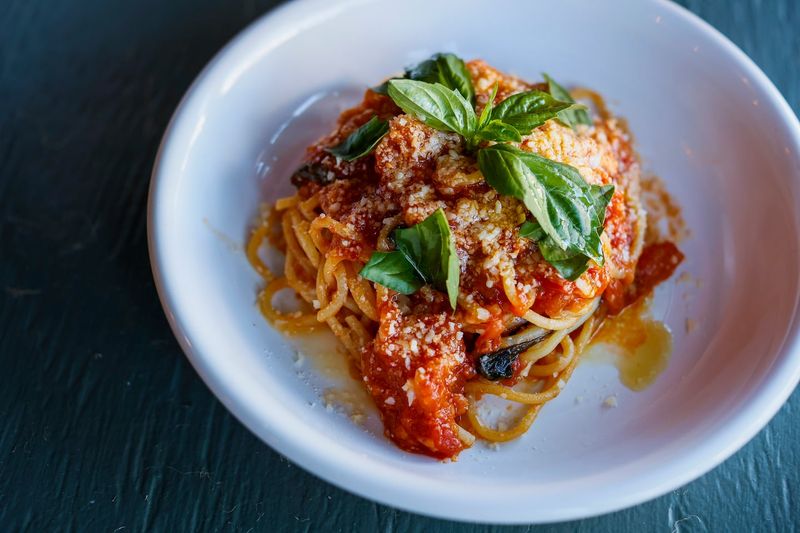
Roman cooking depends on simplicity, but simplicity in pasta is rarely easy.
A short ingredient list exposes every technical decision, from pasta water management to cheese emulsification and heat control.
That is why Roman traditions remain so important. They prove that great pasta can emerge from discipline, not abundance.
Preparations associated with Lazio, including cacio e pepe, carbonara, and amatriciana, carry centuries of practical wisdom.
Each dish relies on a small number of ingredients whose balance can shift in seconds, so the cook’s judgment becomes the dominant flavor.
Regional authenticity matters here because these classics lose meaning when overloaded with cream, garlic, or decorative additions that flatten their original logic.
Neighborhood dining culture strengthens the experience by placing such food in a social setting built for repetition.
Roman pasta was never meant to function as a rare spectacle. It belongs to regular meals, direct pleasures, and conversation across close tables.
By honoring that spirit, the restaurant shows why old-school Italian cuisine still speaks clearly today: the less there is on the plate, the more craftsmanship and culinary honesty have to carry.
La Summa Cucina Italiana – Boston
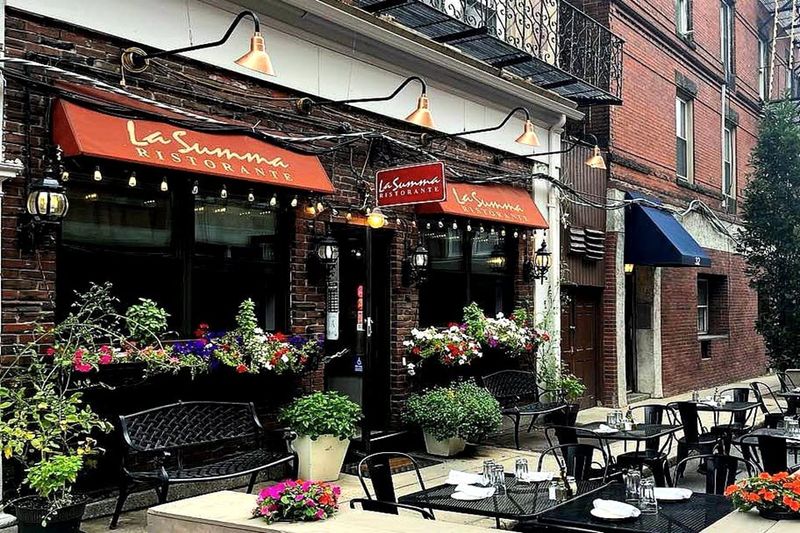
Family tradition often survives through repetition, and that pattern is easy to see in the cooking here. Classic dishes rely on recognizable building blocks such as tomato, garlic, herbs, seafood, and properly cooked pasta, yet the point is not simplicity alone.
Fresh ingredients matter because long-standing recipes can only stay vivid when the raw materials still have life and clarity.
Neighborhood loyalty says something important about the restaurant’s role.
Regular diners return not just for habit, but because the kitchen provides continuity in a district where turnover and changing tastes can easily blur older culinary customs.
That continuity gives familiar pasta dishes cultural weight.
They become a record of how Italian-American families have eaten in public over time.
Preserving long-standing customs does not require freezing a menu in place.
Instead, it requires holding onto the values underneath it: consistency, warmth, and respect for dishes that were designed to nourish groups rather than signal fashion.
The restaurant contributes to that preservation by keeping everyday Italian cooking visible and relevant.
In doing so, it shows that tradition is often strongest where food remains approachable, repeatable, and deeply tied to local memory.
Bricco – Boston
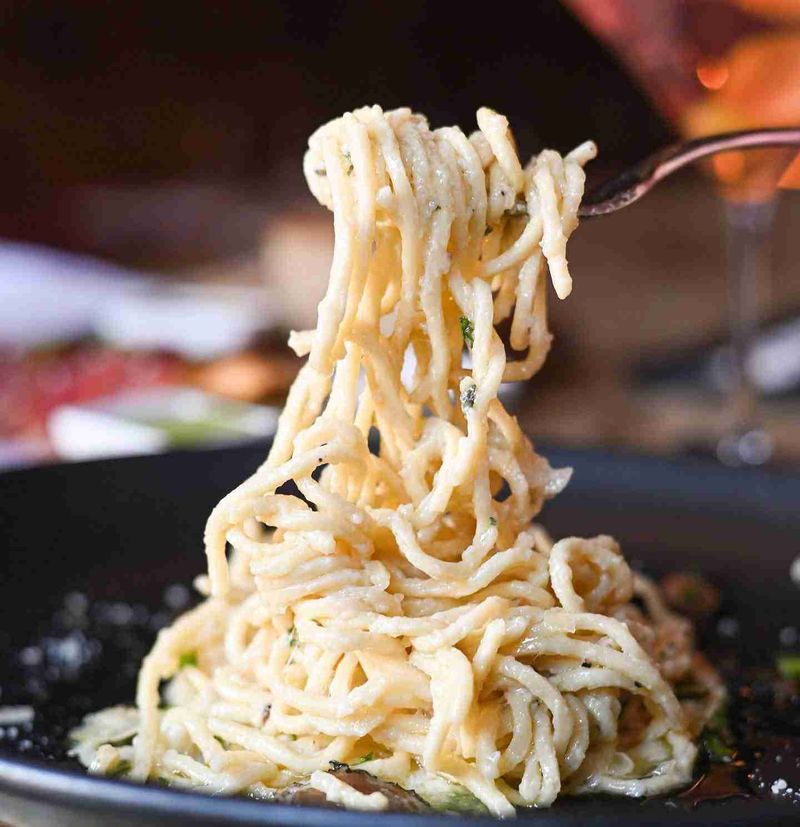
Artisanal production defines the identity of this restaurant in a way that extends beyond the pasta bowl. Homemade pasta and bread baking traditions work together because both depend on dough knowledge, fermentation judgment, and a respect for texture that cannot be rushed.
That shared craft matters. It creates a broader picture of Italian culinary heritage built on flour, labor, and timing.
The pasta program gains depth from that context.
When noodles are made in house, the kitchen can control thickness, hydration, and the relationship between shape and sauce, which is essential for classical integrity.
Bread making reinforces the same values.
A restaurant that takes crust, crumb, and proofing seriously is often one that understands why foundational techniques deserve daily attention.
Its reputation for craftsmanship rests not on ornament but on repetition of skilled tasks.
Guests encounter a style of cooking where basics are treated as serious work, from dough handling to sauce finishing.
That is significant in a dining culture often distracted by novelty.
By foregrounding artisanal processes, the restaurant preserves an old-school idea that remains central to Italian food: mastery begins with humble materials transformed carefully, consistently, and with patience.
Rino’s Place – East Boston
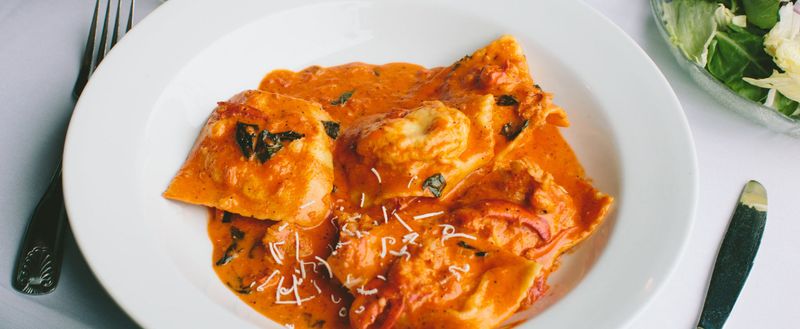
Neighborhood dining culture becomes tangible here through scale, rhythm, and memory. Large-format pasta dishes are not just a visual signature.
They express an older Italian-American idea that restaurants should feed people generously, encourage leftovers, and make a meal feel communal even at small tables.
Homemade pasta strengthens that effect by adding softness and substance that boxed noodles cannot match.
Family traditions remain visible in the way the food resists unnecessary polish.
Sauces tend to be rich, direct, and built for satisfaction, while portions signal a kitchen that understands appetite as part of hospitality.
That matters because many local institutions endure not through trend awareness, but through a stable pact with their neighborhood: keep the food hearty, keep the standards familiar, and keep the room grounded.
The restaurant’s following says something larger about East Boston’s culinary history.
Loyal crowds often form around places that help communities see themselves on the plate, especially in districts shaped by immigration and working-family routines.
By maintaining homemade pasta and oversized classics, the kitchen preserves more than recipes.
It preserves the social function of the Italian neighborhood restaurant as a site of continuity, comfort, and local identity.
Bar Mezzana – Boston
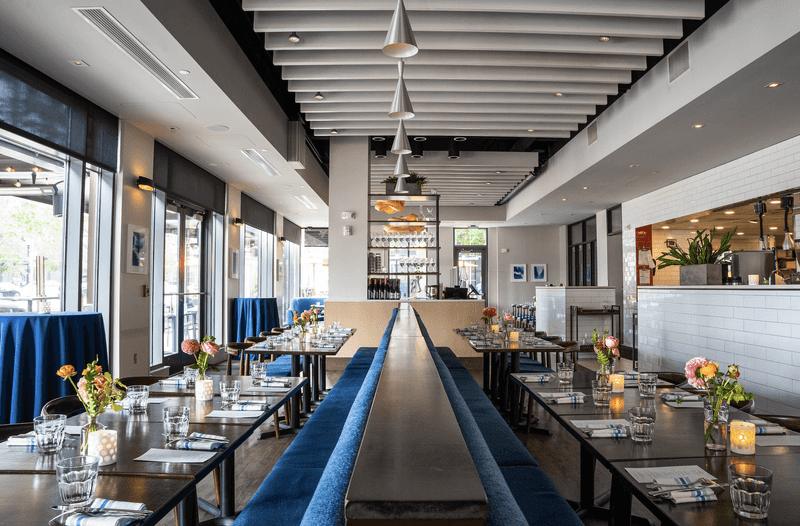
Coastal Italian influence gives the pasta here a different kind of old-school foundation.
Seafood-focused preparations rely on freshness, salinity, and light but deliberate sauce work, which keeps the emphasis on marine flavor rather than cream or excess garnish.
Fresh pasta production is essential in that context because delicate noodles can absorb broth, oil, and shellfish juices without overwhelming them.
Modern interpretation enters through presentation and ingredient combinations, yet the strongest dishes still respect classical structure.
That balance matters. Innovation is useful only when it sharpens an older idea, such as pairing handmade pasta with carefully cooked crab, lobster, or clams in a way that preserves clarity.
Coastal traditions from Italy have always depended on that restraint.
The cook’s task is to capture the sea cleanly, not bury it.
What makes the restaurant important within this list is its argument about continuity.
Tradition does not end when a dining room becomes more contemporary or when plating grows sleeker. Instead, it survives through underlying discipline, especially in dough work, seafood handling, and sauce proportion.
By keeping those fundamentals intact, the kitchen shows how classic pasta can evolve aesthetically while still honoring the older coastal logic that gave it meaning.