The most memorable restaurants often give you a reason to look up from your plate. A crackling fireplace, a view of boats drifting past the window, or a room filled with decades of stories can turn a simple dinner into an experience tied to a place.
Across Massachusetts, iconic restaurants have become known for far more than their menus. These destinations carry pieces of local history, cultural traditions, and unique atmospheres that make every visit feel different.
Some are linked to historic moments, while others are celebrated for unforgettable settings, from classic roadside charm to scenic waterfront dining rooms.
For travelers and locals who believe a restaurant should offer a story along with a meal, these 11 Massachusetts restaurants reveal the landmarks, traditions, and memorable details that have helped them become destinations in their own right.
Union Oyster House
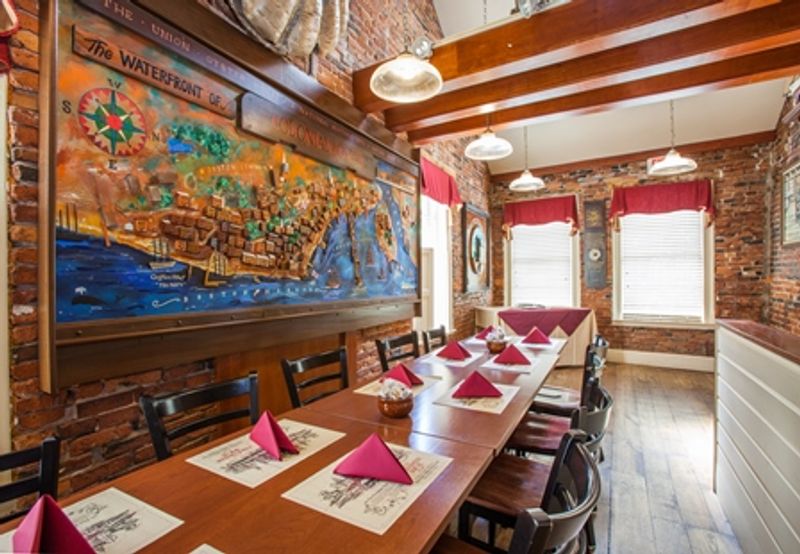
The room feels like a time capsule that never got polished into something artificial. Narrow stairways, worn wood, and crowded oyster counters create the kind of texture you cannot manufacture, even if you tried.
You step inside expecting a famous seafood stop and quickly realize the bigger draw is the feeling of old Boston pressing close around you.
At Union Oyster House in Boston, the building itself carries the headline. It is America’s oldest continuously operating restaurant, a National Historic Landmark, and an easy detour from the Freedom Trail, which means lunch here often comes with a side of civic mythology.
The oyster bar still hums, and the lobster and clam chowder feel almost secondary to the atmosphere.
What stays with you is the sense of continuity. In a city that changes fast, this address still feels anchored in another century.
Warren Tavern
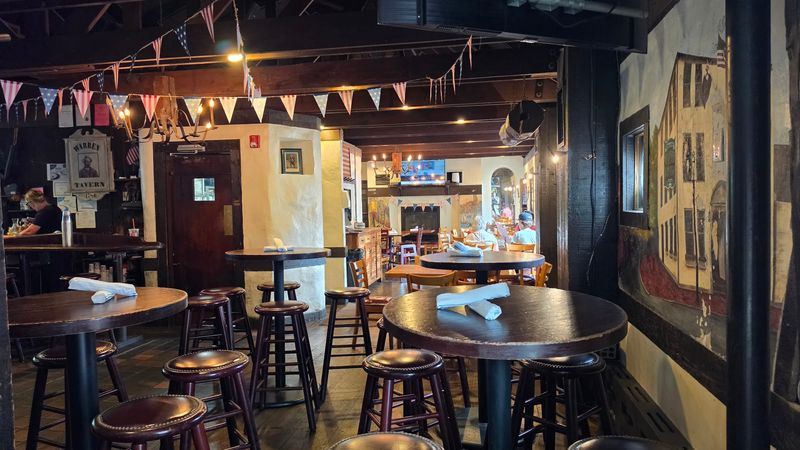
Low ceilings and old brick can change your mood before a server even reaches the table. There is something about a tavern that still looks built for whispered plans and stormy nights that makes a simple drink feel theatrical.
You come for dinner, then find yourself scanning the room for traces of another century.
That is the charm of Warren Tavern in Charlestown, a place tied to Revolutionary-era Boston in a way that feels tangible instead of staged. Dating to 1780 and linked to figures like George Washington and Paul Revere, it carries its history lightly, through creaking floors, dim corners, and the quiet confidence of a building that has seen everything.
Classic tavern fare and a pint fit the setting perfectly.
It is worth visiting because the past does not feel trapped behind glass here. It sits right beside you, warm, noisy, and unexpectedly alive.
Longfellow’s Wayside Inn
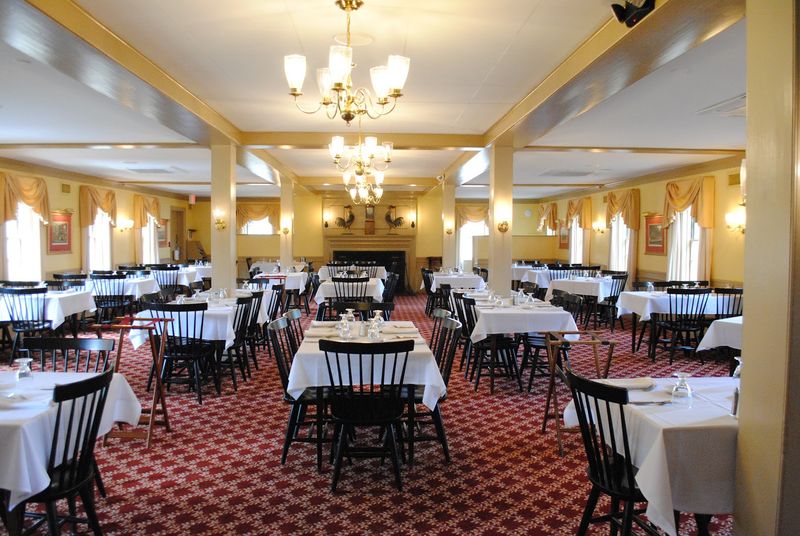
Some places slow you down before you even park the car. The road opens into a quieter landscape, and suddenly the pace of the day feels less important than the weathered buildings and broad New England sky.
It is the kind of setting that makes you lower your voice without thinking.
Longfellow’s Wayside Inn in Sudbury is famous not simply for serving a meal, but for being America’s oldest operating inn, with roots reaching back to the 1600s. The poet Henry Wadsworth Longfellow helped turn its image into legend, and the property still carries that literary calm.
Old beams, fireplaces, and the surrounding grounds make lunch or dinner feel like part of a larger historical ramble.
What makes it memorable is the complete atmosphere. You are not just dining indoors – you are stepping into a version of Massachusetts that has managed to remain surprisingly intact.
The Chart House
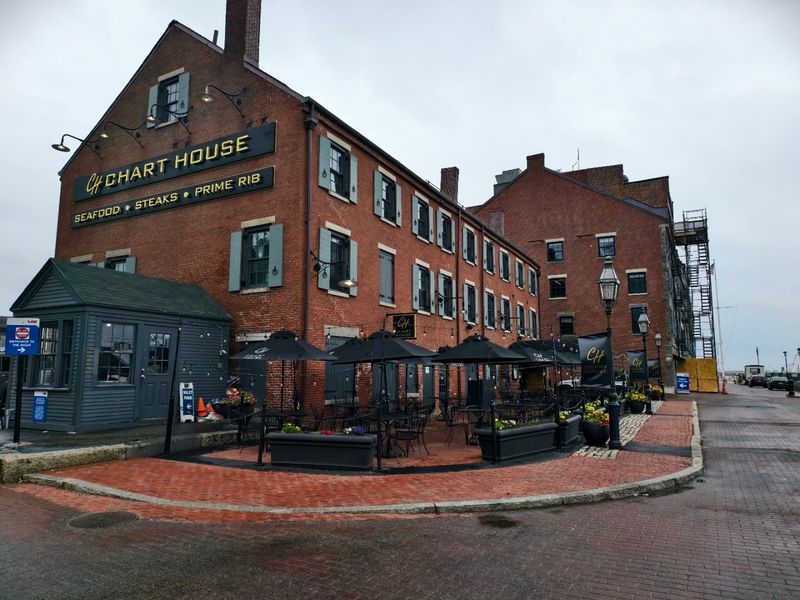
Waterfront restaurants often rely on the view, but this one has the rare advantage of feeling rooted as well as scenic. The harbor light flickers through tall windows, ferries move in the distance, and the whole experience carries a slight maritime grandeur.
Even before the first bite, the setting does most of the storytelling.
The Chart House in Boston stands inside one of the city’s most recognizable historic waterfront buildings, and that architectural presence gives dinner a stronger identity than many harbor spots can claim. Sitting at Long Wharf, it blends polished dining with centuries of maritime memory just outside the door.
Seafood makes obvious sense here, but the draw is equally about looking out across the water and back into Boston’s trading past.
It is a place for lingering, especially near sunset. The building, the harbor, and the old wharf location make the whole evening feel bigger than the plate.
Charlie’s Sandwich Shoppe
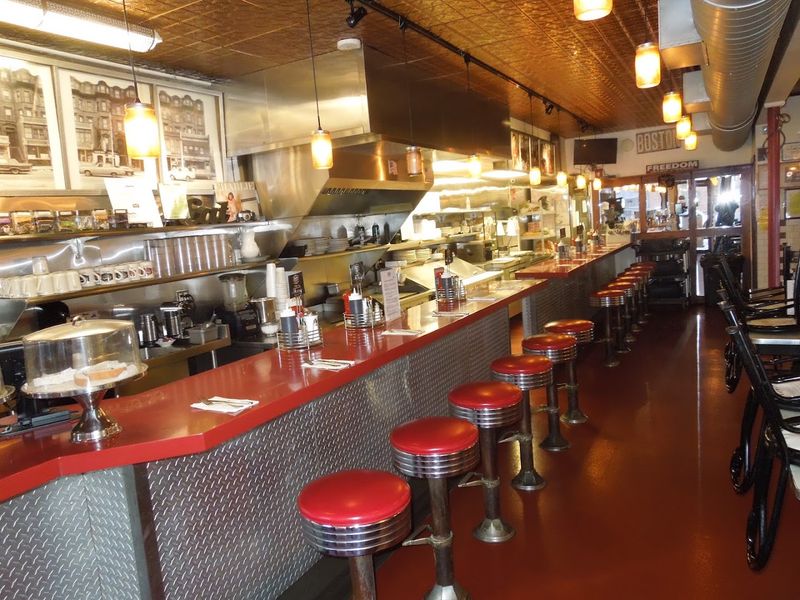
You can tell when a restaurant has become part of a neighborhood’s memory rather than just its lunch options. The room is compact, the stools are close, and every framed photo seems to suggest that somebody notable once squeezed in beside ordinary regulars.
That intimacy is the whole appeal.
Charlie’s Sandwich Shoppe in Boston’s South End has been around since 1927, and its fame comes as much from that old diner spirit as from anything on the griddle. Politicians, athletes, and celebrities have all passed through, but the place still feels grounded in everyday city life.
Breakfast lands best here, especially with coffee, a counter seat, and a little time to notice the memorabilia.
What makes it worth the stop is how unpolished and human it feels. In a city full of reinvention, this small room still trusts charm over spectacle, and that choice lingers with you.
The 1761 Old Mill
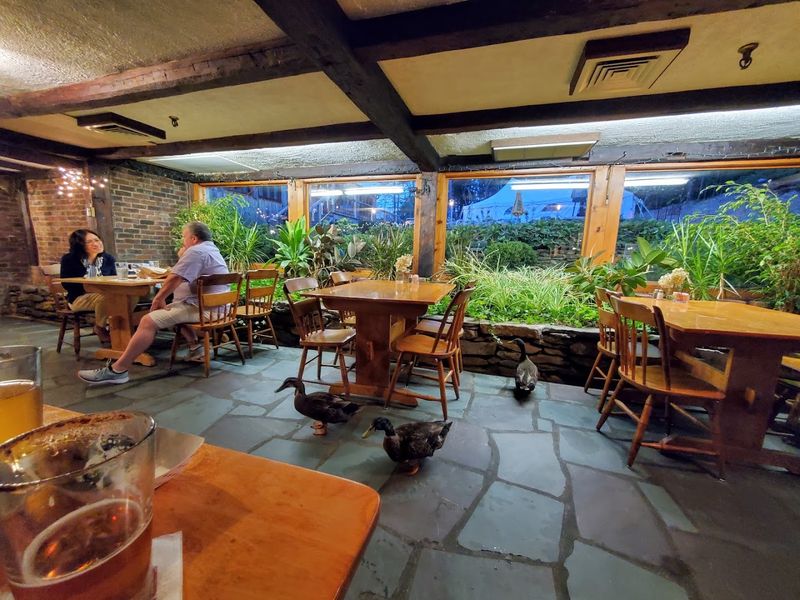
Quiet can be its own kind of luxury, especially when it arrives with weathered timber, soft light, and a sense that the landscape has not been hurried along. This is the kind of restaurant where the building asks you to notice details: stone, wood, water, and the hush of the countryside.
The setting does not demand attention, but it earns it anyway.
At The 1761 Old Mill in Westminster, the authentic eighteenth-century mill backdrop matters just as much as the menu. Dining here feels tied to rural Massachusetts rather than separated from it, and that connection gives the whole visit a steadier rhythm.
You notice the historic structure first, then the peaceful surroundings, then perhaps a hearty New England plate in front of you.
Its reputation comes from that blend of place and preservation. You leave remembering not just what you ate, but how calm everything around you felt while you ate it.
The Bell in Hand Tavern
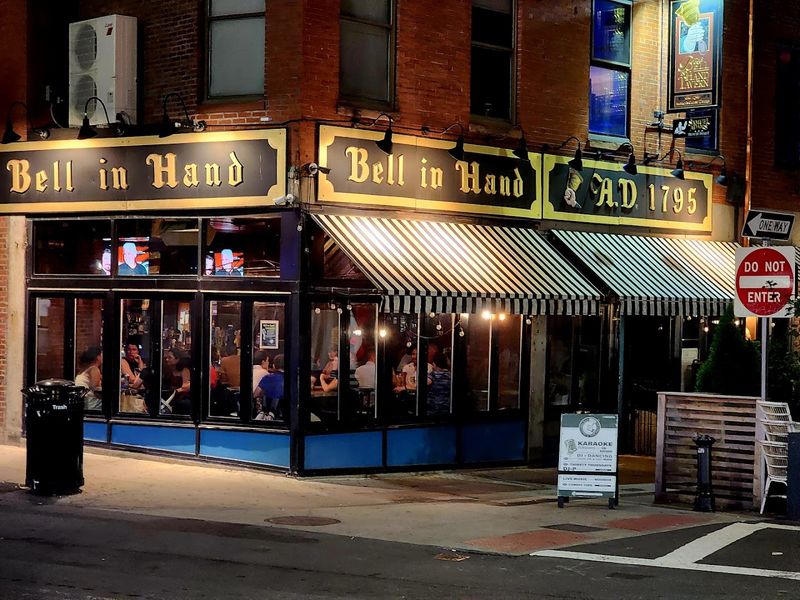
Some places feel noisy in a way that suits them, as if the walls were built to hold laughter, arguments, and another round ordered too late. There is an energy here that seems inherited, not designed, and it pulls you in even if you only meant to stop briefly.
The room gives off the stubborn confidence of old Boston.
The Bell in Hand Tavern, tucked into downtown Boston, is famous for being one of America’s oldest taverns and for preserving a piece of the city’s colonial drinking culture. Its location near the historic core makes it an easy place to fold into a day of walking, yet it never feels like a museum stop.
Pints, pub food, and live atmosphere all make sense in a building with this much history behind it.
What stands out is the continuity. A modern crowd still gathers where Boston has been gathering for generations, and that feels surprisingly powerful.
The Stockyard Restaurant
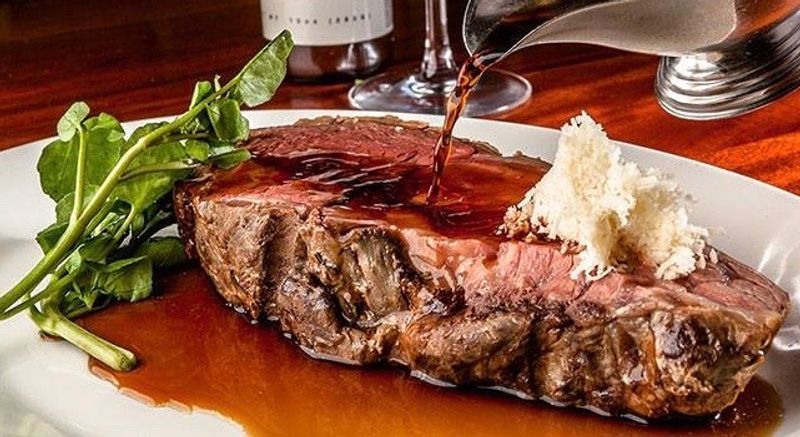
There is a certain comfort in a dining room that has never chased fashion. Dark wood, sturdy booths, and the faint sense that people have been celebrating promotions and birthdays here for decades can make a steakhouse feel almost ceremonial.
It is less about novelty and more about the pleasure of familiarity done well.
That is exactly why The Stockyard Restaurant in Brighton has remained so recognizable. Its fame comes from preserving the old-school Boston steakhouse mood, the kind of place where a martini, a well-seared cut, and a classic dining room still feel like the right combination.
The restaurant has held onto that traditional American identity while much of the city’s dining scene has gone sleeker and louder.
What makes it memorable is its refusal to become ironic about itself. You go because it feels authentic, substantial, and refreshingly unconcerned with trend cycles that everyone else seems to be chasing.
Amrheins Restaurant
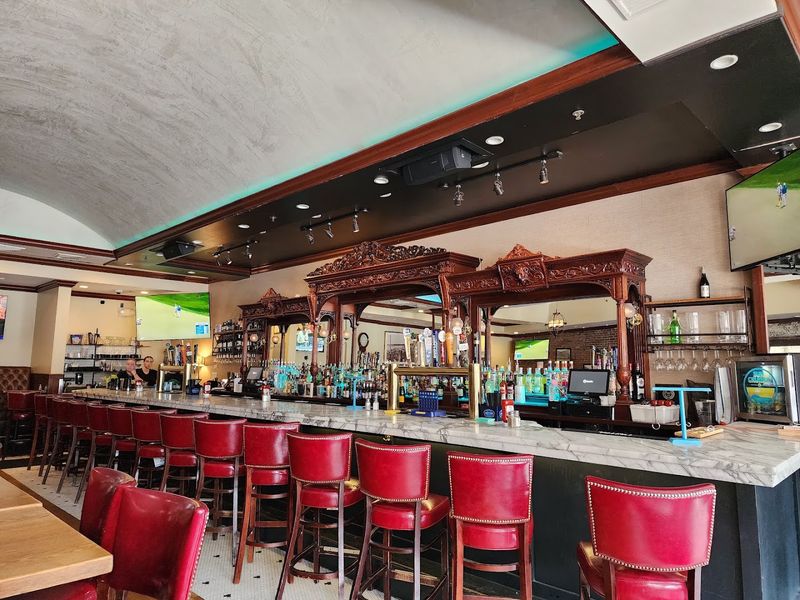
Neighborhood institutions have a different kind of gravity. You feel it in the barroom hum, in the confidence of the staff, and in the way the room seems to belong equally to first-timers and people who have been coming for years.
That lived-in familiarity is often more memorable than any single dish.
Amrheins Restaurant in South Boston has carried that role since the 1890s, which explains why its name surfaces whenever locals talk about places that still feel rooted in the city’s older identity. The historic barroom and strong neighborhood ties give it a reputation beyond food alone.
Settle in with comfort classics and watch how naturally generations seem to overlap here, from longtime regulars to younger visitors curious about old Southie.
It is worth seeking out because it feels socially alive, not frozen in nostalgia. The history matters, but the bigger draw is how fully the place still functions as part of everyday Boston life.
The Salem Cross Inn
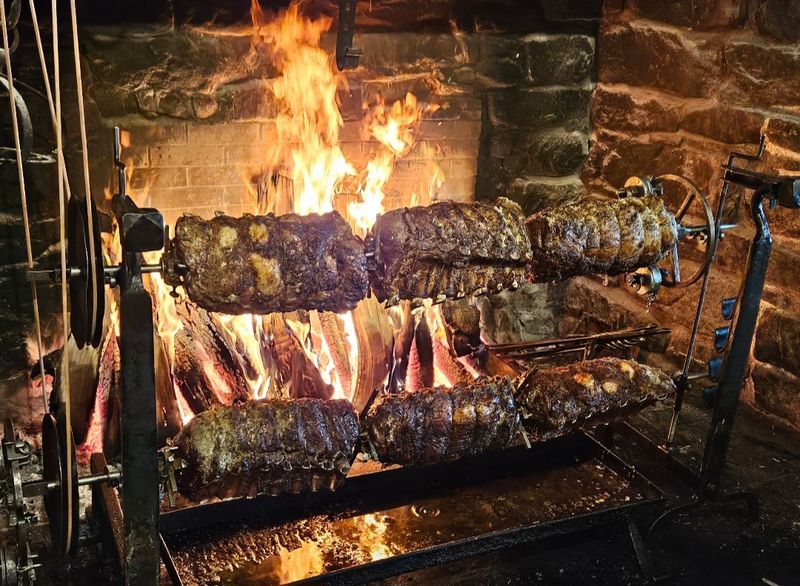
Fire changes a meal. The glow, the scent of wood smoke, and the sight of old rooms flickering into warmth create the kind of atmosphere that instantly feels older than the present moment.
You walk in expecting rustic charm and leave realizing that the open hearth is the real storyteller.
The Salem Cross Inn in West Brookfield is known for its seventeenth and eighteenth-century farmhouse character and the colonial New England mood that comes with it. Its rustic dining rooms and open-hearth cooking are not decorative touches – they shape the entire experience.
A roast cooked near the fire, the creak of floorboards, and the countryside setting make dinner feel more like an immersion than a reservation.
That is why people remember it so vividly. The food matters, of course, but the stronger memory is of being wrapped in an older rural Massachusetts atmosphere that still feels wonderfully tangible.
Kowloon Restaurant
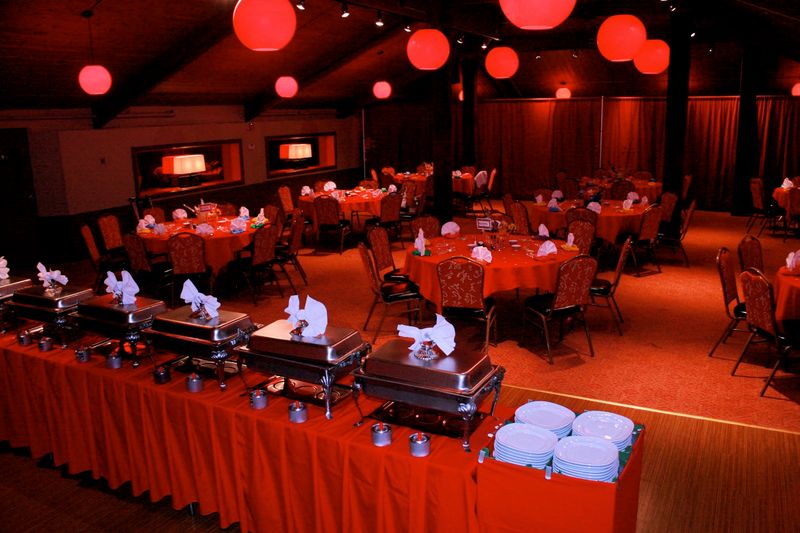
Some restaurants announce themselves from far down the road, glowing with such confidence that the building becomes a destination before the meal ever begins. Neon, size, and pure roadside spectacle give this place the kind of presence that lives in family memory for years.
Even people who have not been recently still seem to have a story about it.
Kowloon Restaurant in Saugus earned that status by becoming one of New England’s most recognizable Chinese restaurants, housed inside a sprawling Polynesian-inspired landmark on Route 1. The oversized structure, the bright signage, and the nostalgic sense of occasion matter just as much as the menu.
Drinks, classic plates, and the theatrical interior all contribute to an experience that feels joyfully rooted in another era of going out.
It is worth visiting because it embraces its own larger-than-life identity. Few places feel this specific, this memorable, or this unapologetically woven into the region’s roadside culture.