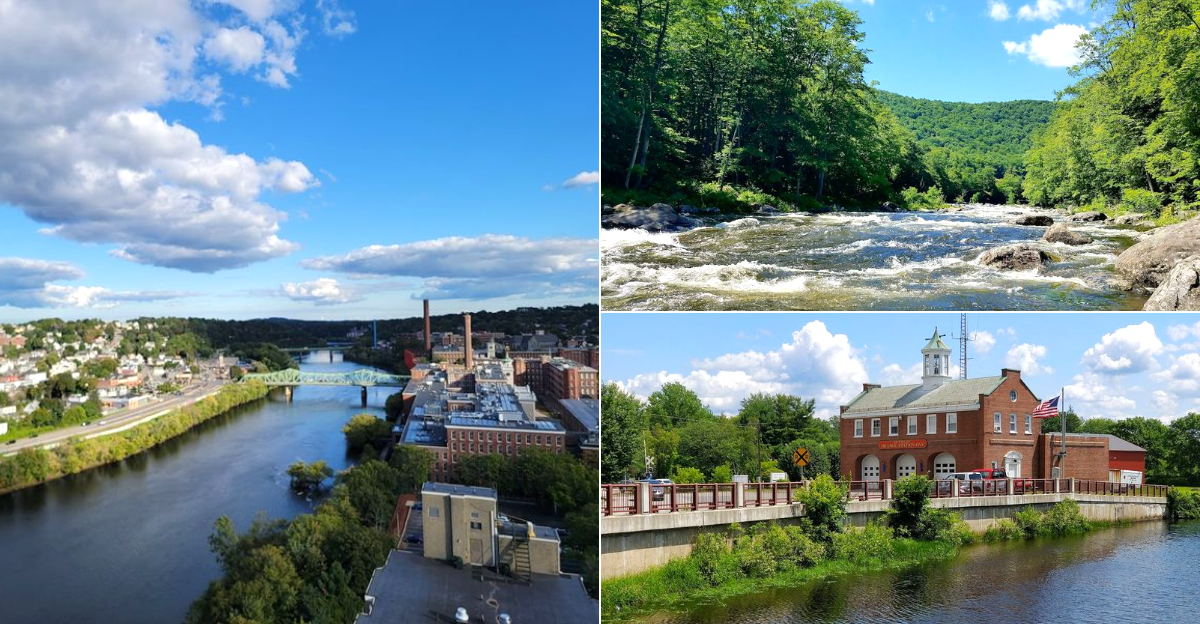
Massachusetts is a state full of celebrated coastal cities and famous college towns, but its river communities offer something quieter and equally rewarding for travelers who seek them out.
Many of these communities sit within easy driving distance of one another, making it straightforward to plan a leisurely weekend exploring several in a single trip.
The rivers themselves remain a strong presence in daily life, whether through riverside parks, kayaking access, or the kind of scenic backdrop that turns an ordinary afternoon walk into something memorable.
Here are thirteen Massachusetts river communities that offer a beautiful small-town atmosphere and are well worth a place on your travel itinerary.
1. Shelburne Falls, Franklin County
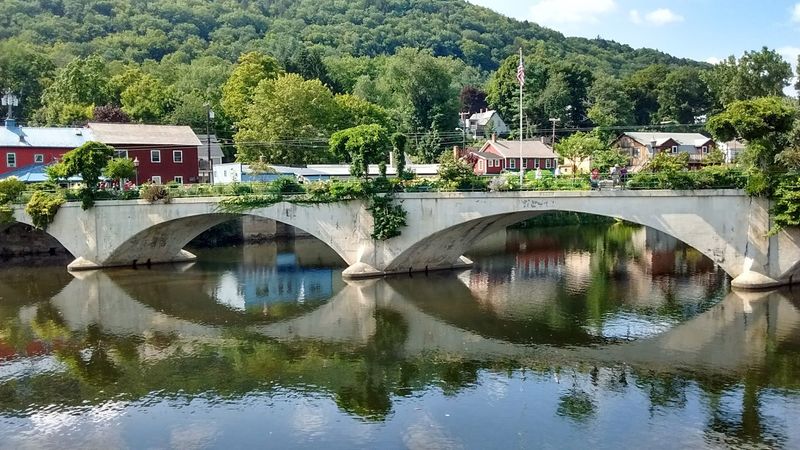
Few places make you slow down as quickly as a village where rushing water, flower boxes, and old brick buildings share the same view.
The gentle rhythm of walkers crossing a famous bridge and browsing independent shops gives this stretch of downtown an easy charm.
You feel that balance immediately in Shelburne Falls, where the Deerfield River helps shape one of western Massachusetts’ most inviting small-town settings.
The village is best known for the Bridge of Flowers, but the appeal goes beyond a single landmark.
Nearby glacial potholes, casual cafes, and galleries create the kind of outing that fills an afternoon without ever feeling scheduled.
Because everything sits close together, you can park once, wander at your own pace, and let the river remain your constant backdrop.
There is also a satisfying sense of lived-in authenticity here.
This is not a place trying too hard to impress visitors, which is exactly why it stays memorable.
Local businesses feel rooted, conversations come easily, and the downtown scale makes every turn feel personal rather than polished for tourism.
If you want a Massachusetts river community that looks beautiful and feels genuinely relaxed, this one belongs high on your list.
Come for a stroll, a lunch stop, or a foliage weekend, and you may end up lingering longer than planned.
2. Northampton, Hampshire County
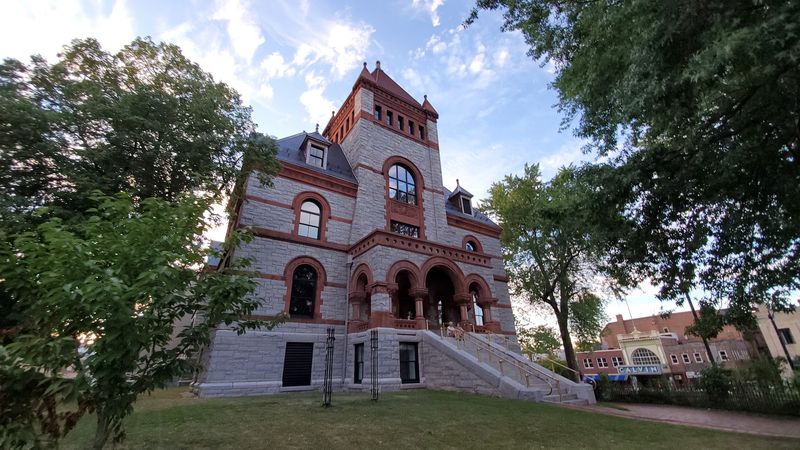
Some river communities charm you with quiet stillness, while others win you over through energy, conversation, and culture.That livelier version of small-town atmosphere appears in Northampton, where the Connecticut River valley setting supports a downtown full of bookstores, music, and excellent people-watching.
Even with its popularity, the city still feels approachable enough to reward wandering without a plan.
What stands out most is how naturally creative life mixes with everyday life.You can browse local shops, settle into a cafe, catch live performance listings, and still find green spaces that remind you the broader landscape matters here too.
The nearby river and fertile valley have long shaped the region’s identity, giving Northampton an appealing blend of culture and place.
There is also a welcoming confidence that makes visitors feel included rather than intimidated.College-town influence adds intellectual curiosity, but the streets remain easygoing, with historic architecture and independent businesses keeping the experience grounded.
Instead of feeling overly polished, the city feels active, expressive, and comfortable in its own character.
If your idea of small-town atmosphere includes conversation, arts, and a strong local spirit, Northampton deserves a close look.It is the kind of place where a simple walk can turn into shopping, dinner, and one more stop before heading home.
That mix of momentum and intimacy keeps people coming back.
3. Amesbury, Essex County
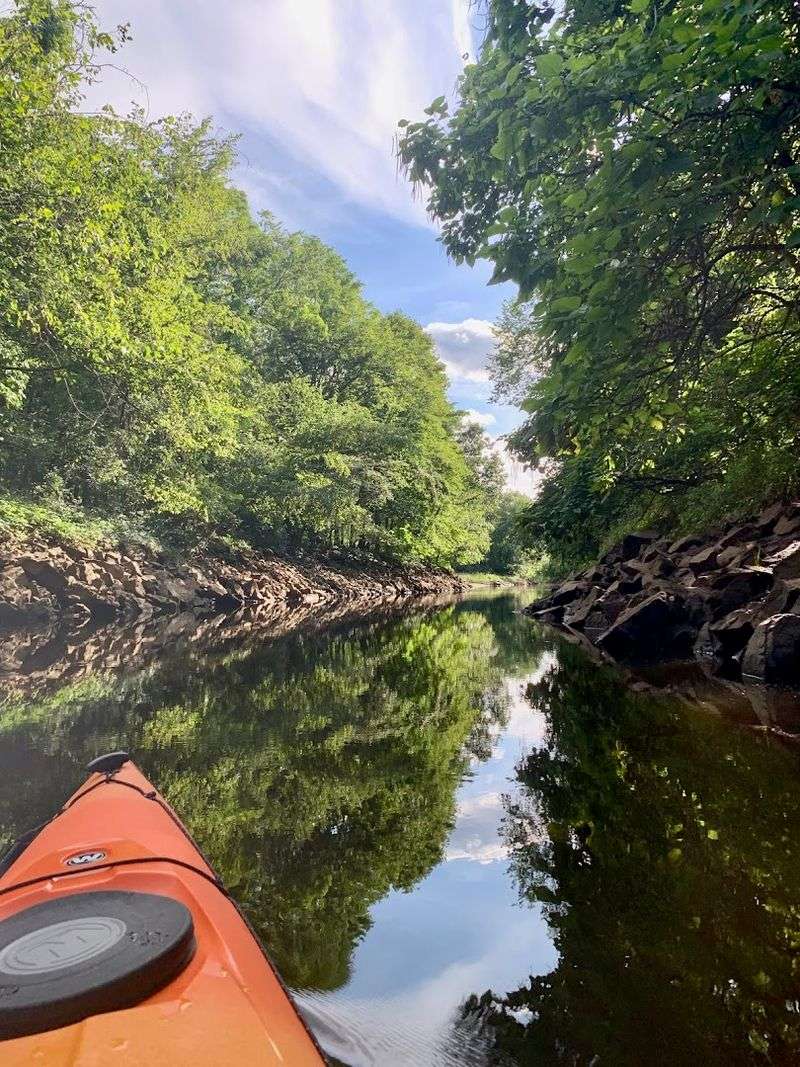
Not every beautiful river community announces itself loudly, and that quiet confidence is part of the appeal here.
Amesbury feels intimate, textured, and pleasantly local, with mill-era character, compact streets, and the nearby Powwow River adding movement and history to the scene.
It is the kind of place where you can sense old industry without losing the warmth of a modern small town.
Downtown has an easy scale that invites exploration.
Independent businesses, brick facades, and inviting corners create a setting where grabbing coffee can naturally turn into an afternoon of browsing.
The river and falls area deepen the atmosphere, giving the town visual drama that many similarly sized places simply do not have.
What makes Amesbury stand out is its balance between revival and authenticity.
You can feel that residents care about preserving character, yet the town does not feel frozen or overly curated for visitors.
Instead, it comes across as lived in, energetic, and increasingly appreciated by people looking beyond the region’s better-known waterfront destinations.
It offers history, scenery, and a downtown that remains easy to navigate at a relaxed pace.
That combination gives Amesbury a memorable small-town atmosphere with just enough edge to stay interesting.
4. Holyoke, Hampden County
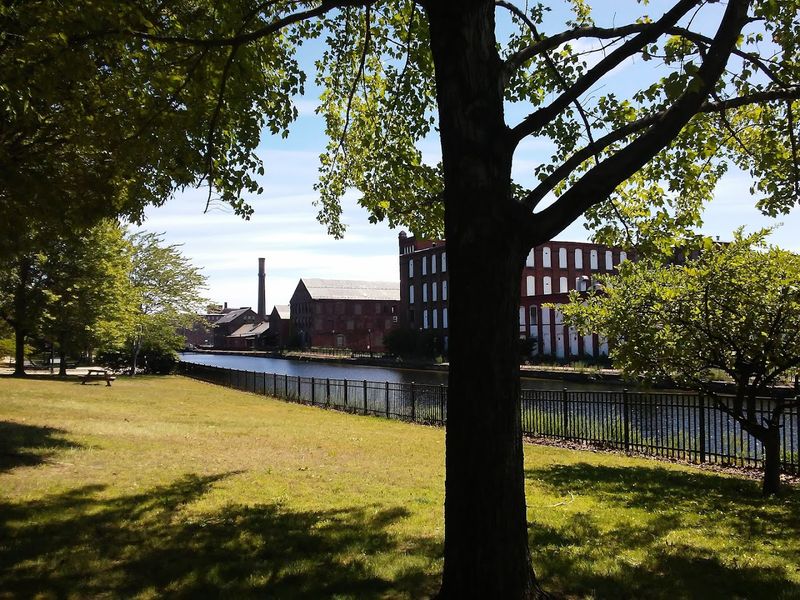
Big history can still create intimate moments, especially in a place where canals, mills, and river views tell the story of daily life.
Holyoke sits along the Connecticut River with a scale that feels larger than a typical small town, yet many of its neighborhoods and public spaces remain deeply personal.
That contrast gives the city a character unlike anywhere else on this list.
The industrial heritage is impossible to ignore, and honestly, that is part of the charm.
Brick architecture, engineering landmarks, and the canal system create a visual identity that feels sturdy, distinctive, and rooted in western Massachusetts.
At the same time, local parks, river overlooks, and nearby mountain views soften the urban edges.
What makes Holyoke worth including is the way atmosphere works here.
Rather than postcard quaintness, you get a grittier, more layered version of beauty, one shaped by work, immigration, resilience, and civic pride.
That means a visit can feel more revealing than simply pretty, especially if you appreciate communities with depth.
If you are drawn to river places with strong bones and real stories, Holyoke offers a rewarding experience.
Spend time noticing details, from historic buildings to changing light along the water and canals.
5. Newburyport, Essex County
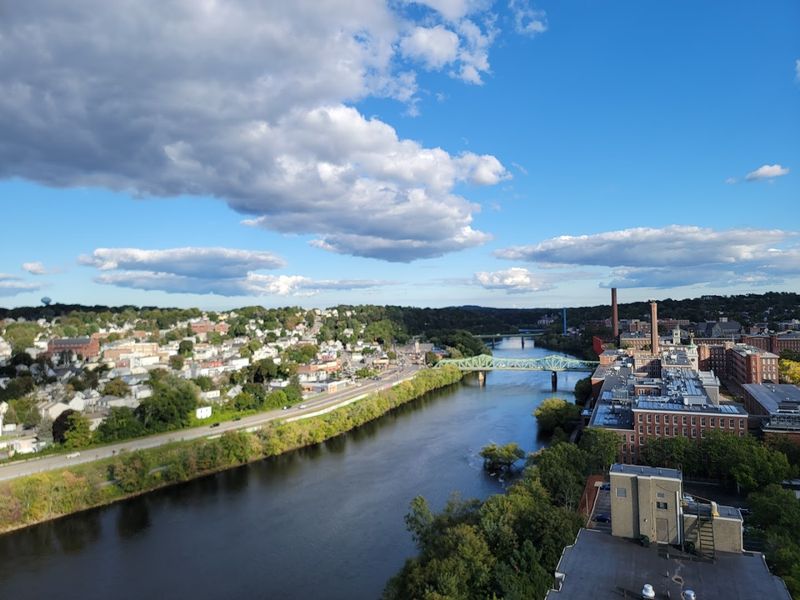
There is something especially appealing about a town where maritime history and riverfront beauty meet on walkable streets.
That combination gives Newburyport its distinct mood, blending polished storefronts, old architecture, and breezes off the Merrimack River into a setting that feels both elegant and relaxed.
You notice quickly that this is a community designed for lingering, not rushing.
The downtown is full of restored brick buildings, inviting restaurants, and shops that make window browsing part of the fun.
A short walk brings you toward the waterfront, where boats, boardwalk views, and changing light over the river create some of the area’s most memorable scenes.
Even when the streets are busy, the place keeps a sense of neighborhood scale.
Part of the appeal is how seamlessly Newburyport balances refinement with warmth.
It offers enough dining and cultural options for a full weekend, yet it never loses the friendliness you want from a smaller Massachusetts community.
That balance makes it feel special without becoming stiff or inaccessible.
If you want a river town with a little extra shine, this is one of the best choices in the state.
The scenery is beautiful, but the atmosphere is what makes people return.
6. Westfield, Hampden County
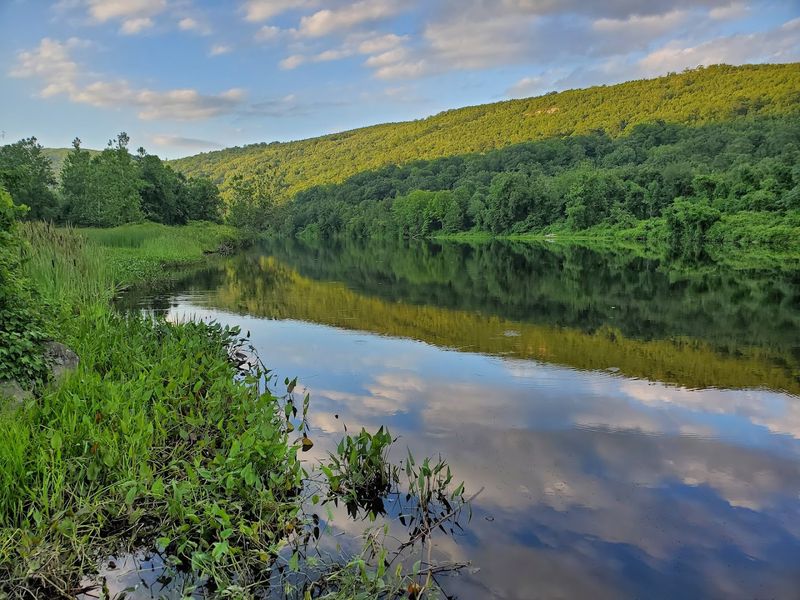
Some communities feel comfortable from the first block, and that familiarity is a major part of their appeal.
Westfield offers that easy welcome through its historic center, manageable scale, and connection to the Westfield River, which has long influenced both recreation and local identity.
It may not shout for attention, but it steadily earns it.
The downtown area mixes civic buildings, shops, and everyday businesses in a way that feels practical rather than performative.
That grounded quality matters because it keeps the town from feeling like a stage set for visitors.
Instead, Westfield comes across as a place where residents still shape the experience, and that always adds warmth.
The river itself helps reinforce the relaxed atmosphere.
Nearby trails, green spaces, and seasonal scenery give you chances to enjoy the landscape without needing an elaborate plan.
Whether you are stopping for a casual meal or taking a longer walk, the setting encourages a slower pace.
What makes Westfield especially appealing is how balanced it feels.
If you want a Massachusetts river community that feels stable, friendly, and pleasantly under the radar, Westfield offers a convincing version of small-town atmosphere that grows on you quickly.
7. Greenfield, Franklin County
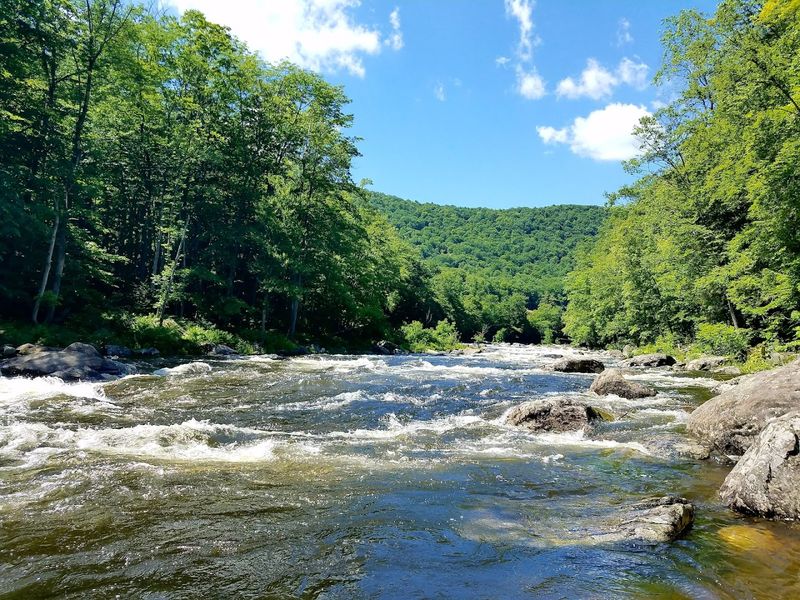
A good river town often feels like a natural gathering place for the wider region, and that is exactly the role this community plays.
Greenfield combines a classic downtown, nearby river landscapes, and a strong sense of local identity that makes even a short visit feel rooted.
You get the impression that people come here not just to pass through, but to connect.
The town center has enough architecture and independent businesses to keep a stroll interesting.
Brick buildings, local cafes, and community institutions create the kind of streetscape that supports conversation, errands, and spontaneous detours.
Because Greenfield sits near the Deerfield and Connecticut river systems, the larger landscape is never far from view or influence.
There is also a pleasing mix of practicality and character.
This is not an overly precious destination, which helps preserve its authenticity.
The atmosphere feels working, welcoming, and culturally aware, with western Massachusetts’ love of localism showing up in everything from shops to events.
If you like small-town settings that feel like real hubs rather than isolated postcards, Greenfield is a strong choice.
It offers scenic surroundings without depending entirely on them, which says a lot about the strength of the community itself.
8. Easthampton, Hampshire County
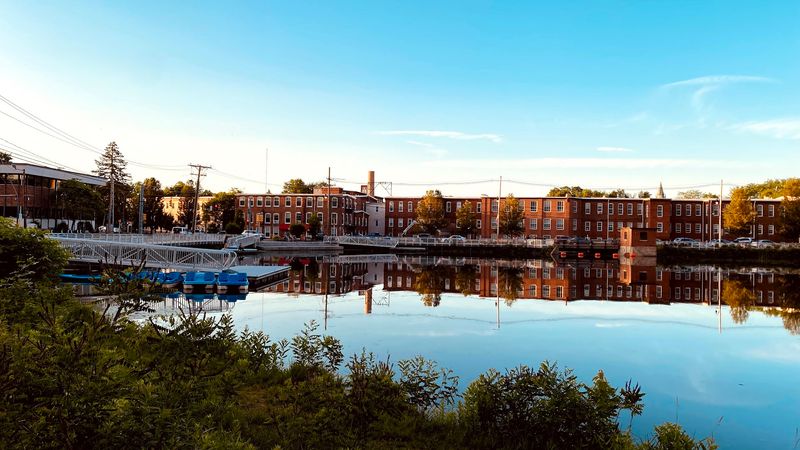
Creative energy can transform a river community, especially when old mills and walkable streets become part of everyday local life.
Easthampton has built that kind of appeal, pairing western Massachusetts scenery with an artsy, approachable downtown that feels lively without becoming overwhelming.
The nearby Manhan River and broader valley landscape help anchor all that activity in a strong sense of place.
One of the most attractive things here is the way reuse shapes character.
Former industrial spaces now support studios, shops, food spots, and events, giving the town a fresh identity while keeping its architectural history visible.
That blend of old structure and new purpose makes wandering especially rewarding.
The atmosphere remains friendly, which matters just as much as aesthetics.
You can spend time on trails, browse local businesses, and enjoy the mountain-framed setting without feeling rushed or priced out of the experience.
Easthampton has personality, but it wears it casually, which makes it easy to enjoy.
If your version of small-town atmosphere includes creativity, adaptive reuse, and a comfortable community scale, this town deserves attention.
That authenticity, paired with river-town roots, gives Easthampton a lasting charm.
9. Deerfield, Franklin County
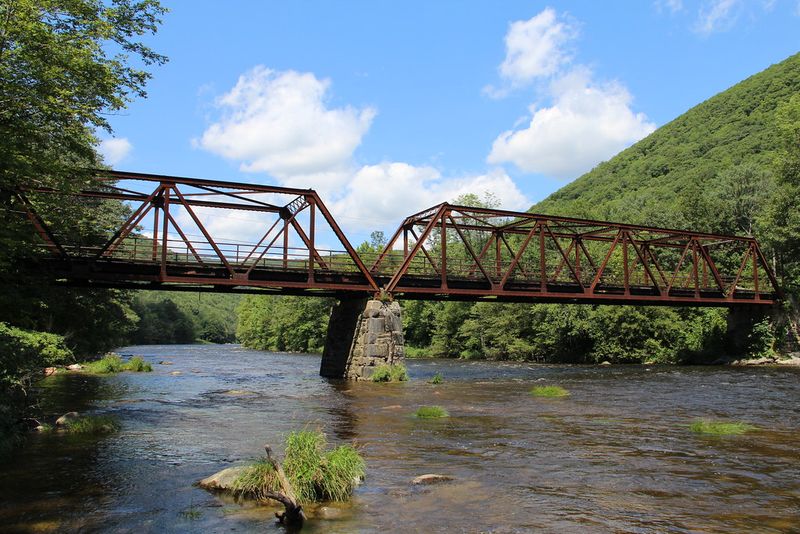
Quiet beauty often leaves the deepest impression, especially when fields, riverbanks, and historic homes create a setting that feels almost suspended in time.
Deerfield offers that experience through a remarkably preserved landscape shaped by the Deerfield River and centuries of New England history.
Instead of bustle, you get space, texture, and a sense that every view has a story.
The town is especially compelling for travelers who appreciate heritage without needing heavy crowds or constant activity.
Historic houses, museum properties, and pastoral scenery make even a short drive or walk feel reflective.
Because the river valley remains so visually important, the atmosphere stays grounded in the land rather than just the architecture.
What makes Deerfield memorable is its restraint.
Nothing feels overdone, and that simplicity allows the setting to speak for itself.
You notice stone walls, broad meadows, old trees, and the quiet patterns of rural life that still shape the community.
If you are looking for a river place with a softer, more contemplative version of small-town atmosphere, Deerfield is an excellent choice.
Slower beauty is exactly what gives Deerfield its charm, and it may stay with you longer than flashier destinations ever could.
10. Turners Falls, Franklin County
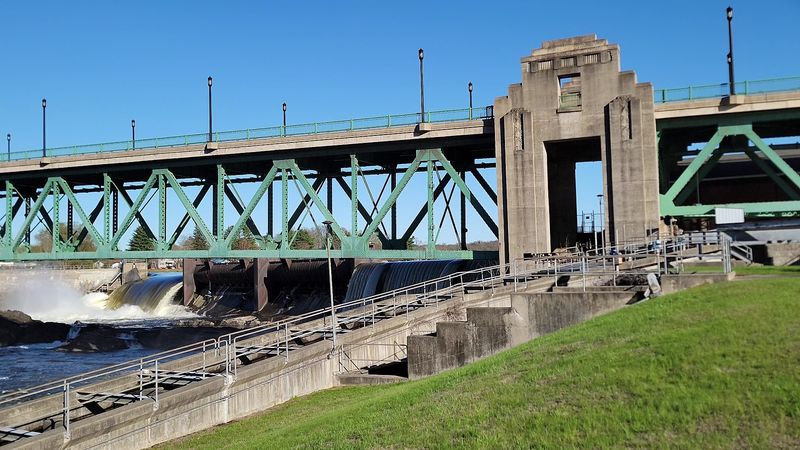
Character can come from contrast, and few places show that better than a village where dramatic river history meets a compact, evolving downtown.
Turners Falls sits beside the Connecticut River with old industrial bones, striking views, and a creative spirit that gives the area a distinct personality.
It feels smaller than many destinations, but that intimacy works in its favor.
The canal district and surrounding streets provide much of the appeal.
Brick buildings, local businesses, murals, and community spaces create a setting that feels both hardworking and imaginative.
Because the water remains such a visible presence, the village never loses its connection to the natural force that shaped it.
There is also a sense of rediscovery here that many travelers find appealing.
Turners Falls does not hide its rough edges, which helps the atmosphere feel honest.
That honesty, paired with scenic overlooks and local culture, gives the village more depth than a simple first impression might suggest.
If you enjoy river communities that feel creative, resilient, and a little unexpected, this is a worthwhile stop.
Turners Falls may not fit a standard postcard image of small-town Massachusetts, but its beauty and atmosphere become clearer the longer you stay.
11. Ware, Hampshire County
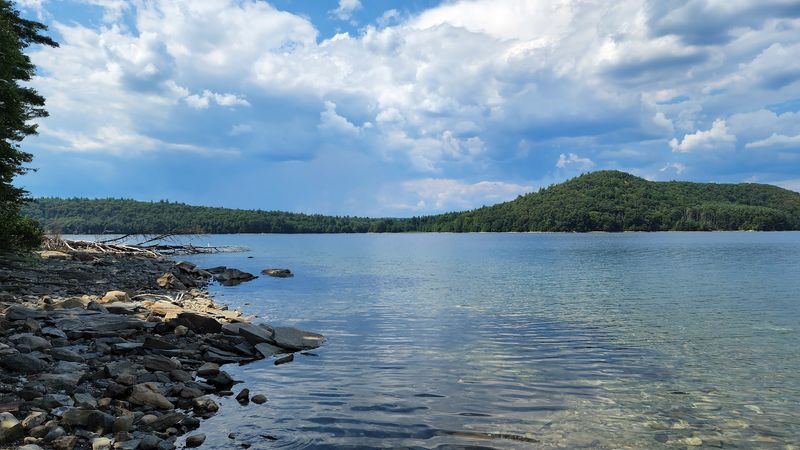
A slower pace can be a destination in itself, particularly in a town where the river still shapes the landscape and local mood.
Ware offers that kind of understated experience, with historic buildings, neighborhood scale, and the Ware River lending steady presence to everyday life.
It is not flashy, and that is exactly why it feels sincere.
Much of the appeal comes from the town’s straightforwardness.
You can see traces of industrial history, civic pride, and long-settled routines in the streetscape, which gives Ware a grounded atmosphere many travelers appreciate.
Rather than performing quaintness, it simply lives it through ordinary details.
The river setting strengthens that impression.
Water, bridges, and nearby green areas provide visual softness around the built environment, making the community feel calmer and more connected to its surroundings.
That connection matters if you are looking for a place where scenery and local life still seem naturally intertwined.
Ware is best for visitors who like finding charm in places that do not market themselves aggressively.
A walk through town, a scenic drive, or a brief stop can reveal a lot about central western Massachusetts river culture.
12. Orange, Franklin County
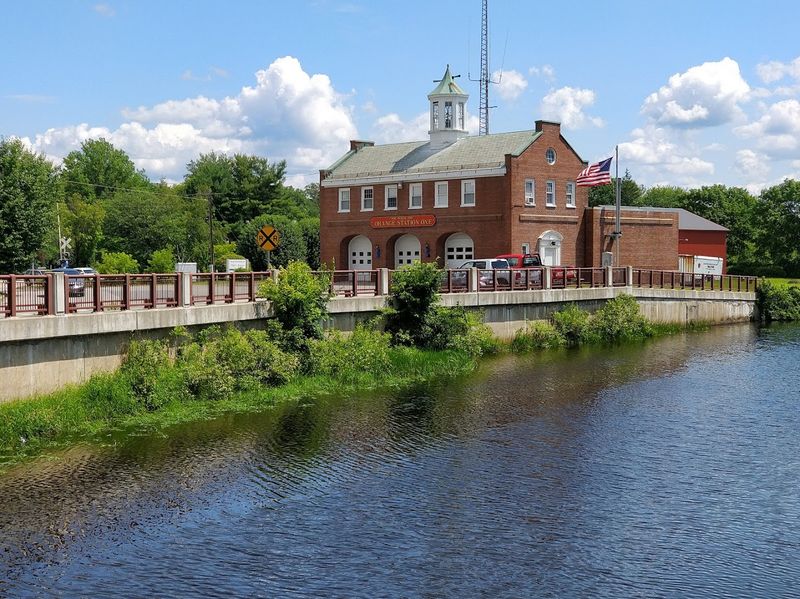
Sometimes the most appealing towns are the ones that feel unhurried from the start.
Orange carries that mood well, with a historic center, nearby river scenery, and a scale that encourages you to notice buildings, bridges, and everyday routines.
Set near the Millers River, it offers a simpler version of small-town atmosphere that can be surprisingly refreshing.
The downtown has the kind of architecture that hints at deeper history without demanding a formal tour.
Former industrial influence, civic buildings, and local storefronts create a sense of continuity that still reads clearly today.
Because the town remains compact, it is easy to absorb the setting in a short visit.
What stands out most is the lack of pretension.
Orange feels practical, lived in, and connected to its landscape rather than redesigned around visitors.
That honesty can be more memorable than polished tourism, especially if you like places that still reflect local rhythms.
If you are exploring Franklin County and want a river community with low-key charm, Orange deserves consideration.
A little history, a little scenery, and a lot of authenticity come together here in a way that feels comfortably real.
13. Palmer, Hampden County
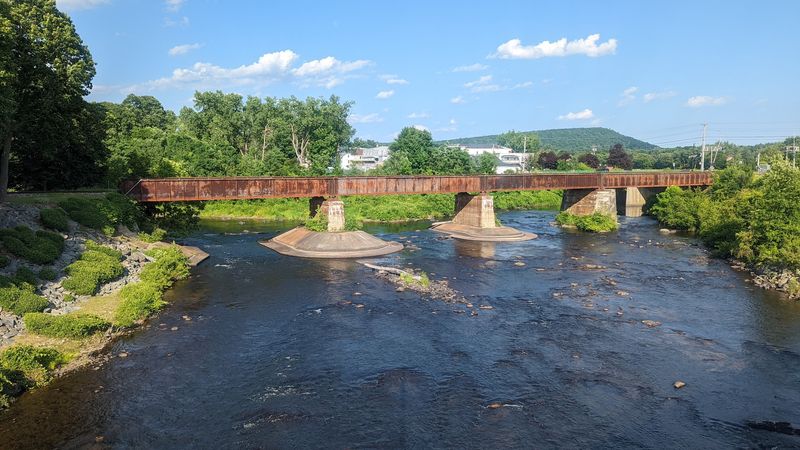
There is a special kind of small-town atmosphere that comes from transportation history, river geography, and neighborhoods that still feel closely connected.
Palmer has that blend, offering a setting where the Swift River and local heritage help define the town’s identity.
Even if you first notice the railroad legacy, the broader community character is what stays with you.
The town feels rooted in movement and meeting points.
That history gives Palmer an interesting texture, since river access and rail connections once shaped how people lived, worked, and passed through.
Today, those layers help create a place that feels more substantial than its quiet pace might initially suggest.
Palmer’s appeal is not about one showstopping landmark.
It comes instead from the cumulative effect of traditional streets, community familiarity, and the natural calm added by the river landscape.
For visitors who enjoy seeing how geography quietly influences local culture, that subtlety can be rewarding.
If you want a Massachusetts river community that feels genuine and slightly overlooked, Palmer makes a strong case.
Spend some time noticing its historical framework, modest downtown character, and the way the landscape softens the town around it.