Massachusetts’s summer cultural scene functions as a complex network of historic and contemporary festivals that bring together maritime heritage, the agricultural traditions of the interior, and the influence of successive waves of immigration.
The seasonal calendar spans a wide range of settings, from historic port cities and island fairgrounds to urban neighborhoods and rural New England communities.
While some events preserve centuries-old colonial customs, others highlight the cultural contributions of newer communities that continue to reshape the state’s local identity.
This diversity of festivals transforms the summer season into a platform for exploring the region’s layered historical and social landscape.
Together, these fifteen selected festivals best illustrate the blend of entertainment and deeply rooted tradition that distinguishes Massachusetts’s summer offerings.
Lowell Folk Festival – Lowell
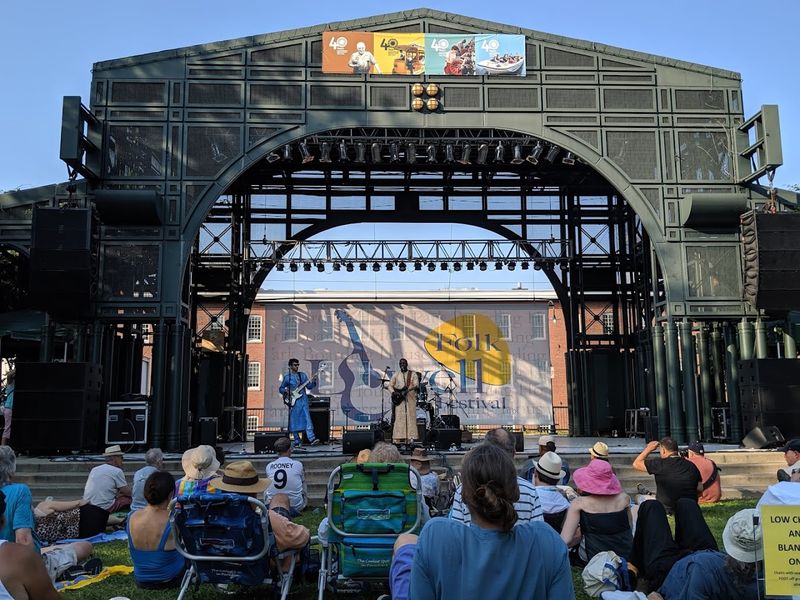
Visitors encounter a program built around traditional music and dance rather than commercial spectacle, with performances that move from fiddle tunes to drumming, ballads, and social dance forms.
Along nearby streets, artisans demonstrate textile work, instrument making, woodcarving, and other skills tied to inherited practices.
Between stages, interpreters explain how migration, industry, and labor history helped shape the city into a meeting place for many communities.
Elsewhere, audiences watch groups present steps and songs that carry family memory across generations, often with brief context that makes each performance easier to understand.
Some demonstrations highlight techniques that have changed little over time, while others show how older traditions continue evolving in modern settings.
Nearby food stalls support the wider atmosphere, yet the strongest impression comes from hearing so many languages, rhythms, and regional styles within a compact downtown setting.
Public spaces become gathering points where residents and visitors share experiences through music, storytelling, and craft.
Overall, the event highlights the lasting role of folk traditions in contemporary community life.
Yankee Homecoming – Newburyport
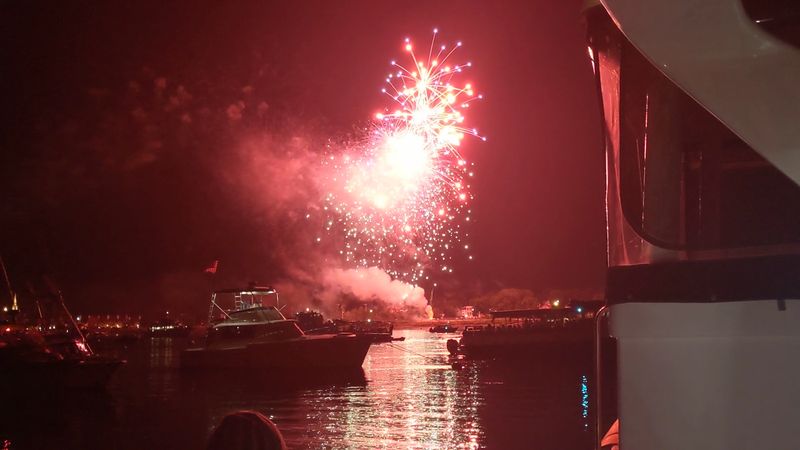
What began as a celebration encouraging former residents to return and reconnect with their hometown has grown into one of the most beloved community festivals in coastal Massachusetts.
Concerts, parades, waterfront activities, craft fairs, and family events fill the city with energy while preserving a distinctly local atmosphere.
Historic streets, public parks, and riverfront gathering spaces become active venues where residents and visitors share in traditions that have developed over decades.
The surrounding architecture and maritime setting provide constant reminders of the city’s long relationship with trade, fishing, and coastal life.
Community organizations, local businesses, and volunteers all play visible roles in the celebration, helping the event maintain a strong civic character despite its popularity.
Rather than focusing on a single attraction, the festival succeeds through the variety of experiences spread across the city.
The result is a gathering that reflects local pride, encourages social connection, and demonstrates how public celebrations can strengthen community identity while keeping longstanding traditions relevant for new generations.
Gloucester Schooner Festival – Gloucester
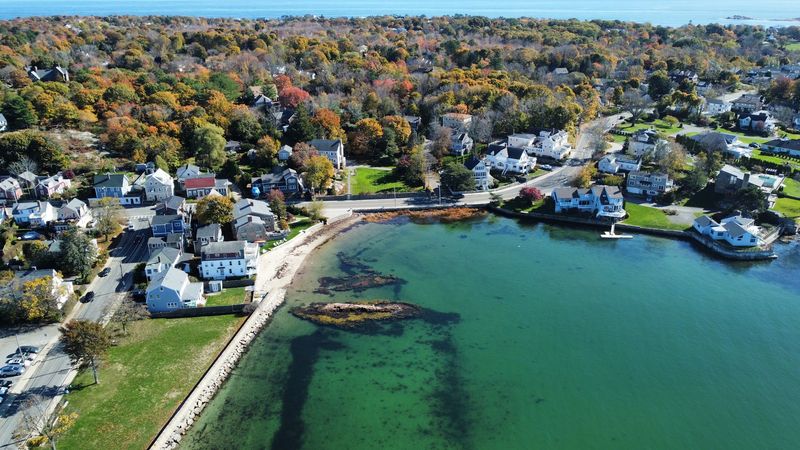
Maritime tradition defines this gathering, centered on graceful wooden vessels whose rigging, hull lines, and working histories recall the era when fishing fleets dominated the coast.
During dockside hours, crews welcome spectators aboard and explain sail plans, maintenance routines, and the practical design features that once mattered in rough Atlantic weather.
Out on the water, races reveal both skill and heritage, as these restored craft still compete with discipline and pride.
Shoreline activity supports the nautical focus with maritime exhibits, harbor tours, and conversations that tie the city’s identity to generations of seafaring labor.
Experienced observers often note the difference between recreational sailing and the harder working traditions represented here, where speed, balance, and crew coordination had economic consequences. Historical displays provide additional context, helping explain how maritime industries shaped local development and daily life for decades.
Photographers are often drawn to the sight of tall masts and billowing sails moving across the harbor, creating scenes that feel connected to an earlier period of coastal history.
St. Peter’s – Gloucester
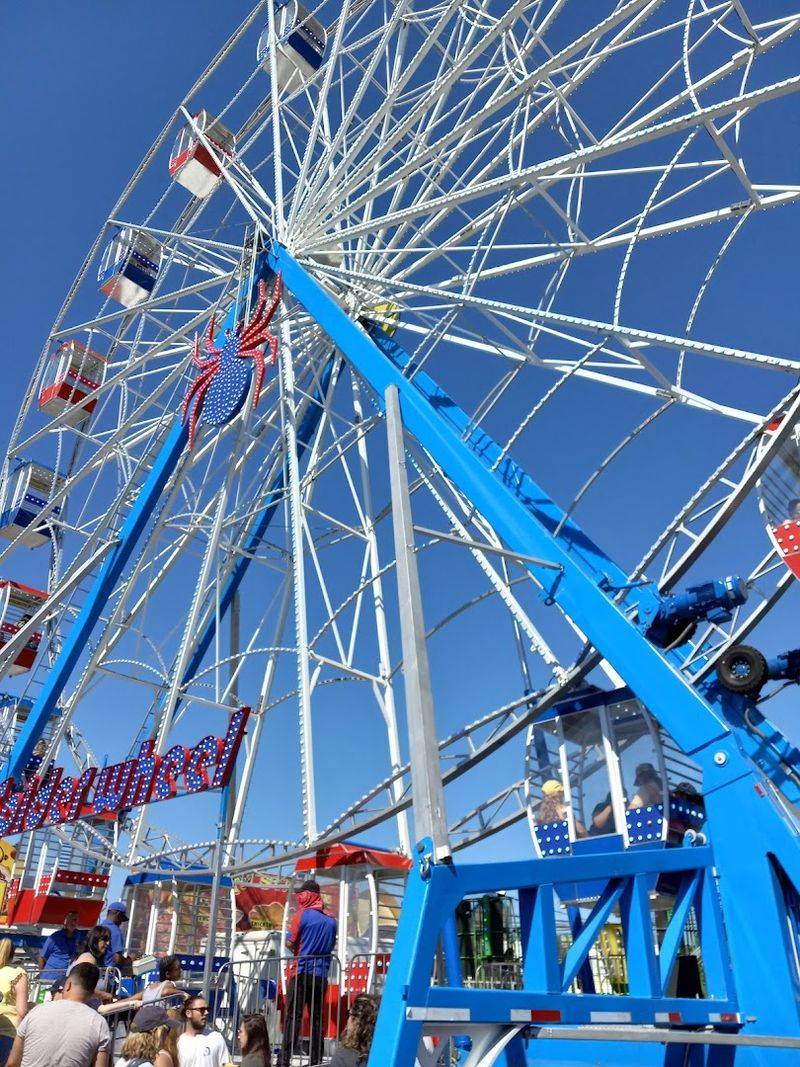
Rooted in the fishing industry and Catholic devotion, this celebration brings together faith, labor history, and neighborhood identity in a way few summer events can match.
Processions honor the patron saint of fishermen, linking religious ritual to the dangers and discipline of work at sea.
Within that serious frame, the famous pole contest adds a competitive custom that has become a powerful symbol of local pride.
Balancing solemnity and spectacle, the program moves between masses, blessings, parades, and gatherings shaped by families whose connections to the waterfront reach back generations.
Crowds line the harbor to watch contestants sprint across a greased beam above the water, a tradition that rewards nerve, balance, and technique more than simple strength.
Beyond the headline event, the wider atmosphere reflects an enduring sense of community memory.
Local businesses, civic groups, and longtime residents all contribute to a celebration that feels deeply connected to its surroundings rather than designed primarily for tourism.
Revere Beach International Sand Sculpture Festival – Revere
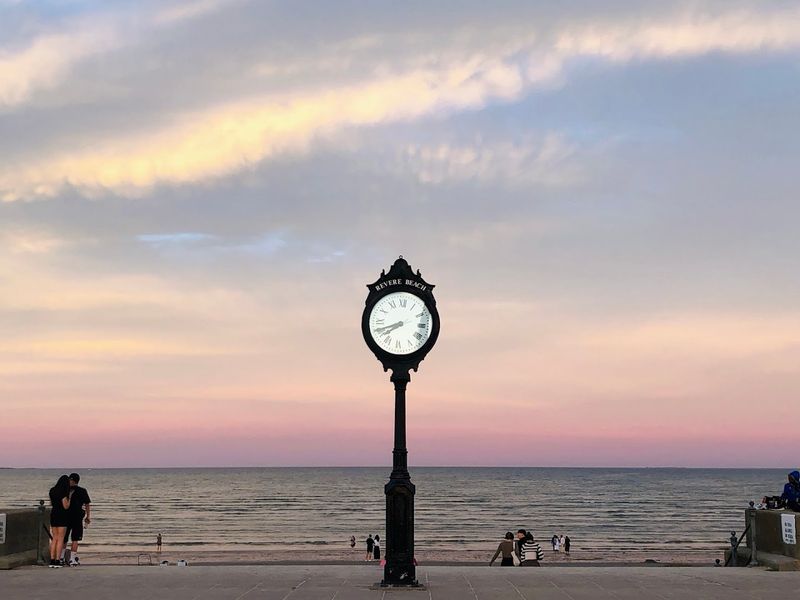
Art takes temporary form on the shoreline here, where teams transform compacted sand into monumental scenes that range from architectural studies to figures carved with surprising precision.
Under changing light, every ridge and shadow becomes part of the display, making the beach feel like an open-air gallery.
Because the work is exposed to wind, tide, and weather, the competition also highlights patience, engineering, and material knowledge.
Spectators spend hours moving between installations, comparing carving techniques and noticing how international artists adapt ideas to the same coarse medium.
Nearby ocean views frame the sculptures in a distinctly coastal setting, so the event depends as much on landscape as on artistic skill.
Unlike festivals built mainly around performance schedules, this one rewards slow observation.
Detailed creations gradually emerge, erode, and briefly dominate the sand before disappearing.
Live demonstrations reveal how artists shape, reinforce, and refine their work using a surprisingly limited set of tools.
The changing condition of the sculptures throughout the weekend adds another layer of interest.
Boston JerkFest – Boston
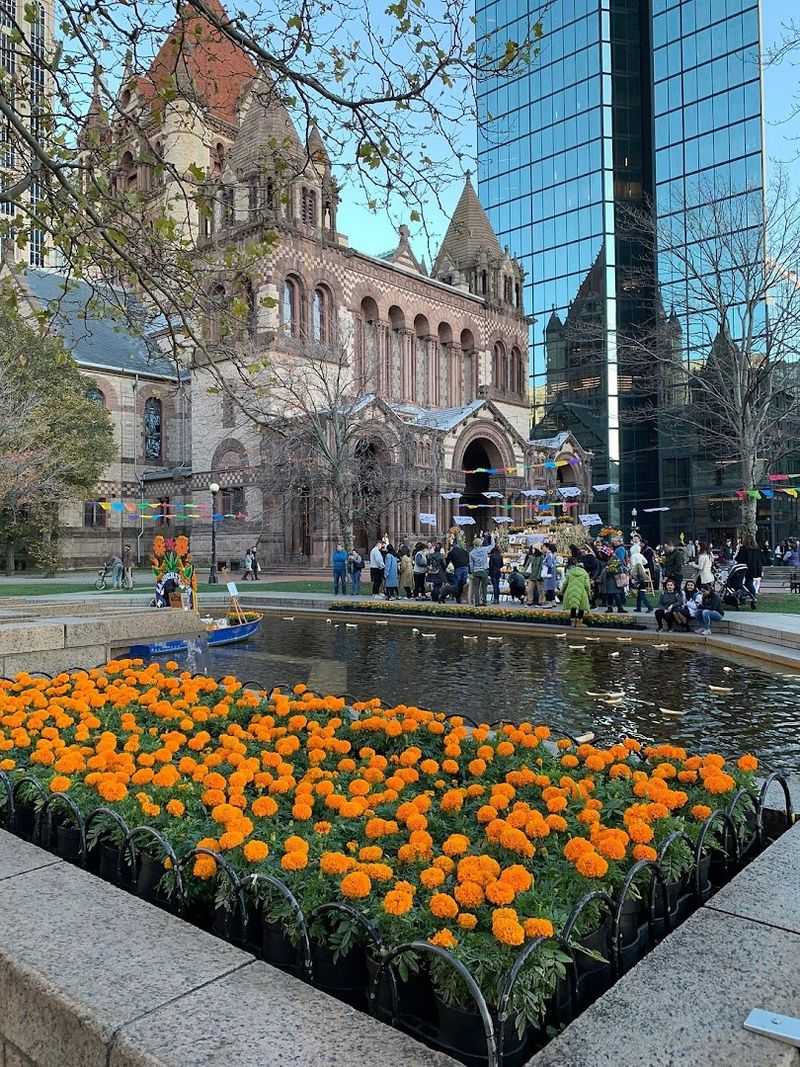
Caribbean food culture drives this event, but its real subject is technique, especially the layered use of spice, smoke, and marination that defines jerk cooking.
Demonstrations and tastings show that the style is not simply about heat, since balance, timing, and regional variation matter just as much.
Around the grounds, music and conversation place the cuisine within broader island traditions shaped by migration, celebration, and family memory.
Rather than functioning as a generic food fair, the program gives attention to cooks, ingredients, and culinary histories that connect Jamaica and the wider Caribbean diaspora to contemporary Boston.
Live performances reinforce that context, creating a rhythm that reflects community presence instead of background entertainment for eating.
Through those details, the festival documents how immigrant traditions become part of the city’s summer identity.
Grills, recipes, and shared public spaces help tell a cultural story about adaptation, pride, and the lasting influence of inherited flavors.
St. Anthony’s Festival – Boston
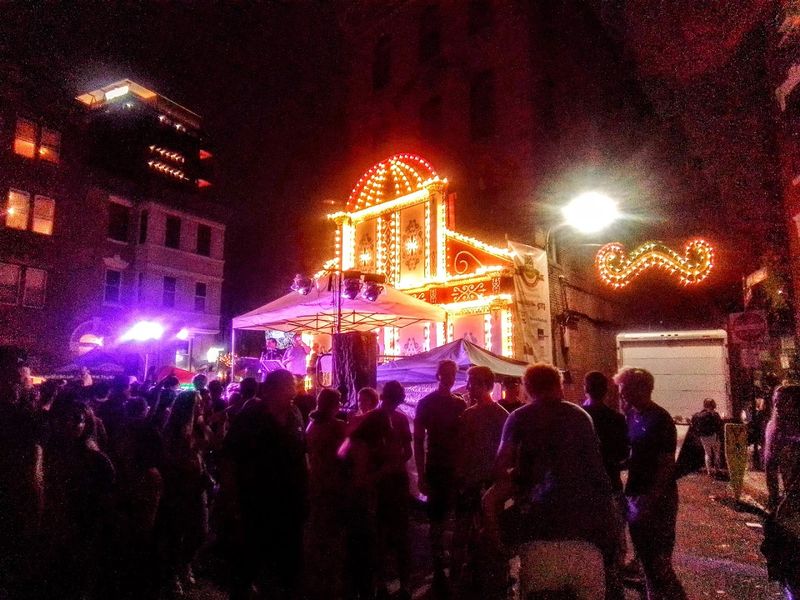
Neighborhood tradition remains central here, where religious devotion and Italian American family culture shape the streetscape for several days each summer.
Processions move with formal order, carrying sacred images past brick buildings and longtime businesses that mark the area’s historical continuity.
For many attendees, the importance lies in reunion and ritual, not novelty, since the event reinforces ties built across generations.
Side streets fill with familiar sounds and customs that reflect immigrant experience in a compact urban setting, including parish life, mutual support, and public expressions of faith.
Older residents often treat the celebration as a living record of how southern Italian traditions adapted to Boston without losing their neighborhood character.
Even casual visitors can see that the festival is about more than spectacle.
Food traditions also play a visible role throughout the celebration, with longtime recipes and neighborhood businesses contributing to the sense of continuity.
Every banner, prayer, and family gathering points to a local history of settlement, work, religion, and collective memory preserved in public view.
Topsfield Fair – Topsfield
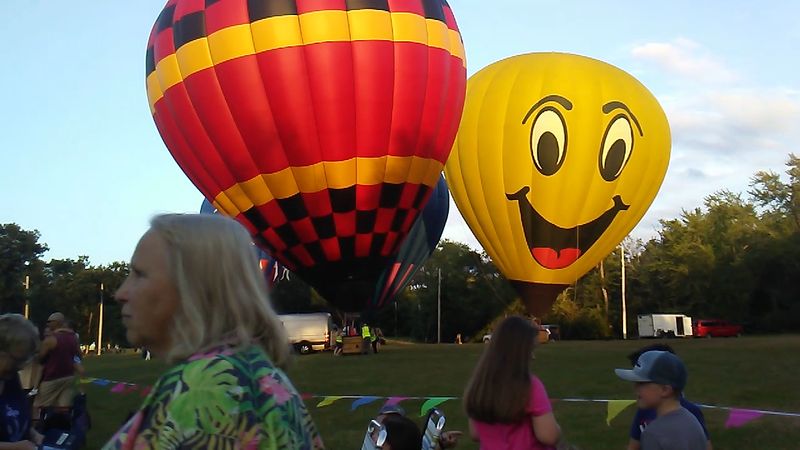
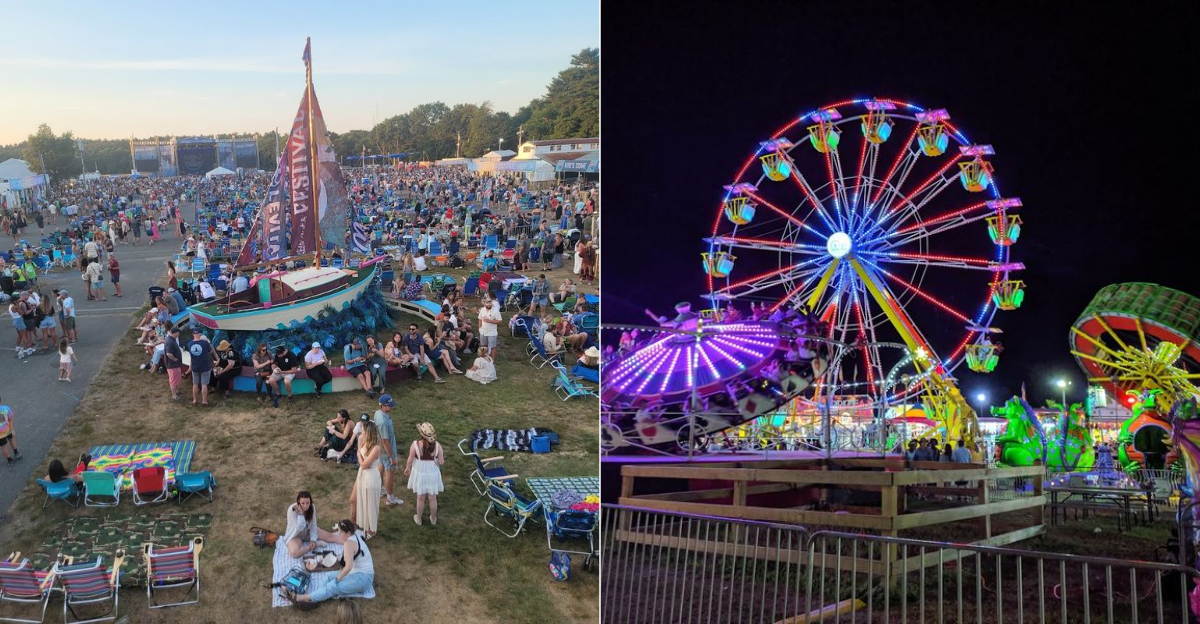
Recognized as one of the oldest agricultural fairs in the United States, this event continues to showcase the farming traditions that helped shape rural New England.
Livestock exhibitions, produce competitions, horticultural displays, and agricultural demonstrations remain central features, offering visitors a direct connection to skills and practices that have supported local communities for generations.
Beyond the agricultural elements, the fair includes entertainment, food vendors, rides, and family activities that attract large and diverse crowds each year.
Exhibition halls display everything from crafts and baked goods to harvest achievements, reflecting the broad range of talents found within the region.
Animal barns and judging competitions highlight the practical side of rural life, while public events create opportunities for learning and community engagement.
Set against a landscape closely associated with farming history, the fair demonstrates how agricultural traditions continue to influence modern celebrations.
Together, those elements create an event that balances education, entertainment, and cultural heritage in a way few festivals manage to achieve.
Massachusetts Puerto Rican Festival – Boston
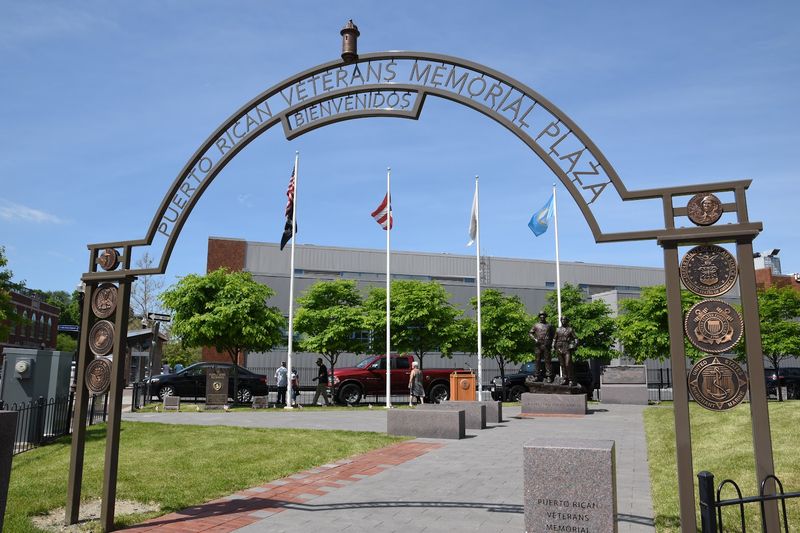
Culture and civic pride meet in this major community event, where parade routes, performances, and public gathering spaces highlight Puerto Rican identity across generations.
Dance and music carry much of the message, especially forms that connect the island’s African, Spanish, and Indigenous influences.
Public visibility matters here, since the festival asserts presence, heritage, and contribution within the wider life of Massachusetts.
Families gather not only for celebration but also for affirmation, using flags, dress, and performance to express belonging that is both local and diasporic.
Educational elements and community outreach often sit alongside entertainment, reminding visitors that festivals can also serve as statements about history, language, and representation.
Collectively, the day shows how cultural traditions remain active in urban public space.
Rhythm, movement, and shared memory create a strong sense of continuity for residents whose stories connect New England neighborhoods with the island and its long political history.
Boston Harborfest – Boston
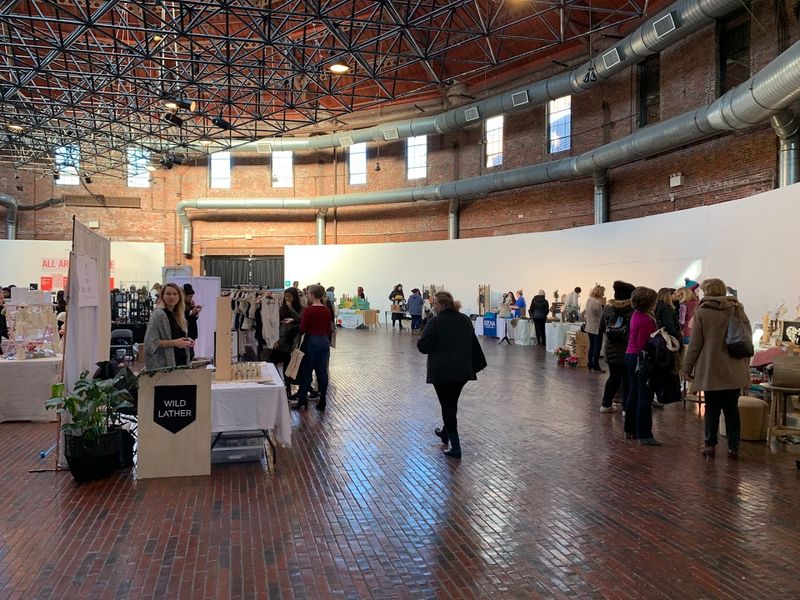
Held along Boston’s waterfront in a historic public park, this festival celebrates the city’s creative community through a mix of visual art, live music, and public engagement.
Local painters, sculptors, photographers, and craftspeople display their work in an open-air setting that encourages visitors to interact directly with artists and learn more about their creative processes. Throughout the festival, live performances add energy to the atmosphere, while harbor views and the surrounding skyline provide a distinctly urban backdrop.
The event emphasizes accessibility, allowing people of all ages to experience art outside traditional gallery spaces.
Families, tourists, and longtime residents move between exhibits, performances, and community activities, creating a lively environment that feels both welcoming and collaborative.
Rather than relying on large commercial attractions, the festival focuses on creativity, participation, and local talent.
The festival highlights the city’s creative energy while demonstrating how public spaces can support artistic expression and meaningful community interaction.
Cambridge Dance Fest – Cambridge
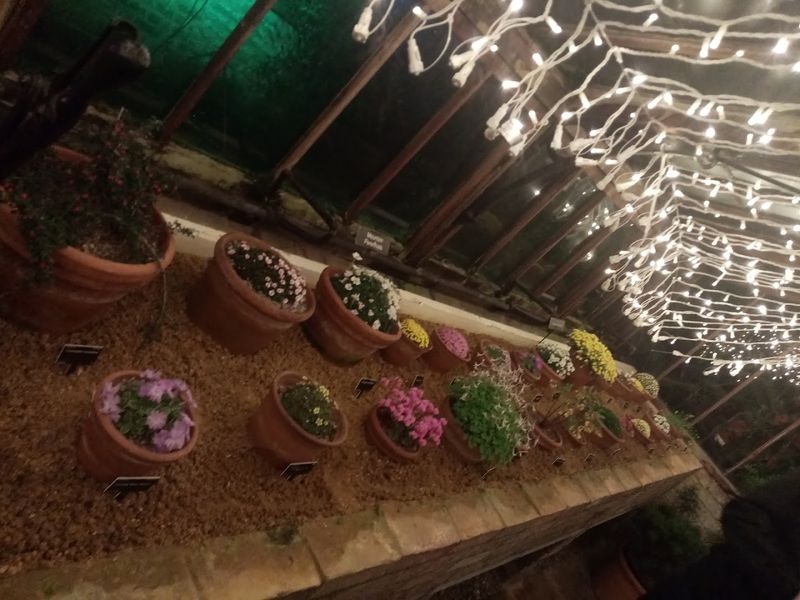
Movement becomes a form of public participation at this outdoor event, where live bands and open dance spaces invite spectators to become part of the action.
Different styles often appear across the schedule, giving the festival an inclusive feel that reflects the city’s academic, artistic, and international population.
Rather than relying on formal seating or separation, the setup encourages mixing, improvisation, and casual involvement.
Plazas and streets take on new purpose when dance shifts from studio or club settings into open civic space, making performance visible to passersby as well as devoted participants.
Social energy matters as much as technical display, because beginners can join alongside experienced dancers without changing the event’s welcoming character.
Framed by an urban landscape of brick, transit, and busy sidewalks, the festival captures a modern kind of summer tradition.
It is built on accessibility, shared rhythm, and the idea that culture can be created collectively in everyday public places.
Martha’s Vineyard Farmers’ Fair – West Tisbury
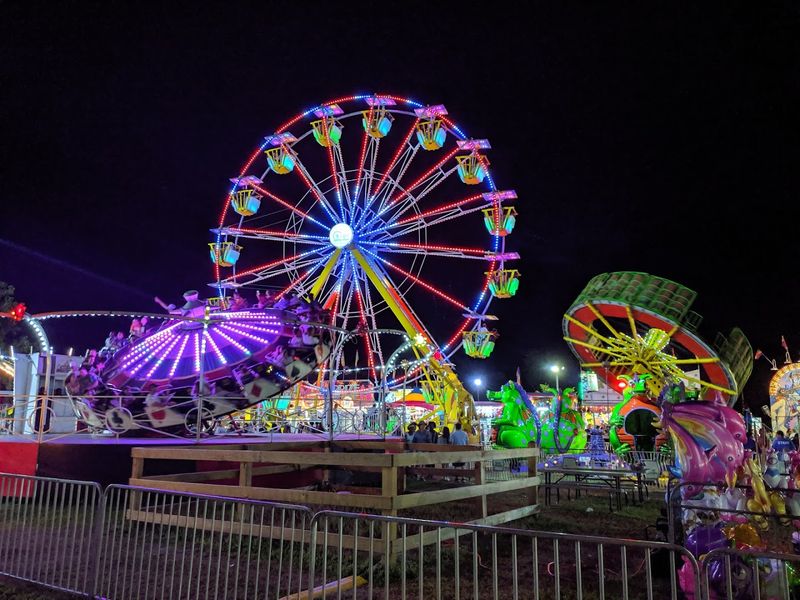
Agriculture takes center stage at this island fair, where livestock judging, produce competitions, and practical exhibits highlight rural traditions that can be overshadowed by the region’s resort image. Fairground routines reveal how farming still shapes community identity, even in a place better known to outsiders for beaches and seasonal tourism.
Exhibitions of animals, crafts, and local foods make the agricultural economy visible in everyday terms.
Barns and competition halls draw steady attention, especially from families interested in seeing the skills behind breeding, baking, gardening, and preservation.
Local character comes through in the mixture of island scale and longstanding custom, with neighbors treating the event as both reunion and record of working life.
Set against a landscape of fields and stone walls, the fair reminds visitors that Martha’s Vineyard includes a deep farming heritage.
Summer on the island has long involved harvest preparation, animal care, and community judgment as much as leisure.
Bolton Fair – Bolton
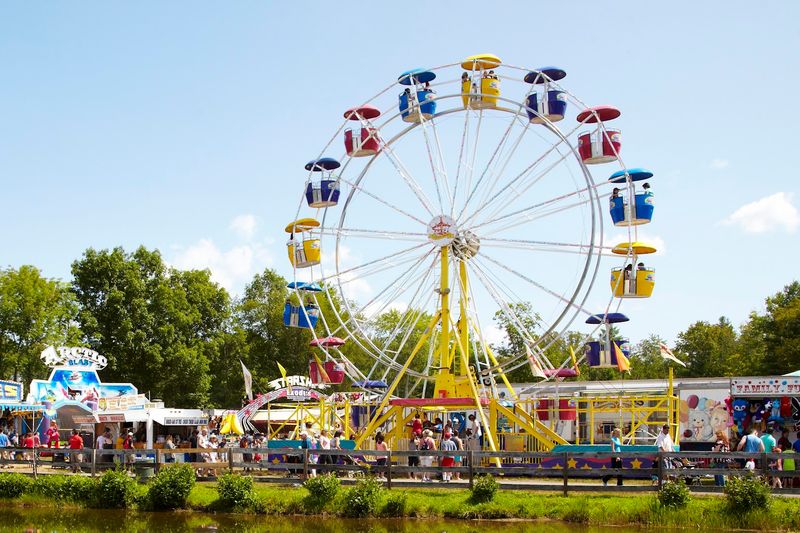
Country fair traditions remain vivid here, where livestock barns, agricultural contests, and practical demonstrations hold their own beside more familiar amusements.
New England fair culture is especially clear in the emphasis on competition, from animal judging to produce displays and home skills.
Food competitions, craft displays, and community exhibitions add variety while remaining connected to the event’s agricultural roots.
Many entries reflect months of preparation, giving participants an opportunity to showcase expertise developed through seasonal work and local tradition.
Visitors see a setting where rural work is not a theme but the foundation of the event.
Tractors, exhibition halls, and show rings provide a straightforward picture of regional farming life, with an atmosphere shaped by local pride rather than nostalgia alone.
Seasonal routines appear in concrete form through harvest displays, equipment, and the careful presentation of animals raised for show or farm use.
Positioned within central Massachusetts countryside, the fair reflects the agricultural roots of many summer festivals.
It highlights a tradition shaped by labor, weather, and the exchange of knowledge between neighboring farms and small towns.
New Bedford Folk Festival – New Bedford
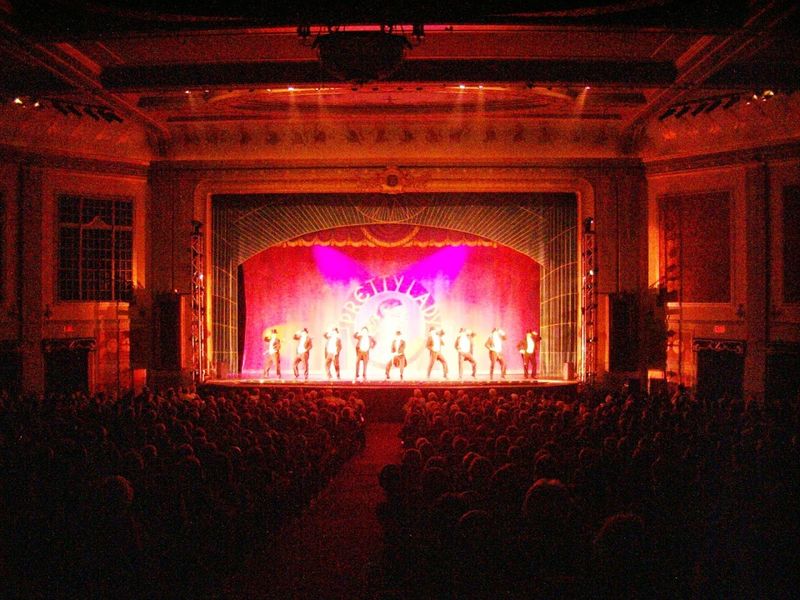
Music here reflects a coastal city with a strong working past, where folk performance feels connected to labor, migration, and storytelling rather than polished commercial entertainment.
Acoustic sets often draw attention to lyrics, instrumentation, and regional styles that reveal how traditions travel and change.
Workshops and informal discussions provide additional insight into songwriting, performance techniques, and the cultural influences behind many of the featured styles.
Rather than focusing solely on major acts, the program creates space for emerging performers and lesser-known traditions that might otherwise receive limited public attention.
Harbor history lingers in the background, giving the festival a sense of place shaped by ships, mills, and layered communities.
Singer songwriters, traditional players, and collaborative ensembles share stages that encourage listening as much as celebration, which suits the event’s roots in artistic expression.
Local culture enters through the city itself, since surrounding streets and architecture remind audiences that folk music thrives in places marked by movement and exchange.
Folk traditions remain central to the experience, demonstrating how music can carry regional stories across generations.
Levitate Music & Arts Festival – Marshfield
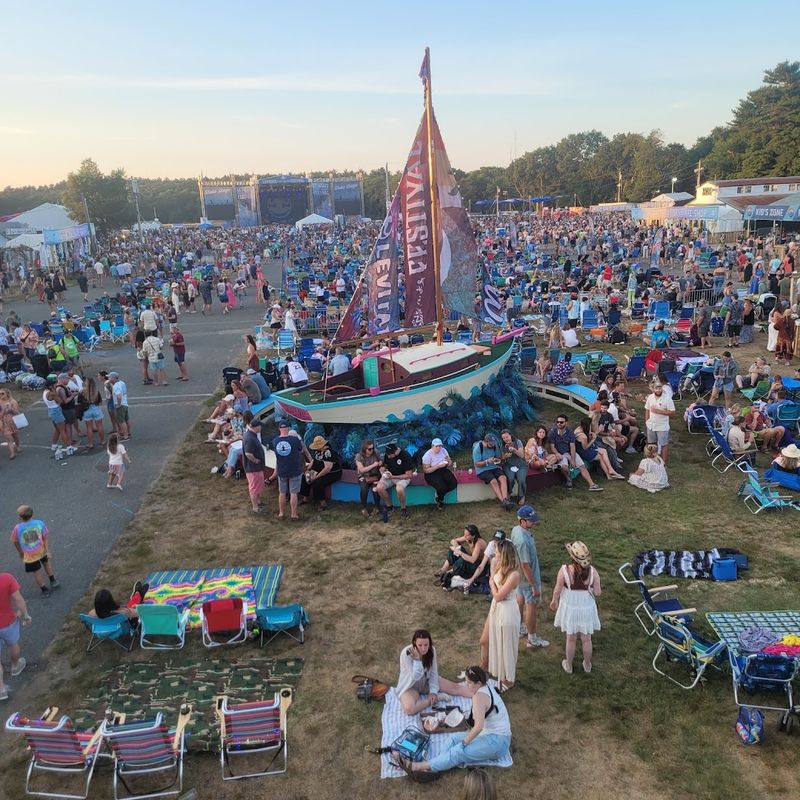
Set near the Massachusetts coastline, this festival blends live music, visual art, and outdoor culture into a weekend that feels distinctly connected to its surroundings.
Multiple stages host performances throughout the event, while large-scale art installations, local vendors, and interactive exhibits encourage visitors to explore beyond the music itself.
Creativity remains a central theme, reflected in everything from the creators market to the family activities and public art displays.
The festival’s outdoor setting contributes to a relaxed atmosphere where people move freely between performances, artistic experiences, and community gathering spaces.
Organizers place strong emphasis on celebrating music, art, and the outdoors together, creating an event that feels broader than a traditional concert festival.
Coastal scenery and a strong sense of participation help define the experience, making it one of the most recognizable creative gatherings in Massachusetts.
Art, music, and outdoor experiences remain closely connected throughout the weekend, reinforcing the festival’s identity as a celebration of creativity and community participation.