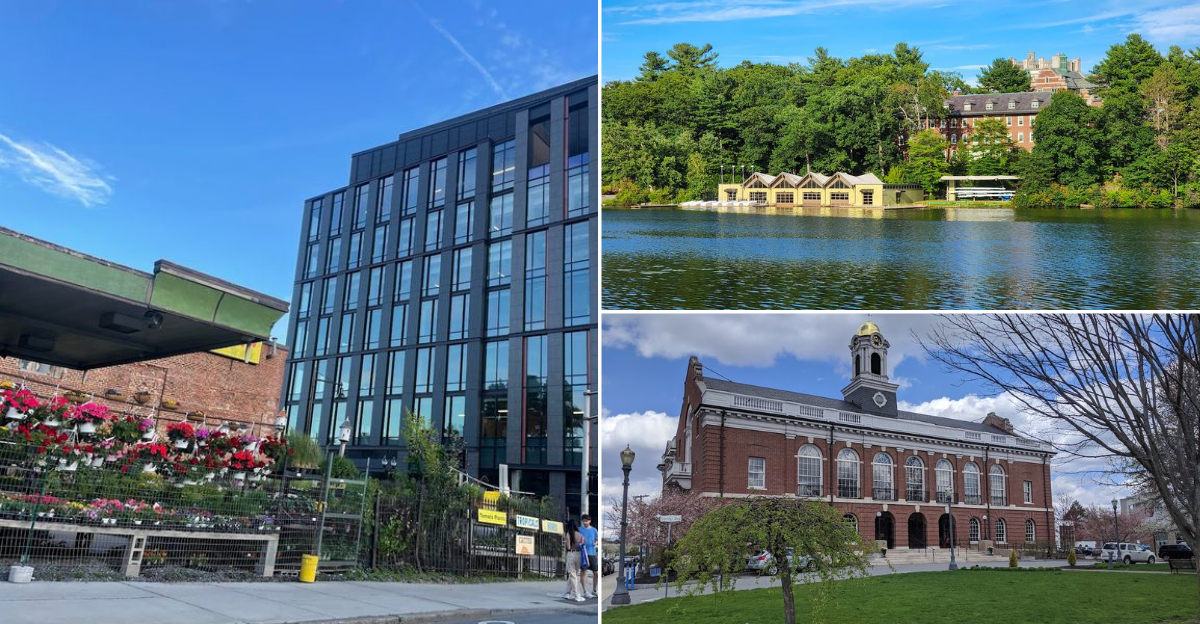
House hunting in Massachusetts can feel like speed dating with price tags, where every charming street, good school district, and commuter rail stop comes with a number that makes your coffee taste suddenly expensive.
Across Greater Boston and beyond, a cluster of once merely desirable towns has crossed into territory where average buyers face fierce competition, slim inventory, and monthly payments that demand more optimism than arithmetic.
If you have ever wondered why perfectly sensible people now celebrate finding a two-bedroom with one functioning closet, this list breaks down where affordability has slipped and why these markets keep pulling values higher.
Stick with me, because these 13 towns show exactly how schools, transit, walkability, prestige, and plain old scarcity can turn a home search into a high-stakes scavenger hunt, and knowing the pattern might save you time, stress, and at least one dramatic spreadsheet session.
1. Cambridge
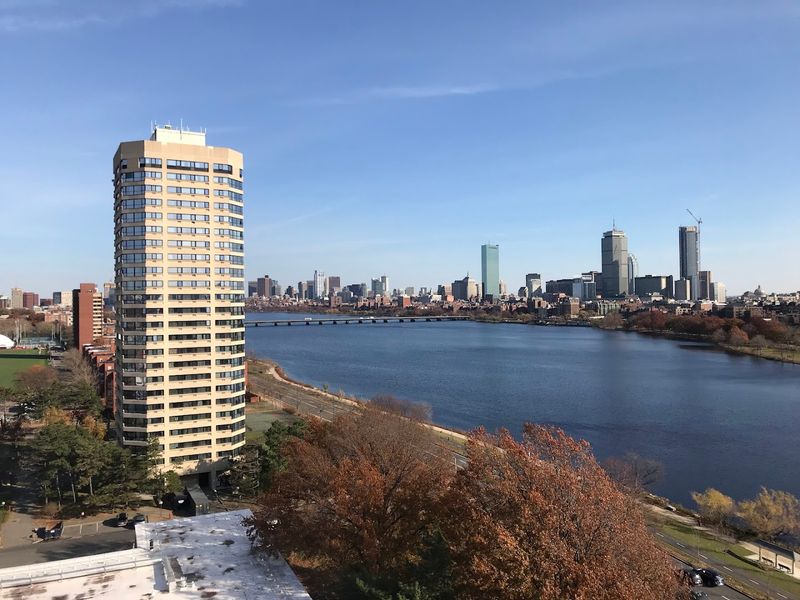
Brick sidewalks and brainpower set the scene in Cambridge, where home prices have climbed into a league that leaves many average buyers blinking twice at the listing sheet.
World-famous universities, a thriving biotech economy, and easy access to Boston keep demand intense, while limited housing stock means almost every decent property draws serious attention.
Even buyers with strong incomes can feel outgunned here, because competition often comes from cash-rich professionals who value the city lifestyle, strong transit, and neighborhood prestige.
From Kendall Square to West Cambridge, the mix of historic charm, walkability, and job access creates a market where compromises get expensive fast, whether that means smaller spaces, older systems, or fewer amenities.
What makes Cambridge especially tough is that it offers more than a place to live – it offers a whole identity, and buyers pay dearly for that package.
If you want top schools, cultural energy, and a short commute without sacrificing character, Cambridge keeps looking irresistible, which is exactly why average buyers increasingly find themselves priced outside the front door.
2. Brookline
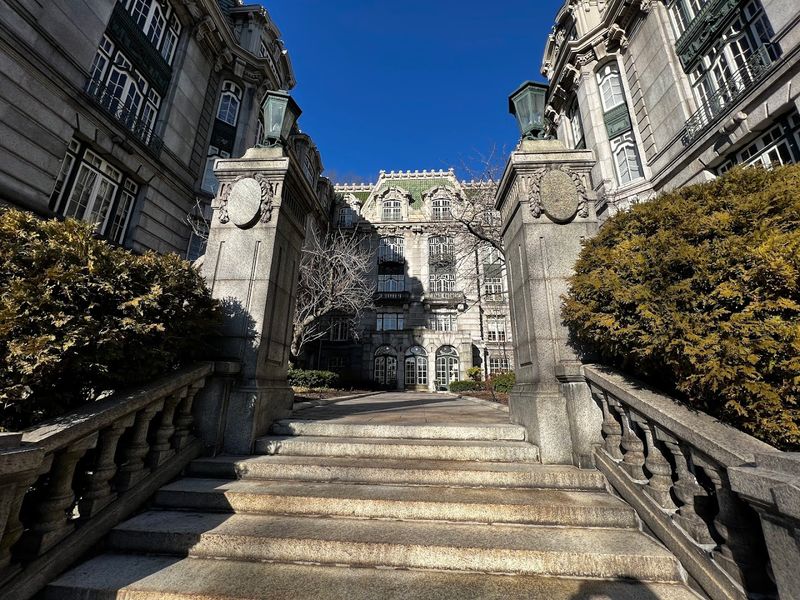
Polished, leafy, and just a trolley ride from Boston, Brookline has become one of those places where buyers quickly learn that charm carries a luxury surcharge.
Its combination of urban convenience, highly regarded schools, and beautiful housing stock keeps demand elevated, especially among people who want city access without giving up a neighborhood feel.
Inventory tends to stay tight, and that scarcity pushes prices higher across everything from condos to grand single-family homes.
Even modest properties can command steep numbers here, because buyers are not only purchasing square footage – they are buying location, reputation, walkability, and a community with long-standing appeal.
Brookline also benefits from a kind of enduring status that keeps its market resilient when other places soften.
For average buyers, that means stretching farther for less space, accepting renovation projects at premium prices, or watching opportunities vanish quickly as better-funded competitors step in, smiling politely while your budget quietly waves a little white flag from the sidewalk.
3. Newton
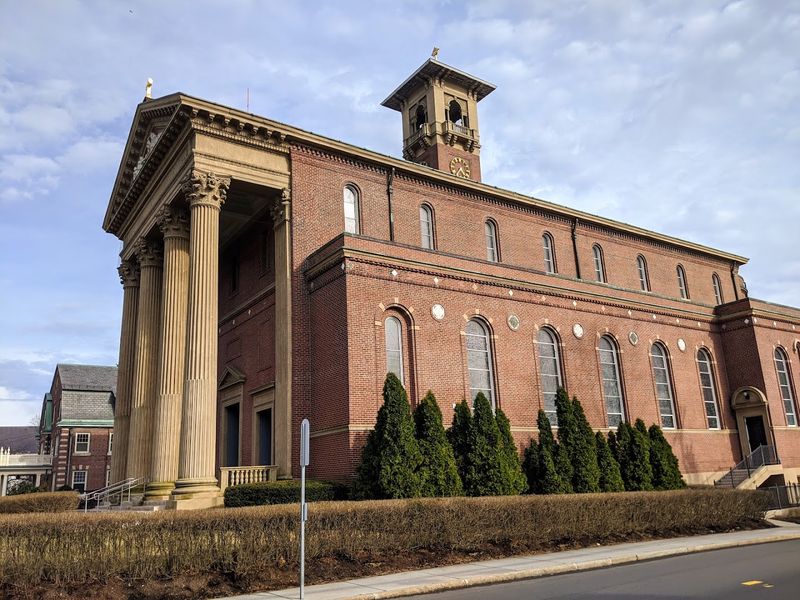
Spread across its well-known villages, Newton delivers the kind of suburban polish that keeps buyers coming even when prices seem determined to test every financial boundary.
Excellent schools, attractive neighborhoods, and commuter access to Boston have made it a perennial favorite for families, professionals, and anyone chasing that classic high-functioning suburb dream.
Because so many people want in, average buyers often run into a market where bidding pressure and limited inventory work together like a very efficient tag team.
Older homes with character still draw strong interest, renovated properties command eye-popping premiums, and even smaller houses can sell for numbers that would have once bought something far grander elsewhere.
Newton’s appeal is broad, and that breadth matters because it attracts buyers at many income levels, especially those with bigger budgets than the average household can manage.
When a town combines prestige, strong public services, and village-style livability, affordability usually heads for the exit, leaving practical buyers to recalculate commute times, renovation costs, and whether a finished basement really counts as emotional support square footage.
4. Somerville
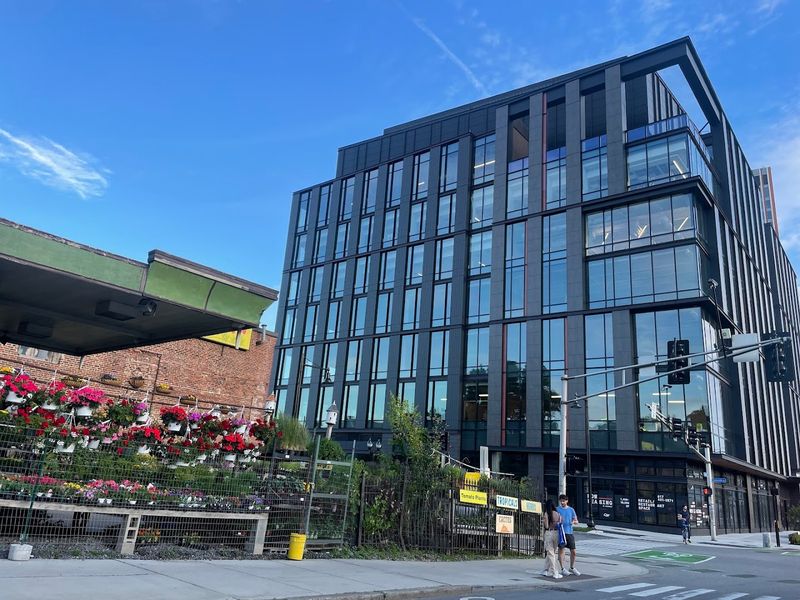
Somerville has traded its old under-the-radar reputation for a full-on popularity boom, and average buyers have felt every inch of that shift in rising prices.
Its closeness to Boston, strong transit connections, lively food scene, and neighborhood personality make it deeply appealing to buyers who want urban energy without moving directly into downtown Boston.
That demand has intensified as development, transit expansion, and continued interest from professionals reshape the market.
Triple deckers, condos, and renovated homes all attract attention, and even properties that need work can spark serious competition because buyers know land, location, and walkability are doing much of the heavy lifting.
What makes Somerville especially challenging is the speed of its change, since values have risen alongside its profile and amenities.
For average buyers, the math can get awkward fast: smaller footprints, fewer parking options, and renovation compromises often still come with hefty price tags, proving that in Somerville, quirky charm, coffee access, and a nearby train can apparently cost nearly as much as a small kingdom.
5. Lexington
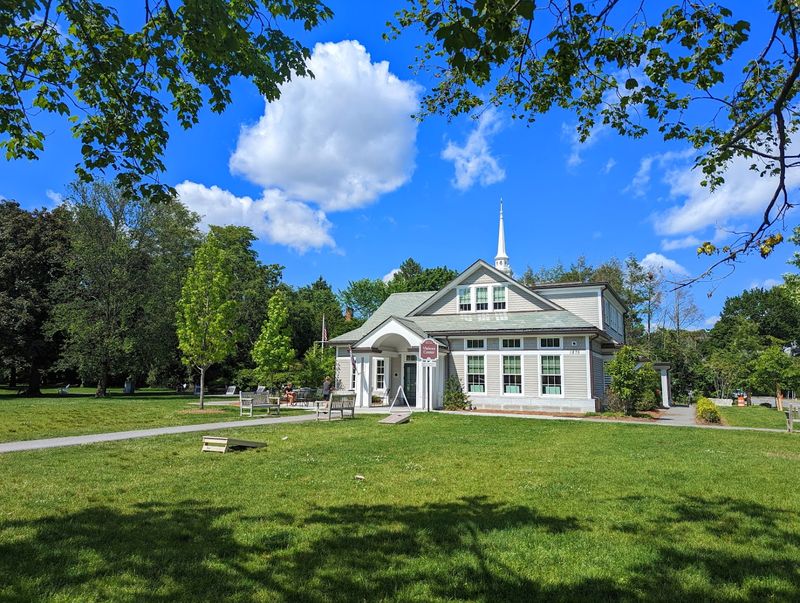
History echoes through Lexington, but buyers hear something else too – the unmistakable sound of prices marching steadily upward.
Known for top-tier schools, attractive neighborhoods, and a family-focused atmosphere, the town draws intense interest from households willing to pay a premium for educational reputation and suburban stability.
That powerful school-driven demand tends to support high values across a wide range of properties, from updated colonials to older homes waiting for renovation.
Because inventory is often limited and expectations are high, average buyers can struggle to find options that fit both their needs and their budget, especially when turnkey homes invite immediate competition.
Lexington’s market is also shaped by buyers who view it as a long-term investment, which keeps bidding confidence strong.
Once a town becomes shorthand for academic quality and comfortable living, affordability rarely gets the starring role, and that is exactly the challenge here – many average buyers find themselves admiring the excellent schools, handsome streets, and colonial charm from a financial distance that keeps getting longer.
6. Concord
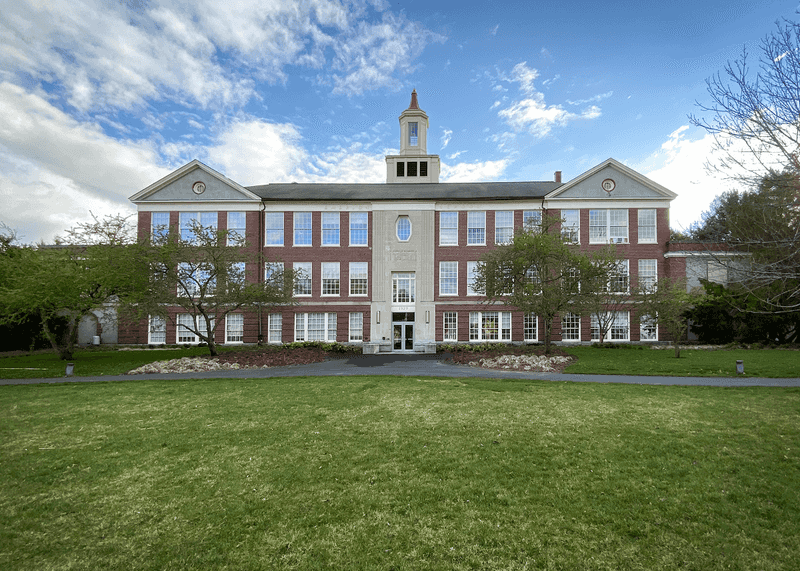
Quiet beauty works overtime in Concord, where scenic roads and literary prestige help support a housing market that has grown daunting for average buyers.
The town offers a rare blend of historic character, conservation land, strong schools, and a distinctly refined atmosphere, all of which attract households looking for space and status within reach of Greater Boston.
That blend is not easy to replicate, so demand tends to stay strong even when affordability weakens.
Larger lots, classic New England homes, and a carefully preserved sense of place give Concord an enduring appeal, but they also raise the cost of entry for buyers who are not arriving with substantial resources.
Concord feels less like a quick market trend and more like a carefully curated lifestyle, which is part of its power.
Average buyers often discover that even homes needing updates are priced for the town’s reputation rather than their current condition, making the search equal parts admiration and disbelief, with plenty of time spent wondering whether transcendentalism also includes transcendently high property taxes and renovation estimates.
7. Wellesley
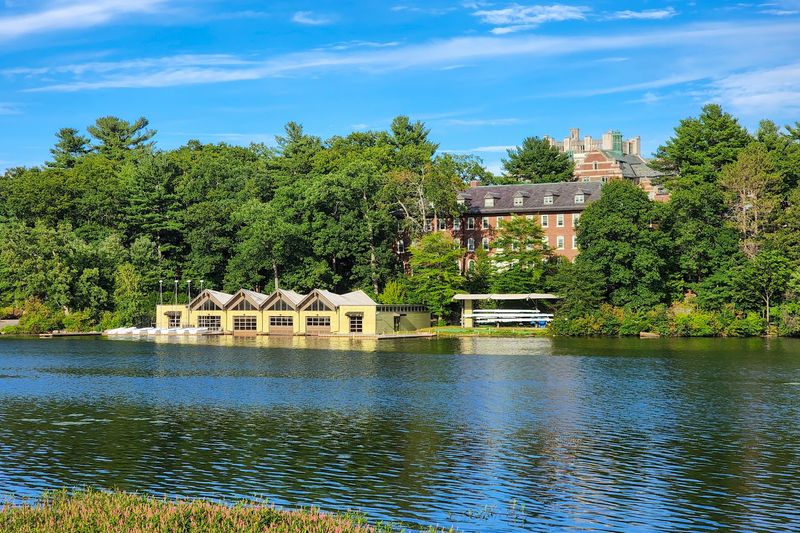
Graceful streets and polished curb appeal define Wellesley, a town where average buyers often realize very quickly that the entry ticket is not exactly beginner-friendly.
Highly regarded schools, a strong commuter location, and an upscale reputation have combined to create a market that consistently commands steep prices and very little apology.
Buyers here are often competing for more than a house – they are chasing a specific version of suburban success.
That means renovated homes, larger lots, and attractive addresses draw outsized demand, while even smaller or older properties can sell at levels that force middle-income shoppers to rethink what a starter home is supposed to look like.
Wellesley also benefits from enduring confidence among buyers who prioritize education and long-term property value.
When a town offers prestige, convenience, and a village center that feels storybook neat, affordability tends to fade into the background, leaving average buyers to choose between stretching uncomfortably, compromising heavily, or admiring those immaculate front lawns while quietly muttering that grass should not be this expensive.
8. Weston
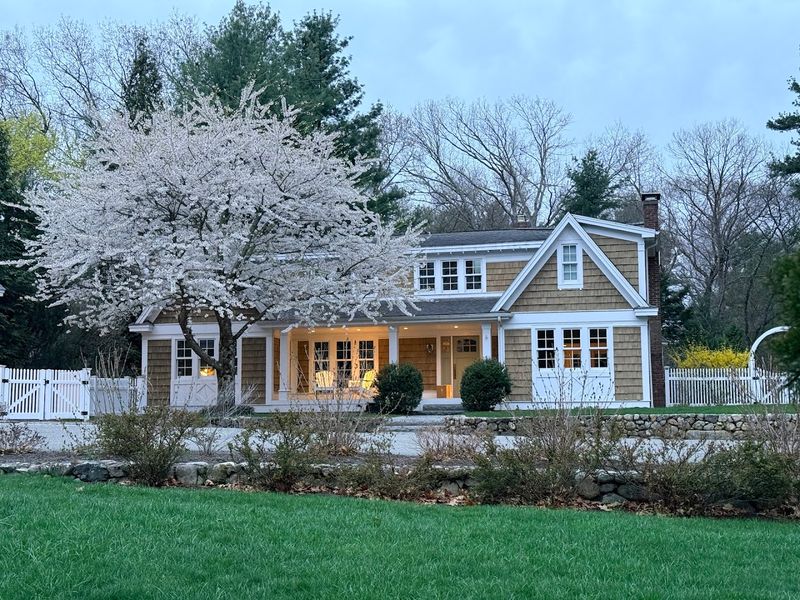
Tucked behind trees and long driveways, Weston operates on a housing scale that can make average buyers feel like they accidentally wandered into a very expensive postcard.
The town is known for large lots, privacy, strong schools, and a highly exclusive suburban character, all of which support some of the region’s most intimidating home values.
Unlike denser communities where condos or smaller houses offer at least a foothold, Weston gives buyers fewer affordable entry points.
Its housing stock leans larger and more luxurious, and even homes that need cosmetic work tend to sit on land that carries significant value, keeping the baseline price high before renovations even enter the conversation.
That dynamic makes Weston especially difficult for ordinary buyers who simply want good schools and a manageable commute.
What they often find instead is a market shaped by wealth concentration, limited supply, and a premium on privacy, where everyday budgeting feels almost quaint, and where the phrase modest home can apparently describe something with a sweeping lawn, four fireplaces, and a price that could startle a banker.
9. Winchester
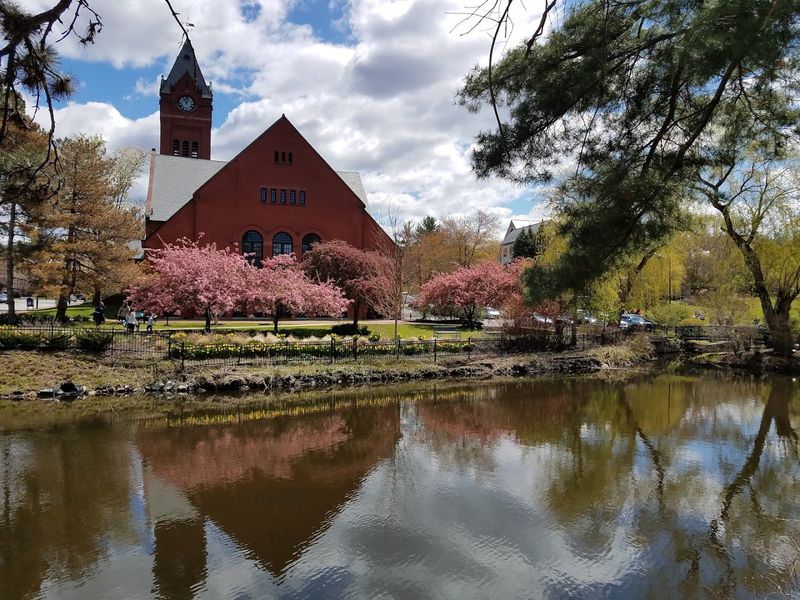
On first glance, Winchester looks like the kind of town that should come with a soundtrack of rustling leaves and ambitious mortgage calculations.
Its attractive center, strong schools, and commuter-friendly location north of Boston have made it increasingly sought-after, which has steadily pushed prices beyond what many average buyers can comfortably handle.
Demand here often centers on family buyers who value educational reputation and a polished suburban setting.
That concentration of interest keeps competition healthy for sellers, especially when well-maintained single-family homes hit the market, and it means buyers with ordinary budgets may end up compromising on size, condition, or proximity to the center.
Winchester’s limited inventory only sharpens the challenge, because there are not many chances to buy into the town at a discount.
When appealing homes, respected schools, and easy commuting overlap in one place, prices tend to follow the wealthiest bidders upward, leaving average buyers to wonder whether they can stretch for the dream, settle elsewhere, or simply keep strolling the lovely streets as unpaid admirers of other people’s real estate.
10. Arlington

Arlington has become a classic case of a close-in suburb where convenience and character teamed up, then sent affordability looking for a cheaper zip code.
Its appeal comes from a smart mix of walkable neighborhoods, access to Cambridge and Boston, well-regarded schools, and housing that still feels rooted in community rather than flash.
That very balance, however, has made it increasingly competitive for average buyers.
People who once looked to Arlington as a somewhat more attainable alternative to nearby hotspots now face stronger demand, tighter supply, and prices that reflect how many buyers want the same combination of practicality, charm, and commuting ease.
Single-family homes especially can spark intense interest, and updated properties rarely linger without attracting serious offers.
For buyers working with ordinary budgets, the challenge is not just price – it is pace, because the market rewards preparedness and punishes hesitation, making Arlington feel like a town where you need excellent timing, firm financing, and perhaps a lucky rabbit’s foot tucked discreetly into your open-house shoe covers.
11. Belmont
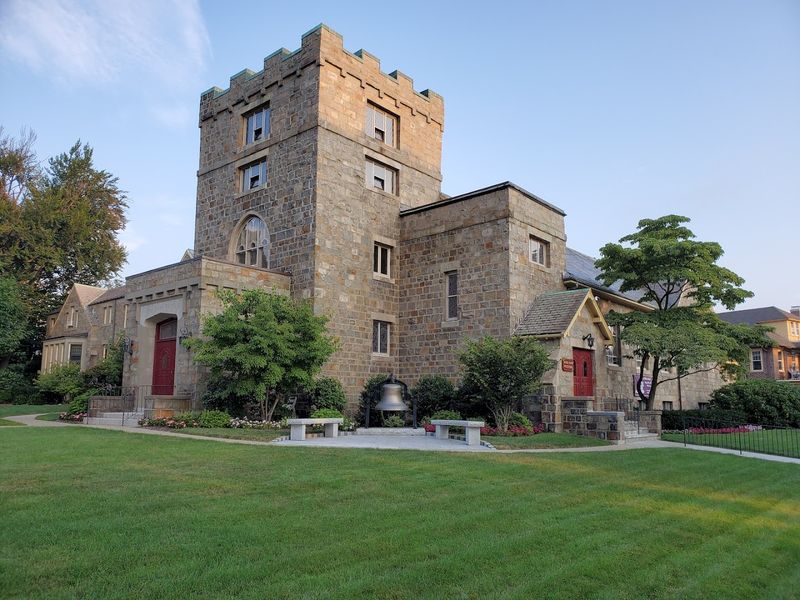
Belmont often flies a little quieter than some neighboring towns, but its housing market speaks in a very clear voice: bring a serious budget.
Located close to Cambridge and Boston, and known for strong schools and attractive neighborhoods, Belmont has become increasingly difficult for average buyers who want both convenience and long-term value.
Its relatively small size adds pressure, because limited inventory means opportunities can be scarce when demand is running high.
Buyers are often competing for classic single-family homes in established neighborhoods, and even less-updated properties can command prices that reflect the town’s location and reputation rather than their need for immediate improvements.
Belmont also benefits from a steady appeal among households seeking a quieter residential feel without giving up access to major job centers.
That makes it hard for middle-income buyers to catch a break, especially when higher earners view the town as a strategic alternative to even pricier nearby markets, turning what looks like a sensible suburban choice into a surprisingly exclusive club with excellent schools, charming streets, and a membership fee disguised as a down payment.
12. Needham
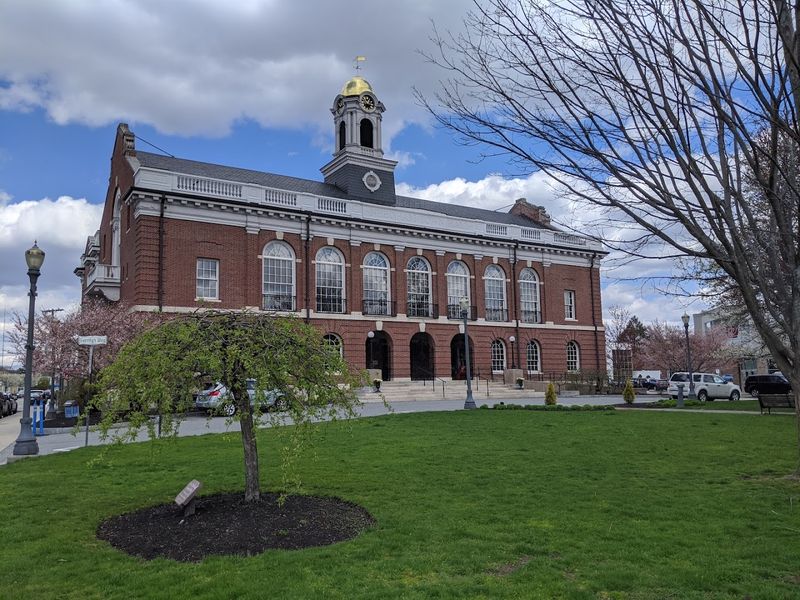
Needham has become a favorite for buyers seeking the suburban sweet spot, which is lovely news for sellers and tougher news for average households.
Strong schools, a respected community feel, and access to Boston area employment centers have helped drive sustained demand, especially among families looking for stability and everyday convenience.
That demand shows up clearly in pricing, where single-family homes often sit beyond what middle-income buyers can comfortably manage.
Even houses that need updates may carry substantial premiums because the town itself does so much of the value work, offering a reliable mix of services, neighborhood appeal, and commuter practicality.
Needham also has the kind of reputation that keeps buyers interested through changing market conditions.
When a town is seen as both dependable and desirable, affordability tends to narrow instead of expand, and average buyers may find themselves balancing longer commutes, smaller homes, or renovation headaches just to gain entry, which is a polite real estate way of saying the welcome mat is attractive but the front door now costs a whole lot more.
13. Natick
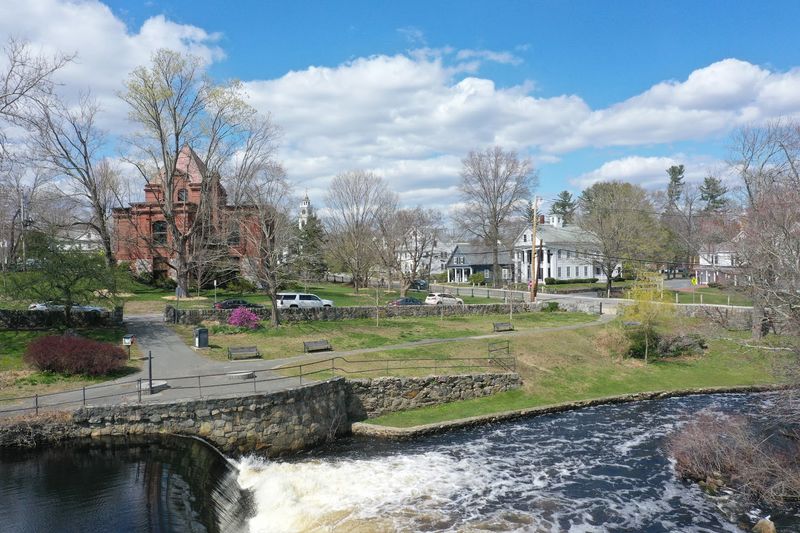
Natick brings a little bit of everything to the table, and that broad appeal has made it harder for average buyers to grab a seat.
With commuter rail access, shopping, solid amenities, and neighborhoods that attract both families and professionals, the town has grown into a competitive market that feels more expensive than many buyers expect.
Part of Natick’s challenge is versatility, because it appeals to several kinds of shoppers at once.
People looking for convenience, school quality, suburban comfort, and easier access to Boston all converge here, which supports strong prices for updated homes and keeps pressure on more modest listings that once might have served as realistic starter options.
As inventory tightens, buyers often face quick decisions and fewer chances to negotiate.
Natick may not always carry the same prestige label as some nearby towns, but its practical strengths are exactly what drive affordability downward, leaving average buyers to discover that useful, well-located, and livable can be every bit as costly as flashy, especially when half the market has already figured that out.