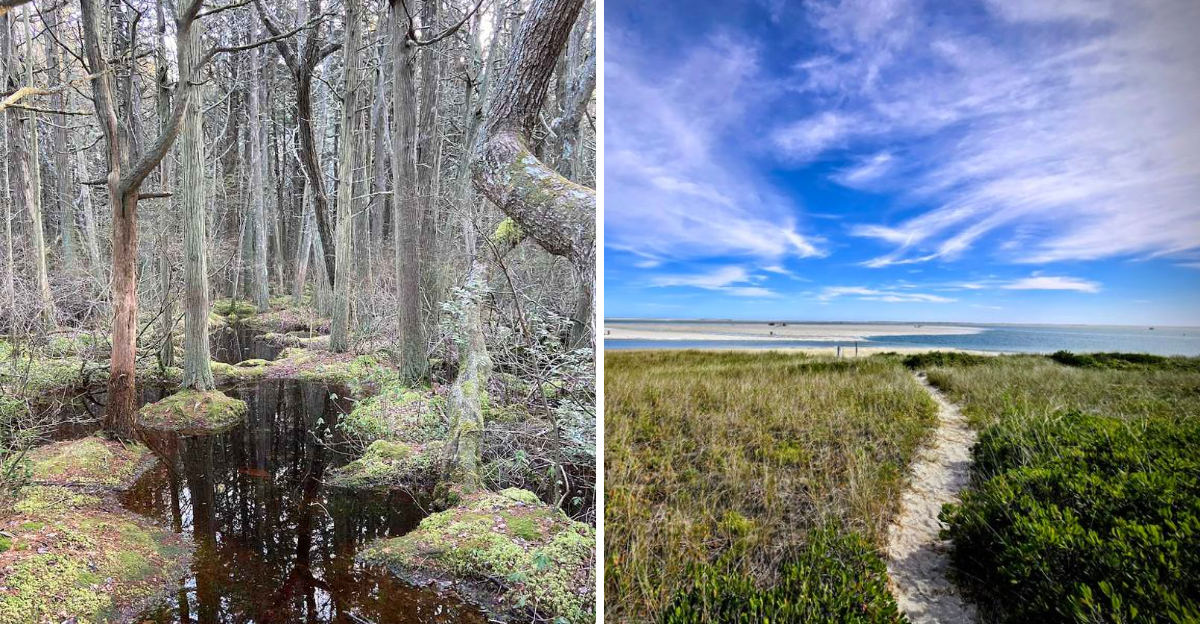
Massachusetts doesn’t whisper its beauty — it hits you with crashing waves, towering pines, and mountaintop views that seem to stretch forever. One minute you’re climbing rocky ridges in the Berkshires, the next you’re walking beside dunes where the Atlantic roars against the shore.
This state packs an incredible amount of scenery into a surprisingly small corner of New England. Forests glow fiery red in autumn, cedar swamps feel almost prehistoric, and salty ocean air follows you down winding coastal paths.
Some trails lead to waterfalls hidden deep in the woods. Others open onto empty beaches, granite cliffs, or sweeping harbor views that make you stop in your tracks.
These thirteen Massachusetts hikes deliver the kind of scenery that sticks with you long after the boots come off.
Mount Greylock Summit Loop – Adams
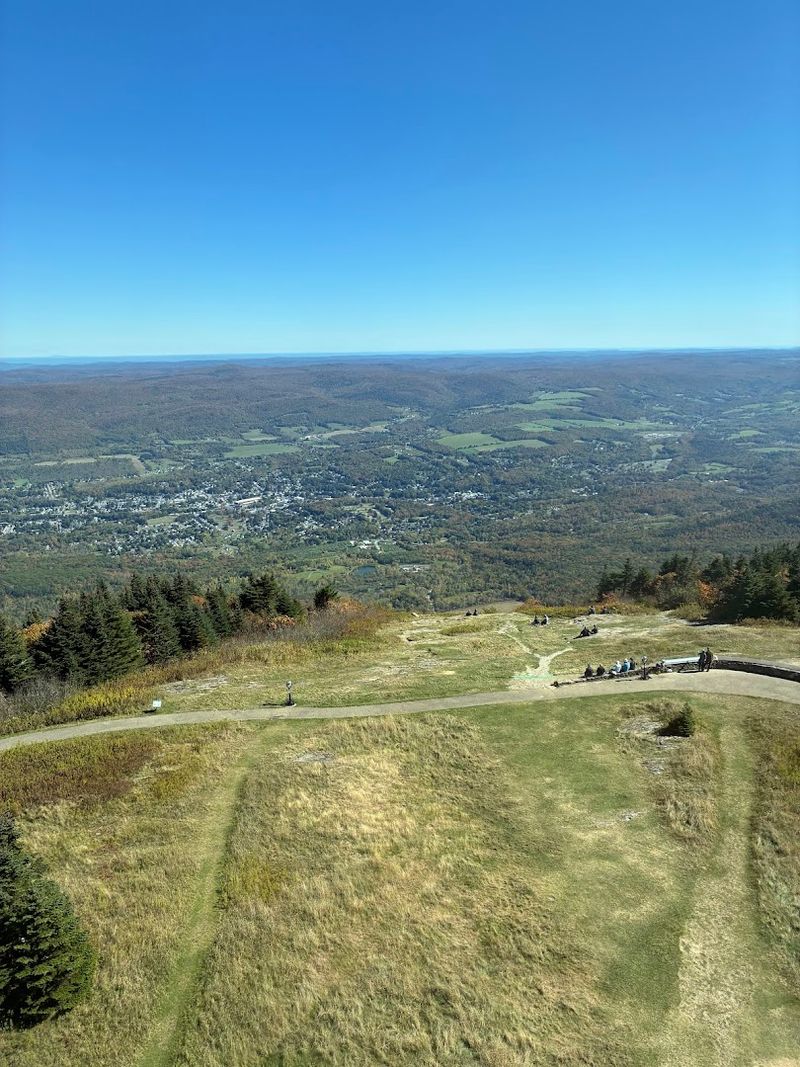
Standing at 3,491 feet, Mount Greylock commands attention as the highest point in Massachusetts. The summit trail rewards hikers with breathtaking views that stretch across five states on clear days, making every challenging step worthwhile.
Thick hardwood forests dominate the lower slopes, where maples, birches, and oaks create brilliant color displays each autumn. As you climb higher, the landscape transitions to rocky ridgelines and windswept terrain.
The Veterans War Memorial Tower marks the summit, providing 360-degree vistas that seem endless.
Fall foliage season transforms this mountain into a photographer’s paradise. The mix of elevation changes, forest diversity, and open summit areas creates layers of color rarely matched elsewhere in the state.
This classic New England hiking experience combines physical challenge with natural beauty. Pack layers, as summit temperatures often drop significantly below valley conditions.
The round-trip journey typically takes four to six hours, depending on your chosen route and pace.
Great Island Trail – Wellfleet
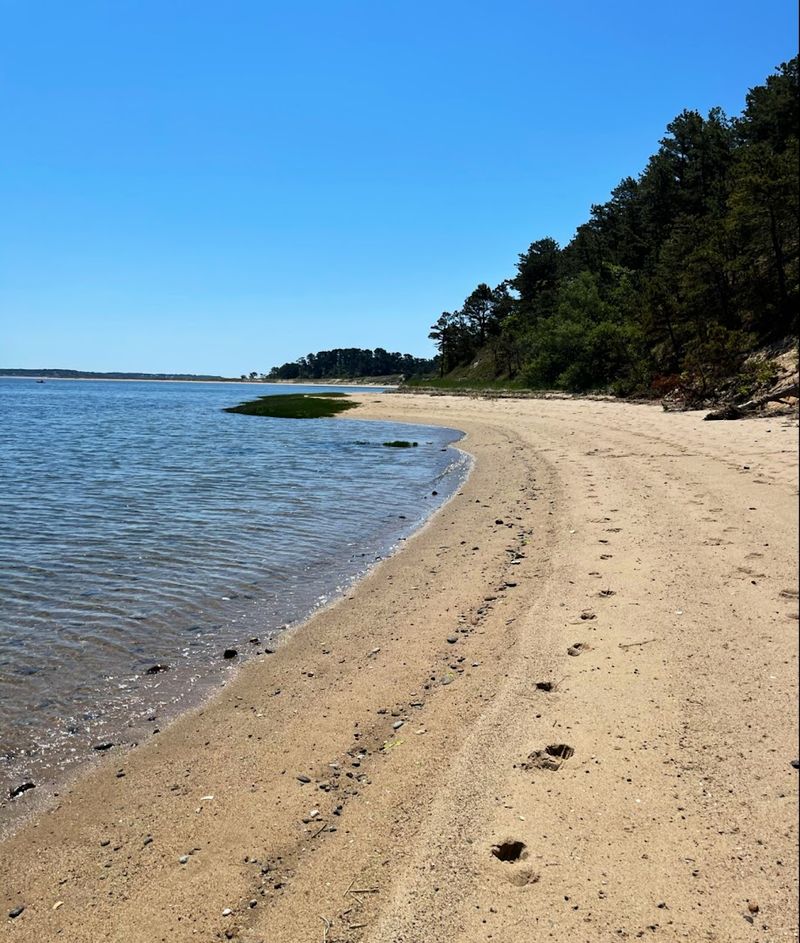
Cape Cod reveals its wild side along this magnificent trail. Pine forests give way to towering sand dunes, then transition into salt marshes before reaching remote beaches where the Atlantic crashes against pristine shores.
Located within Cape Cod National Seashore, the trail covers roughly seven miles round-trip. The landscape constantly shifts, preventing any sense of monotony.
One moment you’re walking through shaded woodland; the next, you’re surrounded by rolling dunes that block all signs of civilization.
Wildlife thrives in this protected environment. Shorebirds patrol the beaches, while harbor seals occasionally appear offshore.
The diverse ecosystems support everything from small songbirds to impressive raptors hunting over the marshlands.
Timing matters here. Low tide opens up more beach to explore, while high tide pushes water closer to the dunes.
Summer brings warm swimming conditions, but spring and fall offer quieter experiences. Bring plenty of water and sun protection, as shade becomes scarce once you leave the pine forest behind.
Halibut Point Trail – Rockport
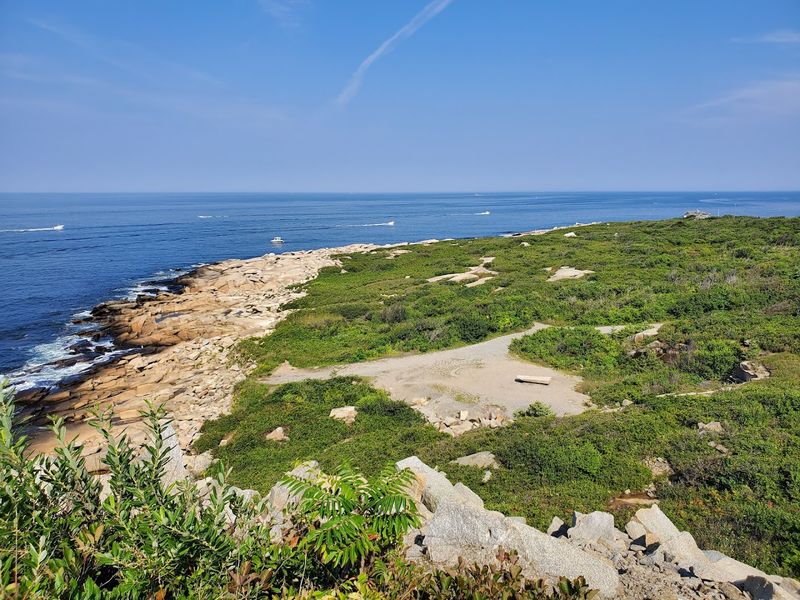
Granite meets ocean in spectacular fashion at this North Shore gem. The trail loops through a landscape shaped by both natural forces and human history, where massive rock formations tell stories millions of years old.
Ocean overlooks appear frequently along the route, each offering different perspectives of the Atlantic coastline. Tide pools teem with marine life during low tide, making this trail particularly engaging for curious explorers.
The granite shoreline, carved by ancient quarrying operations, creates unique geological features you won’t find elsewhere.
Woodland sections provide relief from coastal winds and sun exposure. These quieter stretches let you catch your breath while preparing for the next stunning ocean vista.
The combination creates perfect rhythm throughout your hike.
Did you know? The name “Halibut Point” actually comes from “haul about,” a nautical term sailors used when rounding this rocky headland.
Spring through fall offers the best hiking conditions, though winter storms create dramatic wave action worth witnessing from safe distances.
Bash Bish Falls Trail – Mount Washington
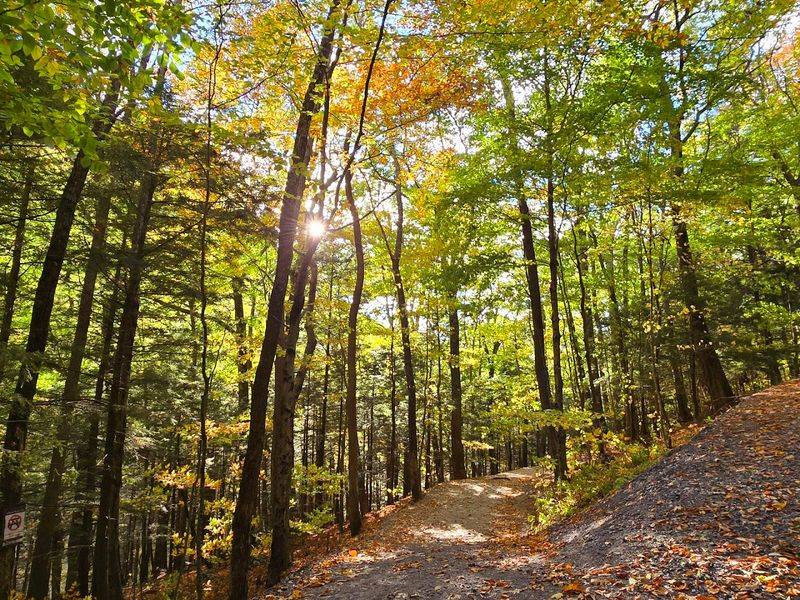
Water thunders down a dramatic sixty-foot drop, creating Massachusetts’ most impressive waterfall. The journey to Bash Bish Falls takes you deep into Berkshire woodland where nature reigns supreme.
Rocky terrain challenges your footing, especially near the falls where mist keeps surfaces slippery. Rushing water provides constant soundtrack throughout your hike.
Dense forest surrounds the trail, filtering sunlight and creating an almost mystical atmosphere.
The falls themselves split around a massive boulder before plunging into a crystal-clear pool below. Generations of visitors have marveled at this natural wonder, making it one of Massachusetts’ most photographed landmarks.
The surrounding forest showcases classic New England character, with towering trees and thick undergrowth.
Summer brings peak water flow, though autumn colors add extra magic to the experience. The trail sees heavy traffic during peak seasons, so early morning visits offer more solitude.
Wear sturdy boots with good traction. The relatively short distance belies the trail’s challenging nature, especially for those hoping to get close to the falls.
Race Point Dunes Trail – Provincetown
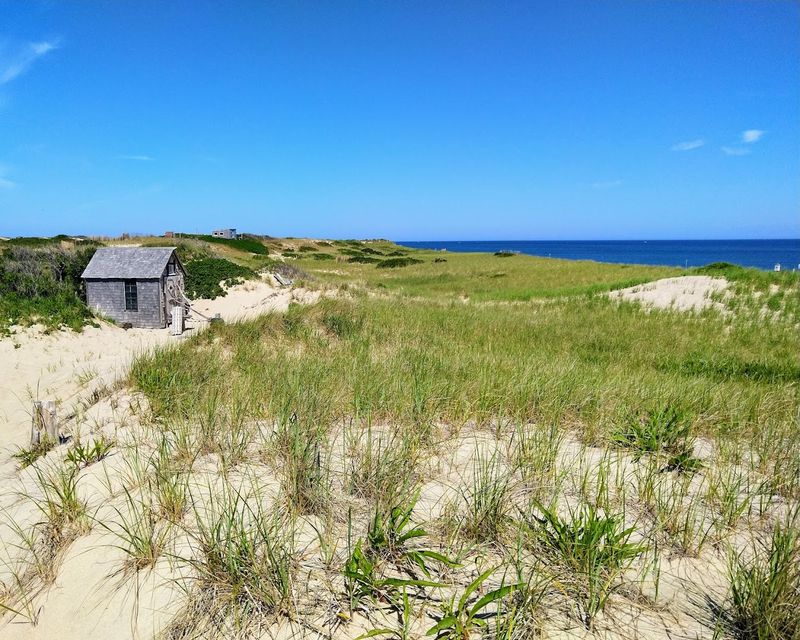
Few Massachusetts trails feel this remote. Massive dunes roll toward the horizon like frozen ocean waves, creating an almost desert-like landscape at the tip of Cape Cod.
Scrub pine clings stubbornly to sandy soil, providing occasional shade and windbreaks. The trail crosses constantly shifting terrain where wind reshapes the landscape between visits.
Remote shoreline stretches for miles, offering exceptional solitude even during busy summer months.
Seals frequently haul out on offshore sandbars, visible from beach viewpoints along the trail. Migratory birds treat this area as a crucial stopover, with species counts reaching impressive numbers during spring and fall.
The wildlife viewing opportunities rival anywhere else in Massachusetts.
This wild environment demands preparation. Soft sand makes walking more strenuous than expected.
Sun exposure remains intense without natural shelter. Water becomes essential, especially during summer heat.
The reward? Experiencing Cape Cod’s raw, untamed character.
This landscape shows you what the entire Cape looked like before development. Come during shoulder seasons for the best combination of comfortable weather and active wildlife.
World’s End Trails – Hingham
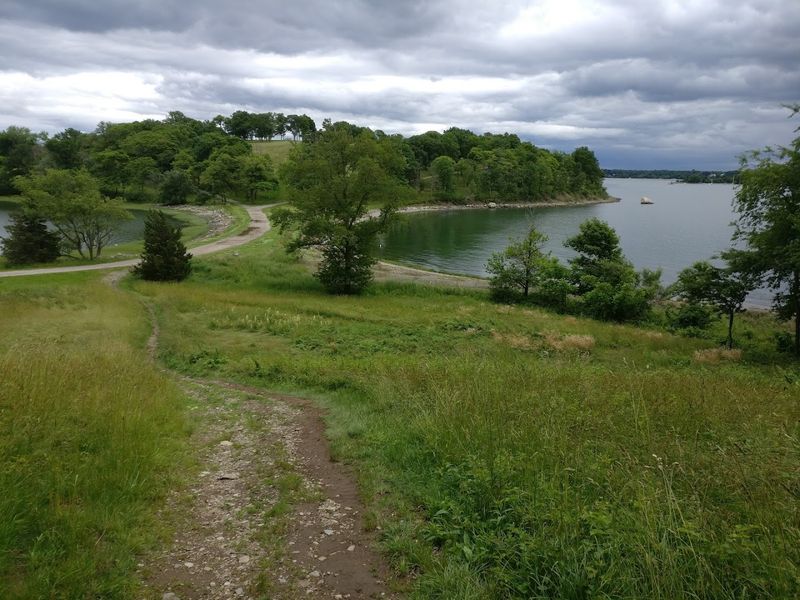
Rolling hills meet harbor views in this perfectly preserved landscape. Tree-lined carriage paths wind through scenery that feels transported from another era, creating peaceful hiking just outside Boston’s urban sprawl.
Landscape architect Frederick Law Olmsted designed these paths, bringing the same vision he applied to New York’s Central Park. Wide, gently graded routes make walking effortless while showcasing carefully planned vistas.
Each turn reveals new perspectives of Boston Harbor and the surrounding coastline.
Open meadows contrast beautifully with shaded woodland sections. The preserve maintains diverse habitats within relatively compact acreage.
Sweeping water views appear frequently, rewarding hikers with coastal scenery minus the challenging terrain found elsewhere.
Accessibility makes this trail system particularly valuable. Families, seniors, and anyone seeking gentler outdoor experiences find satisfaction here.
The carriage paths accommodate strollers and wheelchairs better than most natural areas.
Visit during spring wildflower season or fall foliage for extra visual impact. The harbor panoramas remain stunning year-round.
Historical significance adds depth to your experience, as this land nearly became a housing development before conservation efforts preserved it forever.
Blue Hills Skyline Trail – Milton
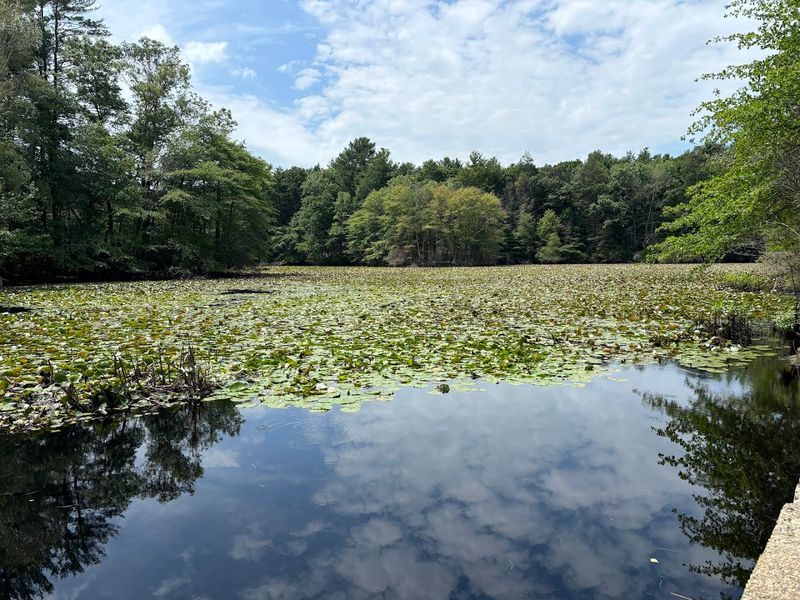
Boston’s backyard wilderness offers surprising ruggedness. The Skyline Trail challenges hikers with rocky climbs, technical sections, and elevation gain that rivals trails much farther from urban centers.
Dense forest covers most of the reservation, providing genuine woodland experience despite nearby highways and suburbs. Oak, pine, and maple dominate the slopes.
Rocky outcrops interrupt the canopy, creating natural viewpoints overlooking Greater Boston and distant Atlantic waters.
Elevated perspectives reveal the unique geography of Boston’s southern suburbs. On clear days, downtown skyscrapers shimmer in one direction while coastal waters stretch in another.
The juxtaposition feels remarkable, connecting wilderness experience with urban proximity.
This trail system demands respect. Steep sections require careful footing.
Rocky terrain stays slippery after rain. Navigation grows challenging where multiple paths intersect.
Yet the rewards justify the effort. Finding this quality hiking within metropolitan Boston seems almost impossible until you experience it firsthand.
The Skyline Trail proves you don’t need to travel hours for legitimate outdoor adventure. Wear boots with ankle support and bring a trail map, as signage can be confusing for first-time visitors.
Atlantic White Cedar Swamp Trail – Wellfleet
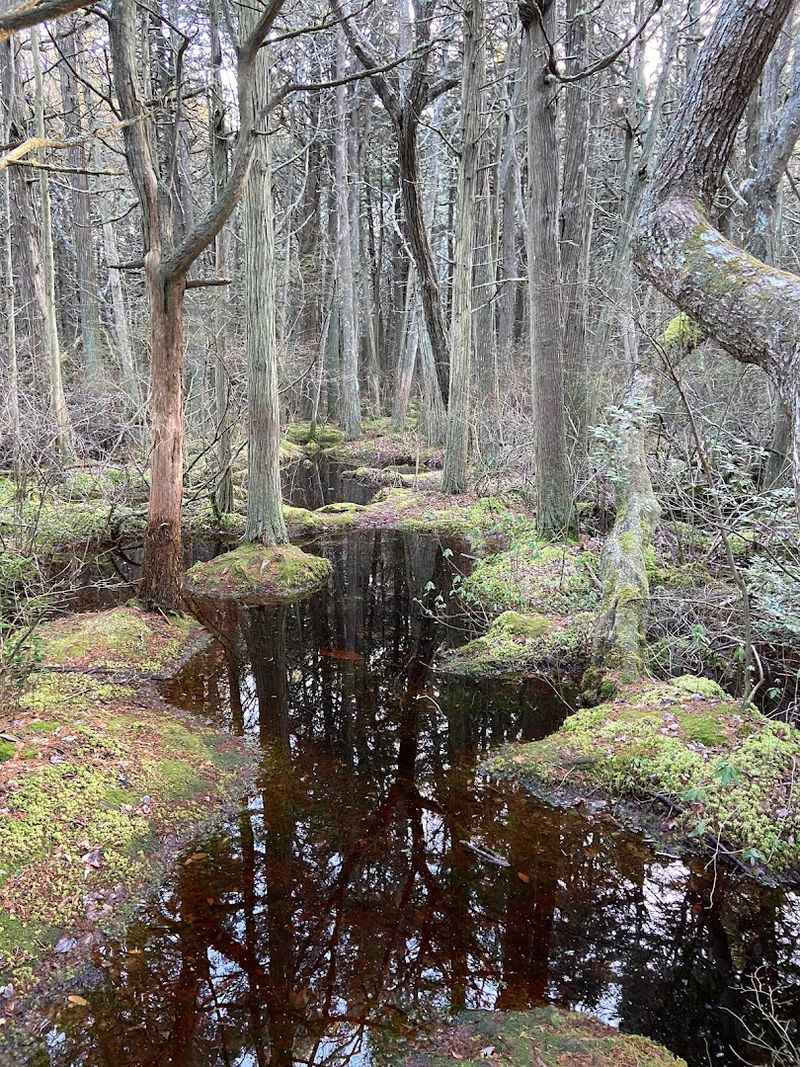
Step into a completely different world. This boardwalk trail descends into a rare ecosystem where Atlantic white cedars create a cool, shaded sanctuary unlike anywhere else on Cape Cod.
The temperature drops noticeably as you enter the swamp. Thick forest canopy blocks direct sunlight, creating perpetual twilight even on bright days.
Moisture hangs in the air, feeding lush vegetation that couldn’t survive in the sandy uplands just yards away.
Atlantic white cedar once covered much of coastal New England but now survives in isolated pockets. This grove represents one of the finest remaining examples.
The trees’ aromatic wood and distinctive appearance transport you far from Cape Cod’s typical beach and dune landscapes.
The boardwalk keeps your feet dry while protecting the fragile wetland environment. Wildlife thrives in this hidden sanctuary, though creatures often remain concealed in the dense understory.
Listen carefully for bird calls and rustling movements.
This trail offers perfect contrast to Cape Cod’s sunny beaches. After hiking exposed dunes or spending time by the ocean, the swamp’s cool shade provides welcome relief and showcases the peninsula’s surprising ecological diversity.
Crane Beach Dune Trails – Ipswich
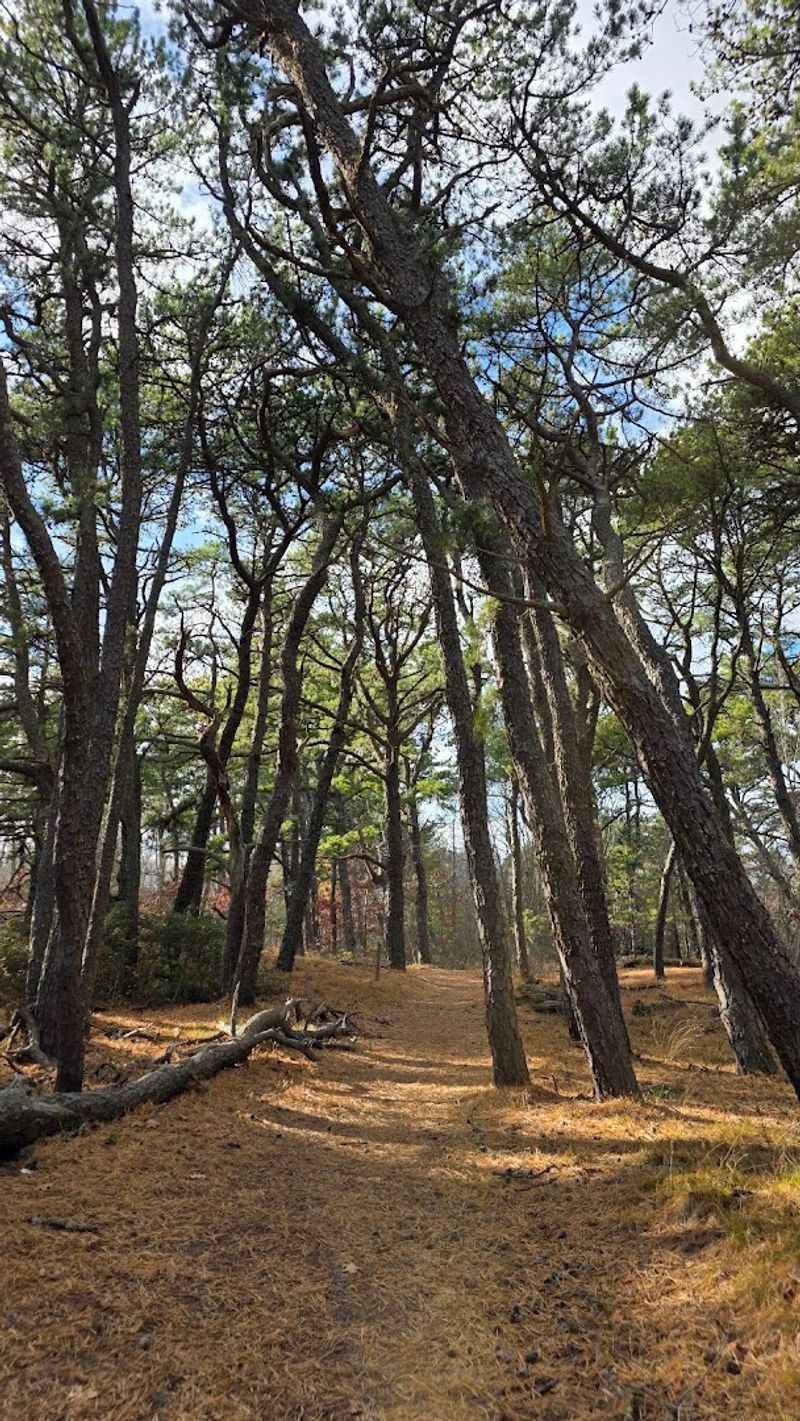
Five miles of pristine Atlantic coastline make Crane Beach one of Massachusetts’ most spectacular coastal destinations. The trail network combines multiple ecosystems into one remarkable hiking experience.
Sandy dunes rise and fall in dramatic fashion, their shapes constantly evolving with wind and tide. Maritime forest provides shelter and habitat for countless bird species.
Salt marshes stretch toward inland areas, creating nursery grounds for fish and shellfish.
The beach itself deserves exploration, with firm sand at low tide creating excellent walking surface. Sunrise visits offer particular magic, when golden light transforms the landscape and shorebirds begin their daily routines.
Bird migration seasons bring exceptional diversity, with species counts reaching impressive numbers.
Trail conditions vary significantly with seasons and weather. Summer brings warmth and swimming opportunities.
Spring and fall offer comfortable temperatures and reduced crowds. Winter walks showcase the raw power of Atlantic storms, though bitter winds require appropriate gear.
Parking fees support preservation efforts that keep this coastline protected. The investment proves worthwhile given the quality of scenery and trail diversity.
Bring binoculars for wildlife watching and plan several hours to fully appreciate everything this coastal gem offers.
Quabbin Reservoir Trails – Central Massachusetts
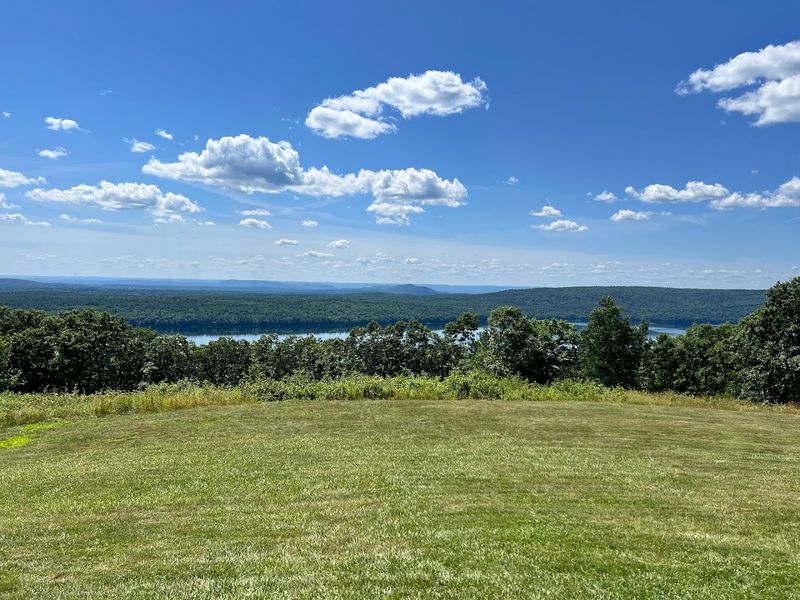
Silence reigns supreme around New England’s largest reservoir. Miles of peaceful trails surround water that supplies Boston’s drinking needs, creating protected wilderness where development can never intrude.
The reservoir’s creation in the 1930s required flooding four towns, a controversial decision that created today’s pristine environment. Forests have reclaimed former farmland and villages.
Wildlife populations thrive under strict protection policies that limit human activity.
Secluded forest scenery defines most trails here. Hardwood and conifer mix creates diverse habitat supporting deer, moose, black bears, and countless smaller creatures.
Bald eagles nest along shorelines, their recovery from near-extinction representing conservation success. Scenic water overlooks appear periodically, offering peaceful spots for contemplation.
The area’s remoteness appeals to hikers seeking solitude. You might walk for hours without encountering another person.
Cell service proves unreliable, emphasizing the backcountry feel despite being in central Massachusetts.
Gate closures restrict access during certain seasons, protecting watersheds and wildlife. Plan visits carefully and check current regulations.
The extra effort rewards you with some of Massachusetts’ most peaceful and least crowded hiking experiences.
Mount Watatic Trail – Ashburnham
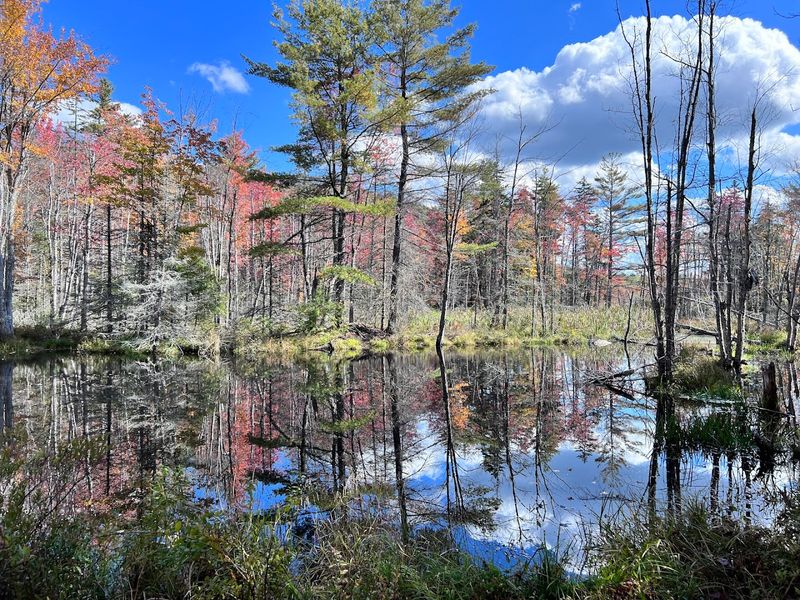
Northern Massachusetts reveals itself from Watatic’s exposed summit ledges. The moderately challenging climb through mixed forest leads to rewards that outweigh the effort required.
Pine and hardwood forest dominate the trail, providing shade during your ascent. The path steadily gains elevation without becoming overly steep.
As you climb higher, glimpses through the canopy hint at the views awaiting above.
Summit ledges offer sweeping vistas across Massachusetts and southern New Hampshire. Mount Monadnock dominates the northern horizon.
Boston’s skyline sometimes appears as a distant shimmer on exceptionally clear days. The exposed rock provides natural seating for lunch breaks and photo sessions.
This trail’s moderate difficulty makes it accessible to reasonably fit hikers without requiring advanced skills. Families with older children successfully complete the round trip.
The distance and elevation gain provide genuine workout without excessive difficulty.
Fall colors shine brilliantly from this elevated perspective. Summer brings full forest canopy and occasional summit breezes.
Winter hiking attracts those seeking solitude, though icy conditions require traction devices. The northern location means fewer crowds than more famous Massachusetts peaks, adding to the trail’s appeal for those seeking peaceful outdoor time.
Mount Holyoke Range Trails – Amherst Area
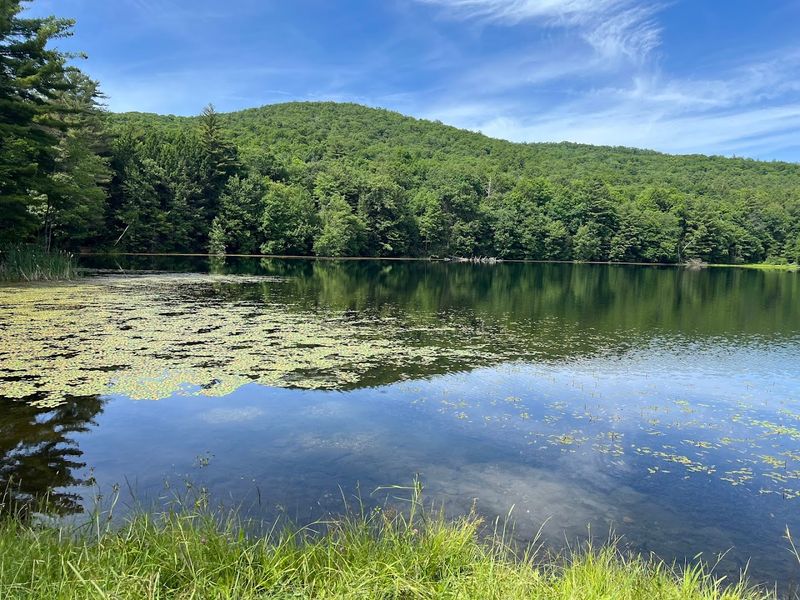
Dramatic basalt cliffs rise above the Connecticut River Valley, creating some of western Massachusetts’ most striking topography. The ridge trails traverse landscapes shaped by ancient volcanic activity and glacial forces.
Thick forest cloaks most of the range, with hardwoods dominating southern slopes. Rocky outcrops interrupt the canopy, providing elevated viewpoints overlooking agricultural valleys and distant mountains.
The basalt formations create unique geological features rarely seen elsewhere in New England.
Trail difficulty varies significantly across the range. Some sections follow gentle ridge walks.
Others demand scrambling over rocks and navigating steep terrain. The elevation changes reward hikers with constantly shifting perspectives.
Fall foliage transforms these mountains into color explosions visible for miles. Spring brings wildflowers and rushing seasonal streams.
Summer’s full canopy provides shade during climbs.
The range’s cultural history adds depth to your hiking experience. Early American artists painted these landscapes, helping establish our national appreciation for mountain scenery.
Environmental conservation efforts here influenced protection policies across the region.
Access points scatter along the range, allowing various route options. Day hikers enjoy loop possibilities.
Through-hikers tackle the entire ridge. Whatever your choice, these trails showcase western Massachusetts geology and forest beauty at its finest.
Monomoy National Wildlife Refuge Trails – Chatham
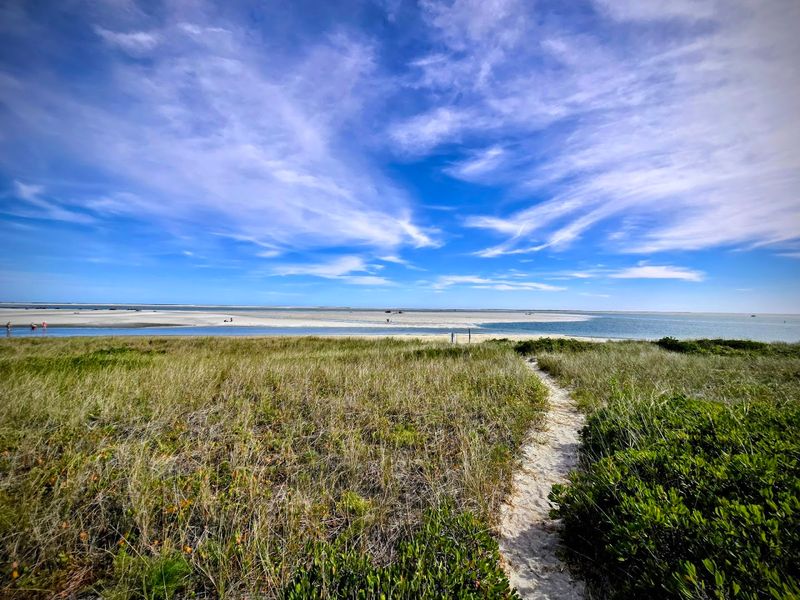
Wild. Isolated.
Untouched. These words barely capture Monomoy’s remote character.
The refuge preserves coastal landscape that transports visitors back centuries, showing Cape Cod before development changed everything.
Sandy shoreline paths wind through dunes and marshes where wildlife thrives undisturbed. Barrier beaches shift with storms and tides.
Salt marshes create nursery habitat supporting commercial fisheries throughout the region.
Bird watching reaches exceptional levels here. Migratory species treat Monomoy as crucial stopover habitat.
Breeding populations include species rarely found elsewhere. Seals haul out on beaches and sandbars, their numbers growing each year as populations recover from historical hunting.
Accessing the refuge requires boat transportation, adding to its isolated character. The extra effort filters out casual visitors, rewarding committed explorers with remarkable solitude.
Once ashore, you might walk for hours without seeing another person.
Come prepared for harsh coastal conditions. Weather changes rapidly.
Sun exposure remains intense. Fresh water doesn’t exist naturally on these barrier islands.
Yet these challenges create the refuge’s appeal. Experiencing genuinely wild coastal environment within Massachusetts feels increasingly rare.
Monomoy delivers that experience better than almost anywhere else in the state.