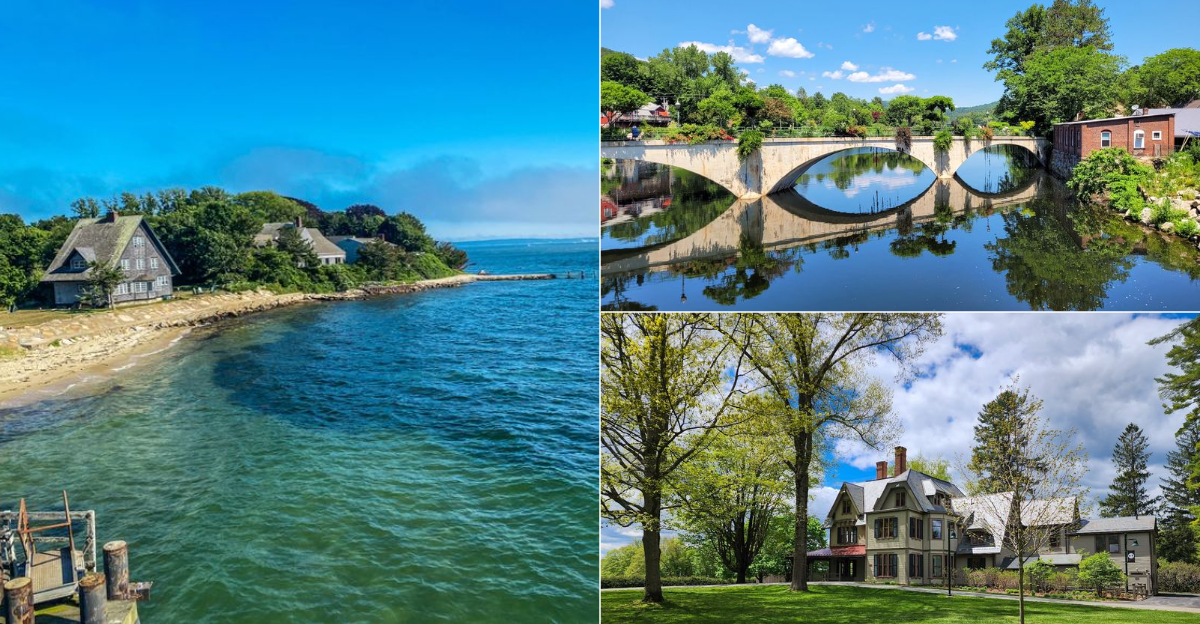
Massachusetts has a way of holding onto its past in the gentlest possible way. In its smaller villages, mornings often begin with soft light on clapboard houses, church bells drifting over a quiet green, and harbors where boats rock slowly against the tide.
In spring, window boxes start to fill, sidewalks warm under steady sun, and the air carries that clean, coastal freshness that makes everything feel a little more open.
These are places meant for wandering—where brick storefronts, winding side streets, and tree-lined commons invite you to slow down and look twice. Nothing feels rushed, yet everything feels alive with story.
It’s the kind of New England charm that doesn’t need to be staged—it simply remains.
Here are 13 Massachusetts villages that look like classic New England postcards, waiting to be explored one quiet street at a time.
Stockbridge
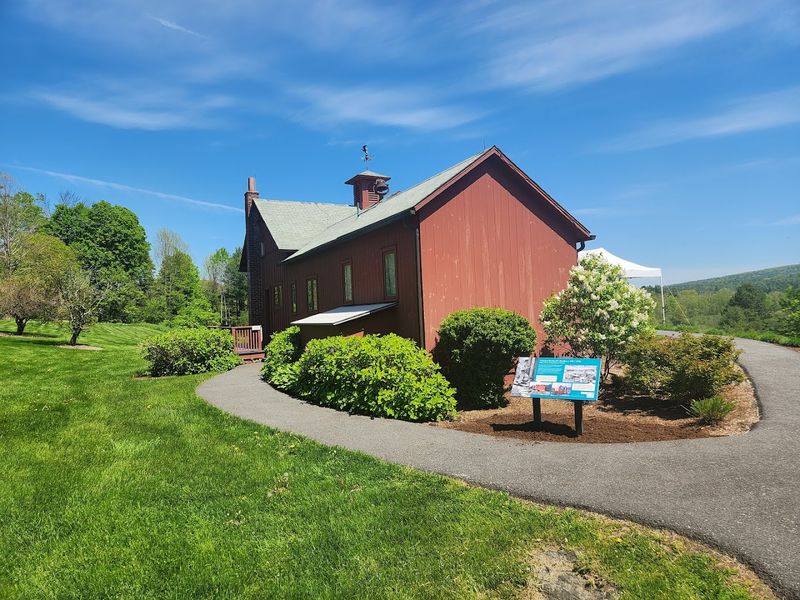
Golden leaves, white clapboard buildings, and a quietly elegant Main Street set the tone before you even realize how iconic this Berkshire village really is. Everything feels composed for a painting, from the tidy storefronts to the church steeples rising above mature trees.
When you finally arrive in Stockbridge, it makes immediate sense why so many travelers call it classic New England in its purest form.
The village is closely tied to Norman Rockwell, whose imagery captured an idealized but recognizable vision of small-town America. You can walk past historic homes, old inns, and civic buildings that still preserve that polished, welcoming character.
During fall, the surrounding Berkshire hills intensify the atmosphere with color that seems almost exaggerated in the best way.
Stockbridge is not only beautiful, it is pleasantly walkable and easy to linger in. Local shops, galleries, and restaurants give the center life without overwhelming its historic personality.
Seasonal decorations, especially around the holidays, make the streetscape feel even more like a vintage postcard brought to life.
If you want a village that balances scenery, history, and cultural appeal, this one delivers beautifully. It feels refined without being stiff, and charming without trying too hard.
For that reason alone, Stockbridge earns its place among Massachusetts’s most picturesque destinations.
Rockport
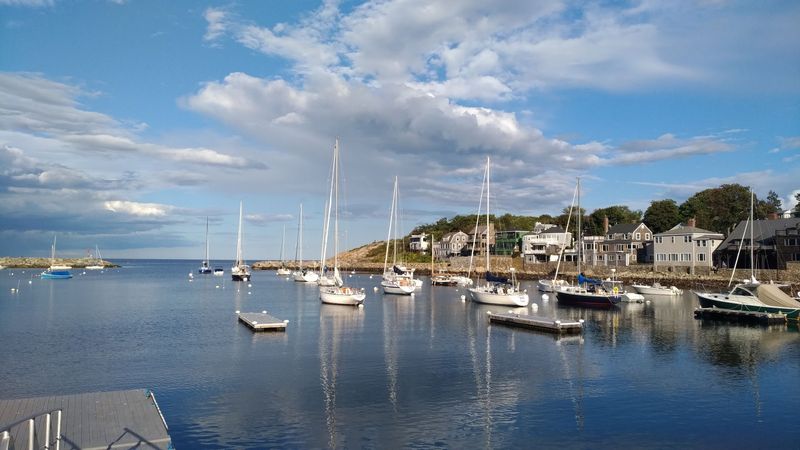
Salt air, gull cries, and bright fishing boats create the kind of coastal scene that feels almost too charming to be real. Narrow lanes open toward the harbor, where weathered buildings and ocean light do most of the talking.
In Rockport, that easy maritime beauty appears everywhere you turn, especially around the village center.
This Cape Ann destination is best known for Motif No. 1, the famous red fishing shack that has become one of the most painted buildings in America. Around it, you will find galleries, small shops, and winding streets that reflect Rockport’s long identity as both a working harbor and an artists’ retreat.
The combination gives the village an authenticity that goes beyond simple prettiness.
Bearskin Neck is where the atmosphere becomes most concentrated, with old structures stretching toward the water and plenty of spots to pause over the view. Even on busy days, the scenery remains the star.
Granite outcrops, flower boxes, and boats bobbing in the harbor all add to the postcard effect.
Rockport works because it feels intimate, creative, and deeply tied to the sea. It is the sort of place where a short stroll easily turns into an afternoon.
If your ideal New England village includes art, harbor views, and enduring coastal character, Rockport absolutely belongs on your list.
Concord
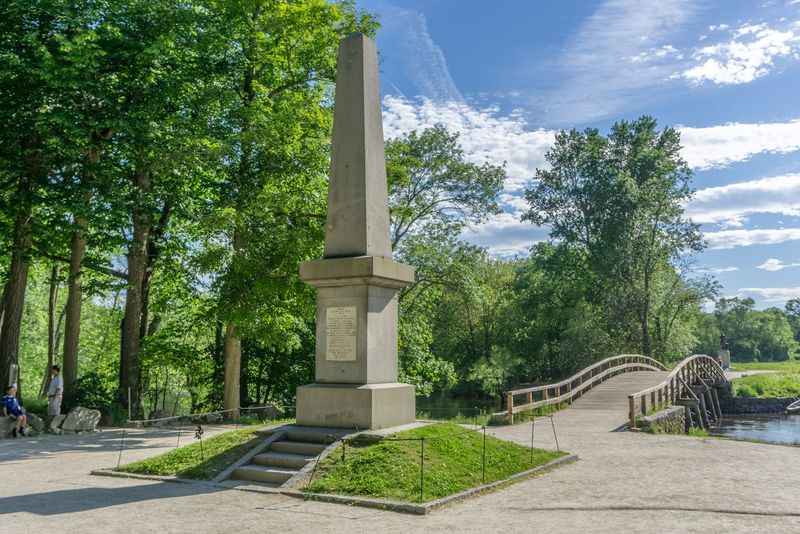
Quiet roads shaded by old trees, a dignified town center, and layers of American history give this village a depth that goes far beyond surface charm. The scenery feels orderly and serene, with greens, bridges, and historic homes lending a calm rhythm to the landscape.
Concord reveals itself as postcard-pretty almost immediately, but its deeper appeal grows with every stop.
This is one of the most storied places in Massachusetts, known for the opening events of the American Revolution and for its rich literary heritage. Landmarks linked to Emerson, Thoreau, Hawthorne, and Alcott add an intellectual texture that makes the village feel unusually meaningful.
Even if you arrive mainly for the beauty, the cultural weight is impossible to miss.
The town center is classic New England, filled with attractive civic buildings, independent shops, and walkable streets that invite you to slow down. Nearby, the North Bridge area and surrounding paths offer a quieter, more pastoral side of Concord.
Water, meadows, and old stone walls create scenes that look especially striking in spring and fall.
Concord earns its place on this list because it combines beauty with substance so effortlessly. It looks polished without feeling artificial, and historic without becoming static.
If you want a Massachusetts village that feels reflective, graceful, and unmistakably New England, Concord is a rewarding choice.
Lexington

Wide lawns, colonial architecture, and a central green that still anchors community life give this village its instantly recognizable New England look. The streets around the center feel neat, historic, and grounded in tradition without losing their everyday warmth.
Lexington may be famous for its role in American history, but it is also genuinely beautiful on its own terms.
The heart of town is Battle Green, where the opening conflict of the Revolution is remembered in a setting that remains remarkably intact. Around it, churches, monuments, and period buildings create a visual continuity that makes the past feel unusually close.
Rather than a single attraction, the whole center reads as one cohesive historic scene.
Lexington’s appeal is strengthened by the balance between landmark status and livability. You can browse local businesses, admire old homes, and walk through streets that still function as a true town center rather than a preserved set piece.
In autumn and around patriotic holidays, the village becomes especially photogenic.
What makes Lexington postcard-worthy is the clarity of its identity. It offers exactly what many people imagine when they picture a classic Massachusetts town common, complete with history, symmetry, and civic pride.
If you are drawn to villages where national memory meets polished small-town beauty, Lexington is an obvious stop.
Salem
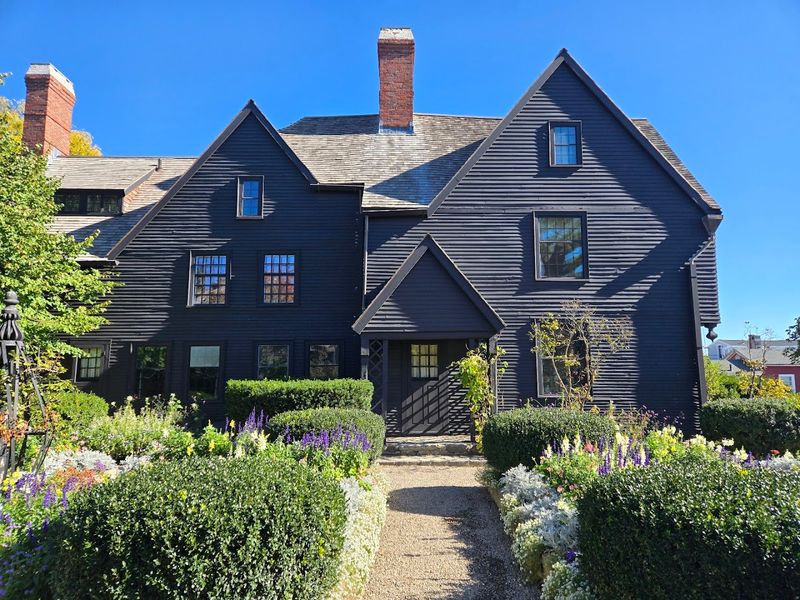
Cobblestones, sea breezes, and old buildings packed close together give this coastal village a look that is both dramatic and undeniably historic. Even before you reach the waterfront, you can feel the age of the place in its narrow streets and preserved architecture.
Salem is often approached through its legends, but its visual character deserves equal attention.
While many visitors come for the witch trial associations, the village is also one of Massachusetts’s richest architectural destinations. Federal homes, maritime landmarks, and beautifully preserved streetscapes reveal Salem’s long history as an important port.
That combination of mystery, commerce, and seafaring legacy gives the town a layered personality.
The waterfront and Derby Street area are especially evocative, with historic buildings, wharves, and harbor views tying the village back to its trading past. Away from the busiest corners, side streets reveal quiet gardens, handsome doorways, and details that reward slow wandering.
Fall may be Salem’s most famous season, but its beauty is not limited to October.
Salem feels different from other postcard villages because it mixes elegance with edge. It is atmospheric, photogenic, and full of stories, yet still functions as a real coastal community.
If you want a Massachusetts village that pairs classic New England looks with a slightly darker, more memorable mood, Salem stands out immediately.
Newburyport
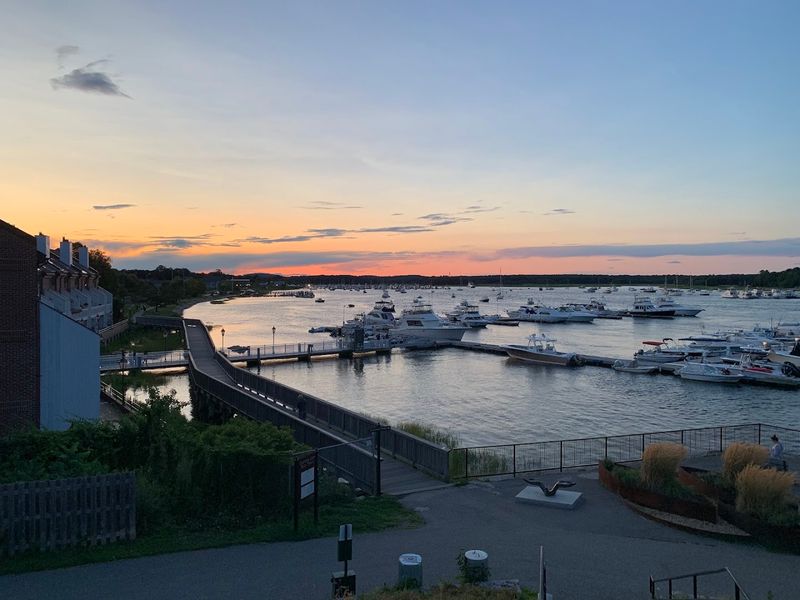
Brick sidewalks, elegant old facades, and a riverfront lined with boats make this coastal village feel polished in the best possible way. The downtown has an easy confidence, with handsome architecture and wide views that connect the streets directly to the water.
Newburyport manages to feel lively and historic at the same time, which is a big part of its charm.
Its Federal-style buildings are among the strongest visual signatures in town, giving the center a refined look that sets it apart from more rustic villages. The area rebounded beautifully after urban renewal threats decades ago, and today it feels thoughtfully preserved rather than frozen.
Shops, restaurants, and galleries now fill spaces that still reflect the town’s maritime roots.
The waterfront and harborwalk are essential to the experience, especially when the light hits the river and the masts begin to glow. You can move easily from brick-lined commercial blocks to open views of the Merrimack in just minutes.
That compactness makes Newburyport especially satisfying for a day of wandering.
What keeps the village feeling postcard-worthy is its balance of grace and energy. It looks historic but never sleepy, and scenic without becoming overly precious.
If you want a Massachusetts destination where maritime history, attractive architecture, and a walkable downtown come together beautifully, Newburyport is an excellent choice.
Gloucester
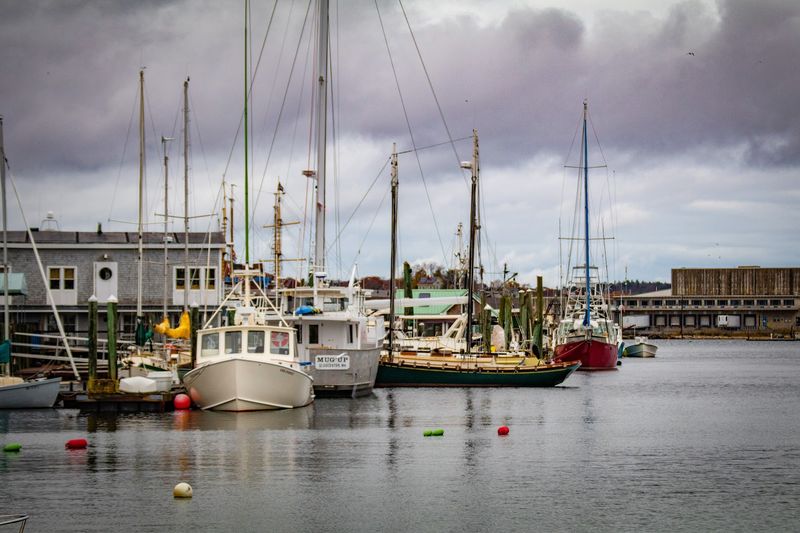
Working docks, weathered boats, and rocky views of the Atlantic give this village a rough-edged beauty that feels completely authentic. Nothing here seems overly polished, and that is exactly why the scenery is so compelling.
Gloucester looks like a New England postcard that still has salt spray on it.
As America’s oldest seaport, the village carries centuries of fishing history in a way you can actually see and feel. Harborside activity, old houses, and waterfront memorials reflect a community shaped by risk, trade, and the sea.
That legacy gives Gloucester a gravity that makes its beauty more than decorative.
Its coastline adds another layer, with granite shorelines, beaches, and open ocean views that contrast with the busy harbor. Areas like Rocky Neck and the working waterfront reveal different sides of the village, from artist-friendly corners to deeply practical maritime spaces.
The light here can be extraordinary, especially early and late in the day.
Gloucester belongs on this list because it shows that postcard charm does not have to be delicate. It can be sturdy, windblown, and tied to real labor while still looking unforgettable.
If you are drawn to places where history, industry, and coastal scenery meet in a distinctly Massachusetts way, Gloucester makes a powerful impression.
Chatham

Hydrangeas, neat shingled buildings, and a polished village center give this Cape Cod destination an elegance that feels instantly inviting. The atmosphere is coastal but composed, with just enough bustle to keep things lively without disrupting the calm.
Chatham has the kind of visual harmony that makes nearly every block feel frame-worthy.
The town is especially known for Chatham Lighthouse, whose simple profile and ocean backdrop create one of the Cape’s most recognizable scenes. Offshore, seal-filled waters add movement and local character to the setting.
Back in the village center, boutique storefronts, inns, and traditional architecture reinforce the sense of classic seaside refinement.
Main Street is a major part of the appeal, offering a walkable stretch where flowers, flags, and carefully kept facades pull the whole picture together. Nearby beaches and overlooks make it easy to shift from village strolling to wide-open Atlantic views in very little time.
That contrast gives Chatham both intimacy and grandeur.
What makes Chatham postcard-worthy is its consistency. Everything feels thoughtfully kept, from the public spaces to the coastal scenery, yet it still retains a genuine sense of place.
If you picture Cape Cod as a collection of lighthouses, sea breezes, and immaculate village streets, Chatham is one of the clearest expressions of that image.
Lenox
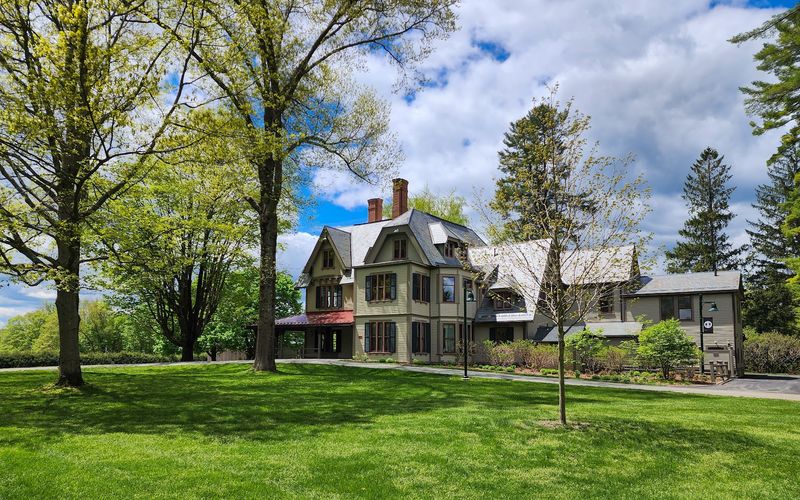
Rolling Berkshire hills, gracious old inns, and a compact village center give this destination a refined charm that feels both cultural and deeply New England. The streets are attractive in every season, but especially memorable when foliage frames the historic buildings in gold and crimson.
Lenox offers postcard beauty with a quietly sophisticated edge.
The village has long been associated with arts and leisure, and that influence still shapes its identity today. Nearby Tanglewood adds prestige and energy in warmer months, while historic estates and traditional architecture reinforce the area’s sense of continuity.
Even without attending a performance, you can feel the cultural richness woven into daily life here.
Downtown Lenox is pleasantly walkable, with independent shops, restaurants, and inns that help the center feel active without becoming crowded. The scale is intimate, allowing you to appreciate details like porches, church steeples, and mature trees that soften every street view.
Surrounding scenery in the Berkshires adds depth and drama beyond the village core.
Lenox stands out because it blends small-town beauty with a sense of occasion. It feels welcoming and unhurried, yet there is always the impression that something meaningful is nearby, whether artistic, architectural, or scenic.
If you love Massachusetts villages that pair landscape with culture, Lenox is an especially rewarding stop.
Shelburne Falls
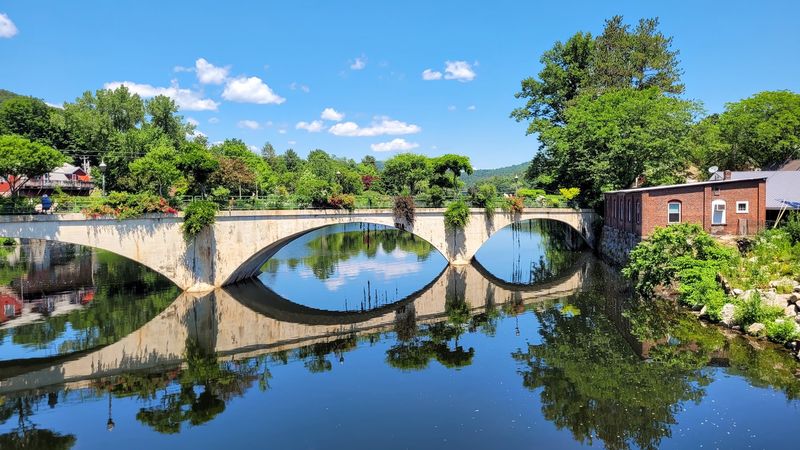
Flowers spilling over a bridge, rushing water beneath it, and a village center filled with independent character create one of the most delightful scenes in western Massachusetts. The scale is intimate, the atmosphere relaxed, and the setting almost storybook in its appeal.
Shelburne Falls feels like the kind of place you discover once and immediately want to recommend.
The Flower Bridge is the signature landmark, transforming a former trolley bridge into a garden walkway that is both whimsical and memorable. Paired with the nearby glacial potholes and flowing Deerfield River, it gives the village a strong visual identity unlike anywhere else on this list.
Artisans, small shops, and cafes add warmth without overwhelming the setting.
Because Shelburne Falls straddles the towns of Shelburne and Buckland, it retains a village feel that is shaped more by landscape than by size. Water is always part of the experience, whether you are admiring the falls or simply hearing the river as you walk.
Seasonal blooms and foliage make the village especially photogenic from spring through autumn.
What makes Shelburne Falls postcard-worthy is its mix of natural beauty and handmade charm. It feels creative, local, and genuinely loved by the people who care for it.
If you want a Massachusetts village that looks picturesque without feeling formal, Shelburne Falls is an easy favorite.
Woods Hole
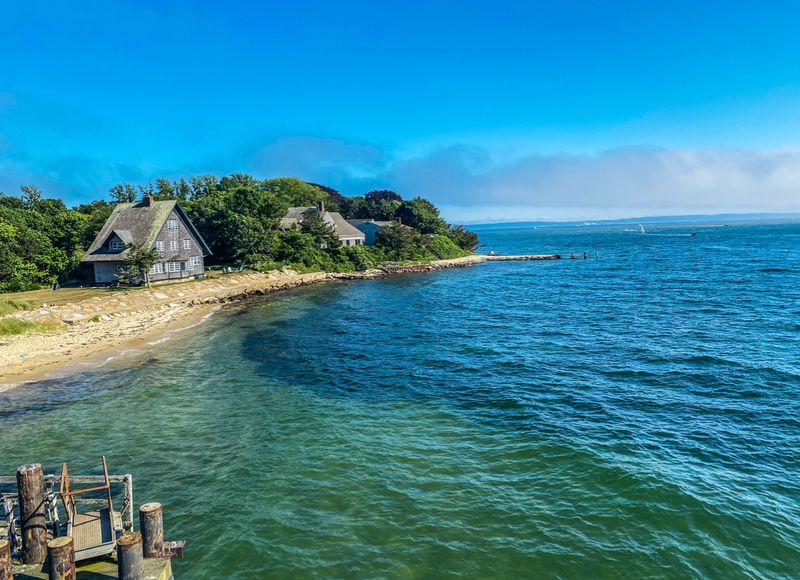
Harbor breezes, ferry traffic, and compact lanes lined with maritime views give this Cape village a distinct charm that feels both brainy and coastal. The setting is undeniably picturesque, but there is also an undercurrent of purpose that makes it stand apart from purely touristy destinations.
Woods Hole is small, scenic, and full of quiet character.
Known internationally for marine science and research institutions, the village blends intellectual life with everyday seafaring activity. Ferries heading to Martha’s Vineyard, working boats, and waterfront buildings all reinforce its connection to the ocean.
Rather than diminishing the postcard effect, this practical energy makes the scenery feel more authentic.
The harbor area is especially lovely, with boats packed into tight spaces and glimpses of water appearing between buildings and docks. Walking through the village, you get a mix of New England cottages, marine facilities, and tucked-away corners that feel almost hidden.
It is easy to appreciate how much life fits into such a compact place.
Woods Hole earns a spot on this list because it proves postcard beauty can also feel inquisitive and alive. It is not just pretty, it is active, thoughtful, and connected to the sea in multiple ways.
If you like villages where scenic charm meets maritime purpose, Woods Hole is a memorable stop.
Ipswich
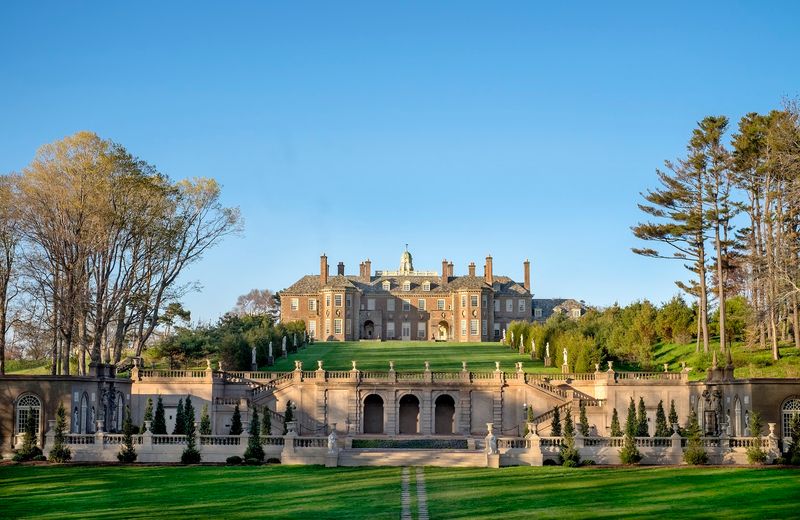
Salt marshes, white steeples, and old houses set among quiet roads create a landscape that feels spacious, gentle, and unmistakably coastal New England. The beauty here is less flashy than some seaside villages, but it lingers in a deeper way.
Ipswich has a rural grace that makes the whole area feel calm, historic, and enduring.
The town is known for its extraordinary stock of early homes, including First Period architecture that helps tell the story of colonial Massachusetts. Those buildings give Ipswich a rare visual continuity, especially when paired with its traditional center and open surrounding land.
History does not feel isolated here, it feels embedded in the everyday environment.
The marshes are essential to the postcard effect, offering broad, luminous views that shift beautifully with the tides and seasons. Nearby Crane Beach and the Crane Estate add even more scenic depth, though the village itself remains the emotional anchor.
Together, they create a destination that feels both cultivated and naturally expansive.
Ipswich belongs on this list because it captures a quieter side of Massachusetts charm. It is not just about one famous landmark, but about the way architecture, landscape, and pace all work together.
If you are drawn to villages that feel historic, pastoral, and close to the sea, Ipswich is an especially rewarding place to explore.
Edgartown
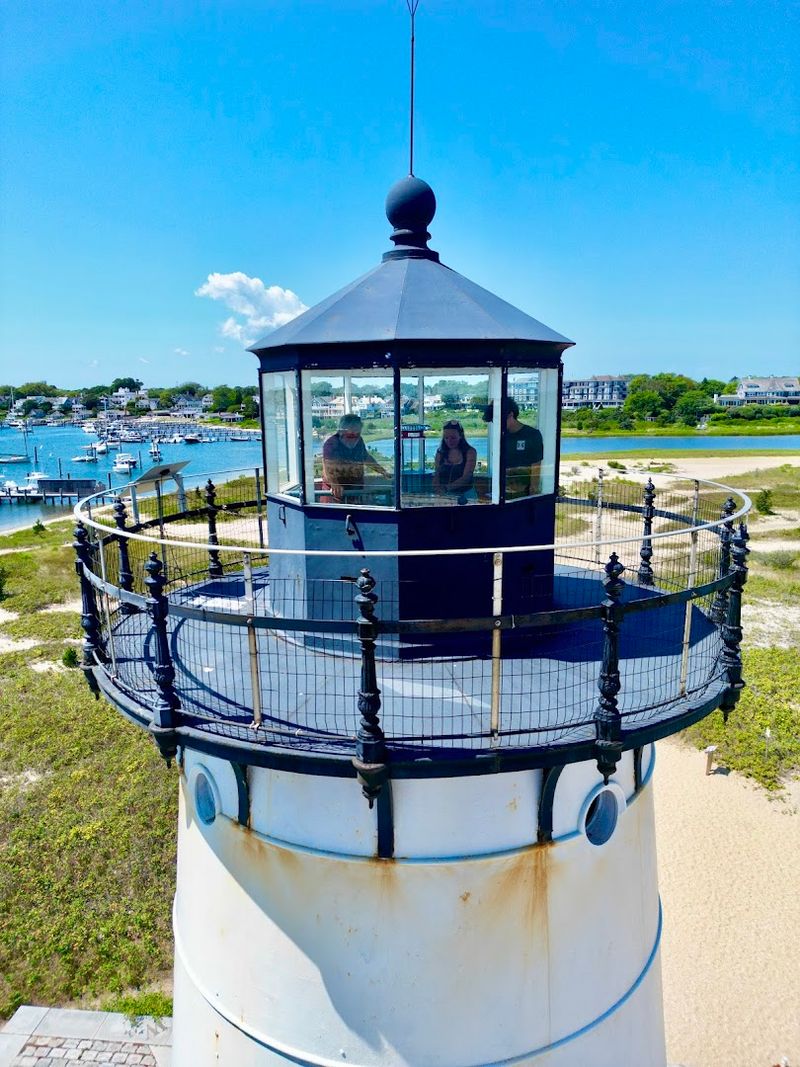
White captain’s houses, neat streets, and a harbor edged with boats create a village scene so polished it hardly seems real at first glance. Everything feels bright, maritime, and carefully proportioned, from the facades to the gardens.
Edgartown is island New England at its most elegant and instantly recognizable.
Once a major whaling port, the village still reflects that prosperous past through its stately architecture and orderly layout. The historic district is filled with beautifully maintained homes that give the center an almost luminous quality, especially in summer light.
Yet for all its refinement, Edgartown remains welcoming and easy to enjoy on foot.
The harbor and lighthouse strengthen the postcard effect, adding open water views to the village’s already handsome streetscape. Nearby beaches, boat traffic, and glimpses of Chappaquiddick expand the scenery without breaking the town’s intimate feel.
Even simple walks here tend to feel cinematic because the setting is so consistently attractive.
Edgartown deserves its place on this list because it captures the aspirational side of classic New England village beauty. It is historic, coastal, and wonderfully composed, but still grounded in real maritime heritage.
If you picture Martha’s Vineyard as a place of white houses, harbor light, and timeless charm, Edgartown is exactly that vision.