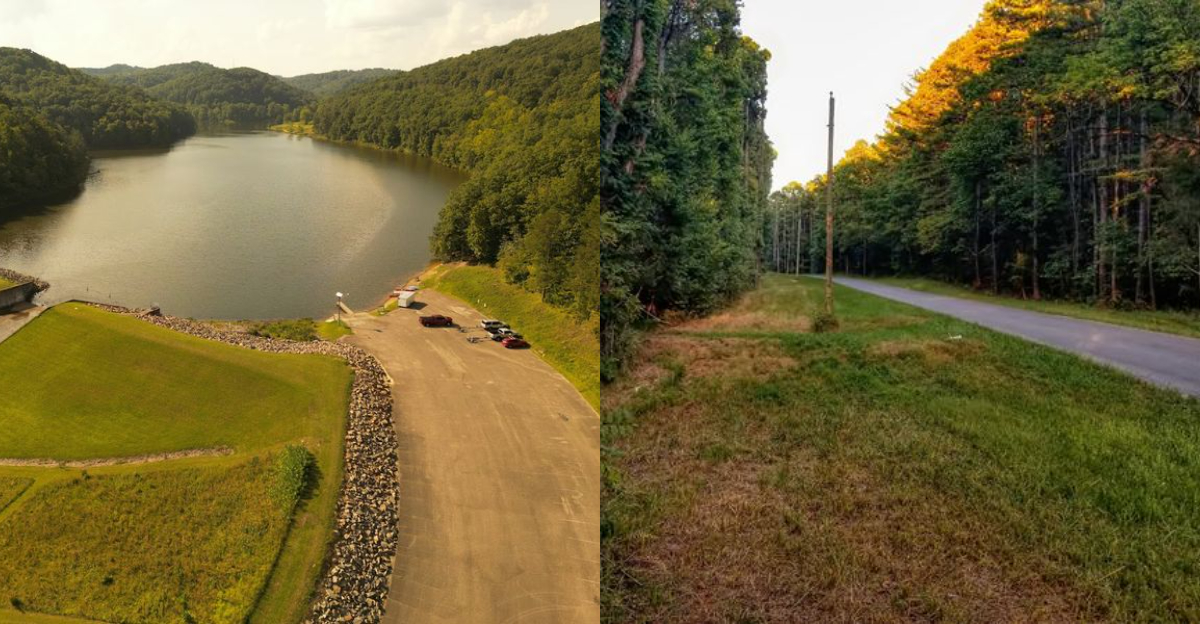
By late spring, the hills around Shawnee State Forest feel especially alive. Warm air moves through deep hardwood forests, creeks run clear beside quiet trails, and fresh green leaves soften the rugged ridgelines that make this corner of southern Ohio so memorable.
It is the kind of place where a simple walk can stretch into an all-day adventure without ever feeling rushed.
What keeps people returning is the atmosphere as much as the scenery. Massive trees tower above shaded paths, birdsong echoes through the hollows, and overlooks open to sweeping views that feel far removed from busy routines.
In May, the forest feels calm, full, and inviting — perfect for travelers craving slower weekends outdoors.
Here is what makes this vast Ohio escape worth exploring again and again.
A Vast Forested Escape
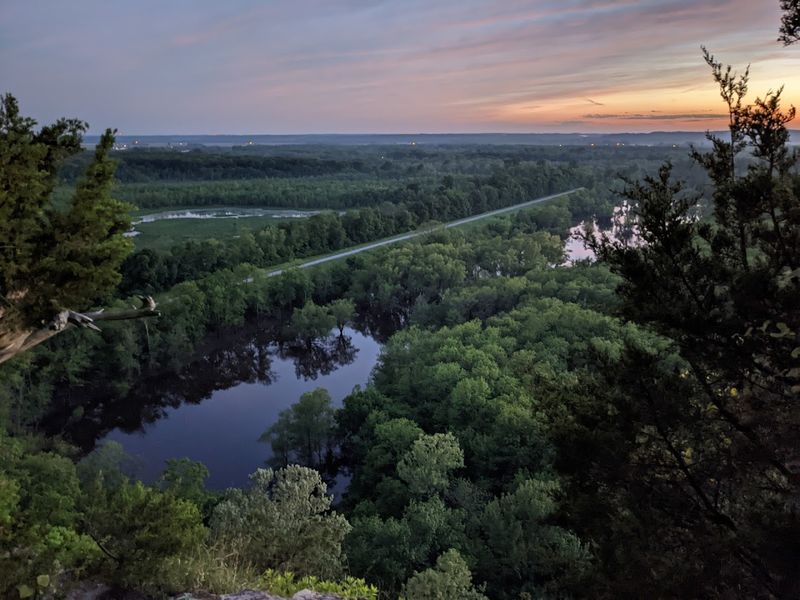
Before you even lace up your boots, the feeling here is scale. Ridges stack into the distance, hardwood canopies filter the light, and the air carries that cool, earthy stillness nature lovers instantly recognize.
That first impression is exactly why Shawnee State Forest stands apart from many Ohio park experiences.
Covering more than sixty thousand acres in the Appalachian foothills, this is the largest state forest in Ohio, and it feels wonderfully untamed. You are not looking at manicured lawns and quick photo stops, but a broad working forest filled with steep hollows, mature trees, and long corridors of habitat.
The terrain has earned the area its nickname, the Little Smokies of Ohio.
What keeps people returning is the rare combination of accessibility and immersion. You can visit for an afternoon drive, a short trail walk, or a demanding weekend backpacking trip and still feel rewarded.
Every return trip reveals another overlook, another quiet valley, or another stand of trees that seems older and taller than the last.
If you want a foundation for the rest of the visit, start by understanding the forest as a whole. Its size shapes everything else, from trail difficulty to wildlife sightings to the deep sense of escape you feel.
In Shawnee, the landscape itself is the main attraction.
The Backpack Trail Experience
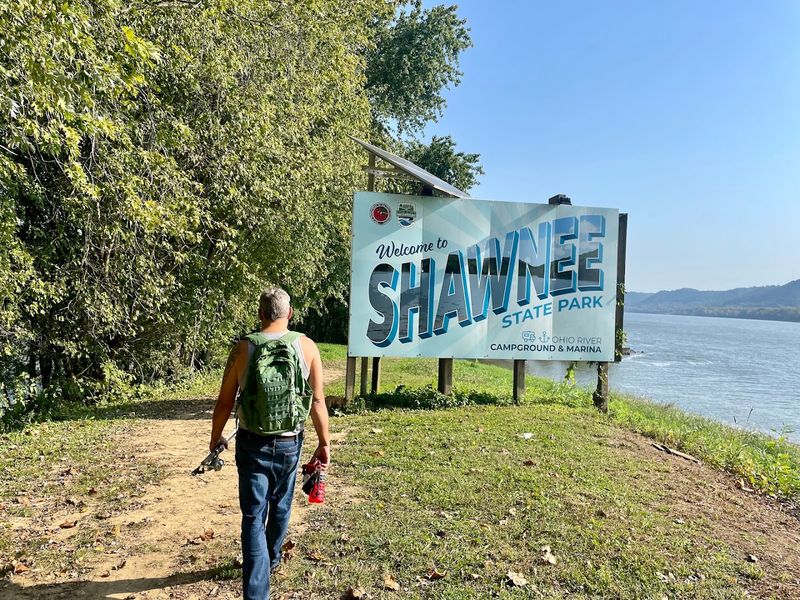
Nothing wakes up your trail legs faster than a route that refuses to be flat. The climbs come in waves, the descents test your footing, and the views feel earned in the best possible way.
That is the reputation of the famous Backpack Trail in Shawnee State Forest.
Often described as one of Ohio’s toughest hiking routes, the full loop stretches roughly forty miles through rugged country. It is divided into north and south sections, making it possible to sample shorter segments without committing to the entire circuit.
Expect repeated elevation changes, narrow tread, remote stretches, and a real sense that you are traveling through backcountry rather than strolling in a city park.
What makes this trail memorable is not just difficulty, but rhythm. You move from shaded hollows into open ridge walks, from quiet forest tunnels into broad overlooks where the hills unfold around you.
If you enjoy hikes that make you slow down, drink water, and appreciate every bench of level ground, this route delivers.
For many visitors, the Backpack Trail becomes the reason to return. One trip is rarely enough to explore every section with fresh legs and good weather.
In Shawnee, challenge and beauty stay closely tied together, and this trail proves it with every mile.
Ridgetop Views and Overlooks
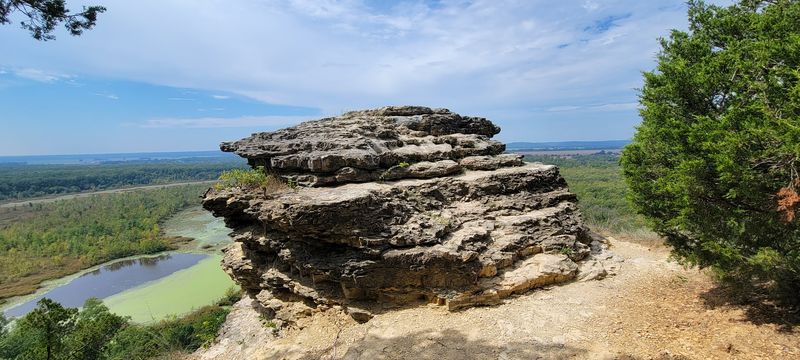
Sometimes the forest opens just enough to remind you how dramatic southern Ohio can be. A break in the trees becomes a panorama, the ridges soften into blue layers, and suddenly the hike feels larger than the path under your feet.
Those scenic rewards are a huge part of Shawnee State Forest’s appeal.
Because the terrain rises and falls through the Appalachian foothills, overlooks here feel surprisingly expansive. Instead of isolated cliffs, you get broad visual textures: wooded slopes, folded ridgelines, and changing light that shifts throughout the day.
In cooler months, especially fall and early spring, visibility often improves and the landscape’s contours stand out beautifully.
The best part is that these views are woven into the hiking experience rather than separated from it. You might reach one after a steady climb, catch your breath, sip water, and realize the silence is half the magic.
Even in summer, when leaves close in around many sections, occasional openings still create those memorable stop-you-in-your-tracks moments.
If you are planning a visit, build in time to linger instead of rushing viewpoint to viewpoint. Light, weather, and season can completely change what you see from the same ridgeline.
In Shawnee, the overlooks are not just photo spots – they help explain why the forest feels so enormous.
Massive Trees and Rich Forest Habitat
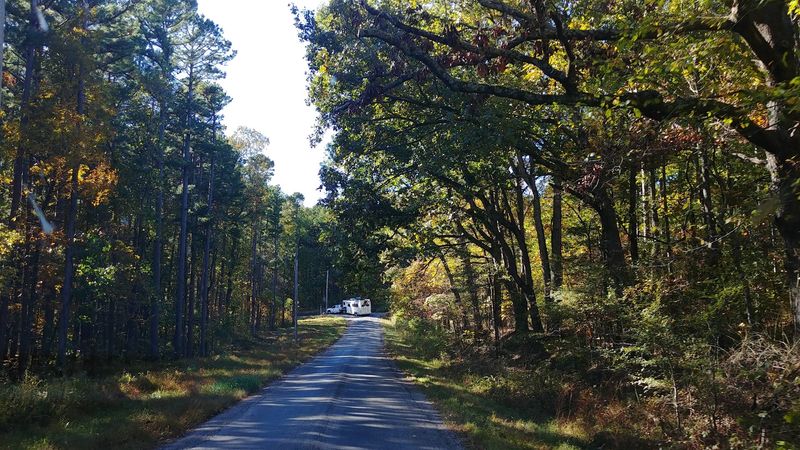
Under the canopy, the sense of age is impossible to ignore. Thick trunks rise straight from the slopes, bark patterns catch the light, and every turn seems to reveal another tree that looks unusually large for Ohio.
That feeling of abundance is one reason Shawnee State Forest stays with visitors.
This region supports diverse hardwood forests shaped by rugged topography, varied moisture, and decades of conservation management. Oaks, hickories, maples, tulip trees, and beeches all contribute to the layered character you notice along the trails.
In coves and protected hollows, trees can appear especially tall and impressive, creating those cathedral-like passages that make you instinctively lower your voice.
For nature lovers, the appeal goes beyond size alone. Large trees support birds, insects, fungi, and small mammals, while fallen logs and leaf litter build a richer habitat underfoot.
When you walk slowly here, you start noticing the whole system – seedlings pushing up through leaves, woodpecker holes in old trunks, and filtered light shifting across mossy roots.
That is why the forest feels alive rather than simply scenic. You are surrounded by processes that unfold over years, not hours, and the scale creates a deeper sense of respect.
In Shawnee, the massive trees are not background decoration – they are the emotional center of the landscape.
Creeks, Hollows, and Wildlife Watching
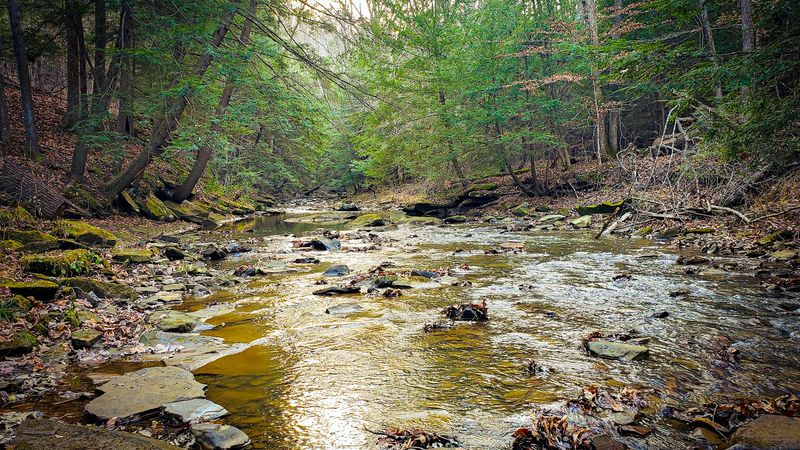
Down in the hollows, the forest changes character completely. Air feels cooler, water sounds travel farther, and the steep walls around you create a quieter, more intimate kind of beauty.
Those creek-fed pockets are some of the most rewarding places to slow down in Shawnee State Forest.
Streams and drainages cut through the hills, feeding rich habitat for birds, amphibians, insects, and mammals. If you move carefully, you may notice deer slipping through cover, hear pileated woodpeckers hammering overhead, or catch flashes of warblers during migration seasons.
Early morning and late evening tend to be the best times if wildlife is high on your wish list.
What makes these areas special is how much they reveal to patient visitors. Mud can hold tracks, shallow water reflects overhanging branches, and decaying logs support mushrooms and salamanders after damp weather.
Even when animals remain hidden, the signs of life are everywhere, and that keeps a simple walk feeling active and observant.
Bring binoculars if you have them, but bring time either way. Wildlife watching here is less about guaranteed sightings and more about becoming attentive to movement, sound, and habitat.
In Shawnee, the creeks and hollows teach you to look closely, and that slower pace becomes part of the return appeal.
Turkey Creek Lake and Water Recreation
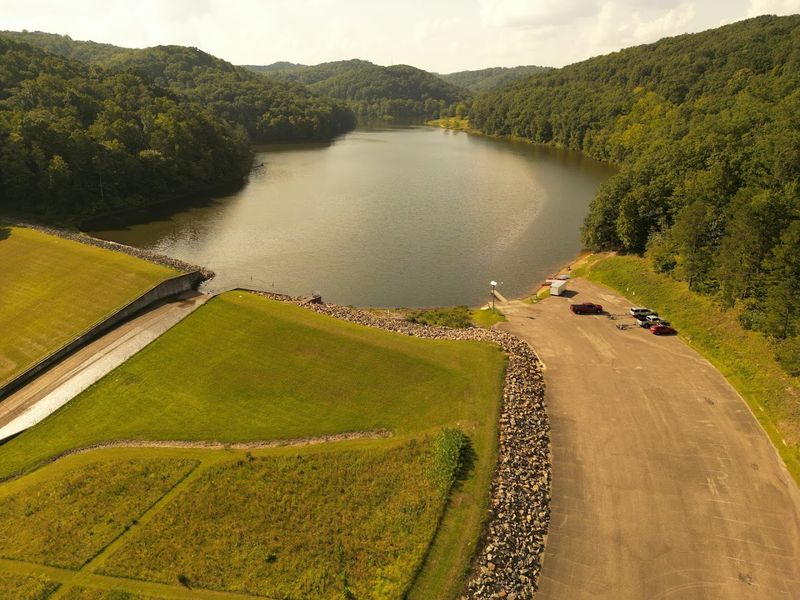
After hours of ridges and climbing, a still stretch of water can feel like a reset button. Reflections replace long vistas, bird calls carry across the surface, and the whole landscape seems to exhale.
That contrast is part of the charm around Turkey Creek Lake in Shawnee State Forest.
The lake offers a softer side of the forest, giving visitors options beyond strenuous hiking. Fishing, quiet paddling, shoreline wandering, and easy scenic pauses all fit naturally here, especially if you are traveling with a group that wants mixed activity levels.
It is also a useful anchor for nearby recreation areas, campgrounds, and day-use time between longer trail outings.
What I like most about the setting is how the water mirrors the surrounding woods rather than competing with them. You still feel enclosed by the hills and trees, but the open surface introduces light, space, and a different pace.
On calm mornings, the area can be especially peaceful, making it easy to understand why some visitors build their trip around the lake instead of the hardest trails.
If your ideal nature trip balances effort with recovery, this area matters. You can hike one part of the day and spend another simply watching the shoreline change with the sun.
In Shawnee, water adds variety without taking away the forest’s wild personality.
Camping, Cabins, and Staying Overnight
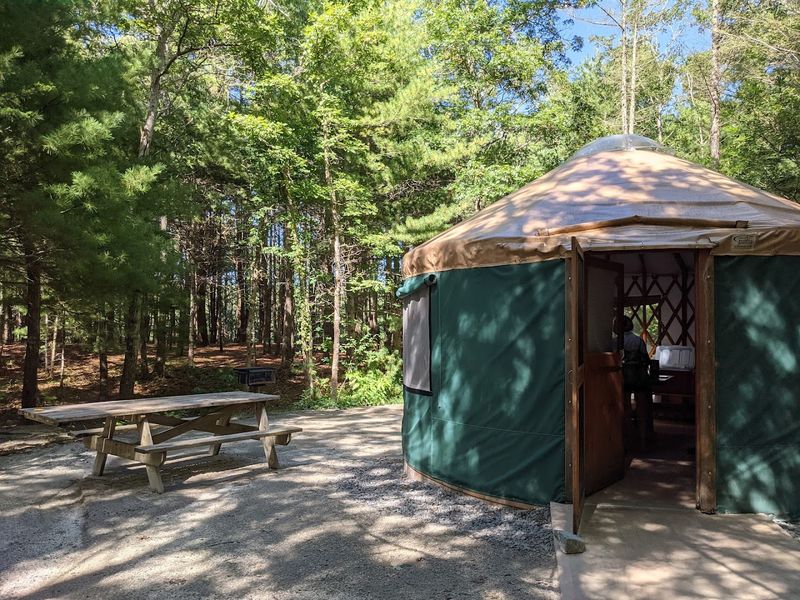
When dusk settles over the hills, leaving immediately feels like ending the story too soon. The forest grows quieter, temperatures drop, and the smell of leaves and wood smoke makes overnight stays especially tempting.
That is why spending the night near Shawnee State Forest can completely change how you experience it.
Visitors have several ways to stay close to the action, from campgrounds and backpacking sites to nearby cabins and lodge-style accommodations in the broader recreation area. Each option offers a different kind of access, whether you want sunrise on a trailhead, a campfire after dinner, or a more comfortable base for family travel.
Staying overnight also helps you beat midday crowds and enjoy the forest during its calmest hours.
The practical benefits are obvious once you try it. Early starts make long hikes easier, wildlife activity is often better around dawn and dusk, and you are not forced to cram the best parts into one rushed afternoon.
Even a simple campsite can make the visit feel more immersive, because the sounds of the forest continue long after the day hikers leave.
If you really want to understand Shawnee’s pull, give it more than daylight. Night skies, cool morning air, and the first bird calls add emotional texture no quick stop can match.
In Shawnee, sleeping nearby turns a visit into a fuller relationship with the landscape.
Why Every Season Feels Different
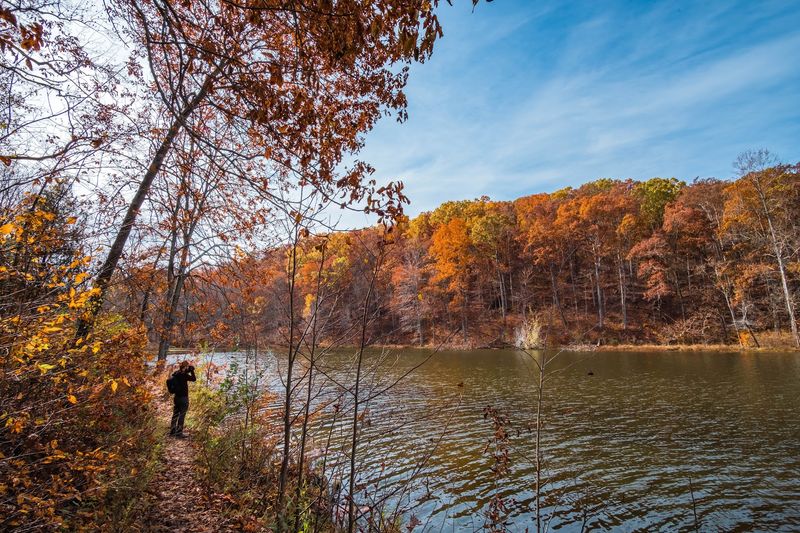
The mood here never stays fixed for long. Spring softens the hills with new green, summer deepens the shade, autumn turns the ridges radiant, and winter strips everything back to shape and silence.
That constant change is one of the biggest reasons people return to Shawnee State Forest again and again.
In spring, wildflowers, cool temperatures, and stronger stream flow make lower hollows especially appealing. Summer brings dense canopy cover that keeps many trails pleasantly shaded, though humidity and bugs become part of the bargain.
Fall is the star season for many visitors, with vivid hardwood color and excellent long-distance views, while winter offers solitude and clearer sightlines through the bare woods.
Each season also changes how you experience the same route. A trail that feels enclosed in July may open into broad ridgeline views in January.
A creek crossing that seems minor in dry weather can become a focal point after spring rain, and familiar overlooks can look entirely new under different light and leaf conditions.
If you like parks that reward repeat visits, seasonality matters as much as scenery. Shawnee is not a one-and-done destination because the forest keeps presenting itself differently.
You may come back for foliage one year, birds the next, and quiet winter miles after that, and each version feels honestly worthwhile.
Planning Tips for a Better Visit
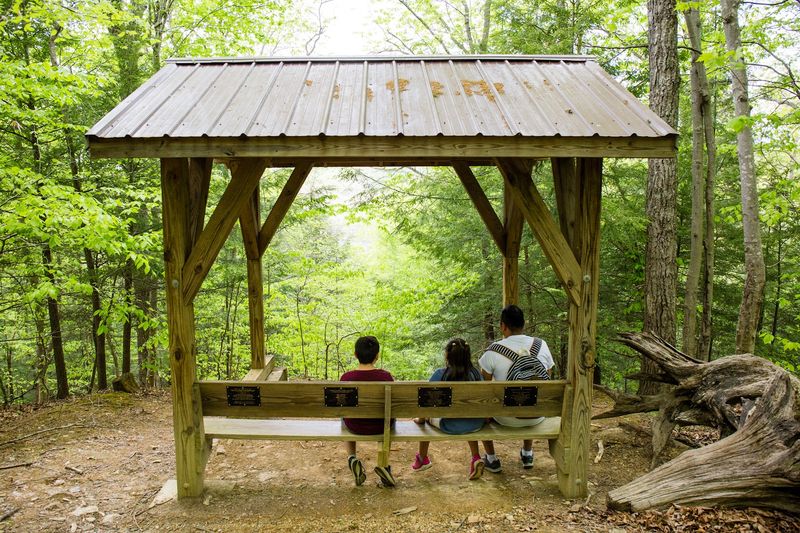
A little preparation goes a long way in a forest this big. Distances can feel longer than they look on a map, elevation adds effort quickly, and cell service may be limited in some areas.
Planning ahead makes a Shawnee State Forest visit feel adventurous instead of frustrating.
Start by matching your route to your fitness level and available time. Short walks, scenic drives, lake stops, and moderate trail sections work well for casual visitors, while the Backpack Trail and longer ridge routes demand more water, better pacing, and realistic expectations.
Good footwear matters here because steep grades, wet leaves, and uneven surfaces can make even modest distances more tiring than expected.
Weather deserves attention too, especially in shoulder seasons when conditions can change quickly. Bring layers, carry plenty of water, and download maps or print them before arriving if you plan to hike beyond the most obvious areas.
If you are chasing overlooks or wildlife, give yourself early or late daylight hours rather than assuming midday will offer the best experience.
The simplest tip is to leave room for curiosity. Some of the best moments come from stopping at an unplanned viewpoint, listening near a creek, or taking one extra short trail before heading out.
In Shawnee, flexibility improves the trip because the forest often rewards you when you slow down.
The Lasting Reason People Return
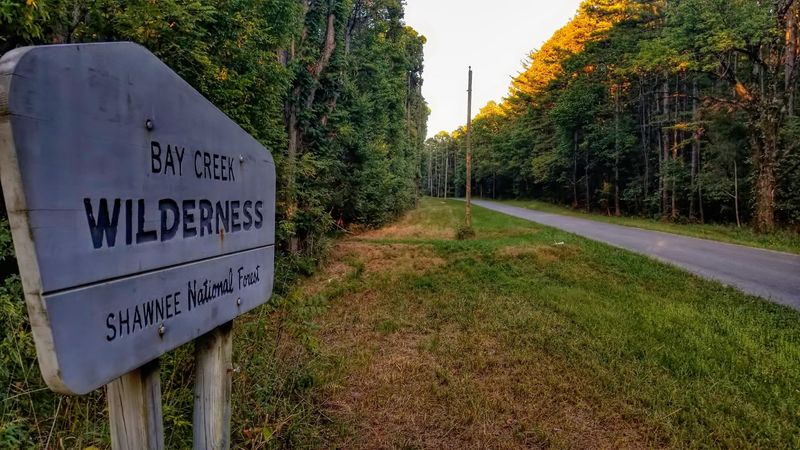
Long after the drive home, certain details tend to stick. It might be the look of massive trunks on a steep hillside, the relief of a ridge breeze after a hard climb, or the hush of a hollow at daybreak.
Those layered memories explain why Shawnee State Forest creates repeat visitors instead of one-time tourists.
Many parks offer scenery, but this place adds effort, scale, and atmosphere in a way that feels personal. You do not just view the landscape from a platform and leave with a photo.
You move through it, work for it, and notice how the terrain, the trees, and the quiet shape your mood over the course of a day.
That emotional connection grows stronger because the forest always seems to hold something back. There is another ridge to climb, another season to experience, another trail section to understand better next time.
Even visitors who arrive for one famous route often leave talking about the broader feeling of the place rather than a single landmark.
If you are the kind of traveler who values depth over novelty, that matters. Shawnee rewards repeat attention, and each visit can feel both familiar and new at once.
In the end, the massive trees and scenic trails are only part of the story – what really brings people back is how the forest makes them feel.