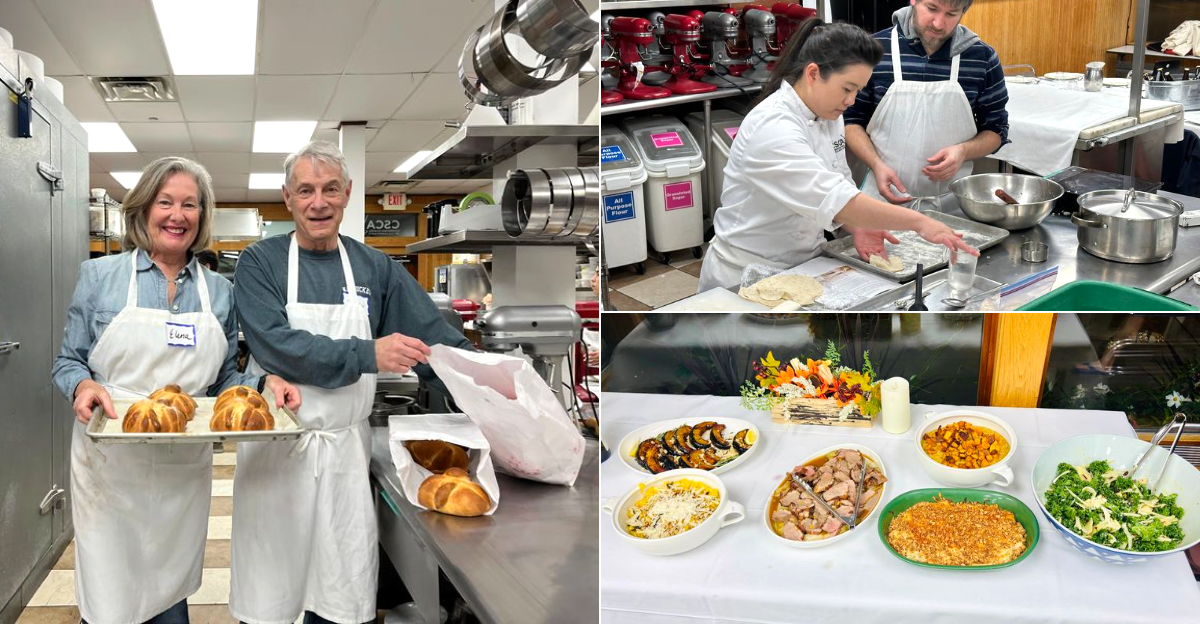
For anyone who has ever dreamed of learning to cook with the precision and artistry of a professional chef, few places in the country offer a more storied environment than Cambridge, Massachusetts.
The Cambridge School of Culinary Arts has been shaping talented cooks for over fifty years, earning a reputation as one of New England’s most respected culinary institutions.
Set in the heart of a city renowned for academic excellence, the school blends rigorous technique with a warm, hands-on learning atmosphere that welcomes everyone from curious beginners to serious aspiring professionals.
Whether you’re looking to launch a culinary career or simply deepen your passion for cooking, the Cambridge School of Culinary Arts is a destination worth exploring.
Fifty Years of Kitchen Wisdom
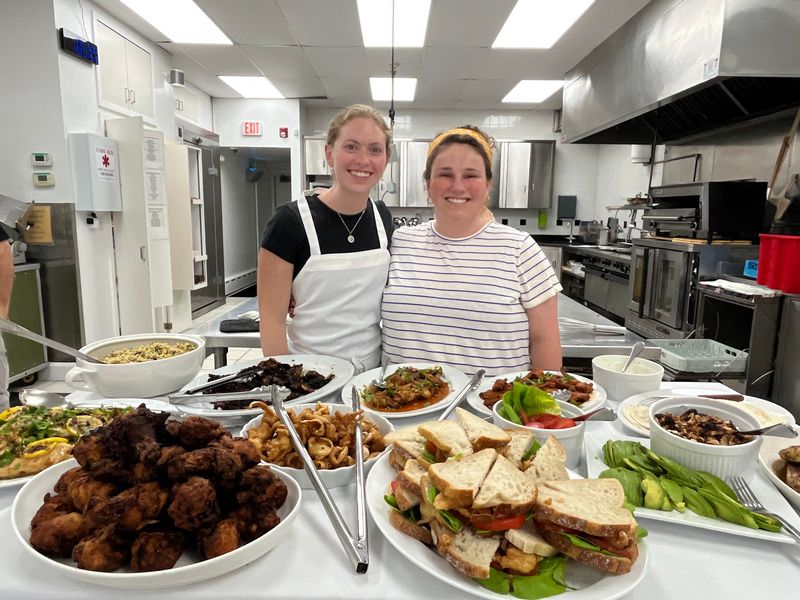
Walking into a teaching kitchen feels exciting, because every counter hints at stories, practice, and life changing meals shared daily.
For more than fifty years the school has built its reputation by showing beginners and future chefs how basics matter.
That long history gives students something special, a sense that good cooking is learned through patience, repetition, curiosity, and care.
Many reviews praise instructors who explain hard steps clearly, which shows the academy still values teaching over showing off tricks.
Instead of chasing flashy trends, the classes seem rooted in timeless skills like seasoning properly, tasting often, and fixing mistakes.
Those habits help students long after class ends, because dinner at home gets easier, calmer, and far more delicious too.
Cambridge School of Culinary Arts at 2020 Massachusetts Ave, Cambridge, MA 02140 carries that legacy with a 4.9 star rating.
High ratings do not happen by accident, especially with hundreds of reviews from people who wanted useful lessons and experiences.
A school lasts this long when it keeps earning trust class by class, recipe by recipe, and confident cooks grow.
That is the first secret, real culinary skill grows best in places where tradition and teaching work side by side.
Chefs Who Teach, Not Just Perform
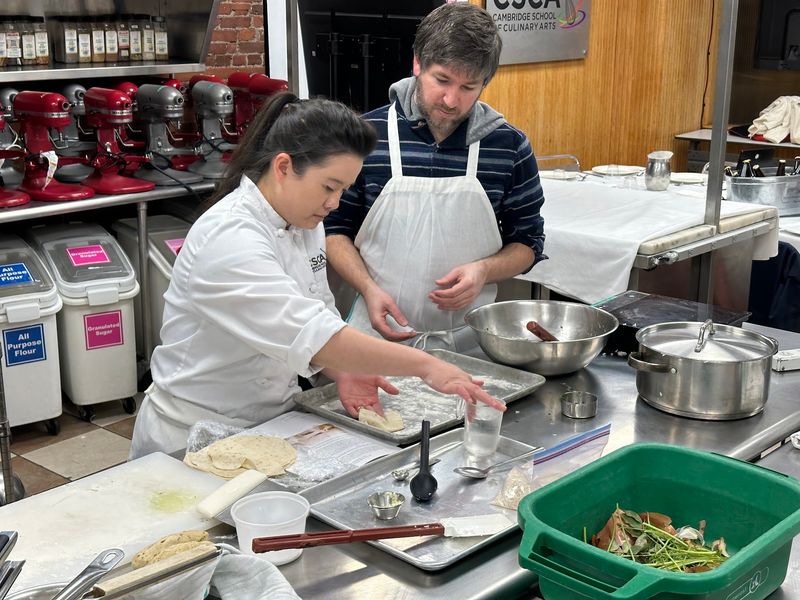
Great teachers can turn a scary recipe into a fun challenge, and that happens often in these busy evening kitchens.
Reviews describe chefs as patient, funny, warm, and helpful, which matters when hands are full and pans stay hot.
Chef Jerome gets praise for stories and tortilla lessons, while other instructors are loved for making advanced tasks feel manageable.
Students mention Chef Diane, Chef Heidi, Chef Anthony, Chef Ali, and others because their guidance builds trust faster than cookbooks.
Good chef teachers watch every station, explain why steps matter, and step in before small problems become big kitchen headaches.
That kind of support helps shy beginners ask questions sooner instead of pretending they understand and then falling behind quietly.
Better still, several reviews say instructors encourage choices beyond the recipe, so students learn how to think like cooks themselves.
A calm voice beside the cutting board can teach more than a stack of printed notes ever could at home.
When teachers mix humor with clear direction, mistakes feel less embarrassing, which makes practice easier and learning stick much longer.
Secret number two is simple, skilled chefs become memorable mentors when they make students feel capable, curious, safe, and seen.
Knife Skills That Change Everything
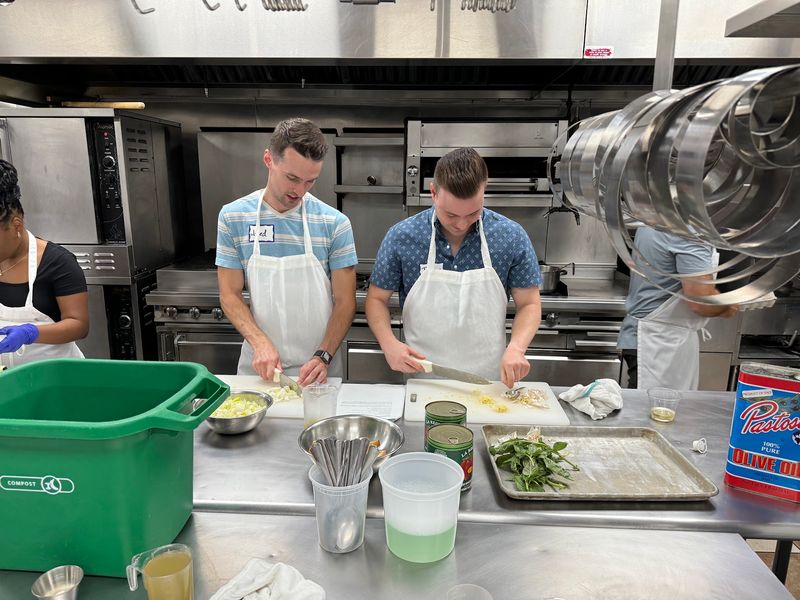
Few kitchen lessons change confidence faster than learning how to hold a knife safely and move with control every time.
Several reviews highlight knife classes and basic cuts because sharp skills save time, reduce waste, and make cooking less stressful.
A good instructor does more than name the tools, they show grip, finger placement, speed, and the rhythm of prep.
Once students stop fearing the blade, they can focus on onions, herbs, peppers, and other ingredients without freezing up first.
That freedom matters at home, where rushed weeknight dinners often fall apart because chopping feels slow, messy, and slightly dangerous.
Practice also improves how food cooks evenly, since pieces close in size roast better, saute evenly, and look nicer plated.
Classes that pair cutting with actual cooking are especially helpful because students taste the reward of good prep right away.
One review even notes that you cook what you cut, which turns practice into dinner and makes the lesson memorable.
Another secret appears here, professional chefs rely on steady basics, not fancy gadgets, when they want speed, safety, and accuracy.
Mastering the knife first gives every later recipe a stronger start, from salads to sauces, breads, and full holiday meals.
Hands On Practice Beats Watching
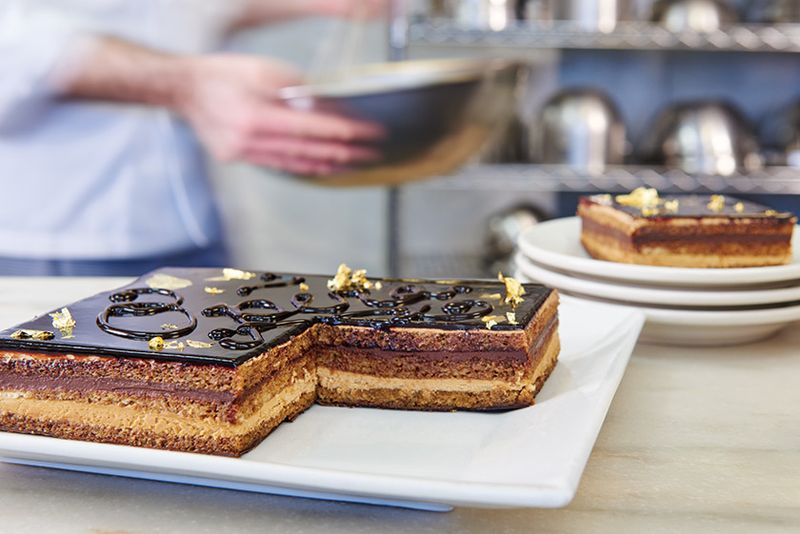
Reading recipes helps, but real progress often starts when flour sticks to your hands and butter warms under kitchen lights.
Many students describe classes where they cook in pairs or small groups, which keeps everyone active instead of simply watching.
That hands on style matters because muscle memory grows through repetition, measuring, stirring, rolling, tasting, and adjusting again and again.
A chef can demonstrate pasta once, but understanding deepens when you shape it yourself and feel the dough change texture.
Reviews mention tacos, croissants, Thai food, Mediterranean dishes, and more, showing that practice happens across many cuisines and skill levels.
Students seem to enjoy eating the meal together because sharing food makes lessons feel rewarding, social, and easy to remember.
Pairing instruction with a finished dinner is smart because people leave with proof that they can create something impressive themselves.
Even leftovers become part of the lesson since taking food home extends the experience and invites practice the next day.
Secret four is that doing beats only watching, especially when a teacher can correct small habits before they become permanent.
Busy classrooms turn ideas into actions, and actions are what finally build kitchen confidence for everyday cooks and future professionals.
Calm Problem Solving in the Heat
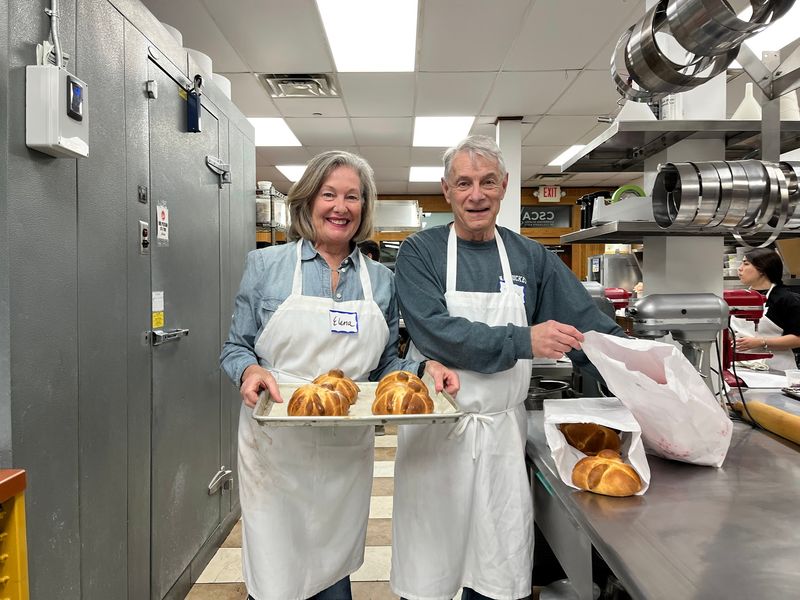
Every cook has faced a meal that looked wrong halfway through and wondered whether dinner was already ruined for good.
The smartest classes teach what to do next by showing how to taste, adjust, rescue, and keep moving without panic.
Reviews suggest that instructors here answer questions quickly and help students troubleshoot, which builds a stronger kitchen mindset than perfection.
That matters because home cooking is full of surprises, ovens vary, doughs behave differently, and ingredient brands rarely act alike.
Learning to stay calm during mistakes may be the most professional secret of all, since calm cooks notice solutions faster.
A sauce can be thinned, vegetables can be reseasoned, and dough can recover when someone understands the reason behind trouble.
Encouragement helps too, because confidence grows when students hear that a recipe is a guide, not a strict courtroom rule.
Several reviewers say chefs made classes fun and comfortable, which is a deal for anyone nervous about getting things wrong.
Secret five is confidence does not appear magically, it grows from guided practice, feedback, and enough time to try again.
Students who leave believing they can solve problems will cook more often and enjoy the process much more at home.
World Flavors Build Better Cooks
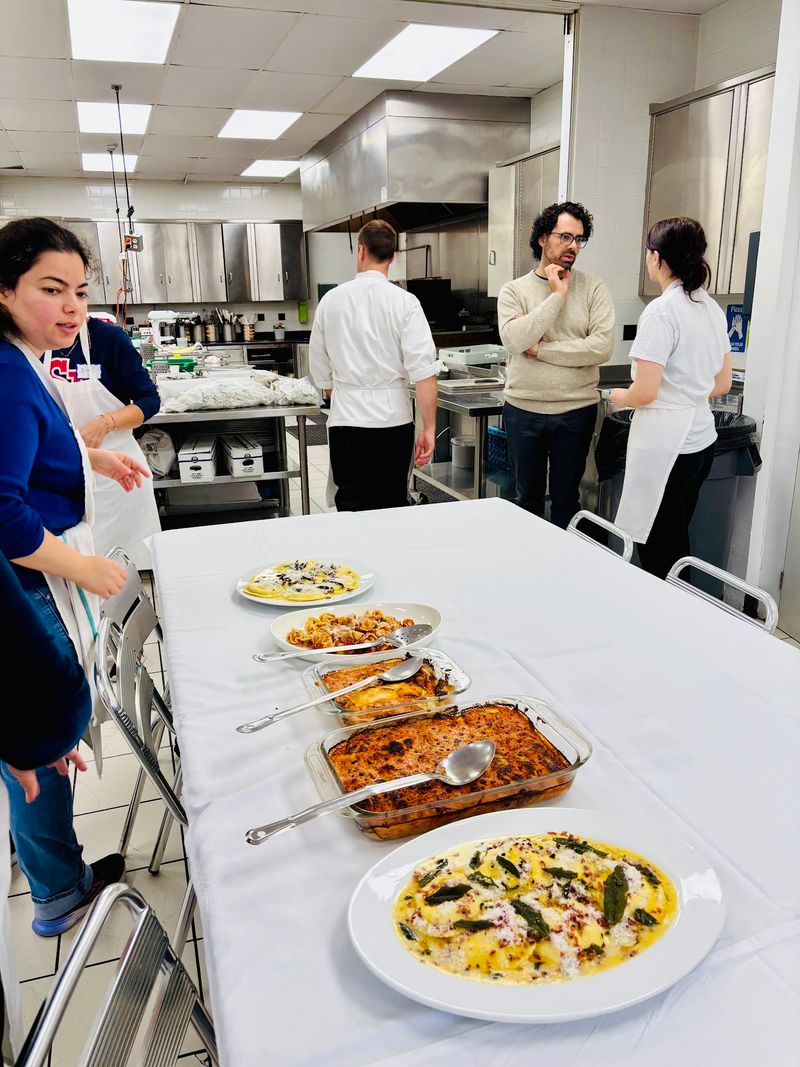
One of the most fun ways to learn cooking is by exploring flavors from different places without leaving your city.
Reviewers mention Italian, Thai, Cajun, Creole, French, Mediterranean, Jamaican, Middle Eastern, tapas, and tacos, which suggests a wonderfully wide menu.
That variety teaches more than recipes, it trains palate to notice spices, textures, herbs, sauces, and cooking methods across cultures.
Trying new cuisines in a guided class can shrink fear because unfamiliar ingredients feel easier once a chef explains them.
Students do not just copy dishes, they learn why dough changes, how spices bloom, and where flavor balance comes from.
That kind of range helps future cooks borrow smart ideas from many traditions instead of cooking the three dinners forever.
Weekend workshops and multiweek series both seem useful because they let people sample widely or focus deeply over time too.
Secret six is simple, broad exposure creates flexible cooks, and flexible cooks handle guests, budgets, cravings, and celebrations far better.
Food becomes more exciting when you understand the story behind it, and classes seem built to share that joy widely.
A single course might spark tonight’s dinner, but a range of cuisines can reshape how someone cooks for years ahead.
Shared Meals Create Real Momentum
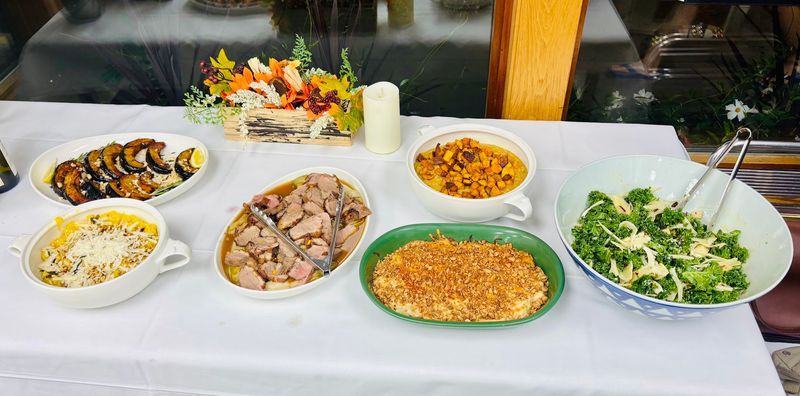
Cooking gets easier when laughter fills the room and strangers soon feel like teammates working toward the same delicious goal.
Several reviews celebrate meeting nice people, sharing tables, and enjoying family style meals, which turns class into lesson and gathering.
Couples classes seem especially popular because partners can chop, stir, laugh, and eat together instead of sitting across a table.
That shared activity can make a better date night since people create something real and carry new skills home afterward.
Parents, children, friends, and coworkers can also benefit because cooking together builds patience, communication, and a stronger sense of teamwork.
Reviews about gifts and return visits suggest the experience stays memorable long after the final bite is packed away too.
Community matters in cooking because food is meant to be shared, and schools that remember that feel warmer and welcoming.
Secret seven is that a supportive group can push people farther than solo practice, especially when nerves would slow progress.
Eating what the class made together also gives a happy ending and reminds everyone that effort can taste very rewarding.
Some students come for skills while others come for connection, but both groups often leave feeling fuller, smarter, and glad.
A Professional Setup Helps Learning Stick
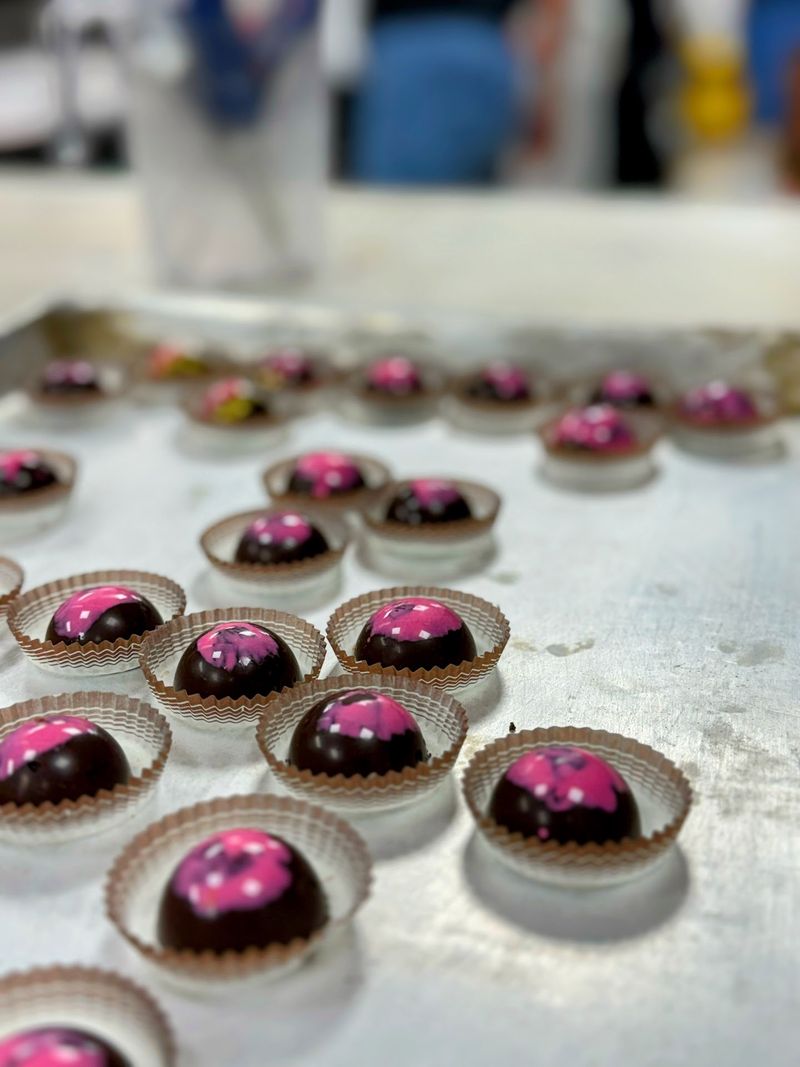
A serious food school works best when the setup feels organized to support learning from early morning through late evening.
Current hours stretching from morning to night on most days give students room to fit cooking into busy work schedules.
Weekend hours help too, since hobby cooks and families may prefer slower days for classes, gifts, and shared projects together.
Reviews repeatedly mention a nice kitchen and an amazing facility, which suggests the environment feels supplied and ready for action.
Good spaces matter because crowded, confusing rooms can drain focus, while clean stations, clear tools, and pacing help students learn.
Long class days can feel worthwhile when kitchens run smoothly and instructors keep everyone on time without rushing the fun.
Open access beyond a single short slot also hints at a school serving both casual learners and more committed students.
Secret eight is that professional habits grow faster in spaces designed for practice, where timing, tools, and movement make sense.
When a kitchen feels ready for work, students can spend less energy adjusting and more energy learning, tasting, and improving.
That quiet support is easy to miss, yet it often separates an ordinary class from a polished, memorable cooking experience.