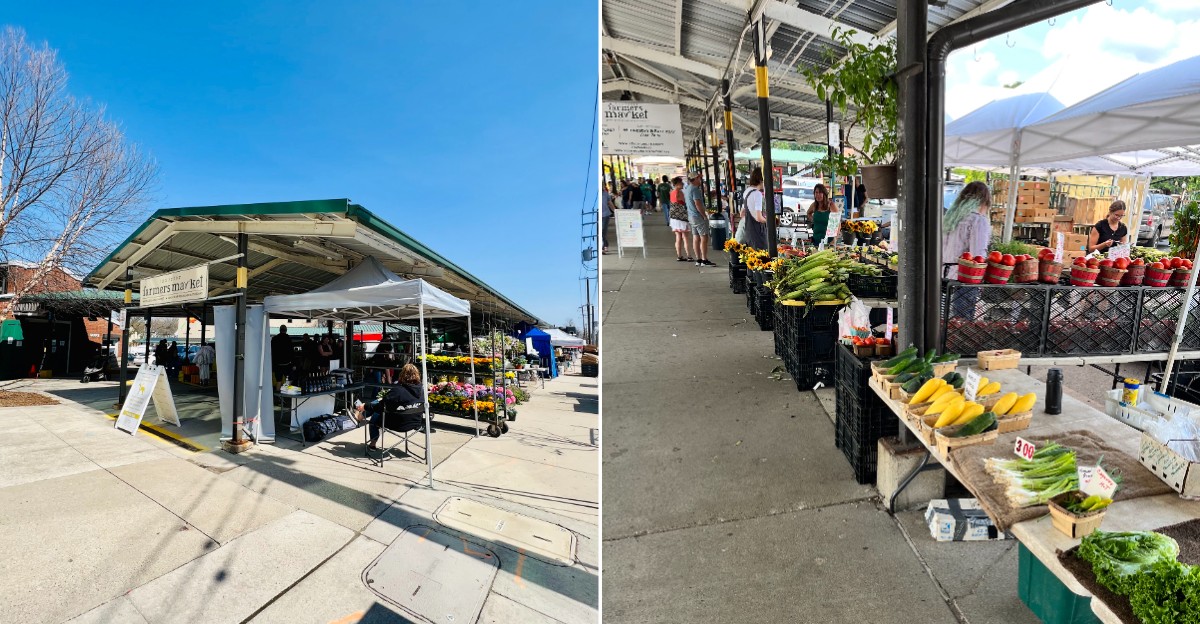
Farmers have been hauling crops to the same downtown stalls since the early 1930s, and the gates still open at 7 a.m. on market days. Some of its vendors have been showing up for more than 60 years.
I like how a place this old refuses to slow down. It runs year-round in Michigan, rain or shine, with around 130 to 150 vendors from Michigan and Ohio in its lineup.
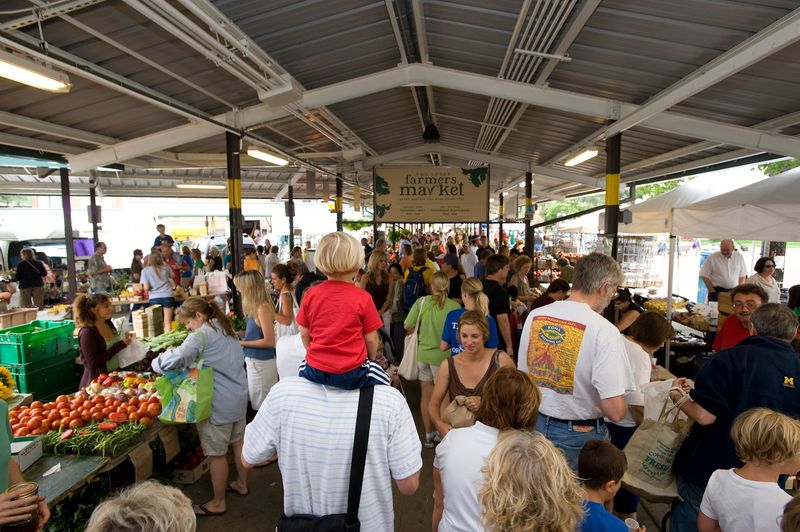
The long rows of stalls hold way more than fresh tomatoes and sweet corn. Handmade jewelry, ceramics, cutting boards, candles, and woven textiles share the aisles with local honey, fresh flowers, and baked goods.
Then Sundays bring a whole separate artisan market to the same covered spot, April through December. I can’t imagine a better excuse to clear out a weekend, can you?
Around 150 Vendors Means You’ll Need More Than One Lap
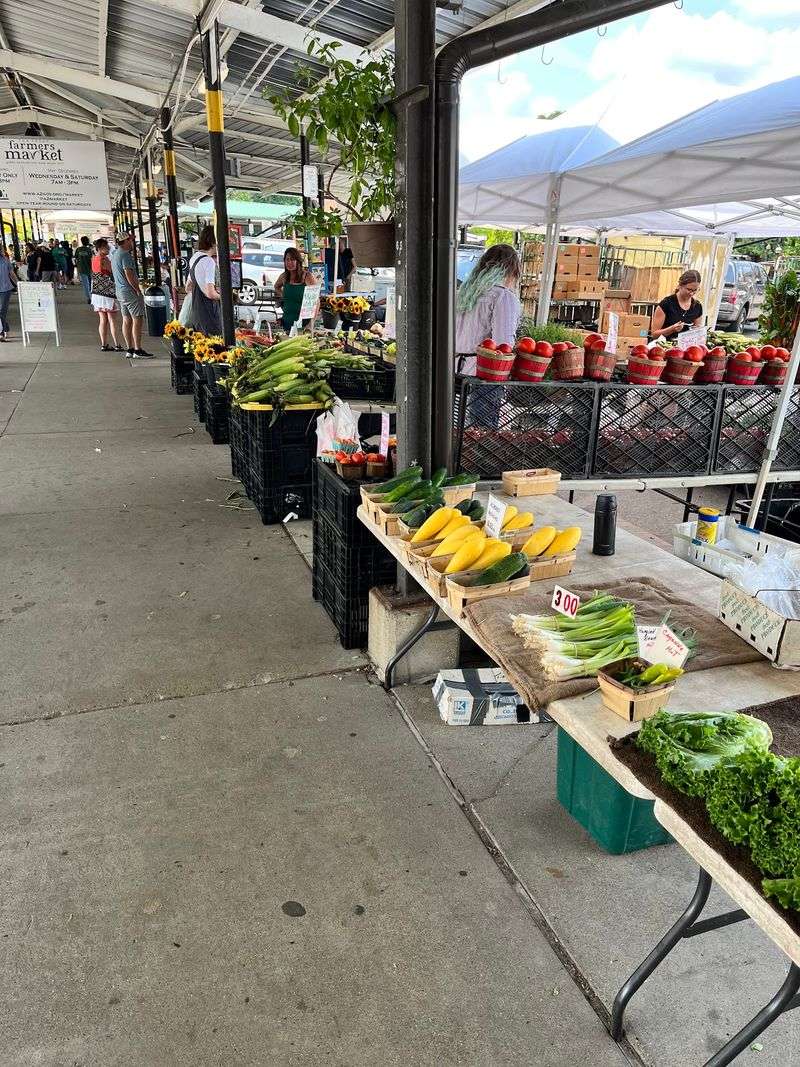
Counting the booths could take a while. The Ann Arbor Farmers Market brings together roughly 130 to 150 vendors from Michigan and Ohio.
That number explains the word sprawling in the headline. One quick loop rarely covers everything, so plan on a second pass before you commit to anything.
Produce is the backbone here, and it changes with the seasons. Expect fruits, vegetables, flowers, honey, and baked goods to rotate as the weather shifts from spring to fall.
The mix doesn’t stop at food, though. Soaps, lotions, crafts, and handmade items pop up between the farm tables, which keeps the treasure-hunt feeling alive from one end to the other.
Here’s a smart move for bargain lovers. Walk the whole market first, note who has what, and then circle back to buy, since several stalls may sell similar items.
Bring sturdy reusable bags, because flimsy ones and heavy squash do not get along. A small cart or backpack also helps if you tend to grab more than you planned.
And let’s be honest, you probably will. That’s half the fun of a market this big.
The Handmade Finds Are Where Bargain Hunters Lose Track Of Time
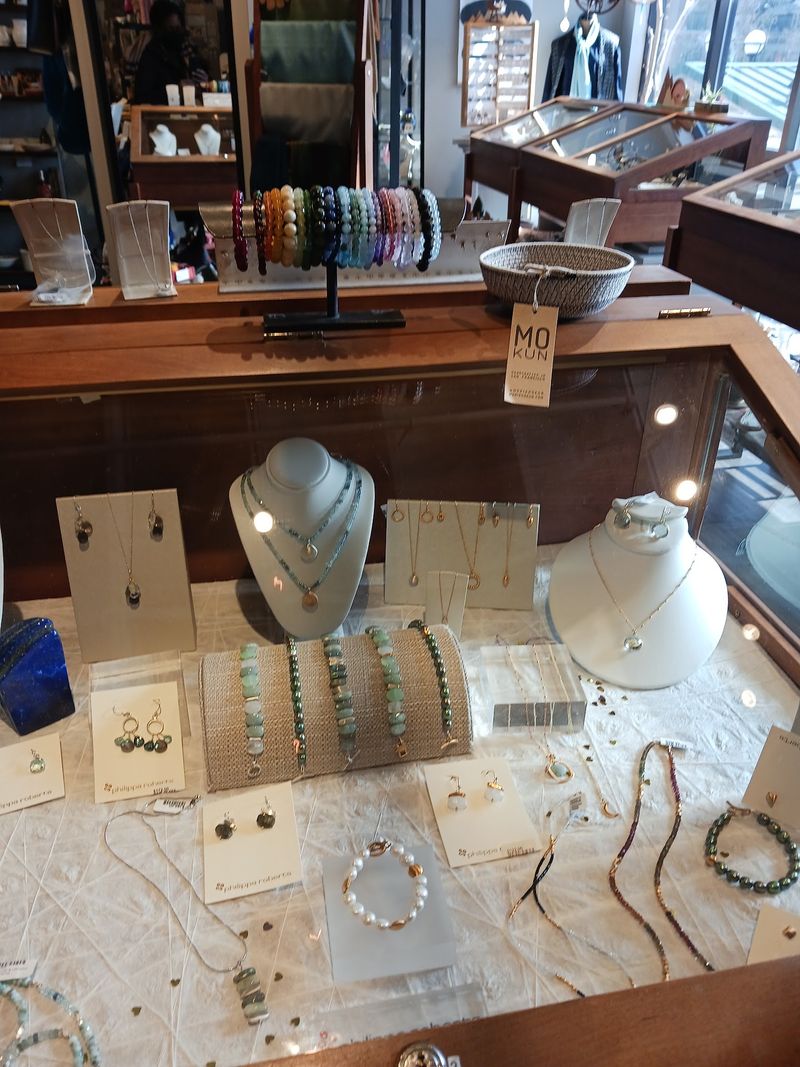
Sure, you came for carrots. Somehow you’re now holding a hand-thrown ceramic mug and a wooden cutting board.
Artisan goods are a real part of this market’s appeal. Jewelry, original art, textiles, ceramics, and cutting boards all show up among the stalls.
Candles get their own fan club too. Some makers sell scents with a Michigan theme, which makes them fun little souvenirs for out-of-town friends.
Body care products round out the mix. Handmade soaps and lotions sit near the flower buckets, so your basket can smell great before you even get home.
The best part is the story behind each piece. You’re buying straight from the people who made it, and they usually know every detail about the craft.
Gift shoppers, take note. Birthdays, teacher gifts, and holiday swaps get a lot easier when one trip covers unique presents and dinner ingredients.
A little tip helps here. Selection changes from week to week, so if something catches your eye, it might not be waiting for you next Saturday.
That’s the classic flea market rule, just with better produce nearby. Hesitate too long, and someone else may walk away happy.
A Market That Started In 1919 Still Has Plenty Of Pep
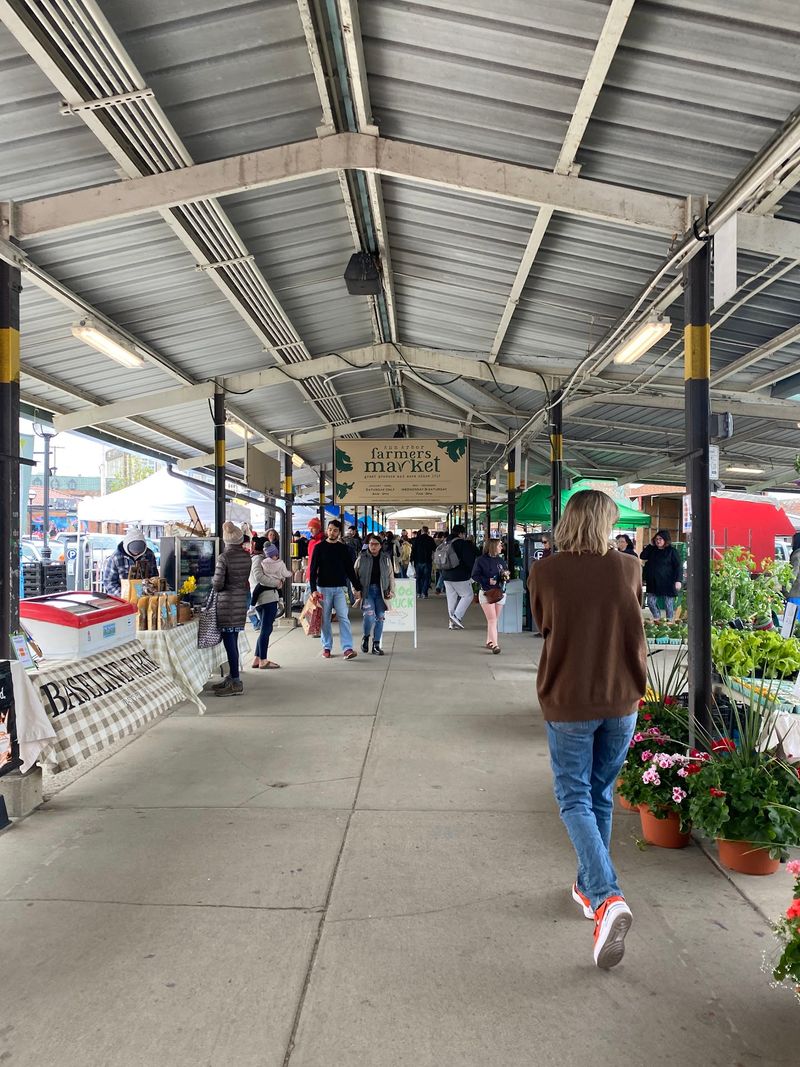
Back in 1919, local farmers set up shop on the courthouse square. That humble start grew into one of the oldest traditions in town.
The market didn’t stay there forever. In the early 1930s, it moved to its current Detroit Street home in what is now the Kerrytown district.
Do the math, and the market turns 107 in 2026. Not many shopping spots can claim a birthday cake with that many candles.
It’s also known as the second continuously operating public market in Michigan. That’s a serious badge for a place that still sells fresh peaches every summer.
History here isn’t locked behind glass. You can feel it in the long rows of stalls and in the families who keep coming back to sell.
I believe that staying power says a lot about a community. People clearly decided, generation after generation, that this market was worth keeping.
So when you grab a bag of apples, you’re joining a very old routine. Shoppers have been doing pretty much the same thing on this street for over ninety years.
That’s a fun thought to chew on. Preferably while chewing on a fresh-baked cookie.
Set Your Alarm, Because The Early Bird Gets The Berries
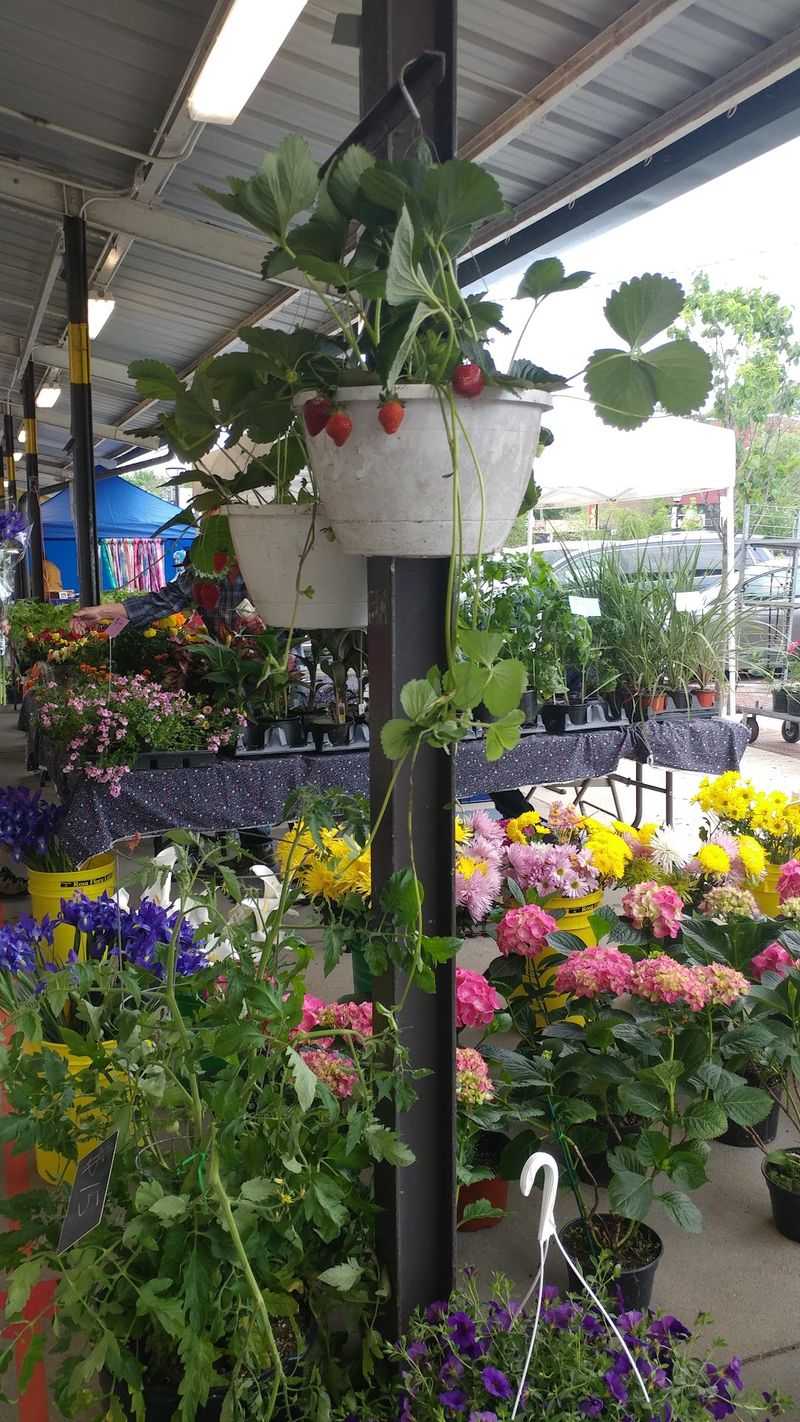
Seven in the morning is early for a lot of things. For this market, it’s simply showtime.
From May through December, the market runs on Wednesdays and Saturdays. Doors open at 7 a.m., and shopping wraps up around 3 p.m.
Winter brings a lighter schedule. From January through April, the market opens Saturdays only, from 8 a.m. to 3 p.m.
Yes, it really runs year-round, rain or shine. A cold Michigan February doesn’t stop the vendors who brave the chilly mornings.
So which day should you pick? Saturdays usually feel livelier, while Wednesdays can offer a calmer stroll for anyone with a flexible schedule.
Arriving early has real perks. You’ll get first dibs on popular items and an easier time finding a parking spot nearby.
Layers are your friend in the cooler months. A warm hat and gloves make browsing frosty tables way more pleasant.
Summer calls for a different plan. Bring water, sunscreen, and a cooler in the car if you’re buying anything that wilts fast.
Whatever the season, check the schedule before heading out. Holiday weeks can shift things, and nobody wants to show up to empty stalls.
Sundays Turn The Same Stalls Into An Artisan Playground
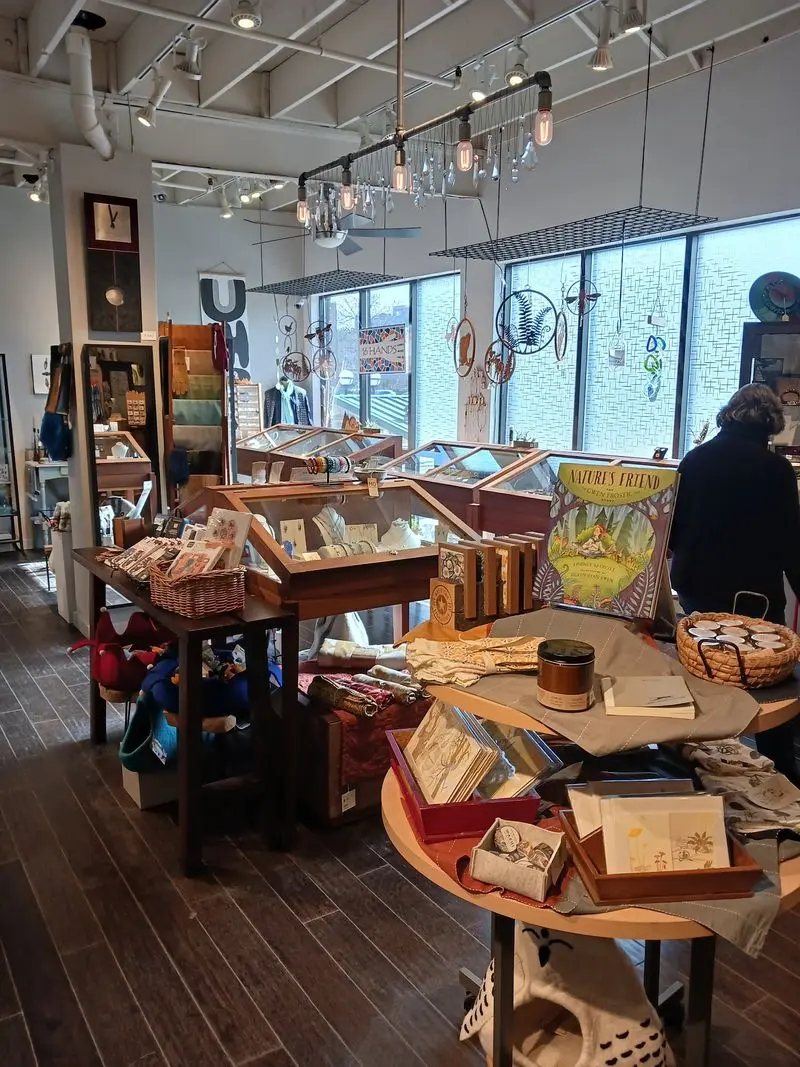
Plot twist for weekend shoppers. The farm stalls get a whole new personality on Sundays.
The Sunday Artisan Market sets up in the very same space from April through December. Its focus shifts toward handcrafted goods and artisan foods.
This is where the flea market vibe really kicks in. Paintings, sculptures, handwoven textiles, and jewelry fill the booths instead of crates of kale.
It runs separately from the Ann Arbor Farmers Market, but the two fit together nicely. Saturday covers your groceries, and Sunday handles your shopping list for gifts.
That combo turns the location into a full weekend plan. Visitors from across Michigan can easily make a two-day trip out of it.
Collectors and decorators will feel right at home. Original art tends to be one of a kind, so your living room won’t match your neighbor’s.
Slow down while you browse. Many artists love explaining their process, and those chats make every purchase feel more personal.
Bring a little patience and some open wall space. You may head home with a framed print you didn’t know you needed this morning.
Free Cooking Demos And Food Trucks Keep Your Stomach Happy
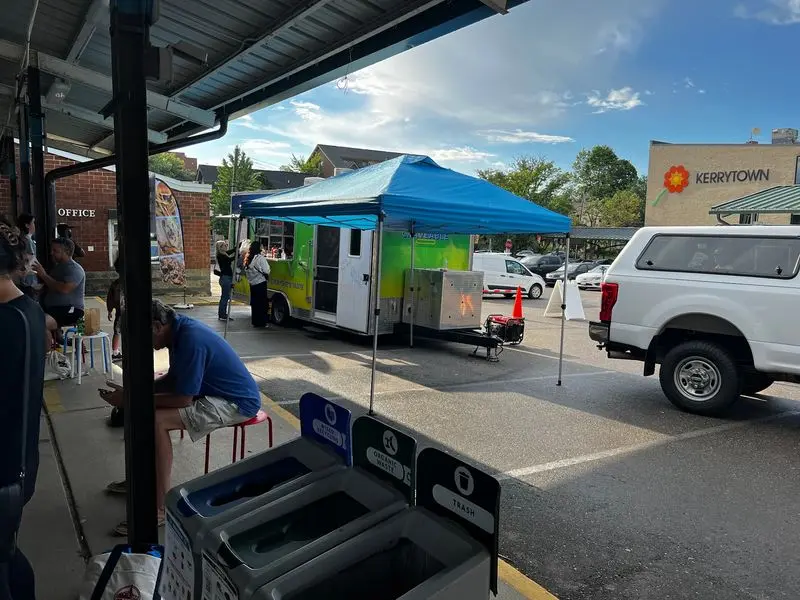
Ever bought a weird vegetable and then stared at it all week? The market has a cure for that.
Cooking demonstrations happen on the second Wednesday of each month from May through October. They kick off at 11 a.m.
Free samples are part of the deal. You also get recipe cards, so the ideas follow you home to your own kitchen.
It’s a clever way to use what’s in season. Seeing a dish made from local produce makes it much easier to try at home.
Hunger has a way of sneaking up during long browsing sessions. Luckily, mobile food vendors often set up on Wednesday and Saturday market days.
They serve a variety of prepared foods and drinks. That means you can grab a bite and keep exploring without leaving the area.
Plan your trip around a demo day if you can. Pairing a free tasting with a lunch stop makes a pretty great midweek outing.
Bring a pen too. Jotting notes on your recipe card helps when you’re tweaking the dish later.
Your future dinners will thank you. So will that mystery squash in your fridge.
Parking Smart Makes The Whole Morning Smoother
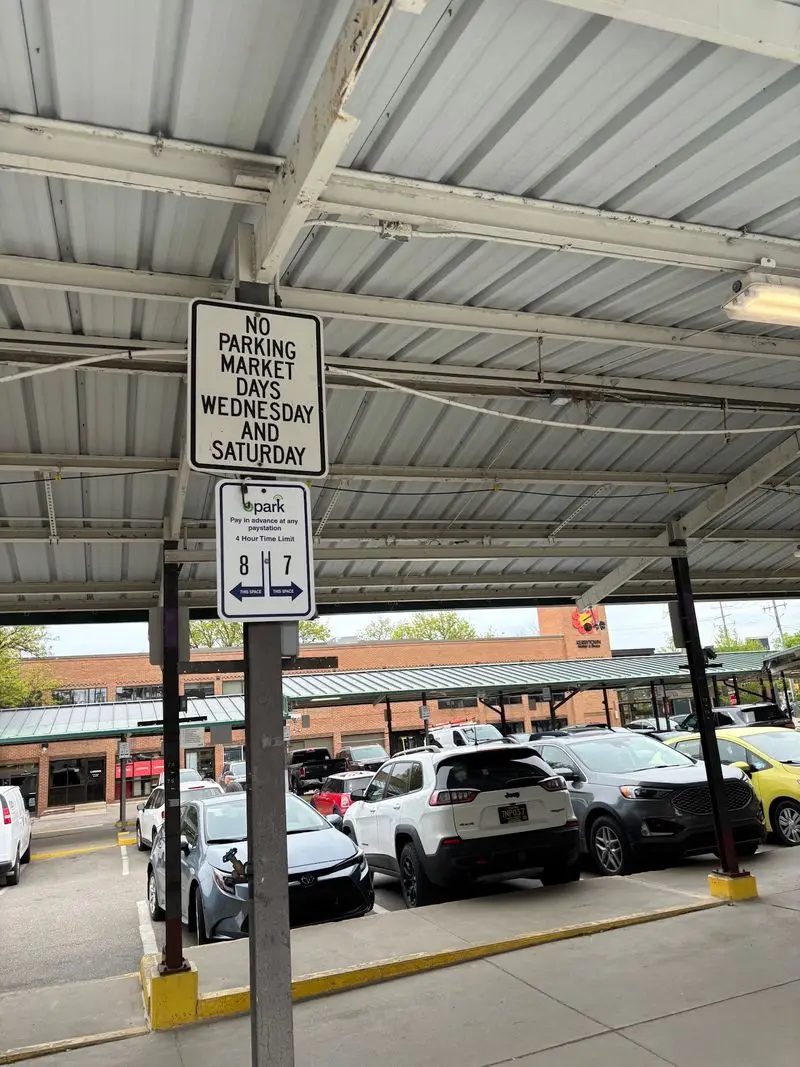
Parking near a busy market can feel like a game of musical chairs. A little planning helps you win.
The market sits at 315 Detroit Street, Ann Arbor, MI 48104. It’s right in the Kerrytown district, a lively pocket close to downtown.
Good news first. Parking in the market lot is free during Wednesday markets and on Saturdays in winter.
On Saturdays year-round, free spots are available when space allows. That’s a big if on a sunny summer morning, so early birds have the edge.
Backup options are plentiful. Public lots and garages sit within walking distance, along with metered street parking around the neighborhood.
Parking a few blocks away isn’t a bad trade. The short walk lets you enjoy Kerrytown’s shops and streets before you load up on produce.
Think about your haul before choosing a spot. Heavy pumpkins and big flower bunches feel a lot heavier after three blocks.
A folding wagon solves that problem nicely. So does a friend who owes you a favor and has strong arms.
Either way, a smooth arrival sets the tone. Less circling means more time for browsing.
Cash, Cards, Or Phone, Your Wallet Has Options
Forget the old idea that markets are cash-only zones. This one keeps up with the times.
Vendors accept cash along with credit and debit cards. Mobile payments like Apple Pay, Google Pay, and Samsung Pay are welcome too.
That flexibility is a relief for impulse shoppers. Spotting the perfect ceramic bowl won’t mean a frantic hunt for an ATM.
Market tokens add another helpful layer. Shoppers can buy them and use them with various food assistance programs.
I like how that opens the market to more families. Fresh food and local goods feel more welcoming when more people can easily shop.
Still, carrying some small bills is a smart habit. Quick purchases like a bunch of flowers go faster when you don’t need a card reader.
Set a rough budget before you start wandering. With this many tempting tables, it’s easy to blow past your plan by noon.
One trick works well. Spend on your essentials first, then treat yourself with whatever is left.
Your bank account stays happy. Your kitchen counter stays full of good stuff.
Everybody wins.
Farm Families And Big Plans Keep This Place Going Strong
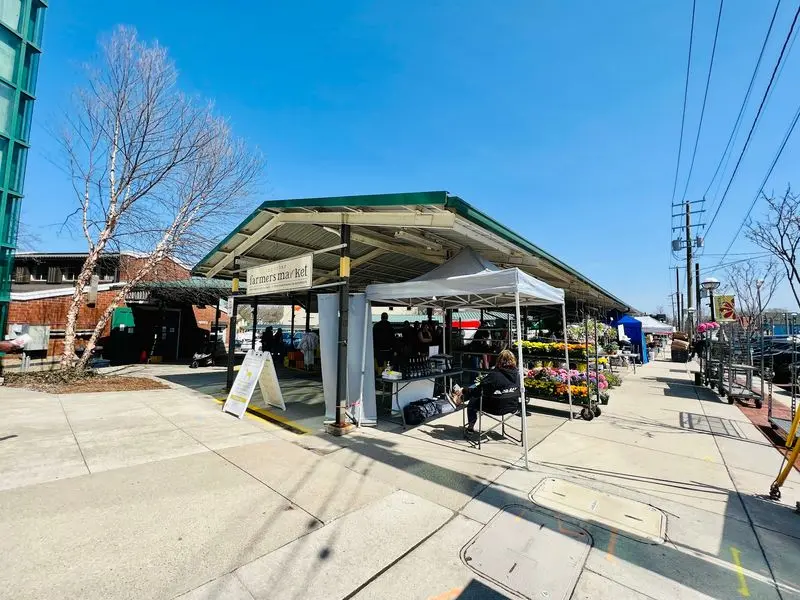
Sixty years is a long time to show up at the same stall. Some vendors at the Ann Arbor Farmers Market have done exactly that.
Many of them come from multi-generational farm families. Grandparents, parents, and kids have all helped sell the harvest over the decades.
That kind of loyalty builds real connections. Shoppers and sellers get to know each other, and market day becomes part of the weekly rhythm.
The future is getting attention too. After an older office building with structural problems was taken down, the city launched a Farmers Market Visioning project.
A market study is expected to begin in the summer of 2026. The goal is to rethink how the space serves vendors, staff, and visitors.
Community input is part of the plan. Locals get a chance to help shape the next chapter of this Michigan landmark.
I can’t imagine a better way to honor a century of tradition. Asking the people who love it what comes next just makes sense.
So stop by, shop local, and say hello. You might just become part of the story yourself.