Michigan used to be the kind of place where you could daydream about a cute downtown, decent schools, a manageable mortgage, and maybe still have enough left for lake weekends and takeout pizza, but that math has gotten a lot trickier lately.
Across the state, communities that once felt refreshingly attainable now come with price tags that can make even longtime residents do a double take, especially as buyers chase walkable streets, strong job markets, and polished suburban comforts.
Some of these places still deliver plenty of value, charm, and quality of life, yet the bargain aura has faded as home prices, rents, and everyday costs keep climbing faster than nostalgia.
You are in the right company to find out which Michigan towns quietly graduated from affordable to aspirational, so come along and let us tour a dozen communities where the budget-friendly era is looking more like a fond memory.
1. Ann Arbor
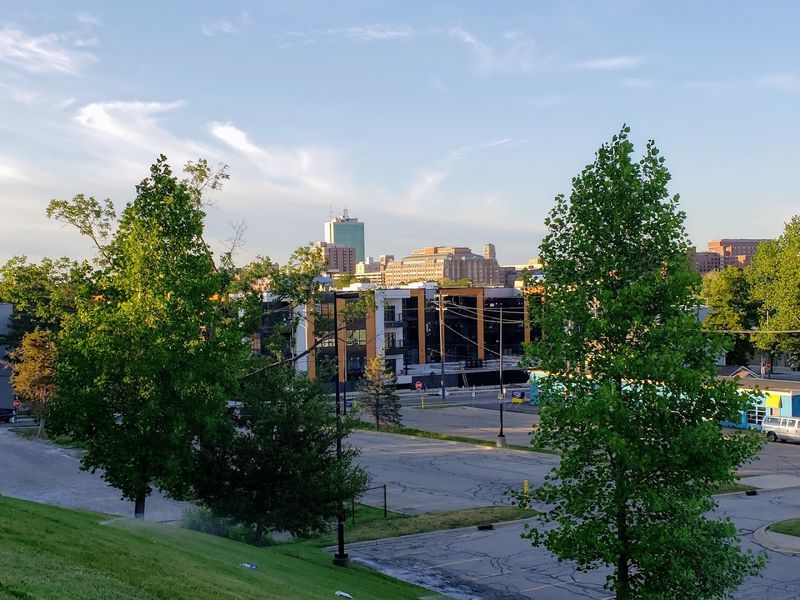
College-town charm used to soften the sticker shock in Ann Arbor, but those days feel increasingly distant.
You can still find leafy streets, smart energy, and top-tier culture here, yet housing costs now land with the force of a final exam you forgot to study for.
The University of Michigan has always fueled demand, and that pressure keeps rippling through neighborhoods from Burns Park to the west side.
Home prices and rents have climbed as professionals, retirees, faculty, and remote workers all compete for limited inventory near downtown, campus, and the city’s highly rated schools.
Walkability adds another premium, because people gladly pay for coffee shops, markets, and football Saturdays within easy reach.
Even older homes that once served as starter options now attract bidding wars, renovations, and price jumps that push first-time buyers farther out into surrounding communities.
Ann Arbor still delivers a rich lifestyle, and I get why people stretch to stay here.
But if you are searching for the budget-friendly version locals remember, you may need a time machine, a bigger paycheck, or at least a very generous housing budget.
2. Grand Rapids
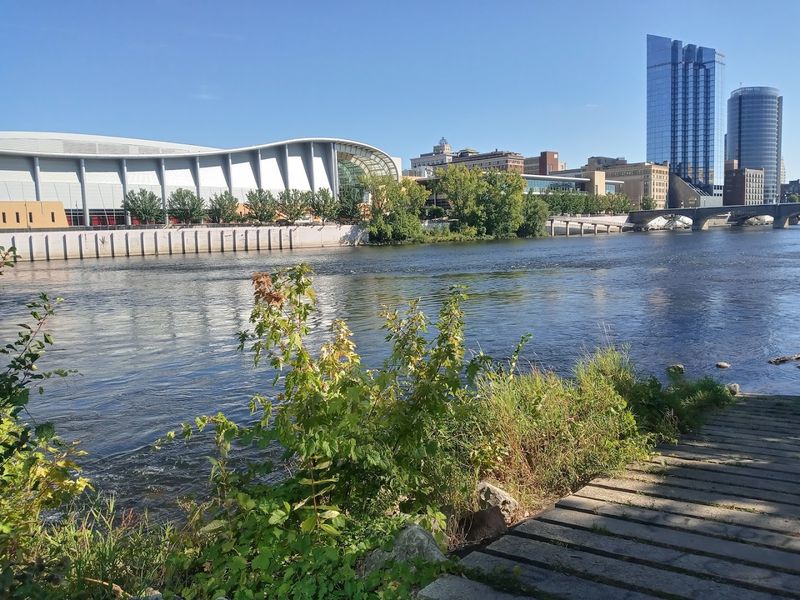
Grand Rapids once felt like the savvy pick, a city with momentum that had not yet emptied your wallet.
Now the secret is thoroughly out, and the combination of job growth, downtown revival, and neighborhood buzz has made affordability much harder to find.
From Heritage Hill to Eastown and beyond, demand has risen as buyers chase character homes, breweries, medical jobs, and a polished urban-suburban mix.
New development has added apartments and condos, but supply has struggled to keep pace with interest from newcomers, investors, and locals hoping to stay close to the action.
The result is a market where prices feel much less Midwest bargain and much more serious contender.
Renters see it too, especially near popular corridors where renovated units, walkable amenities, and easy commutes command monthly costs that can squeeze even solid professional incomes.
Grand Rapids remains energetic, creative, and genuinely appealing, so the demand makes sense.
Still, if you remember when this city felt like an affordable overachiever, today’s numbers tell a different story, and they are not exactly whispering it over a cheap pint anymore.
3. Detroit
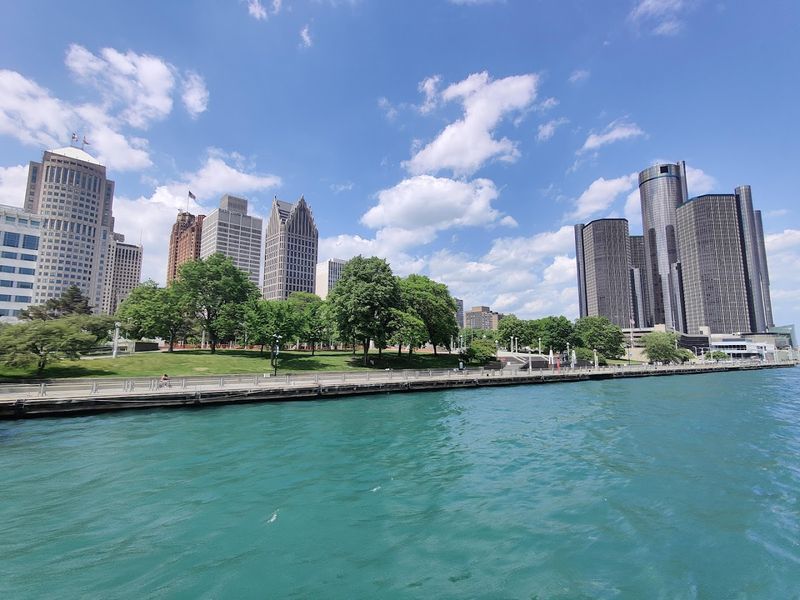
Detroit still offers pockets of value, but the old blanket assumption that the whole city is cheap no longer holds up.
In several neighborhoods, rising demand, redevelopment, and investor attention have pushed prices far beyond what longtime residents would have considered normal just a decade ago.
Areas near downtown, Midtown, Corktown, and other revitalized districts have seen especially strong price growth as buyers chase restored housing stock and shorter commutes.
New businesses, cultural energy, and major employer investment have added real momentum, yet those gains also bring a tougher affordability landscape for renters and first-time buyers.
The story here is uneven, which makes Detroit complicated in ways suburbs are not.
Some blocks remain relatively affordable, while others now carry price tags shaped by speculation, renovation costs, and demand from people eager to get in before the next wave changes everything again.
Detroit is still a city of contrasts, grit, and genuine opportunity, and that complexity matters.
But if you are picturing easy bargains across the board, the market has evolved, and in many sought-after pockets, the discount label has quietly left the building.
4. Lansing
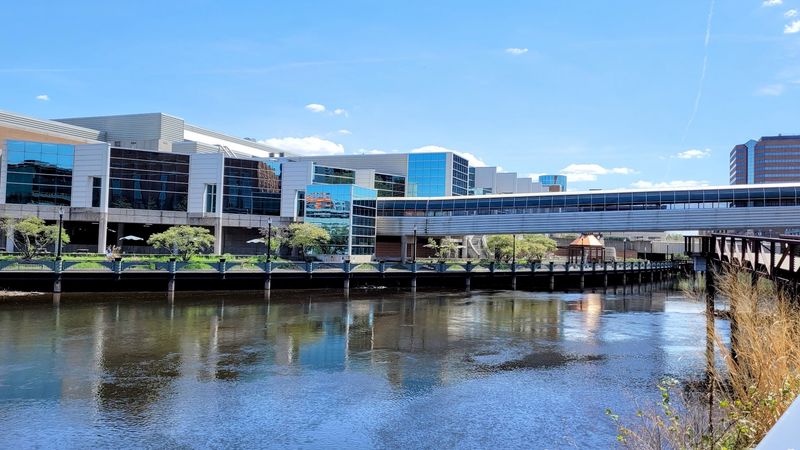
State capitals are not always flashy, yet Lansing has been quietly shedding some of its affordable reputation.
What used to feel comfortably within reach for many buyers and renters now looks noticeably pricier as demand strengthens around government, education, and health-related employment hubs.
Michigan State University next door in East Lansing affects the broader regional market, while stable public-sector jobs support steady housing demand.
Neighborhoods with classic homes, convenient commutes, and access to parks or local business districts have become more competitive, especially as limited inventory meets buyers looking for practical value.
That practicality is exactly why the price increases sting a little more.
Lansing was long seen as a place where ordinary budgets could stretch, but rising home values, higher rents, and general living costs have made that stretch feel more like a hamstring injury.
You can still find better deals here than in some flashier Michigan markets, and that is worth noting.
Still, compared with its own past, Lansing no longer feels like the easygoing affordability champion many people once counted on when planning their next move.
5. Traverse City
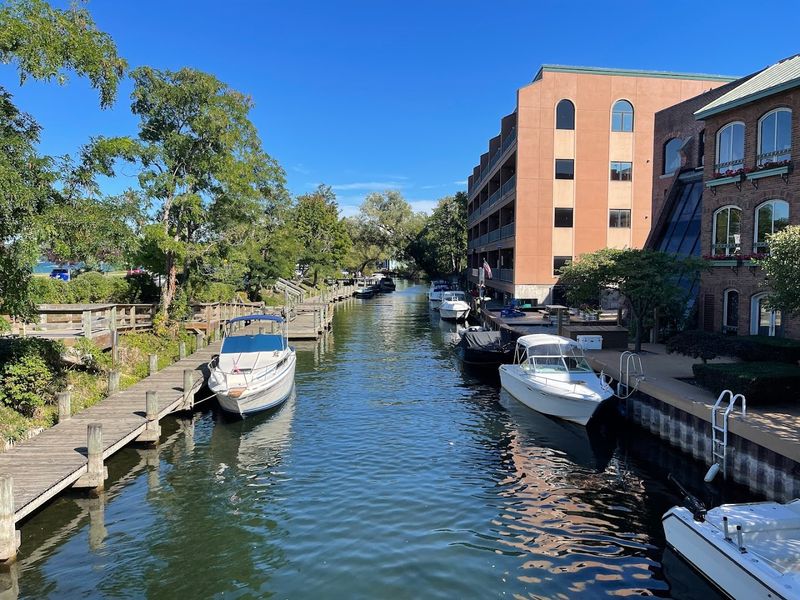
Fresh lake air and cherry-country charm have helped turn Traverse City into one of Michigan’s most coveted places to live.
That popularity has been wonderful for tourism and local cachet, but it has also sent housing costs upward fast enough to rattle anyone expecting a small-town bargain.
Buyers are drawn by the bay, the food scene, outdoor recreation, and postcard-worthy downtown, and many arrive with bigger budgets from elsewhere.
Vacation-home demand and short-term rental pressure have added even more strain, tightening supply for year-round residents and raising prices in neighborhoods that once felt relatively attainable.
Even modest homes can attract outsized interest, especially when they offer proximity to water, trails, or the city center.
Renters feel the squeeze as seasonal demand, limited inventory, and service-sector wages collide in a place where beauty is abundant but budget breathing room is not.
Traverse City still feels magical on a summer evening, and I would never pretend otherwise.
But the idea that it is an affordable hidden gem has drifted off like a boat on Grand Traverse Bay, looking smaller and smaller by the minute.
6. Royal Oak
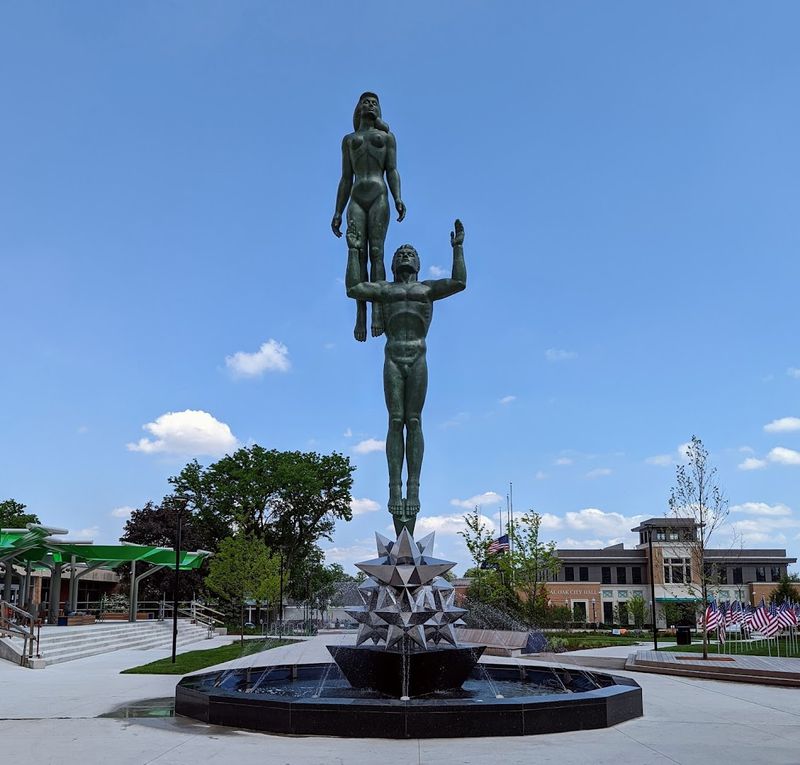
Royal Oak has the kind of lively downtown that makes people open their wallets before they fully realize it.
With restaurants, bars, events, and easy access to Metro Detroit, this once more approachable suburb has become one of Oakland County’s pricier places to plant roots.
Bungalows and colonials that were once considered attainable starter homes now often command eye-popping prices, especially near the downtown core.
Buyers pay for walkability, nightlife, and a social scene that feels energetic without requiring a move into the city, which keeps competition high.
Renters are not escaping the squeeze either, as newer apartments and updated older units come with monthly rates that reflect the area’s popularity.
Even everyday conveniences become part of the premium, because people value being able to grab dinner, see a show, and stroll home without touching the car keys.
I understand the appeal, because Royal Oak can be genuinely fun and easy to love.
But the days when it felt like a clever budget alternative have faded, and today the price of admission is much closer to headline act than opening band.
7. Birmingham
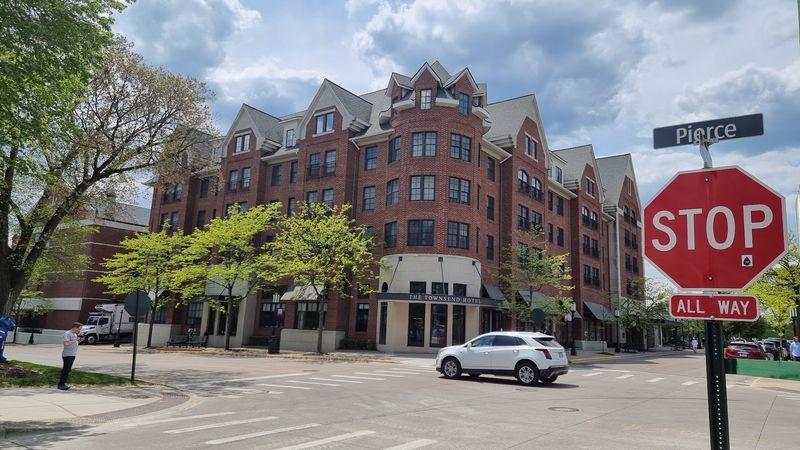
Luxury has become part of Birmingham’s brand, which means affordability is mostly a historical footnote at this point.
Even so, longtime residents remember when this polished suburb felt expensive but not entirely out of reach, a distinction that matters more than it sounds.
Today, its walkable downtown, designer shopping, dining scene, and highly regarded location within Oakland County fuel relentless demand.
Tear-downs become custom homes, smaller properties fetch surprising sums, and buyers with deep pockets keep values elevated in ways that make ordinary budgets tap out early.
The market here reflects status as much as shelter, and that changes the game fast.
When buyers are competing for school access, prestige, and a refined neighborhood aesthetic, prices stop behaving like simple math and start acting more like a velvet-rope policy.
Birmingham undeniably offers beauty, convenience, and a carefully maintained sense of place.
But if you are looking for evidence that a once somewhat attainable suburb can transform into a full-fledged premium enclave, this city makes the case with manicured confidence and very little financial mercy.
8. Troy
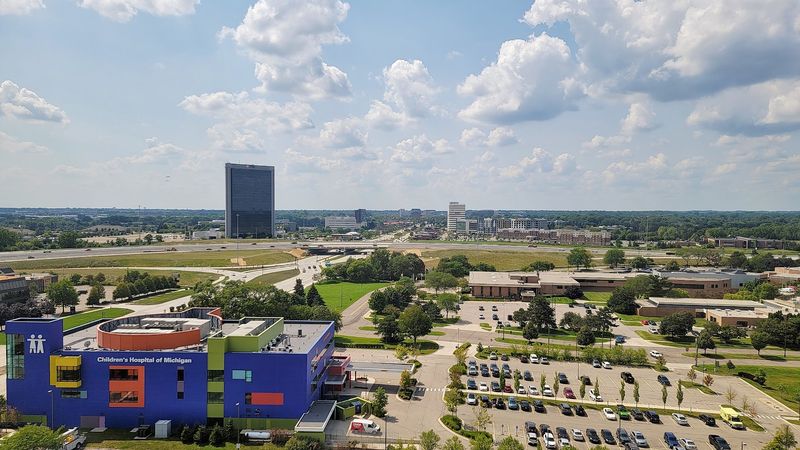
Office towers and tidy subdivisions do not usually scream drama, yet Troy’s housing story has become surprisingly intense.
What once felt like a practical choice for families seeking strong schools and jobs now often requires a far more serious budget than many buyers expect.
Troy benefits from a powerful mix of corporate presence, retail convenience, and commuter access, which keeps demand durable.
Families drawn to its schools, spacious homes, and established neighborhoods compete in a market where inventory can be tight and prices reflect long-term confidence in the area.
That confidence has steadily chipped away at the city’s former value reputation.
Even houses that need cosmetic updates may list at numbers that would have seemed ambitious years ago, especially when they sit near top-rated schools or major employment corridors.
The appeal is easy to understand, because Troy offers stability, convenience, and a polished suburban rhythm that many people want.
Still, if you are assuming its businesslike personality translates into bargain pricing, the market will quickly correct that impression, probably before you finish the first open house flyer.
9. Novi
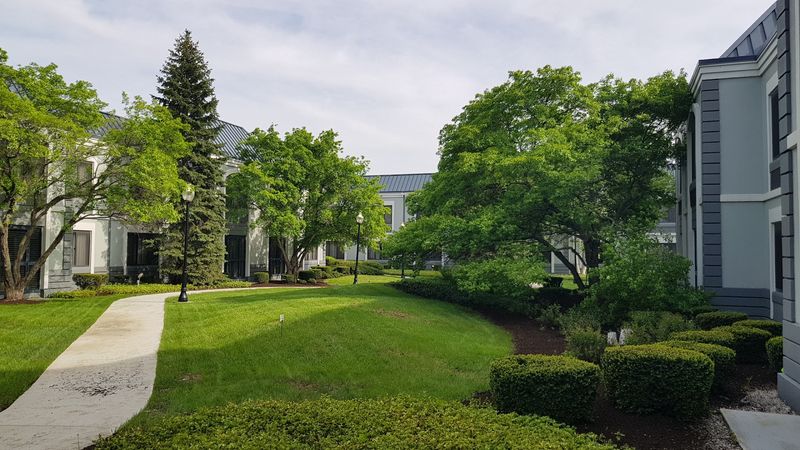
Shiny shopping corridors and newer neighborhoods have helped Novi become a magnet for buyers, and magnets rarely come cheap.
This Oakland County suburb has moved well beyond budget-friendly territory as demand keeps rising for its schools, amenities, and convenient location.
People are drawn to Novi for its mix of large homes, modern development, retail access, and strong regional connectivity.
That combination appeals to families and professionals alike, which means competition stays robust in both the resale and newer-construction segments of the housing market.
Prices reflect more than square footage here.
They also capture the premium attached to polished subdivisions, school reputation, and the kind of daily convenience that lets you run errands, reach work, and find dinner without turning life into a logistics contest.
Novi still offers a high-functioning lifestyle, and for many households that equation feels worth it.
But the affordable suburban stepping stone it may once have resembled is now mostly in the rearview mirror, replaced by a market that expects buyers to arrive financially warmed up.
10. Farmington Hills
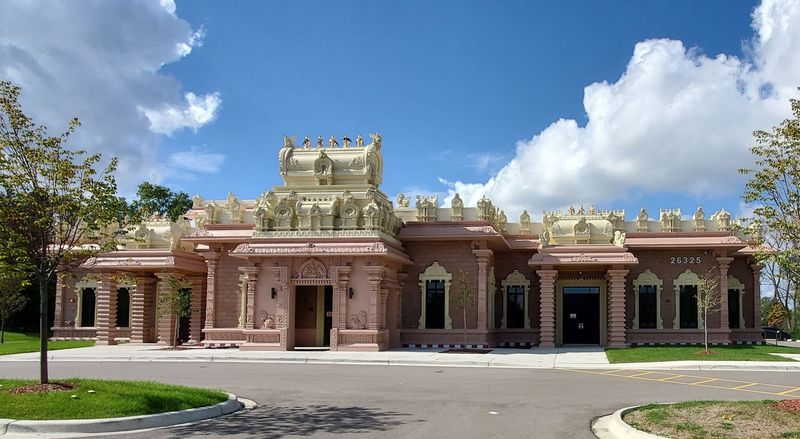
Mature trees and quiet streets can look deceptively modest, but Farmington Hills has become a much tougher buy than its understated vibe suggests.
This city long appealed to people who wanted space and stability without the highest Oakland County price tags, yet that advantage has narrowed considerably.
Its location, school options, and varied housing stock have kept demand steady among families and professionals looking for dependable suburban living.
As inventory tightens and buyers prioritize established neighborhoods with larger lots, prices have risen enough to challenge the notion that Farmington Hills remains a value-first destination.
Even homes that are not flashy can attract serious attention when they offer a good layout and a convenient commute.
That is the sneaky part of this market, because sensible places often become expensive precisely because so many people agree they make practical sense.
I would still call Farmington Hills livable and appealing, especially for buyers who want breathing room.
But budget-friendly is no longer the automatic label, and anyone house hunting here should expect numbers that feel more competitive than casual, even before negotiations begin.
11. Plymouth
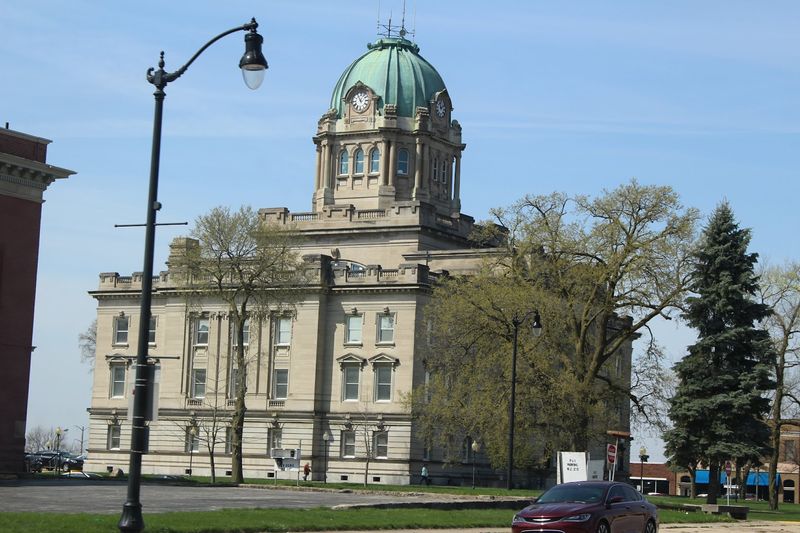
Few places package small-town charm as neatly as Plymouth, and that polished charm now carries a polished price.
With its beloved downtown, community events, and attractive neighborhoods, this Wayne County city has drifted far from the budget-friendly image some longtime observers still remember.
Walkability around Kellogg Park adds a premium, as do historic homes, local shops, and the kind of storybook setting buyers love.
Families also gravitate toward the broader area for schools and quality of life, which keeps competition firm when well-located properties hit the market.
The result is a community where even smaller homes can stretch budgets, especially if they have been updated.
Renting is not exactly a loophole either, because limited supply and strong demand make it harder to find a deal that matches the town’s otherwise relaxed pace.
Plymouth remains delightful, and I can see why people fall for it after one downtown stroll.
However, hoping that charm comes with a discount might not be the best idea, because the market has other ideas, and they are usually written in bold numbers on the listing sheet.
12. Holland – Ottawa County
Tulips, lake access, and postcard-pretty streets have helped make Holland a favorite, and favorites rarely stay cheap for long.
This Ottawa County community blends small-city comfort with vacation appeal, a combination that has steadily pushed housing costs above what many buyers once considered manageable.
Its attractive downtown, strong local identity, and proximity to Lake Michigan create broad appeal across age groups and income levels.
That demand intensifies during peak tourism seasons, while interest in second homes and desirable nearby neighborhoods can put additional pressure on prices and rental availability.
People come for the charm, but they stay for the lifestyle, and that lifestyle now costs more.
Homes near downtown, the waterfront, or scenic corridors often command notable premiums, leaving budget-minded shoppers to search farther out or compromise on size and updates.
Holland is still a wonderful place to visit and, if your finances allow, to call home.
But the era when it could be casually described as an affordable lakeshore gem has passed, carried away somewhere between the spring blooms and the latest listing escalation.