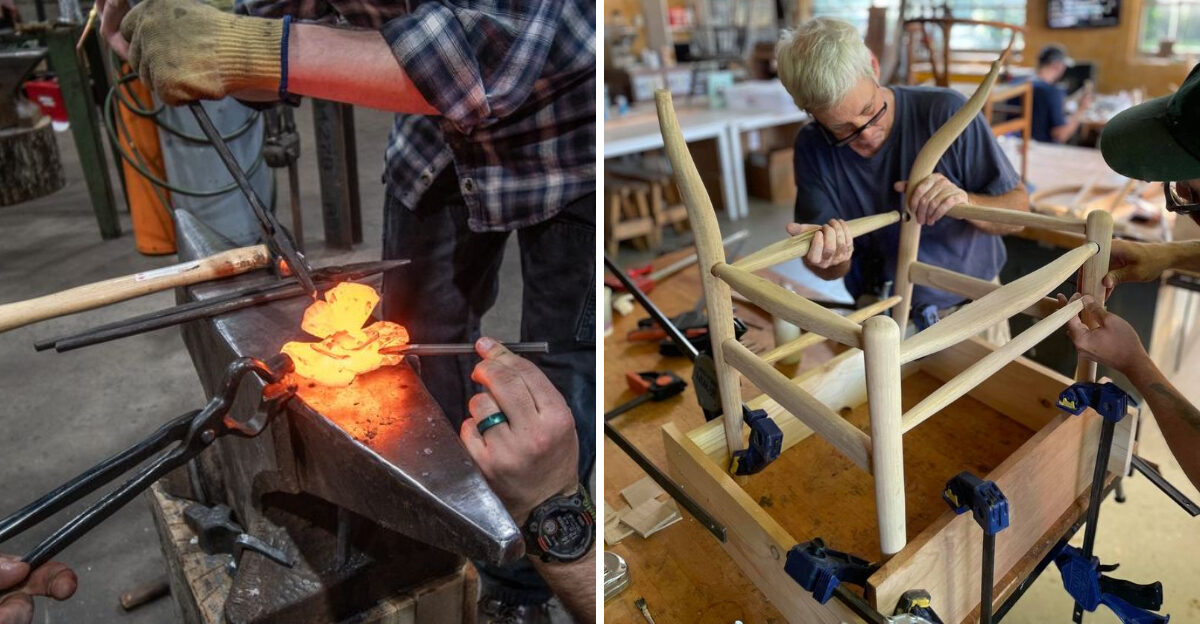
Forget watching someone else make something—Michigan is where you can get your own hands dirty.
Across the state, craft schools are keeping old-school skills alive with workshops that put you right at the workbench, pottery wheel, forge, or studio table.
We found places where you can hammer hot metal, shape stubborn clay, carve wood, twist fibers, and even work with molten glass.
These aren’t just quick demonstrations where you stand around taking pictures.
What makes these spots special is the feeling of making something yourself.
You might leave with a crooked first project, a few dusty clothes, and plenty of stories—but you’ll also leave knowing you actually made it.
From Detroit to northern Michigan, these 11 craft schools prove that learning a hands-on skill can be messy, satisfying, and downright addictive.
Michigan Folk School – Ann Arbor
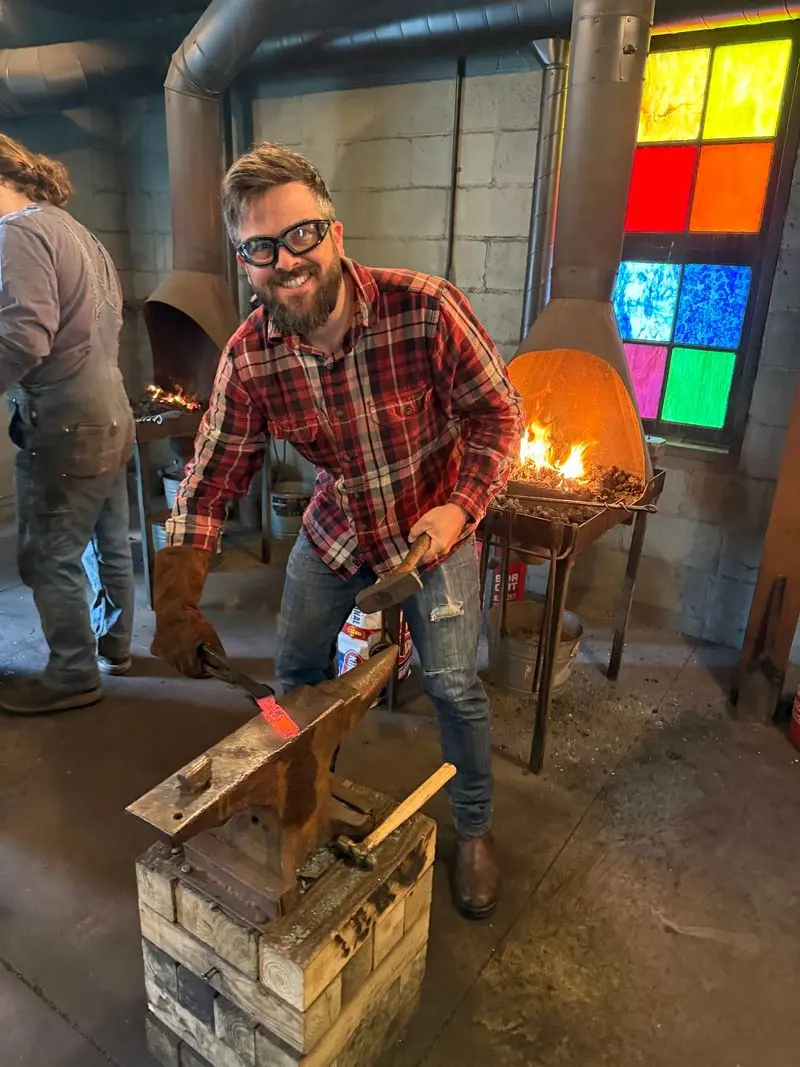
Walking into a blacksmithing class here feels like stepping back in time, except you’re the one holding the hammer. Michigan Folk School brings traditional crafts to life through classes in blacksmithing, bladesmithing, woodworking, fiber arts, and cooking.
The best part is that instructors don’t just demonstrate while you watch.
You actually get to practice the skills yourself from day one. In the blacksmithing program, beginners learn basic forging techniques and leave with a handmade S-hook they created themselves.
The workshops are designed for complete newcomers, so you don’t need any previous experience.
Classes cover a wide range of folk skills, meaning you can try something completely different each time you visit. The instructors have real expertise but explain everything in ways that make sense to beginners.
Located in Ann Arbor, this school has become a go-to destination for anyone curious about traditional crafts. It’s perfect for people who want to learn by doing rather than just reading or watching videos.
Sam Beauford Woodworking Institute – Adrian
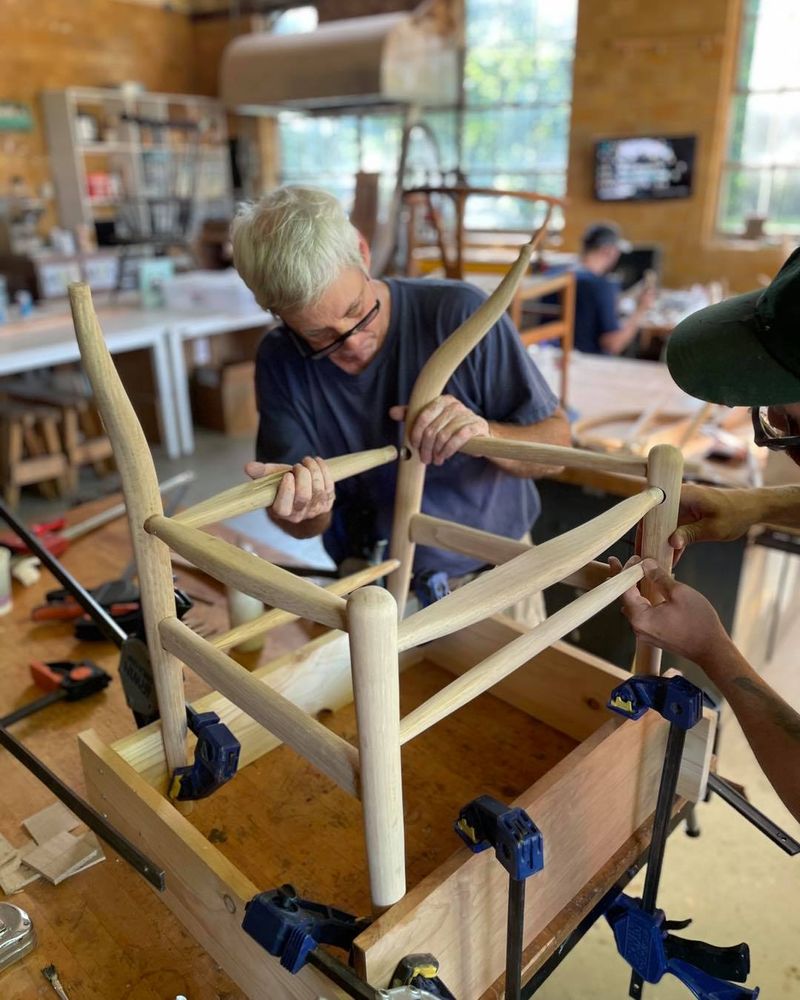
Most weekend craft classes barely scratch the surface, but this place takes woodworking seriously. Sam Beauford Woodworking Institute offers intensive, hands-on instruction in furniture making, timber framing, joinery, woodturning, carving, chairmaking, upholstery, and preservation.
Whether you’re a curious beginner or someone looking to advance existing skills, SBWI has programs that match your level.
The instructors here don’t rush through techniques or skip important details. They focus on teaching proper methods so students develop real competence with tools and materials.
Classes range from short workshops to longer courses that give you time to complete substantial projects.
Located in Adrian, Michigan, the institute attracts students who want more than a casual craft night experience. You’ll work alongside others who are equally committed to learning traditional woodworking methods.
The school’s reputation comes from its thorough approach and the quality of work students produce. If you’ve ever wanted to build actual furniture or understand how fine joinery works, this is where those goals become achievable.
Glass Academy – Dearborn
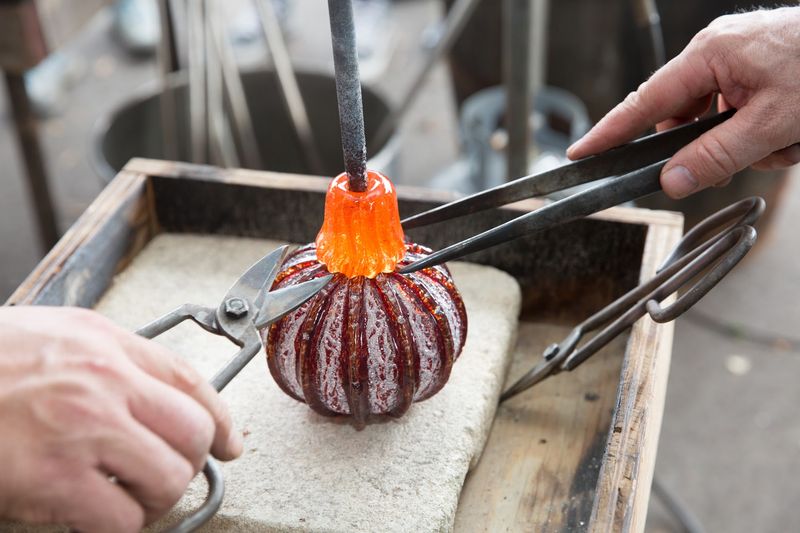
There’s something mesmerizing about watching molten glass change shape, but it’s even better when you’re the one shaping it. Glass Academy in Dearborn offers hands-on experiences where participants work with actual molten glass under careful instructor guidance.
Few Michigan craft schools put you this close to such an intense, dynamic material.
Entry-level classes teach you about the glassmaking process while letting you create your own pieces. Instructors stay right beside you, making sure you understand both the safety aspects and the creative possibilities.
The experience feels completely different from pottery or woodworking because glass behaves in its own unique way.
Working with material that glows orange-hot and requires constant movement creates an exciting challenge. You’ll learn how temperature, timing, and technique all affect the final piece.
The academy welcomes beginners who have never touched glass before. Classes are structured so everyone gets individual attention and support.
If you want a craft experience that combines art with a bit of controlled danger, glassblowing delivers that combination perfectly.
Pewabic Pottery – Detroit

Getting clay under your fingernails at one of Detroit’s most respected ceramic institutions is an experience you won’t forget. Pewabic Pottery has been a Detroit landmark since 1903, and today it offers classes where regular people can learn the same techniques that made it famous.
Classes cover wheel throwing, handbuilding, tile making, glazing, and specialty ceramic techniques.
The instructors understand that working with clay takes patience and practice. They create a supportive environment where mistakes become learning opportunities.
You can take shorter tile-glazing workshops if you want a quick introduction, or commit to longer courses that develop your skills over several weeks.
The historic building itself adds to the experience, connecting you to over a century of ceramic tradition. Working in the same space where master craftspeople created beautiful tiles and vessels feels inspiring.
Pewabic’s glazes are particularly famous for their rich, unique colors. Beginners get to experiment with these glazes and discover how different techniques create different effects.
This place proves that getting elbow-deep in clay is both messy and magical.
Lansing Makers Network – Lansing
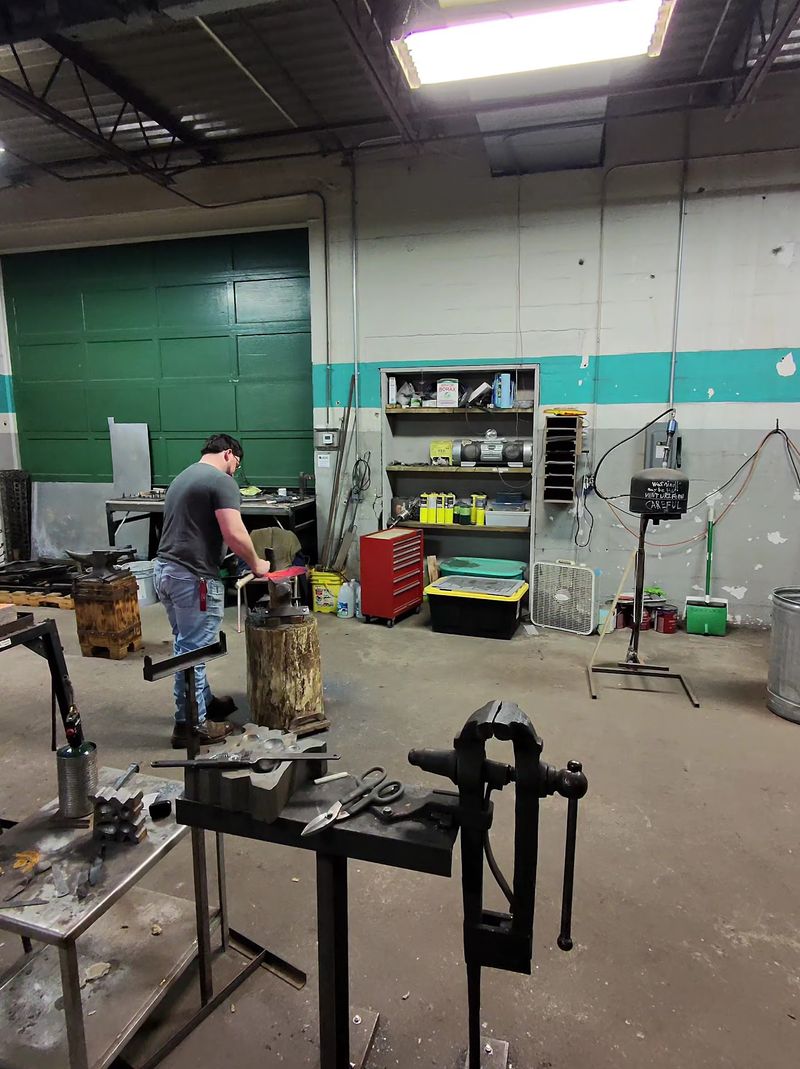
Can’t decide which craft to try first? Lansing Makers Network solves that problem by bringing several hands-on disciplines under one roof.
This makerspace offers classes in woodworking, blacksmithing, glass bead flameworking, and digital fabrication. Each beginner workshop is designed around completing an actual project, so you leave with something you made.
The variety here makes it perfect for people still exploring their interests. You might discover that blacksmithing excites you more than woodworking, or that flameworking glass beads becomes your new obsession.
All the workshops emphasize practical skills rather than just theory.
Instructors focus on safety and basic techniques before moving to creative aspects. The community atmosphere encourages learning and experimentation.
Members share knowledge and help each other troubleshoot challenges. Located in Lansing, this network provides access to tools and equipment that would be expensive to buy individually.
Taking classes here lets you try different crafts without committing to a single path. It’s an excellent starting point for anyone curious about making things but unsure where to begin.
Pentwater Artisan Learning Center – Pentwater
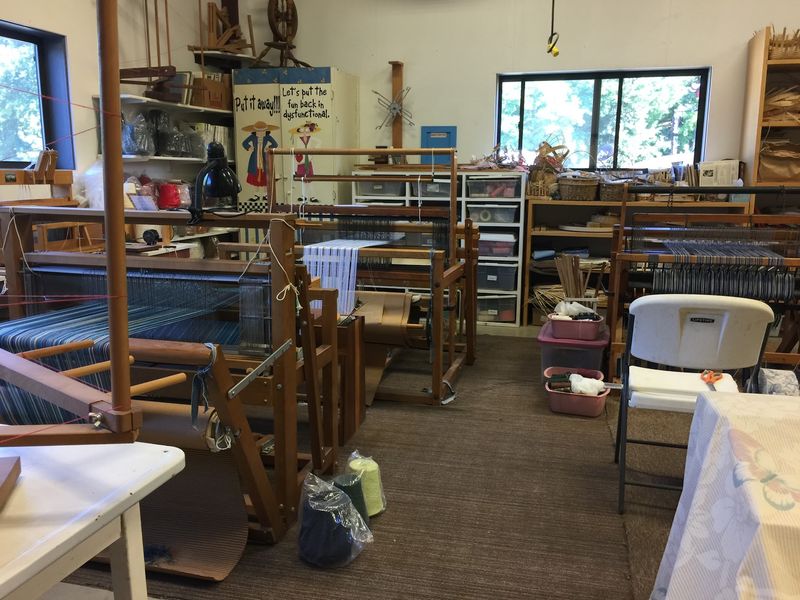
Picture a nearly 11,000-square-foot facility filled with people learning and creating together, and you’ll understand what makes this place special. Pentwater Artisan Learning Center runs on volunteer support and community spirit.
The center includes dedicated spaces for woodworking, metalworking, pottery, weaving, basket making, glass crafts, and painting.
What stands out is the collaborative atmosphere where experienced makers help newcomers discover their creative abilities. You’re not just taking a class; you’re joining a community of people who value traditional making skills.
The variety of crafts available means you can explore multiple disciplines in one location.
Classes emphasize hands-on practice over lectures. Instructors share techniques passed down through generations while encouraging students to develop their own styles.
The volunteer-based model keeps costs reasonable while maintaining quality instruction. Located in Pentwater, the center has become a gathering place for anyone interested in artisan crafts.
Whether you want to weave a basket, throw a pot, or work with metal, you’ll find space and support here. The emphasis on making things together creates friendships alongside finished projects.
Glen Arbor Arts Center – Glen Arbor
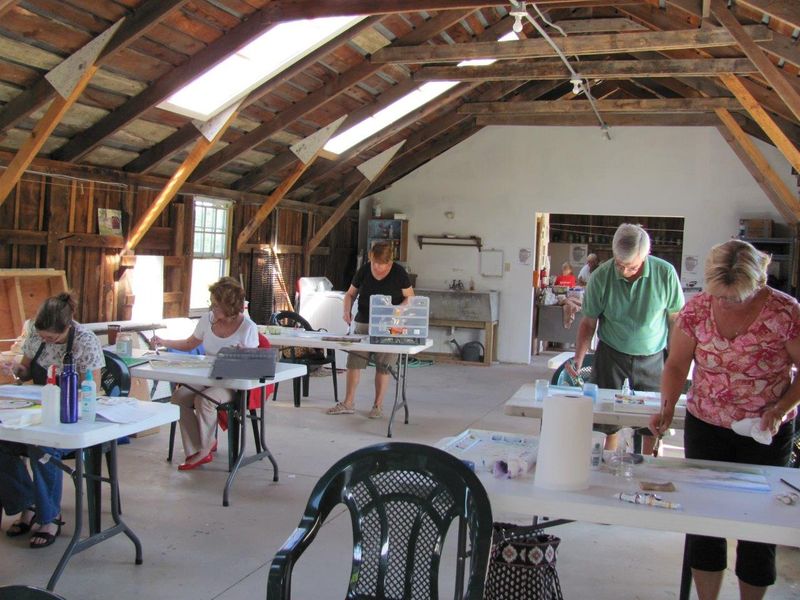
Northern Michigan’s art scene comes alive at this community center where making art matters more than just viewing it. Glen Arbor Arts Center goes beyond gallery exhibitions by offering hands-on workshops in pottery on the wheel, Raku pottery, carved pottery, weaving, woodcut printing, and needle felting.
The schedule rotates through different craft-oriented workshops throughout the year.
Set in the charming town of Glen Arbor, the center makes an excellent addition to a creative weekend getaway. You can take a pottery class in the morning and explore nearby beaches or hiking trails in the afternoon.
The Raku pottery workshops are particularly popular because they involve dramatic outdoor firings that create unique finishes.
Instructors bring professional expertise but maintain a welcoming, relaxed teaching style. Classes accommodate various skill levels, from total beginners to people with some experience.
The center’s location in a vibrant arts community means you’ll find inspiration everywhere you look. Other local galleries, studios, and shops reinforce the creative atmosphere.
Taking a class here combines skill-building with a mini-vacation in one of Michigan’s most beautiful regions.
Holland Area Arts Council – Holland

Holland’s arts scene includes a standout ceramics program where beginners transform lumps of clay into finished pieces. Holland Area Arts Council operates a fully equipped studio where students learn handbuilding, wheel throwing, glazing, and firing techniques.
The program welcomes people who have never touched clay before and guides them through each step of the creative process.
What makes this council particularly valuable is its comprehensive approach to teaching. Instructors don’t assume you know anything about ceramics; they start with basics and build from there.
The studio provides all necessary equipment and materials, so you don’t need to invest in tools before discovering if pottery suits you.
Beyond ceramics, the council offers hands-on workshops in other artistic media. This variety means you can explore different creative outlets without traveling to multiple locations.
Classes happen in a supportive environment where questions are encouraged and mistakes are treated as learning opportunities.
Located in Holland, Michigan, the council serves as a creative hub for the community. Regular class schedules make it easy to fit art-making into your routine.
Whether you want to try something new or develop existing interests, this place provides structure without pressure.
Paint Creek Center for the Arts – Rochester
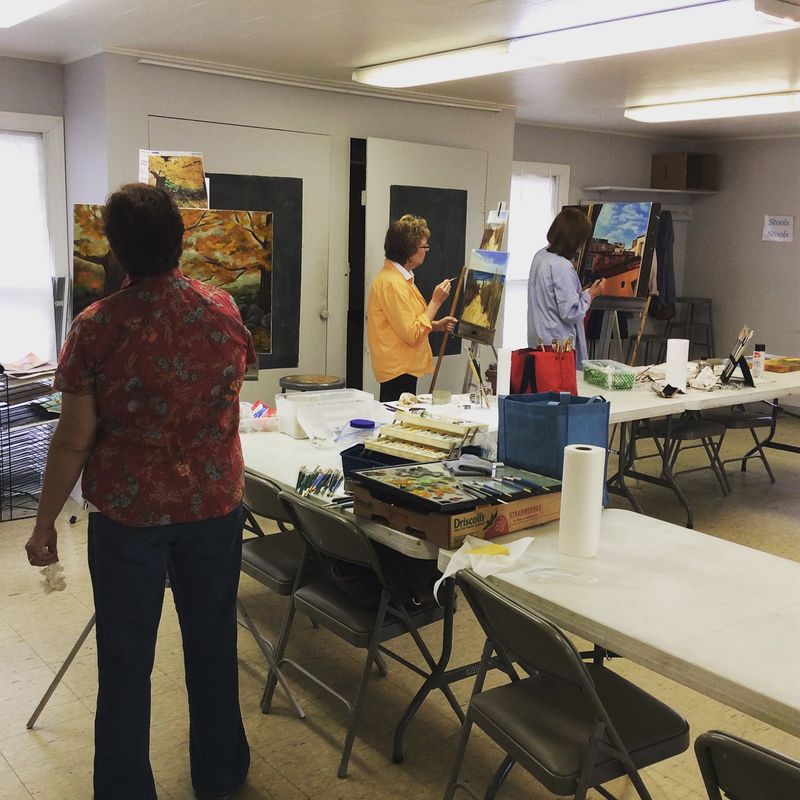
Southeast Michigan residents looking for structured craft instruction without professional trade school commitment should know about this place. Paint Creek Center for the Arts offers classes in ceramics, multimedia, printmaking, photography, drawing, and other studio arts.
Programs serve both first-time makers and experienced artists looking to refine their skills.
The center strikes a nice balance between casual recreation and serious skill development. You can take a single workshop to try something new or enroll in multi-week courses that allow deeper exploration.
Instructors bring professional backgrounds but teach in accessible, encouraging ways.
Located in Rochester, the facility provides dedicated studio spaces with proper equipment for different artistic disciplines. The ceramics program includes wheels, kilns, and glazing materials.
Printmaking studios have presses and tools for various printing techniques. Having access to specialized equipment makes a huge difference in what you can accomplish.
Classes run throughout the year with different seasonal offerings. The center also hosts exhibitions that showcase student and professional work, providing inspiration and context for your own creative efforts.
It’s an excellent resource for anyone wanting to develop artistic skills in a supportive, well-equipped environment.
Artfire Michigan – Leslie
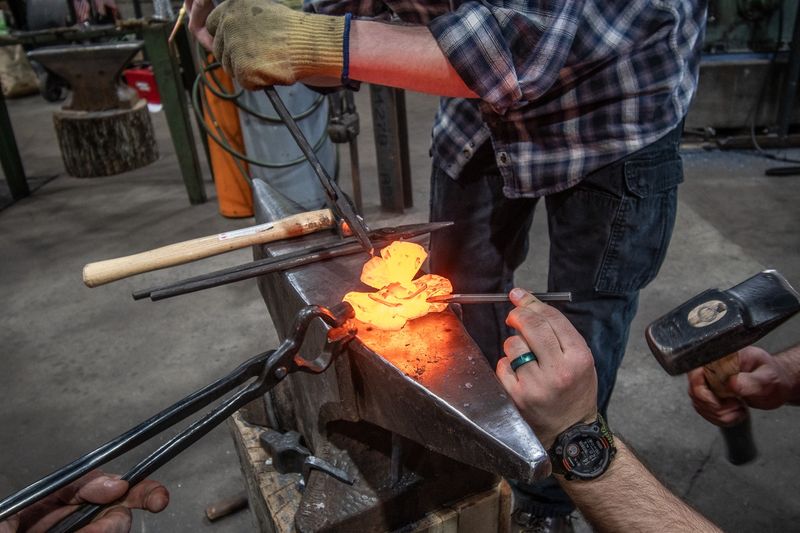
Heat, hammers, and red-hot metal create an unforgettable introduction to traditional blacksmithing at this Leslie-based workshop. Artfire Michigan specializes in blacksmithing and traditional fire arts, teaching skills that humans have practiced for thousands of years.
The beginner First Start workshop covers tool use, safety protocols, and basic smithing techniques while giving newcomers hands-on experience working actual metal.
Unlike crafts that happen at room temperature, blacksmithing involves literal fire and force. You’ll heat metal in a forge until it glows, then shape it with hammer strikes on an anvil.
The physical nature of the work makes it especially satisfying when you successfully create something.
Instructors emphasize safety first, ensuring everyone understands how to work around high heat and heavy tools. Once safety basics are clear, they guide students through their first forging projects.
Watching metal become malleable under heat, then harden as it cools, demonstrates fascinating material properties.
The workshop atmosphere encourages questions and experimentation. Blacksmithing requires practice to develop rhythm and technique, but even beginners can create functional items.
If you’ve ever been curious about this ancient craft, Artfire Michigan provides a thorough, accessible introduction.
ClaySpace – Traverse City
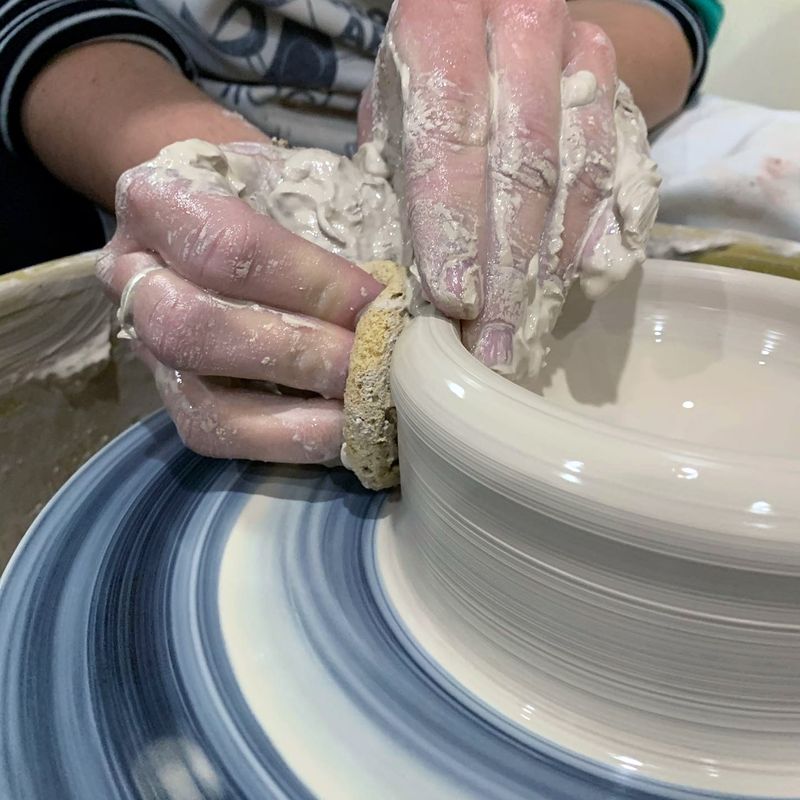
Northern Michigan finally has a dedicated pottery studio where your hands actually touch the spinning wheel. ClaySpace in Traverse City focuses specifically on ceramic arts, providing space and instruction for people who want to work with clay.
The Try-It Wheel classes offer quick introductions to wheel throwing, perfect for curious beginners who want to see if pottery interests them.
Longer adult courses allow students to develop skills over multiple weeks. These extended classes include studio access for additional practice between sessions, which makes a real difference in skill development.
Pottery requires muscle memory that only comes from repeated practice, and having studio access helps you progress faster.
The instructors understand that throwing on the wheel takes time to master. They break down the process into manageable steps and provide individual feedback.
You’ll learn how to center clay, open it up, and shape walls into functional or decorative forms.
Located in Traverse City, ClaySpace fills a need for hands-on ceramic instruction in the region. The dedicated focus on pottery means all the equipment and expertise centers on clay arts.
Whether you take one trial class or commit to ongoing study, you’ll leave with clay-stained hands and new appreciation for this ancient craft.