Michigan farm country is full of places where the state’s past still feels alive in the present. You can sip cider where apples are pressed, wander old barns packed with tools, and see how modern growers keep long traditions going.
Some stops are deeply documented, while a few are more local and elusive, which honestly makes the hunt feel even more interesting. If you want an agricultural road trip with equal parts history, flavor, and character, these destinations are worth your map space.
Blake’s Orchard & Cider Mill (Armada)
If you want a farm visit that feels rooted in tradition but never stuck in the past, Blake’s Orchard & Cider Mill is such an easy pick. Established in 1946, this Armada favorite grew from a family farm into a much larger operation, yet the original charm still comes through.
You can watch cider culture in action, wander the orchard, and feel the rhythm of a place that truly knows its seasons.
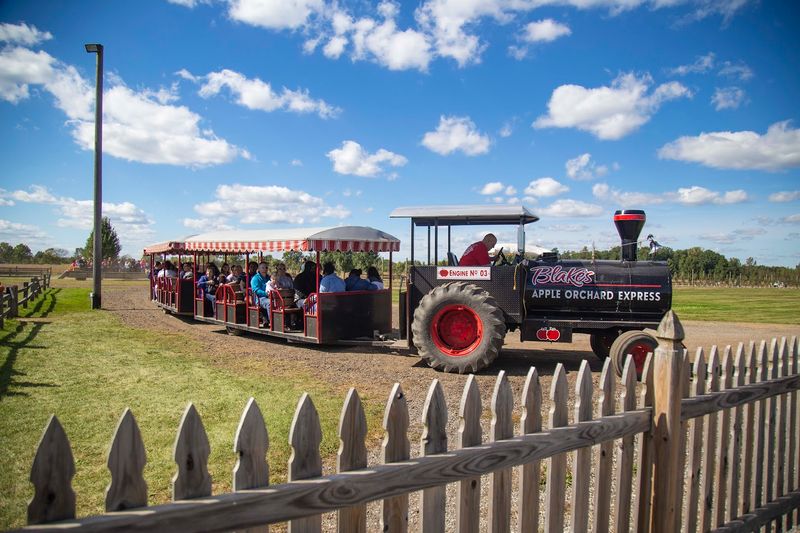
I love that the experience here layers old-school farm fun with modern Michigan flavor. You get tractor rides, seasonal u-pick produce, and the kind of fresh apples that make the whole trip smell better.
Then there is the tasting room and restaurant, where hard cider, beer, and wine turn the day into something that feels both nostalgic and current.
For anyone curious about how agricultural heritage evolves instead of disappearing, this stop tells that story beautifully. You are not just visiting a farm.
You are stepping into a living family business.
Pond Hill Farm (Harbor Springs)
If you like farm stops that offer more than one kind of experience, Pond Hill Farm is an easy one to remember. Set on 173 acres near Harbor Springs, it balances working farmland with a welcoming, polished feel.
The place feels lively without losing the grounded character that makes Michigan farm visits so appealing.
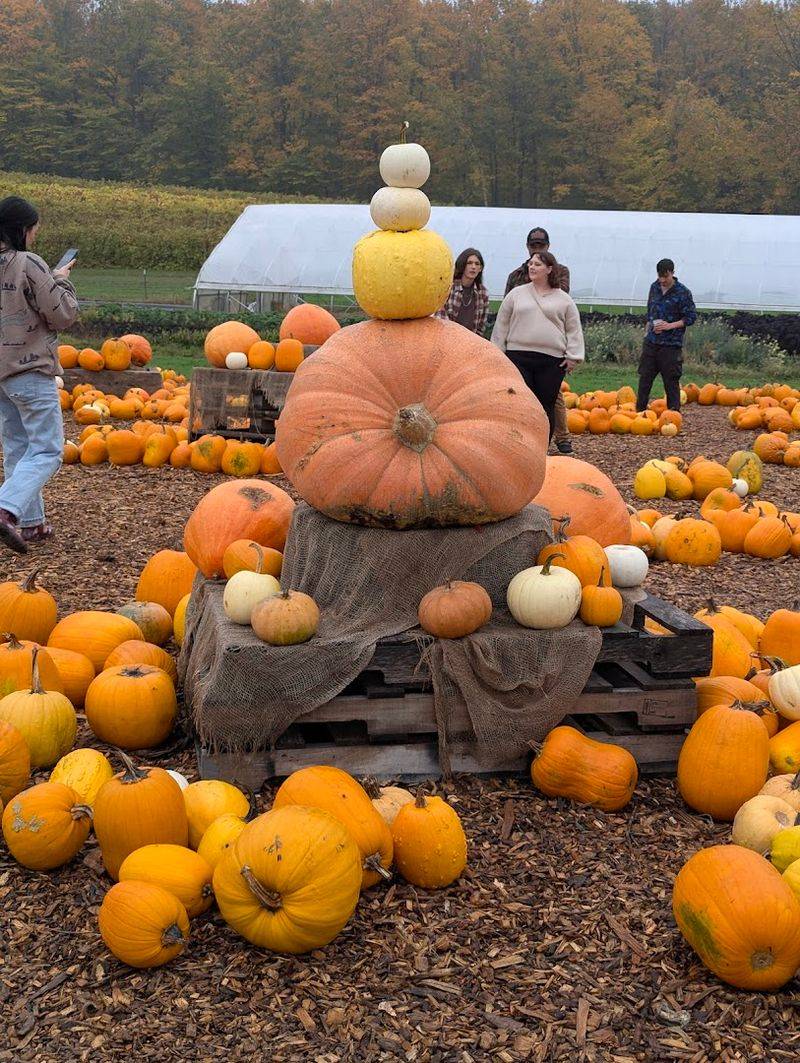
You can browse the market, visit the barn, and head from the greenhouses to the cafe, winery, or brewery without feeling rushed. Seasonal events keep things fresh, and the famous Squash Rocket gives the visit a twist.
It is a destination that shows agricultural heritage can stay rooted while feeling fun.
Wolcott Mill Metropark (Ray)
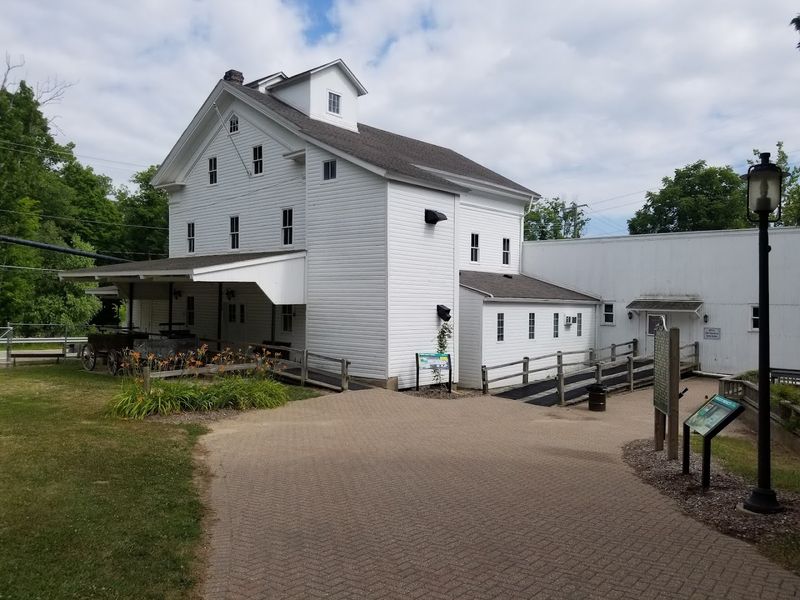
Wolcott Mill Metropark is one of those places where Michigan’s agricultural story suddenly feels tangible instead of abstract. Spanning 2,625 acres, it offers a working historic dairy farm, open landscapes, and an 1847 grist mill that anchors the entire experience in real pioneer-era infrastructure.
If you like seeing history in motion rather than behind glass, this stop delivers that beautifully.
The dairy farm alone makes it worth the trip. It is known for housing all six heritage breeds of dairy cattle, which gives you a rare chance to connect old livestock traditions with present-day education.
Barn tours, farm animals, and displays of antique equipment help paint a fuller picture of the labor, ingenuity, and daily routines that shaped rural Michigan.
Then there is the grist mill, one of the last surviving examples of its kind from the 1800s in America. That detail gives the whole visit extra weight.
You are not just sightseeing – you are stepping into an agricultural system that once fed communities.
Waterloo Farm Museum & Dewey School (Grass Lake)
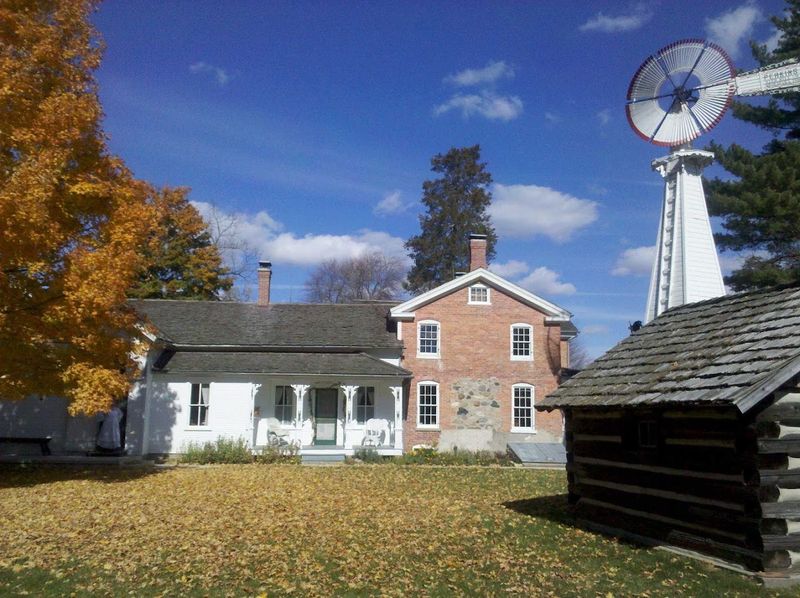
Waterloo Farm Museum makes you slow down in the best possible way. In Grass Lake, this restored nineteenth-century farmstead invites you into a version of rural Michigan where every building had a job and every tool had a story.
Instead of broad nostalgia, you get wonderfully specific details – a farmhouse begun in 1855, a windmill, a forge, and a working brick oven.
That specificity is what makes the site so absorbing. You can move from the main farm complex to spaces that reveal how food was prepared, equipment was repaired, and chores shaped everyday life across the seasons.
The nearby Dewey School adds another layer, reminding you that agricultural communities were built not only by fields and barns, but by classrooms, routines, and local connections.
I think this stop works especially well for travelers who want context, not just scenery. It shows agriculture as a whole way of life.
You leave with a clearer picture of how Michigan’s rural families lived, worked, learned, and adapted over time.
Rentschler Farm Museum (Saline)
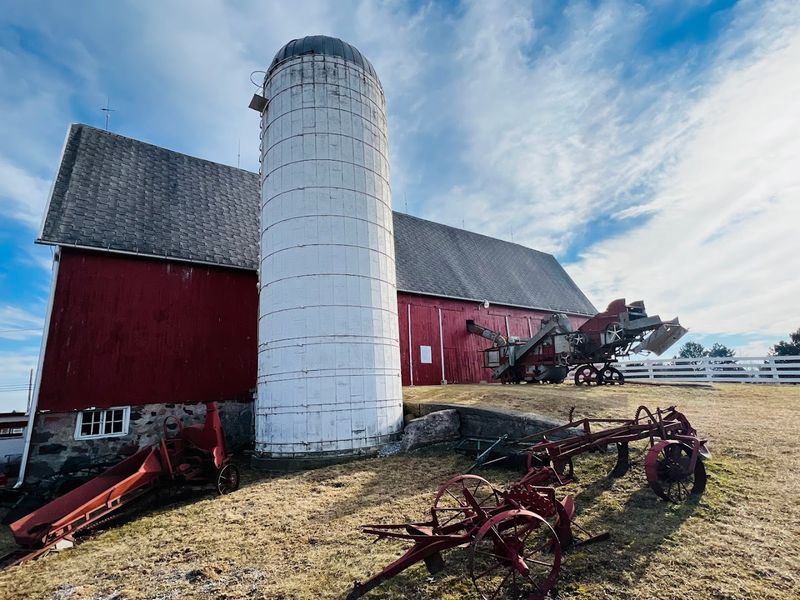
Rentschler Farm Museum is the kind of place that quietly proves how much history can fit on a few acres. In Saline, this preserved farmstead holds onto four generations of one family’s agricultural life, turning a historic property into a remarkably personal window on regional farming.
The 1906 farmhouse immediately sets the tone, giving the whole visit a lived-in, human scale.
What stays with you here is the completeness of the setting. Eleven outbuildings, from practical work spaces to animal structures, help you understand how a farm functioned as a tightly organized system rather than a single postcard barn.
Antique tractors and equipment add another layer, showing the gradual shift from hand labor toward mechanized work without losing sight of the people behind it.
Because the site focuses strongly on the 1900 to 1950 period, it feels especially useful for anyone trying to picture Michigan agriculture in transition. You are not just admiring preservation.
You are seeing how family farming adapted, endured, and shaped local identity.
Country Dairy Farm Store (New Era)
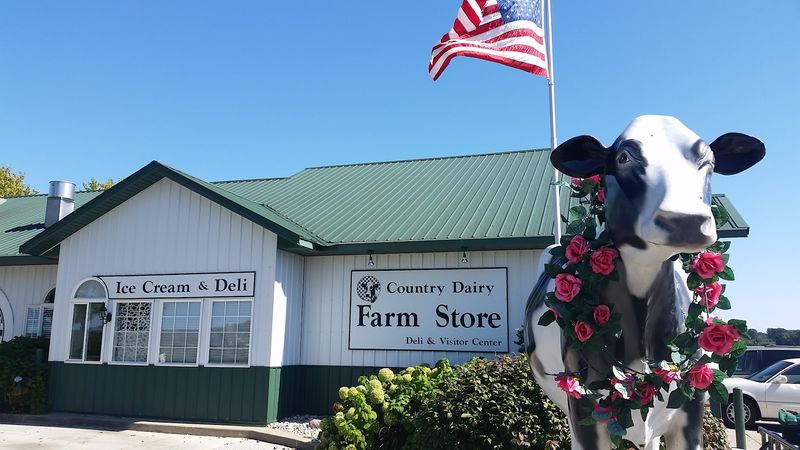
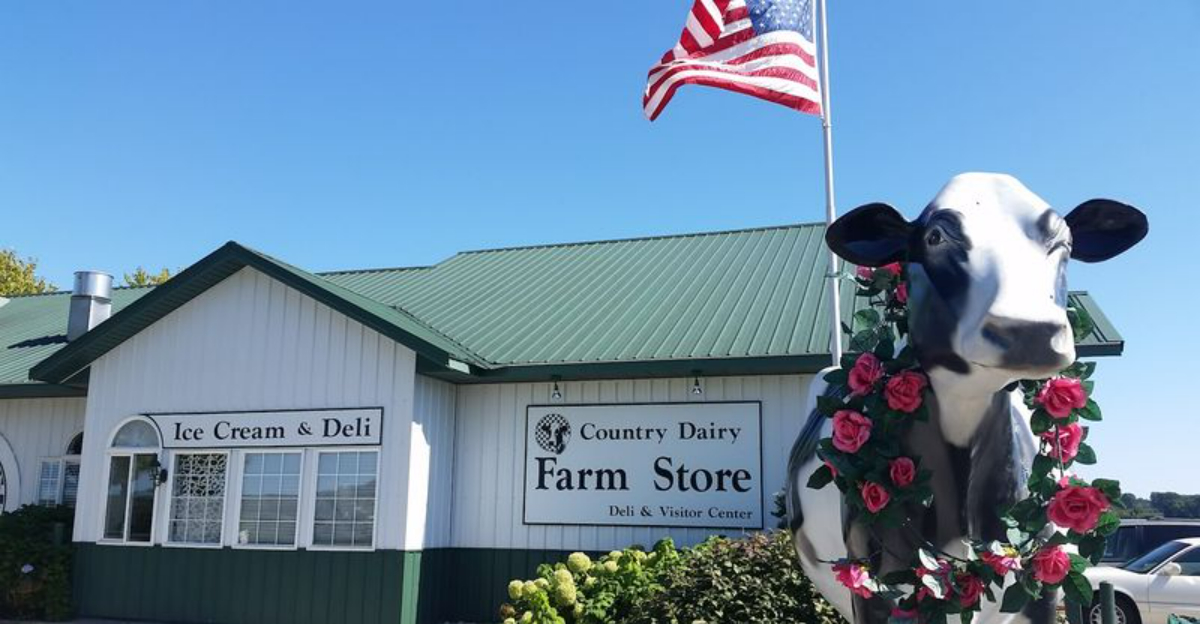
If you are curious about how a modern dairy still feels deeply tied to Michigan’s farming roots, Country Dairy Farm Store makes a memorable stop. This working New Era farm opens the door to guided tours, giving you a close look at the daily rhythm behind milk production.
The experience feels educational without ever turning dry.
You can see the barns, learn how the herd is cared for, and then head to the store for fresh products made right on-site. That farm-to-table connection is what makes the visit stick with you.
It is a practical, welcoming reminder that agricultural heritage is still very much alive here.
Uncle John’s Cider Mill (St Johns)
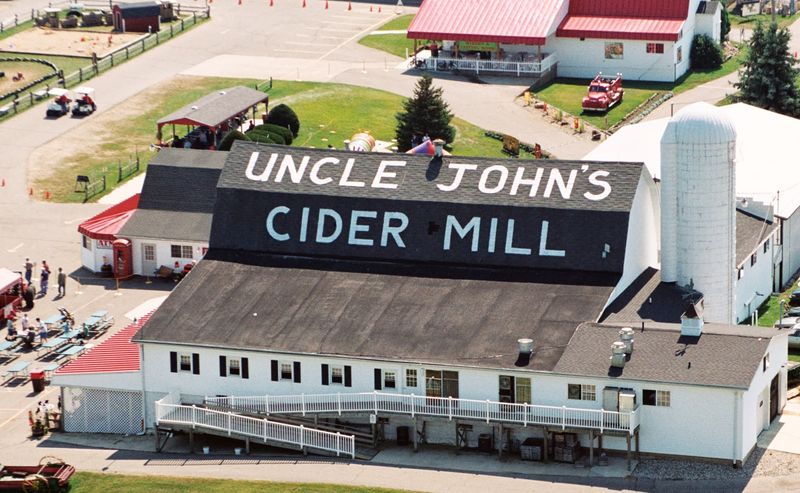
If you are looking for a place that captures Michigan’s apple country spirit without feeling overly polished, Uncle John’s Cider Mill fits beautifully. This longtime St Johns destination blends orchard views, fresh cider, and harvest season traditions in a way that feels genuinely tied to the land.
The farm’s apples, baked goods, and family activities make it easy to see how fruit farming became such a defining part of the state’s agricultural story.
Come in the fall and you will understand its appeal right away, but even beyond the crowds, its staying power comes from honoring a farm legacy people still want to experience.
De Vor Dairy Farm & Creamery (Kalkaska)
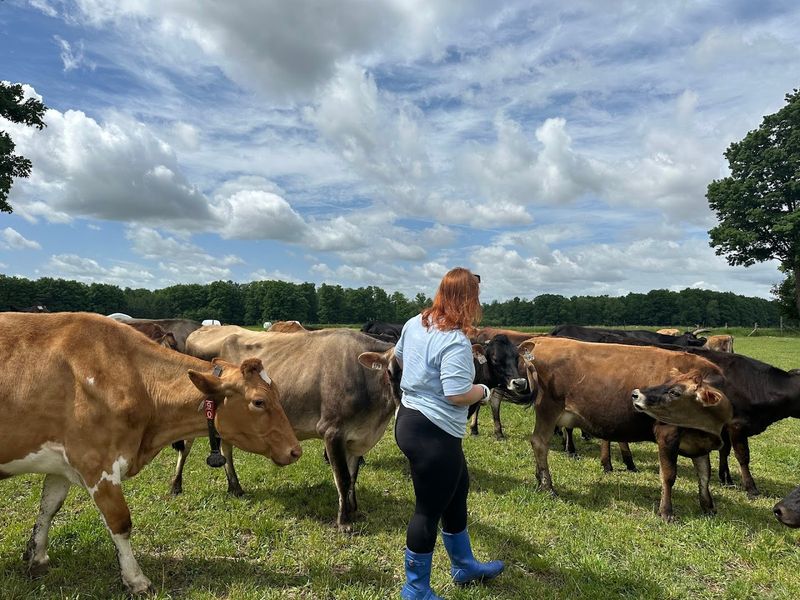
If you’re drawn to the quieter side of Michigan farm life, De Vor Dairy Farm & Creamery feels like a rewarding detour. This family-run Kalkaska dairy gives you a closer look at the kind of daily work and steady care that have long defined the state’s agricultural backbone.
The glass-bottled milk alone adds a nostalgic touch, but it is the sense of continuity that really stays with you.
Stop by the farm store and you get more than dairy products – you get a connection to northern Michigan’s rural traditions. It is a place to see how heritage and farming still go hand in hand.
Guntzviller’s Berry Farm (Northport)
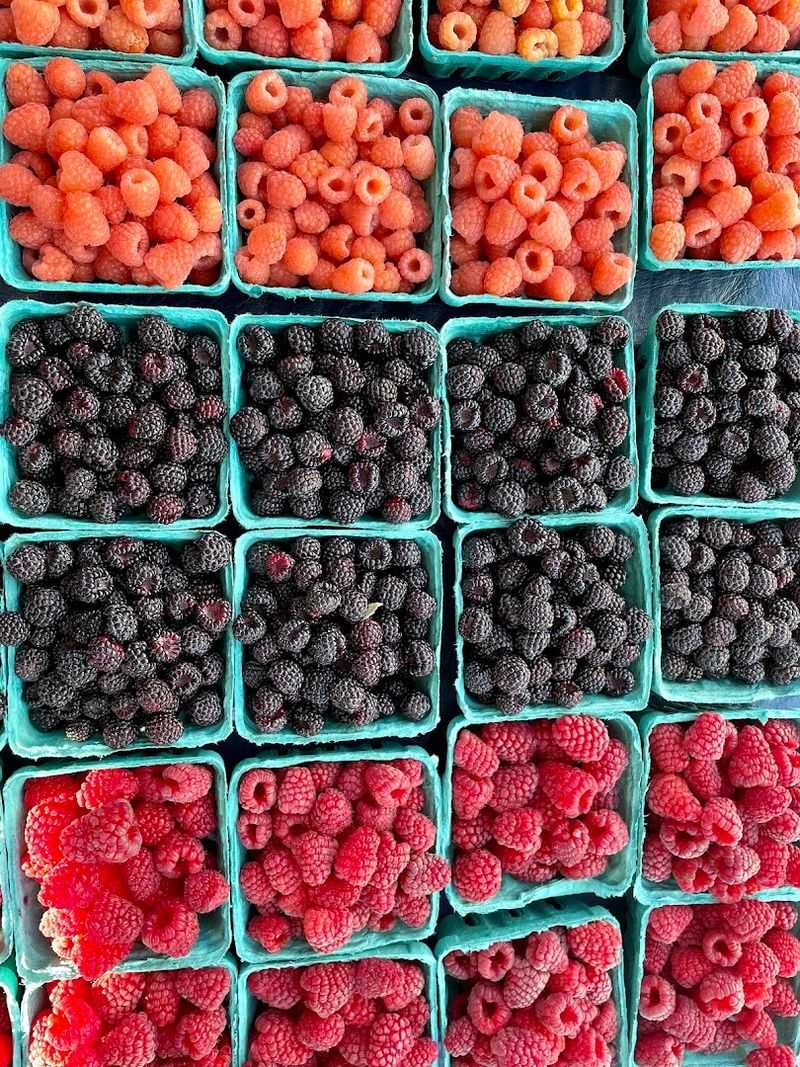
Guntzviller’s Berry Farm belongs on a Michigan agriculture itinerary because berry picking can tell you as much about regional heritage as any barn museum. Current information places the farm in Williamsburg rather than Northport, but it still fits the broader fruit-belt story of northern Michigan.
That region’s climate, soils, and growing traditions have made seasonal fruit farms part of everyday culture for generations.
What makes a berry farm especially appealing is how immediate the connection feels. You are not looking at agriculture from a distance – you are stepping into rows, filling containers, checking ripeness with your own hands, and leaving with something fragile and seasonal that cannot be separated from place.
A roadside market adds to that pleasure, turning the visit into both an outing and a very practical source of local produce.
I think this kind of stop balances the heavier historical sites on the list. It shows heritage through repetition instead of restoration.
Families return, crops ripen, the market opens, and another season folds neatly into the long agricultural rhythm of northern Michigan.
MSU Tollgate Farm and Education Center (Novi)
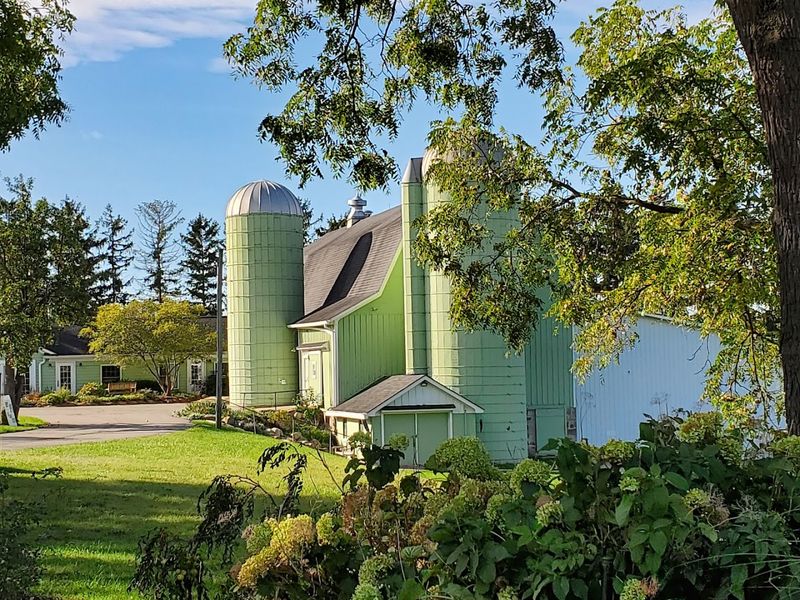
If you’re looking for a place where Michigan’s agricultural story feels active and useful, MSU Tollgate Farm and Education Center is a smart stop. This historic Novi farm blends working fields, teaching gardens, and livestock programs in a way that never feels staged.
You get the sense that farming here is something to learn from, not just admire.
Because it’s tied to Michigan State University, the experience carries extra depth without losing its welcoming feel. Seasonal events and youth programs connect old farm traditions with the people keeping them alive today.
It is the kind of destination that shows heritage still growing.
Fruit Ridge Hayrides (Kent City)
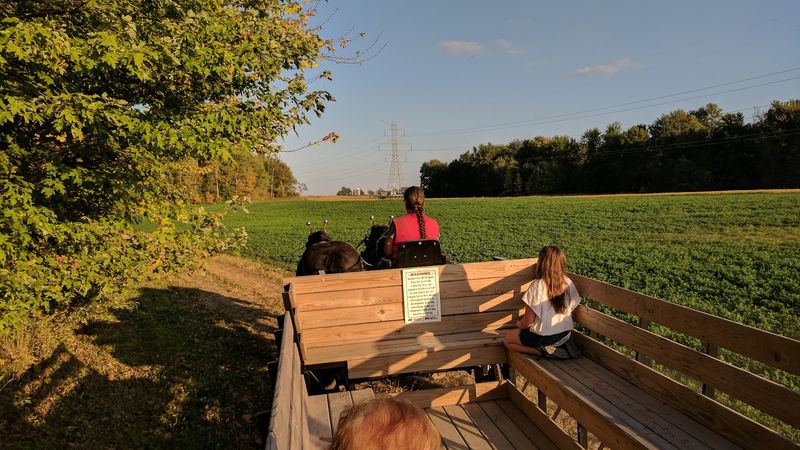
If you want a farm stop that captures the spirit of West Michigan’s orchard country, Fruit Ridge Hayrides feels like a natural fit. Set along the famed Fruit Ridge, it gives you a close look at one of the state’s most productive growing regions.
The setting alone tells a bigger story about how deeply fruit farming shapes this landscape.
You can climb aboard a hayride, wander the orchards, and pick apples in season. Harvest activities bring extra energy, but the visit still feels tied to generations of family agriculture.
It’s the kind of place that makes Michigan’s farming heritage feel vivid and wonderfully alive.