

Looking for a place where kids can get messy with science, launch air rockets, and actually feel how pulleys multiply force?
Ann Arbor Hands-On Museum delivers colorful, four-story fun with 250 plus exhibits that invite curiosity to take the lead.
You will find water tables, sound labs, electricity play, and even an ambulance to explore.
Plan a visit and watch learning click the moment your child twists a knob, spins a gear, or lifts a friend with a simple machine.
Rocket Launch Station
Ready to feel lift-off? At the Rocket Launch Station, kids pump air into foam rockets and send them skyward while a height scale shows just how far the thrust carries each launch.
You can tweak angle, pressure, and fins to test what truly affects distance and flight stability.
The beauty here is learning by trying. After a few launches, kids start using words like force, drag, and trajectory without needing a lecture.
Staff keep it safe and playful, and you will see plenty of proud faces comparing heights and cheering for new personal bests.
If you want a quick challenge, try a mini design contest to see which fin shape travels higher. Bring a phone to film slow-motion launches so kids can analyze angles later.
It is pure delight wrapped in a physics lesson, perfect for mixed ages who love to move.
Real Pulley Power Zone
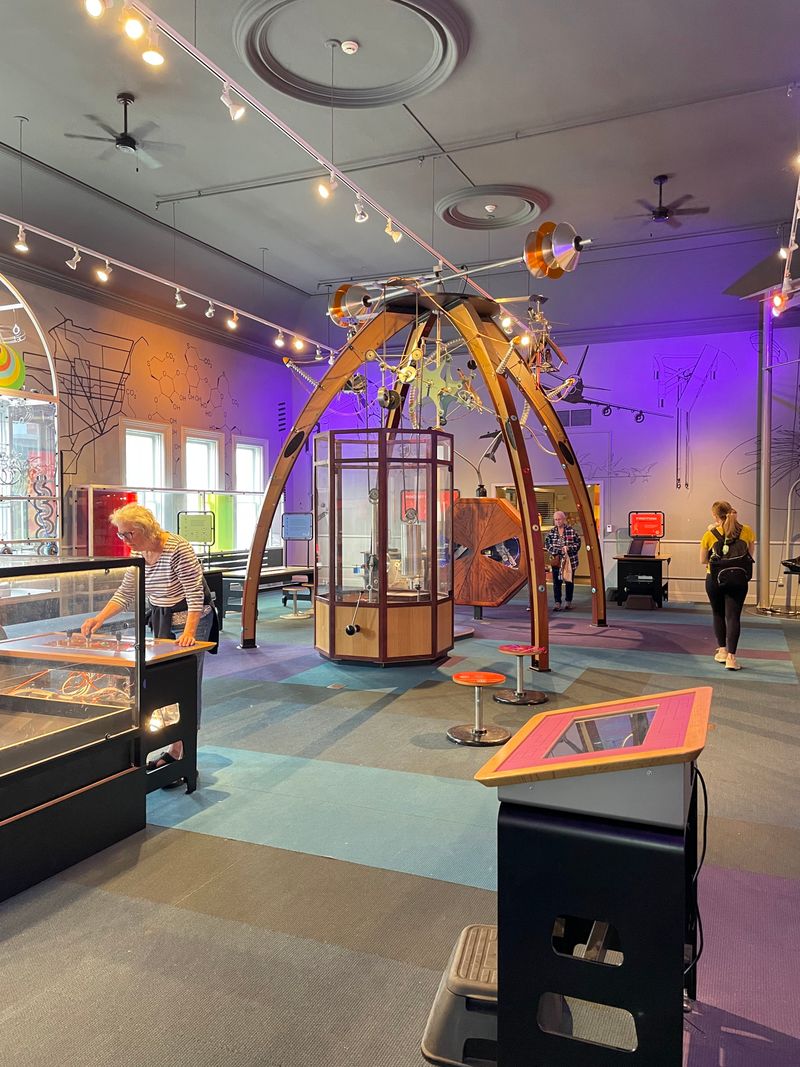
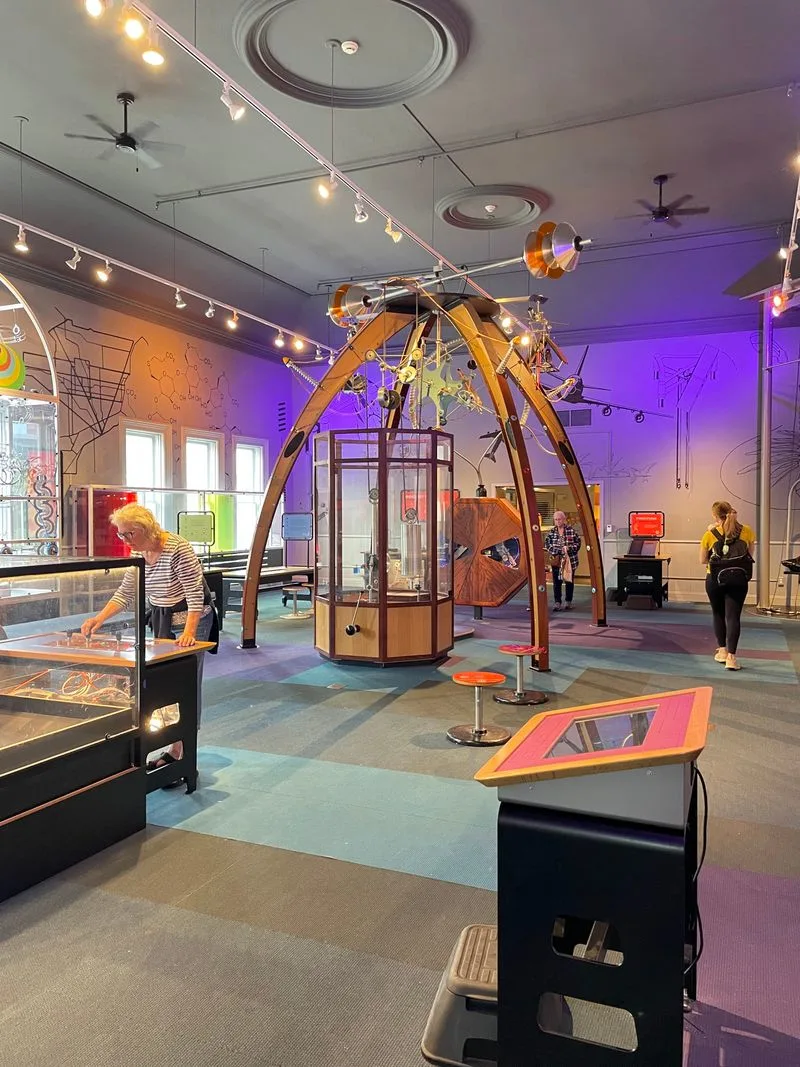
In the Real Pulley Power Zone, kids learn how a simple machine turns small effort into big lift. You can try single, double, and compound pulleys, then feel the difference as the rope glides and the load rises.
The labels show mechanical advantage, but the aha moment comes from your hands.
Kids love testing who can hoist a weight fastest, then discovering more pulleys mean less force but longer rope. That tradeoff makes perfect sense after a few pulls.
It is active problem solving with instant feedback, so even reluctant learners lean in and try again.
Challenge your crew to predict which setup will be easiest, then measure how many pulls it takes. Talk about where pulleys show up in daily life, from flagpoles to theater rigs.
You will leave with stronger arms, a stronger grasp of physics, and a few new inside jokes about teamwork.
H2Ohhh Water Works
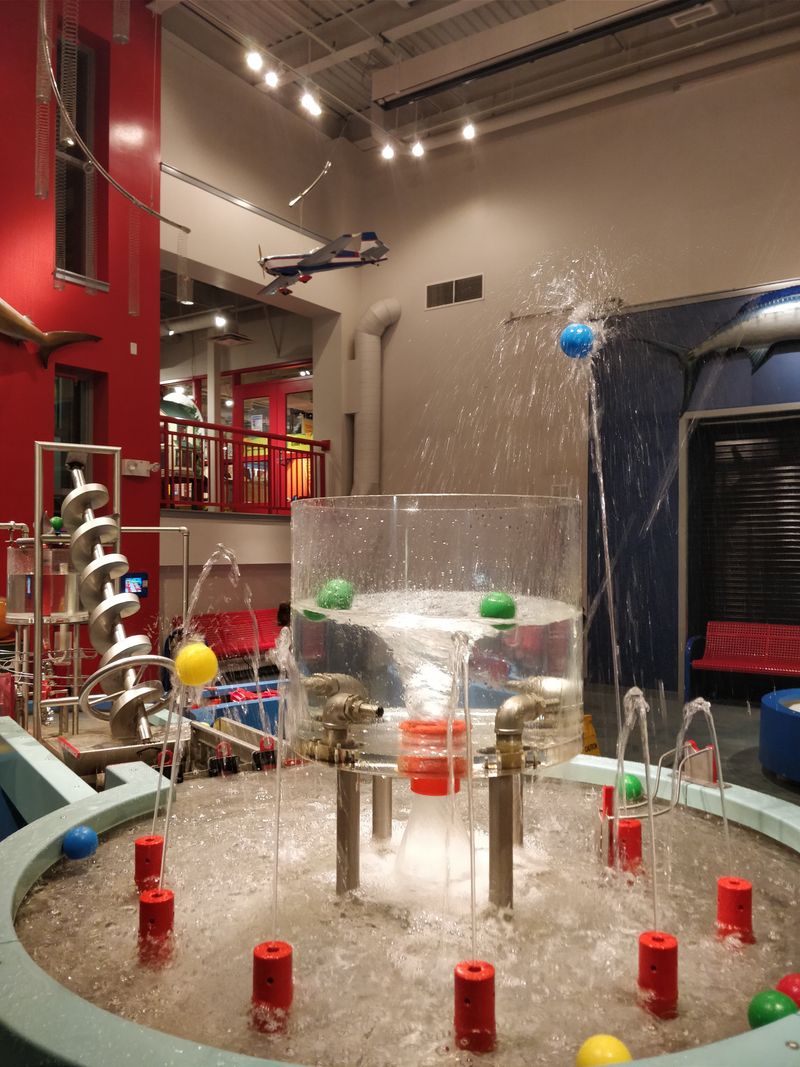
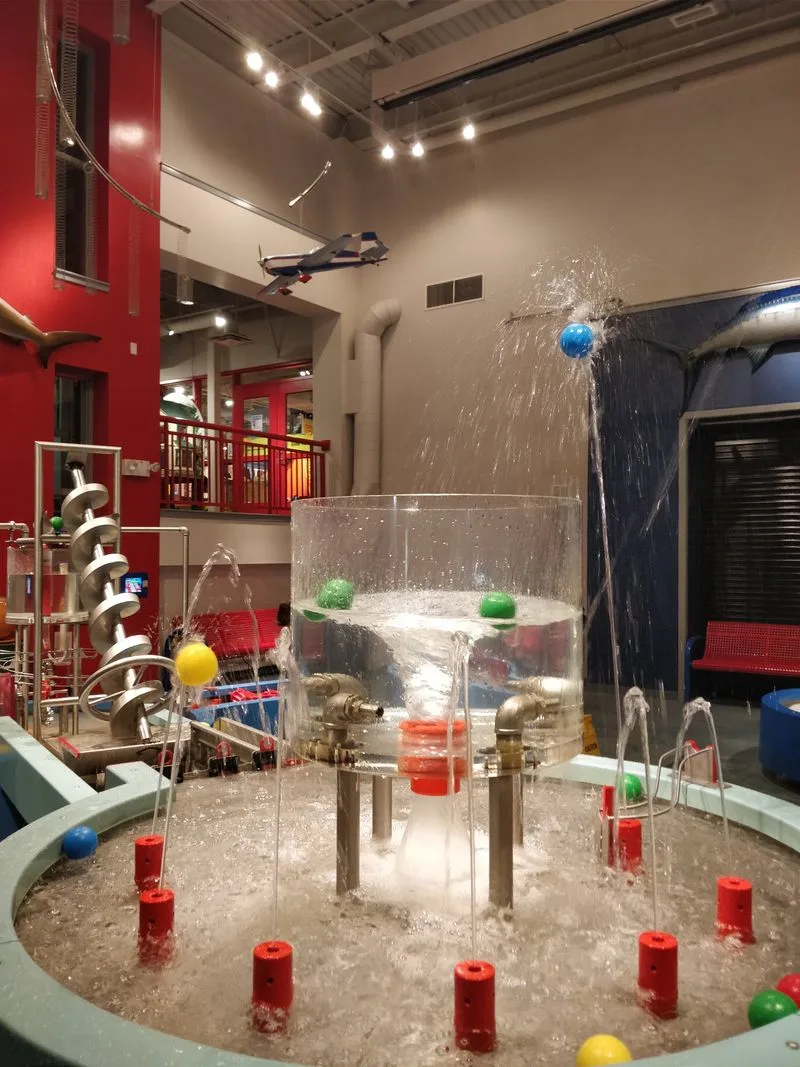
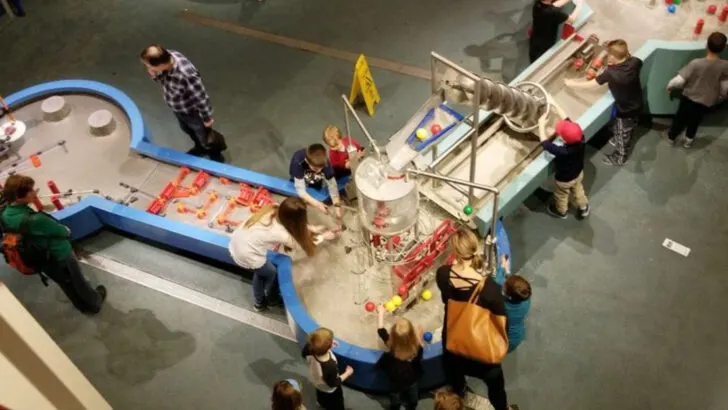
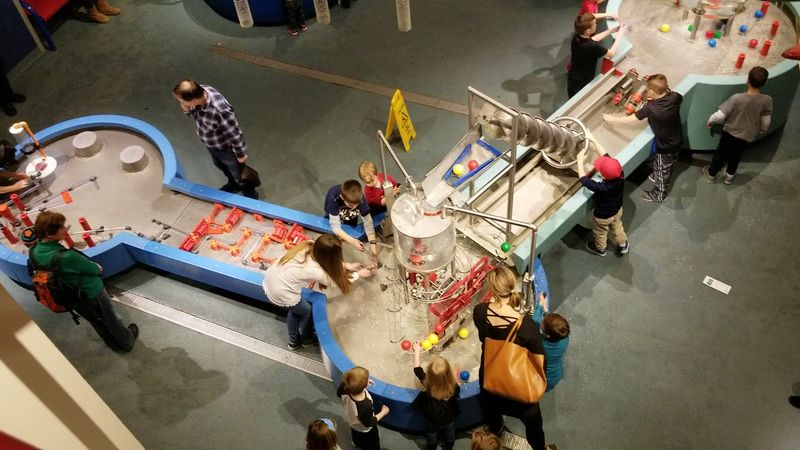
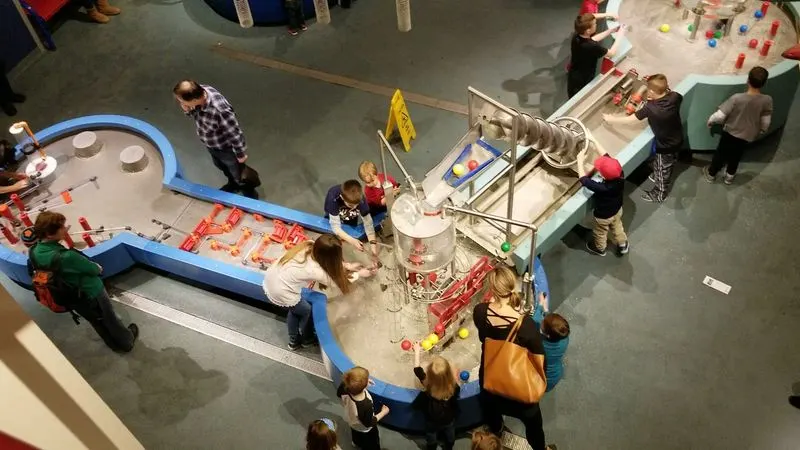
H2Ohhh Water Works is the splashy heart of the museum where currents, dams, and whirlpools make fluid dynamics feel like play. Kids guide balls through channels, build barriers to change flow, and test how height creates faster streams.
Waterproof aprons keep clothes mostly dry, but bring a backup outfit anyway.
You can nudge a valve and watch cause-and-effect ripple across the table. Try team challenges like moving a ball from start to finish using only water power.
It is sensory heaven for toddlers and still fascinating for older kids who notice pressure, turbulence, and speed.
Parents appreciate the clear instructions and drying stations nearby. If crowds pick up, rotate through zones to keep things fresh.
The best moments are when kids realize they can control the river, and your job becomes cheering their experiments while sneaking in a little vocabulary about flow and force.
Sound and Vibration Lab
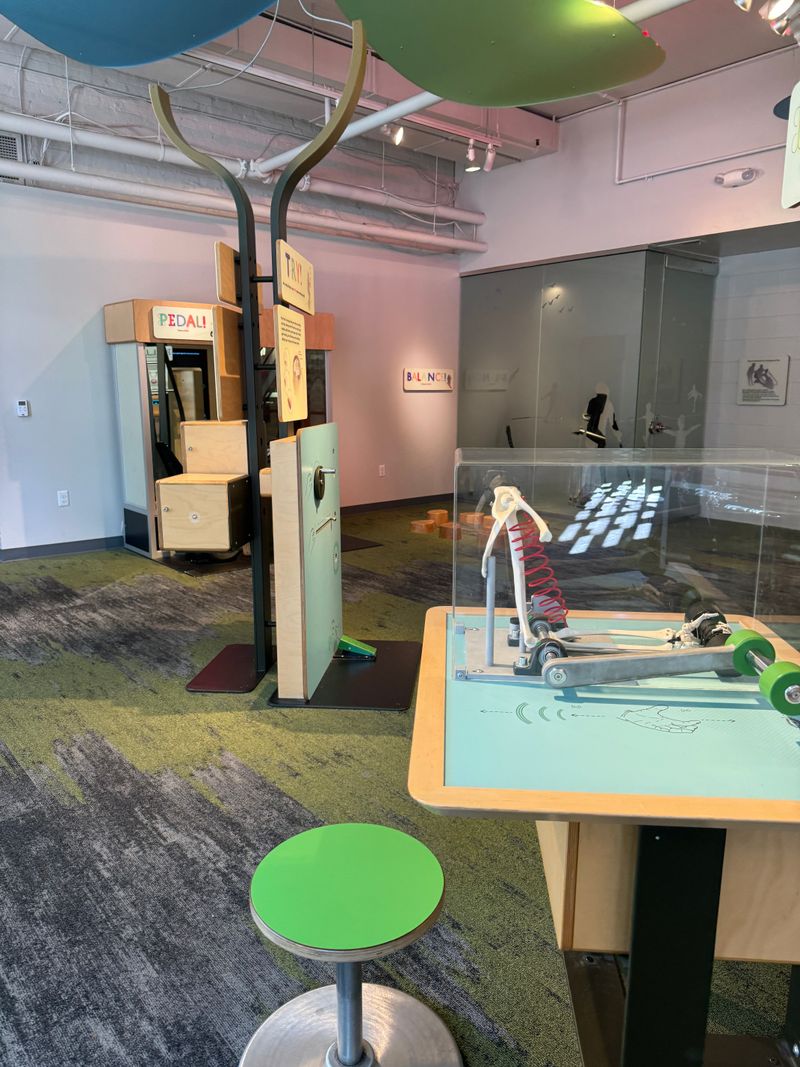
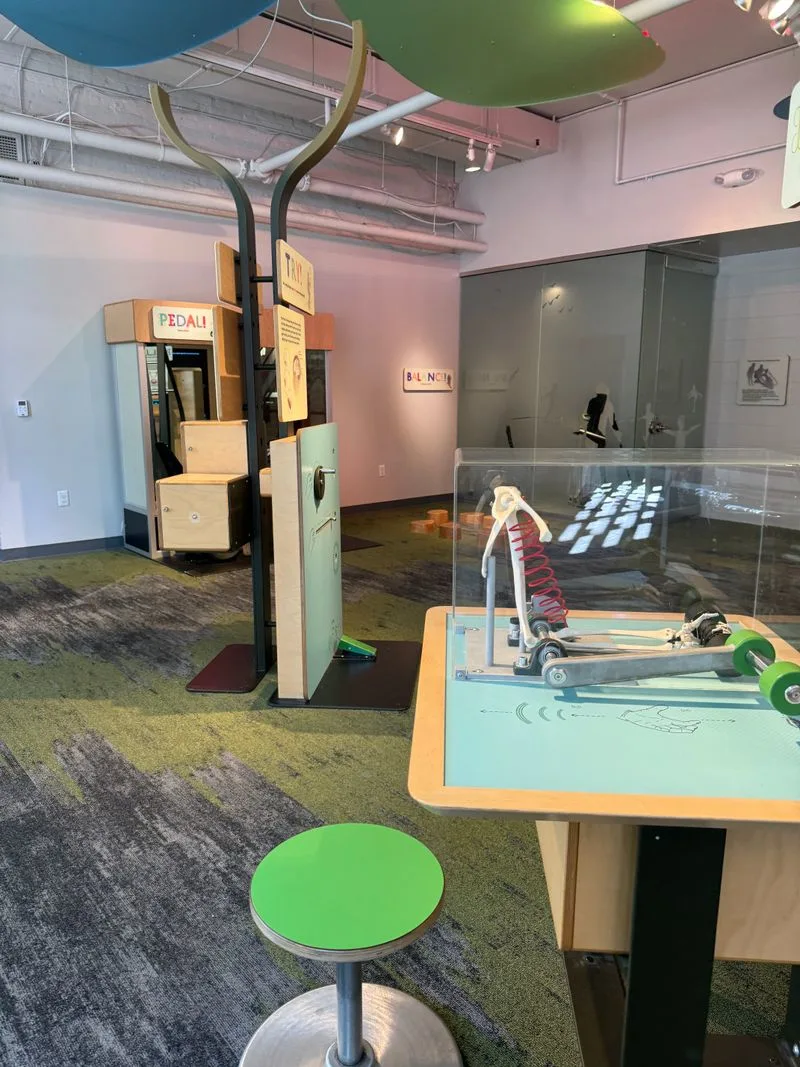
At the Sound and Vibration Lab, invisible waves suddenly show themselves. Kids strike oversized tuning forks, sprinkle sand on a vibrating plate to reveal patterns, and whisper across the room with parabolic dishes.
You will hear giggles turn into thoughtful questions about pitch, volume, and resonance.
Try adjusting frequency on a wave generator and watch the waveform stretch or scrunch. It is the kind of feedback that makes concepts stick.
The displays are sturdy, and friendly staff help you tune your experiments, especially when the room gets lively.
Challenge your group to match a mystery pitch or identify which materials mute or amplify sound. After a few minutes, kids start noticing vibration everywhere, from humming vents to their own voices.
This gallery makes science feel musical and playful, perfect for burning energy while sharpening observation skills.
Electricity and Circuits Corner
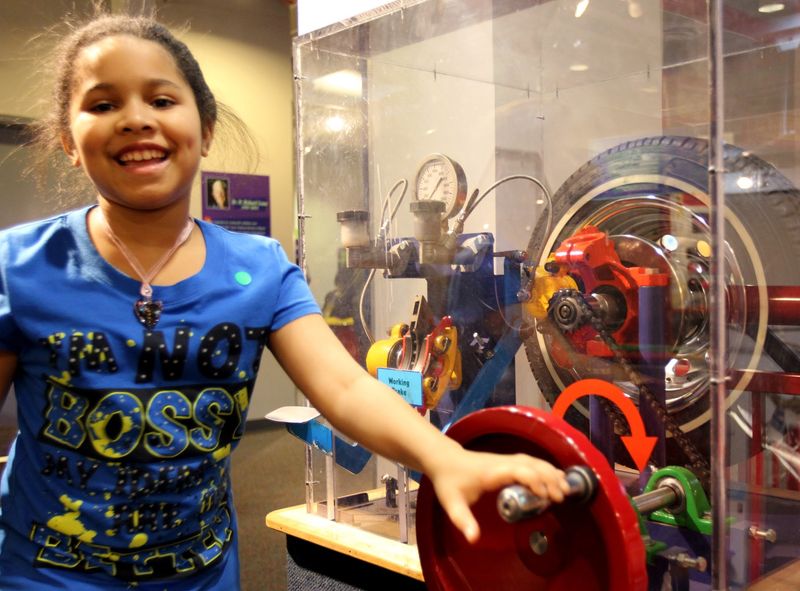
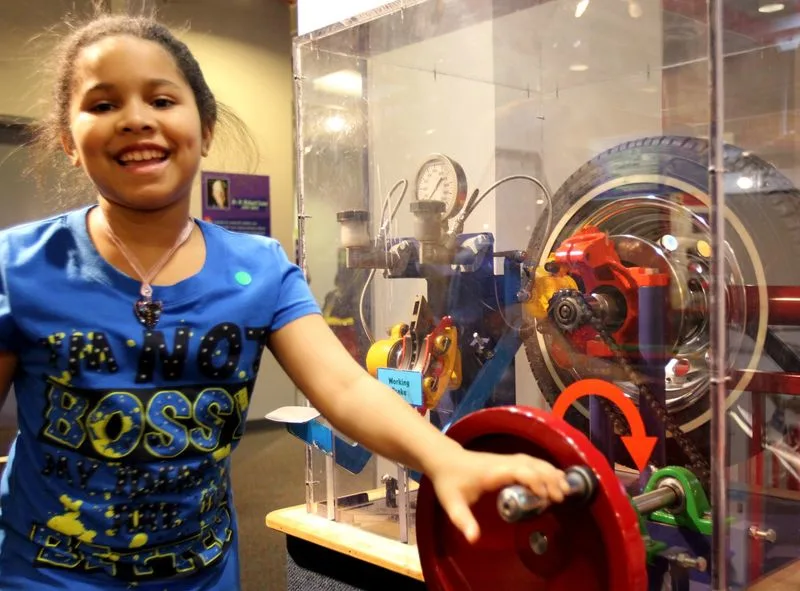
Electricity and Circuits Corner lets kids close a switch and see instant results. You can light bulbs, spin fans, or power buzzers by arranging pieces into series or parallel circuits.
The difference becomes obvious when one bulb fails and the rest either dim or keep shining.
Curious hands quickly learn the language of connections, from open circuits to short paths. There is a static electricity sphere that lifts hair and spirits.
Staff keep a close eye and offer simple prompts that nudge discovery without taking over the fun.
For a quick challenge, try building two circuits that do the same job but use fewer components. Talk about batteries in toys and why some last longer.
You will leave with a better feel for current and resistance, plus a kid who wants to tinker with every switch at home.
Early Explorers Preschool Gallery
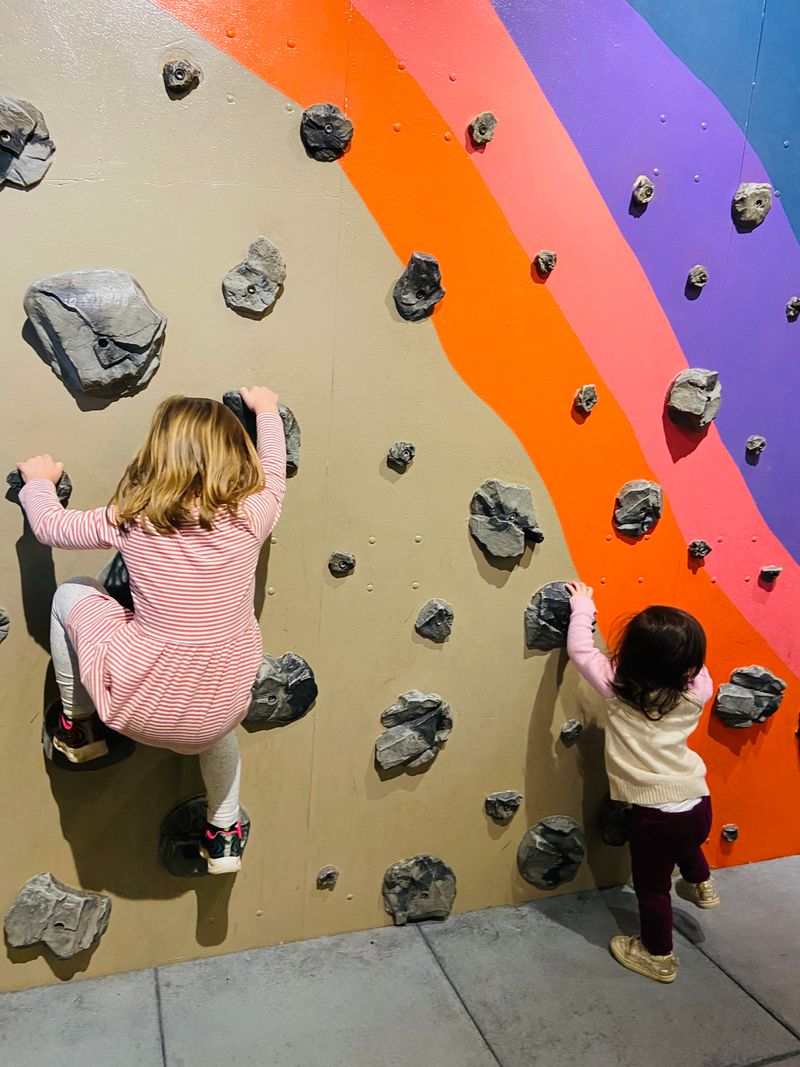
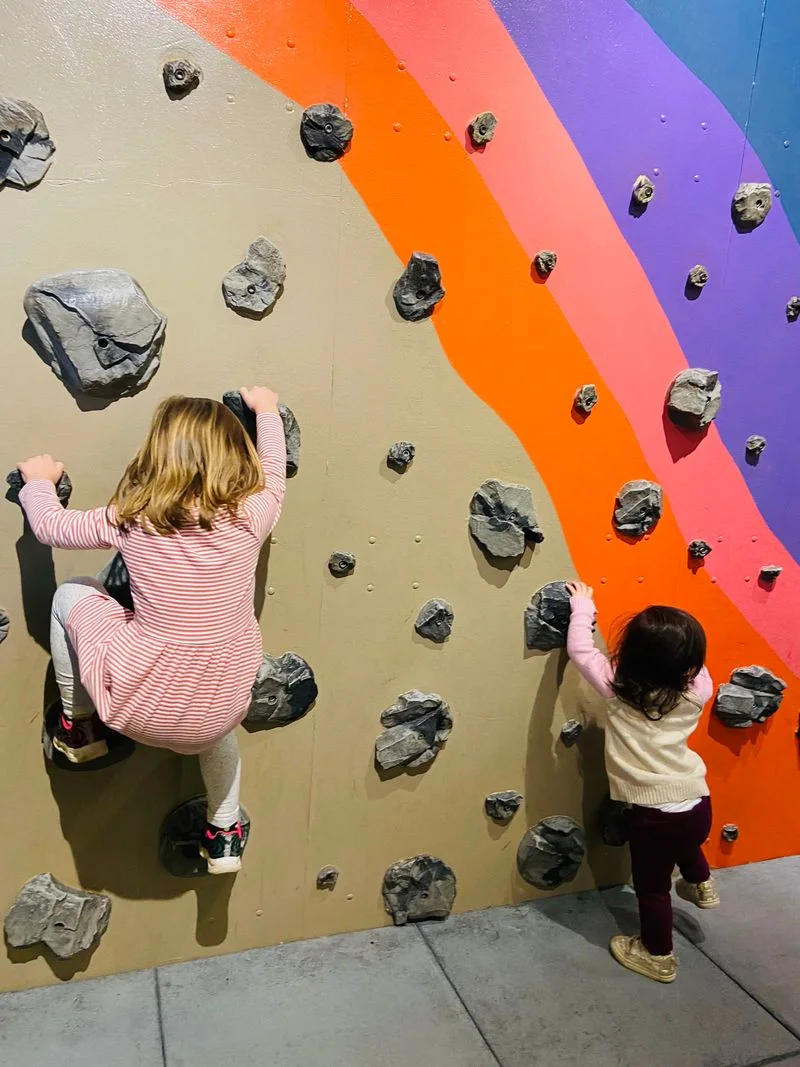
The Early Explorers Preschool Gallery is designed for ages four and under, with soft surfaces, low-height exhibits, and plenty of open sightlines. You will find a mini water station, block corner, pretend market, and a calm infant area where tiny hands can explore safely.
It feels welcoming and unhurried.
Everything invites small experiments: stacking, pouring, sorting, and role play. Caregivers can relax while kids build confidence.
If the museum gets busy, this zone offers a gentler pace without losing the joy of discovery.
Bring a snack for later because time flies here. The routines kids practice, like sharing space and taking turns, transfer easily to the rest of the museum.
Expect happy tired toddlers and a few new words to celebrate, like sink, float, and balance, earned through simple, satisfying play.
STEM Ambulance and Community Clinic
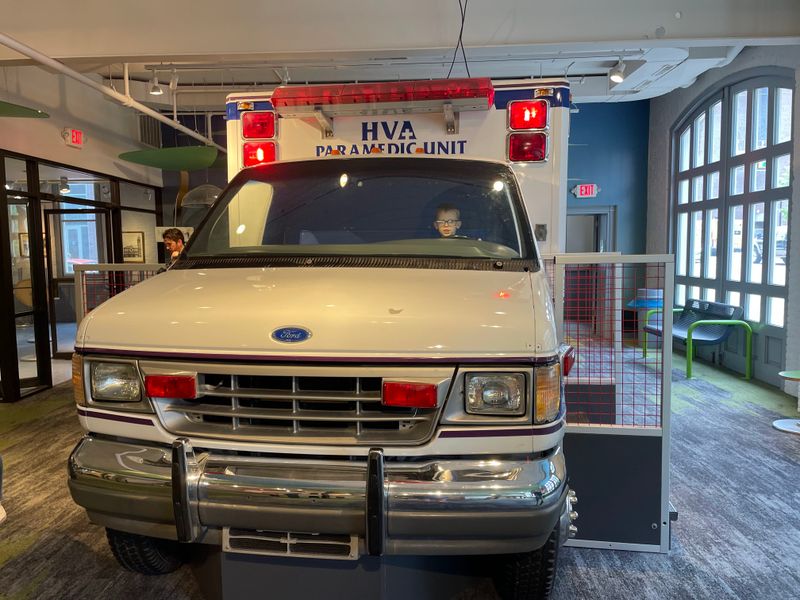
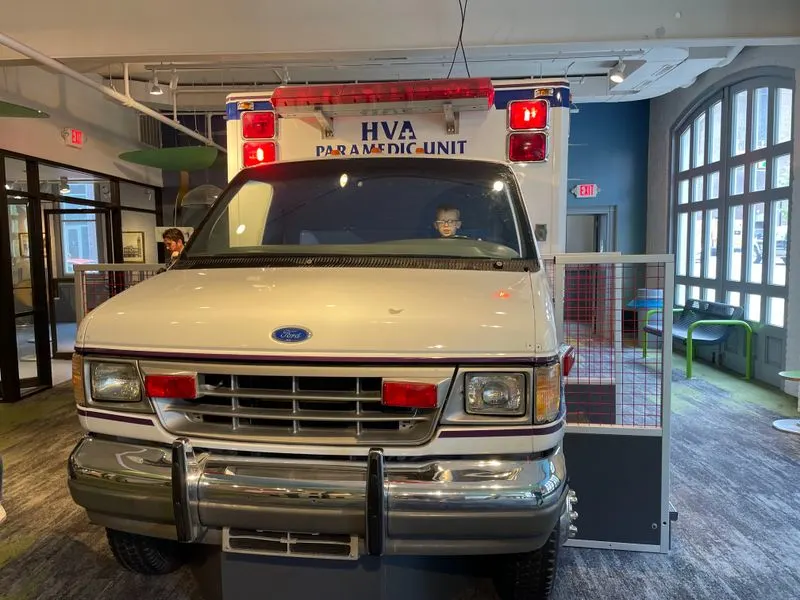
The STEM Ambulance and Community Clinic turn pretend play into real-world problem solving. Kids climb into a full-size ambulance, check vital signs, and learn how responders use tools to help people.
You can role play as a medic, patient, or dispatcher while exploring decisions that matter.
Inside the clinic, simple stations cover handwashing, heartbeats, and healthy habits. The experience is friendly, not scary, and great for sparking conversations about community helpers.
You will see collaboration bloom as kids assign roles and practice communication.
Try a timed scenario where your crew stabilizes a patient and plans transport. Parents can connect dots to science topics like oxygen, pulse, and sanitation.
It is a favorite stop because it blends drama, empathy, and STEM, leaving kids curious about the professionals keeping Ann Arbor safe.
Gears, Levers, and Simple Machines
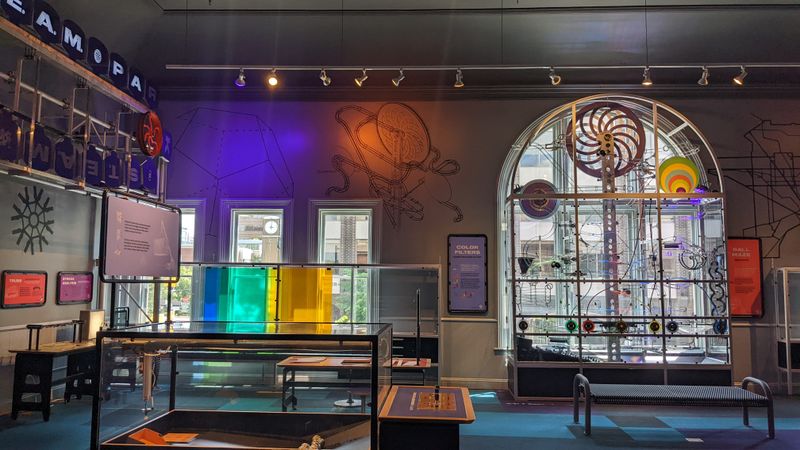
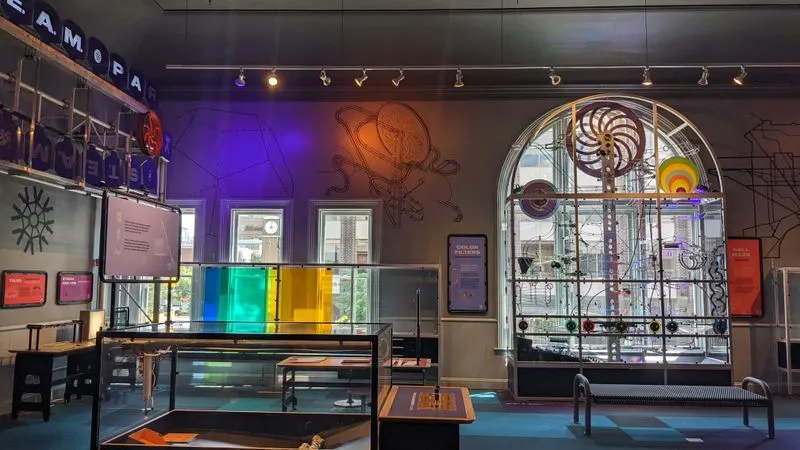
Gears, Levers, and Simple Machines is a kinetic playground where motion spreads like a grin. Kids snap gears together, shift fulcrums on lever arms, and test how wheels reduce friction.
You can watch a tiny twist travel through a gear train to spin a giant wheel.
It is the perfect place to predict before you touch. Try building a gear ratio that trades speed for torque, then feel the difference.
The hands-on labels are short and helpful, so reading never slows the momentum.
Set a family goal to lift the same weight using a lever in three different ways. Ask which setup felt easiest and why.
By the time you leave, the words advantage, pivot, and friction will be part of your everyday chatter, tucked into memories of grins and whirring teeth.
Plan Your Visit Tips
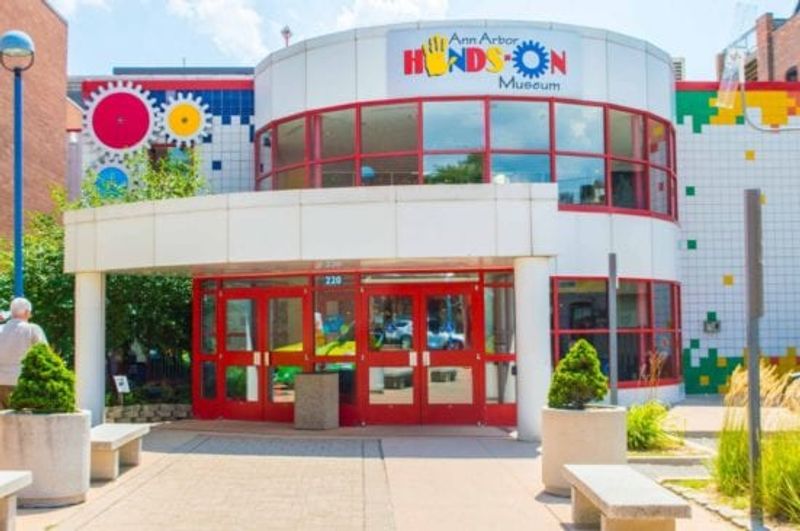
A smooth visit starts with timing. The museum is open 10 AM to 5 PM Tuesday through Sunday, with Monday closed, and field trips often thin out after 1 PM on weekdays.
Parking can be tricky around 220 E Ann St, so arrive a bit early or plan for a short walk.
Buy tickets online to skip lines, bring a change of clothes for water play, and pack snacks for the small eating area with vending. Stroller and wheelchair access are easy with elevators.
If sound or light is a concern, ask about sensory kits at the front desk.
Memberships and reciprocal programs can stretch your budget, especially for grandparents. Staff are friendly and quick to help, and the space is clean and well maintained.
With 250 plus exhibits, expect to return because you will not see everything in one go.