Michigan feels especially alive in spring. Cold air lifts off the Great Lakes, forest floors soften with new growth, and dune grasses begin to ripple again under longer, brighter days.
It’s the kind of season that makes even familiar trails feel newly discovered.
Across the state, hiking routes take on very different moods—quiet river paths winding through maple woods, high overlooks where Lake Superior stretches endlessly, and sandy climbs that open suddenly to wide, wind-brushed views. You hear water moving somewhere nearby, footsteps on packed earth, and birds returning to spaces that feel open again.
These are the trails people don’t just visit once. They come back when the seasons shift, when the light changes, or simply when they want that feeling again.
Here are 12 Michigan hiking routes that keep outdoor enthusiasts coming back.
Escarpment Trail
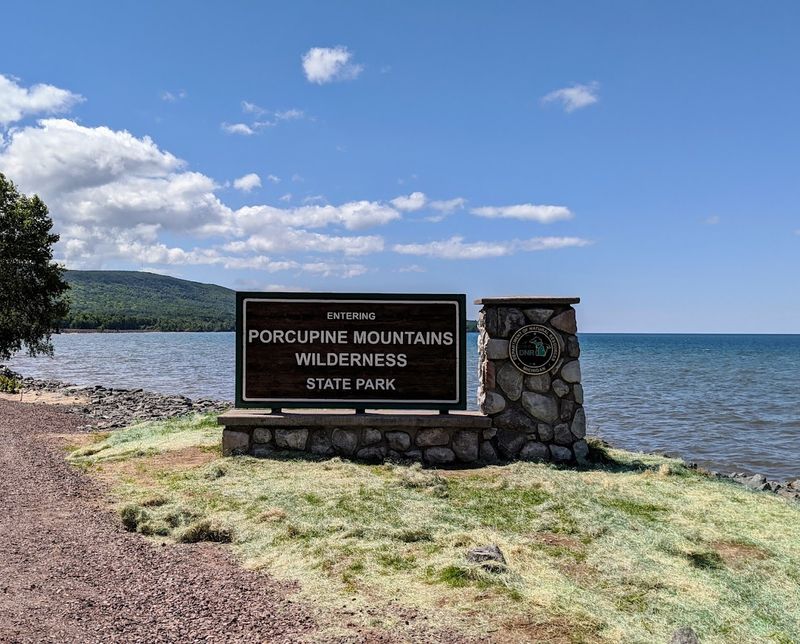
Few trails make you stop talking the moment the view opens up, but this one does exactly that. The air feels cooler along the ridge, and every break in the trees seems to reveal another layered stretch of forest and water.
In the Porcupine Mountains, the Escarpment Trail earns its reputation with sweeping looks over Lake of the Clouds and some of the most memorable high-country scenery in Michigan.
What keeps hikers returning is the balance between effort and reward. The route follows elevated terrain above old-growth forest, so even steady sections feel visually rich instead of repetitive.
If you like hikes that feel immersive from the first mile rather than only at the overlook, this one delivers.
Trail conditions can be rocky, rooty, and muddy after rain, so good footwear matters. Fall colors are stunning here, but summer offers dense green canopies and longer daylight for taking your time.
I would plan extra minutes for photos, because the ridgeline viewpoints are hard to rush past.
More than anything, this is a hike with a sense of place. You feel the scale of the western Upper Peninsula in a way that flatter trails rarely offer.
When outdoor enthusiasts talk about Michigan’s must-do routes, the Escarpment Trail usually rises near the top for good reason.
Presque Isle River Trail
The sound reaches you before the best scenery does, starting as a rush and building into a roar. That constant energy is part of what makes this route feel alive, with water moving fast through dark rock and thick forest.
On the Presque Isle River Trail in the Porcupine Mountains, hikers get a waterfall-heavy experience that feels dramatic without needing alpine elevation.
One of the biggest draws here is variety packed into a manageable outing. You move between viewpoints of rapids, plunges, calmer stretches, and sturdy bridges that give the trail a little extra character.
It is the kind of place where you keep thinking the best section is behind you until the next overlook appears.
The terrain can be uneven in spots, especially near roots, rocks, and damp ground, so staying alert helps. Spring runoff and recent rain can make the river especially powerful, while summer brings easier footing and lush green surroundings.
If you enjoy photographing moving water, this trail gives you constant material without feeling repetitive.
What makes people come back is the rhythm of the route. The combination of forest shade, rushing river, and one waterfall after another creates momentum that is hard to resist.
For hikers who want movement, sound, and rugged beauty, the Presque Isle River Trail delivers all three.
Empire Bluff Trail
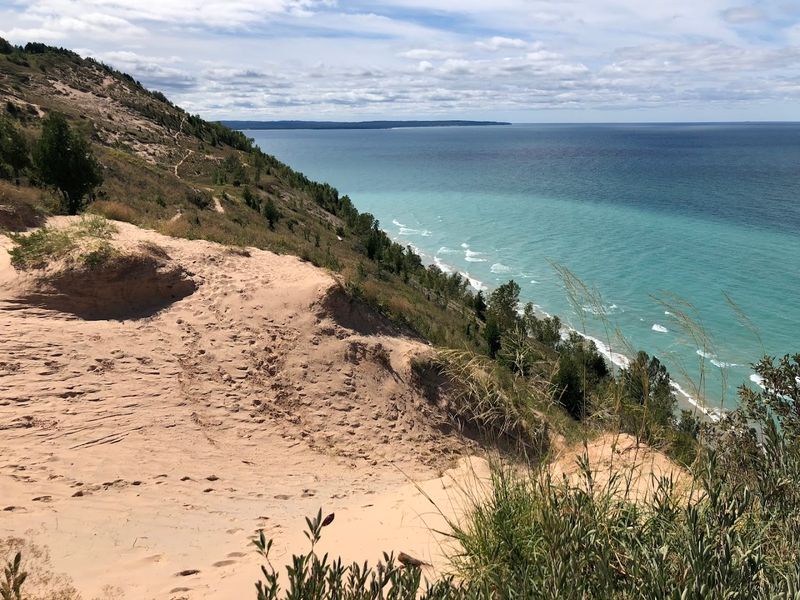
Sometimes the most memorable hikes are not the longest ones, but the ones that get straight to the point. This route builds anticipation with a quiet wooded walk before suddenly opening to one of the most iconic Lake Michigan views in the state.
Near Empire, the Empire Bluff Trail proves that a shorter distance can still feel like a major reward.
The appeal is obvious once you reach the overlook. You are standing above a broad sweep of blue water, high dunes, and curving shoreline that looks almost too polished to be real.
It is a favorite for first-time visitors, but returning hikers appreciate how reliable the payoff is in every season.
The path is generally approachable, though there are sandy and rooty sections that keep it from feeling like a simple stroll. Sunrise and sunset light can be exceptional here, but midday works well too when the lake shows off its brighter blues.
If you are hiking with people who want big scenery without a huge commitment, this is an easy recommendation.
What brings outdoor enthusiasts back is the combination of accessibility and impact. You can revisit it on a quick weekend, pair it with other Sleeping Bear stops, or simply come for that one overlook again.
The Empire Bluff Trail feels classic because it delivers exactly what people hope Michigan hiking will be.
Pyramid Point Trail
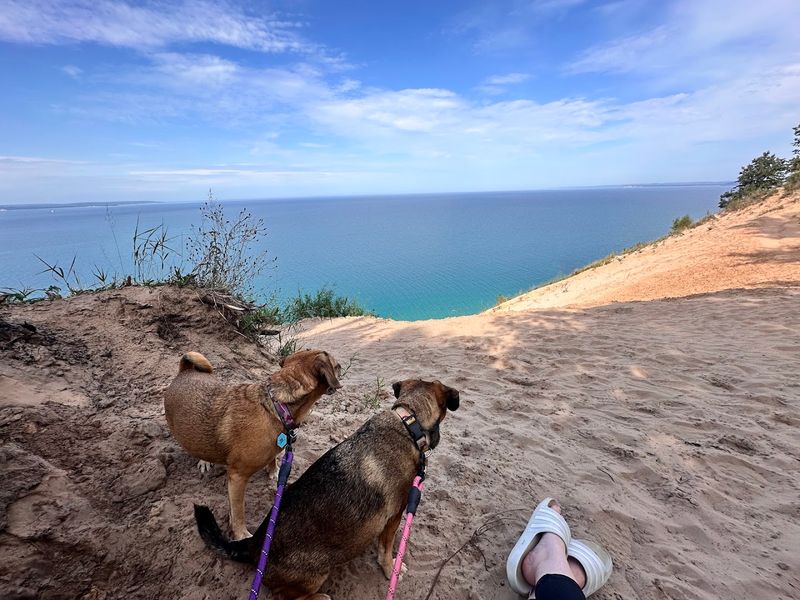
There is a special kind of anticipation that comes from hiking toward open water you cannot fully see yet. The forest keeps things quiet for a while, then the land drops away and the whole scene suddenly expands.
That reveal is a big part of why Pyramid Point Trail near Maple City stays so popular with hikers who love bluff-top views.
This route is known for its broad panorama over Lake Michigan and the distant Manitou Islands. The perspective feels elevated and airy, with enough visual scale to make even a short outing feel memorable.
It is an excellent choice when you want classic Sleeping Bear scenery without committing to an all-day trek.
The trail itself has some hills and sandy footing, and the bluff area deserves caution because steep drop-offs can be unforgiving. Wind can be strong near the overlook, which only adds to the dramatic feel on cooler days.
If you time it for clear weather, the visibility out across the lake is especially satisfying.
People return because the experience is both simple and striking. The walk in is pleasant, the payoff is immediate, and the setting changes beautifully with season and light.
Pyramid Point Trail gives you that rare combination of accessibility, strong scenery, and a view that lingers long after the hike ends.
Chapel Loop Trail
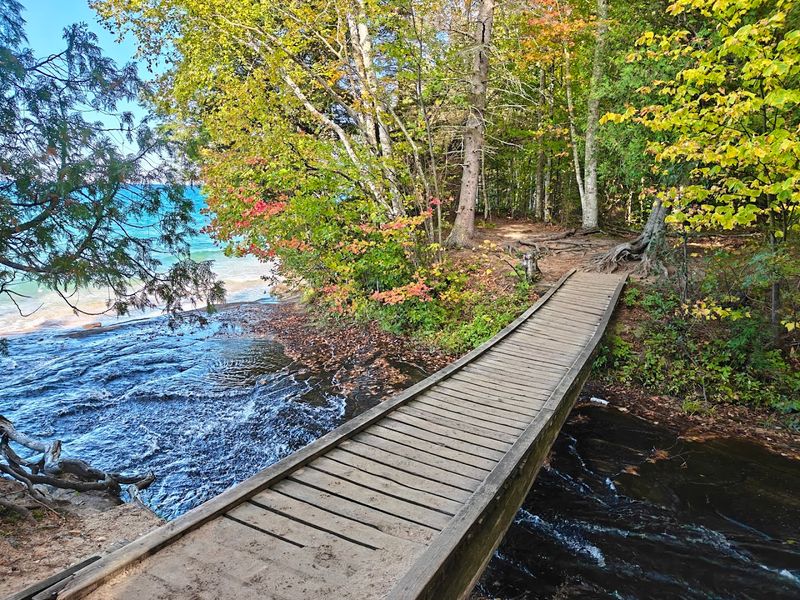
Big days on the trail feel more satisfying when the scenery keeps changing, and this one rarely gives you a dull stretch. Forest, waterfalls, cliff views, and beach walking all combine into a route that feels like several hikes woven together.
The Chapel Loop Trail near Munising is one of those classic Michigan outings that hikers talk about long after their boots are off.
Part of its lasting appeal is how complete the experience feels. You get wooded sections that calm the pace, then dramatic sandstone cliffs and Lake Superior vistas that completely shift the mood.
Add features like Chapel Falls and Chapel Beach, and the loop becomes a showcase of what makes Pictured Rocks special.
This is not the trail to underestimate, especially if you are not used to longer distances or variable footing. Weather near the lake can change fast, and wet roots or muddy segments can slow your pace more than expected.
Bringing enough water, layers, and time makes a noticeable difference in how enjoyable the day feels.
What keeps enthusiasts coming back is the sense of adventure packed into one route. It feels scenic, physical, and rewarding in equal measure, with enough variety to stay fresh on repeat visits.
If you want a trail that captures the spirit of Pictured Rocks in one memorable outing, Chapel Loop belongs high on your list.
Miners Castle to Miners Beach Trail
Some trails work so well because they connect two places you already wanted to see. That built-in sense of movement gives the hike purpose, and the scenery between the highlights makes the route even stronger.
The path from Miners Castle to Miners Beach near Munising is a perfect example of a shoreline hike that feels rewarding from start to finish.
You begin with one of the most recognizable overlooks in Pictured Rocks, where layered sandstone and Lake Superior immediately set the tone. From there, the trail carries you through forest and along scenic sections toward a broad beach that invites a slower pace.
It is a great route for hikers who like a destination, but do not want the middle miles to feel like filler.
Conditions are generally manageable, though mud, roots, and changing weather can keep things interesting. The lakeshore can be breezy and cool even when inland temperatures feel comfortable, so light layers help.
If you have time, staying at Miners Beach for a while makes the outing feel less rushed and more complete.
People return because this trail packages iconic scenery into a relatively approachable format. You get cliffs, woods, shoreline, and that unmistakable Pictured Rocks atmosphere without needing an extreme backcountry commitment.
The Miners Castle to Miners Beach Trail is scenic enough for a first visit and satisfying enough for many repeats.
Mosquito Falls & Chapel Falls Trail
Cool shade, rushing water, and the promise of a dramatic overlook make this route easy to love. It starts with a peaceful forest feel, then adds one scenic reward after another without losing that sense of immersion.
Near Munising, the Mosquito Falls and Chapel Falls Trail gives hikers a satisfying mix of waterfalls, river scenery, and access to the larger Pictured Rocks landscape.
The waterfalls are the natural stars, but the trail offers more than quick photo stops. Chapel Falls has a strong vertical drop and easy appeal, while Mosquito Falls feels especially photogenic where water moves through rock and trees.
Depending on your route choices, you can also connect the hike with broader lakeshore scenery that makes the day feel even richer.
Expect uneven footing in places, especially where roots, mud, and wet surfaces collect after rain. Bugs can be active in warmer months, and the name alone should remind you not to skip repellent.
If you start early, you will often get a quieter experience at the falls before the busiest part of the day.
What keeps people coming back is the layered character of the route. It feels intimate in the woods, lively near the water, and bigger in mood when the landscape opens up.
For hikers who want classic Upper Peninsula forest and waterfall scenery, this trail consistently delivers.
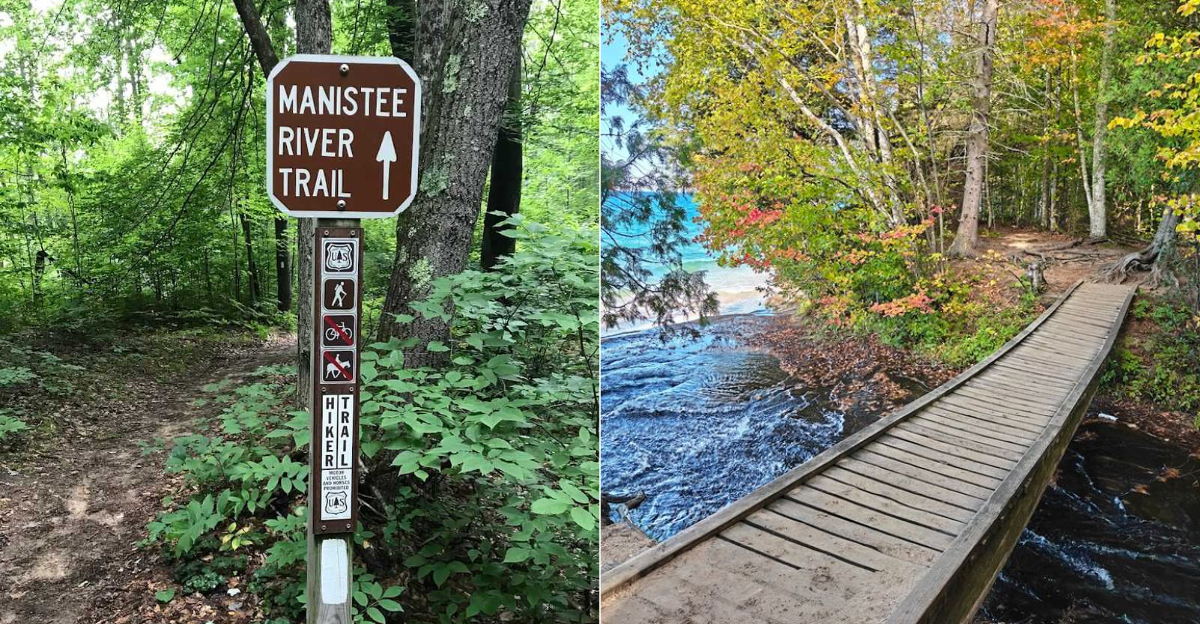
Manistee River Trail Loop
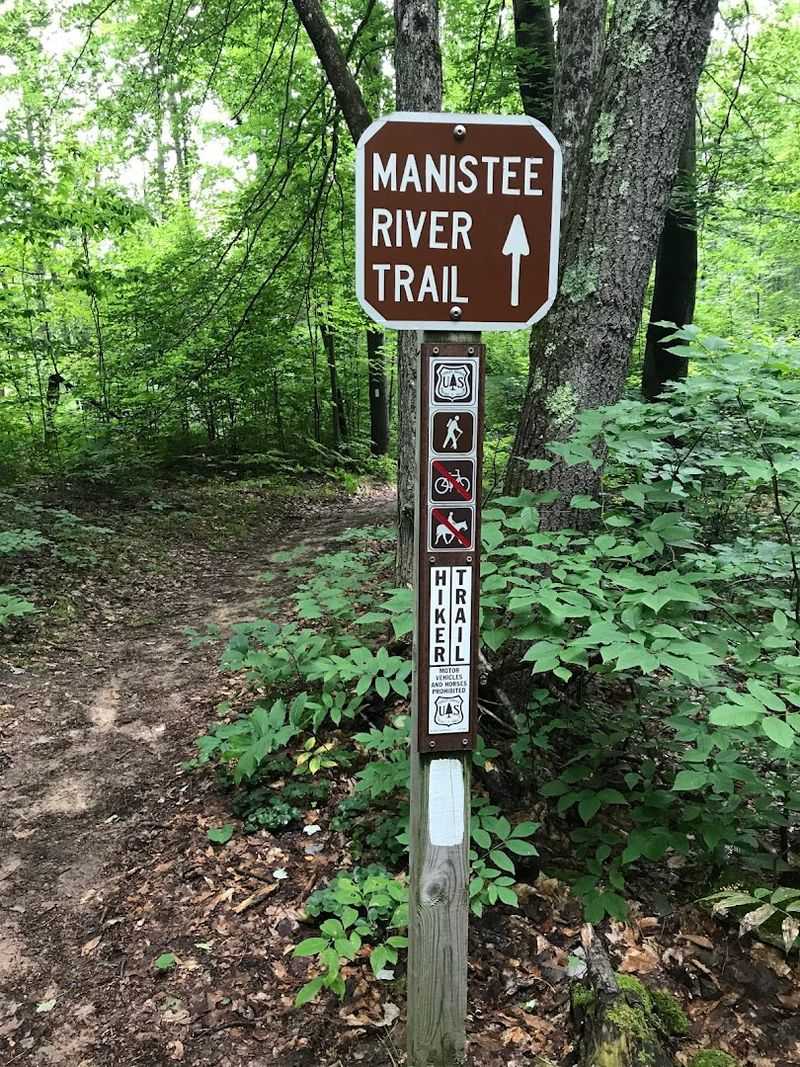
A great loop has a way of pulling you forward because you are always curious about what comes next. River bends, bluff views, and changing forest textures make this one feel dynamic over long stretches.
The Manistee River Trail Loop near Wellston has earned its loyal following by blending classic backpacking atmosphere with scenery that stays interesting mile after mile.
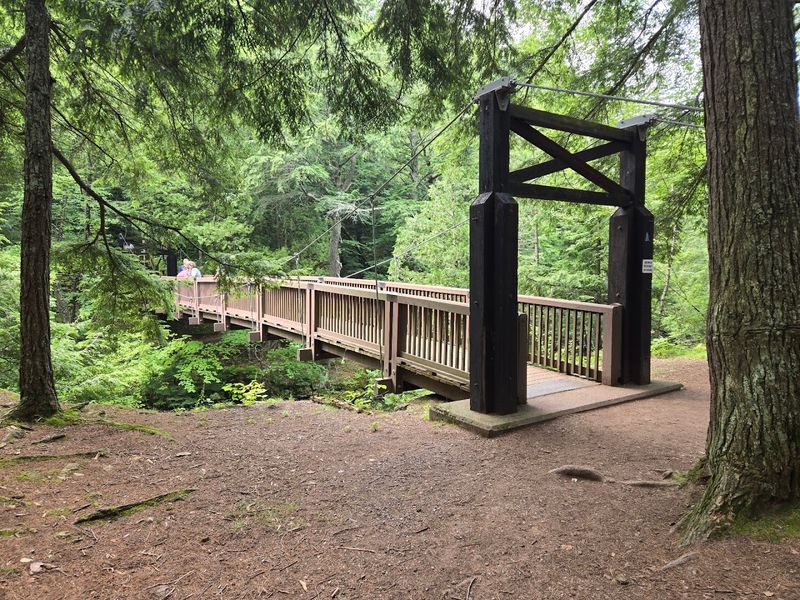
What makes it stand out is the combination of the Manistee River Trail and the North Country Trail into one memorable circuit. You get elevated views above the river, quieter wooded sections, and the satisfying landmark of the suspension bridge near Red Bridge.
It works well for ambitious day hikers, but it really shines for people who want an approachable overnight loop.
There are climbs, roots, and occasional muddy patches, so the route feels more rugged than its popularity might suggest. Water access, camp planning, and changing weather all matter if you are backpacking it rather than rushing through in a day.
Fall is especially loved here, though summer offers green canopies and long evenings at camp.
Outdoor enthusiasts keep returning because the loop feels complete in the best way. It has movement, variety, and enough challenge to stay satisfying without becoming punishing.
If you enjoy trails that balance river beauty with a real sense of journey, the Manistee River Trail Loop is easy to revisit.
Dragon Trail
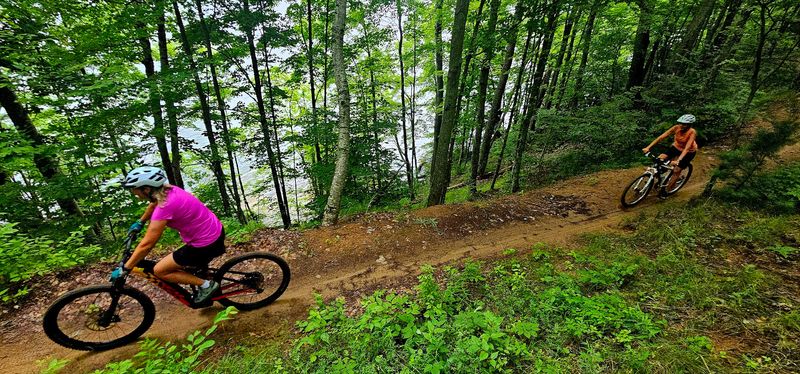
Not every unforgettable hike has to come from a national lakeshore or remote wilderness area. Sometimes the draw is a trail system with enough length, shape, and scenery to keep you exploring section after section.
The Dragon Trail in Newaygo has built that kind of reputation, offering a long route around Hardy Pond that feels adventurous, varied, and fresh on repeat visits.
Its scale is a big part of the appeal. With roughly 45 miles of trail in the full system, you can choose shorter hikes or keep returning to discover new segments, bridges, and shoreline views.
The terrain rolls enough to stay engaging, and the frequent relationship with water gives the route a sense of identity beyond simple woodland hiking.
This trail is shared with mountain bikers in many areas, so awareness and trail courtesy are important. Conditions can change with weather, and some sections feel more remote than others despite the trail’s growing popularity.
If you like planning your own adventure, the flexibility here is part of the fun rather than a complication.
People come back because the Dragon Trail offers both consistency and variety. You know you will get strong scenery and thoughtful trail design, but the route is long enough to keep surprising you.
For hikers who enjoy modern trail systems with serious mileage potential, this one has become a standout in Michigan.
High Country Pathway
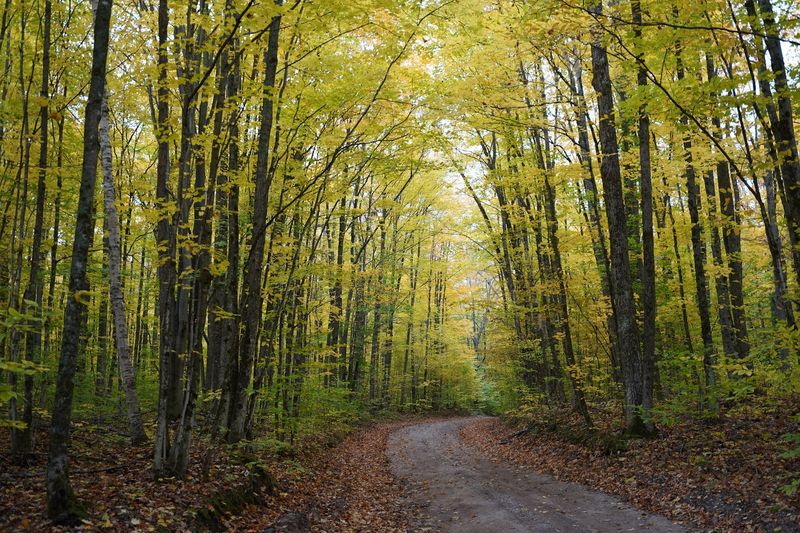
Silence can be the main attraction on some trails, and that is exactly the case here. Instead of famous overlooks every mile, this route offers the deeper reward of remoteness, wildlife habitat, and the feeling that you have genuinely left busy places behind.
The High Country Pathway near Vanderbilt is a favorite for hikers who value solitude as much as scenery.
This loop moves through Pigeon River Country State Forest, an area known for expansive woods, streams, and the possibility of spotting elk. The landscape is not showy in the same way as cliffs or dunes, but it feels richly textured and deeply atmospheric.
If you like long, quiet miles where every bend might reveal tracks, birds, or a changing forest type, this trail has real staying power.
Because it is a remote wilderness route, preparation matters more here than on highly trafficked park hikes. Trail conditions can be muddy, brushy, or uneven depending on the season, and navigation deserves attention.
Carrying layers, water treatment, and a realistic plan helps the experience stay rewarding rather than stressful.
Outdoor enthusiasts return because this pathway offers something increasingly rare: room to think. It is a place where distance, quiet, and wild character shape the day more than crowds or checkpoints.
For hikers drawn to backcountry loops and a more self-reliant experience, the High Country Pathway remains one of Michigan’s best escapes.
Dune Climb Trail System

There is nothing quite like the moment your legs start burning in deep sand and you look up to realize the horizon just keeps getting bigger. This is a hike where effort is impossible to ignore, but so is the payoff.
The Dune Climb Trail System near Empire turns a famous Sleeping Bear stop into a demanding and memorable adventure.
What makes this area so compelling is the combination of freedom and scale. Once you move beyond the initial climb, the landscape opens into rolling dunes, broad sky, and long views toward Lake Michigan.
It feels different from forest hiking because the exposure, footing, and terrain create a more elemental challenge.
Sand hiking can be much tougher than the mileage suggests, especially on warm afternoons with little shade. Bring more water than you think you need, expect slower progress, and remember that every descent often has to be earned again on the way back.
Clear weather helps with navigation and enjoyment since landmarks can feel deceptively far away.
People return because this trail system feels playful, punishing, and beautiful all at once. It invites you to test yourself while moving through one of Michigan’s most distinctive landscapes.
If you want a hike that feels unlike nearly anything else in the Midwest, the Dune Climb Trail System delivers that rare experience.
Jordan River Pathway
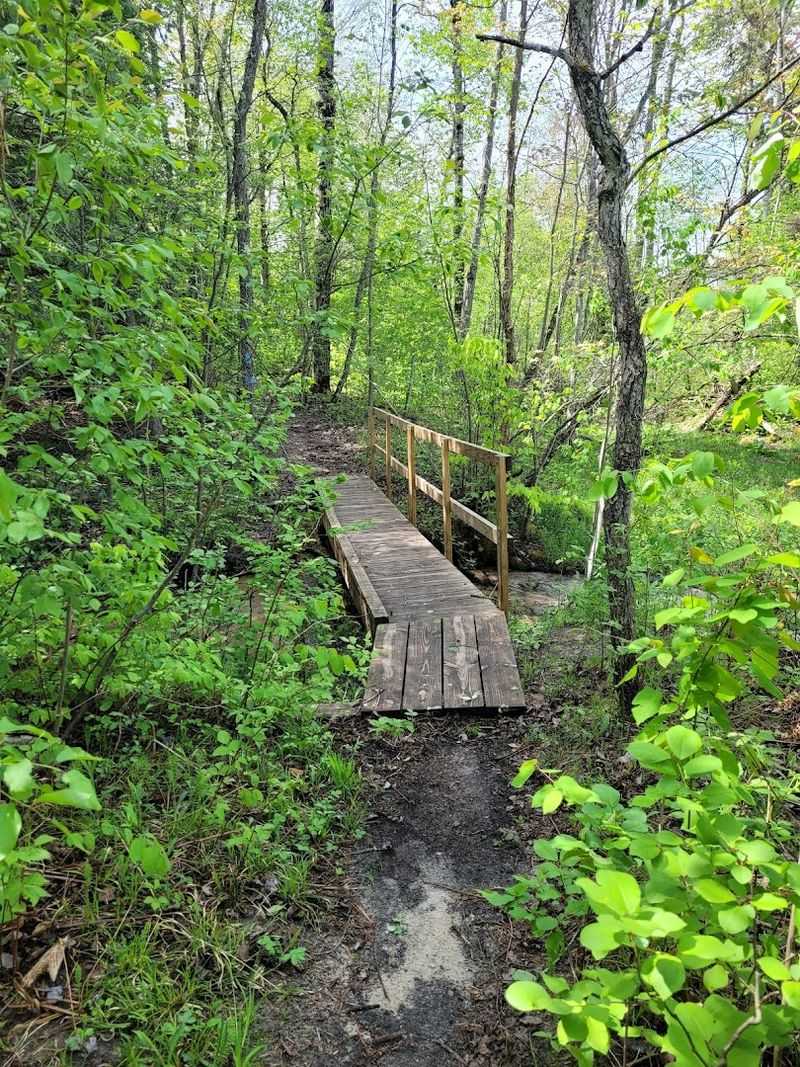
Rolling terrain can make a trail feel alive, especially when it winds through forest and drops toward clear water. That steady change in elevation gives this route a satisfying rhythm without needing dramatic cliffs or massive crowds.
The Jordan River Pathway near East Jordan has long appealed to hikers who want a classic northern Michigan loop with beauty in every season.
One reason people love it is the variety packed into the route. You move through hardwood forest, ridge sections, and river valley scenery that feels especially rich in fall, though summer has its own dense green charm.
The pathway is scenic in a quieter, more intimate way than some headline trails, which is part of why repeat hikers stay loyal to it.
The loop can be moderately challenging thanks to its hills, roots, and occasional muddy or slick stretches. Good pacing matters, particularly if you are carrying overnight gear or hiking after wet weather.
Starting from the Deadman’s Hill area adds an extra scenic layer, since the overlook helps set the tone before you even get moving.
Outdoor enthusiasts return because the trail feels well rounded and dependable. It offers enough challenge to stay interesting, enough scenery to stay memorable, and enough calm to feel restorative.
The Jordan River Pathway is one of those routes that may not shout the loudest, but it earns devotion through consistency and character.