

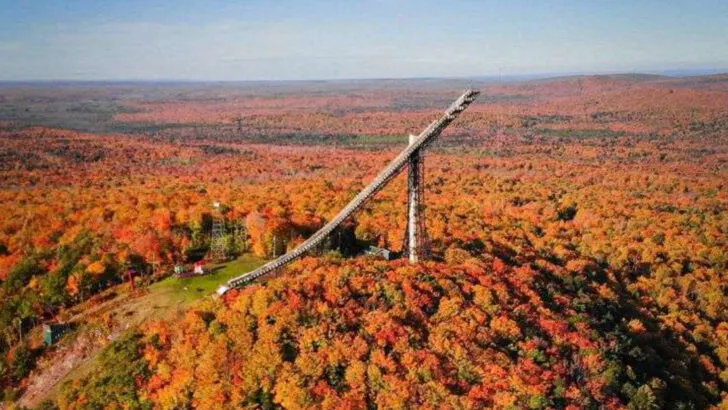
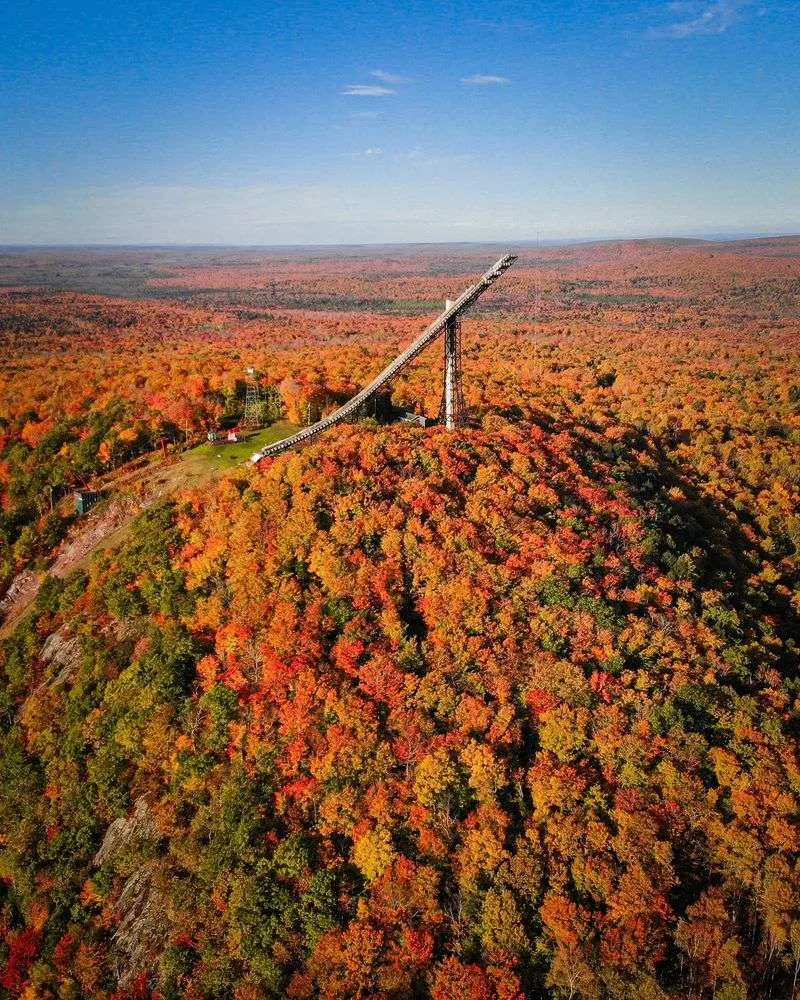
Tucked into Michigan’s western Upper Peninsula, Copper Peak towers above dense forest with a silhouette you cannot mistake.
This is the world’s largest artificial ski jump, and standing beneath it delivers goosebumps you will remember. The scale, the engineering, and the raw Lake Superior wind make every step feel epic.
Keep reading to learn how to see it, ride it, and truly appreciate what makes Copper Peak unforgettable.
Overview and history of Copper Peak
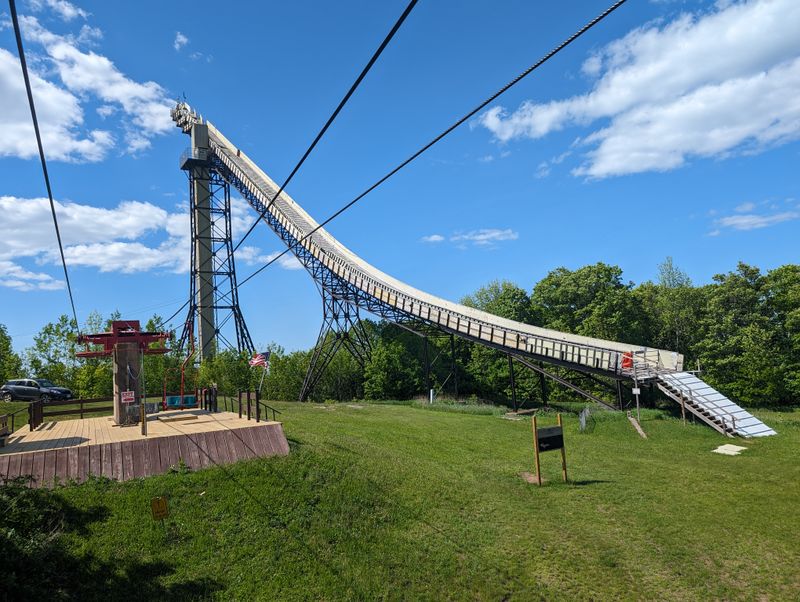
Copper Peak sits on a basalt bluff above Ironwood, a hulking steel ski flying tower that immediately resets your sense of scale. Built in the late 1960s and completed in 1970, it was envisioned to put the western Upper Peninsula on the global ski map. For a period, it hosted international competitions and training, drawing athletes who chased distance and speed.
Today, the structure remains the world’s largest artificial ski jump, a record that still stuns first time visitors. When you approach from Copper Peak Rd, the tower appears to grow out of the forest, angular and purposeful. It is both an engineering artifact and a living attraction, with tours that share its story.
The site’s rebirth includes upgrades aiming to host future events under modern standards. You can ride an 800 foot chairlift, then an elevator up the inrun, and step onto the highest platform open to the public. The views stretch toward Lake Superior, the winding Black River, and endless pines.
Even outside competition days, the spirit of flight lingers. Walk the museum exhibits and interpretive panels to learn names, dates, and audacious jumps. Every bolt and beam tells a chapter of Upper Peninsula grit and global ambition.
How to get there and essential logistics
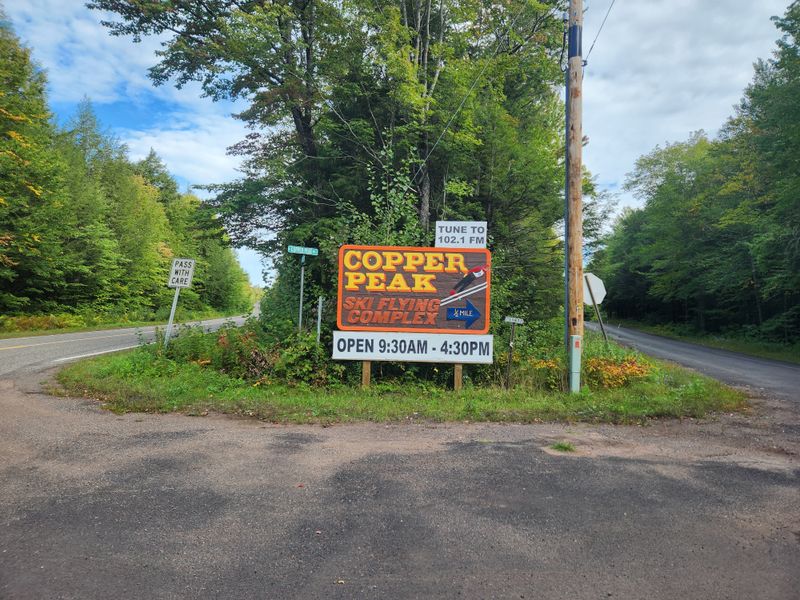
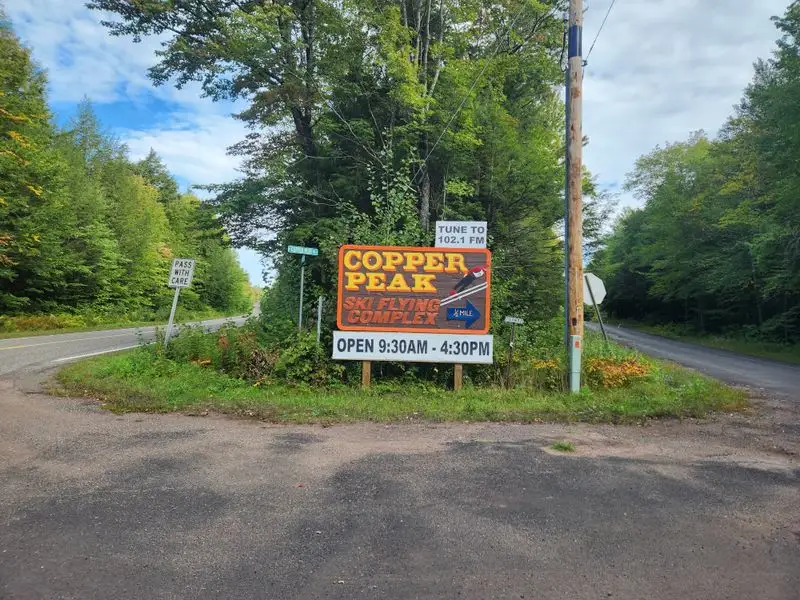
You will find Copper Peak at 46.5986673, -90.0880589, just off Copper Peak Rd in Ironwood Township. From downtown Ironwood, head north on Lake Rd, then follow signs to the site. The access road is well marked in summer and plowed in winter as conditions allow.
Parking sits near the base area, where you can purchase tickets for the chairlift and elevator. Hours vary by season, so check ahead for operating days and weather holds. Lake Superior winds can pause operations, and that is part of the adventure.
Cell service is decent but can dip, so download confirmations and offline maps. Wear layers, even in July, because temperatures drop as you ascend the tower. Closed toe shoes with good traction make the platform experience more comfortable and secure.
Restrooms, a small shop, and interpretive displays are at the base. If you are road tripping, Ironwood offers lodging, dining, and fuel within a short drive. In peak fall color season, arrive early, since traffic builds on Copper Peak Rd and photo stops slow everything down.
Chairlift and elevator experience
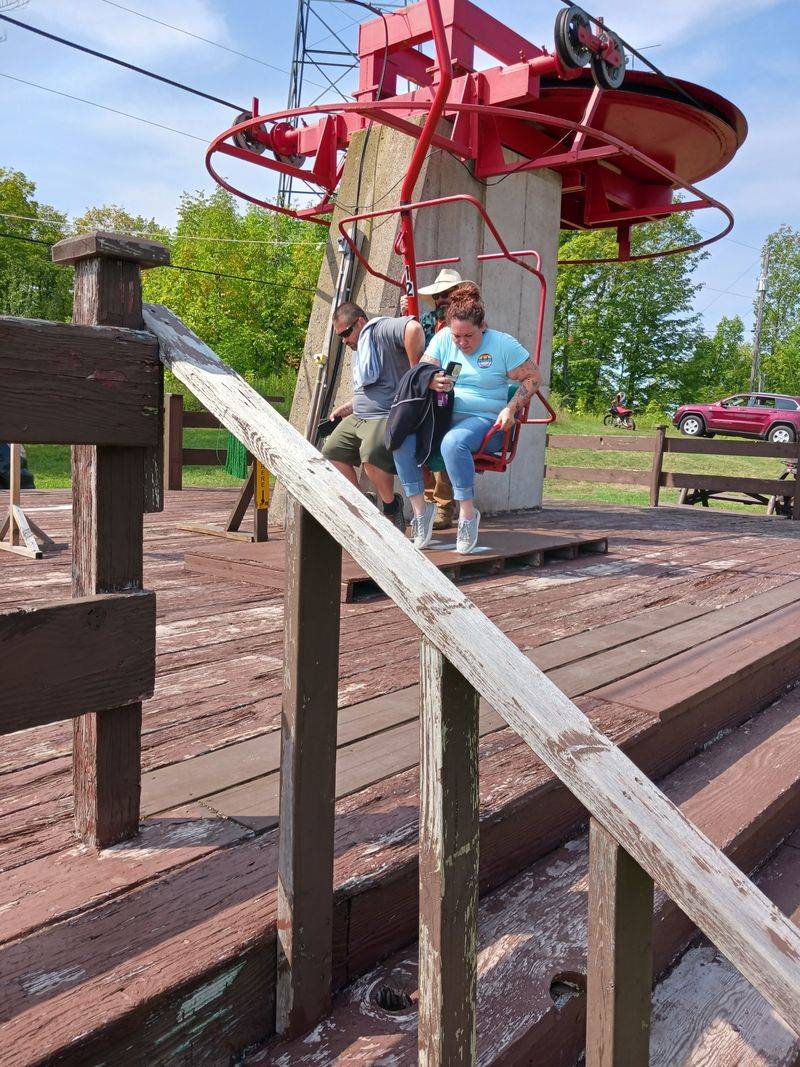
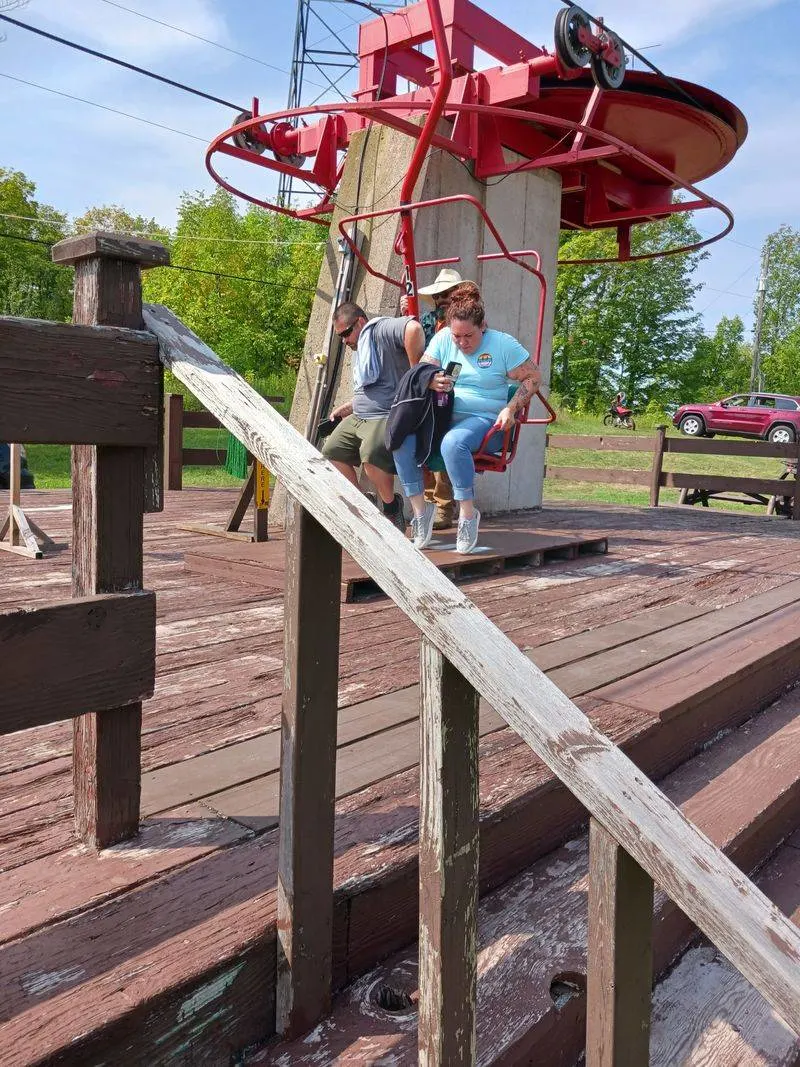
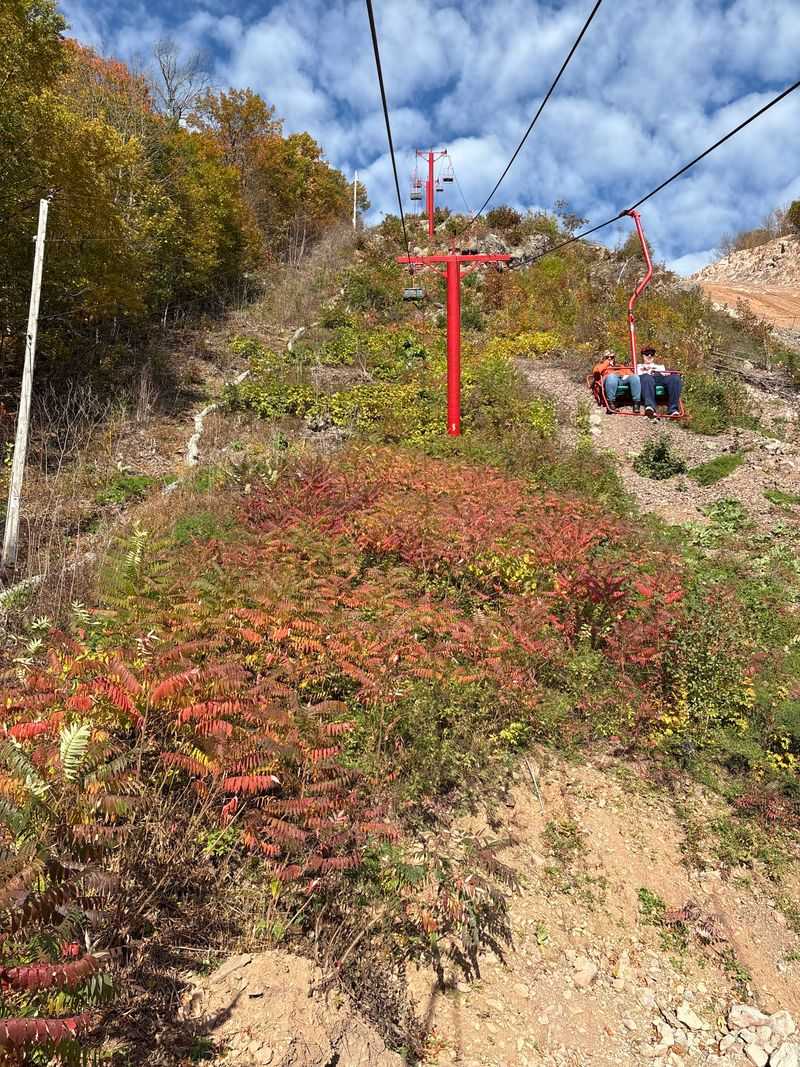
The ascent unfolds in two acts that heighten anticipation. First, you glide up an 800 foot chairlift through deep green forest that opens to basalt outcrops. The tower slowly rises into full view, all rivets and trusses catching the sun.
At the mid station, attendants guide you to the elevator that climbs the inrun spine. The car hums upward, and the ground falls away until you are eye level with hawks. On windy days, the sensation is thrilling but controlled, with staff monitoring conditions.
Each landing reveals a new angle on Lake Superior’s broad slate colored sheet. The elevator doors open onto platforms that make you pause and breathe. Bring a light jacket and secure hats or sunglasses before stepping outside.
Kids and first timers often grip the rail, then gradually lean into the views. The ride down is just as scenic, giving you time to notice the forest mosaic and trails. By the time your chair touches the base, you will already want one more run.
Summit views and scenic overlooks
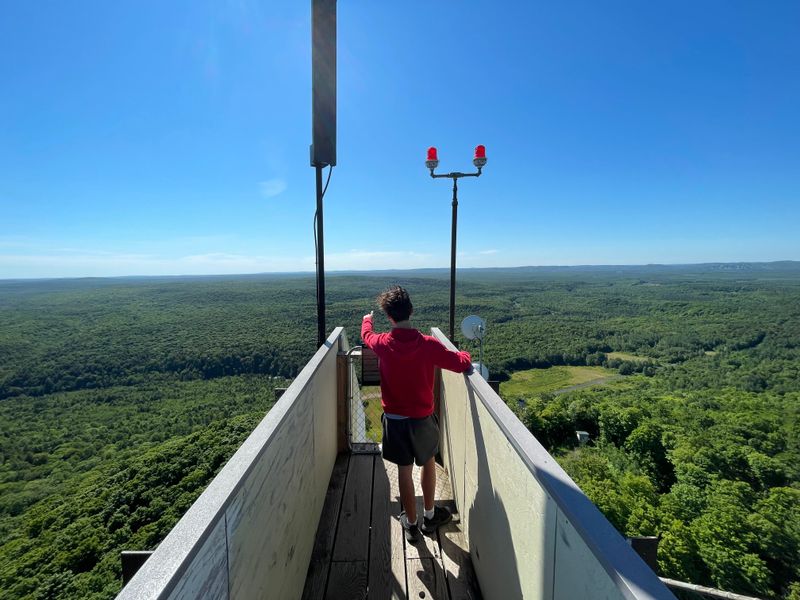
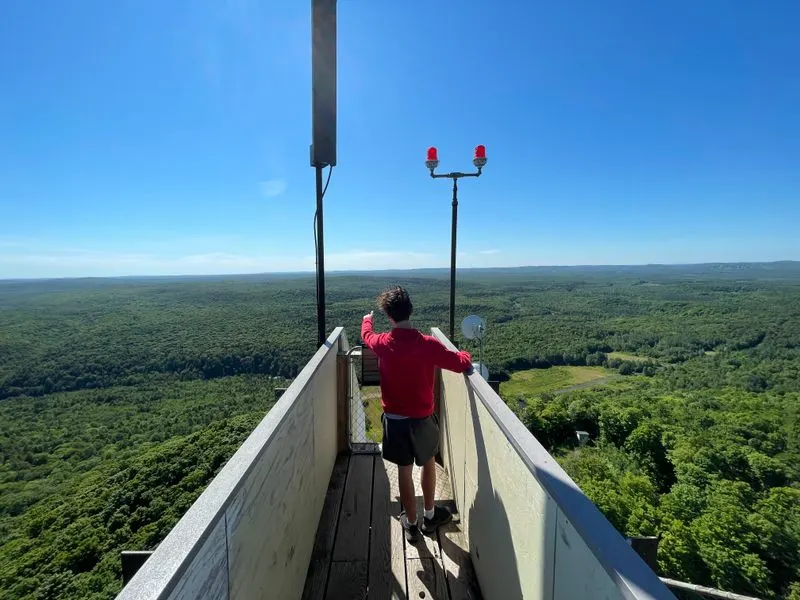
From the highest public platform, the horizon stretches in a perfect arc that seems to bend. On clear days, Lake Superior shimmers like polished slate, and freighters appear as tiny charcoal strokes. The Black River cuts a dark ribbon through the woods far below.
Turn inland and the Penokee Range rolls like green ocean swells. In fall, reds and golds ignite the canopy and make the tower feel suspended in color. Winter sharpens every line, with snow drifts sculpting the ridges and frozen wetlands gleaming.
You will find interpretive markers that label peaks, waterways, and nearby communities. Photographers should bring a wide lens to capture the tower’s drama and the lake’s immensity. Polarizing filters help tame glare off Superior on bright afternoons.
Step gently, keep phones tethered, and pause to let the height sink in. Wind gusts add texture to the experience without overwhelming it on most days. When a cloud shadow washes across the forest, the entire view changes mood in seconds.
Engineering and design of the jump tower
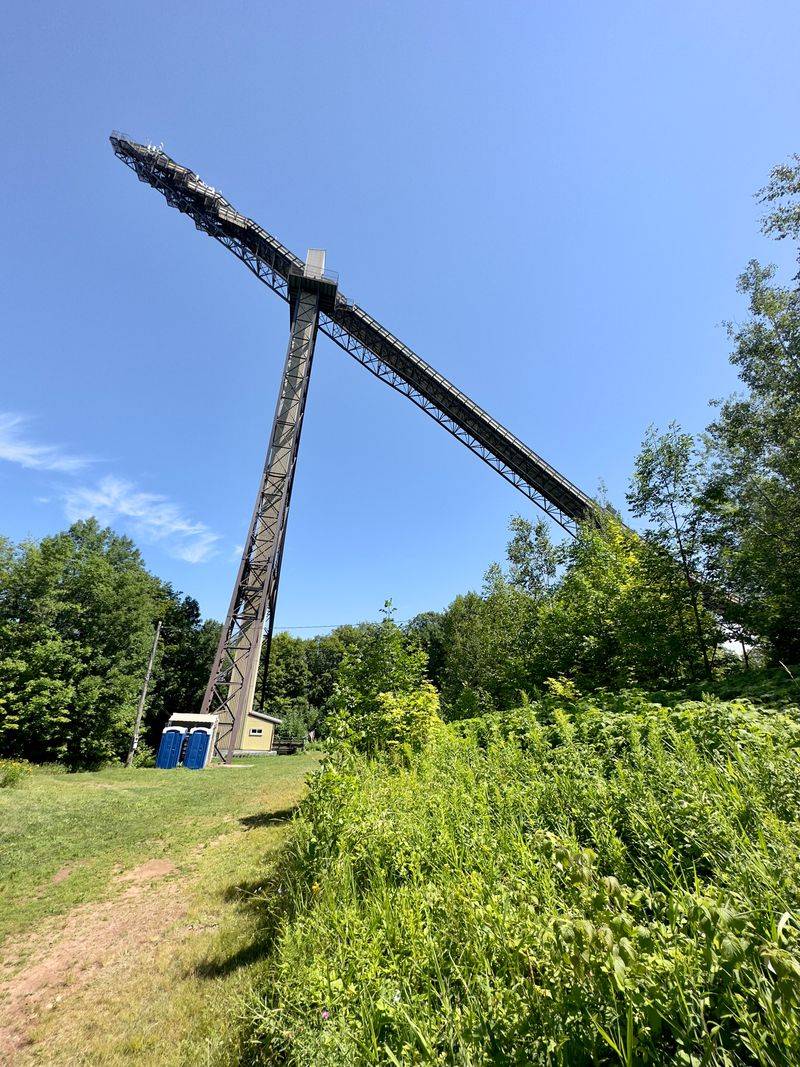
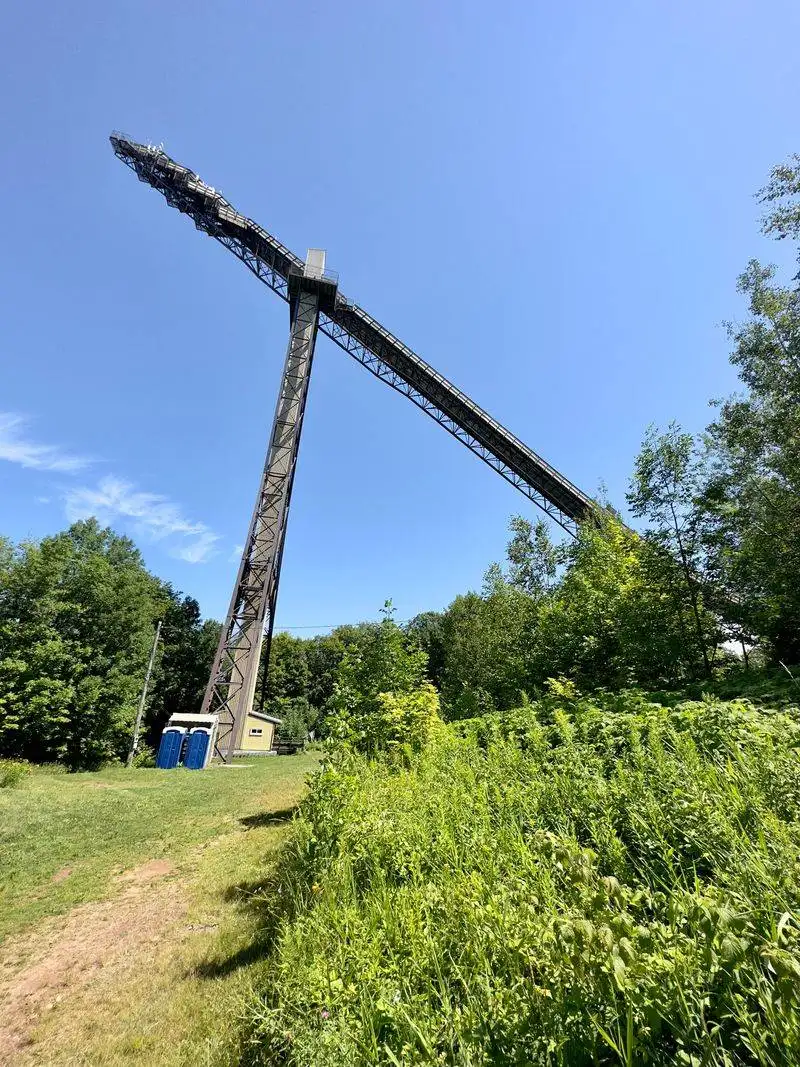
The tower’s form follows aerodynamic function, a steel lattice that balances strength with minimal wind resistance. Engineers anchored the base into volcanic rock, using deep footings to counter pitching forces. Every diagonal bracing member works to stiffen the inrun against gusts.
The inrun profile, calculated for ski flying speeds, dictates the elevator’s path and the platform placements. Maintenance crews inspect welds, bolts, and corrosion points seasonally, a ritual that preserves longevity. Recoating and galvanic protection fight the Upper Peninsula’s wet and icy climate.
Walking along the structure, you notice changes in vibration as wind shifts. Those subtle tremors are designed behavior, dispersing loads through multiple members. Railings, grating, and anti slip surfaces keep guests secure without cluttering sightlines.
Interpretive panels explain upgrades planned to align with modern competition standards. The goal blends heritage with future use so events can return safely. It is a working monument that performs like machinery and inspires like sculpture.
Seasons at Copper Peak: when to visit
Spring brings rushing water in nearby ravines and mist that hangs around the bluff. Trails open as frost lifts, and the tower feels freshly awakened. You get softer light and fewer crowds, but weather can flip quickly.
Summer delivers long days, warm chairlift rides, and deep green vistas. Afternoon storms develop fast, so morning visits often win for clarity. On hot days, lake breezes at the summit are a welcome surprise.
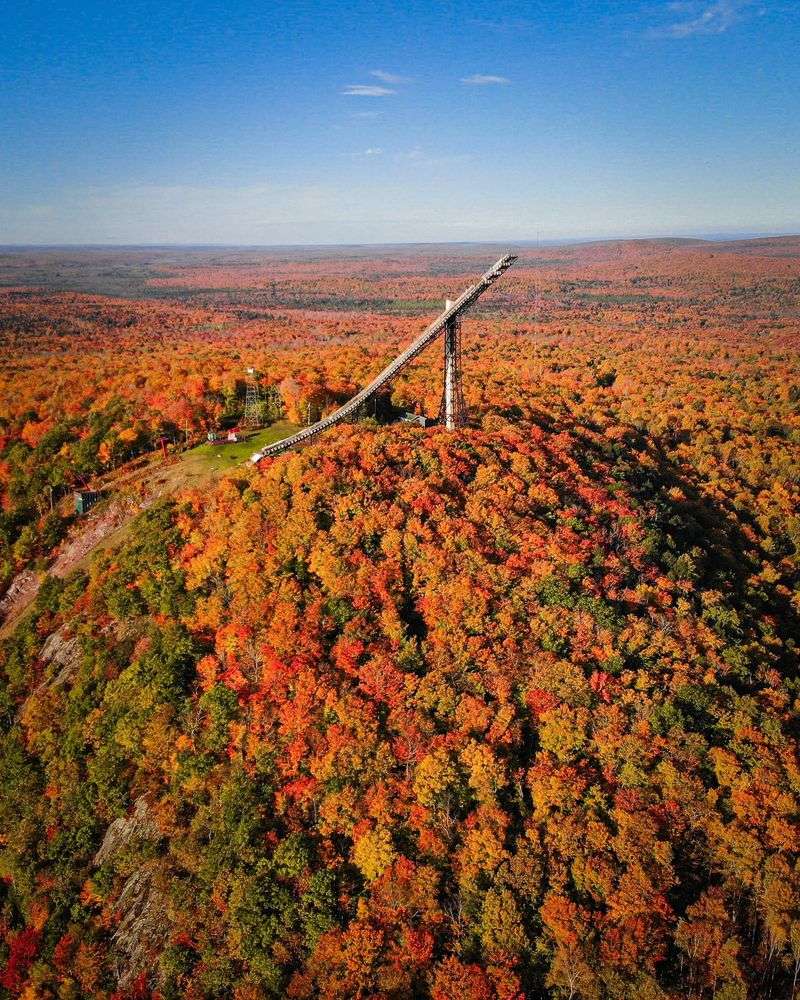
Autumn is the showstopper, with color peaking typically late September into early October. Lines grow at the base, but staff moves things along efficiently. Sunrise and late afternoon make the forest glow and add drama to the steel.
Winter transforms everything into clean geometry and quiet. Operations may be limited, yet special openings happen when conditions allow. If you catch one, the blue sky plus snow scene is unforgettable and worth the extra layers.
Nearby trails and Black River scenery from the site
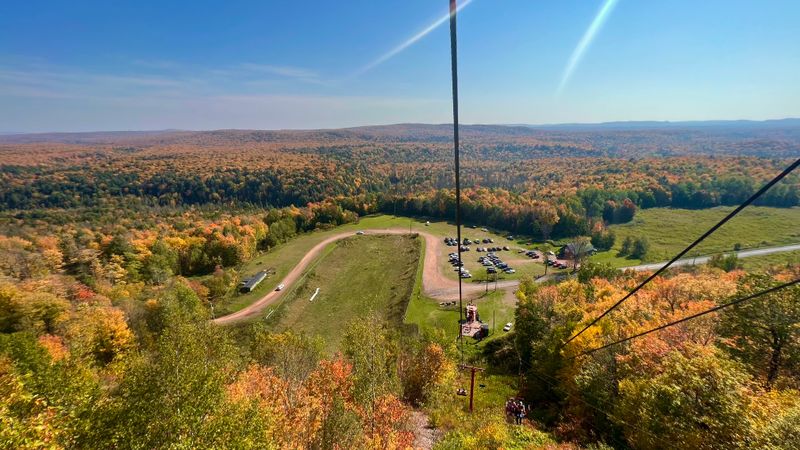
From the platforms, the Black River valley spreads out like a textured map. You can trace the water’s path by the darker tree line that follows the channel. Basalt shelves and cedar stands hint at waterfalls downstream.
While Copper Peak focuses on the tower, the surrounding forest offers casual strolls near the base. Short interpretive paths introduce geology, flora, and the site’s mining past. Wear sturdy shoes because roots and rocks are part of the terrain.
Birders should watch for hawks working thermals that rise off the bluff. Warblers move through in spring, and ravens often play in the wind around the tower. Quiet moments bring woodpeckers tapping and squirrels chattering in the understory.
If time is tight, even a 20 minute loop delivers a nature reset. The contrast between engineered steel and living forest makes the visit richer. You leave with a fuller sense of how this landmark belongs to the landscape.
Safety tips and accessibility information
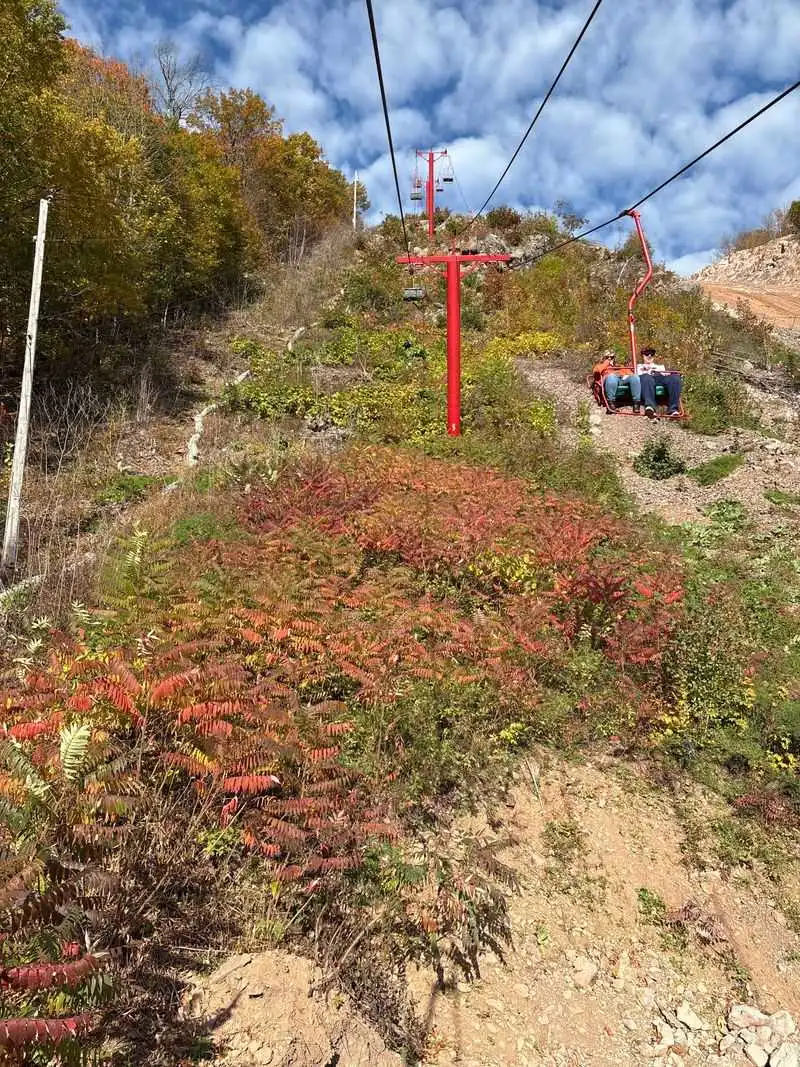
Height is thrilling, and preparation makes it comfortable. Dress in layers, secure loose items, and choose closed toe shoes with grip. Sunglasses and a hat with a strap help on bright, breezy days.
The chairlift and elevator streamline access, and staff assists guests as needed. Railings are high, platforms are grated for traction, and signage outlines safe behavior. Follow posted rules, especially during windy conditions when operations may pause.
Those sensitive to heights can pause on lower landings to acclimate. Breathing slowly, focusing on the horizon, and using handrails usually steady nerves. Ear protection is optional but helpful when wind hums through the structure.
Accessibility evolves with ongoing improvements, so check current details before visiting. Service animals, caregiver support, and timing your trip during less busy hours can improve comfort. If you have questions, the base team answers them with practiced clarity and calm.
Photography guide: capturing Copper Peak
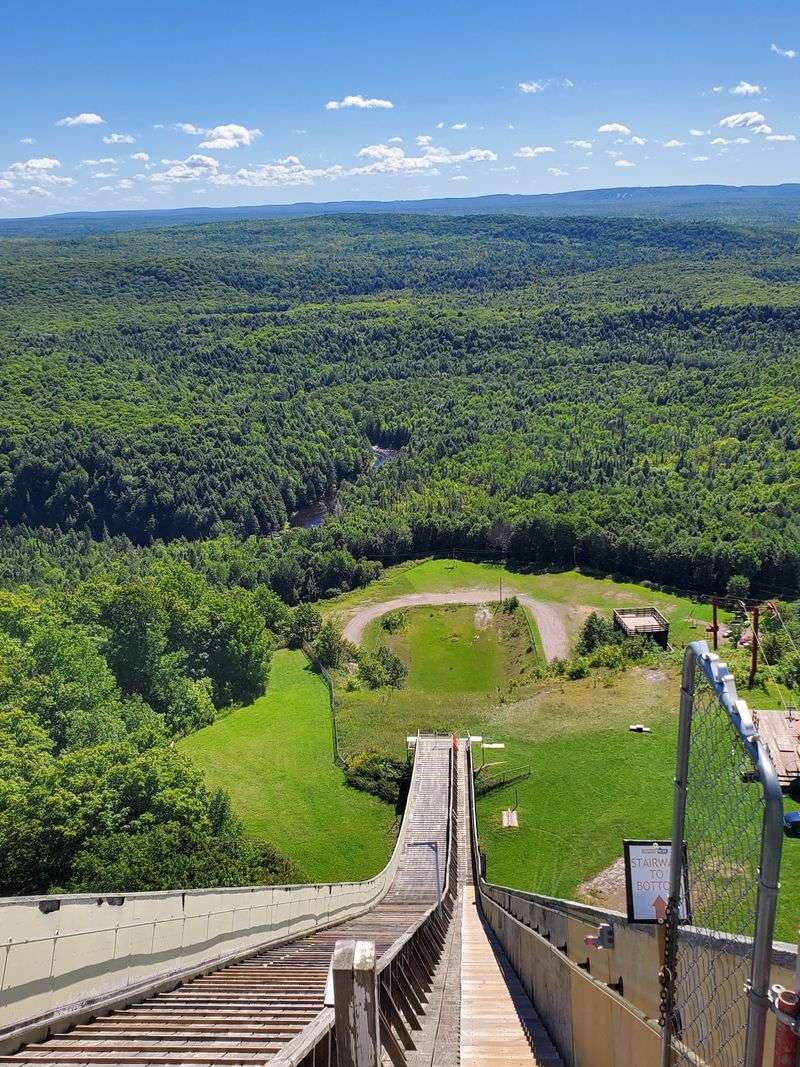
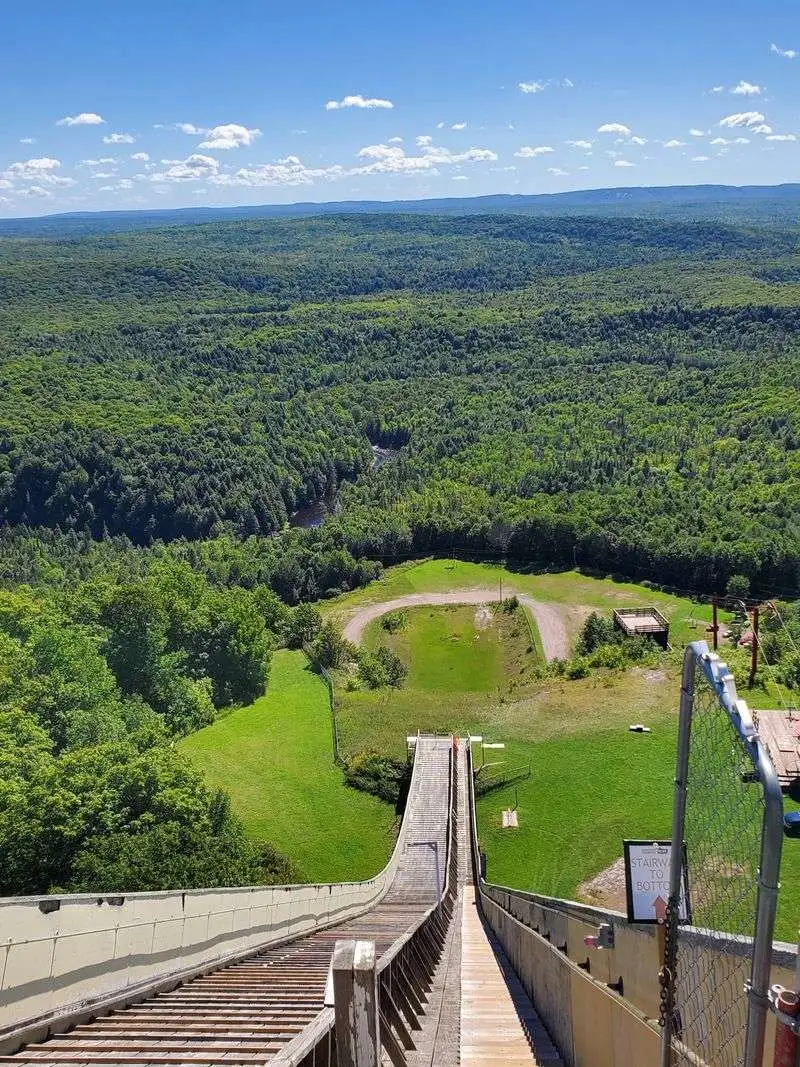
Arrive early or stay late for low angle light that defines the steel lattice. A wide angle lens captures the tower’s height and the sweep of Lake Superior. For details, switch to a short telephoto and isolate trusses, stairs, and rivets.
Use the rail as a leading line, but keep safety first and gear tethered. A polarizer cuts glare off the lake and saturates forest greens. Bracketing exposures helps balance bright sky and shadowy structure.
From the base, step back along Copper Peak Rd to frame the tower against the bluff. Silhouettes at sunset are simple and striking. On cloudy days, the moody light suits black and white conversions beautifully.
Wind adds motion to trees and flags, so adjust shutter speeds accordingly. If you shoot people, capture scale by placing a friend near the railing. You will leave with images that feel as big as your memory.
Future events and community impact
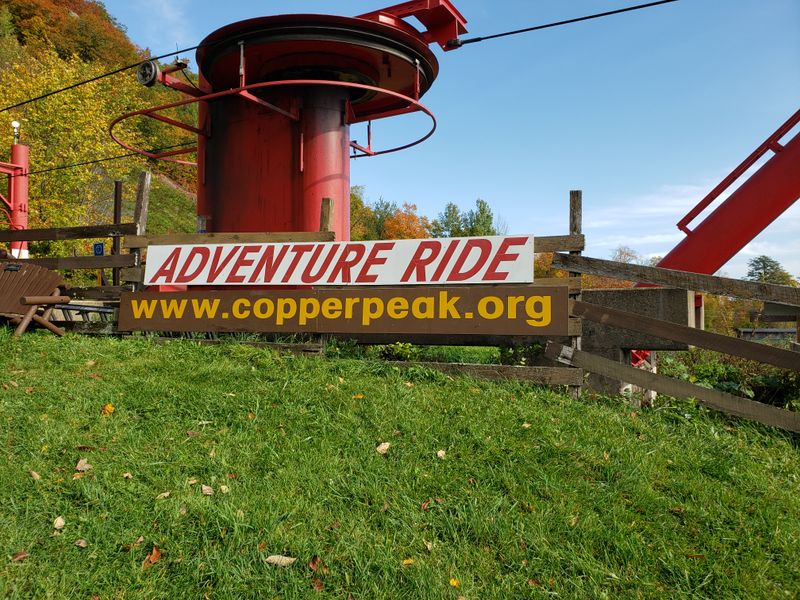
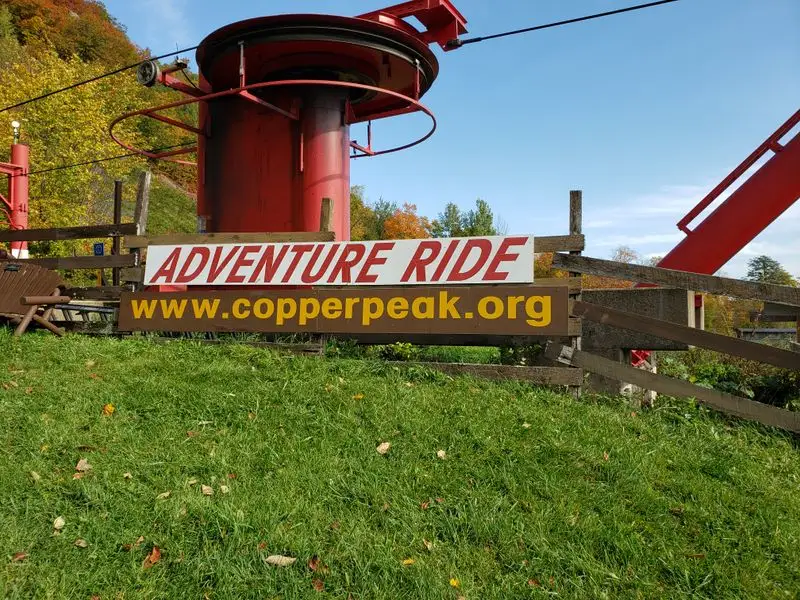
Plans continue to position Copper Peak for modern ski flying and related events, updating infrastructure while honoring legacy. This effort pulls together engineers, officials, and passionate locals. When competition returns, it will spotlight Ironwood on an international stage.
Even now, tours and seasonal openings drive steady tourism that supports lodging, dining, and guides. Visitors ripple spending across the region, from gas stations to galleries. The tower’s brand helps keep young talent and entrepreneurs rooted in the area.
Volunteer groups maintain trails, host cleanups, and welcome guests with practiced pride. School programs use the site to teach physics, history, and environmental stewardship. You feel that community heartbeat the moment you step into the base area.
Following updates on official channels helps you time a return visit. The day crowds cheer beneath those steel beams will be a milestone worth attending. Until then, each trip sustains momentum and tells the story forward.