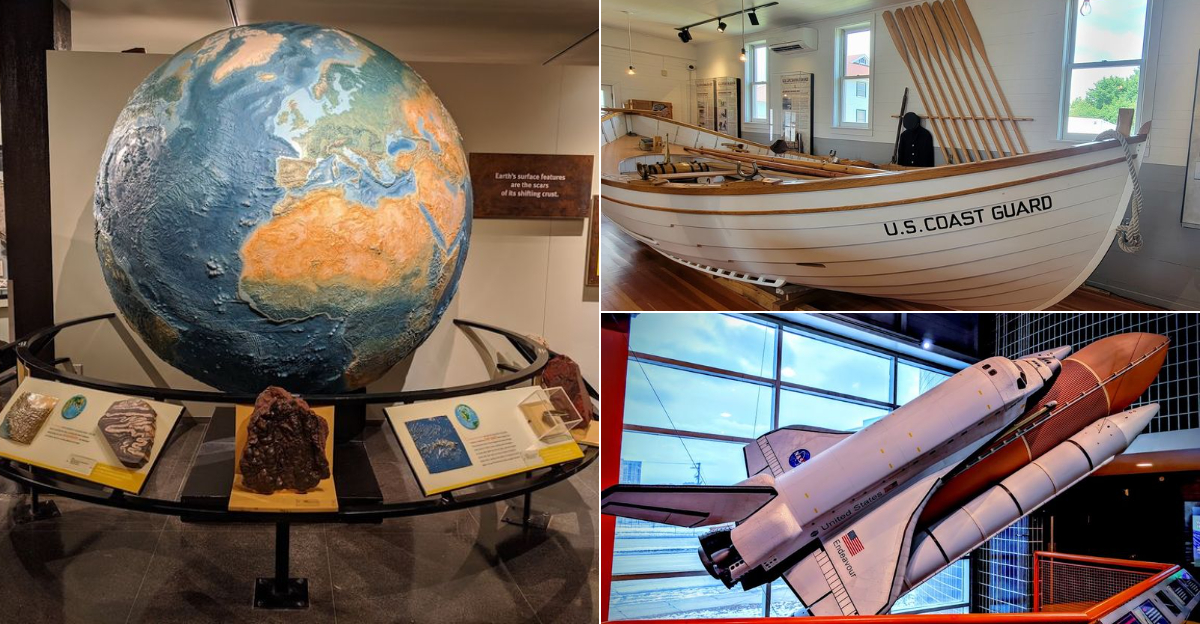
Some trips hand you a map, a snack, and a polite promise of culture, but Michigan’s best museums sneak in the education while you are too busy gawking at race cars, mummies, Motown glitter, and shipwreck drama.
These places trade dusty silence for towering artifacts, hands-on experiments, blockbuster art, clever surprises, and stories so wild they sound made up until a guide casually points to the proof sitting right in front of you.
From Dearborn to Paradise, every stop on this list delivers a different flavor of wonder, whether you want presidential history, Arabic calligraphy, an actual submarine, or a planetarium show that makes your errands afterward feel hilariously small.
If you like learning best when it feels accidental, entertaining, and just a little brag-worthy, this lineup is your excuse to plan a Michigan museum crawl and leave with fun facts you will absolutely overuse at dinner later on happily.
1. The Henry Ford — Dearborn
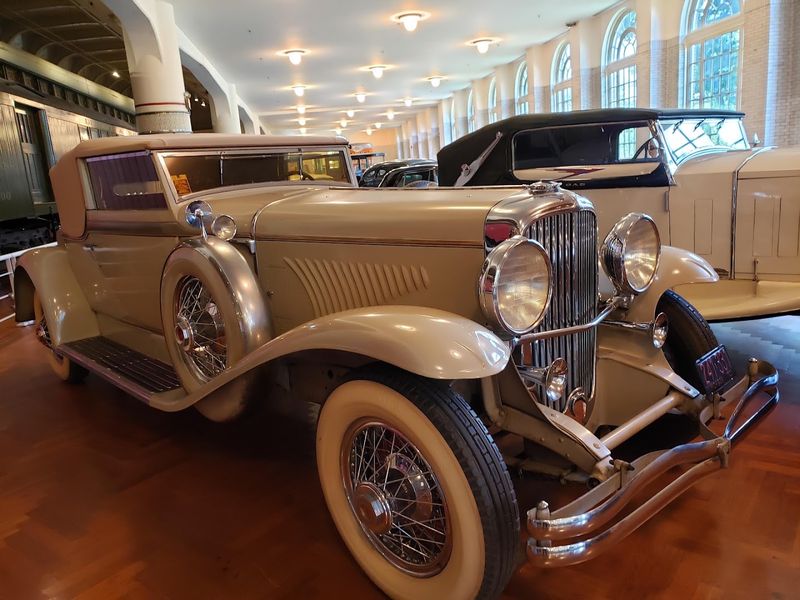
History arrives with a full tank at The Henry Ford in Dearborn.
This sprawling museum complex turns American innovation into a walkable adventure, from presidential limousines to giant steam engines.
You are not just reading labels here – you are meeting the machinery, ideas, and personalities that shaped daily life.
The Henry Ford Museum of American Innovation is the headline act, packed with transportation icons, design breakthroughs, and deeply human stories.
One minute you are staring at the bus linked to Rosa Parks.
Next, you are admiring experimental vehicles that look ready for a time traveler.
If you have extra time, Greenfield Village and the Ford Rouge Factory Tour deepen the experience beautifully.
That means historic homes, working craft demonstrations, and a surprisingly fascinating look at manufacturing in motion.
Kids stay engaged, adults get nostalgic, and everyone leaves with at least one new favorite fact.
Come early, wear comfortable shoes, and accept that you will not see everything in one visit.
That is not a flaw.
It is the museum equivalent of a great playlist with no skips.
2. Motown Museum — Detroit
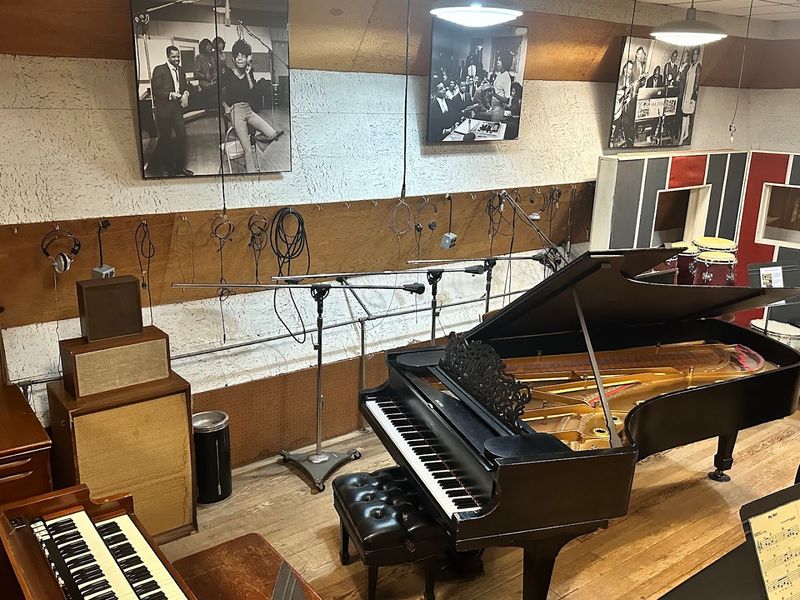
The beat starts before you even reach the front door at Motown Museum in Detroit.
Set inside the house where Berry Gordy built a musical empire, this place feels less like a museum and more like a spark preserved in time.
You can practically hear ambition humming through the walls.
Studio A is the emotional center, and yes, it earns the hype.
Standing in the same recording space used by legends gives the tour a goosebumps factor that no playlist can replicate.
Guides often bring the stories alive with rhythm, wit, and details that make the artists feel wonderfully human.
You will learn how Motown shaped American music, Black entrepreneurship, and Detroit’s cultural identity without ever feeling trapped in a lecture.
Costumes, photographs, instruments, and handwritten notes keep the narrative intimate.
The whole experience moves with the confidence of a hit single.
Because tours can fill quickly, booking ahead is smart.
The museum is compact, but its impact is huge.
By the time you leave, even your quietest friend may be walking to the car with a soundtrack in their head.
3. Detroit Institute of Arts — Detroit
Art museums can feel intimidating, but the Detroit Institute of Arts in Detroit is gloriously welcoming.
Its vast collection spans centuries and continents, yet the building never loses its sense of warmth or curiosity.
You can wander confidently, even if your art vocabulary begins and ends with pretty and wow.
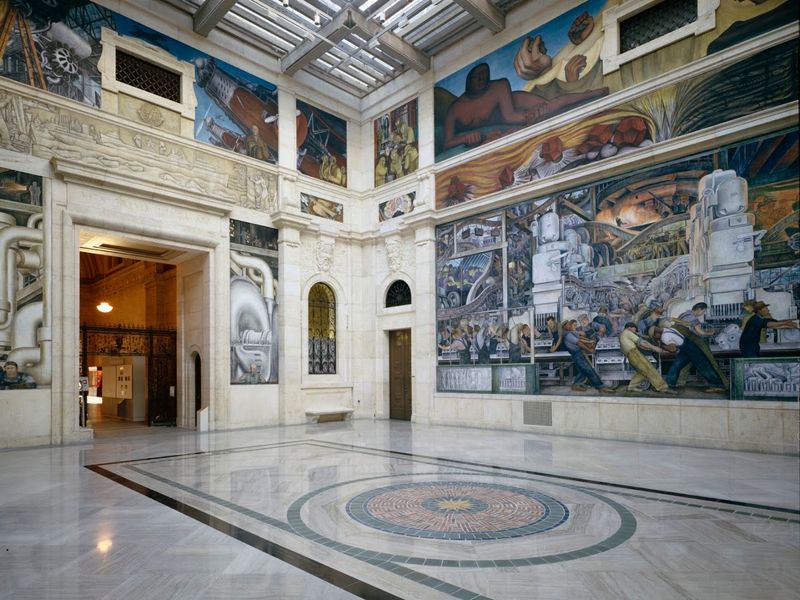
The undeniable star is Diego Rivera’s Detroit Industry Murals.
They surround you with color, labor, machinery, and social commentary so alive that the room feels electrically charged.
Seeing them in person is less like viewing a masterpiece and more like stepping inside an argument about progress.
Beyond Rivera, the museum offers everything from ancient artifacts to American painting, decorative arts, and rotating exhibitions.
There is enough variety to suit the serious scholar, the casual browser, and the person mainly hunting for one unforgettable room.
That flexibility is part of its magic.
Located in Midtown, the DIA pairs beautifully with lunch or coffee nearby.
Give yourself time to linger instead of racing through.
This is the kind of museum that rewards a second look, then a third, then one final lap before closing.
4. Michigan Science Center — Detroit
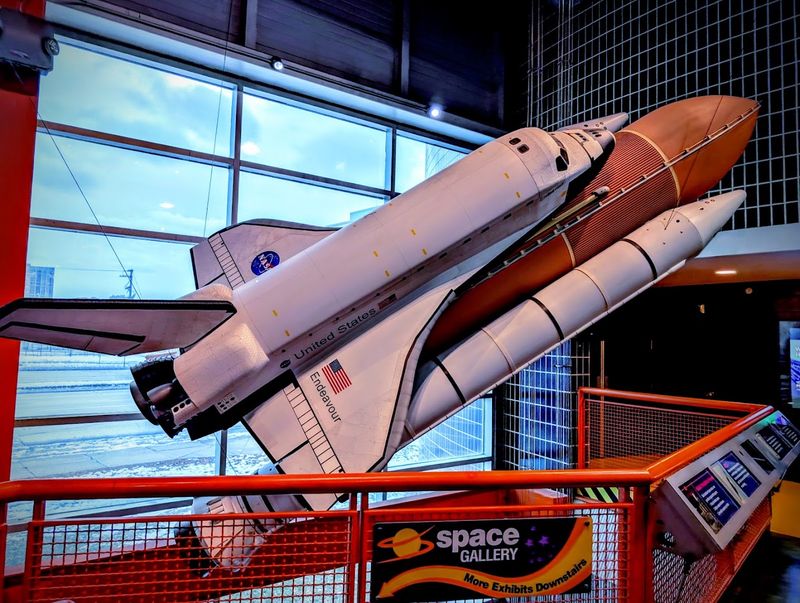
Blinking lights, spinning gadgets, and delighted chaos set the tone at the Michigan Science Center in Detroit.
This is where science gets off the textbook page and starts pushing buttons, flashing colors, and asking you to test things yourself.
That hands-on energy makes curiosity feel contagious.
Exhibits cover physics, engineering, health, space, and environmental science with plenty of opportunities to experiment.
You are encouraged to touch, build, press, compare, and occasionally make something wobble in the name of discovery.
That practical approach keeps kids engaged and adults pleasantly competitive.
The planetarium and giant screen theater add a welcome sense of scale.
Suddenly, tiny atoms and enormous galaxies belong in the same day trip, which is a neat trick.
Special demonstrations often make complex ideas feel simple without flattening the fun.
If you are visiting with children, this museum is a reliable crowd-pleaser.
If you are visiting without children, it is still a blast.
Either way, you leave Detroit with more scientific confidence than you had before, plus a strong urge to explain momentum to someone at dinner.
5. Great Lakes Shipwreck Historical Society Museum — Paradise
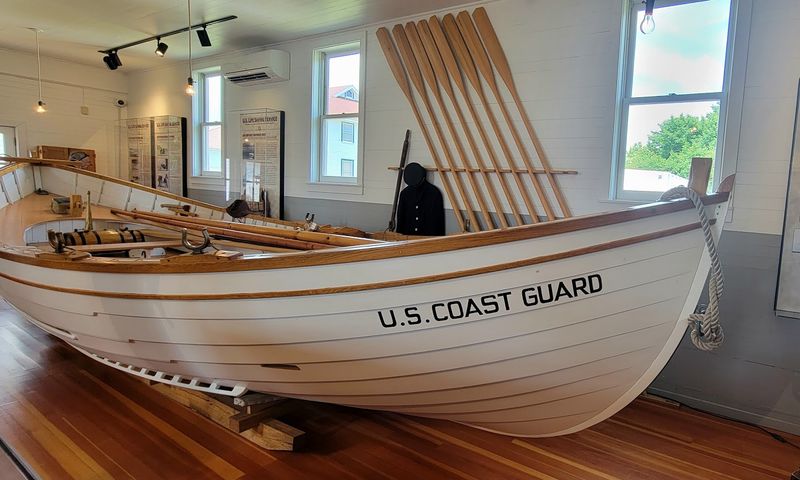
Lake Superior has a talent for drama, and the Great Lakes Shipwreck Historical Society Museum in Paradise tells those stories brilliantly.
Tucked in Michigan’s Upper Peninsula, this museum gives shipwreck history the gravity, mystery, and weather-beaten texture it deserves.
You leave with fresh respect for water that can look peaceful and still mean business.
The exhibits focus on Great Lakes maritime life, navigation, rescue efforts, and vessels lost to storms and unforgiving conditions.
Artifacts recovered from wrecks create a direct link to lives interrupted and communities changed.
The storytelling is careful, respectful, and compelling rather than sensational.
Many visitors come especially for the Edmund Fitzgerald material, and it does not disappoint.
The museum explains the ship’s place in regional memory while grounding the legend in evidence and context.
That balance between emotion and fact is its greatest strength.
Paradise is also close to Whitefish Point, which makes the setting feel especially fitting.
Pair the museum with the shoreline for the full effect.
Afterward, every wave on Lake Superior seems to carry a little more history than it did before.
6. Air Zoo Aerospace & Science Museum — Portage

Few museum ceilings are as exciting as the ones at Air Zoo in Portage.
Planes, spacecraft, and flight history soar overhead, making the whole place feel like a hangar with a sense of humor.
If you have ever wanted education with a side of lift-off, this is your stop.
The collection includes historic aircraft, aerospace exhibits, and interactive displays that invite genuine participation.
Flight simulators and hands-on stations keep the experience lively instead of static.
You do not have to be an aviation buff to get pulled in by the scale and engineering.
Air Zoo also does an excellent job connecting local curiosity to global exploration.
The leap from early flight to space travel feels logical here, which says a lot about the quality of interpretation.
Children see possibility, and adults rediscover the thrill of things that fly.
Located just south of Kalamazoo in Portage, it works well as a destination or rainy-day rescue plan.
Give yourself more time than you think you need.
Some museums ask for quiet appreciation, but this one practically dares you to dream a little bigger on the ride home.
7. Gerald R. Ford Presidential Museum — Grand Rapids
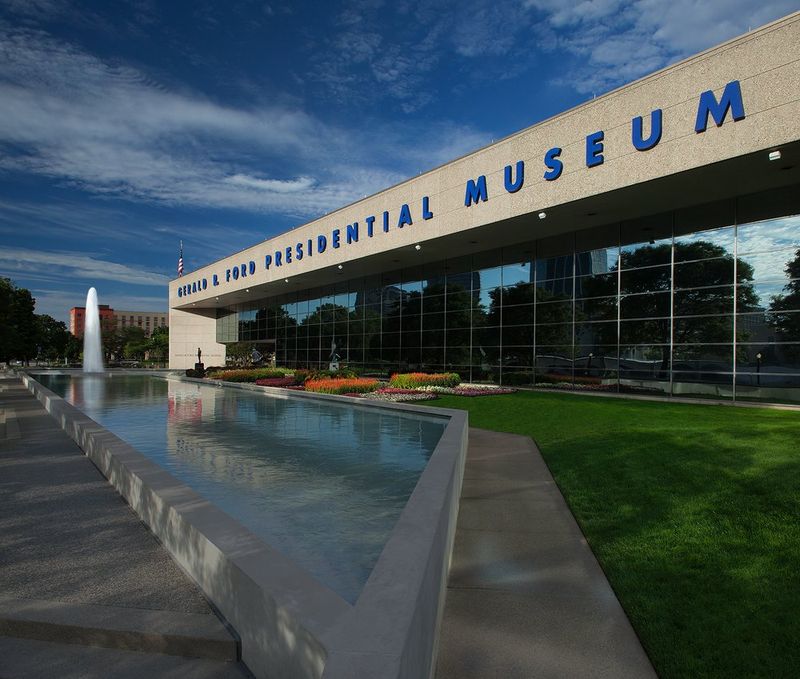
Politics rarely feels this approachable, which is part of the appeal at the Gerald R.
Ford Presidential Museum in Grand Rapids.
Instead of drowning you in dates and policy jargon, it introduces a president through character, crisis, and context.
That human scale makes the history stick.
Exhibits trace Ford’s life from Michigan roots to the White House during an exceptionally turbulent era.
You get the Watergate aftermath, Cold War pressures, domestic challenges, and the personal details that rounded out his public image.
The museum is informative without becoming heavy-handed.
Temporary exhibitions often broaden the experience beyond Ford himself, touching on American leadership, public service, and cultural change.
That variety gives repeat visitors a reason to return.
It also keeps the museum from feeling sealed inside one chapter of history.
Because it sits in downtown Grand Rapids, it is easy to combine with a riverfront walk or lunch nearby.
The galleries are polished, well-paced, and thoughtfully designed.
You may arrive expecting a civics refresher and leave surprisingly invested in how one steady Midwesterner handled a stormy national moment.
8. Grand Rapids Public Museum — Grand Rapids
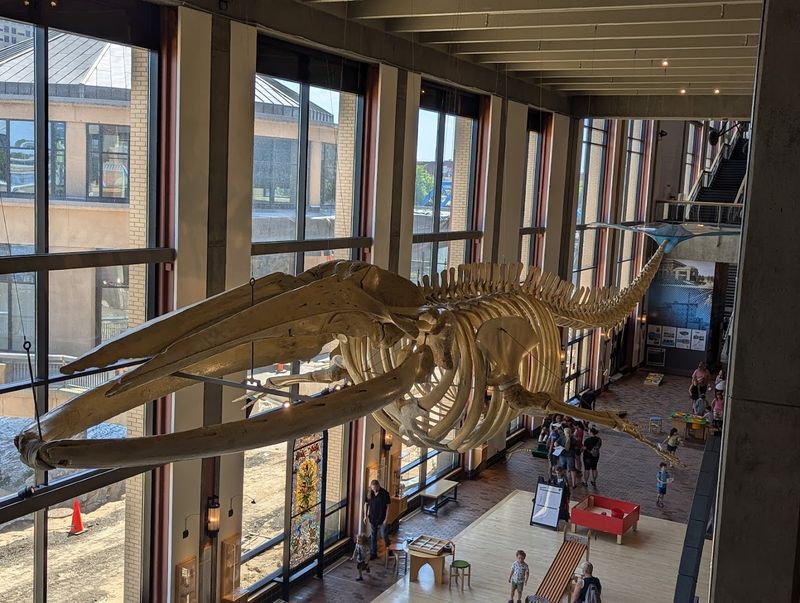
Variety is the secret sauce at the Grand Rapids Public Museum in Grand Rapids.
This is the kind of place where local history, science, culture, and nostalgia all manage to share the same address without arguing.
The result feels delightfully unpredictable.
Exhibits often explore West Michigan’s people, industries, and environment in ways that stay accessible and relevant.
You might move from fossils to furniture, then from regional stories to a beautifully restored carousel.
That mix gives every type of visitor something to latch onto.
The museum’s setting along the Grand River adds to the outing, especially if you pair it with nearby downtown stops.
Inside, displays balance artifact-rich storytelling with enough interactivity to keep younger visitors from drifting.
It is educational, yes, but never scolding.
What makes this museum memorable is its sense of place.
You do not just learn abstract facts.
You start to understand how Grand Rapids grew, what shaped it, and why local museums can sometimes tell the most surprisingly universal stories of all.
9. Arab American National Museum — Dearborn
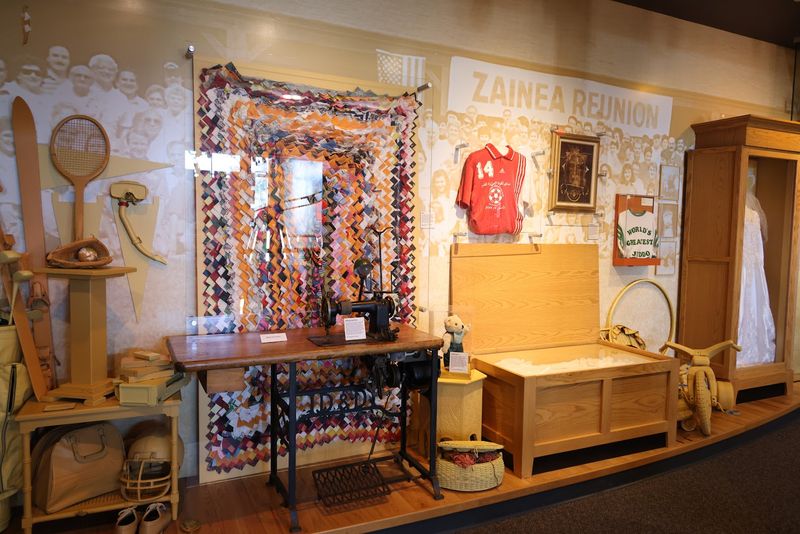
Some museums expand your world the moment you step inside, and the Arab American National Museum in Dearborn does exactly that.
It explores identity, migration, creativity, and community through stories that feel personal, layered, and urgently relevant.
You leave better informed and more connected.
As the first museum in the United States devoted to Arab American history and culture, it carries real significance.
Exhibits cover immigration journeys, contributions to public life, family traditions, language, literature, and art.
Nothing feels flattened into stereotype, which is a major strength.
Dearborn is one of the best places in the country to encounter Arab American culture in living context, and the museum reflects that richness.
Thoughtful curation makes the galleries engaging for newcomers while still meaningful for those who recognize pieces of their own story.
That balance is hard to achieve and easy to appreciate.
Plan time to read, reflect, and really look.
This is not a rush-through stop.
It is a place that rewards attention with nuance, insight, and the reminder that American history becomes much more accurate when more voices are fully included.
10. Kalamazoo Valley Museum — Kalamazoo
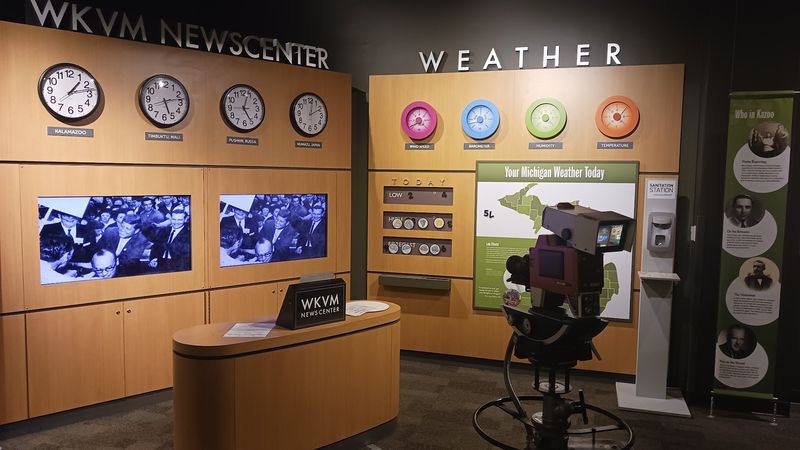
Free admission already makes Kalamazoo Valley Museum in Kalamazoo charming, but the real win is how much it packs inside.
This museum blends local history, science, and hands-on learning with the confidence of a place that knows curiosity should be accessible.
Your budget gets a day off here.
Exhibits often highlight regional stories, innovation, and natural science in a format that feels friendly rather than formal.
Children can explore interactives while adults notice how cleverly the museum threads broader ideas through local material.
That makes the experience both grounded and surprisingly expansive.
The planetarium is a standout feature and adds a satisfying sense of wow.
There is something delightful about learning neighborhood history, then immediately zooming off into space.
Few museums make that jump feel so natural.
Because it sits in downtown Kalamazoo, it is easy to fold into a full day of exploring.
Families especially love the flexibility and low-pressure atmosphere.
You can wander, discover, and linger without feeling like you need a strategy document, which is honestly one of the finest museum amenities around.
11. USS Silversides Submarine Museum — Muskegon
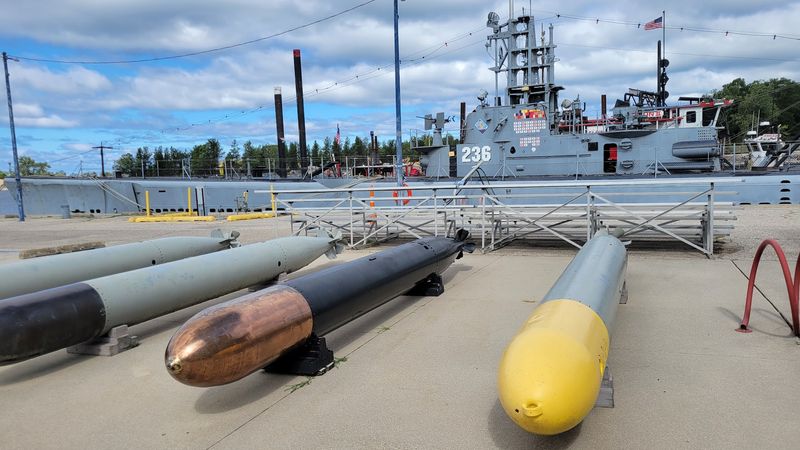
Claustrophobia meets fascination at the USS Silversides Submarine Museum in Muskegon, and somehow that combination really works.
This museum lets you explore naval history through one very tangible star: a World War II submarine with stories packed into every narrow passage.
You will never complain about your hallway again.
Touring the USS Silversides reveals the realities of submarine life better than any panel text could.
Tight bunks, compact workspaces, and layered machinery make the crew’s daily experience feel immediate.
It is immersive in the truest sense, with no gimmicks required.
The museum also includes additional naval exhibits, artifacts, and interpretation that place the submarine within the wider wartime story.
That context matters, because it turns a cool vessel into a fuller lesson about service, technology, and risk.
The setting near Lake Michigan only strengthens the atmosphere.
Muskegon offers plenty nearby, but do not rush this stop.
Move slowly, look closely, and imagine the discipline it took to live and work aboard.
By the end, history feels less distant and a lot more steel-plated.
12. Cranbrook Institute of Science — Bloomfield Hills
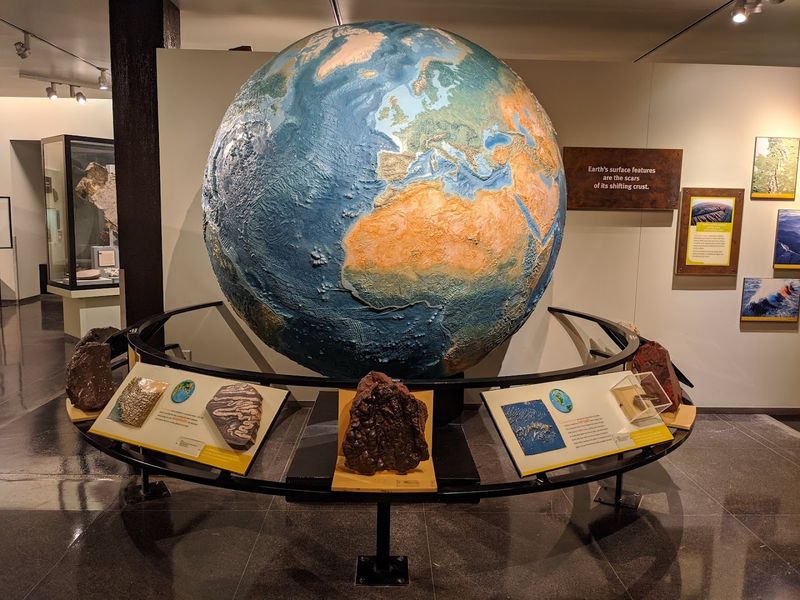
Dinosaurs are excellent attention-getters, and Cranbrook Institute of Science in Bloomfield Hills knows it.
This museum mixes natural history, astronomy, anthropology, and geology in a way that feels polished but never stiff.
It is smart, stylish, and cheerfully curious.
Fossils, minerals, cultural artifacts, and science displays create a strong sense of range without becoming overwhelming.
The exhibits invite you to move between ancient life, Earth processes, and human stories with ease.
That interdisciplinary feel gives the museum extra depth.
The planetarium adds another layer, especially if you enjoy pairing earthly evidence with cosmic perspective.
One moment you are studying rocks older than imagination.
The next, you are looking outward and feeling pleasantly tiny, which is a humbling little bonus.
Located on the beautiful Cranbrook campus in Bloomfield Hills, the museum benefits from an atmosphere that already feels thoughtful and creative.
It is especially good for families, but adults will find plenty to enjoy on their own.
Consider it a reminder that science can be rigorous, elegant, and genuinely fun without breaking a sweat.