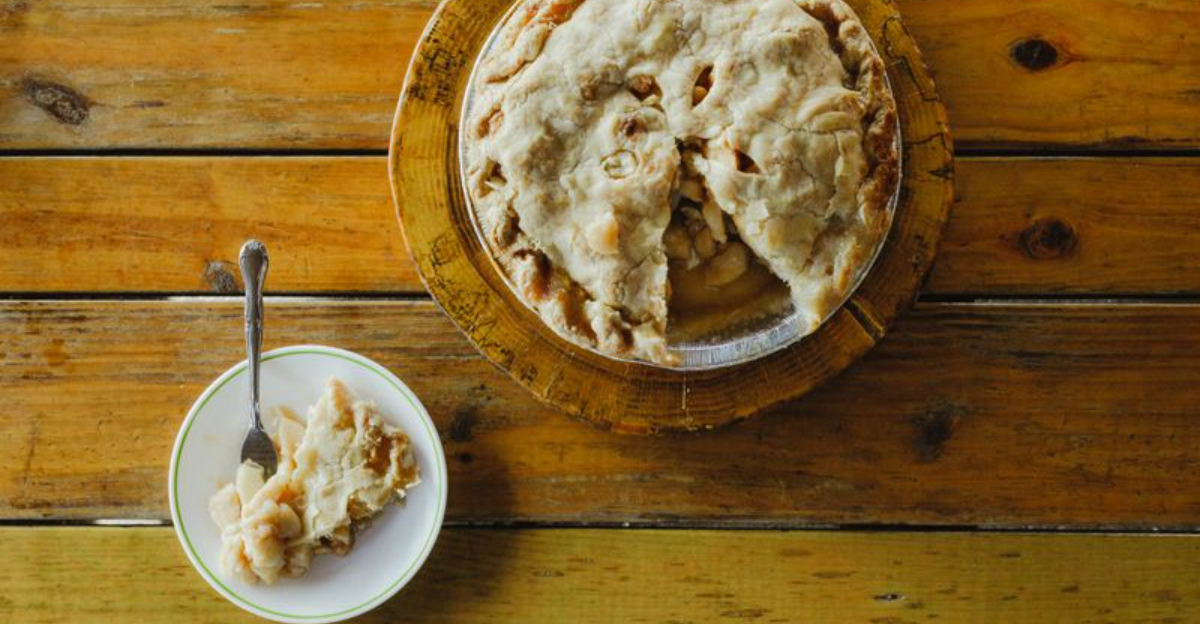
Michigan is an essential part of any serious conversation about America’s strongest pie traditions.
Its iconic cherry orchards, productive apple-growing regions, and thriving local farm markets have helped make pie a lasting expression of the state’s identity.
Across the region, specialty bakeries continue to attract loyal customers by transforming locally grown fruit and time-tested recipes into distinctive seasonal slices.
This culinary tradition successfully connects agriculture, family gatherings, and everyday food culture through a single, recognizable dessert.
Here is a selection of 10 iconic pie shops in Michigan that serve some of the state’s most famous pies and slices.
Whether the preference is for a classic fruit filling wrapped in a flaky crust or a more modern seasonal creation, these destinations continue to preserve the flavors and traditions that have defined Michigan baking for generations.
Achatz Handmade Pie Company – Beverly Hills

Founded by a family known for preserving old fashioned pie methods, this bakery reflects how durable handwork still matters in modern food culture.
Bakers continue to roll dough, fill shells, and finish pies in ways that highlight texture rather than factory uniformity.
Michigan fruit has an obvious influence here, especially when apple and cherry harvests shape what customers expect to see in the case.
Beyond fruit varieties, the selection usually stretches into cream pies and seasonal choices that mark changing weather across the state.
Custard based offerings, berry fillings, and holiday standards show how pie can shift from everyday dessert to ceremonial centerpiece.
Traditional recipes stay relevant because people still recognize the difference between a carefully made crust and one built mainly for convenience.
Inside a shop like this, pie functions as both food and memory, especially for customers raised on family baking traditions.
Local agriculture gives the menu its rhythm, from orchard fruit to late year holiday demand.
That connection explains why handmade pie remains a steady part of southeastern Michigan eating habits.
Sister Pie – Detroit
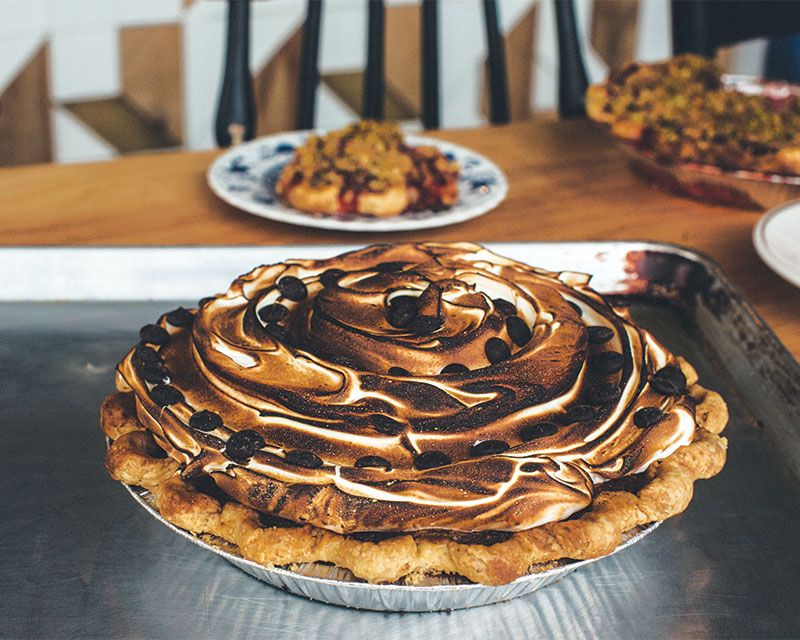
Creative pie making takes a different path here, where classic technique meets flavors that feel current without losing structure.
Small batch production allows bakers to respond closely to the season, which keeps the menu tied to changing produce and weather.
Distinctive crust work matters as much as filling, giving each pie a strong identity before the first bite.
Among the better known examples, salted maple pie shows how a familiar dessert form can carry a more layered flavor profile.
Seasonal specialties often draw on fruit, spices, seeds, and other ingredients that add contrast rather than simple sweetness.
That balance helps explain why modern pie can still feel grounded in tradition instead of drifting toward novelty for its own sake.
Neighborhood baking culture also shapes the experience, since handmade pies here emerge from a city setting that values craft and individuality.
Careful scaling, close attention to texture, and limited runs preserve quality in a way large volume baking rarely can.
For many customers, the result is proof that old methods remain flexible enough to support fresh ideas.
Grand Traverse Pie Company – Ann Arbor
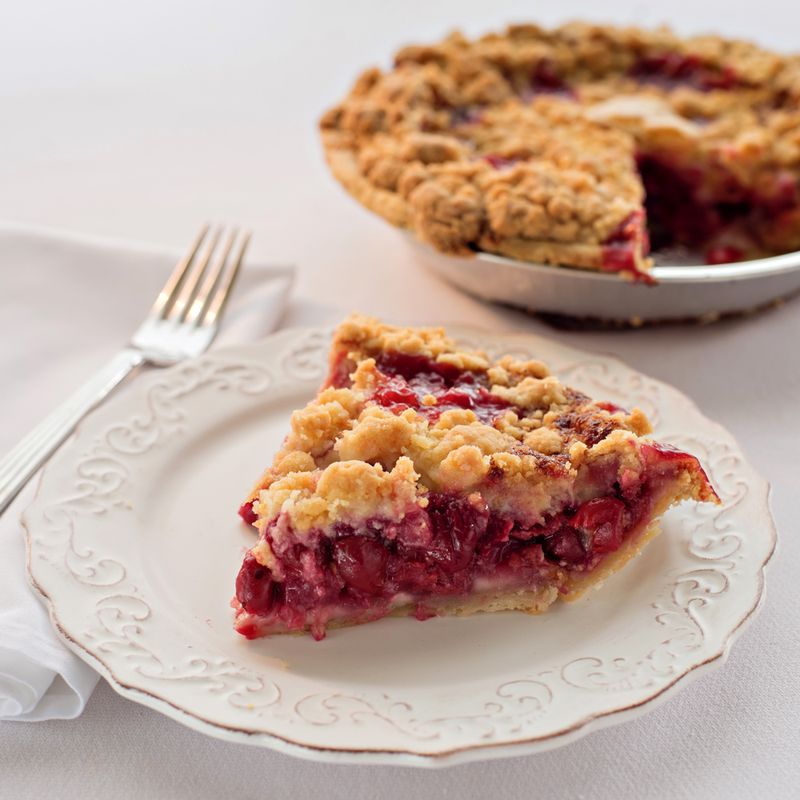
Michigan grown cherries sit at the center of the story here, connecting a college town storefront to orchards farther north.
That agricultural link matters because pie becomes a visible way to move regional produce into everyday dining habits.
Customers are not just ordering dessert; they are also encountering one of the state’s defining crops in a familiar form.
Menus shaped by local ingredients help explain why pie shops remain useful ambassadors for farming regions that many diners never directly visit.
Cherries, apples, berries, and other produce gain a stronger identity when bakers present them with context and consistency.
Northern Michigan agriculture enters public conversation more easily when the results appear in display cases, lunch counters, and takeout boxes.
Regional food production becomes easier to appreciate through pie because the relationship between farm and finished product stays legible.
Crust, filling, and season all tell part of the same story about climate, harvest, and preservation.
Seen that way, a bakery like this does more than sell slices; it helps translate the state’s agricultural economy into daily experience.
Grand Traverse Pie Company – Plymouth
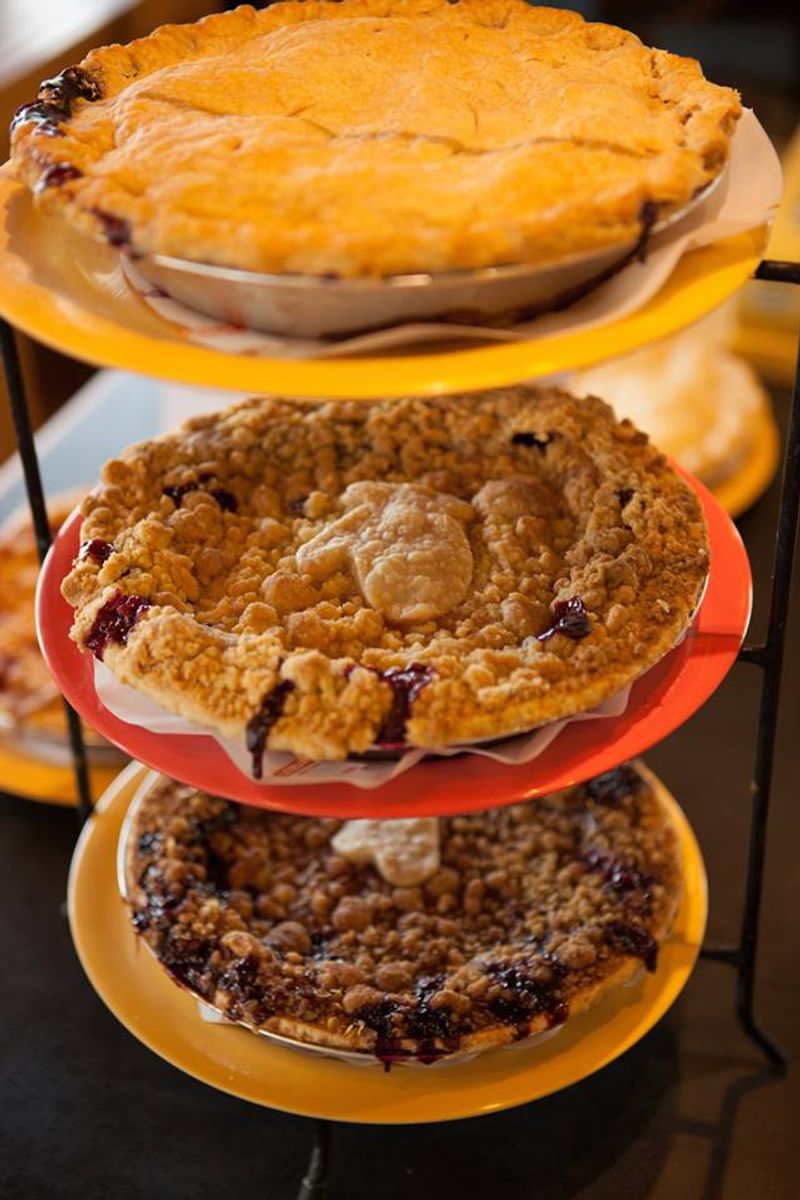
Unlike bakeries that revolve only around dessert, this location shows how pie shops can function as everyday cafes.
Lunch service, coffee, and a broader menu bring in people who may arrive for a meal and leave with dessert.
That mixed purpose gives pie a regular place in daily routines rather than reserving it for special occasions alone.
Soup, sandwiches, salads, and baked goods create the kind of setting where conversation can last longer than a quick purchase.
Community life often depends on places that feel practical enough for errands, meetings, or a casual weekday break.
When pie exists inside that framework, it becomes part of ordinary social rhythm instead of a rare indulgence.
Cafe service also broadens who encounters traditional baking, since customers looking for lunch may discover regional fruit pies almost incidentally.
A neighborhood bakery with seating can support workers, retirees, parents, and visitors in different ways across the day.
Through that steady traffic, pie remains visible as a living food tradition, not simply a nostalgic artifact pulled out during holidays.
Cherry Hut – Beulah

Dating back to the 1920s, this longtime business shows how cherry pie became inseparable from the state’s culinary image.
Its endurance reflects more than nostalgia, since northern orchards and preserving traditions gave the dessert a practical foundation.
Roadside dining culture later amplified that connection, turning a regional fruit into a recognizable meal ending for generations of travelers.
Cherry based baking carries unusual weight in Michigan because tart cherries are both an agricultural product and a symbol.
Pies made from that fruit tell a story about harvest cycles, processing, storage, and the importance of specialty crops to local economies.
What lands on the plate therefore represents decades of orchard knowledge as much as restaurant tradition.
Regional food identity often depends on repetition, and few desserts have repeated more consistently across the state than cherry pie.
Travelers heading through the area still encounter an older pattern of eating tied to highways, seasonal tourism, and fruit country.
In that setting, pie does not merely finish dinner, it reinforces the bond between local farming and Michigan memory.
Crane’s Pie Pantry Restaurant & Winery – Fennville
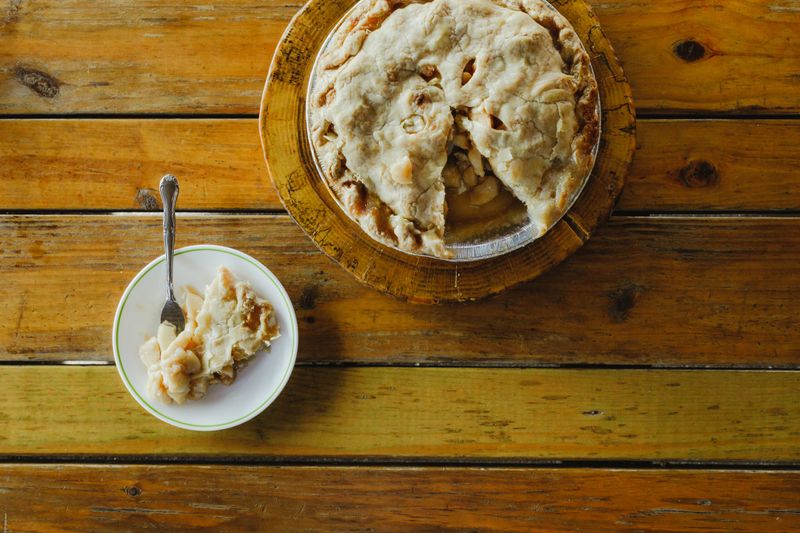
Orchards, pie baking, cider making, and wine all intersect at this destination, making it a strong example of agricultural diversification.
Fruit farming alone can be vulnerable to weather and market shifts, so value added products help stabilize the business.
Pie becomes one branch of a larger system that turns harvested crops into several kinds of visitor experiences.
Agritourism works here because the relationship between field and table stays visible.
Guests can understand how apples move from orchard rows into pastries, beverages, and seasonal menus without much abstraction.
That transparency matters in Michigan, where many rural businesses rely on direct public engagement to strengthen appreciation for local agriculture.
Restaurant service adds another layer by placing baked goods within a broader meal rather than isolating them as farm stand purchases.
Cider and wine also show how the same fruit can travel through very different traditions of processing and consumption.
Taken together, those elements reveal why pie is often central to food tourism: it translates farming into something immediate, shareable, and easy to understand.
Achatz Handmade Pie Company – Oxford
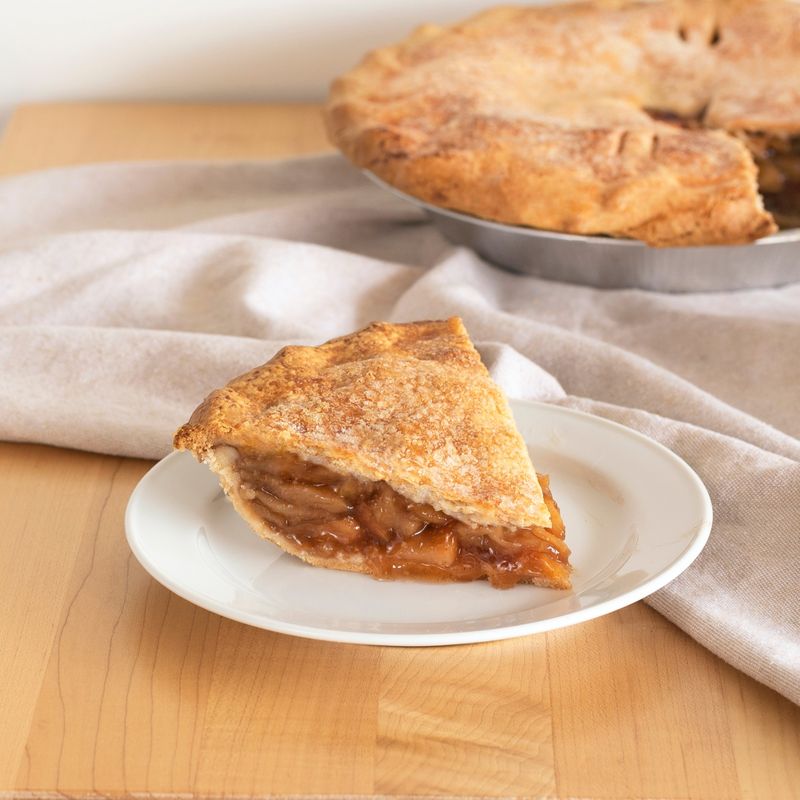
Take home pie culture becomes especially visible at this location, where boxed desserts often move quickly before major holidays.
Families planning Thanksgiving, Christmas, Easter, or summer reunions tend to treat pie as essential rather than optional.
That pattern says a lot about how Michigan bakeries support gatherings long after the meal itself is finished.
Seasonal demand shapes operations in practical ways, since fruit pies, cream pies, and familiar favorites all serve different occasions.
Some customers want something durable for travel, while others need a table centerpiece that feels tied to tradition.
Pies to go fit both needs, making the bakery part of domestic rituals instead of only a sit down dessert stop.
Throughout the year, community celebrations create steady reasons to order ahead, share slices, and carry desserts across town.
Graduation parties, church suppers, neighborhood dinners, and family anniversaries all keep pie in circulation.
Because these customs repeat every season, bakeries like this help maintain a food culture where hospitality often arrives in a cardboard box with a flaky crust.
House of Flavors – Ludington

Pie takes on a different role in a classic restaurant setting, where dessert follows burgers, sandwiches, or daily specials.
That context places it inside Michigan’s roadside dining tradition, a style shaped by travel, family meals, and dependable comfort food.
Ice cream service strengthens the format, since warm pie and cold scoops remain one of the state’s most recognizable dessert pairings.
Family restaurants have long relied on desserts to round out the experience and encourage lingering at the table.
A pie case near the register or dining room can influence choices before the meal is even finished. Such visibility keeps baking central to the identity of the restaurant rather than treating sweets as an afterthought.
Tourist traffic in lakefront communities also helps explain why this model endures.
Visitors often want food that feels legible, generous, and rooted in local custom after a day of driving or beachgoing.
Within that pattern, pie serves as both a familiar comfort and a ritual ending, reminding diners that dessert still anchors many multigenerational meals across Michigan.
Lush Yummies Pie – Detroit
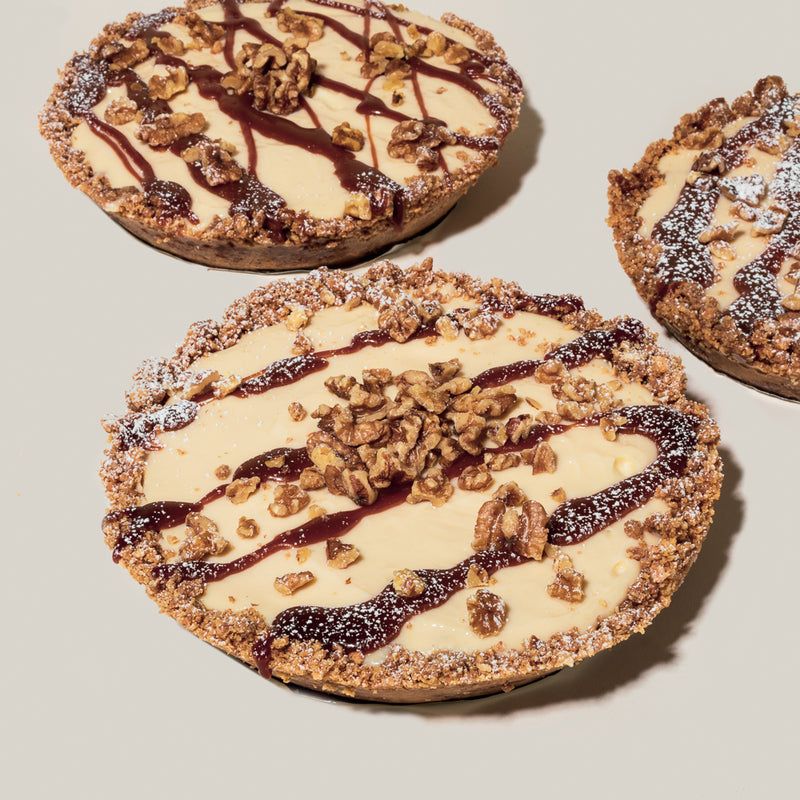
Specialty pie baking often grows from necessity, and that history is important in understanding this neighborhood focused business.
Family recipes for sweet potato pie carry practical knowledge about stretching ingredients, preserving flavor, and feeding households with care.
Those traditions remain meaningful because they connect present day customers to forms of home baking shaped by resilience.
Sweet potato pie occupies a distinct place within Black food culture in Detroit and across the Midwest.
Its presence in local bakeries reflects migration, family memory, church gatherings, holiday tables, and everyday entrepreneurship.
Rather than treating pie as a luxury item, shops built around these recipes often show how dessert can emerge from community need and inherited skill.
Neighborhood food culture matters here because customers are often seeking familiarity as much as sweetness.
A bakery grounded in local tastes helps keep longstanding culinary traditions visible amid constant urban change.
Through specialty pies and deeply rooted methods, the business illustrates how baking remains an economic tool, a cultural archive, and a dependable source of comfort within city life.
Grand Traverse Pie Company – Traverse City
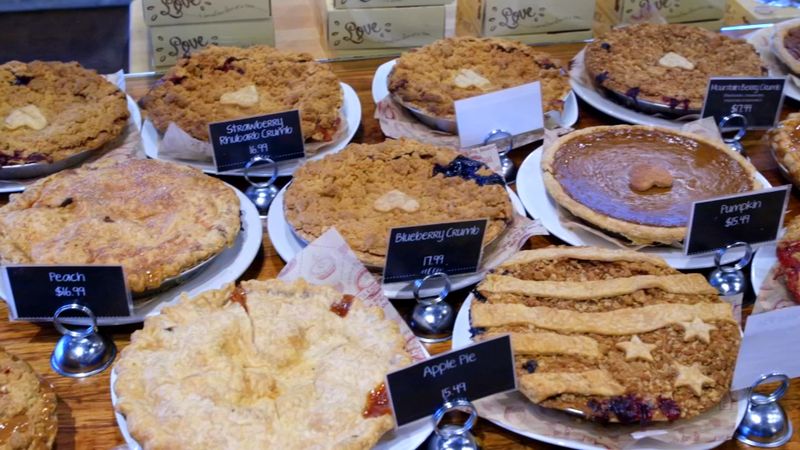
No place in Michigan is more closely associated with pie culture than the state’s best known cherry region. Tourism, orchards, roadside markets, and seasonal festivals all reinforce that identity year after year.
A bakery based there naturally carries extra symbolic weight, because visitors often treat pie as one of the clearest edible expressions of the area.
Cherry country shapes expectations about flavor, sourcing, and seasonality in ways that reach far beyond one storefront.
Local agriculture gives bakers access to ingredients that define regional taste while supporting growers whose crops attract national attention.
That direct connection helps explain why pie remains one of the most effective ambassadors for northern Michigan food production.
Travelers frequently arrive looking for something tangible that links landscape to appetite, and pie satisfies that desire efficiently.
A single slice can suggest orchards, harvest labor, preservation methods, and the long history of fruit processing in the region.
For that reason, this city continues to influence how the rest of the state understands pie: as agriculture, tourism, and tradition baked into one form.