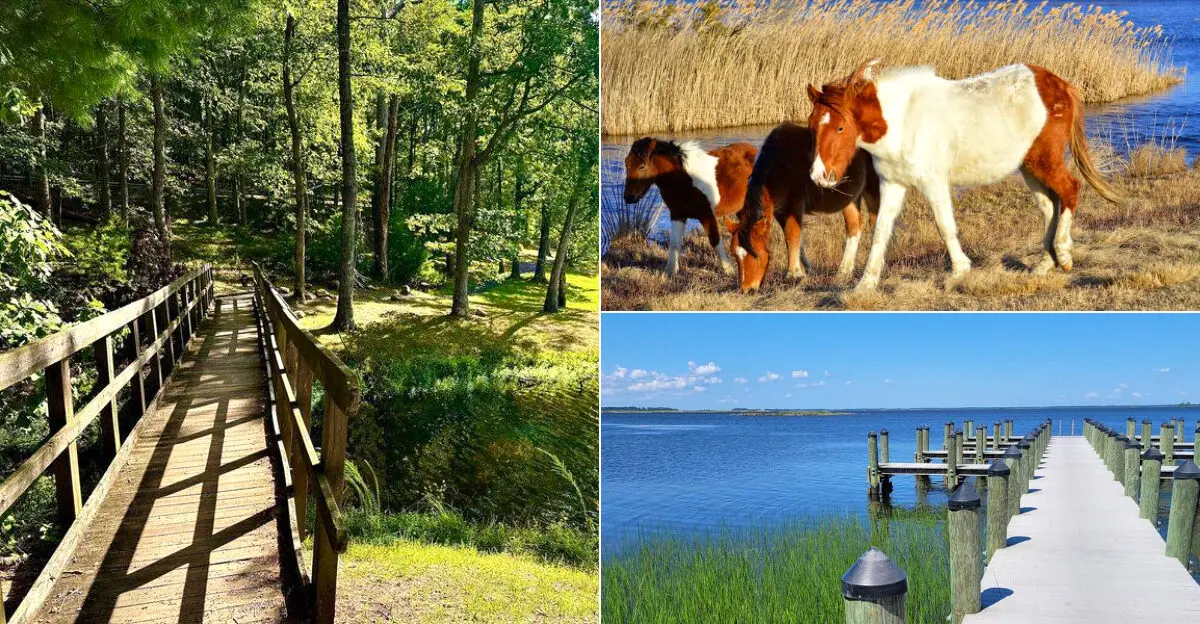
Virginia’s trails do a lot more than lead to a pretty view.
Across mountains, marshes, and barrier islands, the state is home to some genuinely rewarding spots for watching wildlife up close.
Wild ponies, wading birds, black bears, and elk all make appearances if you know where to look and how to be patient.
Some of these trails are gentle, family-friendly loops, while others climb into more rugged terrain for a bigger payoff.
Each one rewards an early start and a quiet approach, since the best sightings rarely come to the loudest hikers.
Bring binoculars, keep a respectful distance, and let the landscape do the surprising.
Here are ten wildlife-friendly trails in Virginia where the walk itself is only half the reason to go.
1. Skyline Drive and Limberlost Trail, Shenandoah National Park, Luray, Page County
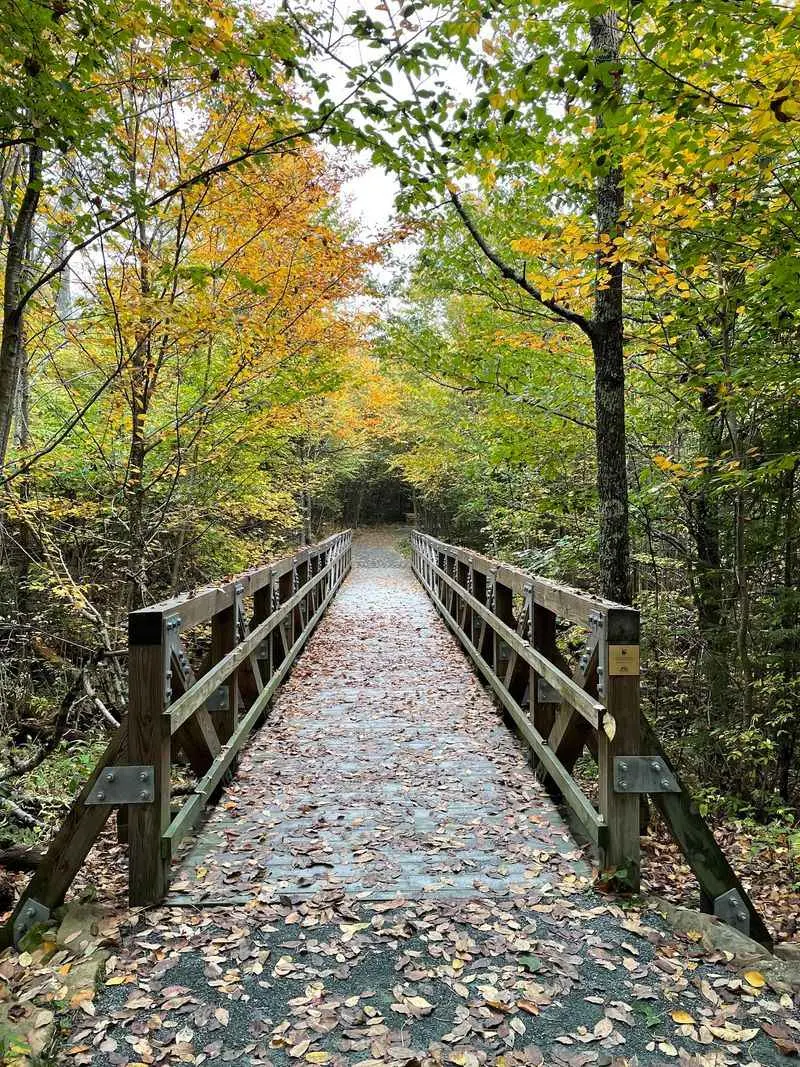
Morning fog often hangs between the trees like a soft curtain, and the forest seems to wake one sound at a time.
Along Skyline Drive near Luray, Shenandoah National Park gives walkers many chances to see white-tailed deer, wild turkeys, black bears from a safe distance, and bright songbirds.
The Limberlost Trail is a favorite for families because it is short, mostly level, and easy to follow.
Its boardwalks and crushed greenstone path pass through ferns, mountain laurel, and tall hardwoods. Spring brings warblers and wildflowers, while fall adds acorns that draw squirrels and deer close to the woods edge.
Bring binoculars, keep snacks sealed, and never feed wildlife, even if an animal seems calm.
Early morning and late afternoon are best for sightings, but stay alert on curves and overlooks.
Rangers often share trail updates, so check conditions before starting.
A quiet pace works better than rushing here.
Every rustle could be a chipmunk, a towhee, or a reminder that this famous mountain road protects a busy wild neighborhood.
2. River Trail, Great Falls Park, McLean, Fairfax County
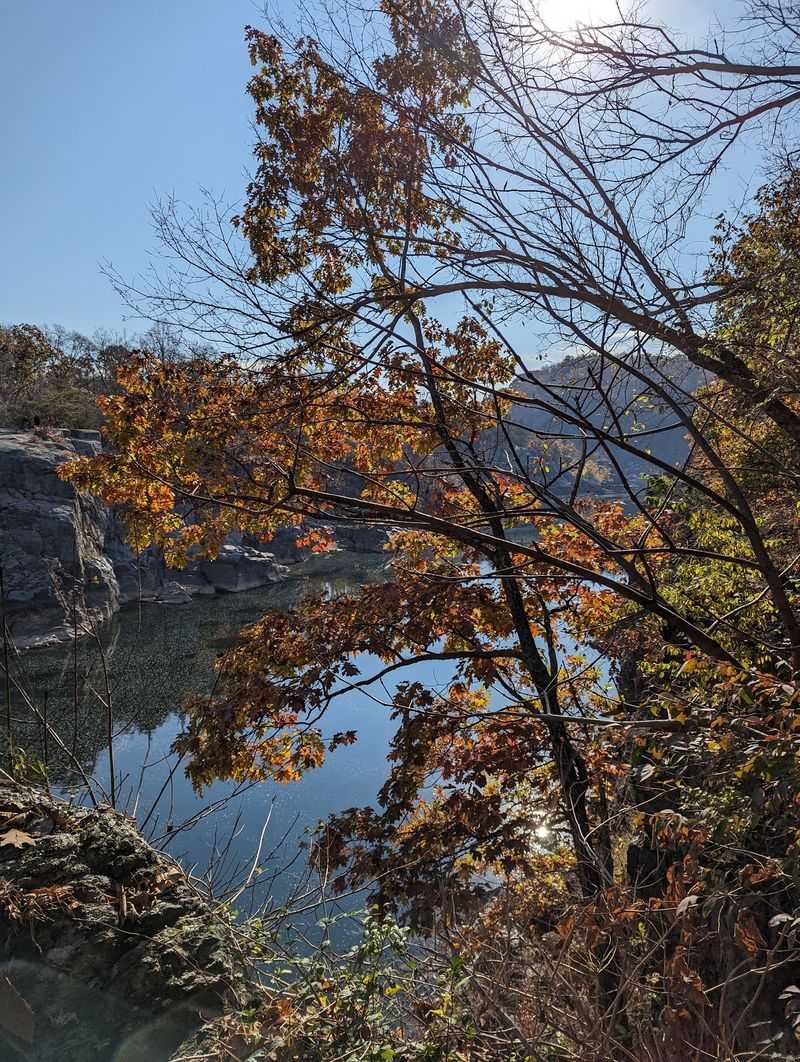
Water roars so loudly here that conversation sometimes turns into pointing, smiling, and wide-eyed staring.
At Great Falls Park in McLean, the River Trail follows rocky edges above the Potomac River, where rushing water shapes a wild world just outside Washington, D.C. Turkey vultures glide over the cliffs, great blue herons stalk quiet pools, and turtles sun themselves when the river calms.
The trail can feel adventurous, with uneven rock, roots, and cliff views, so sturdy shoes are a smart choice. Stay behind railings and marked paths because the current is powerful and the rocks can be slippery.
Wildlife watching is best when you pause near overlooks rather than hurry from one view to the next.
Look for signs of beavers along calmer channels and listen for woodpeckers in the trees.
Spring and autumn bring comfortable weather, but weekends can be busy.
Arriving early helps both parking and animal sightings.
This trail proves that a short walk can feel bold, loud, and full of life without leaving Northern Virginia.
3. Wildlife Loop and Lighthouse Trail, Chincoteague National Wildlife Refuge, Chincoteague, Accomack County
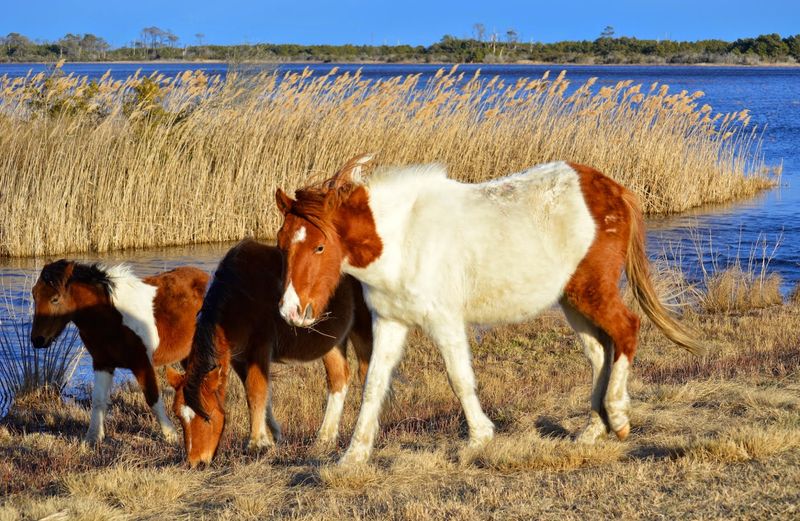
Salt air, pony tracks, and bird calls make this coastal refuge feel like a storybook that forgot to close.
Near Chincoteague, the Wildlife Loop and Lighthouse Trail at Chincoteague National Wildlife Refuge offer some of Virginia’s best animal watching.
The refuge sits on Assateague Island, where marsh, beach, pine woods, and freshwater pools meet.
Visitors may spot famous Chincoteague ponies grazing in the distance, but the real stars often have wings. Snowy egrets, great blue herons, ospreys, ducks, and migrating shorebirds fill the wetlands through the year.
The Wildlife Loop is especially popular for walking and biking, though some hours are limited to non-car travel, which makes it quieter for both people and animals.
Bring bug spray in warm months and a spotting scope if you have one.
Keep far from ponies because they are wild, strong, and protected.
The lighthouse trail adds a bit of history with a short walk through woods to the red-and-white Assateague Lighthouse.
Sunrise is magical here.
The marsh glows, birds lift from the water, and every bend feels like a fresh discovery.
4. Cape Henry Trail, First Landing State Park, Virginia Beach, Virginia Beach City
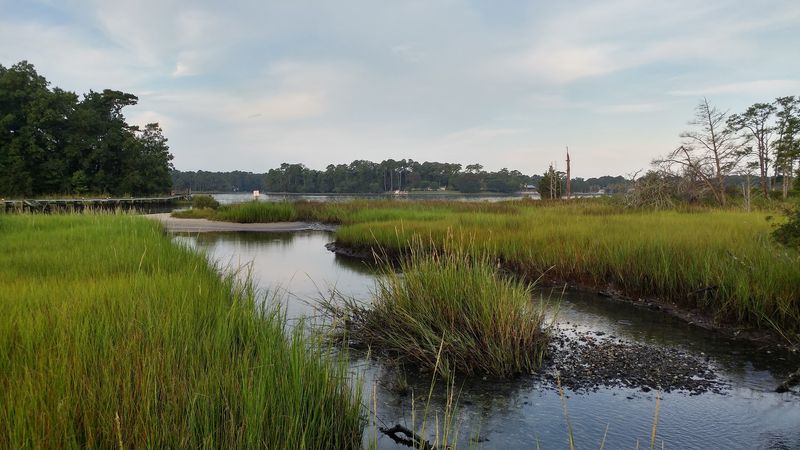
A shady tunnel of twisted trees can make you forget the beach crowds are only minutes away.
First Landing State Park in Virginia Beach protects a rare mix of maritime forest, salt marsh, dunes, and cypress swamp.
The Cape Henry Trail is the park’s main path, stretching for miles through habitats that attract many kinds of wildlife.
You might hear frogs in wet areas, see fiddler crabs near the marsh, or watch osprey circle above the water. Spanish moss hangs from branches, and sandy soil reminds walkers that the Atlantic is close.
The trail is fairly gentle, but its length means planning matters.
Choose a shorter out-and-back walk if you are visiting with younger hikers.
Bug spray, water, and patience help a lot, especially in summer.
Birders should listen for warblers during migration and watch open water for egrets and herons.
This park also has deep history, as English colonists landed nearby in 1607 before moving to Jamestown. Today, the best reward is quieter.
It is the feeling of sharing a coastal forest with creatures that depend on protected land.
5. Bay View Trail, Mason Neck State Park, Lorton, Fairfax County
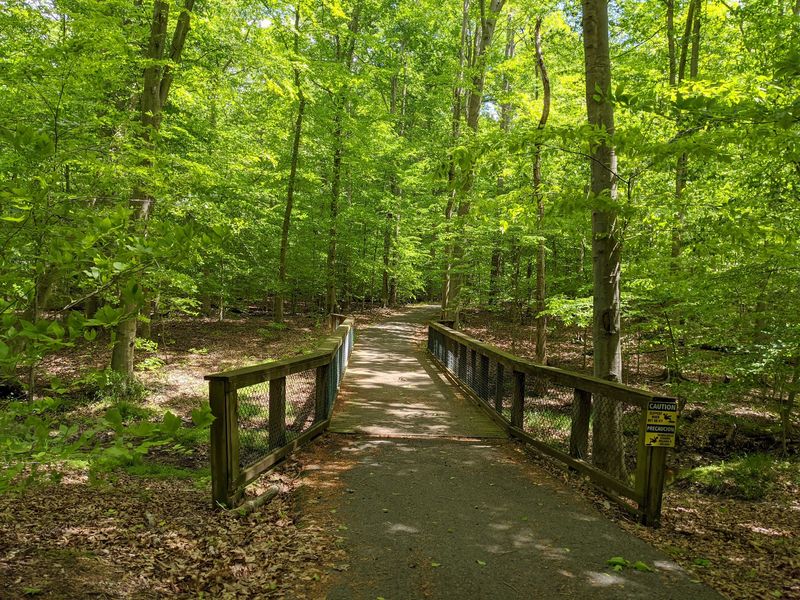
Some trails whisper, but this one sometimes sends a bald eagle sweeping across the sky like a living flag.
Mason Neck State Park in Lorton is known for eagle habitat, and the Bay View Trail gives visitors a calm way to explore it.
The path loops through forest and wetland edges near Belmont Bay, where quiet water attracts herons, ducks, osprey, and other birds.
Bald eagles became a symbol of this area because nearby protected lands helped them recover when their numbers were in trouble.
Today, seeing one overhead feels both exciting and hopeful.
The trail is not too difficult, making it a good choice for families, birders, and anyone who likes peaceful views.
Use a soft voice, especially near marshy overlooks, since sudden noise can scatter birds.
Binoculars make a big difference because eagles and waterfowl are often seen at a distance.
Spring and winter can be especially rewarding for bird activity.
After walking, visitors can learn more at the park visitor center or paddle nearby waters.
It is a place where conservation success feels close enough to see.
6. Blue Suck Falls Trail, Douthat State Park, Millboro, Bath County
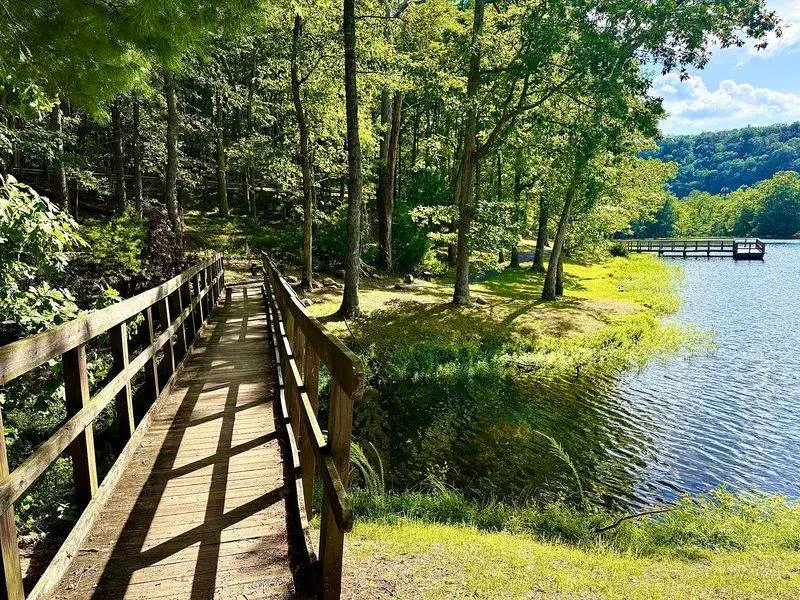
Cold mountain water slips over stones here, giving the woods a steady music that follows hikers uphill.
Douthat State Park near Millboro is one of Virginia’s classic mountain parks, and Blue Suck Falls Trail adds a wilder touch to its quiet beauty.
The trail climbs through hardwood forest toward a seasonal waterfall, passing rocky slopes, small streams, and cool shaded pockets where salamanders and insects thrive.
Deer, pileated woodpeckers, and many songbirds also live in these woods.
Because the route gains elevation, it feels more challenging than a flat nature walk.
Take your time, wear shoes with good grip, and expect muddy spots after rain.
Waterfalls may be strongest after wet weather, but slippery rocks deserve respect.
Stay on the trail to protect tiny plants and stream life along the banks.
Autumn colors can be stunning, while spring brings fresh leaves and bird song.
The park was built with help from the Civilian Conservation Corps in the 1930s, adding a history layer to the hike.
Every step feels like a meeting with old mountains and hidden woodland life.
7. Marsh and Bay Trails, Occoquan Bay National Wildlife Refuge, Woodbridge, Prince William County
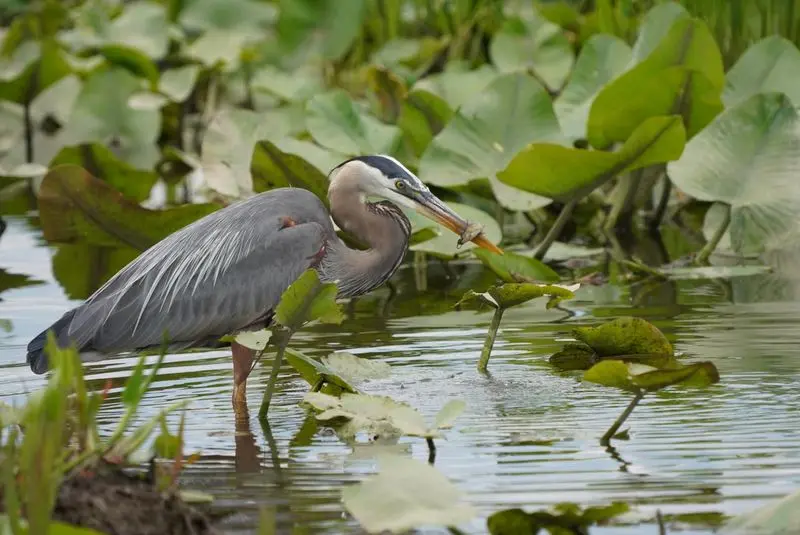
Red-winged blackbirds flash like tiny sparks over the reeds, and the whole marsh seems to chatter back.
Occoquan Bay National Wildlife Refuge in Woodbridge sits where the Occoquan River meets the Potomac, creating rich habitat for birds, butterflies, foxes, turtles, and deer.
The Marsh and Bay trails are easy to walk and offer open views across wetlands, grasslands, and water. This area once served military uses, but today it is managed for wildlife, which makes its peaceful mood feel even more special.
Bald eagles nest in the wider refuge area, and ospreys are common in warmer months.
During migration, the refuge can fill with warblers, sparrows, waterfowl, and raptors.
Flat paths make this a friendly place for patient beginners.
Still, shade can be limited, so bring sun protection and water.
Photography is excellent, especially near wetland edges, but long lenses work best because animals should never be crowded.
Watch for butterflies around native flowers in summer.
A slow loop here can teach an important lesson.
Restored land can become a safe stopover, nursery, and home for an amazing variety of creatures.
8. Little Mountain Falls Trail, Fairy Stone State Park, Stuart, Patrick County
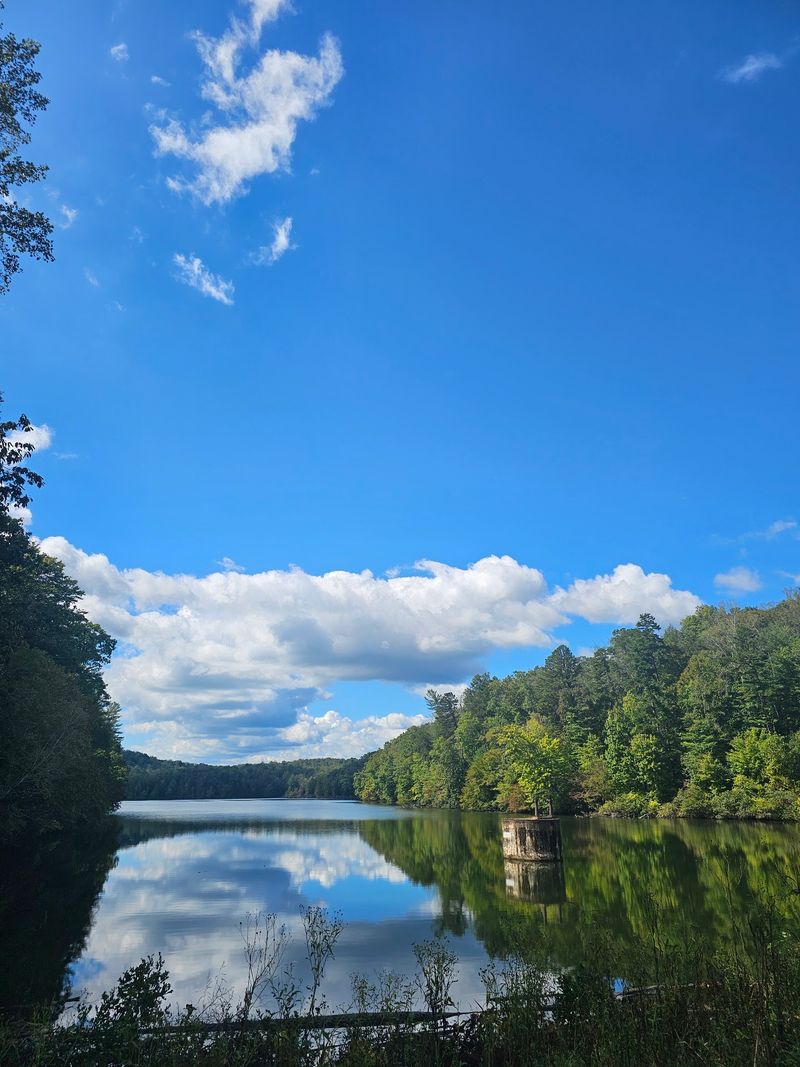
Legends of tiny cross-shaped stones give this park a hint of magic before the first bird even sings.
Fairy Stone State Park near Stuart is famous for its natural staurolite crystals, but Little Mountain Falls Trail shows off the living side of the park.
The route leads through forest toward a small waterfall, with creek crossings, leafy slopes, and quiet places where wildlife can stay hidden.
Hikers may notice deer tracks in soft soil, hear wood thrushes in summer, or spot butterflies along sunny breaks.
The trail has some climbs and uneven ground, so it suits walkers who want a moderate outing rather than a quick stroll.
Because streams are part of the fun, waterproof shoes can be helpful after rain.
Leave fairy stones where rules require it, and avoid disturbing rocks in the creek because small animals use those spaces.
Fall brings crisp air and bright leaves, while spring offers wildflowers and fresh water flow.
The park’s mix of folklore and forest makes it easy for kids to stay curious.
Nature feels a little enchanted here, but good trail manners keep the magic alive.
9. Rhododendron Trail, Grayson Highlands State Park, Mouth of Wilson, Grayson County
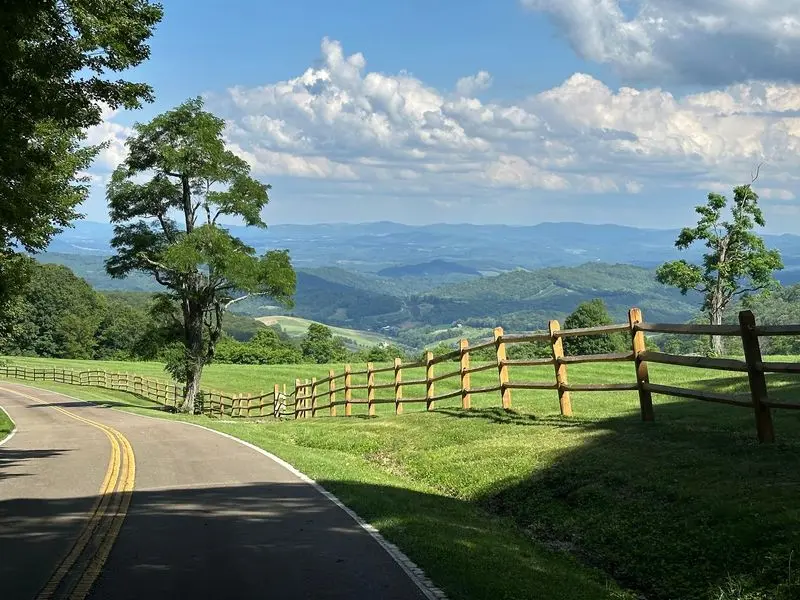
Wind moves across the high meadows with a wild, open feeling that seems more western than Virginian.
Grayson Highlands State Park near Mouth of Wilson is loved for wide mountain views, rocky outcrops, and the famous wild ponies that graze near the Appalachian Trail area.
The Rhododendron Trail is a popular path for reaching open balds where ponies may appear, along with ravens, hawks, butterflies, and hardy meadow plants.
In early summer, rhododendron blooms add color to the slopes.
The weather can change quickly at these elevations, so carry layers even when the day starts warm.
Trails may be rocky and muddy, making sturdy footwear important.
Ponies are wonderful to watch, but they should never be fed, touched, or surrounded.
Human food can harm them, and close contact can teach unsafe habits.
Keep dogs leashed and give all animals plenty of room.
Photographers should use zoom instead of stepping closer.
The highlands also connect visitors to Mount Rogers, Virginia’s highest peak, nearby.
A walk here feels bright, breezy, and unforgettable, especially when a pony lifts its head against the mountain sky.
10. Interior Trail and Beach Access, False Cape State Park, Virginia Beach, Virginia Beach City
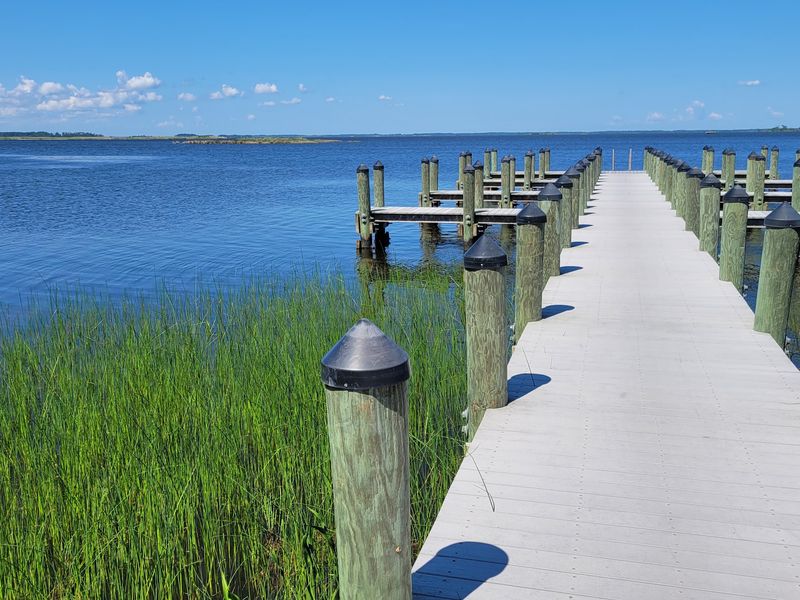
Reaching this park already feels like an adventure because cars do not simply roll up to the trailhead.
False Cape State Park in Virginia Beach is tucked between Back Bay and the Atlantic Ocean, creating one of the most remote coastal hiking areas in the state.
Visitors usually arrive by foot, bike, tram tour, or boat, depending on season and access rules.
Interior trails and beach routes pass through maritime forest, dunes, marsh, and shoreline habitat. Shorebirds feed along the sand, turtles use quiet wetlands, and deer may appear near the woods.
Loggerhead sea turtles sometimes nest on Virginia beaches, so marked areas must be respected.
Planning is essential here.
Bring plenty of water, snacks, sun protection, and a map, because services are limited once you enter. Check seasonal closures in Back Bay National Wildlife Refuge, which affects access.
Sand can make walking harder than expected, so allow extra time.
The reward is rare quiet.
Waves, bird calls, and wind become the main sounds.
For hikers who want a wildlife-friendly trail with a true edge-of-the-map feeling, False Cape is hard to beat.