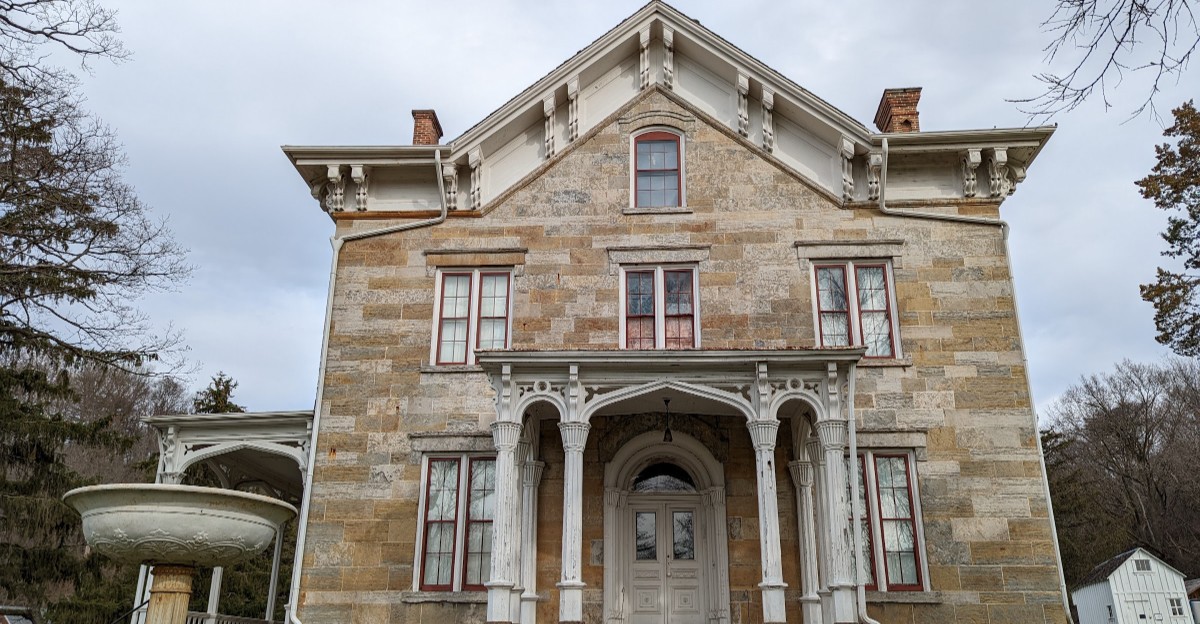
A rich man once stood in a rooftop tower, spotted river pirates, and helped get them caught. That story is attached to a real mansion you can tour today.
The house has 16 rooms and 14-foot ceilings. Its staircase rails are made of walnut.
The man who built it made his fortune in lead mining, lumber, farming, and steamboats.
I like how one property can hold so many eras at once. The grounds also include a log house called the oldest building in Iowa.
There’s a one-room schoolhouse and a replica lead mine too.
I can’t imagine a better way to make history feel less like homework. Costumed guides lead the tours, and some folks even whisper about ghosts.
A Rooftop Lookout With a Pirate Legend Attached
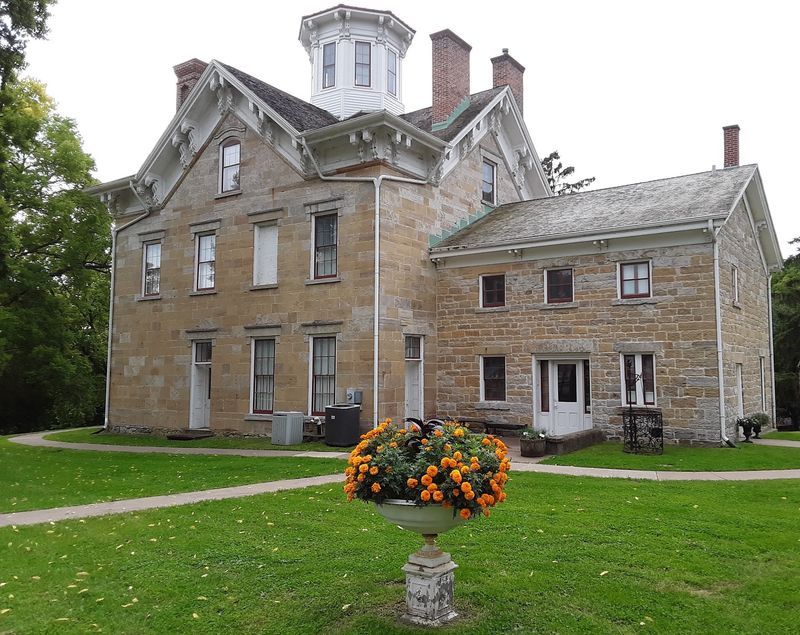
River pirates make a great opening act for any house tour. At the Mathias Ham Historic Site, the story starts high up in the cupola.
Mathias Ham reportedly used that rooftop perch to watch his ships on the Mississippi River. Legend says he once spotted pirates from up there and alerted authorities.
The pirates were captured, and the tale stuck around for generations.
Ham wasn’t just a guy with good eyesight. He arrived in Dubuque in 1833 and built a fortune from lead mining, lumber, agriculture, and steamboats.
He also helped found the town’s first public school, brickyard, and custom house.
That’s a busy resume for one person. His home reflects all that success in stone, wood, and plaster.
I love that the most famous story here involves a lookout tower. It makes the mansion feel less like a museum and more like a command post.
You can almost picture him scanning the water with serious focus.
Whether every detail of the pirate tale is true, nobody can say for sure. Still, it’s a fun hook that makes the rest of the visit hit harder.
The Castle Grew From a Humble Stone Cottage
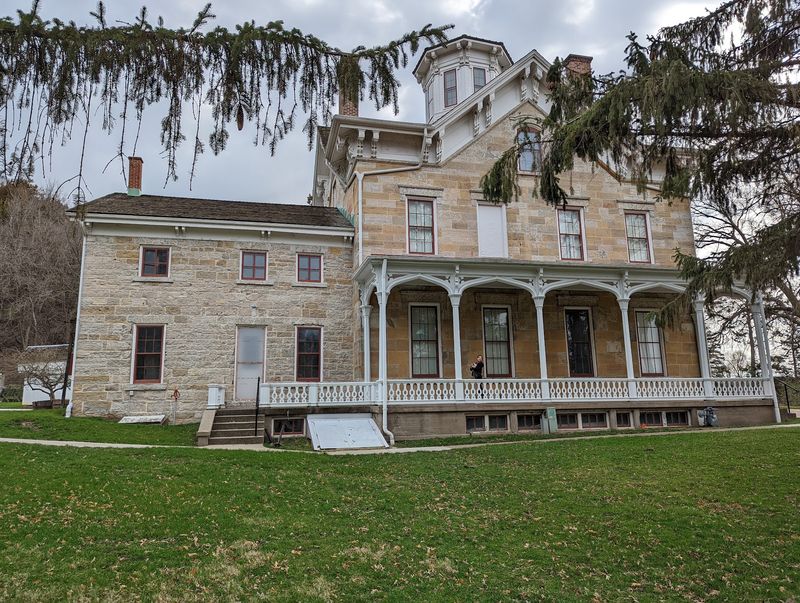
Plenty of mansions start big. This one began as a limestone cottage built in 1839, which is a pretty modest launch for a future castle.
Around 1856 and 1857, a grand Italianate Villa-style addition changed everything. The design came from architect John Francis Rague.
He also designed the original state capitol buildings in Illinois and Iowa, so the guy knew how to make a statement.
That connection is a fun detail to share on the drive over. Your house was designed by a capitol architect?
Nice flex, Mr. Ham.
The Mathias Ham House was listed on the National Register of Historic Places on July 19, 1976. The Dubuque County Historical Society took over its operation in 1964.
Today the site connects with the National Mississippi River Museum and Aquarium.
That long chain of care is why the building still stands so proudly. Someone decided it was worth saving, and they were right.
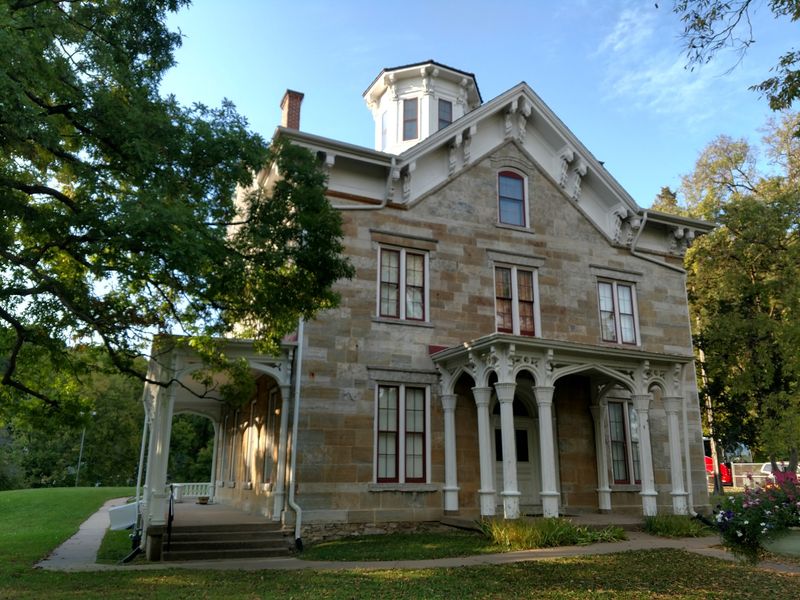
Take a moment outside before your tour. Look at how the house rises above the street.
It’s easy to see why folks call it a castle, even if the original builder probably just called it home.
Fourteen-Foot Ceilings Will Have You Looking Up All Tour
Bring your neck stretches. The ceilings inside reach 14 feet, and they’re decorated with plaster rosettes and moldings.
The house holds 16 rooms in total. Some parts of the floors are original 6-inch pine boards.
The stair rails, newel posts, and spindles are all crafted from walnut.
Then there are the window shutters. They’re built inside the rooms and fold neatly into their casements.
Clever design, and way cooler than modern blinds that tangle every time you touch them.
The rooms are filled with American and European furnishings from the Antebellum era. That gives you a sense of how a wealthy Iowa family lived in the mid-1800s.
It’s fancy, but it also shows real daily life.
One quick heads-up for your camera. Photos inside the house are only allowed in designated spots.
You can snap all you want outside and anywhere on the grounds.
Honestly, that rule works in your favor. You’ll actually look at the details instead of staring at your phone.
Those rosettes deserve your full attention anyway.
Costumed Guides Turn Old Rooms Into Living Stories
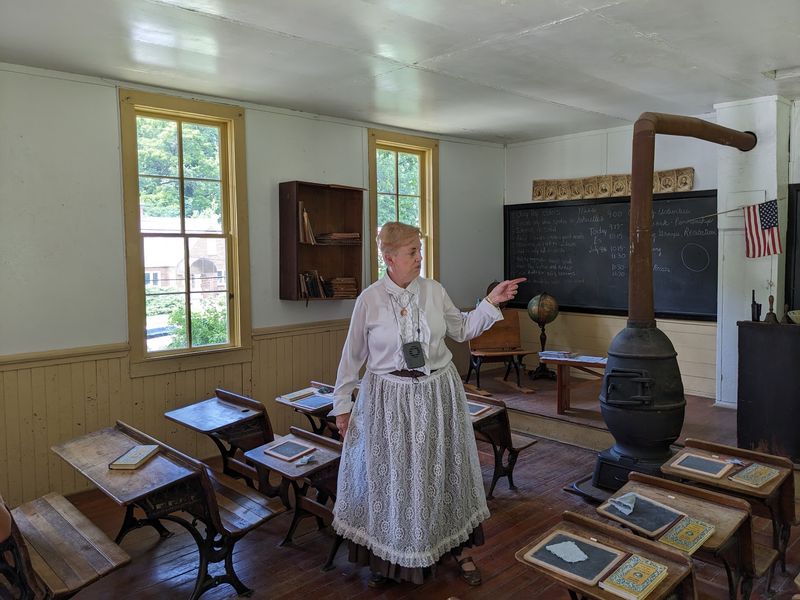
Reading a plaque is fine. Hearing the story from someone dressed for the 1800s is a whole different experience.
Costumed interpreters lead the guided tours at the Mathias Ham Historic Site. They cover the life of Mathias Ham, the history of Dubuque, and life along the Mississippi River.
The Victorian era gets plenty of attention too.
The tours also explain how natural resources shaped the area. Lead, timber, and the river helped drive settlement and trade.
That’s a big idea, but the guides tie it to real objects and rooms.
I believe this is the smartest way to experience the place. A house this old needs a storyteller to wake it up.
Otherwise, it’s just nice furniture behind velvet ropes.
Planning tip: tours run seasonally. In 2026, the house opens Fridays through Sundays from July 5 to September 6.
It then switches to weekends only through October 31.
Hours run from 11 A.M. to 4:30 P.M., with the last tour at 3:30 P.M. Show up early so you’re not rushing the good parts.
Iowa’s Oldest Building Is Waiting Out Back
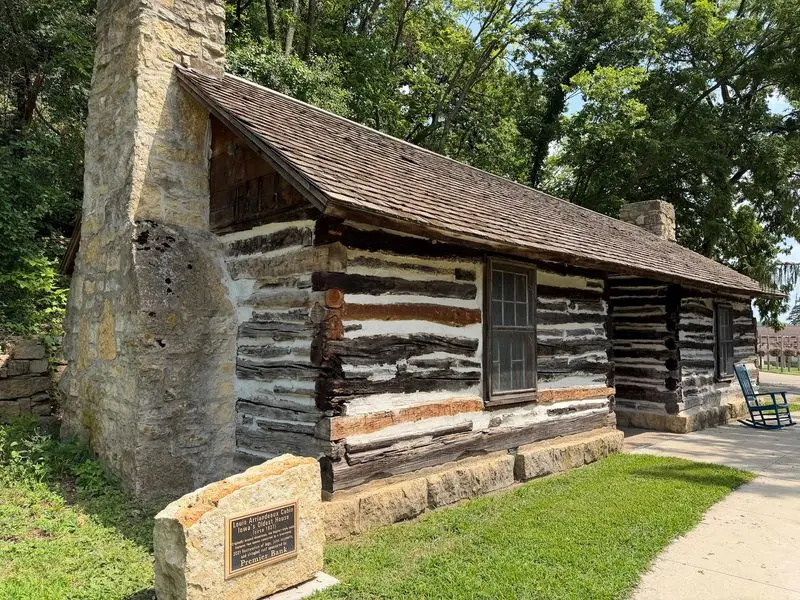
Here’s a fun one for trivia night. The oldest building in Iowa sits right on these grounds.
It’s the Louis Arriandeaux Log House, built in 1833. It’s a double log cabin in the dogtrot style.
That means two cabin sections connected by an open passage in the middle.
The cabin didn’t start here. It was moved from its original spot at 2nd and Locust Streets in Dubuque.
Moving a log house across town sounds like a giant puzzle, and somebody pulled it off.
Compare it to the mansion and the contrast is wild. One is rough logs from Dubuque’s earliest days.
The other has walnut railings and plaster rosettes.
Standing between them shows how fast the town changed in just a few decades. You can practically see Iowa growing up in one backyard.
Kids usually get a kick out of how small cabins feel compared to modern homes. Ask them where they’d put their bedroom.
That conversation might be the best history lesson of the day, no textbook required.
Pop Into a Schoolhouse, a Granary, and a Lead Mine
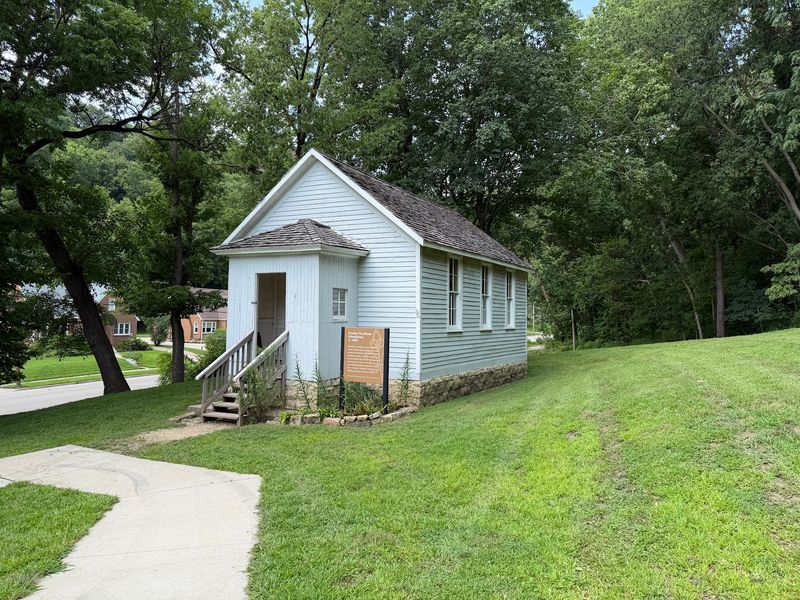
One mansion would be enough for most places. The grounds here keep going with more buildings to explore.
The Humke Schoolhouse is a one-room school relocated from Centralia. It shows what rural education looked like back then.
One room, every grade, and one very busy teacher.
Nearby stands an 1840s granary. Farmers used it to store and protect their grain.
It’s a reminder that food security once meant sturdy walls and good planning.
Then comes the replica lead mine and miner’s dwelling, often called a badger hole. Lead mining built much of Dubuque’s early economy.
It also helped make Mathias Ham rich.
That makes the mine exhibit a smart stop before or after the mansion. You get to see both ends of the story.
Hard work underground, and fancy ceilings above it.
The grounds are wheelchair accessible, which helps families move between buildings. Inside the Ham House, only the first floor and gift shop are accessible.
Plan your route with that in mind, and nobody misses the outdoor highlights.
Washboards and Corn Grinding Are Surprisingly Fun
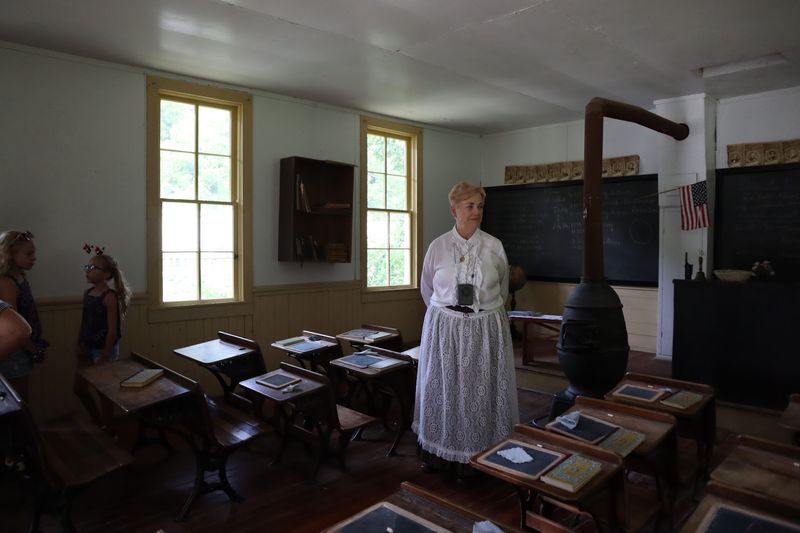
Laundry used to be a workout. The Pioneer Days program lets you find that out firsthand.
Guests try real pioneer chores like scrubbing clothes on a washboard and grinding corn. There are also school-related tasks that show how kids learned long ago.
Costumed interpreters guide the whole experience.
Groups get to pick three activities, each lasting 30 minutes. That keeps things moving, which is great for short attention spans.
Adults included, no judgment.
I like that the program skips lectures and goes straight to doing. Your arms will remember the washboard long after your brain forgets a date.
That’s how lessons actually stick.
This is a strong pick for school groups and curious families. It turns the Mathias Ham Historic Site into a hands-on classroom.
Nobody has to sit still for long.
Want something outside the regular season? Public tours close from November 1, 2026, to May 29, 2027.
Private tours can still be arranged through the river museum’s learning team. That’s handy for groups planning ahead.
Ice Cream, Cake, and a Cannon on the Fourth of July
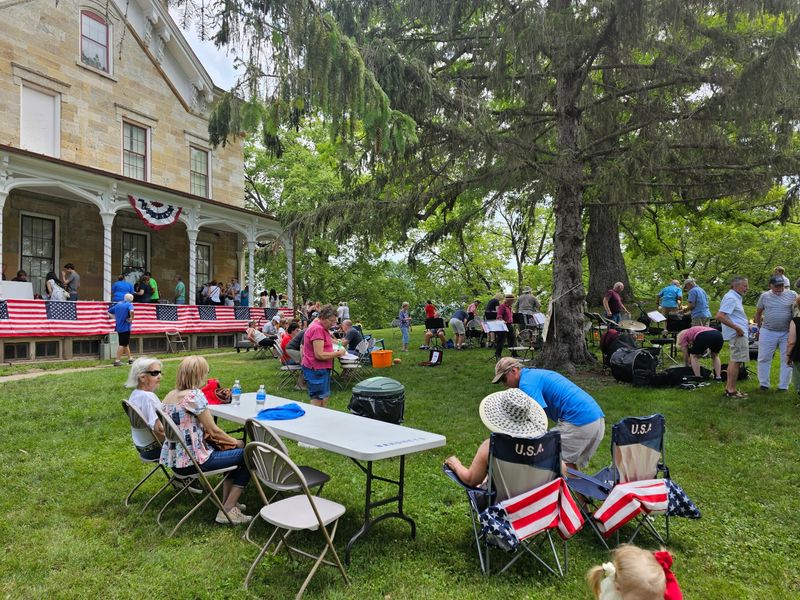
Few holiday parties feature a cannon. The Audrey Hammer Fourth of July Ice Cream Social does.
The 2026 event landed on July 4 at the Mathias Ham Historic Site, with cake, ice cream, and refreshments. Victorian games and crafts rounded out the afternoon.
Live demonstrations added even more fun. Spinning showed how thread was made by hand.
Then came the cannon-fire, which was a dramatic way to say ‘happy birthday, America’.
The event has become a well-loved Dubuque tradition. It’s easy to see why families return year after year.
Ice cream on a mansion lawn is hard to top.
A few tips help the day go smoothly. Bring sunscreen and water, since July in Iowa can get toasty.
Comfortable shoes are smart for strolling the grounds.
Special events can draw bigger crowds than a normal tour day. Arrive with patience and a sense of adventure.
Plug your ears when the cannon gets ready, and maybe warn the little ones first.
Ghost Stories on Lincoln Avenue Make Fall a Spooky Treat
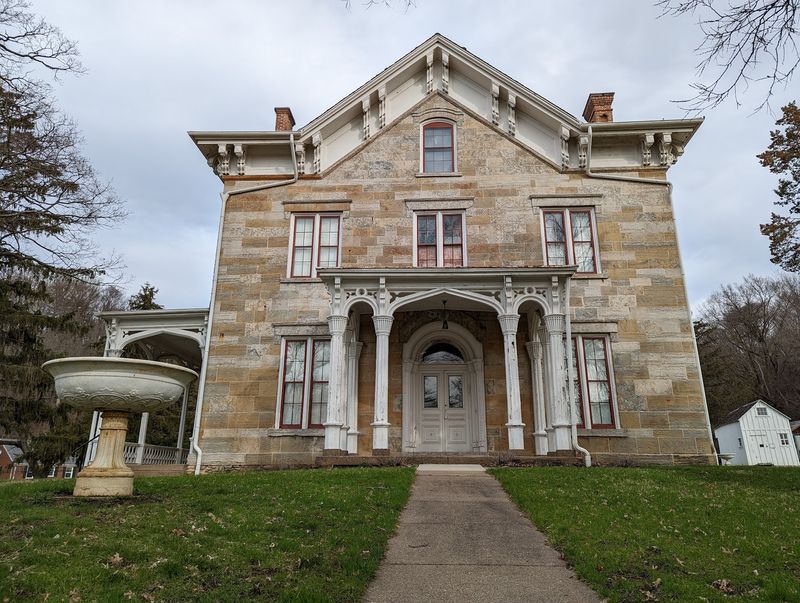
Some houses come with a reputation. This one has whispers of a pirate’s revenge.
Stories of strange happenings have long been tied to the mansion. Some link them to the pirates Mathias Ham reportedly helped capture.
True or not, it makes a great campfire tale.
Occasional Haunting around Lincoln Ave ghost tours explore those local legends and history. Some versions even roll out by trolley from the site.
That’s a charming way to get your goosebumps.
Fall is the season’s last stretch for regular tours. The house stays open weekends from September 7 through October 31 in 2026.
Crisp weather makes the grounds extra pleasant.
You’ll find everything at 2241 Lincoln Ave, Dubuque, IA 52001. It sits in a neighborhood setting, so it’s easy to miss if you’re not watching.
Now you know better.
Before leaving, swing by the gift shop for a souvenir. Then give the cupola one last look.
Somewhere up there, Mathias Ham might still be keeping an eye on the river.