
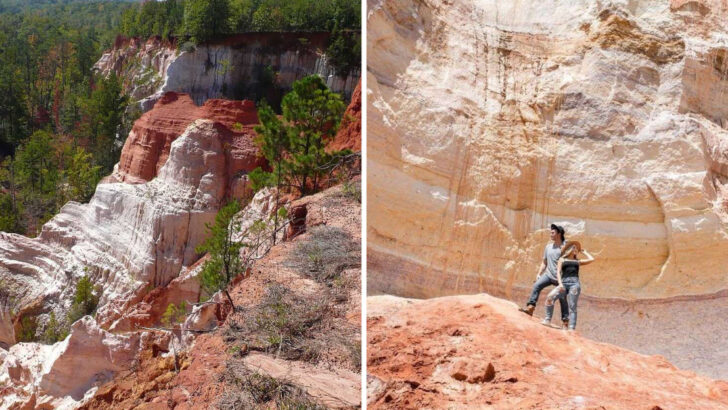
Tucked into rural southwest Georgia, Providence Canyon State Park looks like it was borrowed from the desert Southwest. The canyon walls glow pink, orange, and red, shifting with every cloud and angle of sun.
Hike the rim, wander the canyon floor, and you will swear you left the Southeast behind. Here is how to make the most of Georgia’s most colorful surprise.
The Canyon Colors Up Close
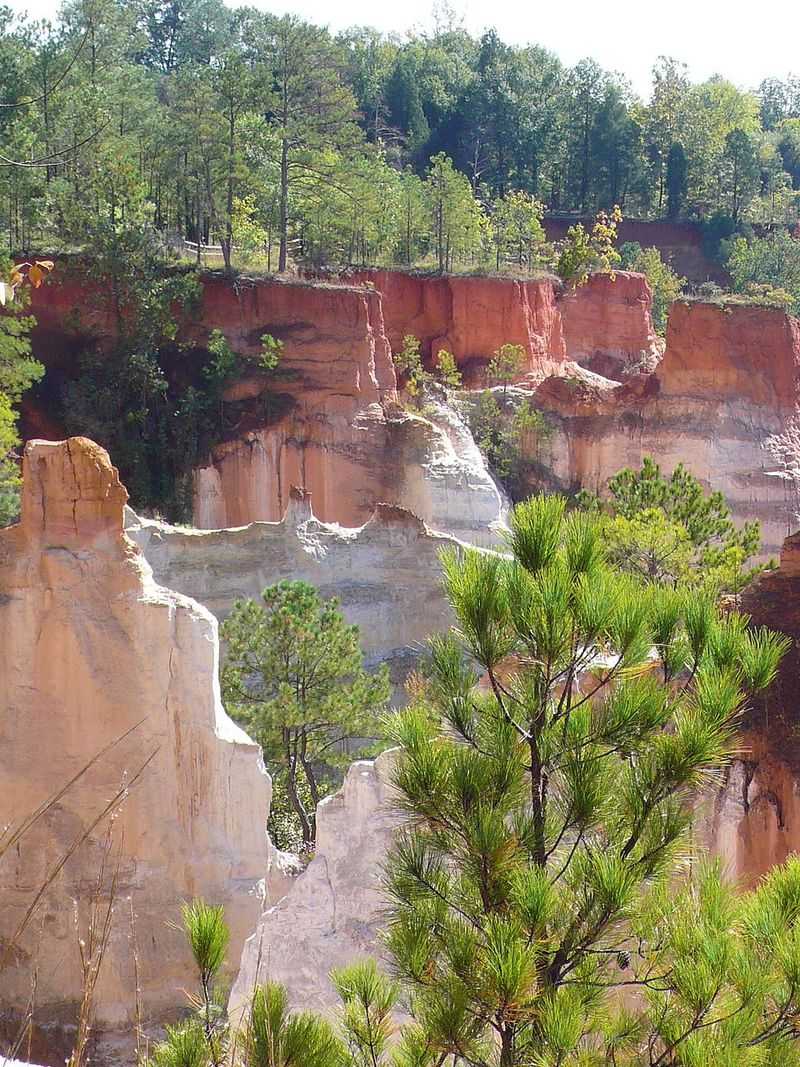
Walk the sandy creek bed and the colors wake up like a paint palette. Minerals stain the clay walls in creams, peaches, oranges, and crimsons that pop hardest after rain.
Water sheens the floor, so a reflection doubles the spectacle and makes photos feel cinematic.
Look for subtle purples and whites layered like ribbon cake near Canyon 4 and 5. Erosion carves cathedral alcoves and finned buttresses, so stepping a few feet changes the composition completely.
Place a friend in the frame for scale, then step back to capture the canyon fingers curling like pages in a book.
Light matters more than any filter. Aim for early morning or late afternoon to see shadow lines sculpt the walls without harsh glare.
If the forecast hints at clouds, celebrate, because diffused light softens highlights and lets the pastel tones carry the scene beautifully.
Rim Trail Strategy
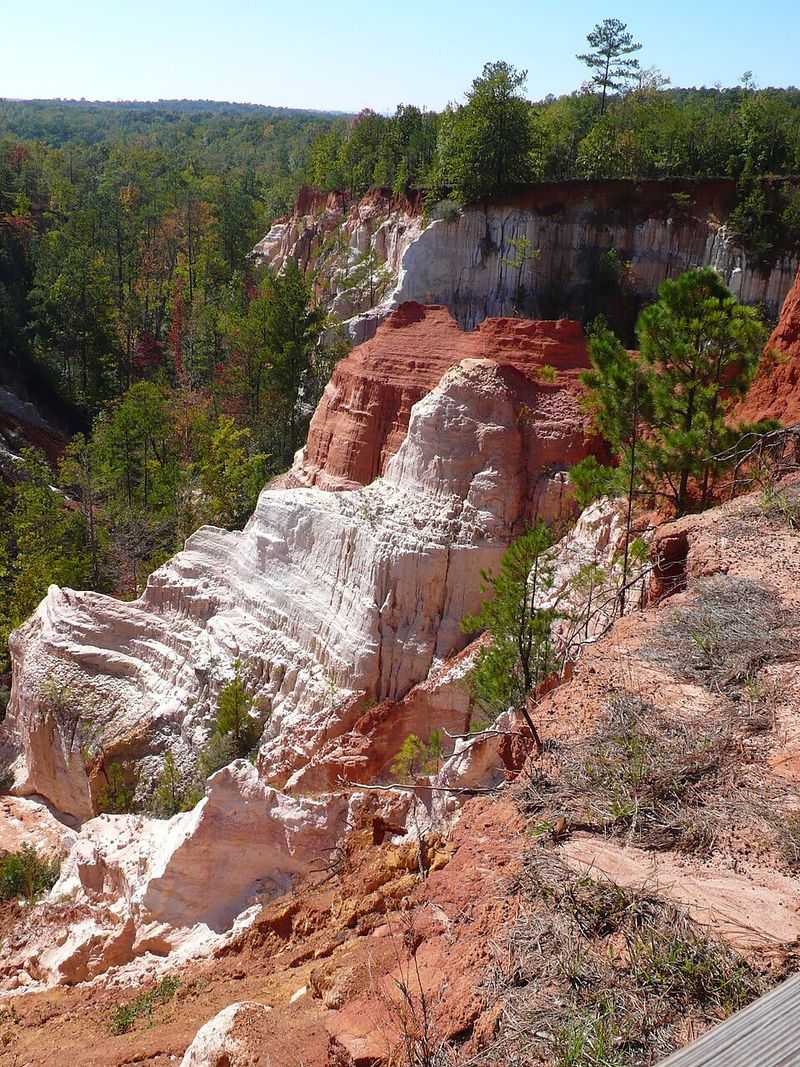
Start at the overlook left of the visitor center for a shock-and-awe first view. The Rim Trail loops about two miles with spur lookouts that line up excellent panoramas.
Keep moving past the first fenced peeks, since better windows open around the bends.
Wayfinding is simple, yet a pocket map avoids second-guessing at ambiguous forks. Benches appear near marquee overlooks, great for a water break while you plan which canyons to drop into.
Families and multi-generational groups appreciate how quickly big views come with minimal elevation change.
Photographers should pack a short telephoto to compress cliff textures. Tripods are courteous when crowds are light, but handholding keeps you nimble as the light shifts.
If mobility is limited, you can savor top-tier scenery right from the accessible platforms without committing to the descent.
Canyon Floor Know-How
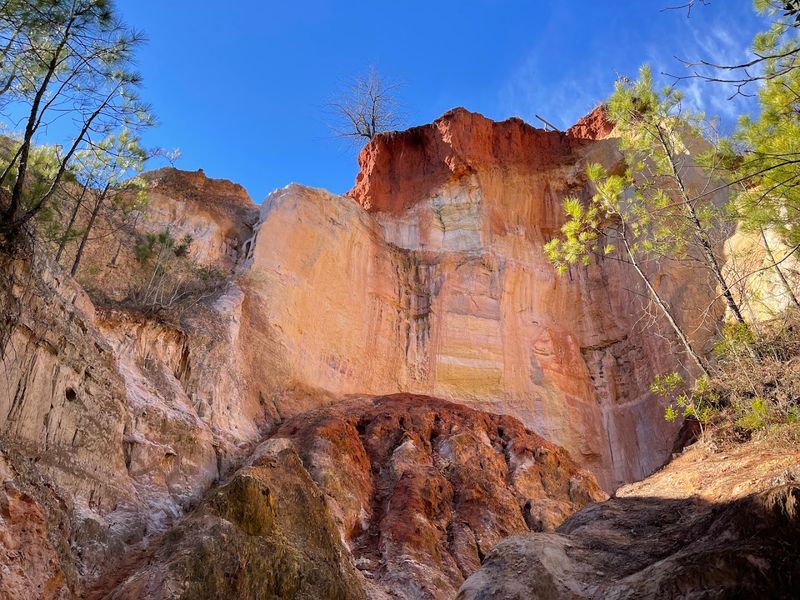
Feet will get wet. The floor behaves like a shallow creek with slick patches and ankle-deep flow after storms.
Waterproof boots or trail runners that drain quickly make the difference between playful and miserable.
Follow numbered signposts to reach individual canyon fingers, then wander until the walls narrow. Keep an eye on soft clay ledges that crumble under pressure, and respect fences at restoration areas.
A small towel in the car turns cleanup from chore to quick ritual before lunch.
Expect cooler air below, plus spotty cell service, so pin an offline map and share your plan. Snacks, a liter of water, and a lightweight rain shell cover most surprises.
If you hear distant thunder, head up sooner than later since the floor channels water fast.
White Blaze Loop, Simplified

Two miles is the sweet spot when time is tight and views are nonnegotiable. The White Blaze Loop threads easy grades with quick payoffs and a few short ups that raise the heart rate.
Carry water, and you can comfortably walk it with curious kids or visiting friends.
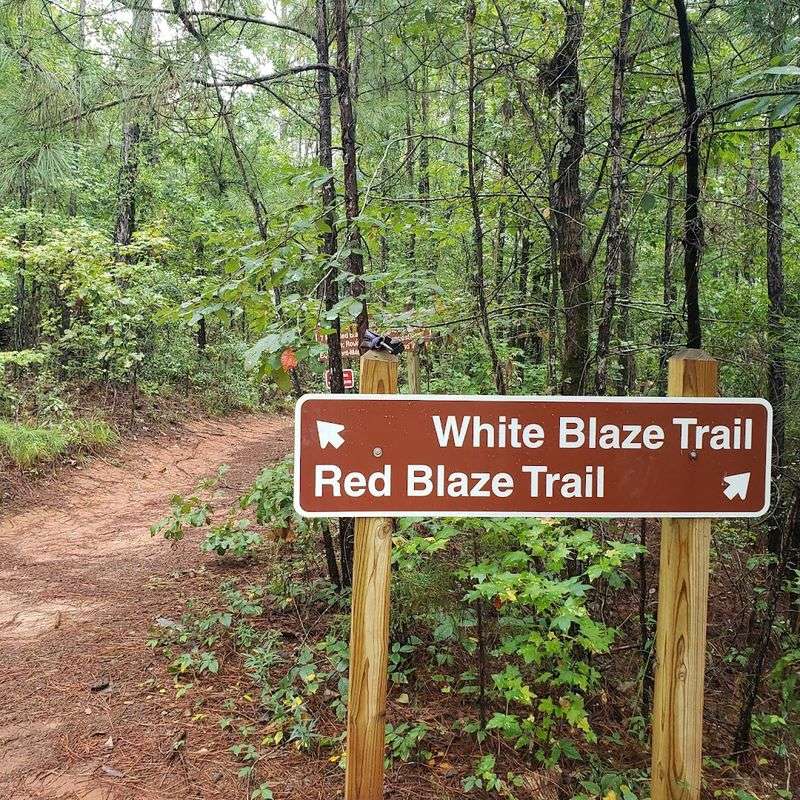
Locals favor this loop for linking overlooks before committing to the sandy floor. Signage occasionally points both directions, so trust the blazes and keep a map for reassurance.
If crowds swell, step aside at pullouts and resume once the overlook clears.
Budget 60 to 90 minutes if you stop for photos, less if you keep a steady pace. Avoid white sneakers since the clay tint turns them souvenir orange.
End at the visitor center to browse trail maps, ask rangers which fingers are photogenic that day, and restock snacks.
Backcountry Overnight Tips
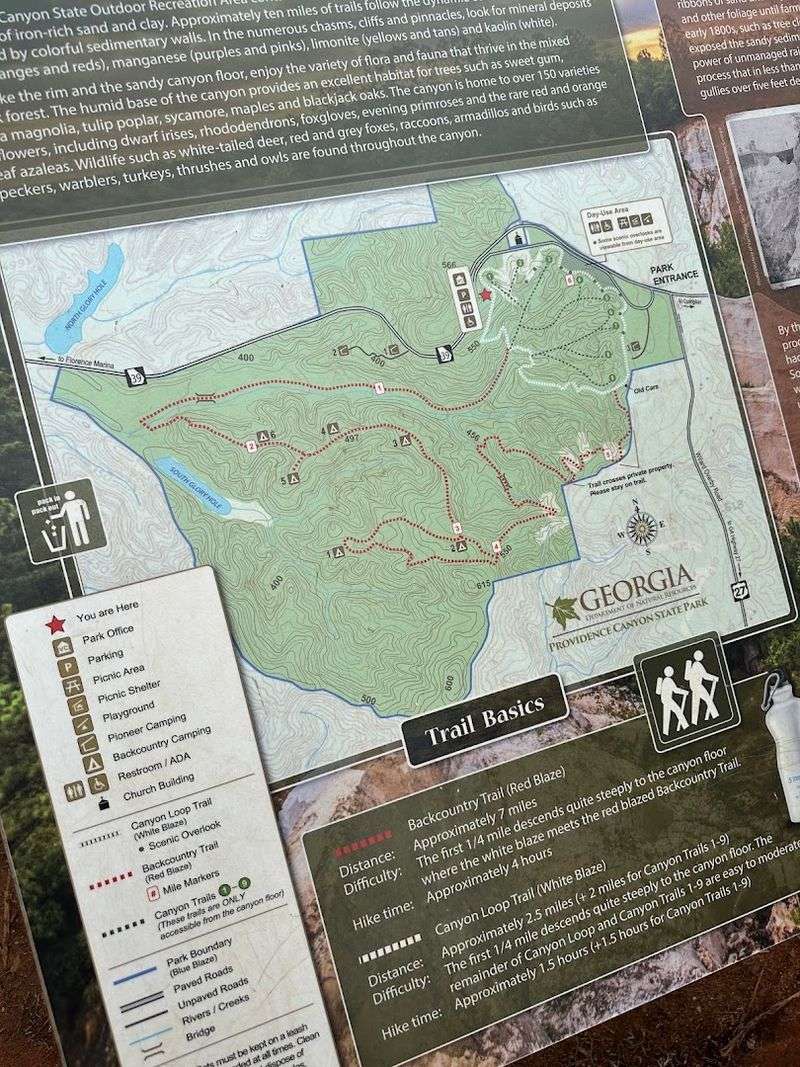
Seven miles in the backcountry trades overlooks for pinewoods solitude and a starry ceiling. Permits and reservations are limited, so book early and confirm gate hours.
Water sources are unreliable, meaning you should pack what you need for cooking and camp comfort.
Choose a compact stove, sealed meals, and a sit pad for chilly ground. Expect coyotes yipping at dusk and owls after midnight, a soundtrack that pairs nicely with hot chocolate.
Keep food in odor-resistant bags and follow Leave No Trace so camps stay pristine for the next party.
Morning returns are magical as fog drifts low and colors brighten on the rim. Start pre-sunrise to reach the first overlook as light breaks, then snack while the canyon warms.
If conditions run muddy, trekking poles stabilize descents and keep knees happier on the climb out.
Photography Timing And Angles
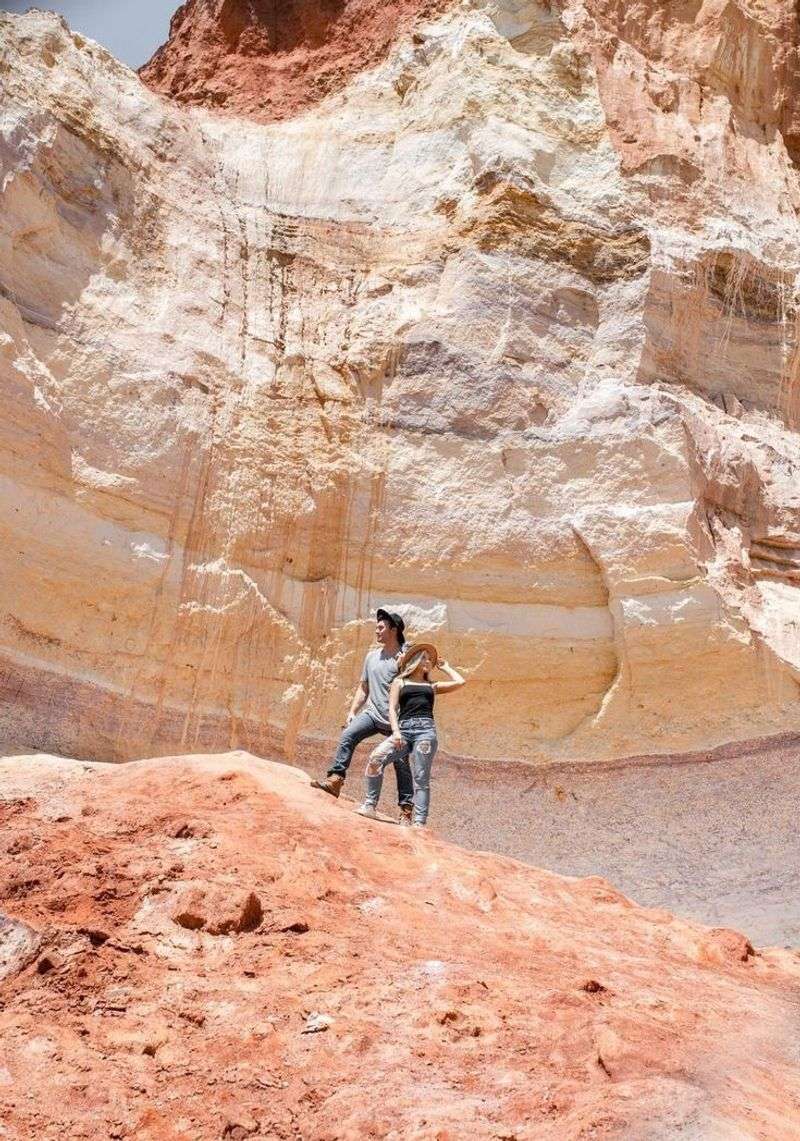
Color is the headline, but direction of light writes the story. Side light at sunrise or late afternoon sculpts striations and keeps highlights controllable.
Overcast days are not a loss since soft skies reveal delicate pastels you miss at noon.
Work a sequence at each stop. Start wide to establish the scene, switch to 50-85mm for texture, then crouch low to catch reflections in the wet floor.
A microfiber cloth is essential for misty mornings when lenses fog as you exit the warm car.
Keep compositions clean by avoiding busy tree crowns intruding from the frame edge. If the wind stirs dust, turn your back when changing lenses and use a rocket blower afterward.
Golden hour on Canyon 4 and 5 rewards patience, and a final lap along the rim collects closing images with gentle contrast.
Visitor Essentials You Will Actually Use
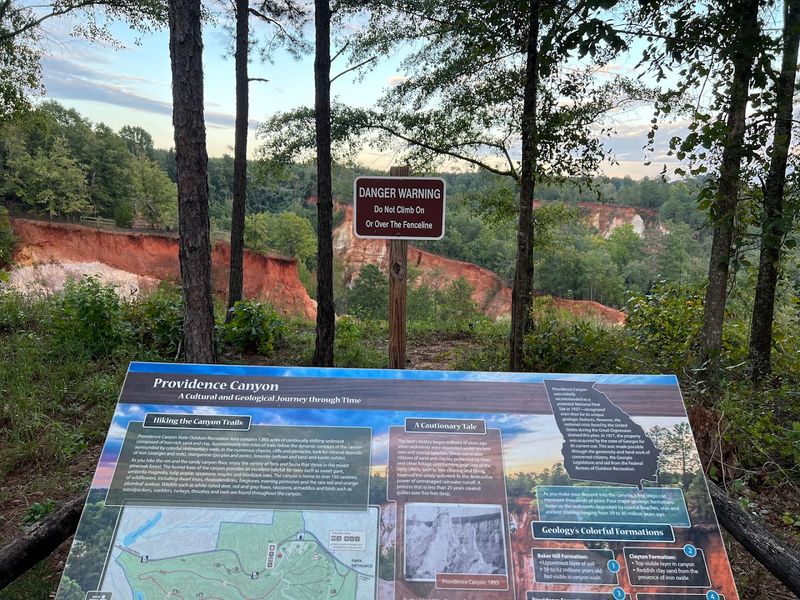
Parking requires a small fee, and hours typically run 7 AM to 6 PM, so plan arrivals accordingly. Restrooms and a compact gift shop sit by the visitor center, which is where you can ask staff about trail conditions.
Cell service dips in the canyons, so preload maps and text your plan before descending.
Packing smart pays off. Waterproof footwear, breathable socks, and a change of shoes in the trunk keep the ride home comfortable.
Add sunscreen, a brimmed hat, a liter or two of water, salty snacks, and a mini first aid kit to cover scrapes.
Navigation is straightforward, yet trail signs can feel inconsistent at a glance. A printed map plus the posted kiosks makes decision points painless.
Hit the rim lookout first, choose two or three canyon fingers to prioritize, and save a little time for a peaceful picnic near the playgrounds.
Quiet Corners Worth Finding
If crowds stack on the rim, slip toward the less bragged gullies off canyons three and five. You will hear creeklets fizzing and shoes tap the clay like a drum, but the air feels private.
Pause where pine roots stitch the edges and a gold film skims the puddles.
That is where color turns nuanced, with veils of lavender ghosting through creams and rust. Step softly, read the footprints before yours, and let conversation drop under the whisper of leaves.
You leave lighter, and the canyon seems to exhale with you, like it is relieved someone finally listened.
Seasonal Conditions, Decoded
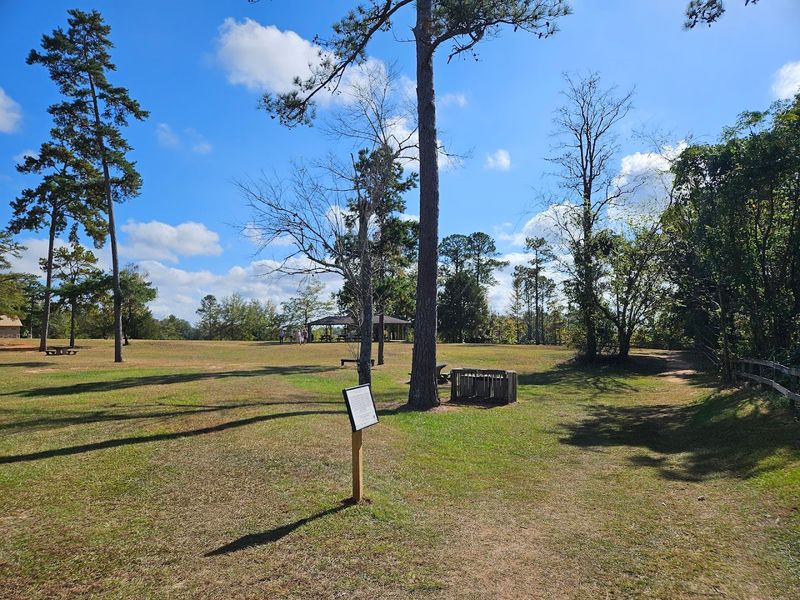
Rain flips the script here, painting walls louder and turning sand to sponge within minutes. If clouds stack, budget extra time and expect shallow creek crossings that wander like minds.
In summer, heat traps in gullies, so shade breaks matter more than mileage goals and water disappears faster.
Winter drops the leaves and reveals the canyon bones, every layer etched and windy to the touch. Spring brings trickles of wildflowers, slick clay, and mosquitoes that find every gap you forgot.
Tune your plan to the season, and you will discover how the same trail keeps reinventing itself.
Erosion Stories, Layered
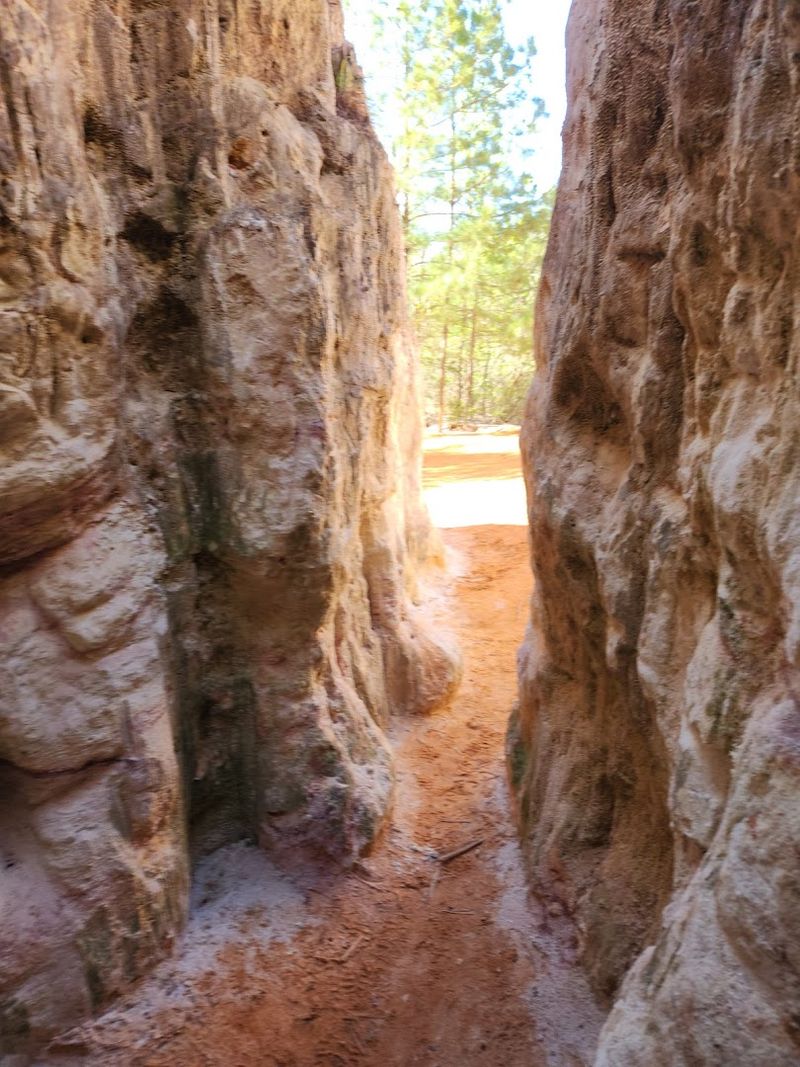
Stand close to a cutbank and the walls read like a history book written by storms. White sands cap peach clays, then iron reds slice through, and rain scribbles fresh notes every week.
You can trace fingers along drips and feel yesterday still drying, like paint that refuses to behave.
Look for tiny rills carving ladders, fallen sand that sounds like rice, and spatters that glitter after sun. It is geology made conversational, and once you hear it, silence feels louder.
Let curiosity pace you, not speed, and the canyon will keep talking the whole way back.