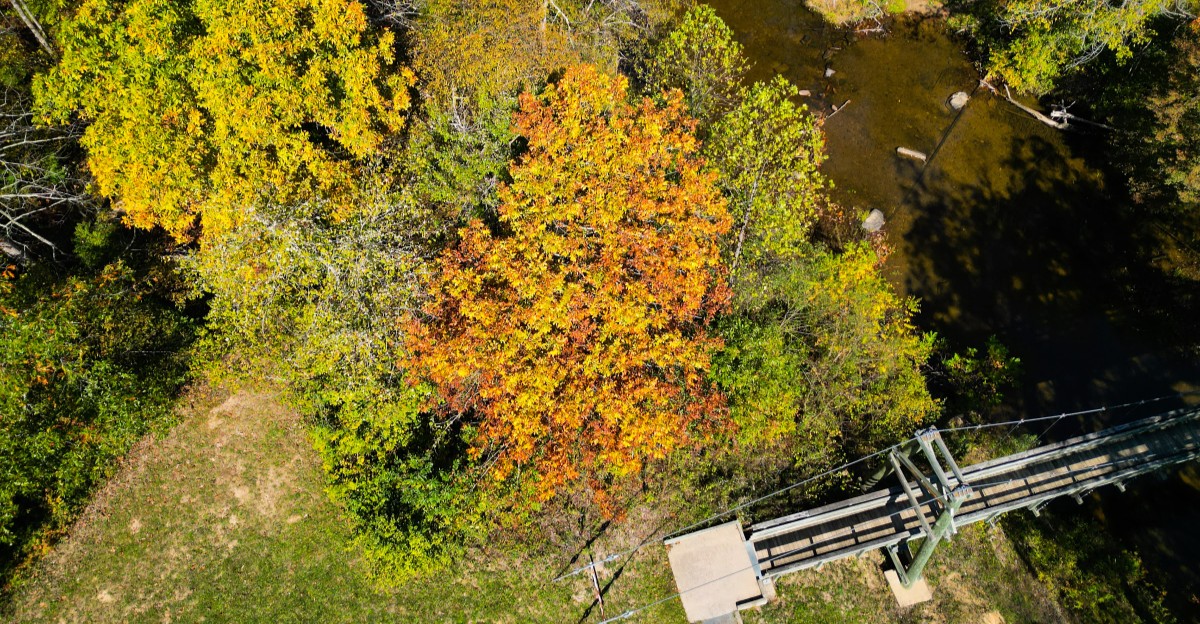
A stone blast furnace from 1836 sits beside a mountain creek, and plenty of people stroll right past it. Those massive blocks once helped turn raw ore into pig iron, and now ferns and trees keep them company.
The ruins share space with trout water, a swinging footbridge, and a log cabin built from salvaged timber. I like how a family cookout and a history lesson can happen just a short walk apart here.
This corner of Virginia’s national forest also has no cell service. I believe that is a feature, not a flaw, because nobody can scroll past the scenery.
I can’t imagine a better excuse to slow down and actually read a trail sign or two. So what exactly is waiting out there in the woods?
Those Giant Stones By The Creek Are Not Just Fancy Rocks
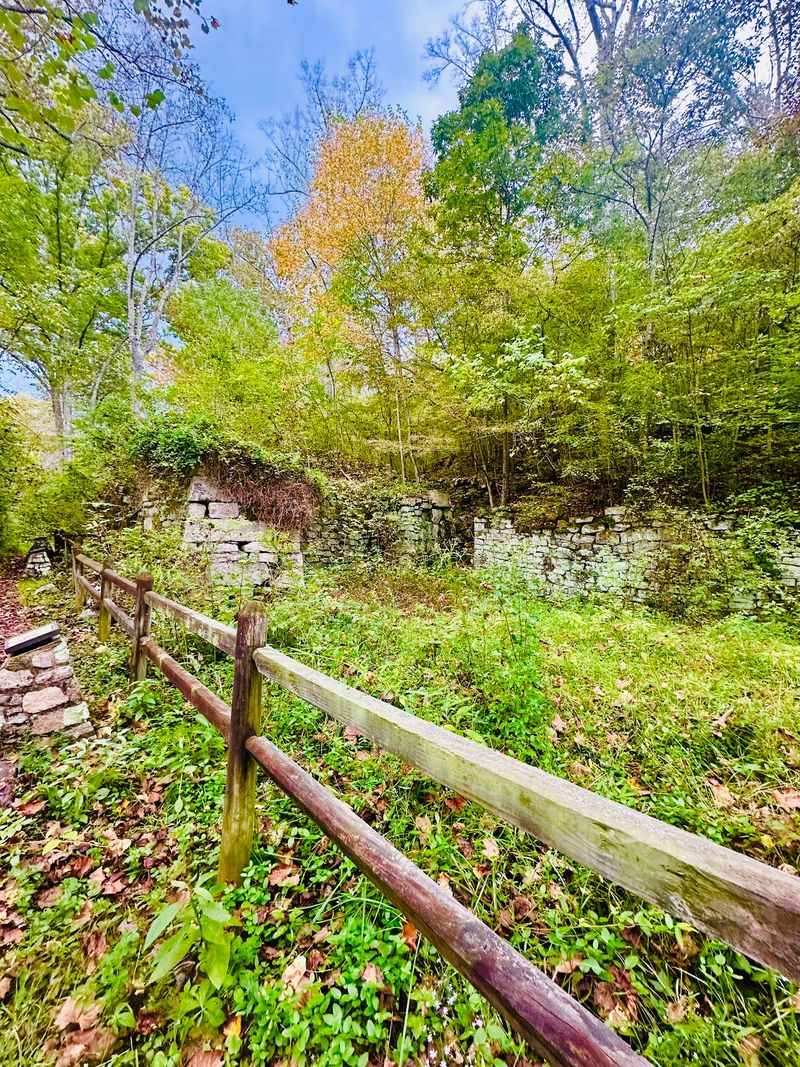
Back in 1836, workers built a stone blast furnace in the woods at what is now Elizabeth Furnace Recreation Area. The leftover stonework still stands near Passage Creek in Virginia’s George Washington National Forest.
A blast furnace melted iron ore at very high heat. The result was pig iron, a rough metal that later became tools, nails, and machine parts.
The furnace ran on and off for decades during the 1800s. Charcoal from local trees fueled the fire, and nearby hills supplied the ore.
Today the scene is calm, shady, and green. That quiet makes it surprisingly easy to miss what you are looking at.
Plenty of folks show up for a picnic or a hike and never stop at the ruins. Don’t be that person, because the history lesson takes only a few minutes.
Take a moment to study the size of the stone blocks. Then think about moving them without a single power tool, which sounds exhausting just to type.
Bring a camera, too, since the old masonry looks great against the trees. Just admire it from the trail and leave every stone exactly where it sits.
A Short Trail Turns Iron Making Into A Story You Can Walk
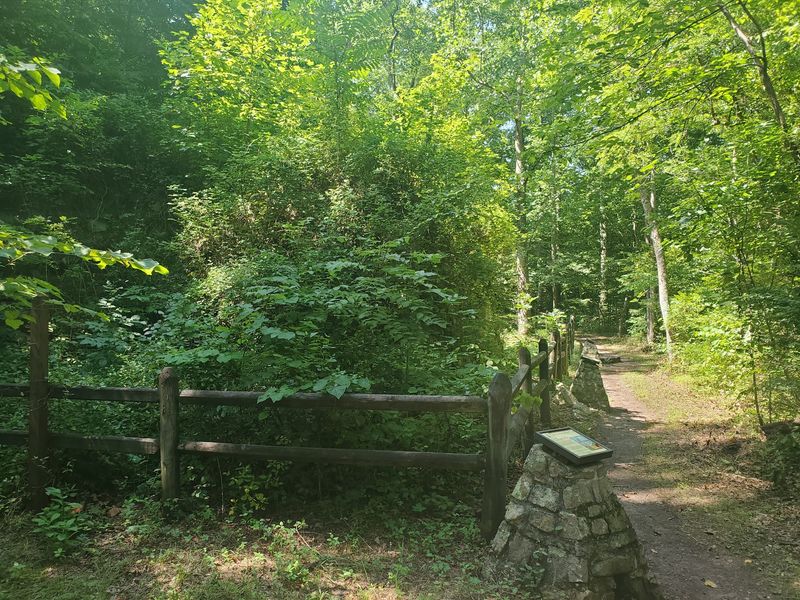
Some history lessons happen in a classroom, but this one happens on dirt and rock. The Pig Iron and Charcoal Trail loops past the furnace ruins with signs that explain each step.
You learn how workers mined ore and cut wood for charcoal. You also learn how all of it came together inside that stone tower.
The trail is short, so even younger hikers can finish it without much grumbling. Parts of the path are rocky, though, so sneakers beat sandals here.
Kids tend to like a trail that comes with built-in reading stops. Each sign works like a mini chapter, and the furnace is the big finale.
Charcoal making was a huge job in the 1800s. Crews needed piles of wood to keep a furnace burning, which shaped the forest around them.
That detail changes how you see the trees beside the path. The woods you hike through today once played a working role in the iron business.
Plan for a slow pace rather than a fast one. The fun comes from stopping, reading, and pointing at things like a curious explorer.
Cross The Swinging Bridge And Find A Cabin With A Past
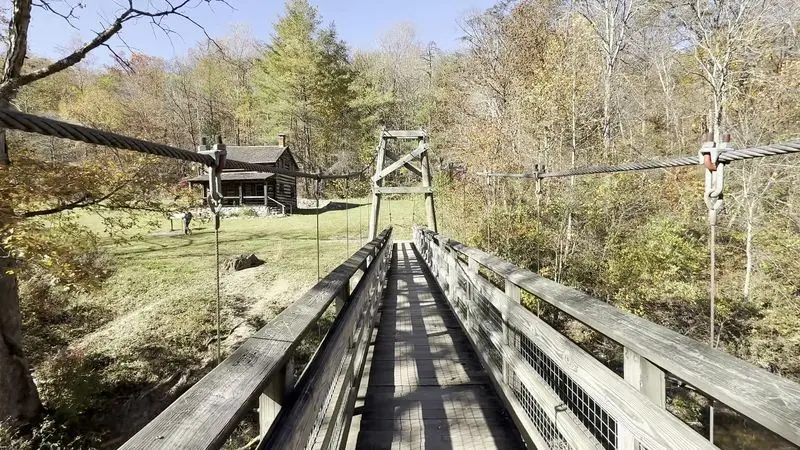
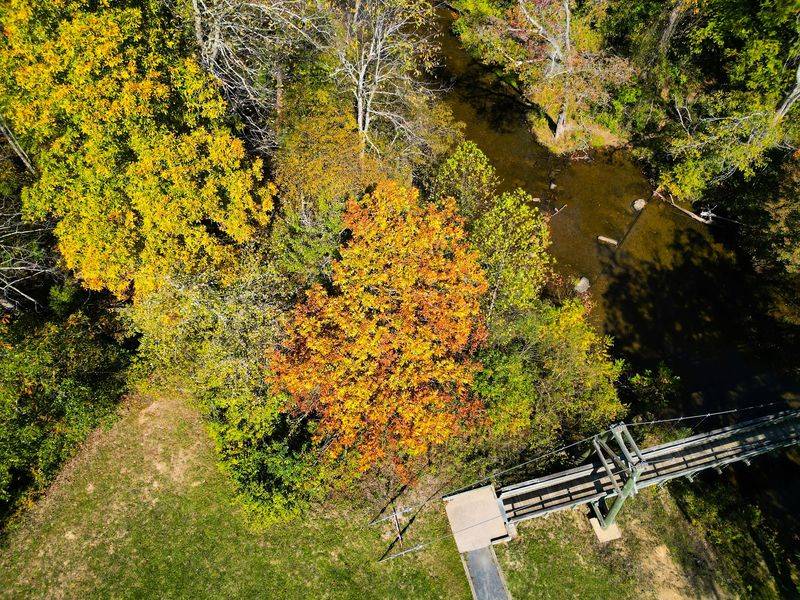
Yes, the bridge moves a little. That gentle sway over Passage Creek is half the fun of reaching the old log cabin on the other side.
The Civilian Conservation Corps put the cabin together using logs saved from older buildings. Those buildings once belonged to the community tied to the iron furnace.
So the cabin is a bit like a scrapbook made of wood. Each log carries a piece of the area’s working past into the present.
The Civilian Conservation Corps was a program from the 1930s that put young men to work. Crews built trails, shelters, and park structures all across the country.
Here, their handiwork links two eras of history in one spot. You get the furnace years and the CCC years without driving anywhere new.
Little kids usually treat the bridge like a ride. Older visitors tend to stop in the middle for creek photos, which is completely understandable.
Hold the railings and take your time crossing. Then enjoy the cabin from outside and picture the families who once used those same logs.
Trout Are Waiting In Passage Creek If You Pack A Rod
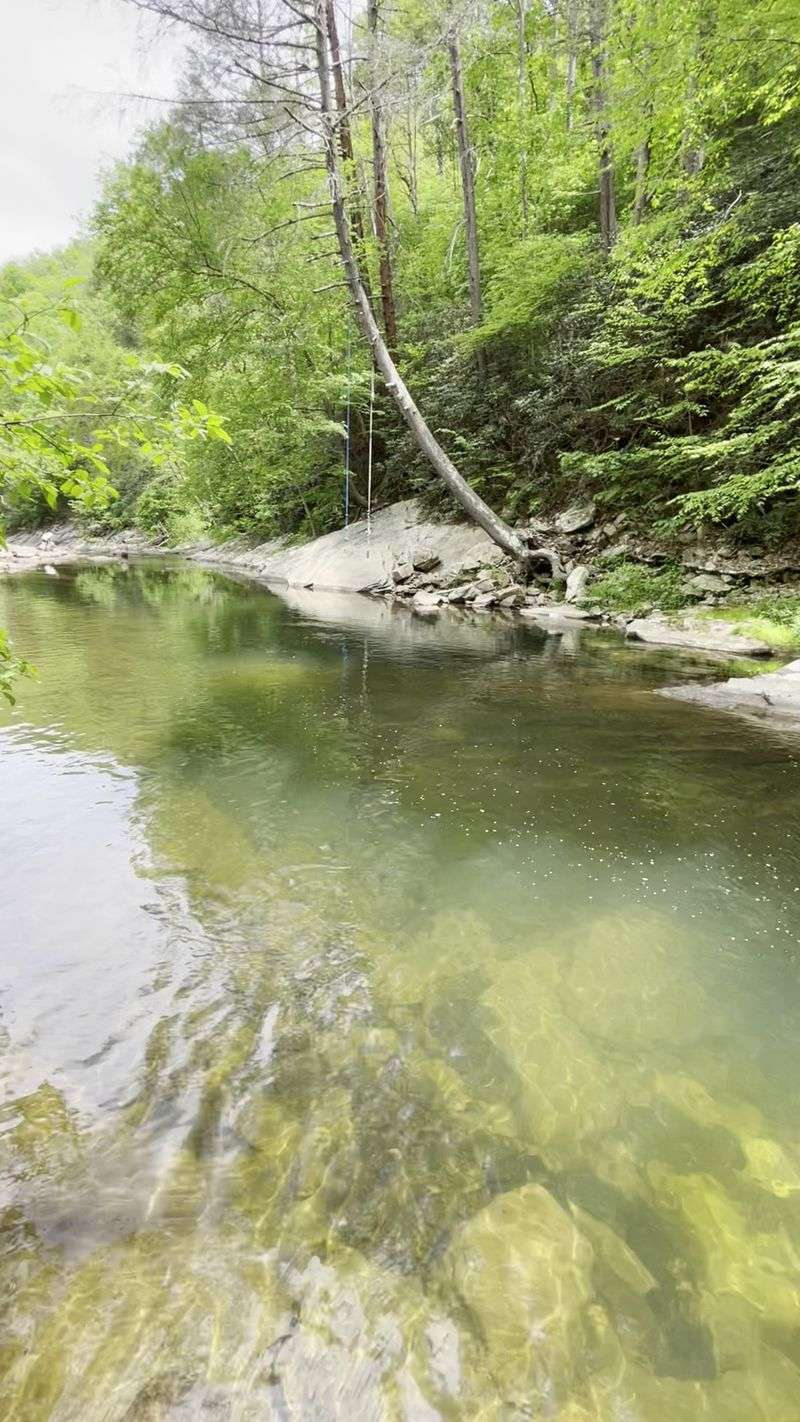
Good news for anglers: Passage Creek gets stocked with trout. That makes Elizabeth Furnace Recreation Area a handy stop for anyone hoping to land a fish.
The creek runs right through the recreation area. You can fish within easy reach of picnic spots and campsites, which keeps snacks close by.
Before you cast, make sure your paperwork is ready. Virginia requires a fishing license, and trout fishing here may need extra permits too.
Check state rules before your trip so nothing spoils the fun. A ranger station or the state wildlife agency can point you in the right direction.
The water is clear and rocky in many places. That makes it a pretty spot for photos even if the fish decide to be shy.
Families can turn a fishing trip into a full day. Cast in the morning, explore the furnace ruins at lunch, and try again later.
Watch your footing on slick rocks near the bank. Also keep an eye out for poison ivy, which loves the woods around here a little too much.
Ready For Bigger Climbs? The Ridge Trails Start Right Here
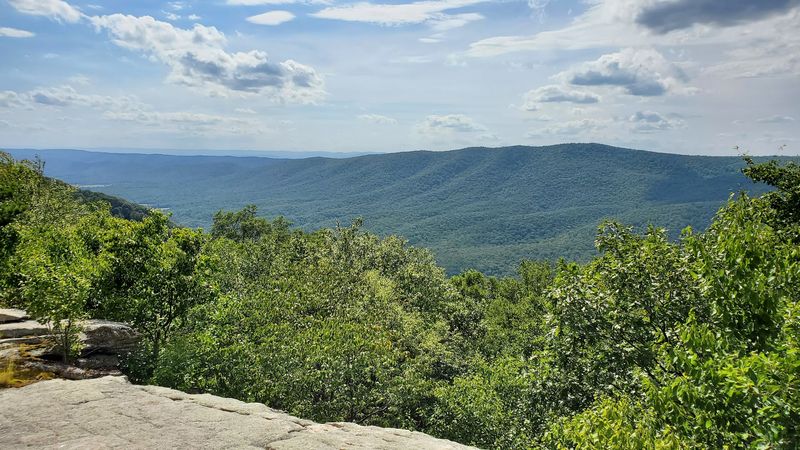
The short history loop is only the warm-up act. Several longer trails head out from this area and climb into the mountains above the valley.
Buzzard Rock Trail is a popular choice for hikers who like a challenge. Sections of the Massanutten and Tuscarora Trails also pass through, giving you plenty of options.
These routes rise along Massanutten Mountain. Up top, ridge views stretch over Fort Valley and the wider Shenandoah Valley.
That kind of view earns every step it takes to reach it. Bring water, snacks, and real hiking shoes, since rocky paths are common up there.
Mountain bikers get a turn as well. Some trails in the area are open to bikes, so two-wheel fans don’t have to sit on the sidelines.
Pick a trail that fits your group’s energy level. A tired hiker halfway up a steep ridge is not a happy hiker, trust me.
Grab a paper map before you start. Phones won’t help much out here, and a printed map never runs out of battery.
Sleep Beside The Creek At A Campground Open All Year
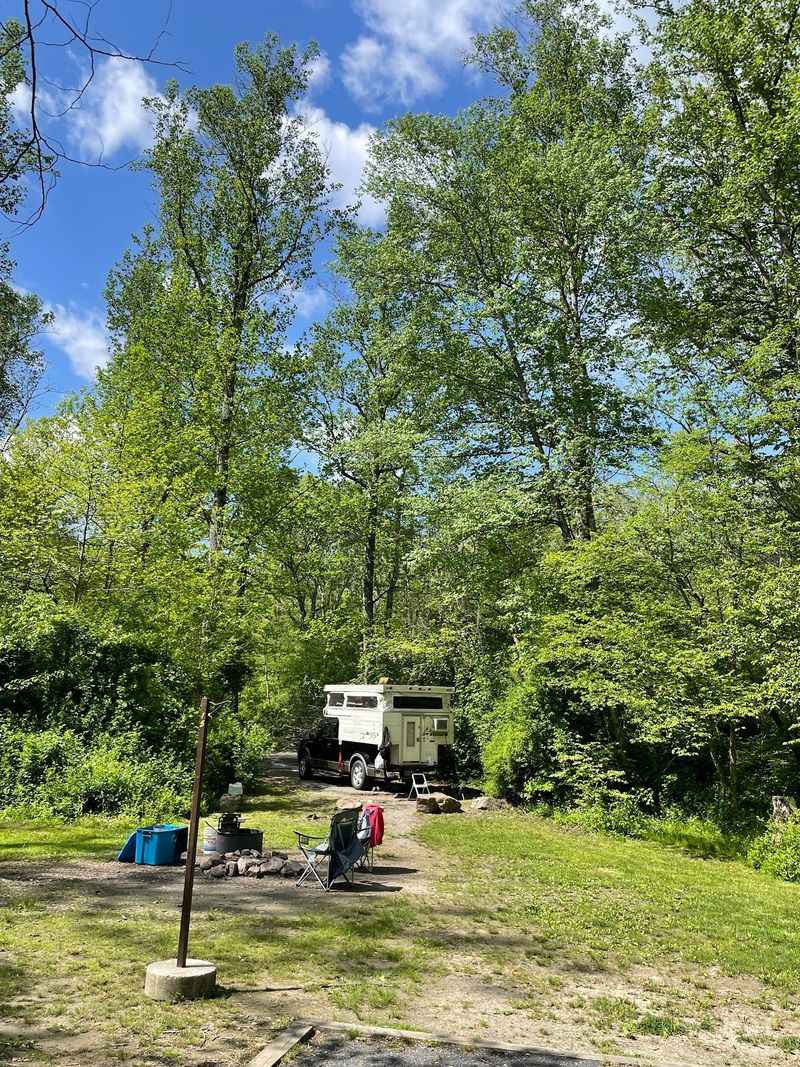
Camping here comes with a soundtrack of running water. Elizabeth Furnace Recreation Area offers both family and group campgrounds within the national forest.
You’ll find the area at 148 Elizabeth Furnace Road, Fort Valley, VA 22652. It sits along a winding road in the mountains of northern Virginia.
Campsites come with picnic tables and fire rings. That covers the basics for s’mores, card games, and long talks after dark.
RVs are welcome, but individual sites do not have hookups. Plan to bring your own water and power setup if your camper needs them.
Many family sites are first come, first served. Arriving early gives you a better shot at a spot you really like.
Nights under the thick tree cover can get very dark. Pack extra lanterns or headlamps so finding the tent is not a guessing game.
Cooler months call for warm sleeping bags, too. Shady ground holds chill and dampness, so layers are your best friend after sunset.
Your Visit Changes A Lot Depending On The Month
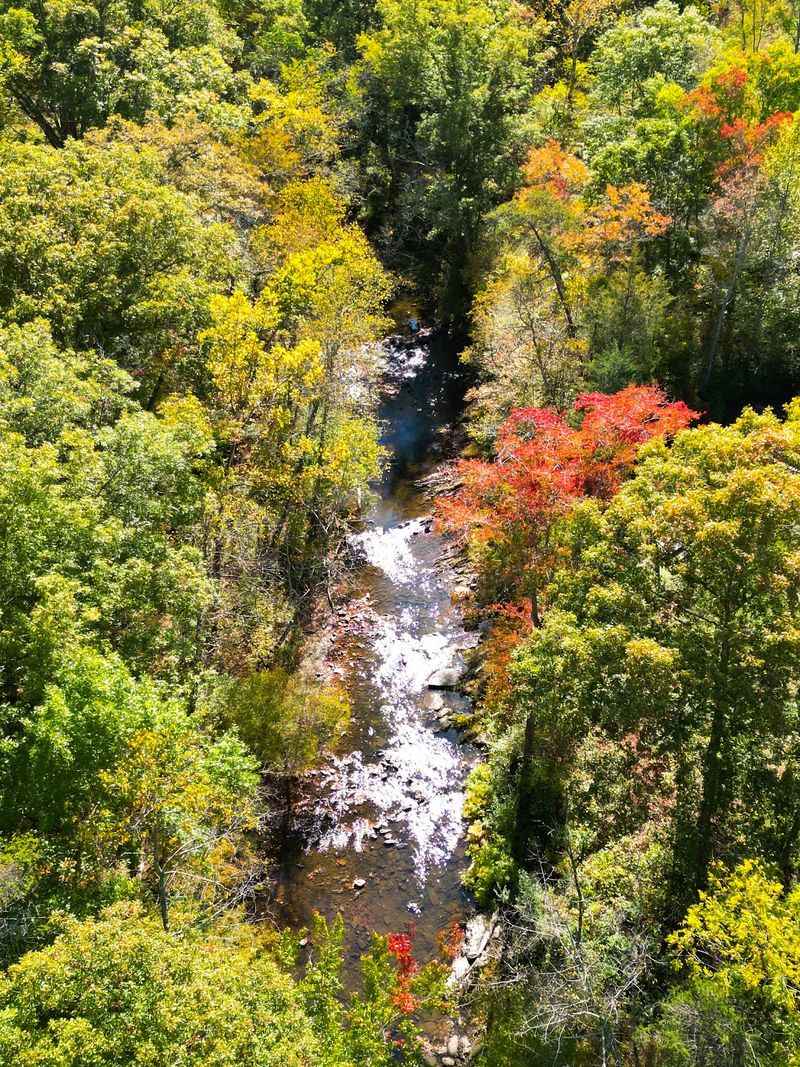
Timing matters more than most people expect. The recreation area and campgrounds stay open year-round, but some comforts come and go with the seasons.
Vault toilets and a hand pump for drinking water are available all year. Flush toilets and showers run seasonally, roughly from late spring into fall.
Summer brings shade, creek wading, and full amenities. It also brings bugs, so pack repellent unless you enjoy gnats as company.
Fall paints the mountains in red, orange, and gold. That makes October a lovely time for a hike followed by a picnic lunch.
Winter is quieter and much more rustic. Bare trees can open up views on the ridge trails that summer leaves usually hide.
Spring wakes everything up again with fresh green growth. Trout stocking and mild weather make it a solid season for anglers.
Check with the forest office before your trip. Facility schedules can shift, and a quick check saves you from a surprise at the shower house door.
Pack The Cooler Because The Picnic Spots Are Seriously Good
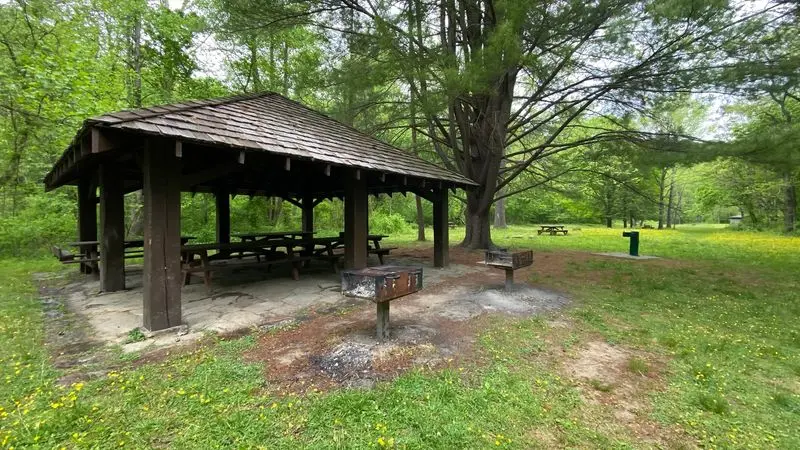
Hungry hikers, rejoice. Open grassy areas with picnic tables give Elizabeth Furnace Recreation Area a perfect setting for a cookout.
Many spots include built-in grills. Bring your own food and charcoal, and lunch becomes part of the adventure.
The picnic grounds sit close to Passage Creek. That means you can eat, then wander down for a closer look at the water.
Big families and friend groups will appreciate the open space. Kids get room to run around while the grown-ups handle the burgers.
Wildlife is part of the scenery here, too. The national forest supports a wide range of birds and mammals, so keep your eyes open.
Store food carefully and never feed the animals. A well-meaning snack can cause big problems for forest critters later.
Pack out your trash when the meal is done. Leaving the tables clean keeps this spot pleasant for the next group, and it’s simply good manners.
No Bars On Your Phone Might Be The Best Part
Here’s a fair warning with a silver lining. Cell service around Elizabeth Furnace Recreation Area is basically missing, so plan ahead before you leave home.
Download offline maps and screenshot directions earlier in the day. A printed trail map is also a smart backup for longer hikes.
The area sits within easy reach of Front Royal and Strasburg in northern Virginia. Those towns make good stops for supplies before you head into the forest.
Once you arrive, the lack of signal starts to feel like a gift. Kids look at the creek instead of screens, which might count as a small miracle.
Tell someone your plans if you’re hiking the bigger ridge trails. That simple step adds peace of mind when you can’t send a text.
Also bring basics like water, bug spray, and a first aid kit. Poison ivy grows in many spots, so long pants help on wooded paths.
Then put the phone away and enjoy the quiet. The furnace has waited since the 1800s, so it deserves your full attention.