The mansion may be the first thing you see at Mount Vernon, but it is far from the only place where the story unfolds. At George Washington’s Mount Vernon in Mt.
Vernon, Virginia, paths lead beyond the famous house to gardens, working landscapes, farm areas, and quieter corners that reveal a broader picture of life on the estate.
Located at 3200 Mount Vernon Memorial Hwy, the historic property invites visitors to look beyond the polished front door and notice the details around it. Garden beds, open fields, shaded paths, and memorial spaces offer a different pace from the mansion tour, while also drawing attention to the many people whose labor made life at Mount Vernon possible.
Giving yourself extra time to wander can transform a visit from a quick look at one historic home into a fuller experience of the estate and its landscape. Take your time, follow the paths, and see what you might have missed just beyond the main house.
Follow the Color Into the Upper Garden
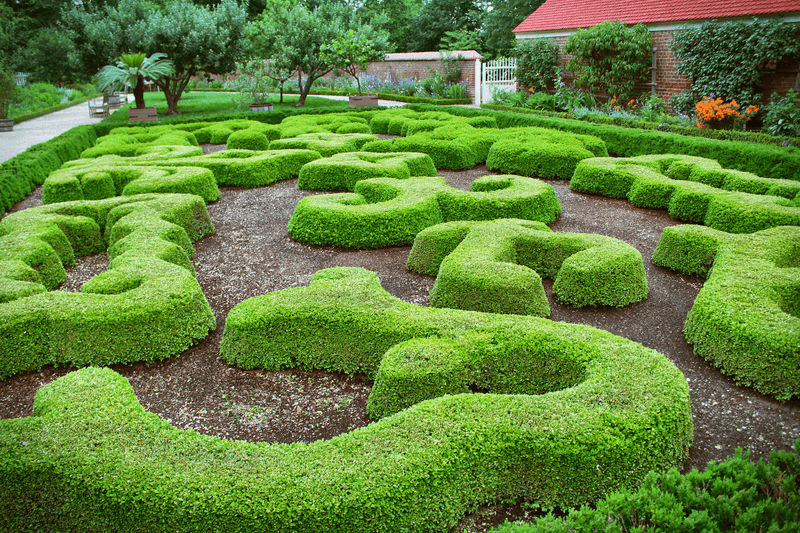
A bright patch of flowers can pull you away from the mansion faster than any sign. Follow that color into Mount Vernon’s Upper Garden, where neat beds and winding paths reveal another side of Washington’s carefully planned home.
Flowers were part of the display, but the garden also served useful purposes. Its layout helps visitors picture how beauty, food production, and daily work shared the same space on a large eighteenth century estate.
Look toward the greenhouse, then slow down enough to notice the shapes of the beds and the changing plants. Spring and summer usually offer different colors, so the experience depends on when you visit rather than one fixed picture.
Keep your camera ready, but leave a few minutes for simply looking. Ask a garden interpreter about seasonal planting if someone is available, and remember that maintaining these spaces historically depended on enslaved workers.
Comfortable shoes make the paths easier, especially after rain. For travelers who feel rushed by the house tour, this garden offers a welcome change of pace without taking them far from the estate’s central sights.
Discover the Everyday Purpose of the Lower Garden
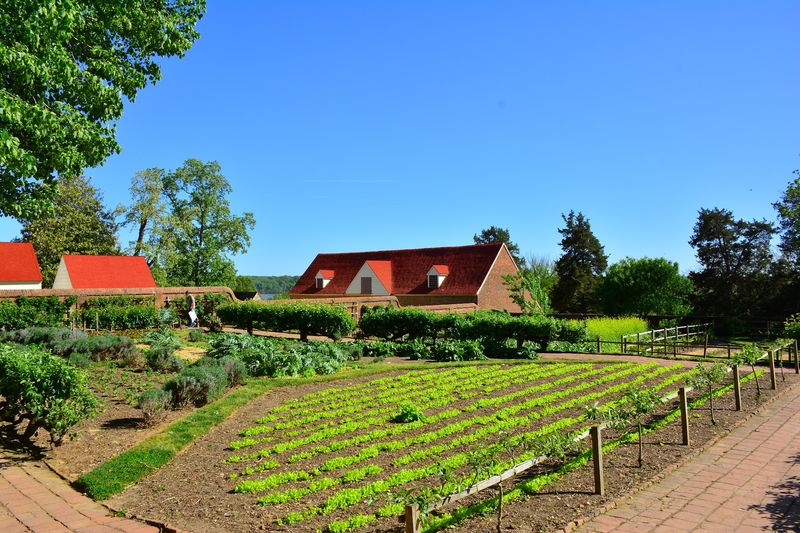
Dinner once began long before anyone entered the dining room. Seeds, soil, and steady labor helped supply the household, and Mount Vernon’s Lower Garden makes that connection easy to see.
Unlike a flower garden designed mainly to impress, this space puts food at the center of the story. Rows of seasonal vegetables help explain how a busy estate fed people before grocery stores and modern delivery trucks existed.
Walk slowly beside the beds and compare the plants with what you buy at home. Depending on the season, you may recognize familiar vegetables or notice varieties that look different from those in a supermarket.
Garden staff can explain what is growing and why certain crops belong in the historical setting.
Use this stop to talk with children about the work behind a meal, while also recognizing the enslaved people who performed much of that labor. Stay on marked paths and avoid touching or picking plants.
Even a short visit adds useful context to the mansion’s elegant rooms: behind every polished table stood a much larger system of planting, harvesting, cooking, and service.
Trade Formal Rooms for the Pioneer Farm
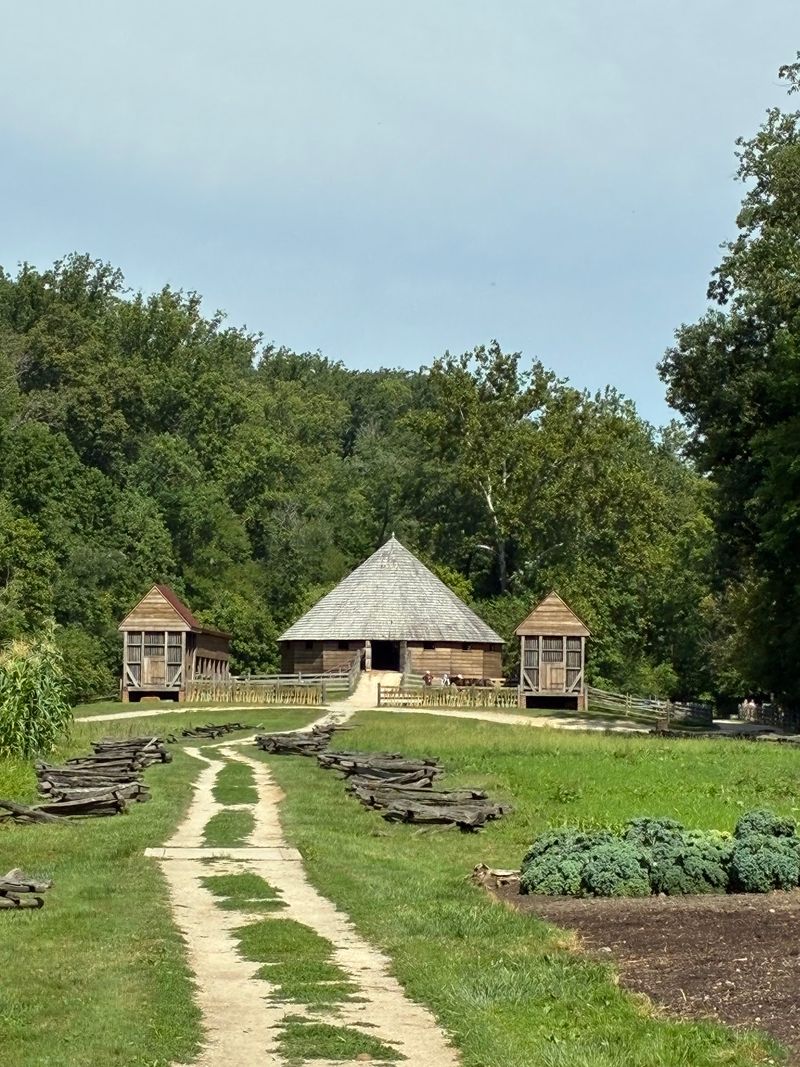
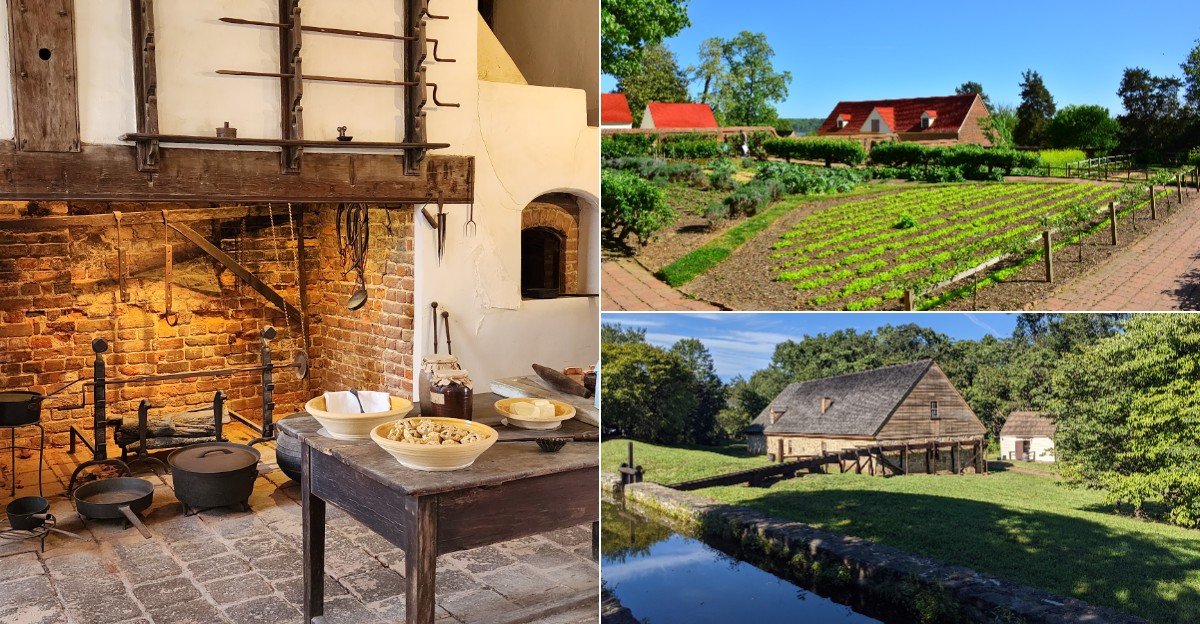
Suddenly, the story feels less like a portrait and more like a working day. Down at Mount Vernon’s Pioneer Farm, fields and practical buildings show Washington as a farmer interested in improving how crops were grown and processed.
The reconstructed sixteen sided treading barn is a standout. Its unusual shape reflects a system in which horses helped separate grain from wheat by moving over stalks laid on an upper floor.
Demonstrations vary by season and staffing, so check the daily schedule before heading downhill. When activities are offered, watching a task unfold can make an old farming method much easier to understand than reading about it alone.
Livestock may also be visible, but follow posted rules and never assume feeding is allowed.
Save energy for the return trip, since the walk back toward the mansion involves climbing. Bring water during warm weather and ask staff about current transportation options if hills are difficult.
Above all, connect the clever equipment with the people who used it, including enslaved workers whose skill and effort supported the farm’s production through long and demanding working days.
Let the Potomac Change Your View
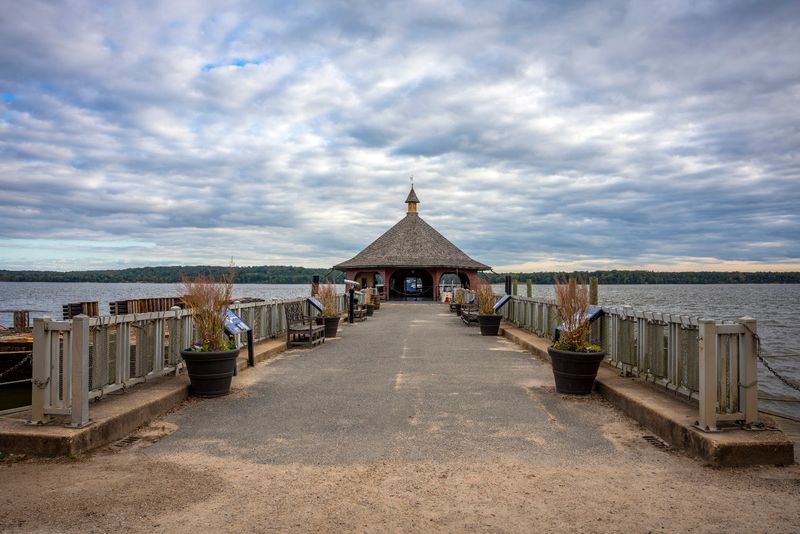
The water opens up, and the busy tour route suddenly feels far away. Along Mount Vernon’s riverside paths, the Potomac becomes more than a pretty background behind Washington’s house.
For the estate, the river was a route for travel and trade, as well as a source of fish. Looking across the broad water helps explain why this location mattered to a working plantation, not just to someone choosing a lovely view.
Follow the marked route toward the wharf when it is open, allowing time for the uphill return. Seasonal sightseeing cruises may offer another view of the property, but schedules, ticket requirements, and boarding arrangements should be checked before you plan around one.
A river stop works especially well between more information heavy parts of the day. Put away your phone briefly and notice the shoreline, passing boats, and changing light.
Bring sun protection because exposed stretches can feel warmer than shaded garden paths. If walking is a concern, ask which viewpoints are easiest to reach.
You do not need a boat ride to understand how strongly the river shaped life here.
Make Time for the Slave Cemetery and Memorial
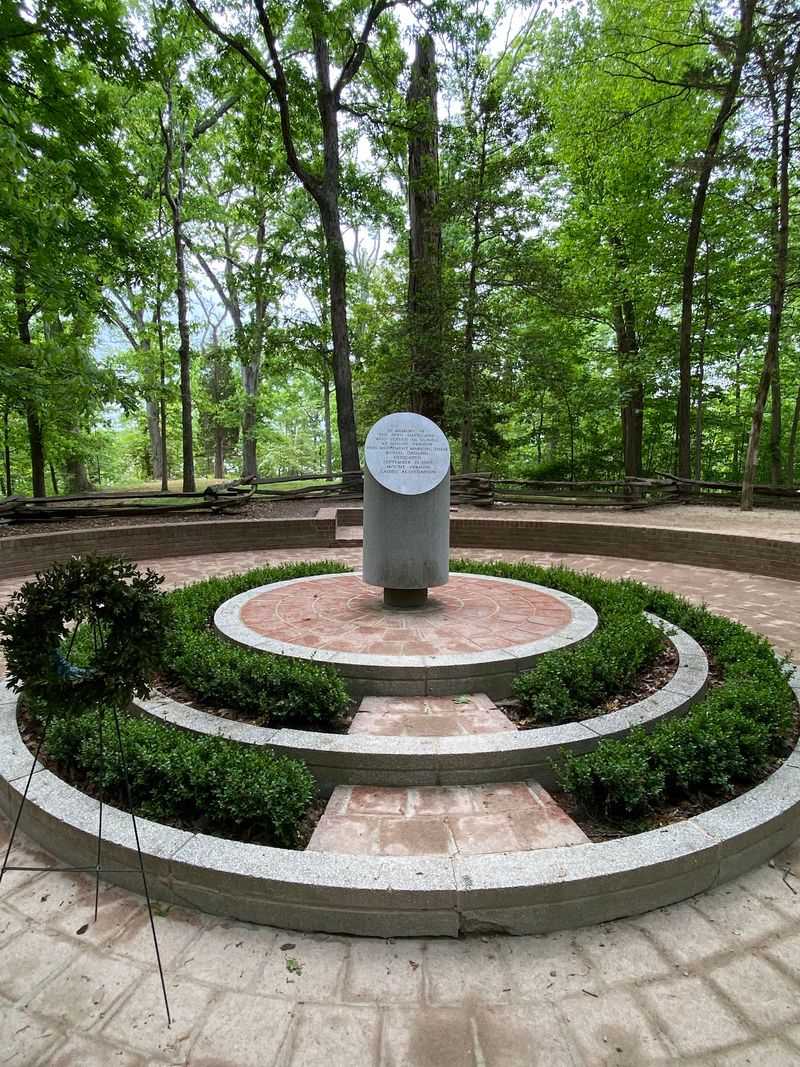
Some places ask for silence rather than another photograph. The Slave Cemetery and Memorial at Mount Vernon is one of them, offering space to remember enslaved people whose lives cannot be understood through the mansion alone.
The burial ground lies near Washington’s tomb, yet its meaning is distinct. Many graves are unmarked, and the memorial honors people who were denied freedom while their labor helped sustain the estate.
Read the signs carefully and give yourself time to absorb what they explain. If a remembrance program is scheduled during your visit, attending can provide a thoughtful way to learn more, though programs and times should be confirmed with staff.
For families, plain and honest language works best: these were people with names, relationships, abilities, and hopes, not simply workers in someone else’s story. Keep voices low and treat the area as a cemetery rather than a photo backdrop.
Visiting this memorial may change how you understand everything else at Mount Vernon. The gardens, meals, buildings, and farm all become part of a fuller history, one that includes both achievement and profound human suffering.
Pause Beside Washington’s Tomb
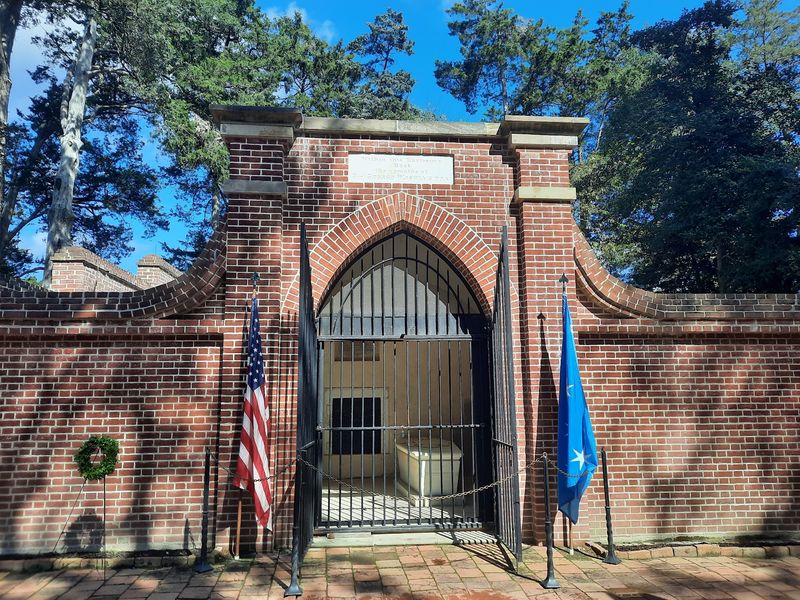
A modest brick entrance can feel more powerful than a grand room. Away from the mansion’s busy doorway, Washington’s tomb brings the visit back to the people who called this estate home.
George and Martha Washington rest here, in the tomb completed after his death. The setting is quiet and wooded, making it a natural place to stop after walking through gardens or learning about the farm.
Look closely at the structure and read the nearby interpretation rather than moving on after one quick picture. The tomb connects Washington’s public importance with his wish to be buried at Mount Vernon, the place he returned to throughout his life.
Allow other visitors room to approach, and follow any staff instructions during scheduled ceremonies. Pair this stop with the nearby Slave Cemetery and Memorial, while recognizing that each tells a different part of the estate’s history.
The paths can require more walking than a glance at the map suggests, so build in rest time. Even a brief pause here gives the day a calmer rhythm and a sense of perspective beyond the house tour.
Look Behind the Scenes in the Outbuildings
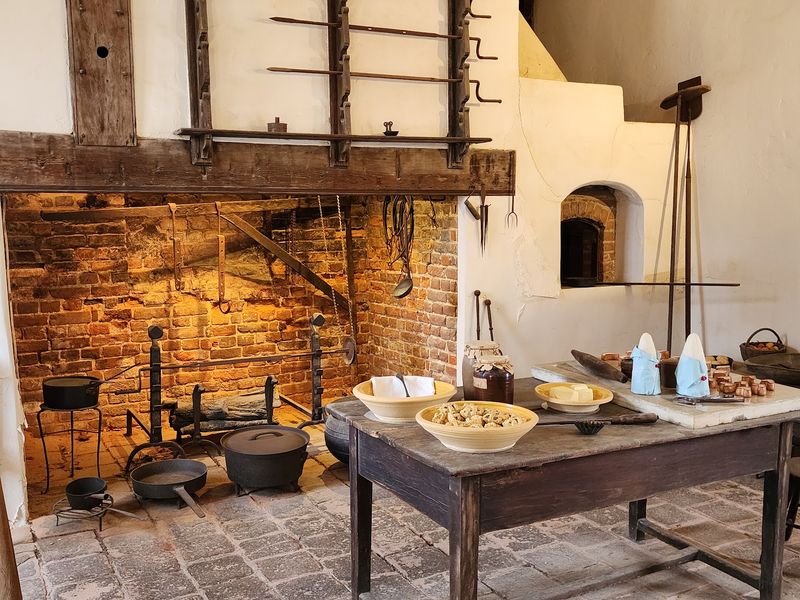
The grand house could not run on beautiful furniture alone. Just outside it, Mount Vernon’s service buildings reveal the practical work that kept meals arriving, clothes clean, and supplies ready.
Explore accessible outbuildings such as the kitchen and other work spaces shown on the visitor map. Their smaller rooms and useful equipment create a sharp contrast with the mansion’s formal settings, helping you picture the estate as a busy workplace.
Instead of trying to see every doorway quickly, choose a few stops and read their signs. Ask who worked there, what skills the job required, and how the task changed with the season.
Those questions lead naturally to the lives of enslaved people whose work supported the Washington household.
Access can change during preservation work, so use the current map rather than assuming every building is open. Children often connect with familiar chores such as cooking or washing, making these spaces helpful conversation starters.
A kitchen hearth or storage room may seem ordinary at first, but it can explain daily life more clearly than another formal portrait. Leave time to notice those details.
Meet the People Behind the Estate’s Labor
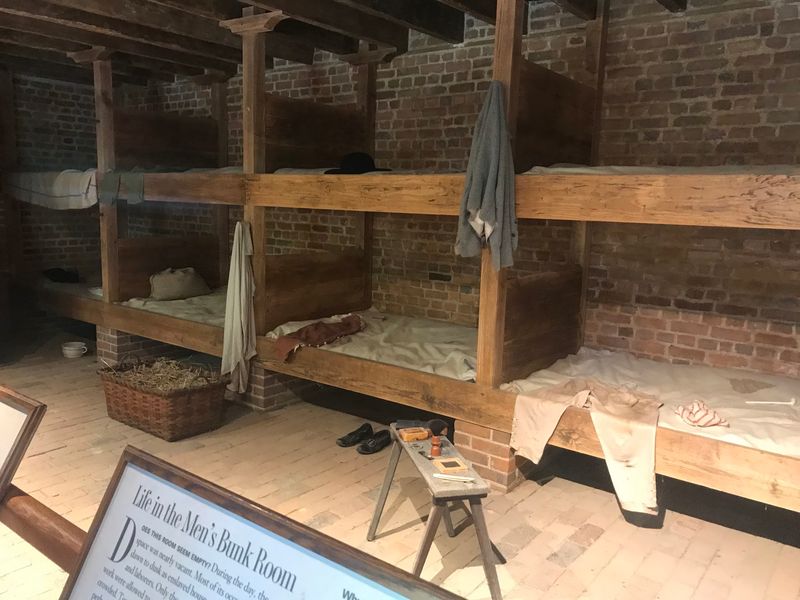
A room tells a different story when you ask who had to live there. Mount Vernon’s reconstructed quarters and interpretation about slavery shift attention from the famous owner to the people who supported his estate.
At the time of Washington’s death, more than three hundred enslaved people lived at Mount Vernon. They were not all legally owned by him, a distinction that matters when learning about his will and the limits of the freedom it provided.
Look for stories that identify individuals, families, trades, and personal choices. Names and specific experiences help replace a vague picture of plantation labor with an understanding of real people living under a system that denied their rights.
Give these exhibits as much attention as the mansion’s furnishings. If something is unclear, ask an interpreter rather than relying on a simplified version of the past.
Parents can explain difficult facts directly without overwhelming younger children: people were forced to work and could not freely choose their lives. Check which exhibits and spaces are currently open.
This part of the visit adds necessary depth to every beautiful view nearby.
Follow the Work to the Distillery and Gristmill
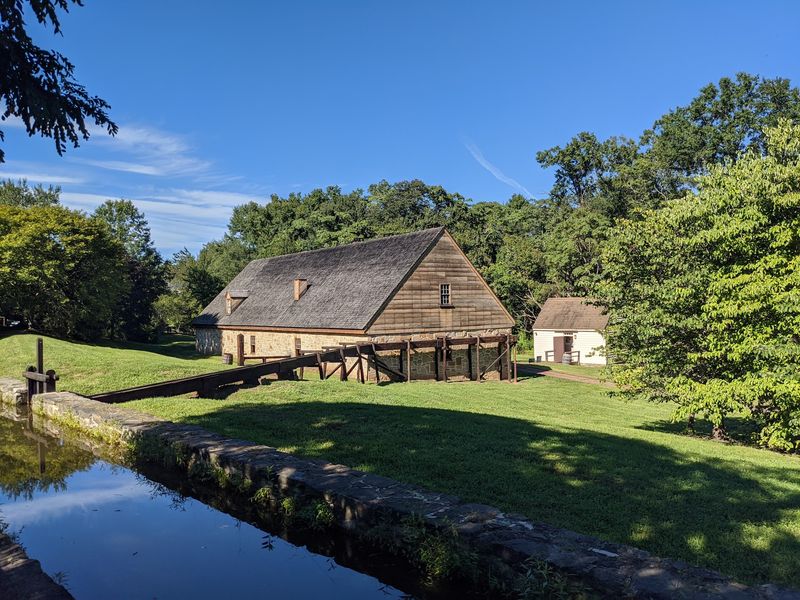
Grinding grain and making whiskey might not match your first image of a president. Yet Washington’s business interests become much clearer at Mount Vernon’s reconstructed distillery and gristmill, located a few miles from the main estate.
The gristmill shows how grain became flour and meal, while the distillery explains another enterprise developed during Washington’s later years. Together, they reveal a practical businessman looking for ways to turn farm products into goods for sale.
When demonstrations are running, machinery and production steps give these buildings an energy that photographs cannot capture. Ask guides how the operations worked and who performed the labor, including enslaved workers whose contributions belong at the center of the explanation.
Plan this stop separately from your walk around the mansion grounds. Opening seasons, tour times, transportation options, and admission arrangements can differ, so confirm details on Mount Vernon’s official website before heading over.
Do not assume the buildings are open simply because the main estate is. For visitors curious about tools, farming, or business, this extension offers a satisfying final chapter and makes Washington’s world feel far less abstract.