A suspension bridge stretches across a wooded ravine in the middle of Bellevue, Washington.
Just beyond it, garden paths lead past colorful flowers, carefully arranged stones, and peaceful forest scenery.
Bellevue Botanical Garden covers 53 acres, yet admission and regular parking are completely free.
That makes it an appealing stop for families who want an outdoor adventure without buying tickets.
The grounds include the Japanese-inspired Yao Garden, a rock garden, and woodland trails with plenty to discover.
Seasonal flowers and changing foliage give visitors different reasons to return throughout the year.
A little planning helps you choose the best paths, find the most interesting displays, and avoid the busiest times.
Even a short visit can reveal how much nature fits into this corner of the city.
The Free Garden Hiding in Plain Sight
Not every great day out needs a ticket booth. Bellevue Botanical Garden sits at 12001 Main St, Bellevue, WA 98005, in the state of Washington, United States.
The grounds cover 53 acres of gardens, woodlands, and wetlands. That is a lot of room to roam for a place that asks nothing at the gate.
Admission is free all year long. Parking in the main lot is also free, which makes it one of the easiest family outings in the area.
The garden is open daily from dawn until dusk, including holidays. Since closing time changes with daylight, visitors should plan their walks around the season.
Many families in the region have never stopped here, even though it sits close to busy city streets. That is a shame, because the place feels like a quiet escape tucked inside the city.
The one exception to free entry is the evening holiday light festival before Christmas. Every other visit stays wallet-friendly, so there is little reason to keep driving past.
A Bridge That Steals the Show
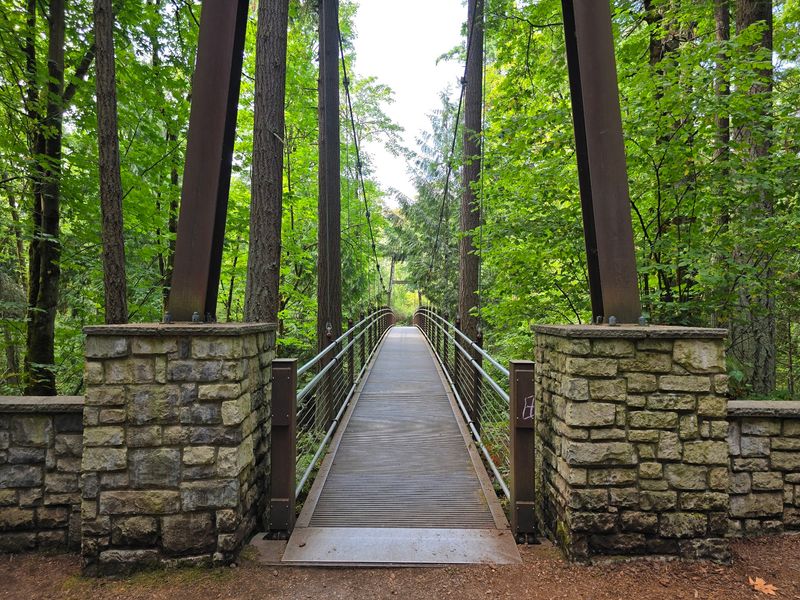
Kids tend to remember one thing above all else here, and it hangs in the air. The suspension bridge on the Ravine Experience Trail is the most talked-about feature of the whole garden.
The bridge stretches across a wooded ravine. From the middle, guests can look down into the green forest floor far below.
Young explorers love the little bit of bounce as they cross. Parents enjoy it too, though some prefer to hold the rail with a firm grip.
The trail itself is short, which makes it easy to fit into any visit. It works well as a mid-walk adventure when little legs start to get bored.
Photographers often stop on the bridge for wide shots of the trees. It is one of the best spots in the garden for a family picture.
A quick tip helps here. Go slowly and let others pass when the bridge gets busy, since weekend afternoons can bring a steady line of eager crossers.
Yao Garden and Its Fall Glow
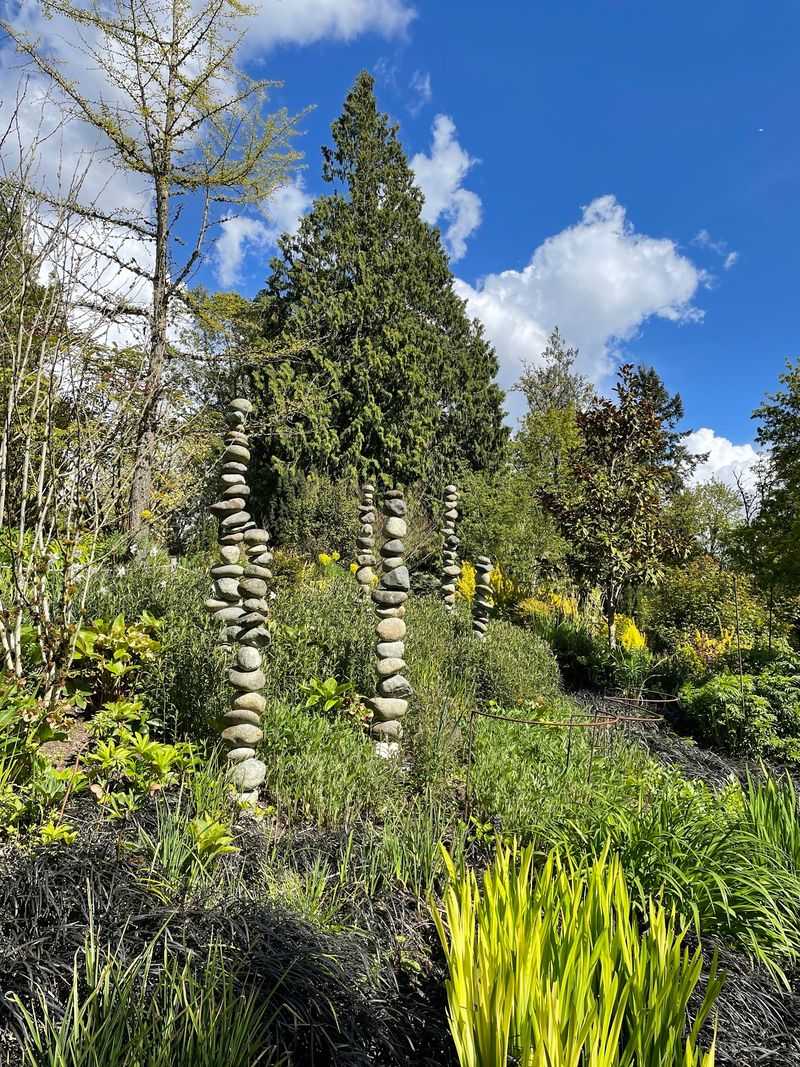
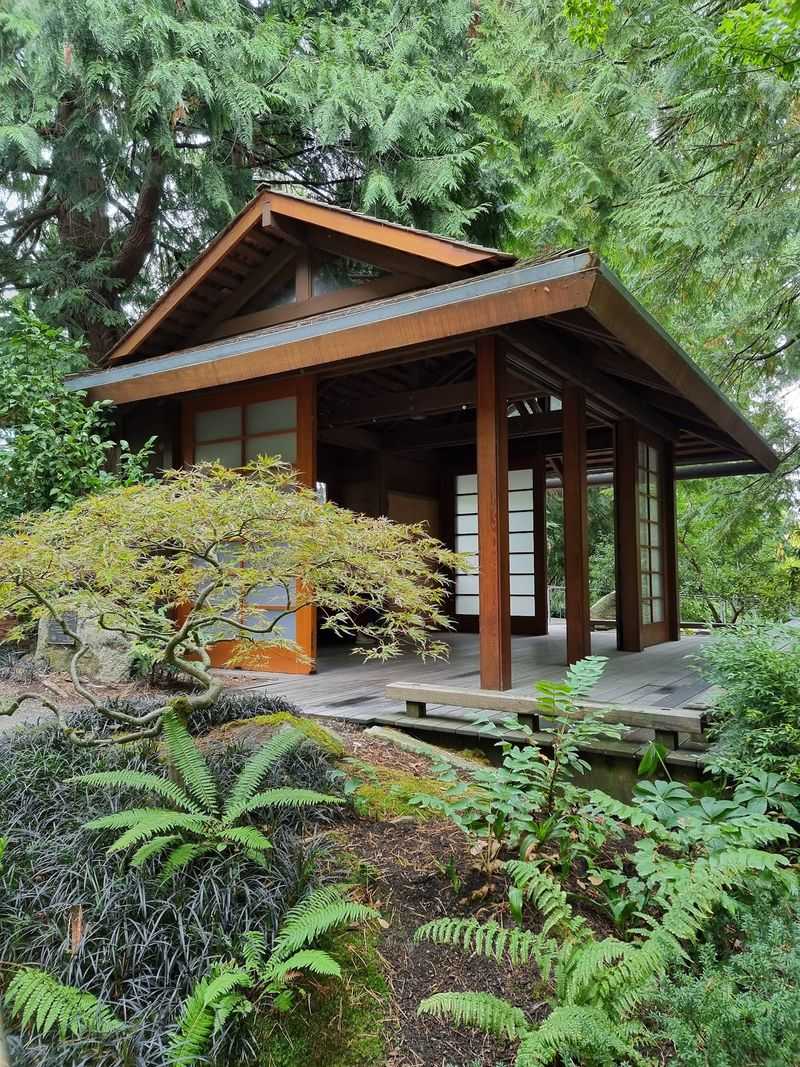
Japan feels a little closer once the path bends into the Yao Garden. This Japanese-style garden is one of the most popular corners of the grounds.
The space is calm and carefully designed. Stone features, neat plantings, and winding paths encourage slow walking rather than rushing.
Autumn is when the Yao Garden truly shows off. The leaves turn bright shades of red, orange, and gold, making it a favorite season for photos.
Spring and summer bring their own charm, with fresh green growth everywhere. Every season gives the garden a slightly different look.
Families with children can turn the visit into a small lesson. Ask kids to spot the differences between this garden and the flower beds elsewhere on site.
The Yao Garden also offers a quieter mood than the busier main paths. It is a smart place to pause, find a bench, and let the day slow down for a few minutes before moving on to the next stop.
Dahlias Worth Planning Around
Some flowers whisper, but dahlias shout. Late summer into fall is when the dahlia display at the garden reaches its peak.
The blooms come in many shapes and colors. Some are small and round, while others grow as wide as a dinner plate.
Gardeners from around the area come just to study the different varieties. It is a handy way to get ideas before planting dahlias at home.
Kids can make a game out of it. Challenge them to find the biggest bloom or count how many colors they can spot.
Fall is often called a great time to visit for this reason alone. The weather is usually mild, and the flowers are in full form.
Bring a phone or camera, because dahlias are very photo-friendly. Close-up shots look especially striking.
Plan a visit between August and early fall for the best chance at a full display, since the show fades once colder nights arrive.
The Rock Garden Surprise
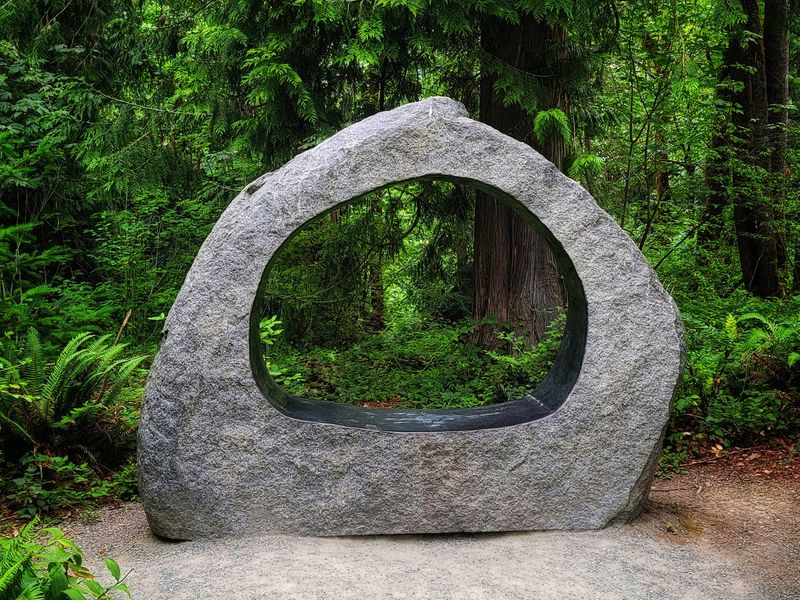
Rocks do not usually get top billing at a flower garden. Here, though, the rock garden earns plenty of attention.
Small plants grow tucked between stones, creating a layered, natural look. Many of these plants are tough little growers that handle tricky conditions.
Late spring and summer are the best times to see it. That is when the rock garden fills with blooms in many colors.
The area is a nice change of pace from the larger flower beds. It shows how gardens can look beautiful without big shrubs or tall trees.
Home gardeners with small yards or rocky soil can pick up useful ideas. Signs nearby help identify what is growing.
Children often enjoy the paths around this section because there is so much to look at up close. Encourage them to stay on the trail so the plants stay healthy.
Give this corner at least ten minutes. Small details reward anyone willing to slow down and look closely.
Plant Labels With a Tech Twist
Curious about a plant name? Out here, the answer is often just a phone scan away.
Many plants in the garden have posts with QR codes. Scanning one pulls up more information about that plant.
The signs in the main gardens are clear and helpful too. Everything is well labeled, which makes finding favorites easier.
This setup turns a simple walk into a free science class. Students working on school projects can gather facts right on the spot.
Home gardeners benefit as well. Spot a shrub worth copying, scan the code, and leave with the exact name for the next trip to a nursery.
A good habit is to keep a list on your phone. Jot down favorite plants as you go, and you will have a custom shopping guide by the end of the day.
Remember to bring a charged phone. With so many labels to explore, the battery can drain faster than expected on a long afternoon.
Trails for Every Size of Walker
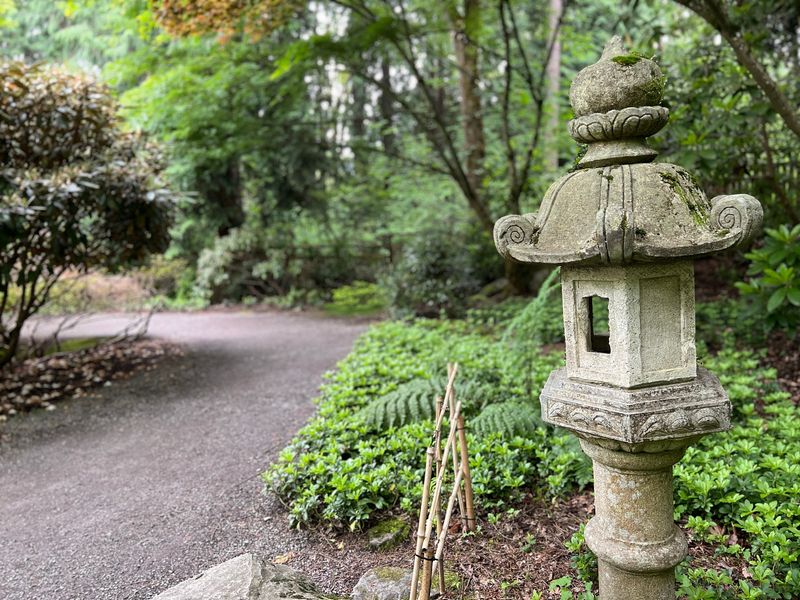
Short stroll or long ramble, the trail map handles both. Connected paths let guests pick a walk that matches their energy level.
Much of the hiking happens under a thick tree canopy. That shade is a real bonus on hot summer days.
The grounds include woodlands and wetlands along with the formal gardens. Each area gives the walk a different feel.
Benches appear often along the way. They make it easy to rest, chat, or simply enjoy the view for a while.
Families with toddlers can stick to the main garden loops. Older kids and teens may enjoy the longer woodland routes.
Exploring the whole place can easily take a full day. There is far more to see than a quick lap reveals.
Wear comfortable shoes and bring water. Pacific Northwest weather can change fast, so a light jacket is smart too.
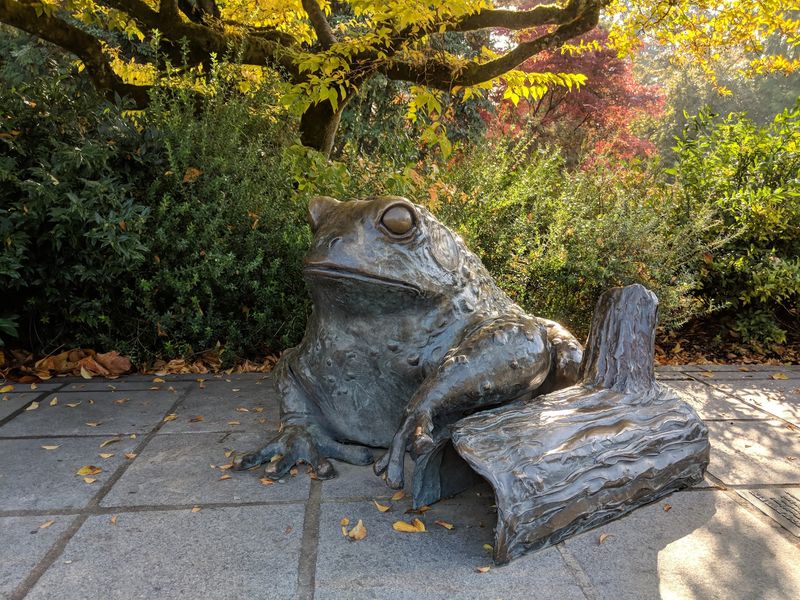
Little trail lovers might even spot a tiny tree frog if they keep their eyes open.
Native Plants of the Northwest
Local plants get a starring role in this part of the garden. A section devoted to native Northwest plants shows off what grows naturally in the region.
These plants are adapted to Washington weather. That means they often need less care once they settle in.
For homeowners, this area works like a living guidebook. It shows which plants fit well in local yards.
Native plants also support birds, bees, and other wildlife. Choosing them at home can help local nature thrive.
Next to the native gardens are perennial flower beds. Perennials come back year after year, so they are a favorite with gardeners who want lasting color.
Comparing the two areas makes for an interesting lesson. Kids can learn the difference between plants that are native and those brought in from other places.
Take notes or snap photos of favorites. A single trip can spark a whole new plan for a backyard makeover.
Holiday Lights After Dark
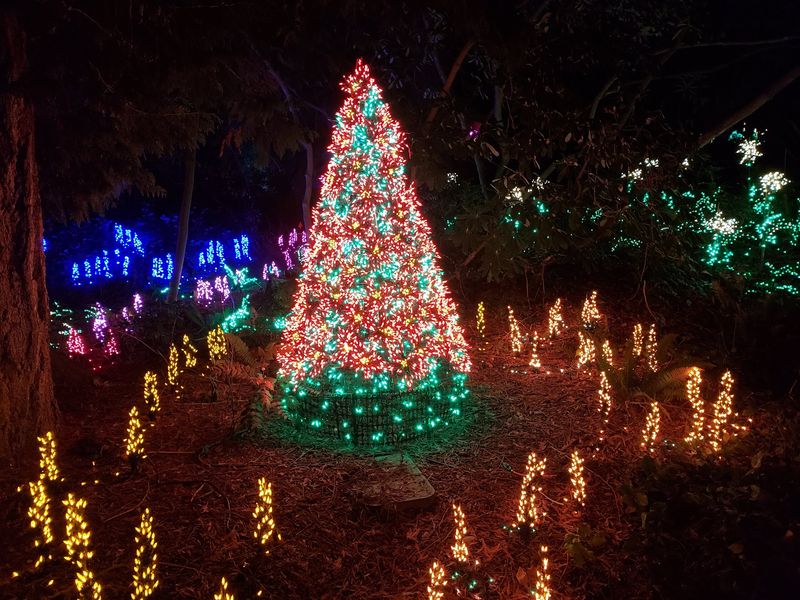
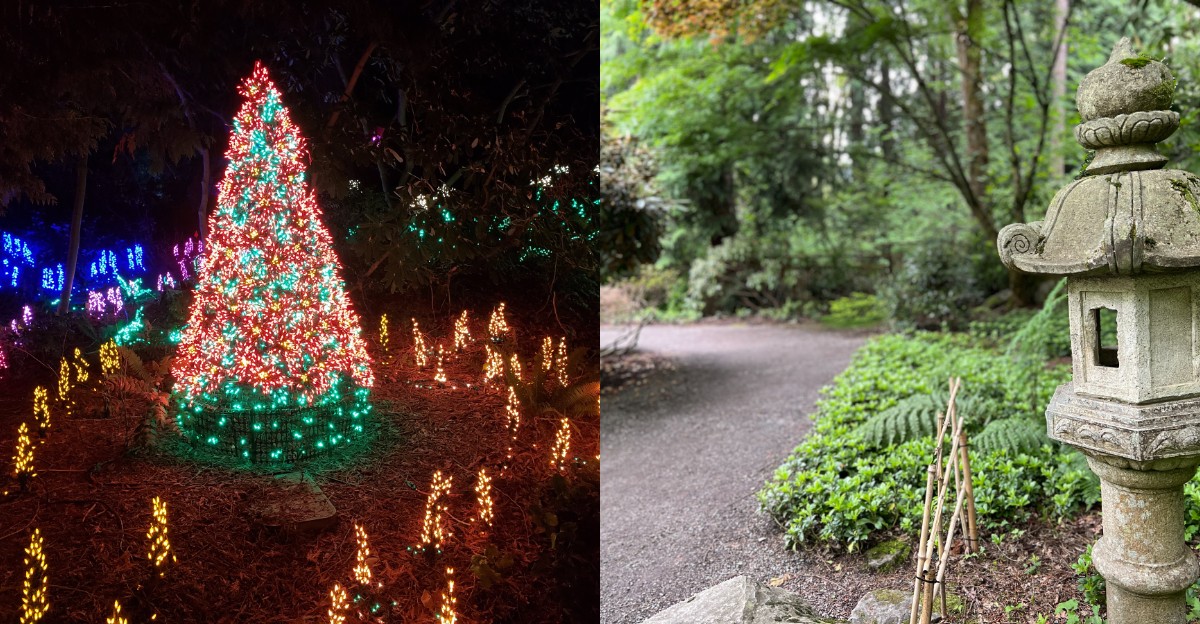
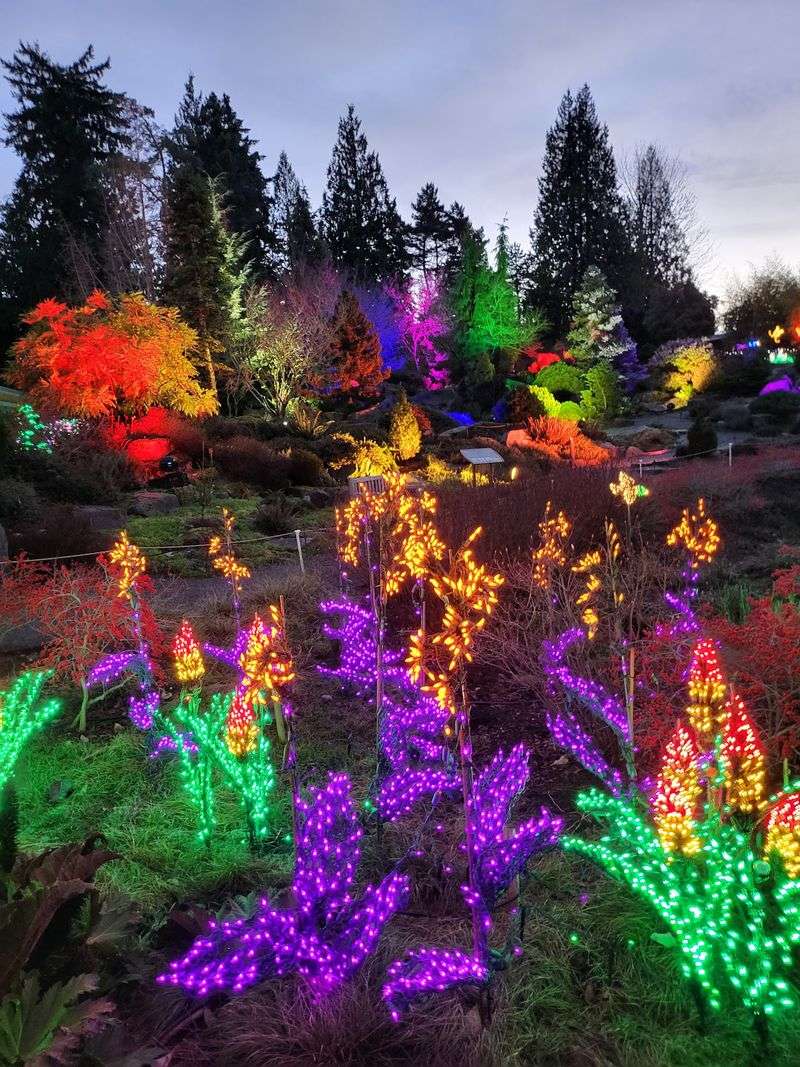
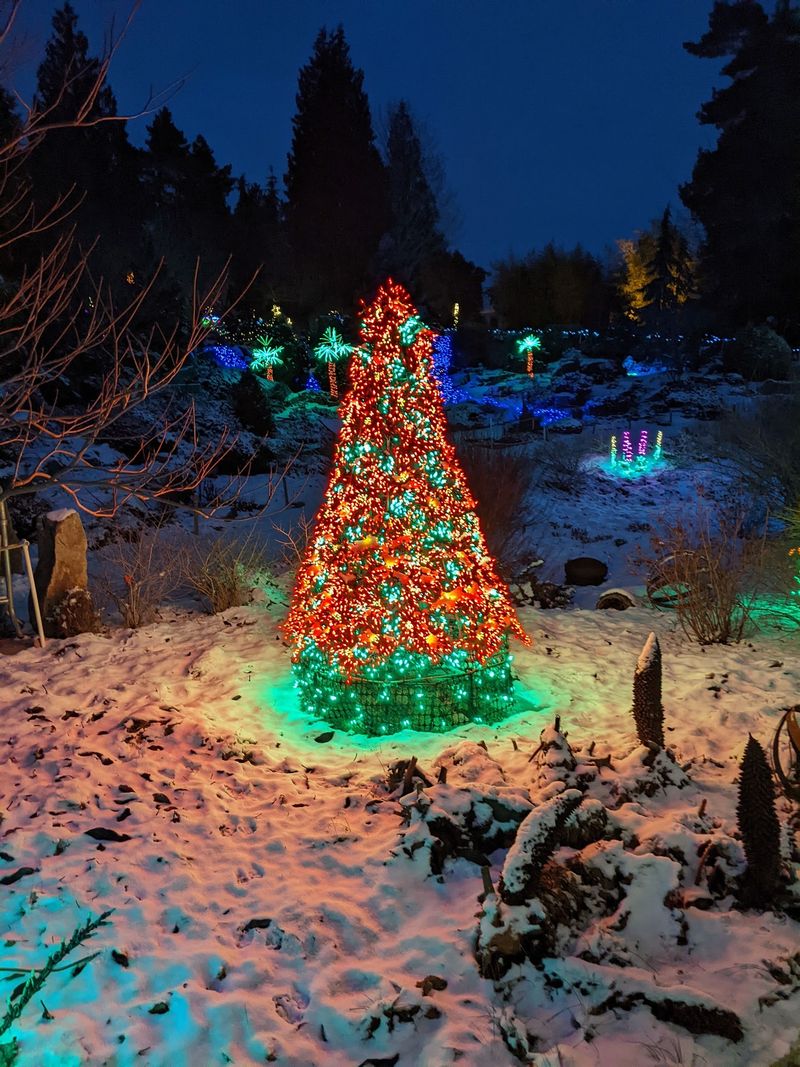
Winter evenings bring a whole new personality to the garden. The holiday light festival turns the grounds into a glowing display before Christmas.
It is one of the most beloved events of the year. Families make it a yearly tradition.
Garden d’Lights runs from November 28, 2026, through January 3, 2027, except Christmas Day. Tickets are required for visitors ages 11 and older, while children 10 and younger enter free.
Parking in the garden’s main lot costs extra during the event and is available on a first-come basis. Free parking is available at nearby Wilburton Hill Park, about a quarter-mile away.
Arriving early helps beat the biggest crowds. Weeknights tend to be calmer than weekends.
Dress warmly, since December nights in Washington can get chilly and damp. Gloves and hats make the walk much more comfortable for young kids.
Strollers can be handy for small children who tire out. Even so, holding hands in busy spots is a good idea.
Plan ahead, and the holiday lights can become a memory your family talks about all year.
Small Details, Big Smiles
Some of the best moments here are easy to miss. Little surprises are scattered all over the grounds.
A grapevine arch shows off hanging grapes in late summer. It makes a fun spot for photos.
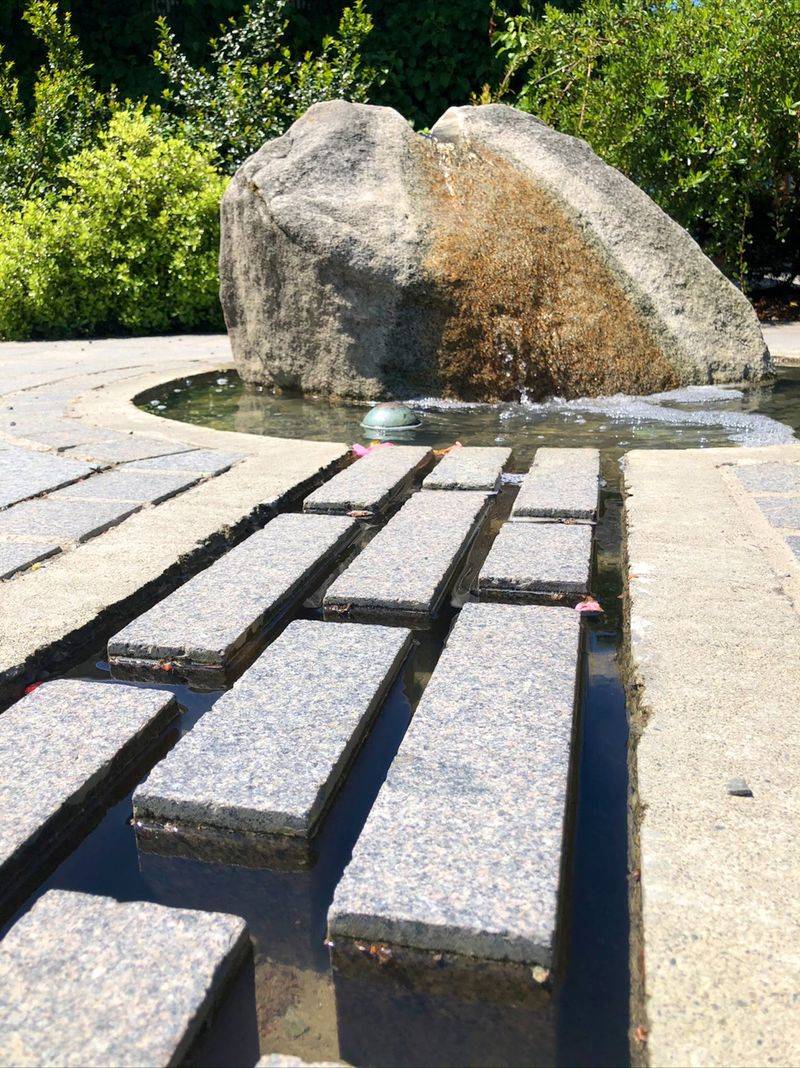
Water features add calm to several areas. Keep an eye on the ponds, since a koi fish may be swimming nearby.
Large bird nest displays are another playful find. Kids tend to love them.
Spring brings cherry blossoms, while summer brings showy hydrangeas. Each visit can reveal something new.
Tiny tree frogs also live in the garden. Spotting one takes patience and sharp eyes.
Try turning these details into a scavenger hunt. Make a list before you go and check items off together.
That simple idea can keep kids excited for hours. Adults often end up just as involved in the hunt.
Slow down, look around, and the garden rewards your curiosity in quiet little ways.