

If Motown songs are the soundtrack of your life, Detroit is where those melodies took their first breath.
Walk the same streets where The Supremes honed harmonies and Stevie Wonder chased riffs that still move us.
These landmarks are more than stops on a map, they are living chapters of a city that taught the world how soul should sound.
Bring your curiosity and a good playlist, because the story plays best on location.
Motown Museum (Hitsville U.S.A.)
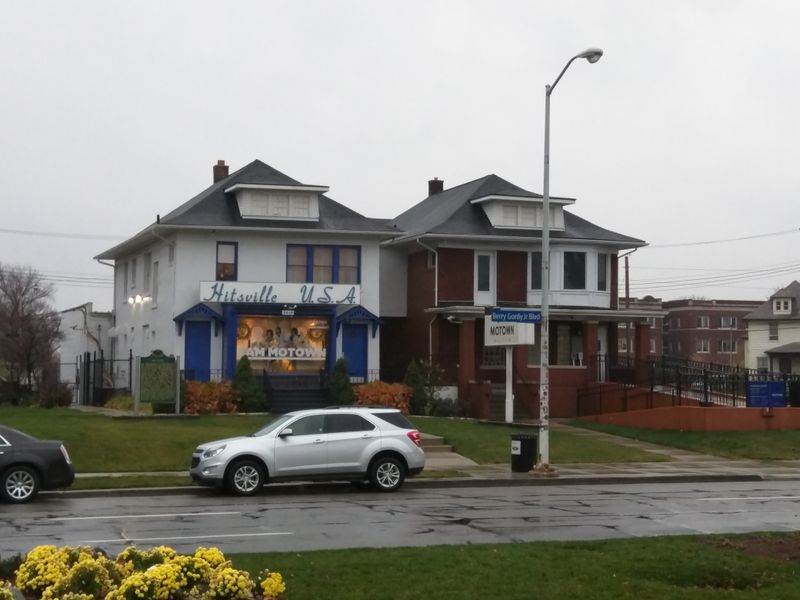
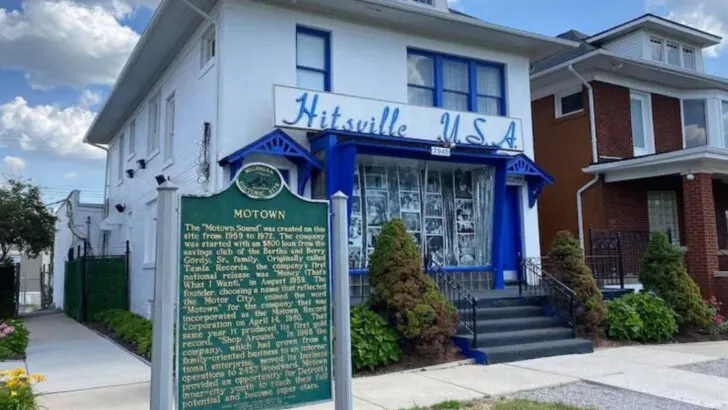
Step onto West Grand Boulevard and you can almost hear the tambourines. The modest white house with blue trim still wears the Hitsville U.S.A. sign like a crown, a simple facade guarding a revolution. Inside, the energy is palpable as guides usher you through exhibits that trace how a family business changed the world.
You will pass handwritten lyric sheets, stage outfits with precise sparkle, and photos that feel like they could start singing. The displays set the scene for why Detroit was fertile ground for an unstoppable groove. It is a museum, yes, but it is also a living rehearsal of American ambition.
Downstairs, Studio A waits like a time capsule. You stand where Marvin Gaye, The Supremes, The Temptations, and a teenage Stevie Wonder turned rhythm into rocket fuel. The room is small, the vibe enormous, and your heartbeat naturally finds the backbeat.
Guides often invite you to clap in the room to feel the bounce that shaped the Motown Sound. That tight reverberation is part science, part magic, and completely Detroit. You begin to appreciate how limitations forced innovation and turned hustling dreams into lacquered vinyl.
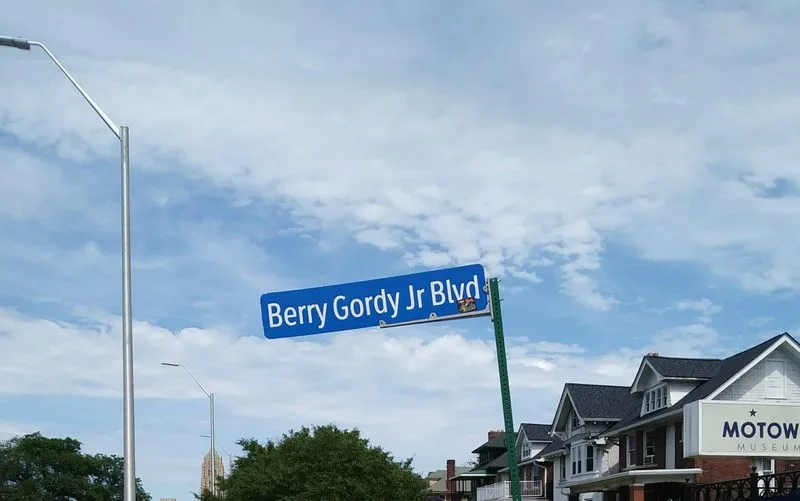
Outside, the boulevard hums and the house looks almost shy, as if unaware of its global fame. Snap a photo, then take a quiet minute to imagine late nights, coffee-fueled sessions, and a phone ringing with good news. This is not nostalgia, it is a compass pointing to what happens when talent meets discipline.
Before you leave, browse the gift shop for reissues and books that deepen the story. Carry a record home and you will carry a piece of the room’s air with it. Hitsville is where pop learned soul, and where visitors learn to listen with their feet.
Studio A
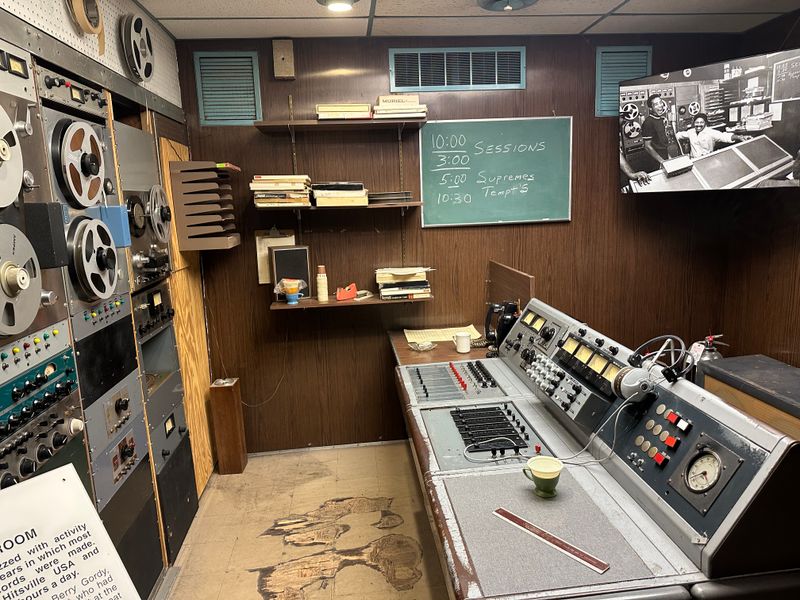
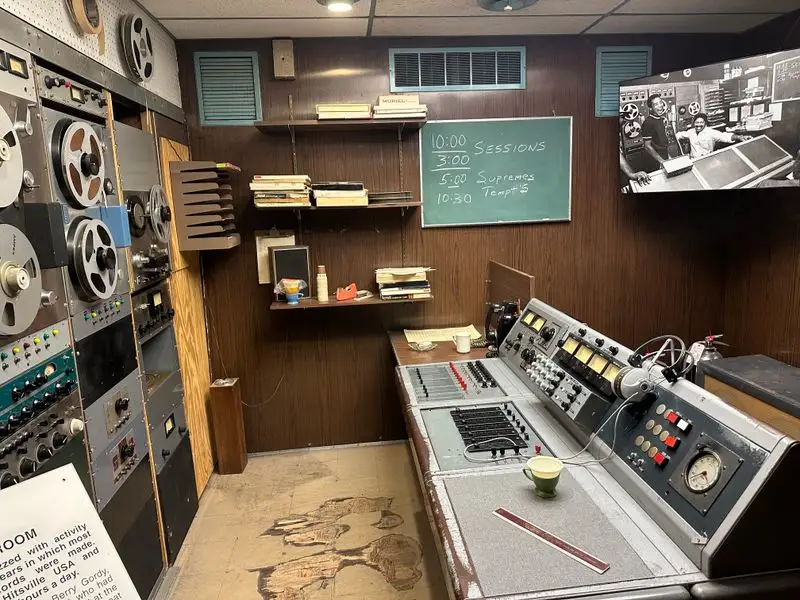
Studio A feels smaller than you expect, and that is exactly the point. Tight walls, low ceilings, and shared air made musicians listen harder and lock into one another. You can sense late-night takes stitched together by sweat and laughter.
Stand on the scuffed wood floor and time folds back on itself. The clap of your hands returns with that signature Motown bounce, a quick, friendly echo that nudges a groove forward. Close your eyes and you might catch the ghost of a tambourine shake on the two and four.
Here, the Funk Brothers turned discipline into delight, dialing tones that rode radios around the world. Singers gathered two feet from the band, blending breath with bass in a choreography of trust. The room’s constraints became creative fuel, forcing performances that felt alive.
Look at the period microphones and you see problem-solving in chrome and steel. Engineers coaxed warmth from simple tools, shaping mixes that danced on jukeboxes and in cafeterias. That practicality is pure Detroit, rooted in factories and refined in melodies.
Your guide may point to the control room and tell stories about first takes that became forever takes. You will nod because you can feel it, the way the room rewards commitment and punishes hesitation. There is no hiding here, only clarity.
When you step back into daylight, the city sounds different. Car doors thump like kick drums and conversations rise like stacked harmonies. Studio A teaches you to hear the rhythm under everything, and once you hear it, you carry it home.
Berry Gordy Jr.’s Original Home
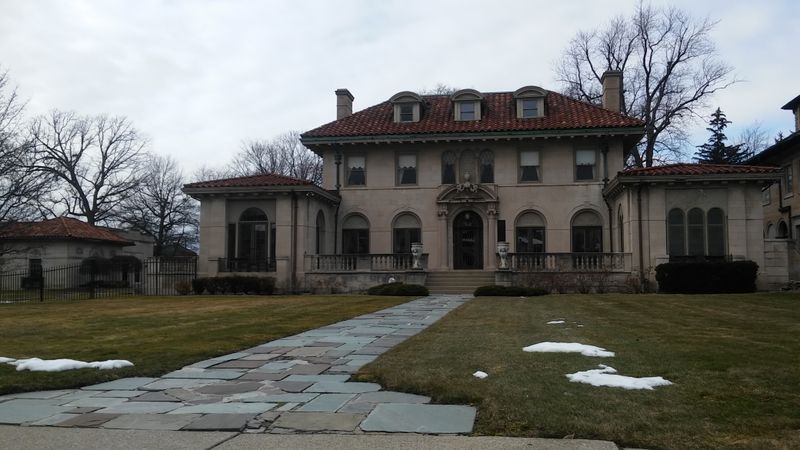
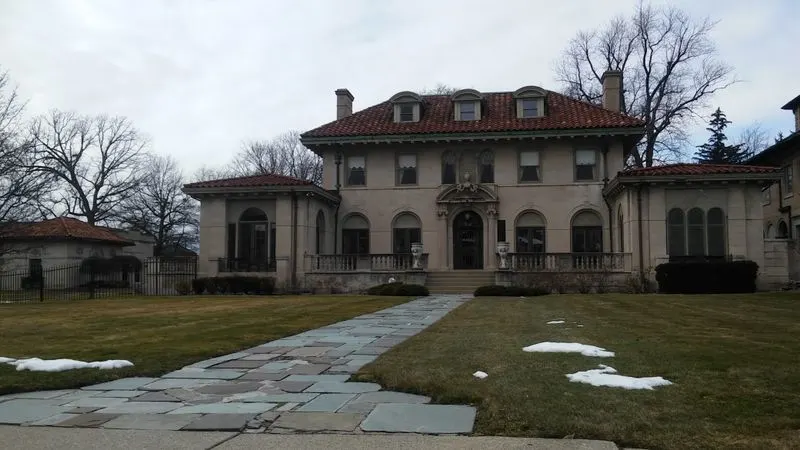
Climb the stairs at Hitsville and you step into Berry Gordy Jr.’s early headquarters and home. The rooms are snug, filled with practical furniture and the buzz of a bootstrap enterprise. You can picture a late-night meeting at the kitchen table, budgets on one side, dreams on the other.
This is where the business plan met the backbeat. Contracts were reviewed within earshot of rehearsals, and family life overlapped with artists chasing perfection. The walls witnessed disagreements that forged standards and victories that felt like electricity.
What hits hardest is how ordinary it looks. No gold-plated opulence, just a working space where every inch had a job. That modesty reveals Motown’s secret weapon, relentless focus disguised as everyday living.
Look for photos that show Gordy with artists in casual moments, proof that trust was currency. The home environment nurtured mentorship, accountability, and the quality control ethos that kept singles sharp. You realize culture was not a memo, it was the house style.
Standing there, you feel the leap from apartment-size ambition to international impact. The mix of family, discipline, and Detroit hustle made a blueprint countless startups still chase. It is the origin story told in creaking floorboards and neatly labeled folders.
As you head back down, the studio chatter drifts up, and it all connects. Music downstairs, management upstairs, and a city outside pushing everyone forward. The home reminds you that greatness often starts with close quarters, clear goals, and a ringing phone.
The Motown Historical Marker (West Grand Boulevard)
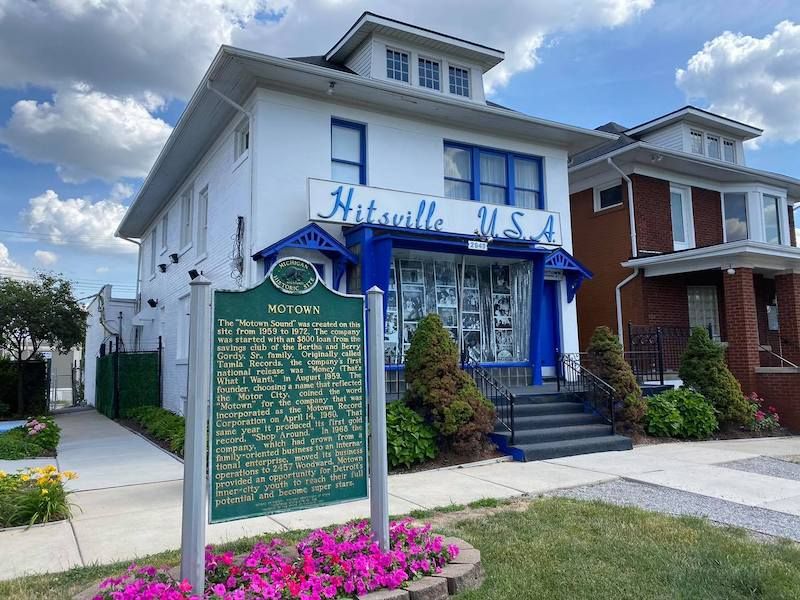
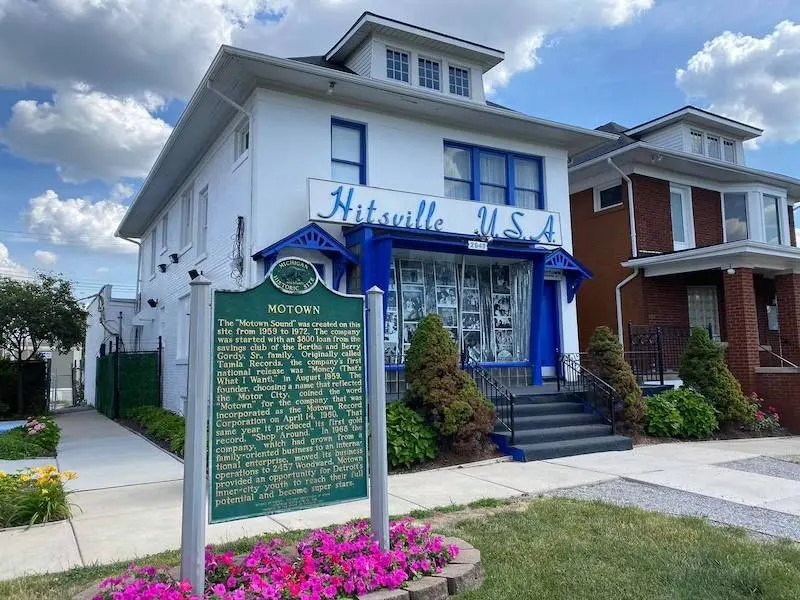
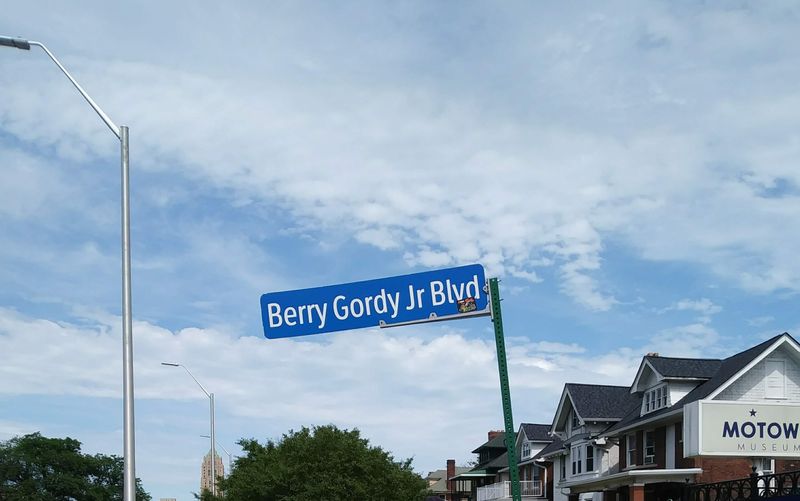
The Motown Historical Marker stands quietly on West Grand Boulevard, but it speaks volumes. You stop, read, and suddenly the street becomes a timeline, every address a verse in a larger song. It is a quick pause that reshapes your entire walk.
The text anchors Motown in civil rights history, reminding you that crossover success carried cultural weight. These hits did more than chart, they built bridges between listening communities. The marker gives you language for what your ears already knew.
It is easy to rush past and chase bigger attractions. Do not. This plaque compresses decades into a few carefully chosen lines that frame everything else you will see.
Stand there and watch Detroit flow by, buses sighing and neighbors talking on stoops. The everyday movement feels like a metronome for the stories on the sign. You sense how music here was always woven into working life.
Photograph the marker, then read it again. The second pass always reveals a phrase you missed, a date that sparks a memory of a favorite record. The context deepens, and your next stop gains resonance.
When you continue down the boulevard, each building suddenly carries a title card. The city becomes a museum without walls, and you are curating your own exhibit. The marker is small, but it tunes your ears to Detroit’s biggest frequencies.
The Detroit Artists Market


Detroit’s creative engine did not run on music alone, and the Detroit Artists Market proves it. This gallery links you to the visual side of the city’s Black arts scene that paralleled Motown’s rise. Painters, photographers, and designers all shared the same air as songwriters and session players.
Step inside during an opening and you will feel the cross-pollination immediately. Posters echo rhythm, canvases pulse with bassline colors, and conversations sound like choruses waiting for verses. The scene explains how artistic networks supported Motown’s daring.
Many musicians had friends here, trading ideas that showed up as costumes, cover art, and stage design. That collaboration gave Motown its sleek public face and theatrical confidence. The market becomes a lens to see the ecosystem behind the singles.
You will spot references to neighborhoods that fed both galleries and studios. Detroit’s grid nurtured talent by proximity, and the gallery still channels that neighborhood energy. It is a reminder that creativity thrives when communities collide.
Do not expect a Motown museum, expect a conversation with its cousins. Rotating exhibitions keep you present, alert to new voices that echo old courage. The vibe is inclusive, curious, and refreshingly unpretentious.
When you leave, music will feel more colorful and images more rhythmic. That is the Detroit effect, disciplines trading sparks across a shared circuit. The Detroit Artists Market helps you understand Motown not just as sound, but as a citywide collaboration.
The Former Motown Administrative Offices
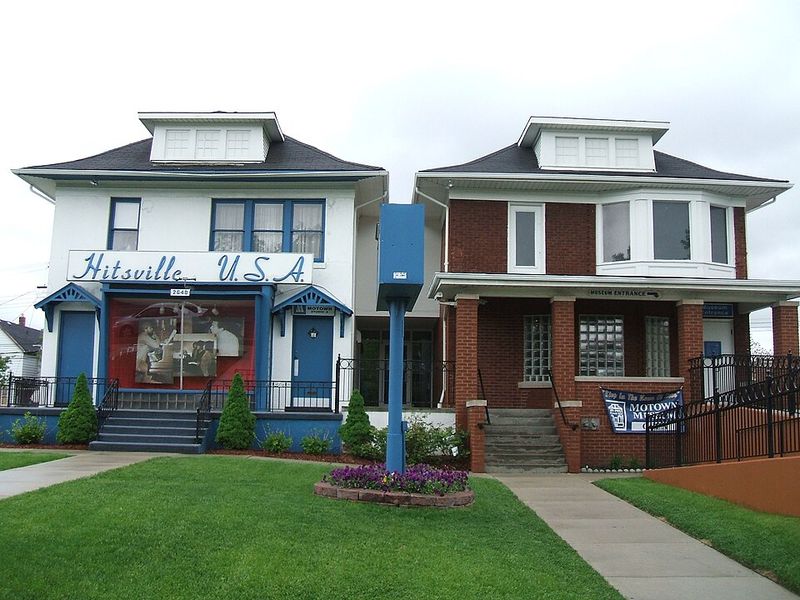
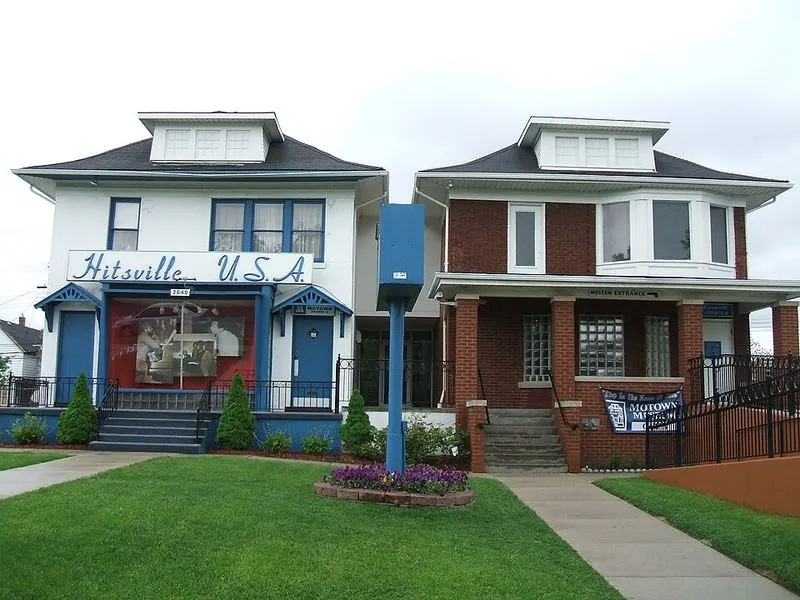
Behind the grooves were clipboards, calendars, and a legendary quality control meeting. The former Motown administrative offices handled artist development, choreography, marketing, and relentless scheduling. You can imagine phones lighting up like marquees as releases moved toward radio.
This is where discipline became a brand. Teams debated singles in weekly sessions, voting on hooks with eye-level honesty. If a song could not win the room, it did not get a shot at the world.
Choreographers fine-tuned steps so every stage entrance felt inevitable. Publicists shaped stories that aligned with Motown’s polished image, making stars feel both glamorous and neighborly. The administrative floor was the invisible stage where careers rehearsed their futures.
Think about the career universities companies build today. Motown did it first with artist grooming, etiquette training, and media coaching. Success here was engineered as carefully as any bassline.
Walking by the building, you sense the hum of urgency that once filled its halls. Contracts, tour routing, fan mail, and chart reports passed through like sheet music. The tempo was fast, but the arrangement was meticulous.
Seeing this site rounds out your understanding of the label. The hits were emotional, but the operation was practical, organized, and unblinking. The offices prove that Motown’s magic was equal parts heart and hard-nosed planning.
The Detroit Jazz Café (Historic Music Corridor)
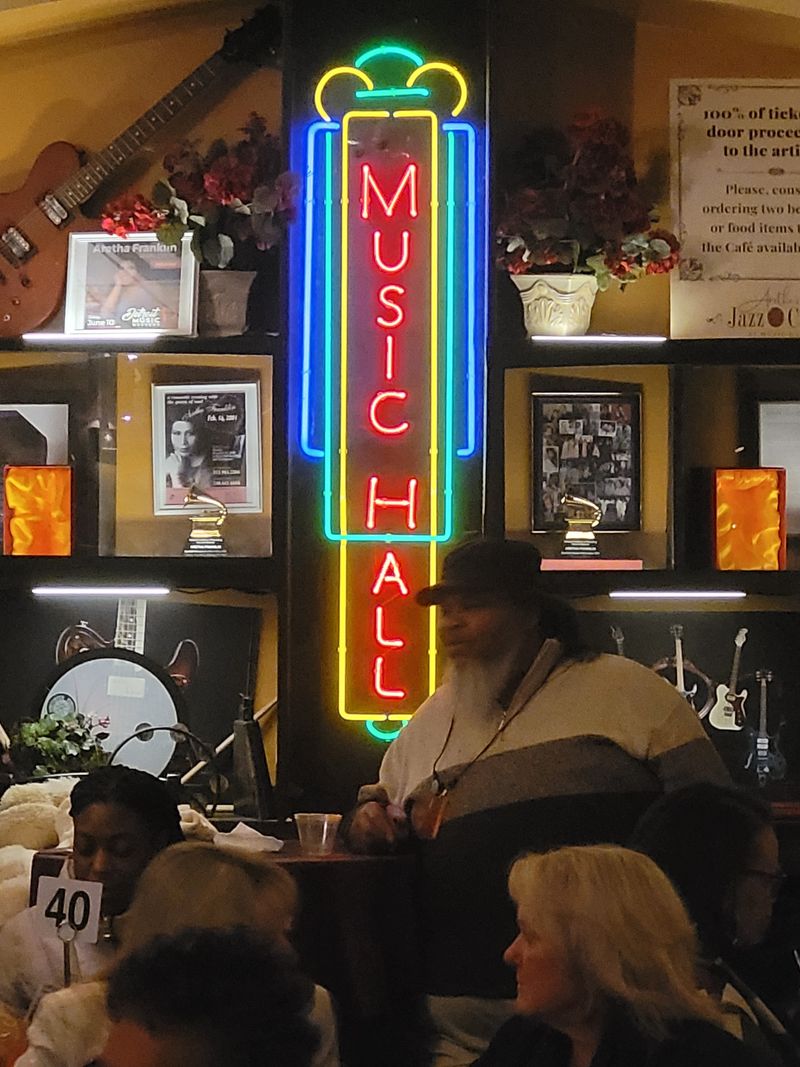
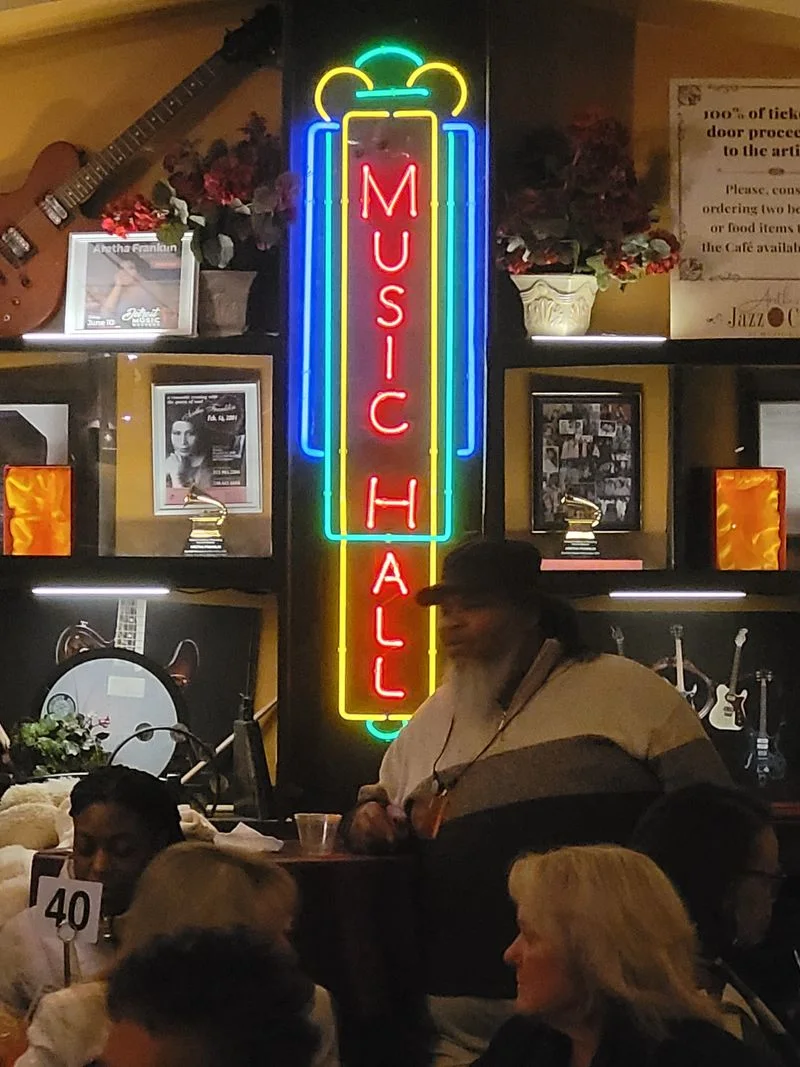
To grasp Motown’s depth, you need to hear the roots that fed it. The Detroit Jazz Café and neighboring clubs map those foundations in cymbal wash and walking bass. Sit close to the band and you will hear the vocabulary the Funk Brothers grew up speaking.
Jazz rooms taught economy, tension, and release, the same dynamics that make a pop chorus explode. Musicians learned to listen hard, leave space, and commit to pocket. That shared discipline powered countless Motown sessions across town.
When a quartet locks in, you feel the same Detroit pragmatism Motown perfected. No wasted gestures, just purposeful phrases aimed at moving bodies and minds. It is training, entertainment, and conversation rolled into one.
Look around at the posters, many of them nods to legends who crossed genres. The city’s musical map is tight, and these rooms sit at the crossroads. You sense how after-hours jams sharpened ideas that became daytime hits.
Order something simple, lean into the ride cymbal, and let the room instruct your ears. The lesson is not academic, it is physical, showing you why swing and soul are cousins. You will walk out hearing Motown’s drum parts differently.
This stop broadens the narrative beyond labels and charts. It points to Detroit’s habit of making serious art in modest spaces. In that way, the café is a mirror of Studio A, swapping microphones for candlelight and keeping the groove alive.
The Fox Theatre
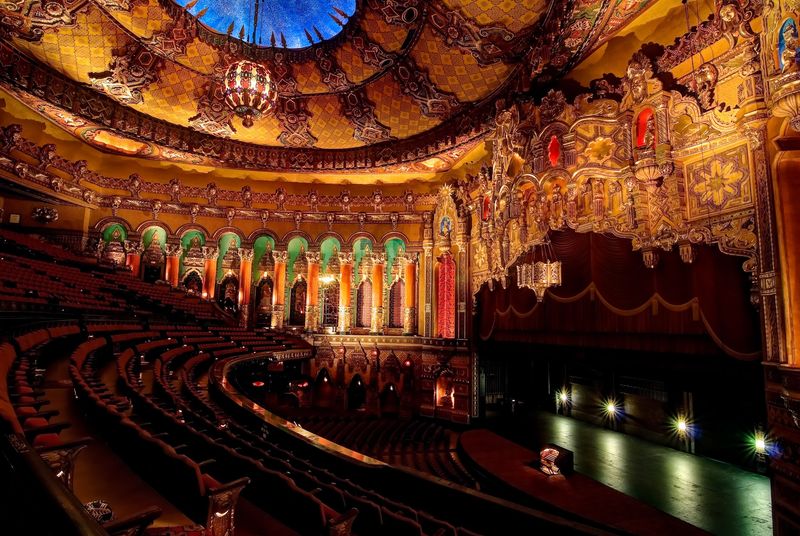
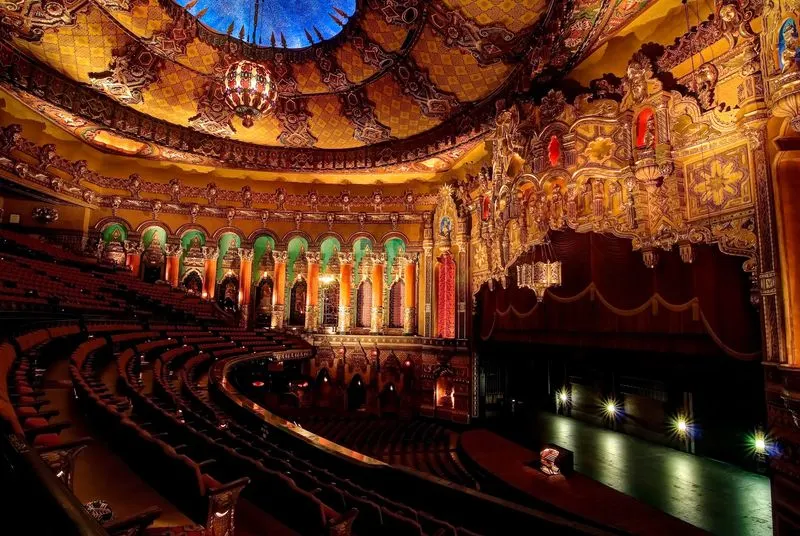
The Fox Theatre is Detroit’s glittering showcase where Motown artists learned to own the big room. Step inside and the ceiling alone feels like a drumroll, promising spectacle. You can almost see a revue kicking off with crisp suits, tight harmonies, and choreographed smiles.
Motown acts performed here to convert radio fame into live devotion. The venue demanded precision, and the label delivered polish that dazzled from balcony to orchestra. Every spotlight pass turned charisma into currency.
Look up at the gilded details and imagine a Temptations glide cutting through the red velvet glow. The Fox taught stars how to scale intimacy across thousands of seats. That skill made national tours feel inevitable, not aspirational.
Backstage, routines were timed like clockwork. Quick changes, cue sheets, and musical directors kept momentum high while the crowd roared. The show moved like a train, and the audience happily climbed aboard.
Today, the theatre remains a cathedral to performance, hosting concerts that echo those legendary nights. Stand in the aisle and clap a slow four, letting the space answer back. You will feel how architecture can amplify emotion.
When you exit onto Woodward Avenue, the marquee lights still buzz in your chest. Detroit’s heartbeat follows you down the block, steady and sparkling. The Fox reminds you that Motown perfected the art of making big rooms feel personal.
The Apollo-Style Detroit Performance Circuit
Before national fame, Motown acts earned their stripes on an Apollo-style circuit across Detroit. Community theaters, school auditoriums, and neighborhood halls hosted talent shows that rewarded grit. These rooms were honest judges, cheering excellence and exposing weak spots.
You can trace this circuit by seeking out historic venues that once booked revues and battles of the bands. The vibe was tough love, a training ground where stage presence became second nature. Performers learned to win a crowd in the first eight bars or try again next week.
Wardrobe choices, microphone etiquette, and banter all sharpened here. Choreography snapped tighter as singers watched one another from the wings and took notes. The feedback loop was immediate and merciless in the best way.
Walking these neighborhoods, imagine a Saturday night line curling around the block. Inside, a local emcee warmed the room while house bands tuned up with swagger. That electricity became part of Motown’s touring DNA.
The circuit also stitched scenes together, moving talent from church programs to bigger stages. Success felt communal, which fueled relentless preparation. You can still feel that expectation in the bricks and marquees.
Seek out surviving sites, read old playbills, and talk to longtime residents. Their stories fill the gaps with textures you will not find in formal archives. The circuit proves Motown’s shine was built on countless local spotlights first.
The Motown Funk Brothers’ Legacy Sites
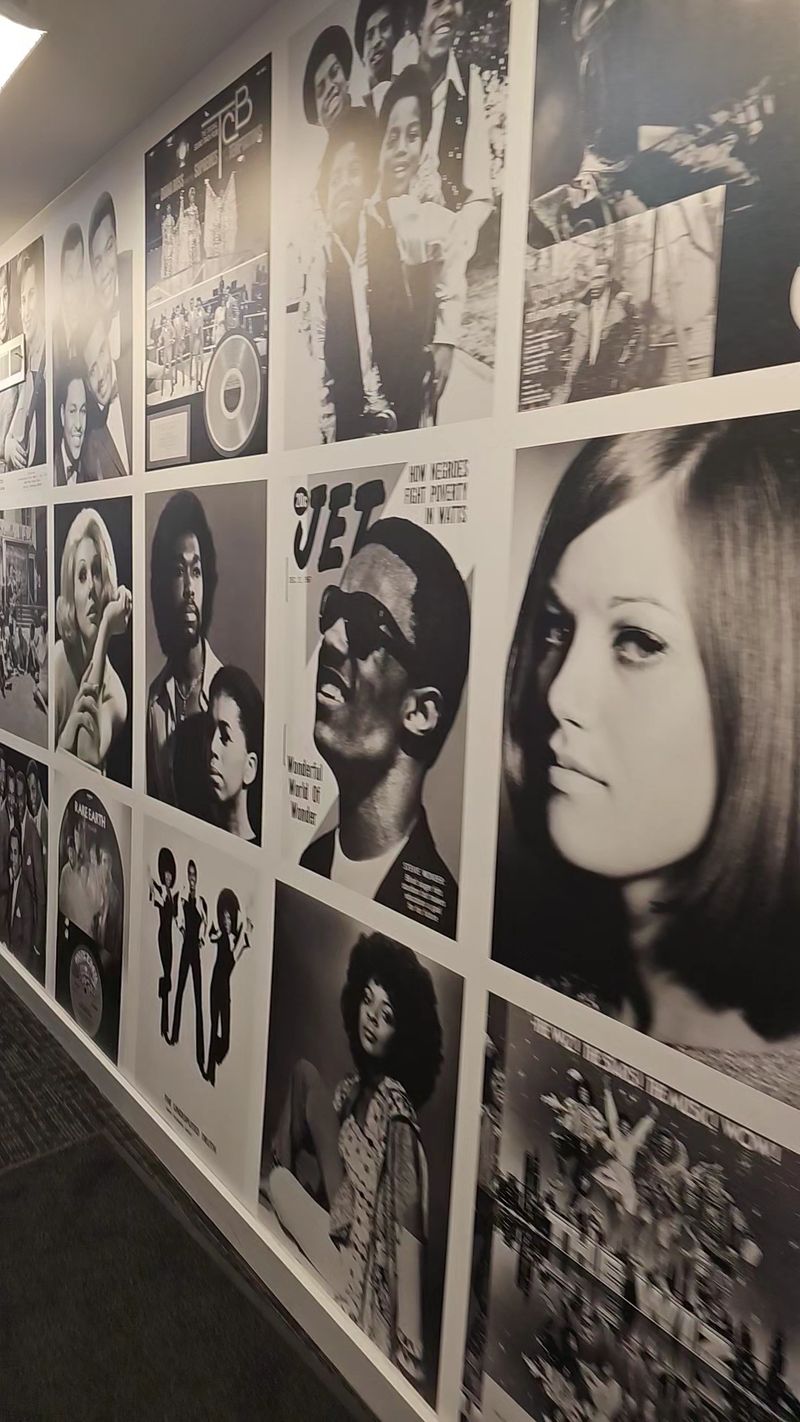
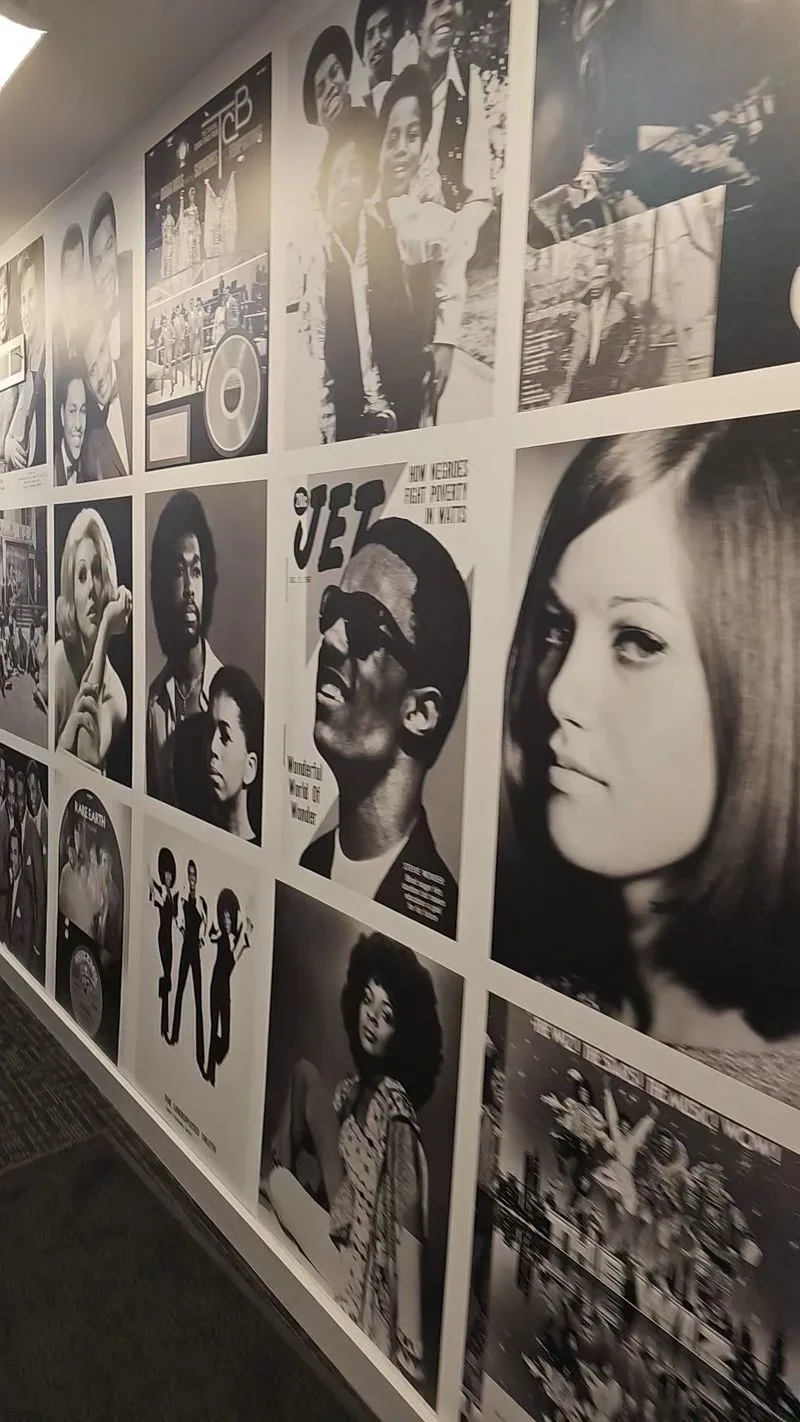
The Funk Brothers were Motown’s engine, and their legacy lives in Detroit’s working-class blocks. Stroll past union halls, former bars, and modest homes where ideas were traded after shifts. You will understand how groove can be both blue-collar and transcendent.
These musicians treated time like a craft, punching in with precision and leaving with new standards. Jam sessions built muscle memory that powered every charting single. The city’s rhythm came from traffic, factories, and Sunday services braided together.
Seek stories about James Jamerson’s melodic bass, Benny Benjamin’s authoritative kick, and Earl Van Dyke’s keys. Each corner holds a rumor about a riff that later shook the world. The myth feels local, which makes it feel true.
Legacy is not only plaques, it is repetition. Play a Motown cut on headphones while walking these streets and match your pace to the pocket. Suddenly, ordinary blocks feel cinematic.
Talk with neighborhood elders if you can, because oral history carries fine grain. You might learn which bar booked the best after-hours trio or who owned the PA. Those details make the records breathe deeper.
By the time you circle back, the invisible band will be riding shotgun. You will hear space between notes and respect the labor behind elegance. The Funk Brothers’ Detroit is still here, keeping time under your feet.
Detroit’s Boston-Edison Historic District
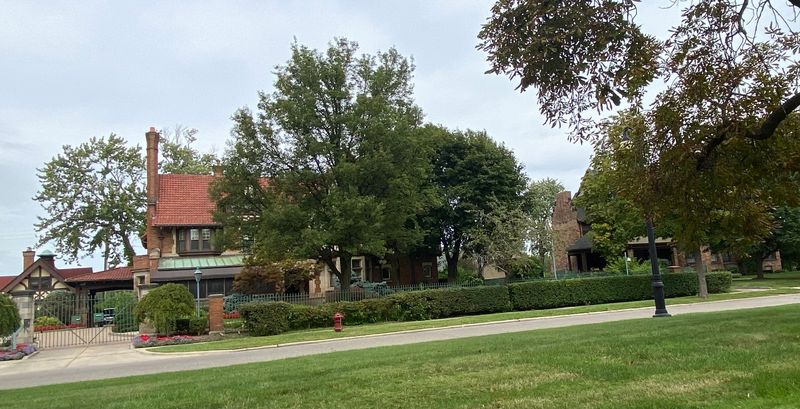
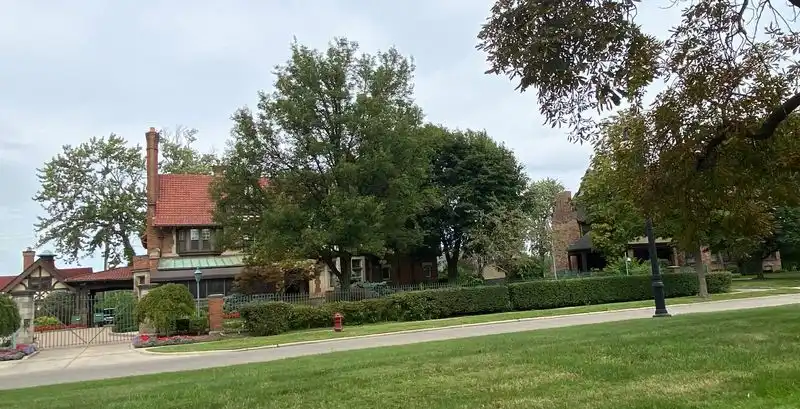
Drive into Boston-Edison and you will feel Motown’s success expressed in brick and stone. Stately homes line tree-canopied streets where executives and artists eventually settled. The neighborhood radiates quiet confidence, an exhale after years of hustle.
Walking past wide porches, you can imagine post-tour reunions and celebratory dinners. Success here was measured in stability, privacy, and a sense of arrival. The move from compact studios to grand staircases tells a very human story.
Architecture buffs will love the mix of Tudor, Colonial, and Prairie influences. You read facades like album covers, each with its own production choices and liner notes. The craftsmanship mirrors the polish Motown put on wax.
Neighbors still swap stories about who lived where and which driveway once held a gleaming tour bus. Even without exact addresses, the aura is unmistakable. This is what cultural impact can look like when translated into mailboxes and gardens.
Take a slow loop at golden hour and watch the light perform across brick patterns. The street becomes a stage set for the quieter chapters of fame. It is not flashy, it is resolved.
When you leave, the city’s narrative feels fuller. Detroit made room for big dreams and the homes that dreams bought. Boston-Edison closes the loop, showing how songs can build not just charts, but lives.