Hidden in the Pennsylvania woods, Muhammad Ali’s former training camp feels less like a museum and more like a place where his energy never really left.
You can walk the same quiet grounds where he prepared for some of the biggest fights of his life, then step inside spaces that still carry his discipline, humor, and faith.
Even better, this remarkable site is free to tour, making it one of the most meaningful boxing pilgrimages you can take.
If you love sports history, American culture, or places with a real sense of soul, this stop deserves a spot on your list.
Muhammad Ali Built Fighter’s Heaven in 1972
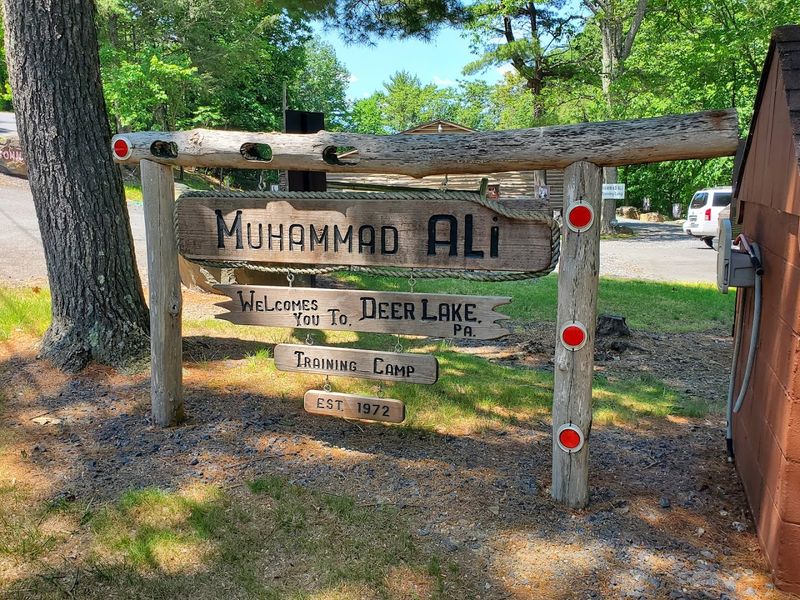
What struck me first about Fighter’s Heaven is that it was never meant to be flashy. Muhammad Ali created this mountain retreat in 1972 after some of the hardest years of his career, when public pressure, legal battles, and the demands of a comeback could easily pull focus from training.
Out here, deep in rural Pennsylvania, he built a place where preparation came first and distractions stayed far away.
You can feel that purpose in the layout of the camp and in the stories told on site. This was where Ali could sharpen himself before major fights, including the period leading into the legendary “Rumble in the Jungle,” while surrounded by people who understood the rhythm of camp life.
Instead of a city gym packed with noise, he chose woods, routine, and privacy.
That decision says a lot about how seriously he treated his craft, even at the height of global fame. When you visit, the restored property helps you see Ali not only as a celebrity or champion, but as a working fighter searching for clarity.
It turns a famous name into a human story, and that makes the whole place unforgettable.
A Remote 6-Acre Training Complex in the Woods
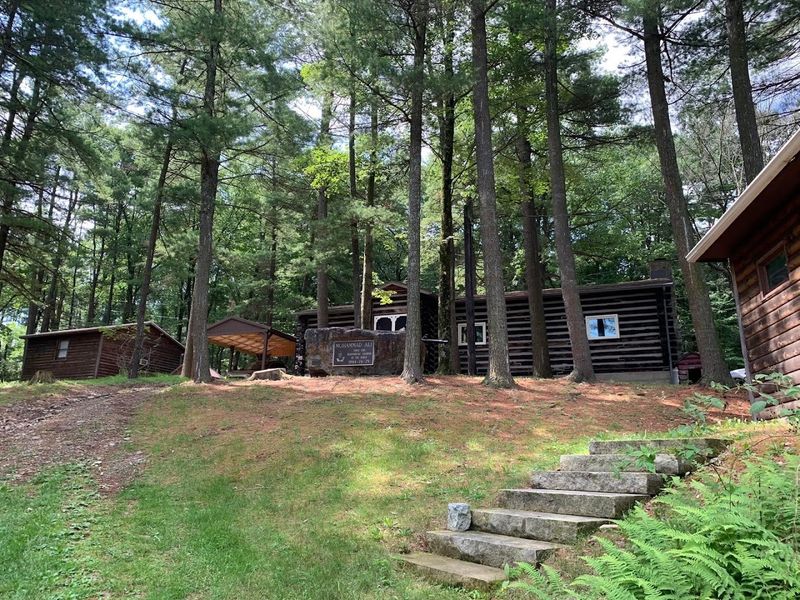
One of the most memorable things about Fighter’s Heaven is its setting. The camp covers roughly six acres split by Sculps Hill Road, and the wooded isolation feels intentional the moment you arrive.
Instead of traffic, billboards, and constant interruptions, you get trees, mountain air, and the kind of silence that makes total concentration seem possible.
That remoteness was part of the strategy, not an accident of real estate. Ali wanted a space where training could unfold without the chaos that follows a world-famous athlete, and this patch of Pennsylvania gave him exactly that.
As you move between the different buildings, you start to understand how the landscape itself served the camp, creating a buffer between Ali and the outside world.
I think that physical separation is one reason the place feels so powerful today. You are not just looking at preserved buildings, but standing inside an environment designed for discipline and focus.
The forested surroundings still do their job, giving the site an almost meditative quality. It helps you imagine early morning runs, hard sparring sessions, and long quiet evenings when a champion could finally hear himself think.
Restored Boxing Gym With Original Ring Layout
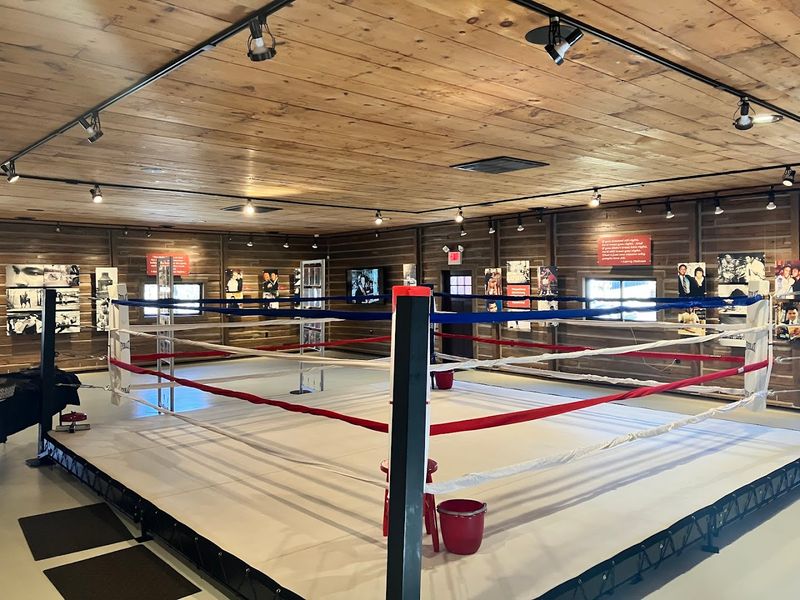
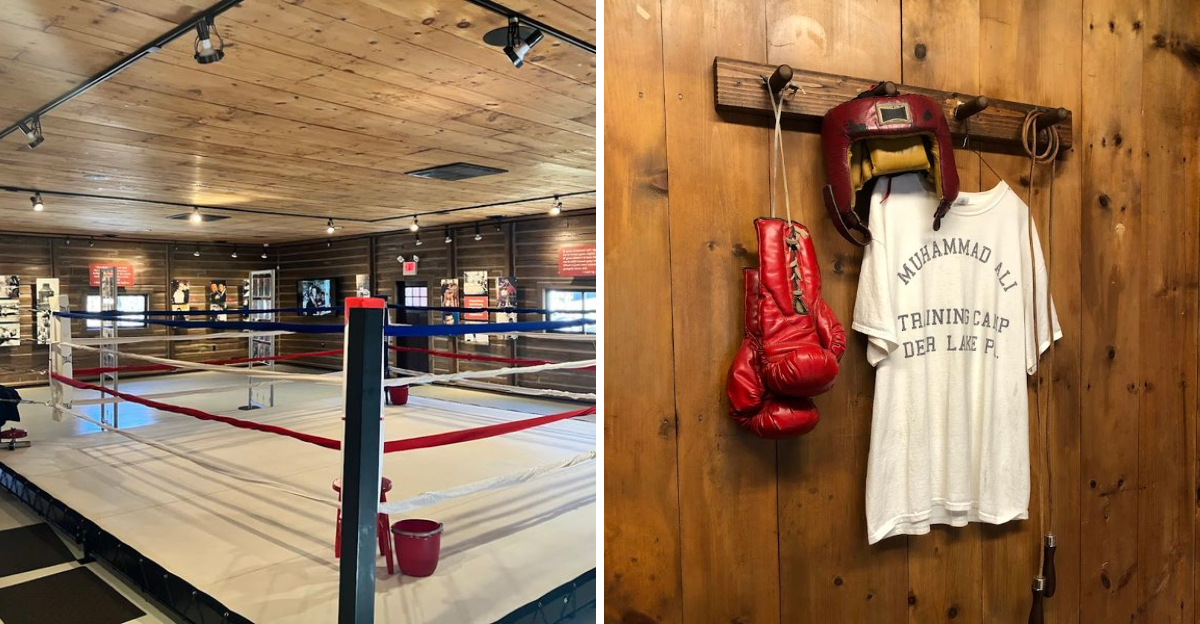
The restored gym is the emotional center of Fighter’s Heaven, and it is where many visitors linger longest. Housed in a large log building, the space has been rebuilt with care so the ring sits in the same location as Ali’s original setup.
That detail matters, because it lets you picture the camp not as a vague memory, but as a working gym where real rounds were fought.
Inside, the atmosphere is both intimate and reverent. Photographs, posters, and exhibits surround the ring, giving you visual context while keeping the focus on the physical space itself.
Rather than overwhelming the room, the memorabilia deepens it, so you can connect Ali’s legendary public image with the quieter labor that happened between famous nights under bright lights.
I liked how the gym feels alive without pretending to be frozen in time. It is restored enough to welcome modern visitors, yet respectful enough to preserve the spirit of the original camp.
If you love boxing, standing beside that ring gives you chills. Even if you are not a hardcore fight fan, you can sense the discipline, repetition, and belief that shaped one of the greatest athletes ever to step through the ropes.
Ali’s Personal Cabin Preserved for Visitors
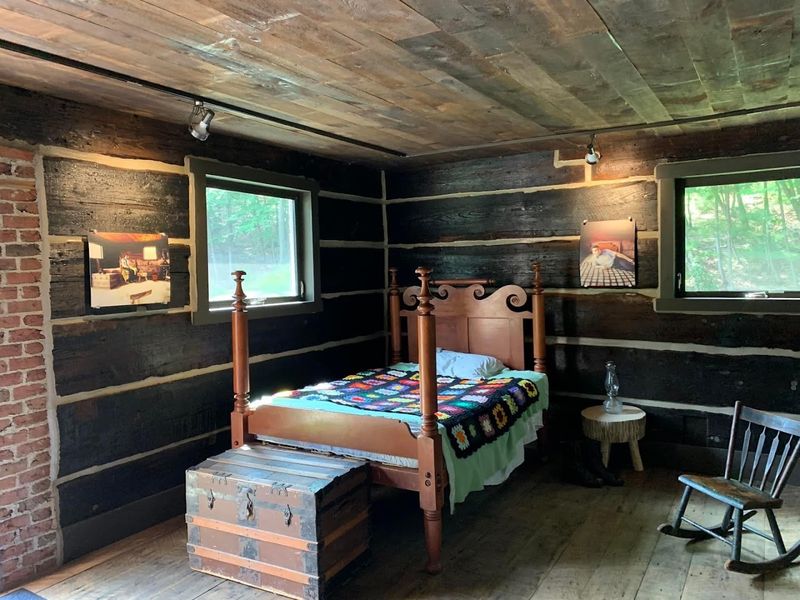
Ali’s personal cabin may be one of the smallest stops on the property, but it leaves one of the deepest impressions. The structure is modest, rustic, and intentionally simple, which says plenty about how he lived while preparing for fights.
Instead of luxury, you find a space recreated with period furnishings that reflect focus, restraint, and a willingness to strip life down to essentials.
Walking through it, you get a more personal view of the man behind the myth. It is easy to think of Muhammad Ali only in terms of charisma, bravado, and enormous public moments, but this cabin reminds you that elite performance often grows out of routine and solitude.
The room does not need to be elaborate to feel meaningful, because its power comes from what it reveals about discipline.
I found this stop especially moving because it narrows the distance between visitor and legend. You can imagine the quiet hours between workouts, the mental preparation, the prayers, the conversations, and the exhaustion after a long training day.
In a place built for hard work, the cabin feels like a private window into Ali’s inner world. That intimacy makes the larger story of Fighter’s Heaven feel much more human.
Original Kitchen and Communal Dining Table Still Intact
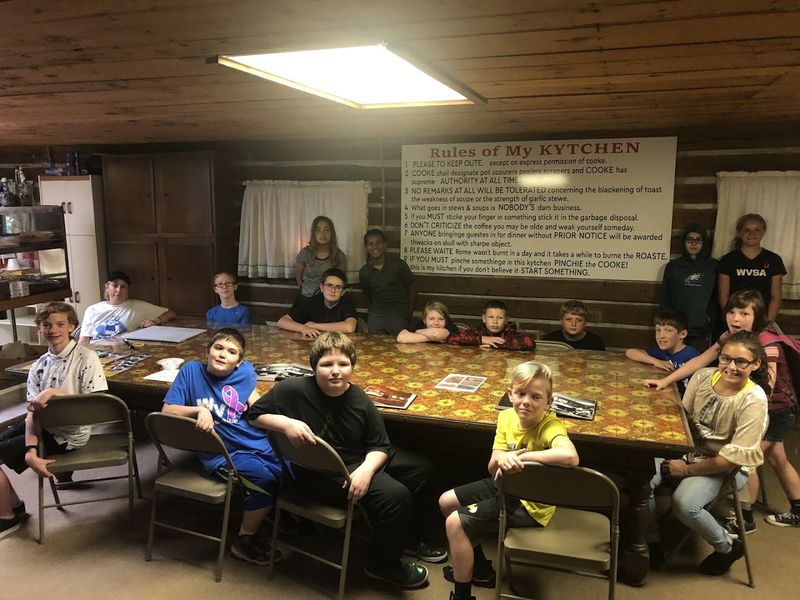
The kitchen building offers one of the clearest glimpses into daily life at Fighter’s Heaven. Its original long wooden table still anchors the room, and that single feature tells a bigger story than you might expect.
This was not just a place to eat, but a space where Ali, trainers, sparring partners, and visitors shared conversation, strategy, laughter, and the ordinary rituals that hold a camp together.
I love stops like this because they reveal the human side of greatness. Champions are often remembered in highlights and headlines, yet meals, downtime, and shared routines are what shape the mood of a training environment.
Standing in the kitchen, you can picture plates being passed around, plans discussed between bites, and the kind of group energy that keeps everyone focused through exhausting days.
The room also reinforces how communal the property really was. Fighter’s Heaven was not designed as a solo hideaway, even though privacy mattered.
It was a functioning village of support, with people living, training, and recovering together under a common purpose. For visitors, that dining table becomes a quiet but powerful artifact.
It reminds you that behind every iconic fighter is a network of people who fed the work, literally and emotionally.
Bunkhouses for Fighters and Sparring Partners
The two bunkhouses at Fighter’s Heaven help explain how complete the camp really was. These were not decorative extras or symbolic additions to a famous property, but practical spaces where fighters, sparring partners, and members of Ali’s training circle could live during camp.
Seeing them makes it clear that this was a self-contained working environment built around discipline, repetition, and shared effort.
There is something especially revealing about preserved sleeping quarters. Unlike a ring or a trophy case, bunkhouses point to the off-camera realities of preparation: early alarms, tired bodies, private conversations, and the camaraderie that forms when people chase the same demanding goal.
You can imagine teammates crashing after brutal sessions, joking to lighten the mood, or mentally gearing up for another day of work.
For me, these buildings underline the difference between a gym and a true training village. Fighter’s Heaven supported a whole ecosystem, where everyone had a role in helping Ali sharpen himself before major fights.
The bunkhouses remind you that greatness does not happen in isolation, even in a secluded setting. It takes partners, pressure, and constant testing.
That lived-in sense of teamwork gives the property a depth you can feel long after the tour moves on.
Ali’s On-Site Mosque and Spiritual Space
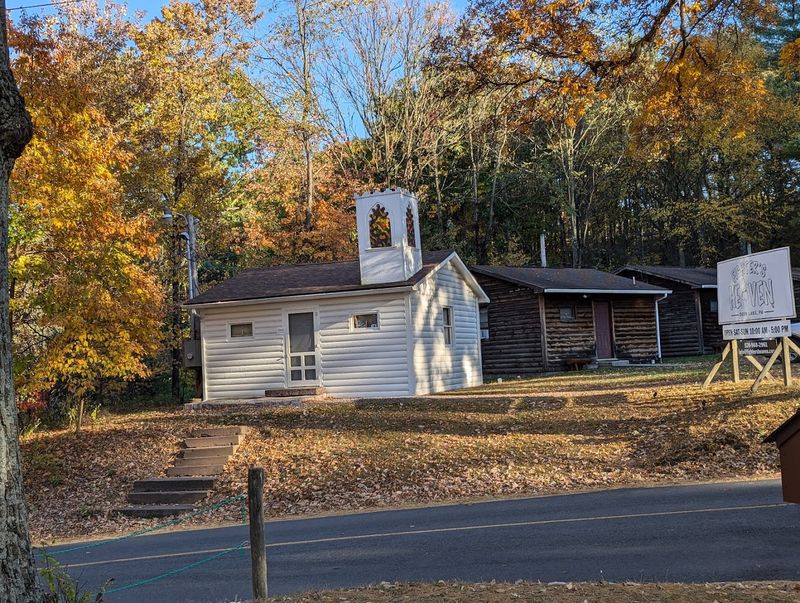
One of the most meaningful features at Fighter’s Heaven is the small on-site mosque. Its presence makes clear that Ali’s training camp was shaped not only by athletic discipline, but also by religious identity and spiritual practice.
In a place dedicated to preparing the body, he also made room to center the soul, and that balance gives the property unusual depth.
As you visit, the mosque offers a quieter kind of insight than the gym or ring. It points to the rhythms of prayer that existed alongside roadwork, sparring, and strategy sessions, reminding you that Ali’s life could never be understood through sports alone.
Faith was not a side note at this camp. It was part of the structure, part of the schedule, and part of the mindset that guided him.
I think this stop broadens the whole experience in an important way. You leave with a stronger sense of Ali as a complete person rather than a collection of famous quotes and championship belts.
The mosque also changes how you read the landscape around it, turning the camp into more than a training compound hidden in the woods. It becomes a place of reflection, conviction, and purpose, which makes the visit feel far more personal.
Painted Boulders and Outdoor Gathering Areas
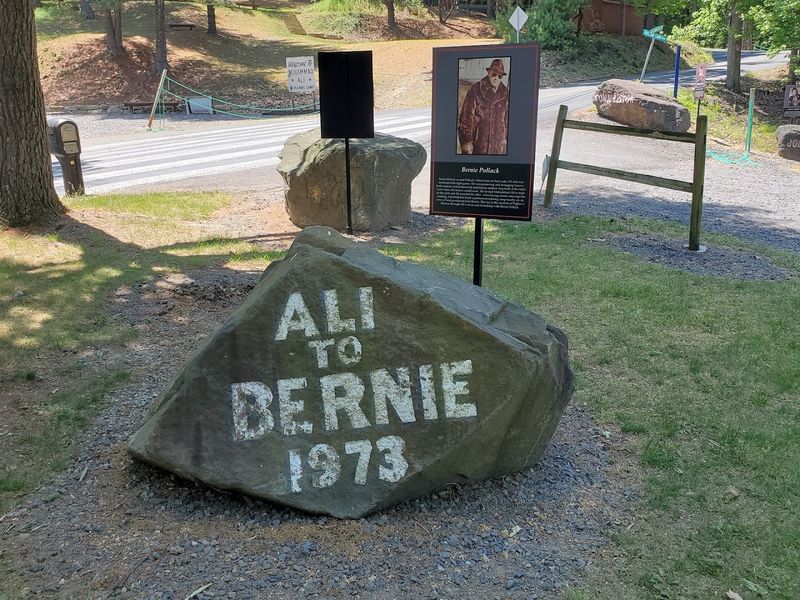
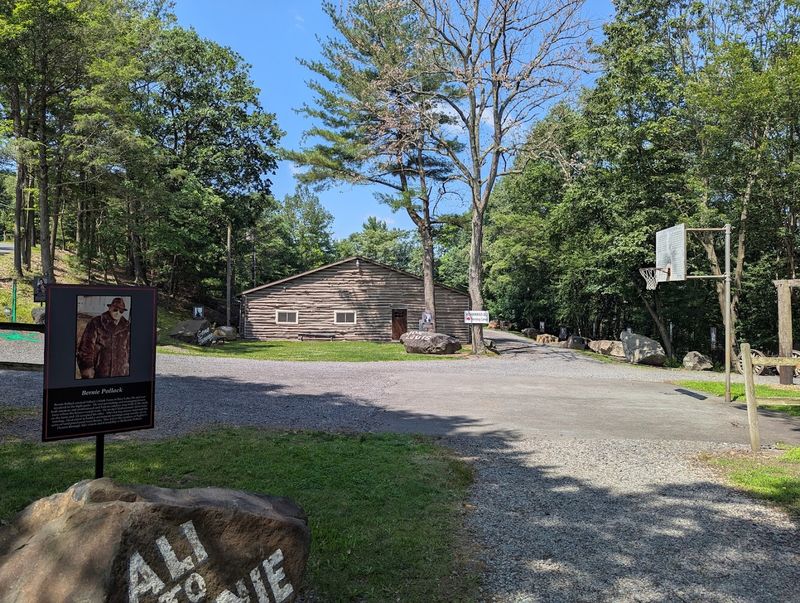
Beyond the buildings, Fighter’s Heaven has outdoor spaces that make the camp feel lived in rather than staged. Large painted boulders honoring boxing legends stand out against the natural landscape, giving the grounds an artistic, memorial quality that fits Ali’s larger-than-life story.
They add color and personality to the site while keeping the focus on boxing culture and shared respect.
The gathering areas nearby are just as evocative. These open spaces suggest evenings when Ali and his circle could unwind, swap stories, joke around, or simply breathe after a grueling day of training.
Around a fire or in conversation under the trees, the camp would have shifted from hard work to fellowship, and that contrast helps the whole property feel more real.
I found these outdoor features especially effective because they connect memory to place in a direct, physical way. You are not just hearing about camaraderie or legacy, but standing where those things likely unfolded in ordinary moments.
The boulders also serve as reminders that boxing history is communal, shaped by rivals, teammates, inspirations, and generations of fighters. Together, the grounds and gathering spots give Fighter’s Heaven warmth, making it feel like a camp with stories still lingering in the air.
Full Restoration and Museum-Style Experience

What makes Fighter’s Heaven so rewarding today is the care that went into bringing it back. After years of neglect following Ali’s retirement, the property could easily have slipped into obscurity, remembered only in photographs and anecdotes.
Instead, it has been thoughtfully restored and reopened as a museum-style destination that preserves the atmosphere of the original camp while making it accessible to the public.
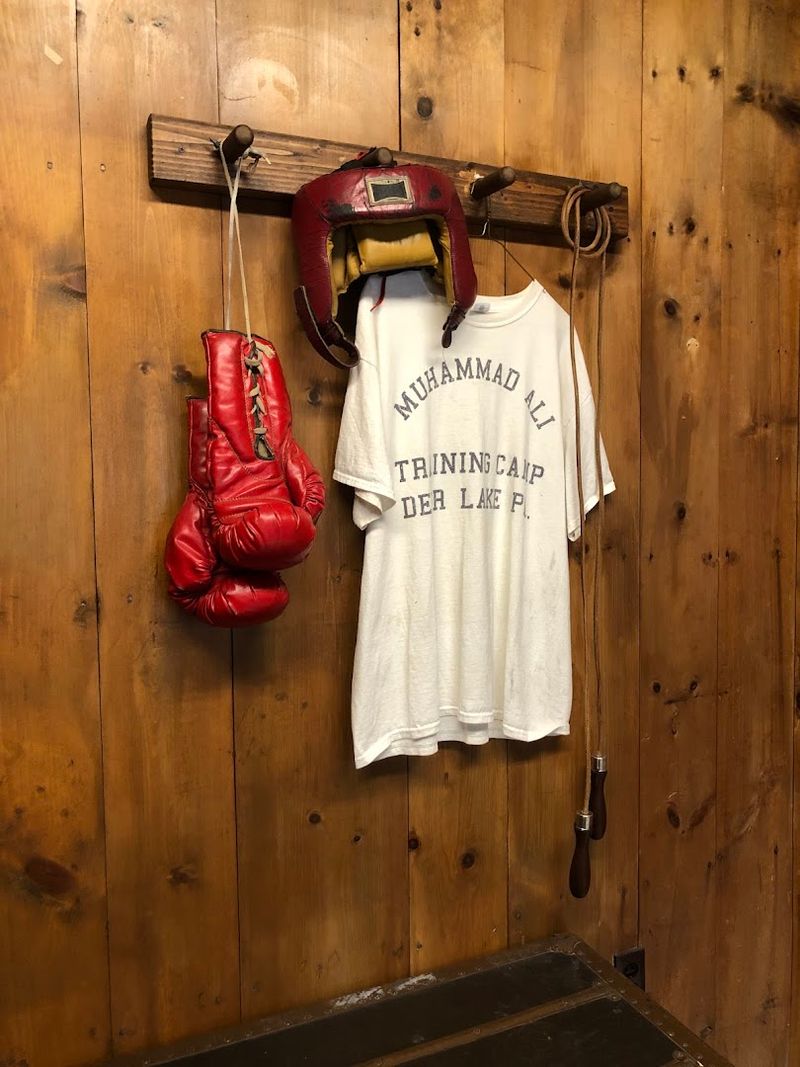
The result feels immersive rather than overly polished. Guided tours, exhibits, memorabilia, and interpretive details help you understand the site’s history, but the place still retains a rugged authenticity that fits its purpose.
You are not walking through a generic sports museum with detached display cases. You are moving through the actual spaces where Ali trained, rested, prayed, and built the mindset needed for world-changing fights.
I appreciate that the restoration seems to honor both memory and place. It does not try to turn Fighter’s Heaven into a glossy attraction divorced from its roots, and that restraint helps the camp feel honest.
For visitors, the experience lands emotionally as much as intellectually. You leave with facts and stories, but also with a strong sense of presence.
That combination is rare, and it is exactly what makes historic sites worth preserving.
Visitor Information and Tips for Touring Fighter’s Heaven
If you are planning a visit, Fighter’s Heaven is located at 58 Sculps Hill Road, Orwigsburg, PA 17961, and it operates primarily as a public historic site. Admission is free, which honestly makes the experience feel even more generous, though donations are encouraged to support preservation and partner charities.
For current details or to arrange a visit, you can call +1 570-968-2961 before heading out.
The site is typically open year-round on weekdays by appointment, with seasonal public hours on Saturdays and Sundays from 10:00 AM to 5:00 PM, usually May through October. Since schedules can shift, it is smart to confirm before you go, especially if you are making a longer drive.
The tour is more than a quick photo stop, so give yourself time to walk, listen, and really take in the story.
You should also come prepared for uneven terrain and a mix of indoor and outdoor exhibits. Comfortable footwear is the easiest tip to follow, and it will make the walking tour much more enjoyable.
I would also bring water, check the weather, and expect a setting that feels rustic rather than heavily commercial. That authenticity is part of the appeal, and it is exactly why the visit stays with you.