
Georgia is packed with museums that turn a regular trip into a story filled with art, science, trains, airplanes, history, and hands on fun for kids, teens, and grown ups alike across the state all year long.
From Atlanta to Savannah, each stop offers something different, so travelers can match their interests with exhibits that feel exciting, surprising, and easy to remember long after the vacation ends back home for friends too.
Some places spotlight giant dinosaur bones or fighter jets, while others share paintings, Civil War stories, soda secrets, and railroad machines that help explain how Georgia grew and changed over time for families today and visitors everywhere alike now.
If you want a travel list that mixes learning with real fun, start planning around these standout museums and save room in your schedule for at least a few wonderful surprises during the trip you will talk about later.
1. High Museum of Art – Atlanta
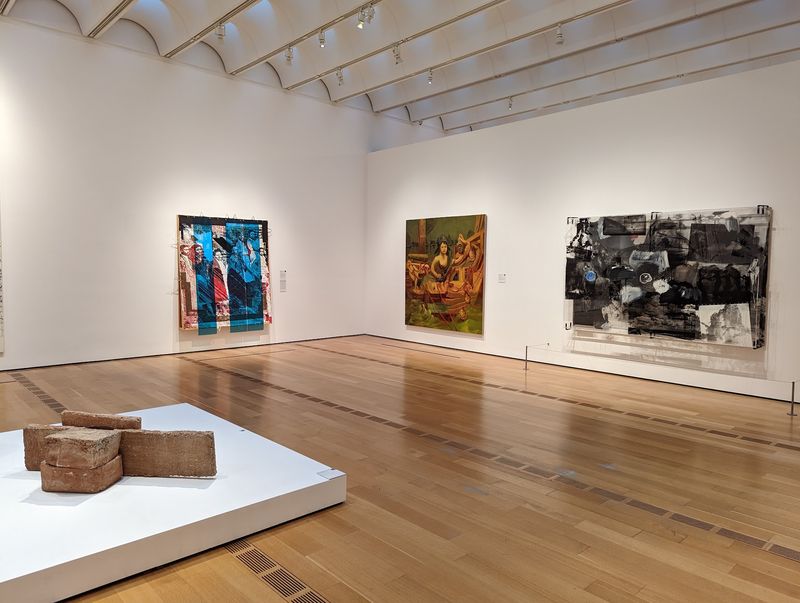
Few buildings in Atlanta feel as lively as the High Museum of Art, where bright galleries, bold design, and changing shows can make even first time museum visitors feel curious.
Located in Midtown on Peachtree Street, it holds American art, African art, photography, folk pieces, and modern works, so every room offers a fresh mood and style for guests today.
Families often like the hands on areas, while older students enjoy seeing how color, shape, and light change from one gallery to the next without feeling stiff or confusing ever.
Plan at least two hours, wear comfortable shoes, and check the calendar before you go, because special exhibitions and weekend programs can add extra value to your visit that day.
A stop at the museum cafe or gift shop rounds things out nicely, especially if rain changes your plans and you need an indoor activity that still feels memorable afterward.
Because the museum sits near other Atlanta attractions, it fits easily into a bigger city day, making it a smart pick for travelers who want culture without travel hassles nearby.
2. Fernbank Museum of Natural History – Atlanta
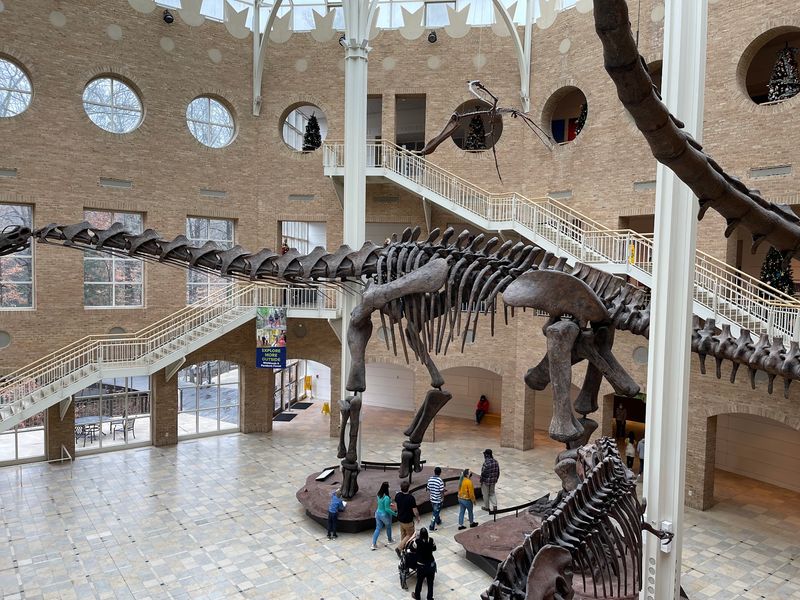
The moment you see the huge dinosaur skeletons at Fernbank Museum of Natural History, Atlanta starts to feel bigger, older, and much more exciting than an ordinary city stop today.
Set on Clifton Road, Fernbank mixes science exhibits, cultural displays, and a giant screen theater, giving visitors several ways to learn whether they prefer reading, watching, or touching things most.
Outside, forest trails and a boardwalk offer a quiet break, so kids can burn energy and adults can slow down before stepping back inside for more fossils and playful exhibits.
Try arriving early on busy weekends, especially during school breaks, since the museum is popular with local families and parking, popular programs, and theater times can fill quickly by noon.
The gift shop leans into nature themes without feeling cheesy, and the cafe makes lunch simple if you want to stay longer instead of rushing to another attraction that day.
Fernbank works especially well for mixed age groups because toddlers, teens, and grandparents can each find something worth talking about later, which is rarer than many museums admit these days.
3. Atlanta History Center – Atlanta
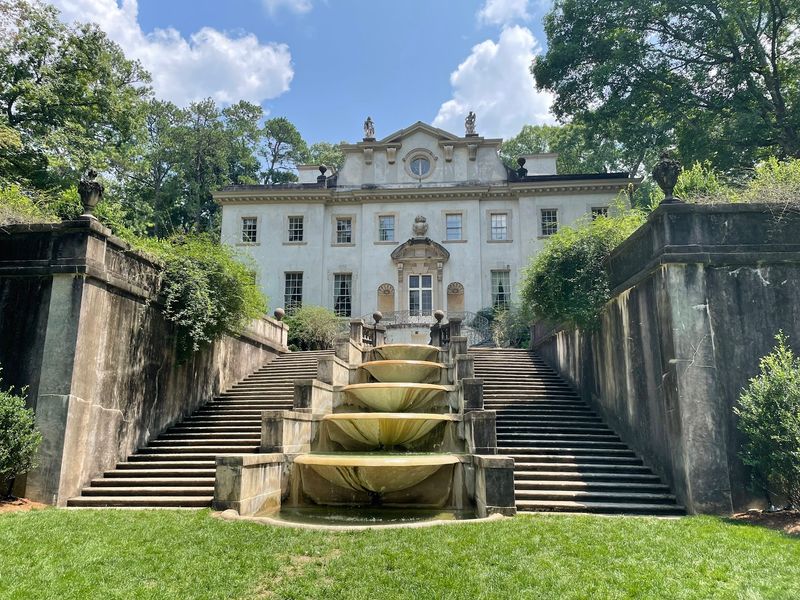
History feels personal at the Atlanta History Center, where houses, gardens, and major exhibits show how the city changed through war, business, sports, and everyday life for local people too.
Found in Buckhead on West Paces Ferry Road, the campus is large, so a map helps, especially when you want to see the Swan House and Smith Farm on time.
The museum does a strong job explaining tough subjects clearly, including the Civil War and civil rights, making it useful for families who want honest stories without confusing labels anywhere.
Seasonal programs, walking trails, and quiet green spaces give the place a relaxed rhythm, which can be a welcome surprise after spending time in Atlanta traffic on a hot afternoon.
Because there is so much to cover, choosing two or three priorities ahead of time keeps the visit enjoyable and prevents younger travelers from getting worn out too fast inside.
Anyone wanting context for Georgia beyond dates and names will leave with a clearer picture of the people, places, and choices that shaped the state across many years and neighborhoods.
4. World of Coca-Cola – Atlanta
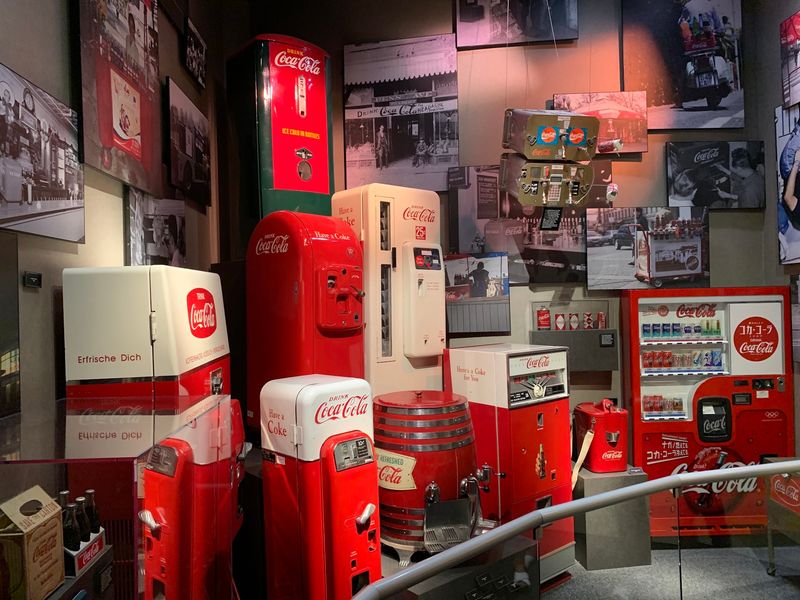
A fizzy kind of fun waits at World of Coca-Cola in downtown Atlanta, where one famous drink becomes a full museum visit packed with stories, signs, and bright memorabilia inside.
Near Centennial Olympic Park, the attraction explains advertising, bottling, and global reach in simple ways, so even visitors who are not soda fans can still enjoy it with friends nearby.
Most people head straight for the tasting room, and for good reason, because trying flavors from different countries turns a short stop into a playful challenge for curious kids too.
You can also see the vault for the secret formula, though the real fun often comes from noticing how branding changed across decades, cultures, and television eras over many years.
Go on a weekday if possible, since lines build fast during holidays, and keep a water bottle handy because all that sweet sampling can catch up with you later on.
For travelers seeking something cheerful, colorful, and unmistakably Atlanta, this stop delivers a lighthearted break from heavier history sites without feeling shallow or forgettable to most families visiting the city.
5. Tellus Science Museum – Cartersville
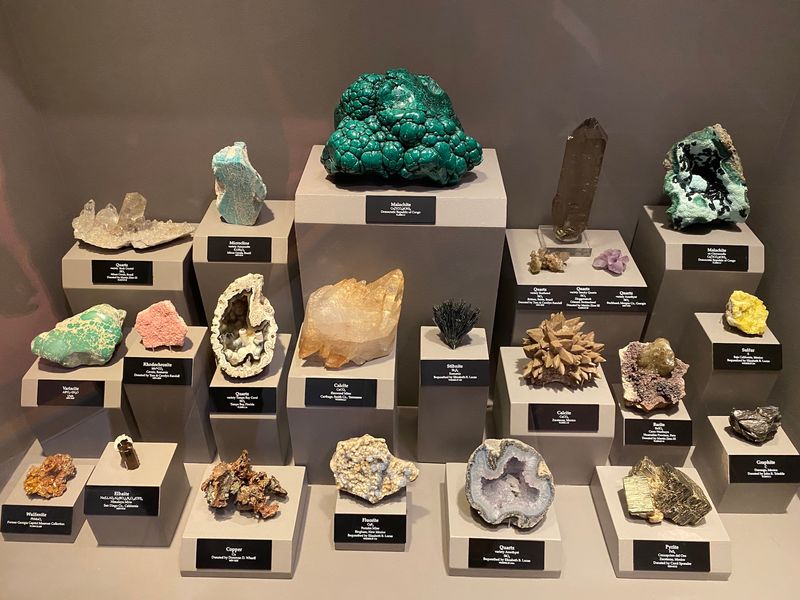
If your group loves rocks, race cars, and outer space, Tellus Science Museum in Cartersville feels like three field trips rolled into one easy, surprising stop for curious minds everywhere.
Right off Interstate 75, the museum covers fossils, minerals, transportation, and astronomy, which makes it especially handy for families looking to break up a long Georgia drive with purpose nicely.
The fossil galleries grab attention fast, but the gem collection and restored vehicles keep visitors lingering longer than expected, especially when kids start asking excellent questions about science and time.
A planetarium show can add a fun extra layer, so check times when you arrive instead of waiting, because seats may be limited on busier afternoons for many weekend visitors.
Cartersville also has other strong museums nearby, which means Tellus fits well into a full day for travelers who enjoy mixing science with art or western history in town easily.
Because the building is modern and roomy, it rarely feels cramped, and that makes browsing easier for people who like to move at their own pace during rainy travel days.
6. Booth Western Art Museum – Cartersville
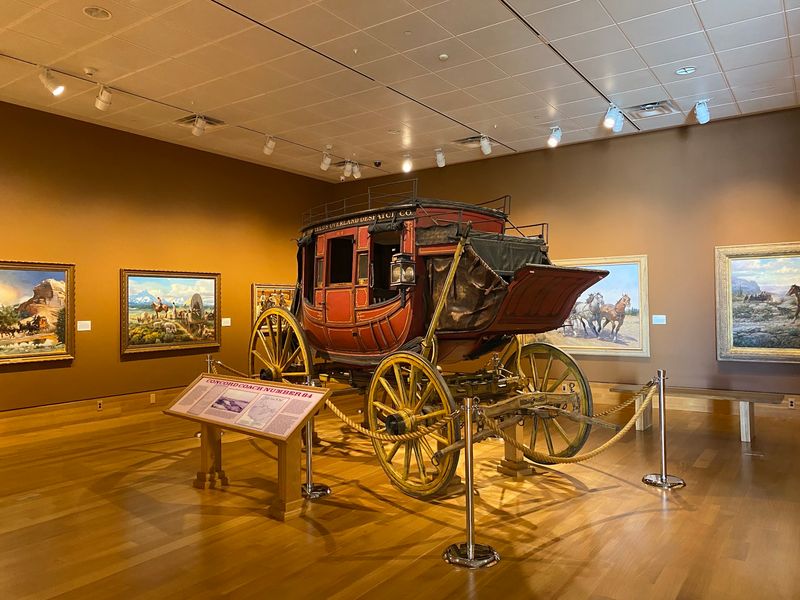
Cowboy paintings in north Georgia may sound unexpected, yet the Booth Western Art Museum in Cartersville quickly proves why it ranks among the state’s most memorable cultural stops for travelers.
Large galleries, bronze sculptures, and dramatic landscapes create a bold mood, while exhibits about western life, presidents, and illustration broaden the experience beyond a simple art lesson for most guests.
Downtown Cartersville gives the museum a small town setting, so the visit feels less rushed than bigger city attractions and easier to pair with lunch or a stroll afterward nearby.
Kids may connect first with the stagecoach and hands on areas, while adults often end up appreciating the storytelling power of portraits, posters, and scenes from frontier life on display.
Give yourself time to read the labels here, because many works open windows into big topics such as migration, mythmaking, identity, and the way art shapes memory in America today.
Anyone curious about an American story outside the usual Georgia themes will find this museum refreshingly different, thoughtful, and much richer than the word western suggests at first glance alone.
7. Georgia Museum of Art – Athens
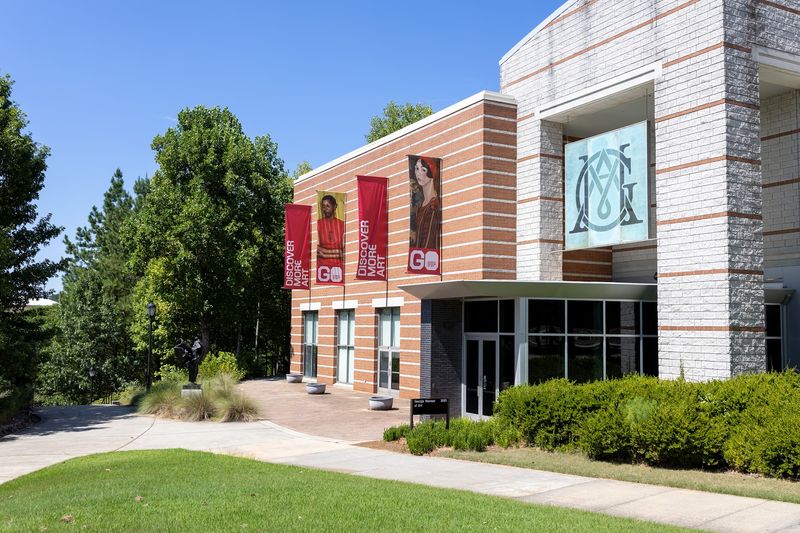
College town energy gives the Georgia Museum of Art in Athens a welcoming feel, blending serious collections with the kind of relaxed atmosphere that helps visitors stay curious for hours.
On the University of Georgia campus, the museum presents American paintings, decorative arts, and rotating exhibitions, so repeat visitors often find something new without needing a huge time commitment either.
Because admission is usually free, it works well for budget travelers who still want a thoughtful stop, especially on hot afternoons when outdoor plans lose their appeal in summer months.
The galleries are calm rather than flashy, and that quiet can be a real gift if your trip has been full of crowds, traffic, and nonstop noise all day long.
Pair the visit with nearby restaurants, bookstores, or a campus walk, and Athens starts to show why art, music, and student life fit together so naturally in one compact area.
For travelers who enjoy museums that feel approachable instead of overwhelming, this one offers a smart, peaceful break and a strong sense of local character within classic Athens surroundings today.
8. Museum of Aviation – Robins Air Force Base, Warner Robins
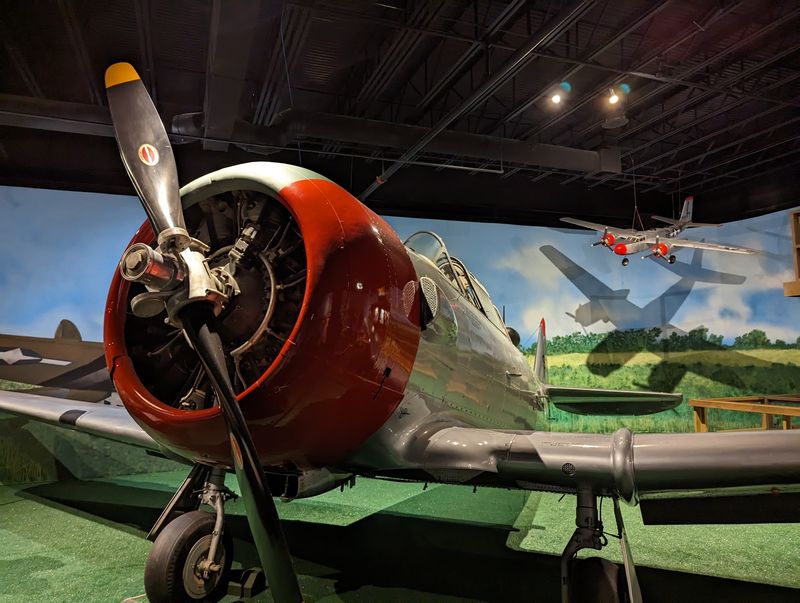
Jet lovers usually grin the moment they reach the Museum of Aviation at Robins Air Force Base near Warner Robins, where massive aircraft make ordinary museum halls seem tiny instantly.
One of the largest aviation museums in the country, it covers military flight, technology, and service history through planes, exhibits, and artifacts spread across several buildings on the big campus.
Because admission is free, families can spend extra time exploring without watching the clock, and kids often stay amazed by the size of bombers, cargo planes, and cockpits for hours.
Some galleries feel solemn, especially when they focus on war and sacrifice, which gives the visit weight and reminds travelers that the machines carried real people into dangerous moments often.
Wear good walking shoes and allow more than you expect, since the grounds are broad and photo stops happen often when another striking aircraft comes into view around each corner.
For anyone curious about Georgia’s link to aviation, defense, and engineering, this museum offers scale, substance, and a memorable sense of national history told through machines missions and human courage.
9. National Museum of the Mighty Eighth Air Force – Pooler
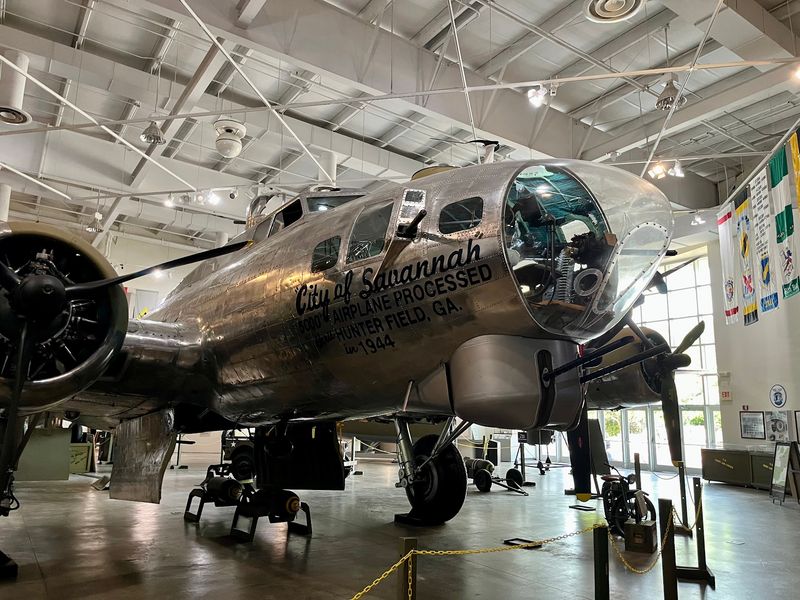
Quiet reflection shapes the National Museum of the Mighty Eighth Air Force in Pooler, where powerful exhibits honor the airmen whose missions changed lives during World War Two for ever.
Near Savannah, the museum balances aircraft displays with personal stories, letters, uniforms, and memorial spaces, making history feel human instead of distant or abstract to younger visitors and adults alike.
Many visitors remember the restored B seventeen bomber, but the smaller details often hit hardest, especially when you read about training, fear, friendship, and loss across those dangerous wartime skies.
The galleries can be emotional, so slower pacing helps, particularly for children who may need time to process what they see and ask thoughtful questions after each major exhibit space.
Plan a visit if you are driving between Savannah and other coastal stops, since Pooler makes an easy detour that adds depth to a beach heavy trip for many families.
Travelers interested in courage, teamwork, and remembrance will find this museum deeply moving, carefully presented, and worthy of more attention than flashier attractions nearby for thoughtful Georgia history seekers today.
10. Georgia State Railroad Museum – Savannah
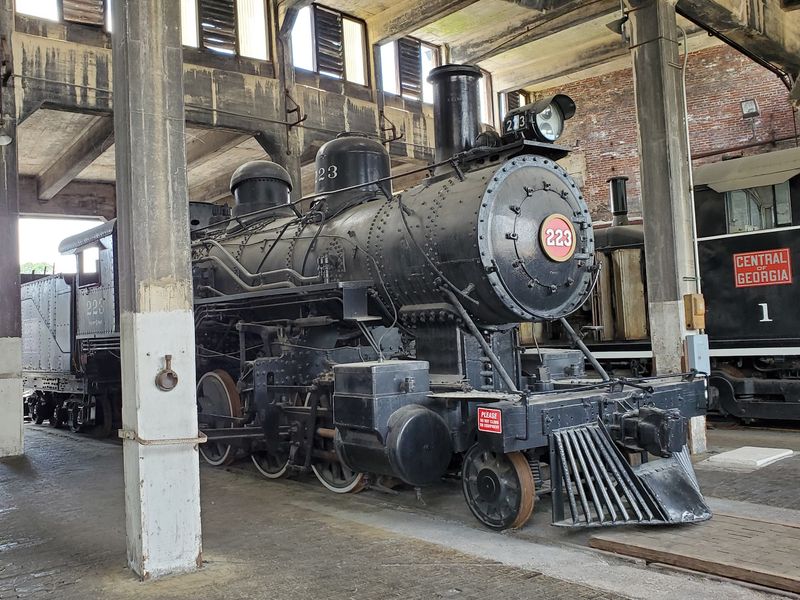
Steam whistles, iron wheels, and old workshop buildings give the Georgia State Railroad Museum in Savannah a strong sense of motion, even when the engines are standing still for visitors.
Inside the old Central of Georgia Railway complex, the site shows how trains shaped trade, travel, and city growth, which helps Savannah’s past click into place for curious minds today.
Demonstrations and short rides can make the visit extra memorable, especially for children who have only seen trains in books, movies, or quick roadside glimpses before coming here in person.
Savannah heat can be intense, so morning visits often work best, and sunscreen matters if you plan to spend much time outside among the tracks on bright summer travel days.
Because the museum sits within Savannah’s historic district area, it pairs nicely with other landmarks, giving travelers a fuller picture of work, industry, and daily life from earlier Georgia years.
Anyone who likes hands on history or mechanical details will appreciate this stop, where grease, steel, and craftsmanship tell a different kind of Southern story than mansions squares or beaches.
11. The National Infantry Museum and Soldier Center – Columbus
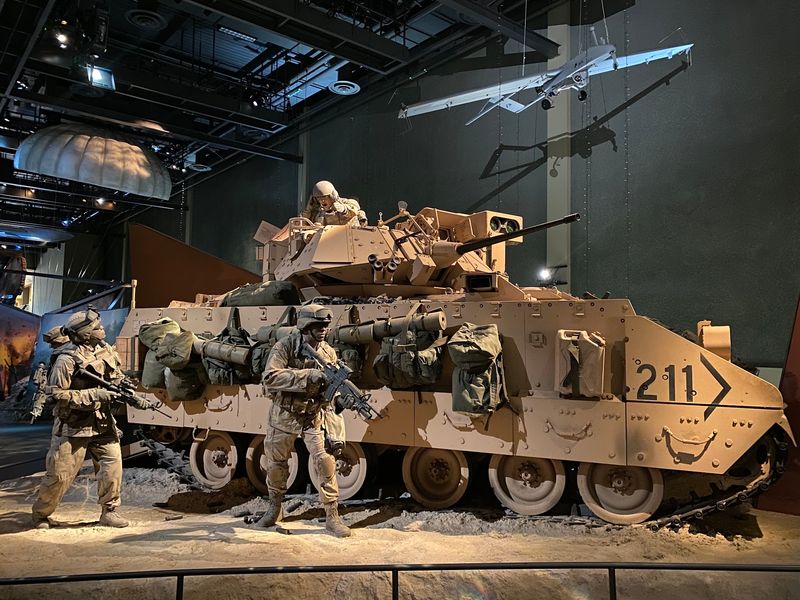
Big, bold, and deeply serious, the National Infantry Museum and Soldier Center in Columbus leaves a strong impression from the first steps into its dramatic main hall for every visitor.
Near Fort Benning, the museum follows the history of infantry soldiers from early America to recent conflicts, using immersive displays, equipment, and personal accounts that ground the story in people.
Some scenes feel almost like movie sets, yet the information stays rooted in real events, which helps younger visitors connect without missing the seriousness of combat duty sacrifice and service.
The memorial areas invite quiet moments, so it is wise to move respectfully and give yourself time, especially if someone in your group has military ties or family memories nearby.
Free admission makes the museum easy to recommend, and its size means you should allow several hours if you want more than a quick overview of this major Columbus site.
For travelers seeking perspective on courage, training, and the cost of war, this Columbus museum delivers one of Georgia’s most powerful educational experiences for adults students families and history fans.
12. The Columbus Museum – Columbus
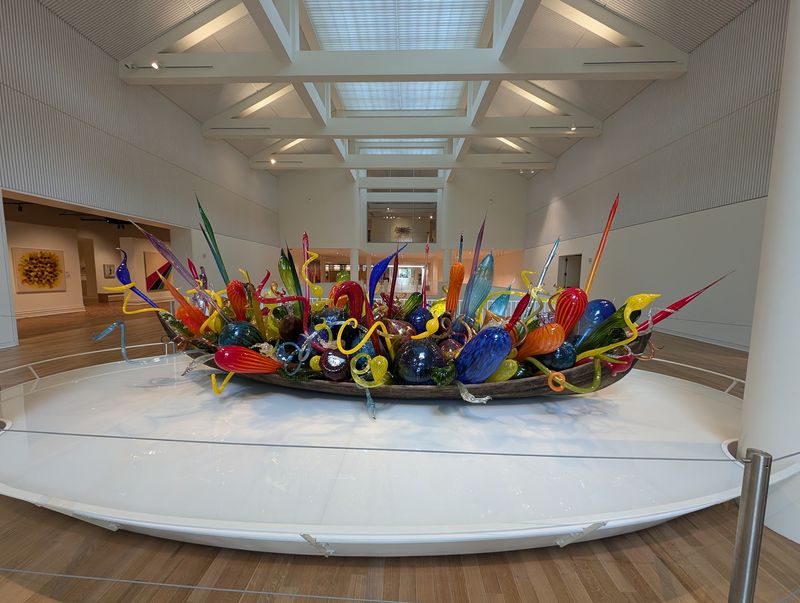
Art and history share the stage beautifully at The Columbus Museum in Columbus, creating a visit that feels balanced, local, and easy to enjoy in one afternoon for most travelers.
The museum explores the Chattahoochee Valley through paintings, regional objects, and stories about community life, giving visitors a strong sense of place instead of a generic lesson from anywhere else.
Because the setting is calmer than bigger headline attractions, you can look closely, think a little longer, and notice links between art, industry, and everyday people in west Georgia history.
Families often appreciate the approachable scale, while adults enjoy the thoughtful mix of fine art and local material that explains how Columbus developed over time beside the river and mills.
Check for temporary exhibitions or programs before arriving, since special events can add variety and may introduce topics that surprise even repeat visitors from Georgia during different seasons each year.
Anyone wanting a museum that feels grounded rather than flashy will likely leave pleased, with a better understanding of Columbus and its creative spirit across art history neighborhoods and generations.