A museum can change the way you see an entire destination. One painting, one artifact, or one unexpected story can reveal a side of a place that you would have missed while simply passing through.
Massachusetts museums offer travelers a chance to explore the state’s rich history, creativity, science, and coastal heritage through collections that are both meaningful and memorable. From world-class art galleries to smaller museums filled with personal stories and unusual discoveries, each visit brings a different perspective.
The best museums do more than display the past—they create connections between people, places, and ideas. Whether you enjoy exploring ancient objects, maritime traditions, scientific discoveries, or local history, these destinations offer plenty to uncover.
Discover 11 museums in Massachusetts that every curious traveler should experience and add a little more wonder to your next trip.
Peabody Essex Museum
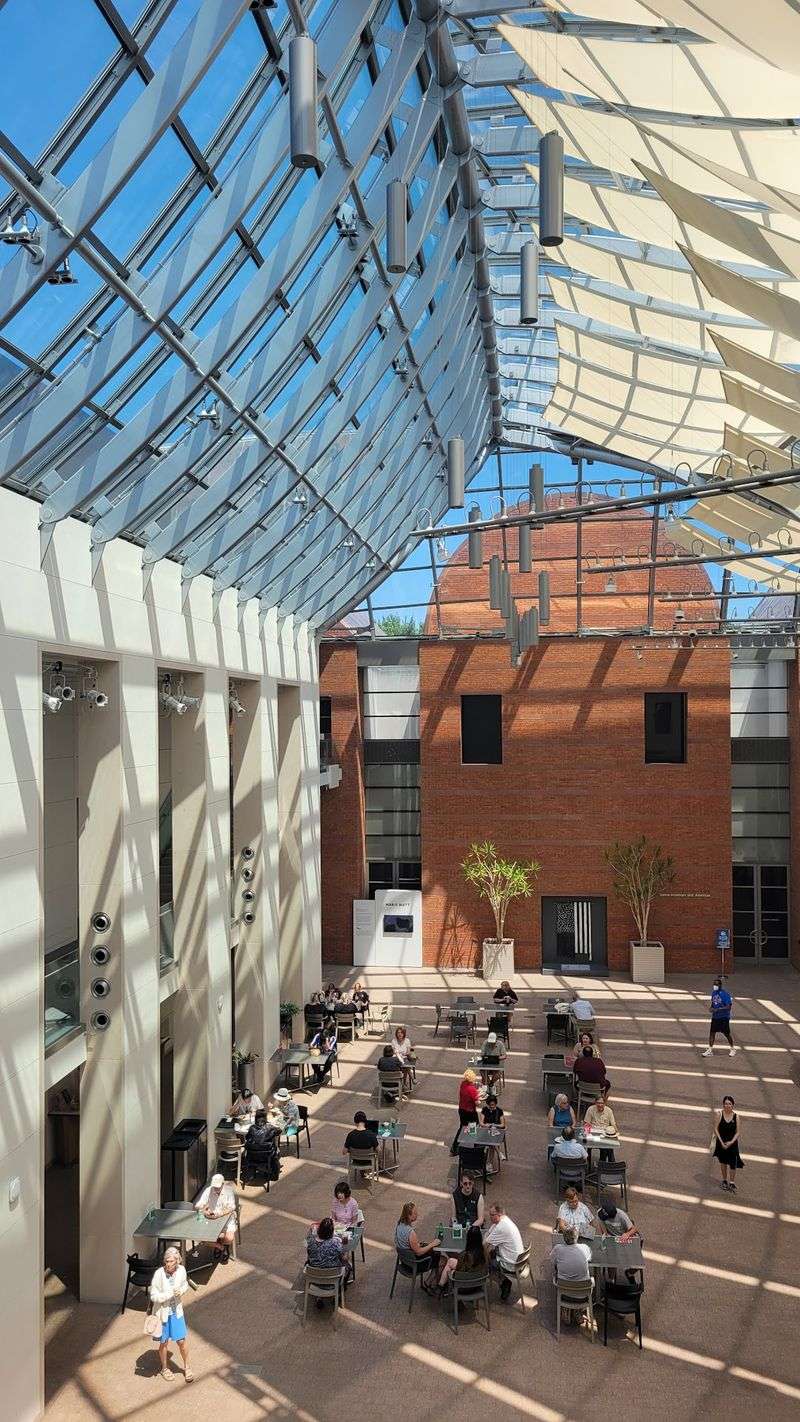
Salt air and old streets set the mood before you even step inside, and then the world suddenly grows much bigger. In Salem, the Peabody Essex Museum moves far beyond witch lore, opening doors to maritime history, Asian art, fashion, and beautifully restored historic houses.
One room may hold delicate carvings, while another pulls you toward ship models and stories of merchants who connected Salem to distant ports. The museum feels spacious and calm, so it is easy to wander slowly, pause often, and actually remember what you saw.
Families, solo travelers, and anyone curious about how local history meets global culture will find plenty to hold onto. Plan time for the museum shop and nearby Essex Street too, because the neighborhood adds its own lively chapter to a visit that already feels full of discovery and texture.
Isabella Stewart Gardner Museum
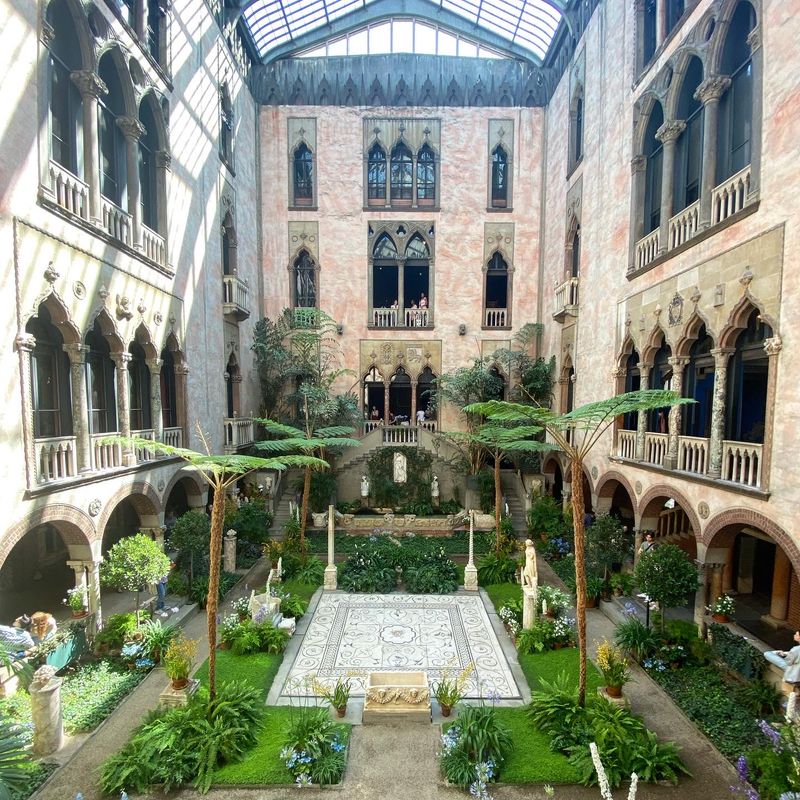
Soft light, trailing plants, and a courtyard that feels borrowed from another continent create a hush you notice right away. The Isabella Stewart Gardner Museum in Boston is not arranged like a typical museum, and that unusual spirit makes the visit feel personal rather than formal.
Paintings, furniture, textiles, and small treasures sit where Isabella wanted them, so each room feels like part of a story instead of a checklist. You are not just looking at art here.
You are stepping into someone else’s way of seeing beauty, surprise, and order.
Because the building resembles a Venetian palace, even the stairways and windows feel worth studying. Take your time with the central courtyard, then linger near the frames left empty after the famous art theft, a strange detail that adds mystery to a place already filled with mood and memory.
Harvard Museum of Natural History
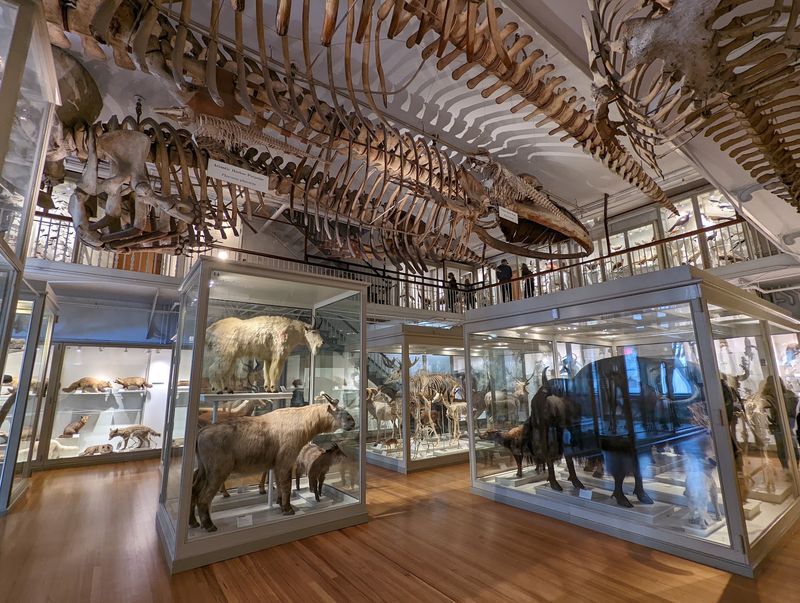
A giant fossil can make anyone feel small, but the real surprise here is how wonder keeps changing shape from room to room. At the Harvard Museum of Natural History in Cambridge, towering dinosaur skeletons share attention with glowing minerals, wildlife displays, and the famous Glass Flowers.
Those flowers are easy to remember long after your visit. Made entirely of glass, they look so real that many people lean in twice just to believe what they are seeing.
That mix of science and artistry gives the museum a special kind of energy.
You do not need to be a science expert to enjoy the place. Labels are clear, galleries are manageable, and there is enough variety to keep kids and adults equally interested.
Pair it with a walk through Harvard Square afterward for coffee, people-watching, and a little extra Cambridge character.
MIT Museum
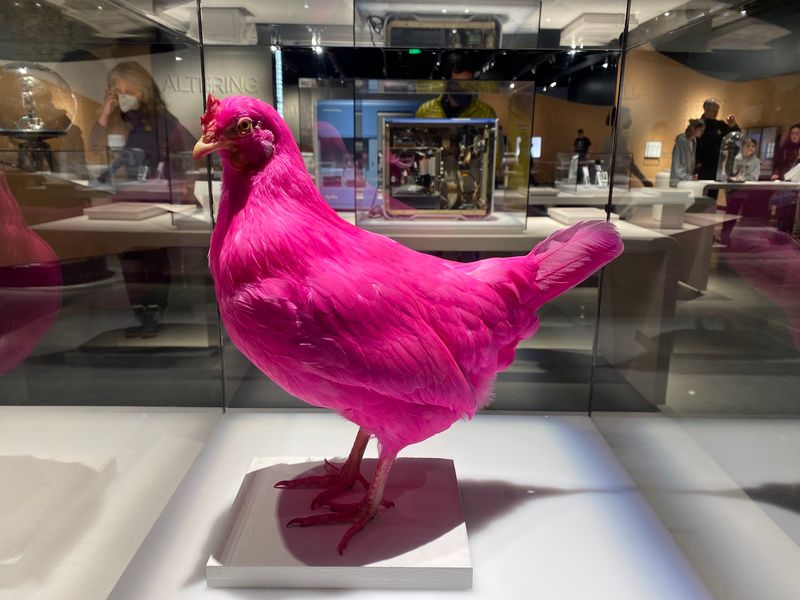
Blinking lights, clever machines, and ideas that sound like tomorrow give this museum a playful buzz from the start. The MIT Museum in Cambridge turns brainy subjects into something you can feel and picture, whether you care most about robotics, design, engineering, or artificial intelligence.
Instead of simply reading about inventions, you get to see how creative problem solving shapes daily life. Some exhibits invite hands-on exploration, while others show prototypes, art, and research that hint at where technology may be heading next.
It feels serious and imaginative at the same time.
Travelers who like modern cities will appreciate how well the museum fits its Kendall Square setting, surrounded by startups, labs, and busy sidewalks. Stop by with an open mind and a little patience.
The more slowly you look, the more clearly the hidden human stories behind innovation begin to appear.
Museum of Science
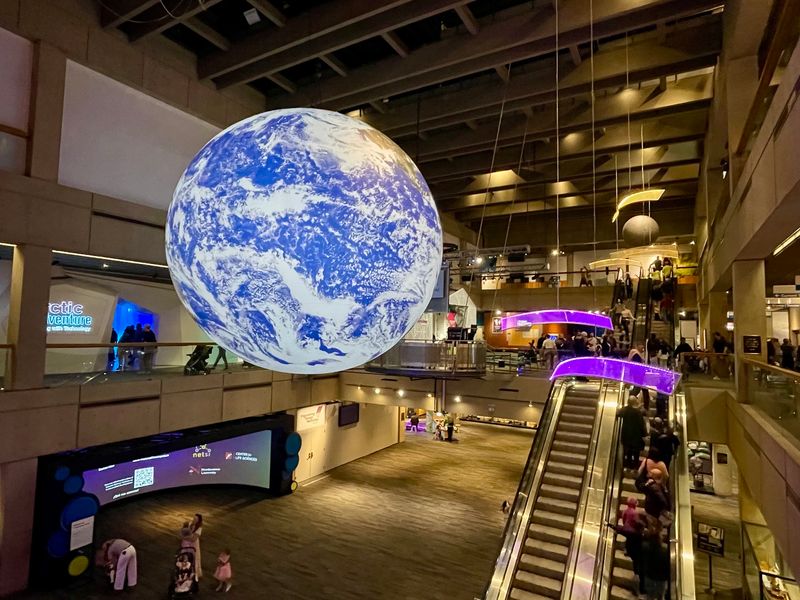
Energy fills the building almost immediately, with buttons to press, models to test, and big questions hanging in the air. Boston’s Museum of Science makes learning feel active, not distant, which helps visitors of all ages stay engaged instead of simply passing through.
One minute you might be watching a live demonstration, and the next you are exploring space, weather, engineering, or the human body. The exhibits are broad enough to please different interests, and that variety works especially well for families or groups who rarely agree on everything.
Set near the Charles River, the museum also connects nicely with a day of city exploring. Wear comfortable shoes, because there is plenty of ground to cover, and build in time for the planetarium or special presentations if they fit your schedule.
You leave with facts, yes, but also with fresh curiosity.
Cape Ann Museum
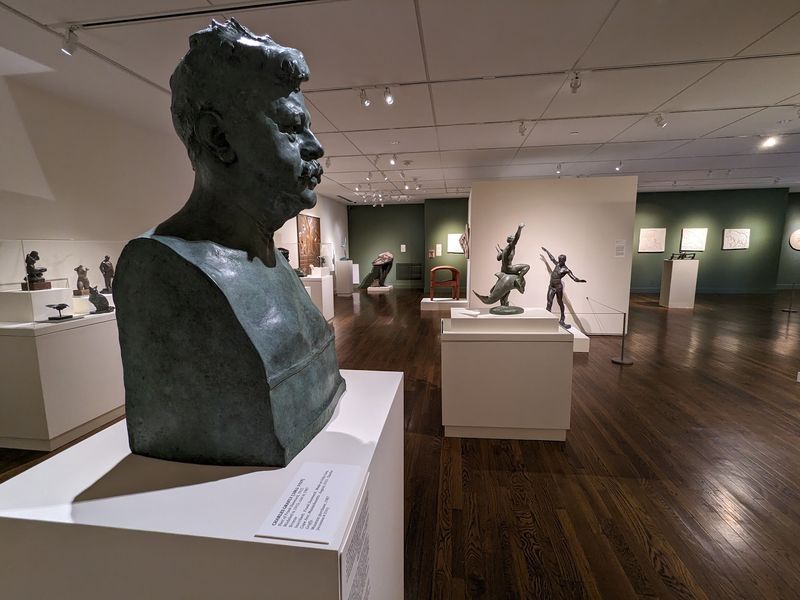
Fishing boats, weathered wood, and the feeling of a working coast stay with you long before and after the visit. The Cape Ann Museum in Gloucester captures that mood beautifully, tying together local art, maritime history, and everyday stories from a region shaped by the Atlantic.
Inside, you may find paintings of rocky shorelines, objects linked to the fishing industry, and exhibits that explain how generations built lives around sea, trade, and community. Nothing feels rushed or oversized.
The museum works best when you let the place teach you slowly.
Gloucester already has striking views, but the museum gives those views deeper meaning. Afterward, a walk along the harbor or a seafood lunch nearby makes the experience feel complete, because you can connect what you learned indoors with the boats, gulls, and salty breeze waiting outside on the waterfront.
Martha’s Vineyard Museum
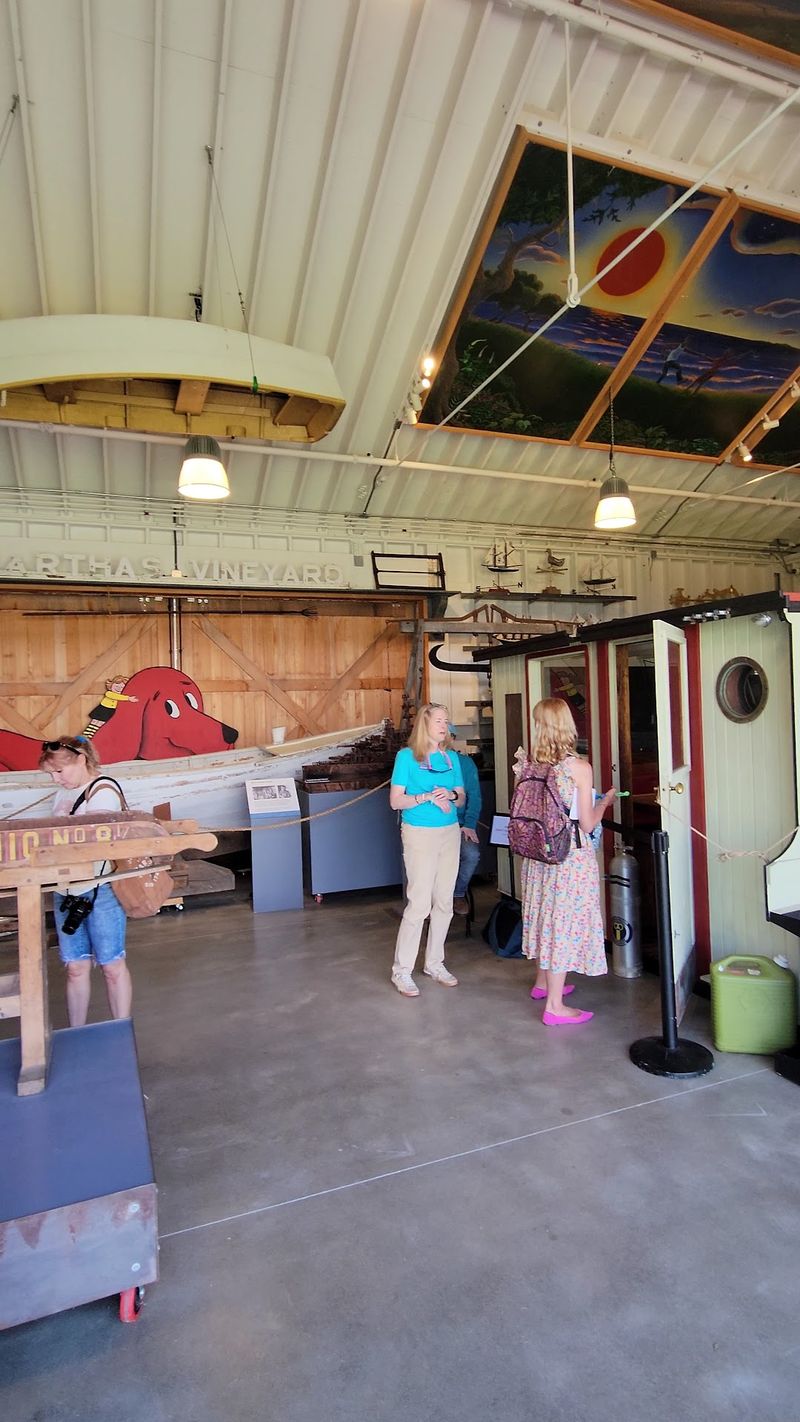
Island vacations often move at an easy pace, yet some places quietly ask you to look beneath the postcard surface. The Martha’s Vineyard Museum in Vineyard Haven does exactly that, revealing layers of island life through exhibits on whaling, Indigenous history, community traditions, and the sea.
The setting adds to the visit, with views that remind you how central water has always been here. Inside, stories of workers, families, and sailors bring more balance to an island many people know mainly for beaches and summer houses.
That contrast makes the museum especially memorable.
If you are spending a few days on the Vineyard, visiting early in your trip can change how you see everything afterward. Lighthouses, harbors, and village streets start to feel less decorative and more lived in.
It is a thoughtful stop that gives the island a stronger voice and shape.
Nantucket Whaling Museum
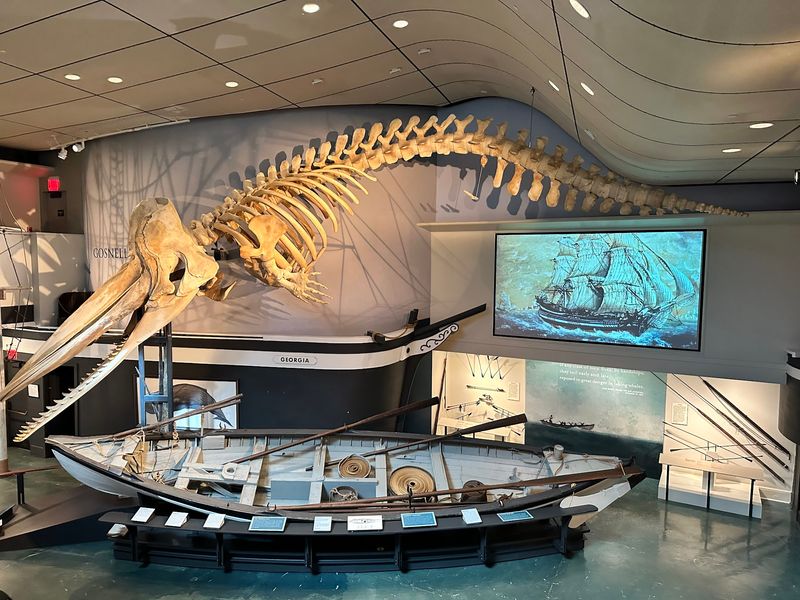
A whale skeleton hanging overhead changes the scale of everything around you in an instant. At the Nantucket Whaling Museum, that dramatic sight sets the tone for a visit shaped by danger, ambition, wealth, and the hard realities of life tied to the sea.
Set in a former candle factory, the museum connects objects and atmosphere in a way that feels especially fitting. Scrimshaw, tools, portraits, and ship-related artifacts help explain how a small island once stood at the center of a massive whaling industry.
The history feels human, not remote.
Climb for rooftop views if you can, because seeing Nantucket from above adds another layer to the story. The tidy streets and gray shingles outside seem gentler once you understand what powered the island’s past.
It is a compelling stop for travelers who like places where beauty and hardship meet face to face.
Worcester Art Museum
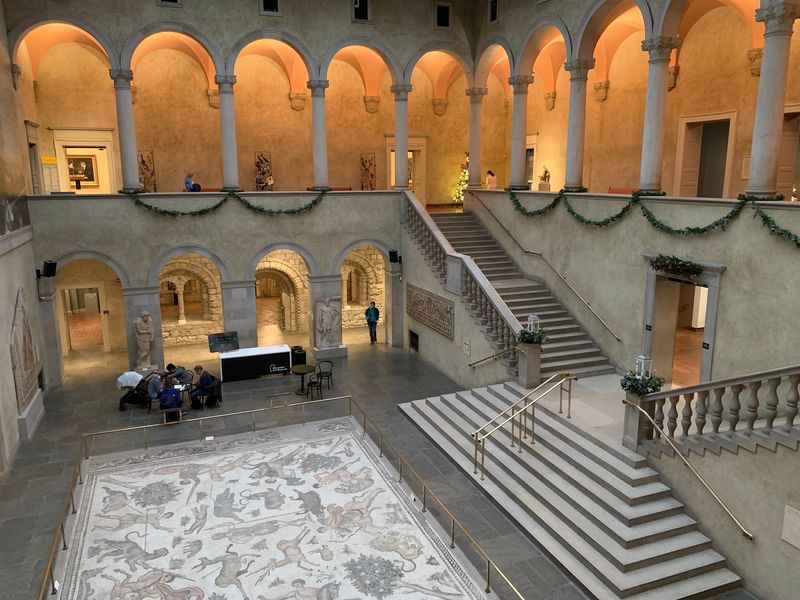
Some museums surprise you not with spectacle, but with confidence and range. The Worcester Art Museum has that kind of effect, offering galleries that feel calm and substantial, with art from ancient cultures, European masters, American painters, and later works that widen the conversation.
Because the museum is not as crowded as larger institutions, you can spend real time with pieces instead of squeezing past other visitors. The armor collection is a standout for many people, and it adds a cinematic note among the paintings, sculpture, and decorative arts.
Worcester itself often gets less attention than Boston, which makes a visit here feel like a smart discovery. You can move at your own pace, notice details, and enjoy a strong collection without city pressure.
For curious travelers, that quieter rhythm can make the art feel more immediate and personal.
Norman Rockwell Museum
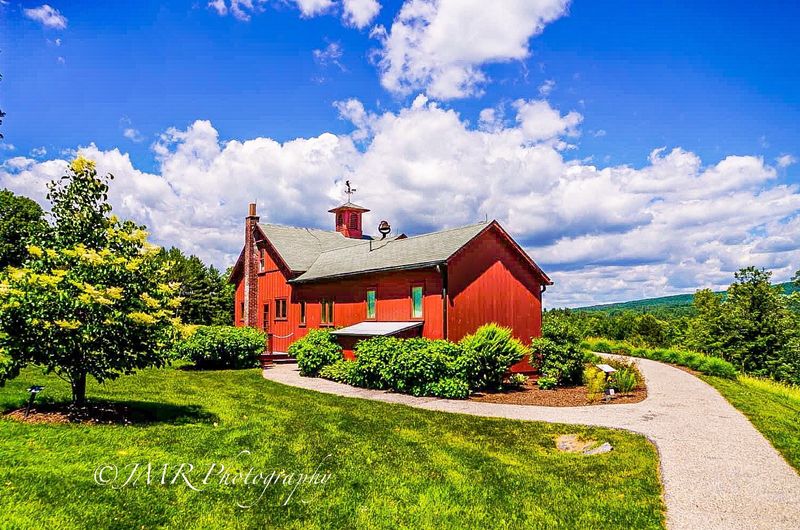
There is something instantly familiar about faces painted by Norman Rockwell, even if you cannot name a single work. At the Norman Rockwell Museum in Stockbridge, those images gain depth, showing not just nostalgia but sharp observation, humor, and a changing picture of American life.
Original paintings and illustrations reveal details that reproductions often flatten. Expressions become clearer, colors feel richer, and scenes you thought you knew begin to look more layered.
The Berkshire setting helps too, giving the museum a gentle backdrop that suits reflection without becoming sleepy.
Visitors often leave thinking about storytelling as much as painting. Rockwell could turn a haircut, a holiday, or a waiting room into something emotionally precise, and that talent still lands well today.
Pair your visit with time in Stockbridge, where the small-town atmosphere echoes parts of the world his art remembers.
Springfield Armory National Historic Site
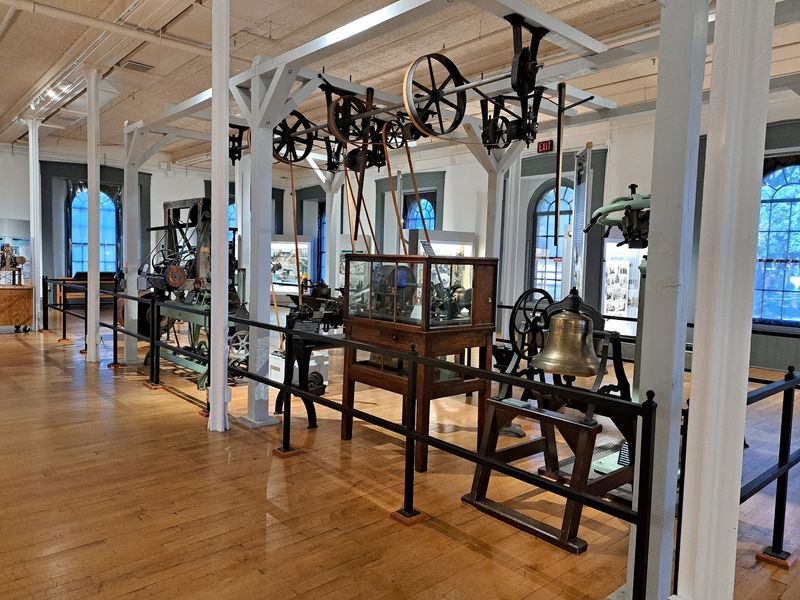
Rows of polished metal and old machinery may sound specialized, yet the bigger story here reaches far beyond weapons. At Springfield Armory National Historic Site, visitors discover how one place influenced American industry, manufacturing methods, and technical innovation in ways that still echo today.
The exhibits explain how firearms were produced, but they also show how standard parts, engineering systems, and skilled labor changed the country. Even travelers who arrive unsure about the subject often leave interested in the factory story, the workers behind it, and the larger national history surrounding the site.
Because it is part of the National Park Service, the museum tends to present the material clearly and accessibly. Give yourself time to read the context, not just scan the objects.
What seems narrow at first opens into a thoughtful look at invention, conflict, labor, and the making of modern America.