Curiosity has a way of turning an ordinary outing into something unforgettable. One moment you are stepping through a museum entrance, and the next you are exploring the inside of a submarine, standing beside legendary automobiles, or uncovering stories that make Michigan feel even more fascinating.
Michigan museums invite visitors to experience history, science, innovation, and nature through exhibits that encourage exploration rather than observation. From interactive displays and historic landmarks to remarkable collections that celebrate the state’s industries and landscapes, these destinations offer something to capture the imagination at every stop.
The most memorable museums leave you asking new questions long after you walk out the door. Whether you’re traveling with family or exploring on your own, these experiences bring Michigan’s past and present to life in meaningful ways.
Discover 12 Michigan museums that transform curiosity into an unforgettable adventure.
Air Zoo Aerospace & Science Museum
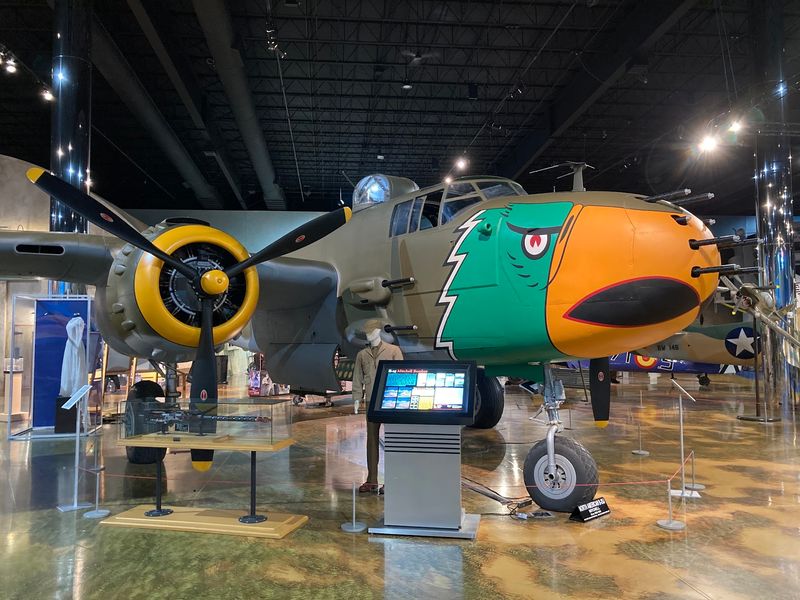
The first thing you notice is the feeling of lift, as if the whole room is ready to take off. Planes hang overhead, lights bounce off polished wings, and kids rush toward simulators with wide eyes.
It feels playful, but there is real history all around you.
Inside the Air Zoo Aerospace & Science Museum in Portage, famous aircraft share space with spacecraft, flight rides, and hands-on exhibits. One minute you are reading about wartime pilots, and the next you are testing how flight works through buttons, screens, and moving displays.
Families can spend hours here without getting bored, which makes it a smart stop on a rainy day. Try the flight simulators early if lines grow later.
Before leaving, check the gift shop for model planes and science kits. They extend the fun once you are back home.
USS Silversides Submarine Museum
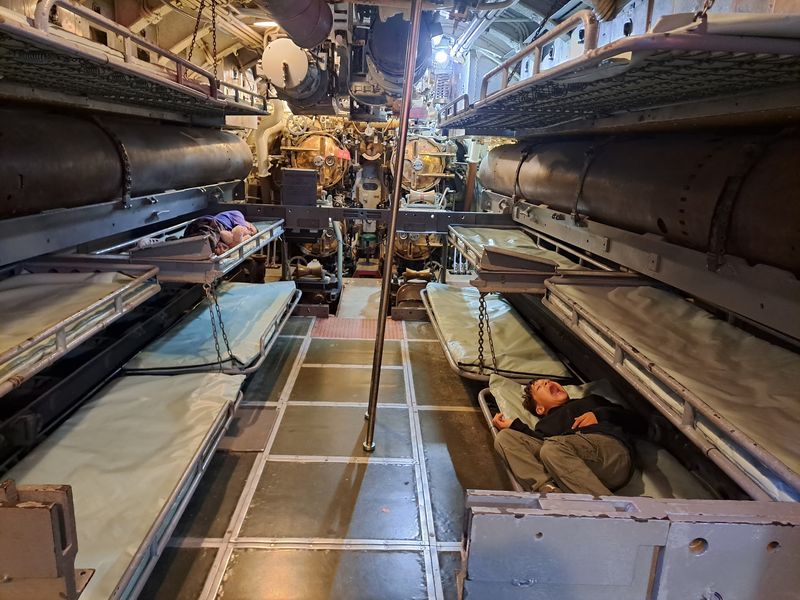
Low ceilings, narrow hallways, and metal everywhere make your senses sharpen fast. A visit here does not feel distant or polished.
It feels close, cramped, and deeply human, which is exactly why the experience stays with you long after you leave.
At the USS Silversides Submarine Museum in Muskegon, visitors can step aboard a real World War II submarine and imagine life below the waterline. Torpedo rooms, bunks, and control spaces show just how tightly sailors lived.
Shore exhibits add maps, uniforms, and stories that fill in the bigger picture.
Kids who like machines usually love the switches and gauges, while adults often pause at the personal details. Wear comfortable shoes and move carefully, because submarine steps and doors can be tight.
Afterward, walk outside and look across the water. Fresh air feels different once you have been inside that steel world.
Museum Ship Valley Camp
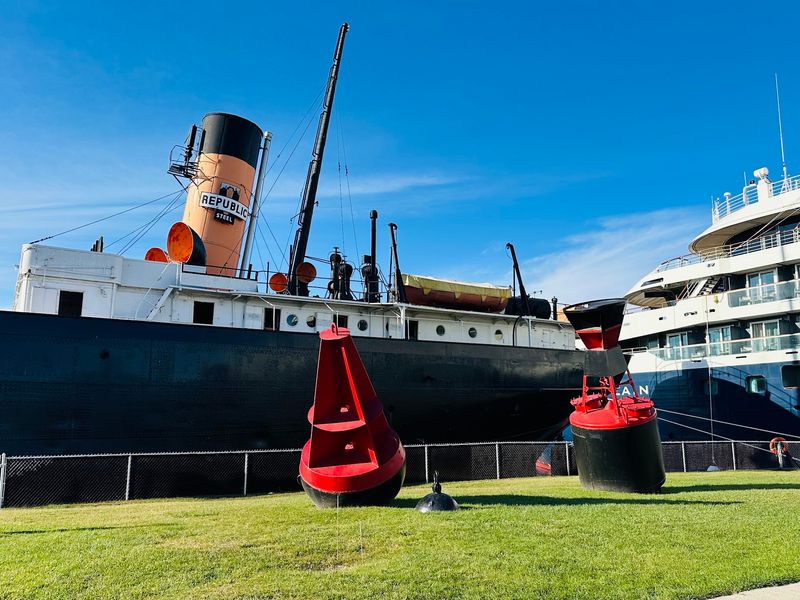
Standing beside a giant freighter can make a person feel very small. Steel walls rise high above the dock, and the ship seems built from hard work, weather, and long miles across cold water.
That sense of scale gives this museum its special power.
At Museum Ship Valley Camp in Sault Ste. Marie, visitors board a retired Great Lakes freighter packed with maritime exhibits.
Cabins, cargo spaces, and shipboard displays help explain what lake shipping demanded. The exhibits on storms and underwater life add another layer, showing how the lakes can be both useful and dangerous.
Because you are moving through the ship itself, learning feels active instead of still. Bring a camera for the deck views, especially if boats are passing nearby.
Nearby waterfront walks make a nice follow-up, and watching freighters in motion helps everything inside the museum make even more sense afterward.
Michigan Maritime Museum
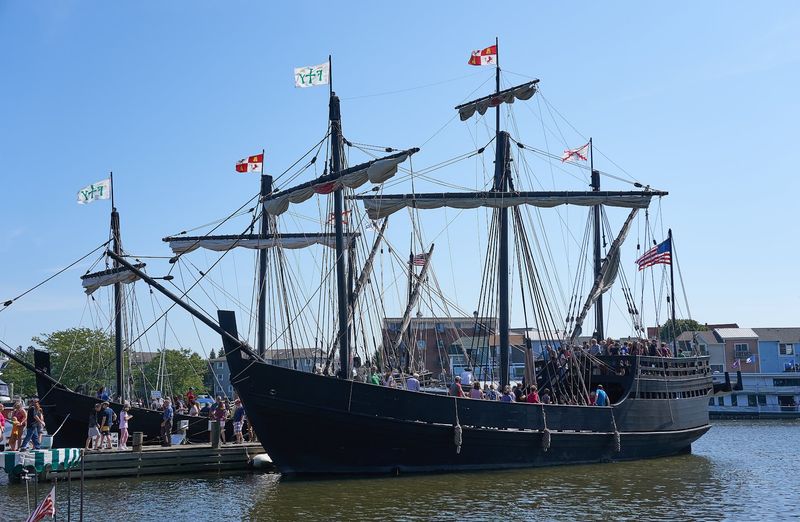
Lake air has a way of slowing people down just enough to notice things. Ropes creak, masts shift, and sunlight dances on the harbor.
Before you even step inside, the setting hints that this museum will connect history with the living water beside it.
The Michigan Maritime Museum in South Haven focuses on Great Lakes boats, trade, and shoreline life. Historic vessels and waterfront exhibits explain how Michigan grew around the water.
If you can join one of the boating experiences, the stories become easier to picture because the harbor stops being background and becomes part of the lesson.
This stop works well for travelers who want both indoor exhibits and time outside. Nearby shops and an ice cream break fit naturally into the day.
Give yourself extra time to stroll the docks after your visit. Watching sails and waves brings the museum’s stories together in a simple, memorable way.
Arab American National Museum
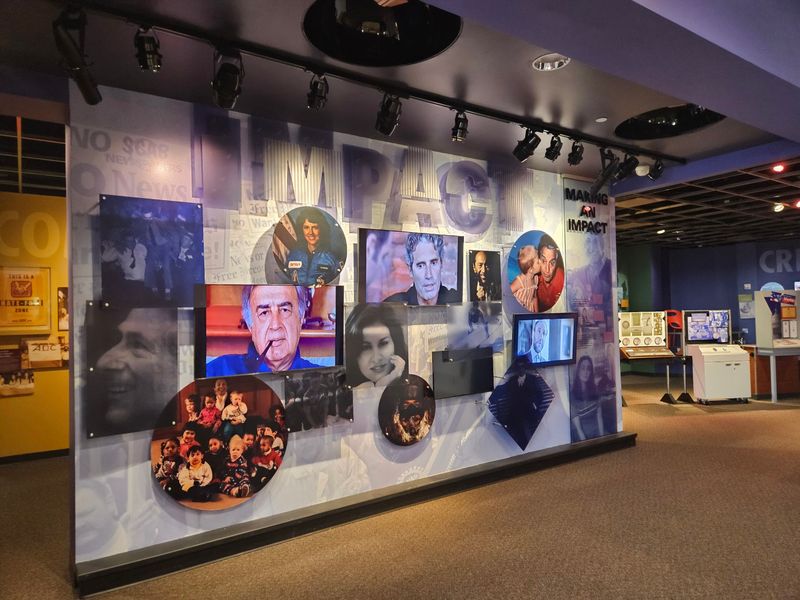
Some museums teach through giant machines, but others open doors through voices, photos, and memory. Here, the strongest moments often come quietly.
A recipe, a family picture, or a recorded story can suddenly make a whole community feel closer and easier to understand.
The Arab American National Museum in Dearborn explores history, identity, art, and everyday life. Exhibits show how Arab American families shaped neighborhoods, businesses, music, and public life across the country.
Personal objects and creative displays keep the experience warm instead of formal, which helps younger visitors stay engaged.
Dearborn is also a great place to continue the experience outside the museum. Try fresh baked bread, shawarma, or knafeh from a nearby restaurant after your visit.
That mix of food, culture, and storytelling makes the day feel complete. You leave with more than facts.
You leave with context and connection.
American Museum of Magic
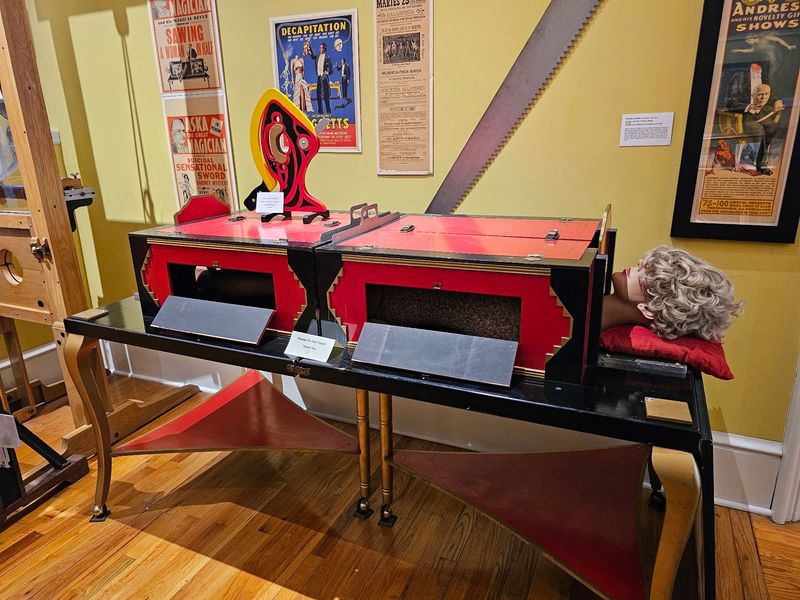
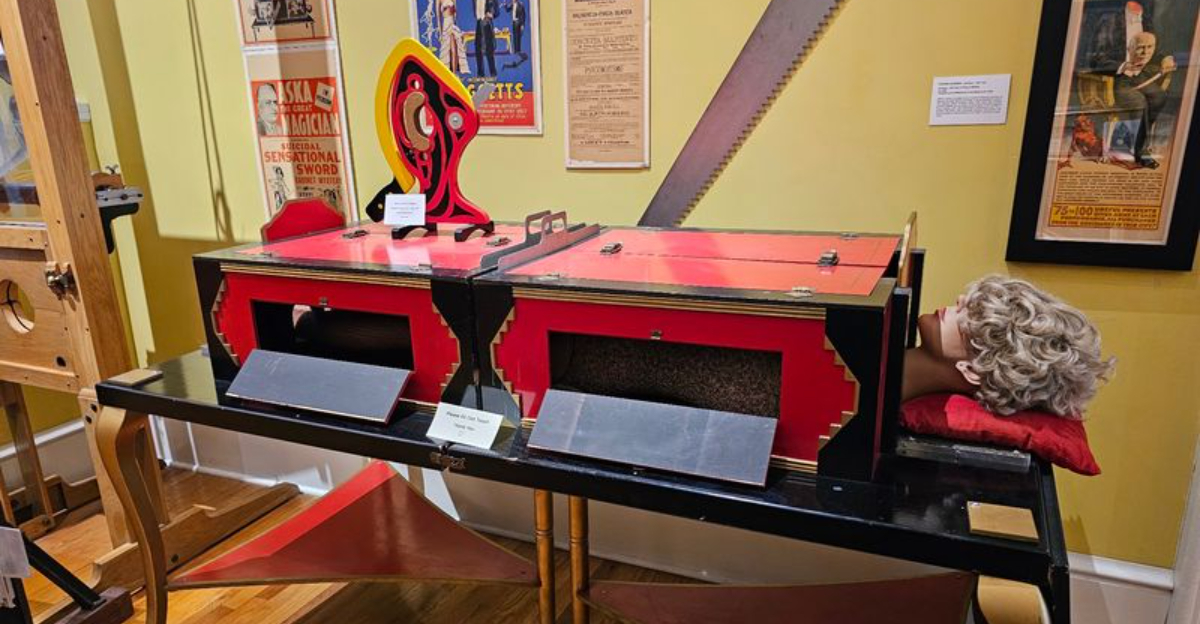
Red curtains, old posters, and mysterious props can make a room feel like a secret backstage world. Even before you read a label, you start wondering how many hidden doors magic once opened for performers and audiences alike.
Curiosity arrives almost immediately here.
The American Museum of Magic in Marshall collects illusions, costumes, photographs, and tools once used by famous magicians. Display cases show how stage magic mixed showmanship with careful craft.
You may find yourself studying trap devices and painted boxes, trying to guess how people were fooled without losing the wonder.
Because the museum is unusual, it stands out from more familiar history stops. Go slowly, since the small details often end up being the most fun.
Marshall’s charming downtown fits the mood nicely, especially if you grab a coffee afterward. The whole visit feels slightly old-fashioned, quirky, and pleasantly surprising in the best way.
Gilmore Car Museum
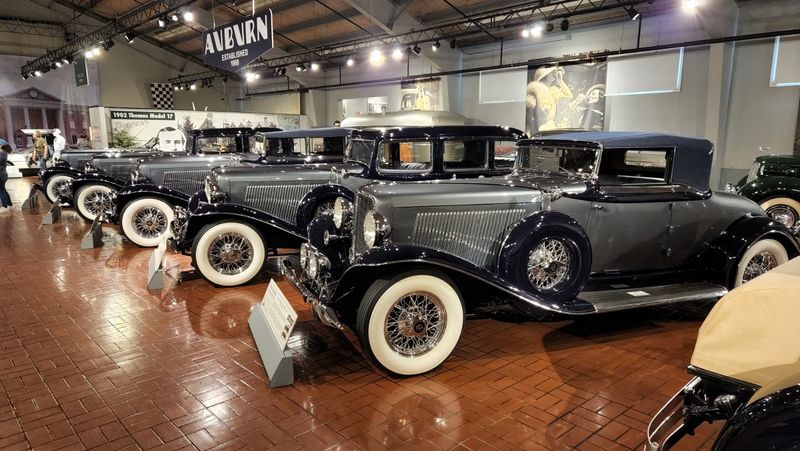
Chrome, tailfins, and polished hoods catch the light in a way that almost feels musical. Even people who do not call themselves car fans often stop and stare.
There is something about seeing row after row of vehicles that turns transportation into design and memory.
The Gilmore Car Museum in Hickory Corners spreads across a large campus, so it feels more like a village of automotive stories than one single building. Classic cars, restored showrooms, and themed collections trace changes in style, speed, and everyday American life.
Some visitors come for rare models, while others enjoy old signs, diner details, and period rooms.
Wear comfortable shoes because there is a lot to cover. If you like taking photos, the colorful cars and open grounds give you plenty to work with.
Many guests end up staying longer than planned, which says a lot. The museum gives history wheels, personality, and a surprising amount of charm.
Michigan Iron Industry Museum
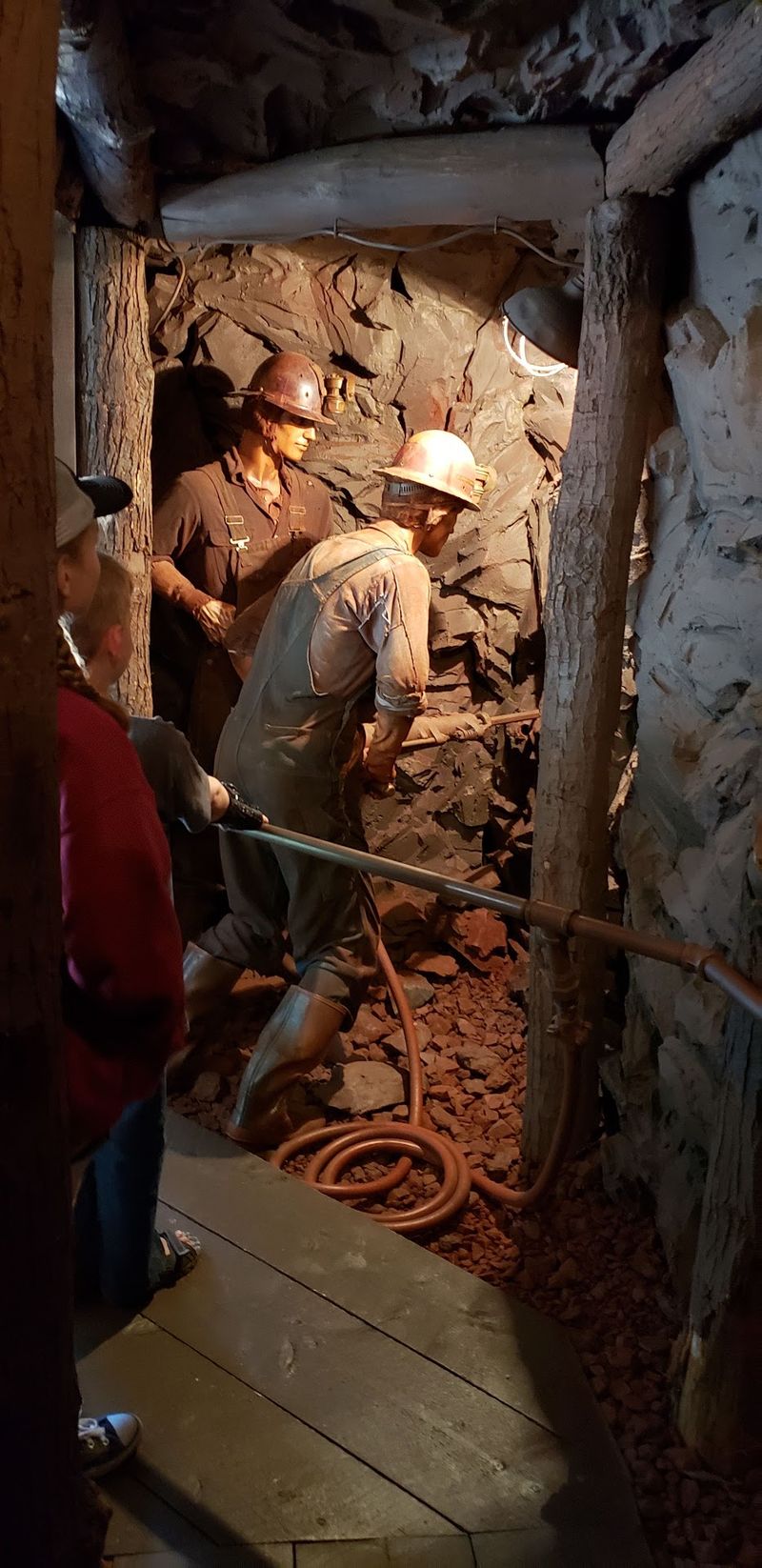
Not every dramatic story happens on a stage or in the sky. Some begin underground, in dust, rock, and hard labor.
That makes this museum especially interesting, because it reveals the hidden work that helped shape towns, jobs, rail lines, and entire communities.
The Michigan Iron Industry Museum in Negaunee explains how iron mining transformed the Upper Peninsula. Exhibits connect geology, technology, and workers’ lives in ways that are easy to follow.
Large maps, tools, and historic photographs help visitors picture what the region looked like when mining drove daily life.
The surrounding landscape adds meaning to what you see inside. Hills, pits, and wide northern views remind you that this history came directly from the ground beneath your feet.
Pair your visit with a scenic drive through Marquette County if you have time. The museum helps the land tell its own story, and that makes it memorable.
Hartwick Pines Logging Museum
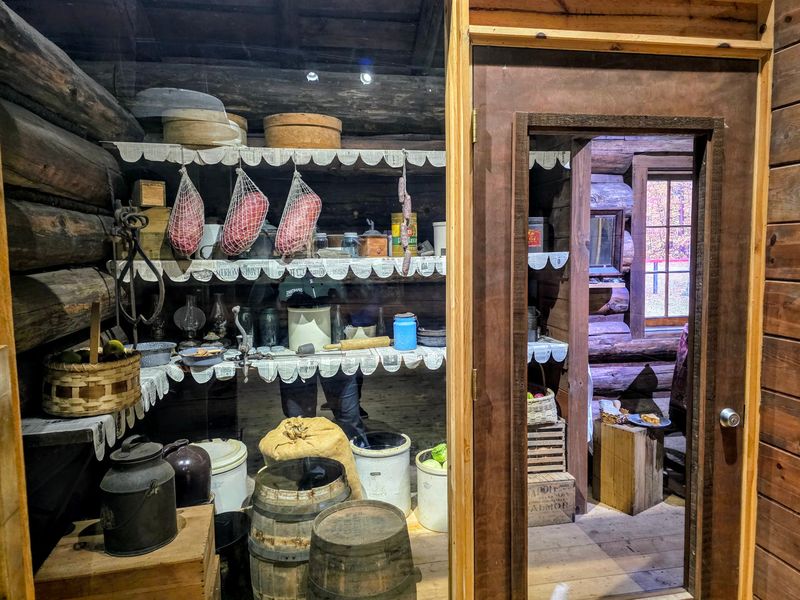
The smell of pine and the quiet of the woods create a strong first impression here. Instead of city noise, you hear wind in the trees and footsteps on the path.
It is a fitting beginning for a place built around Michigan’s logging past.
At the Hartwick Pines Logging Museum near Grayling, old equipment, camp buildings, and exhibits show how lumberjacks worked during the state’s timber boom. The museum does more than list facts.
It helps you imagine cold mornings, heavy tools, and the tough rhythm of forest labor. Nearby trails and towering pines make those stories feel even more real.
This is a smart stop for families who want a mix of outdoor time and history. Pack water and allow time to walk after visiting the exhibits.
If you can, linger in the old growth forest section. Seeing giant trees after learning what was lost gives the museum added weight and meaning.
Civilian Conservation Corps Museum
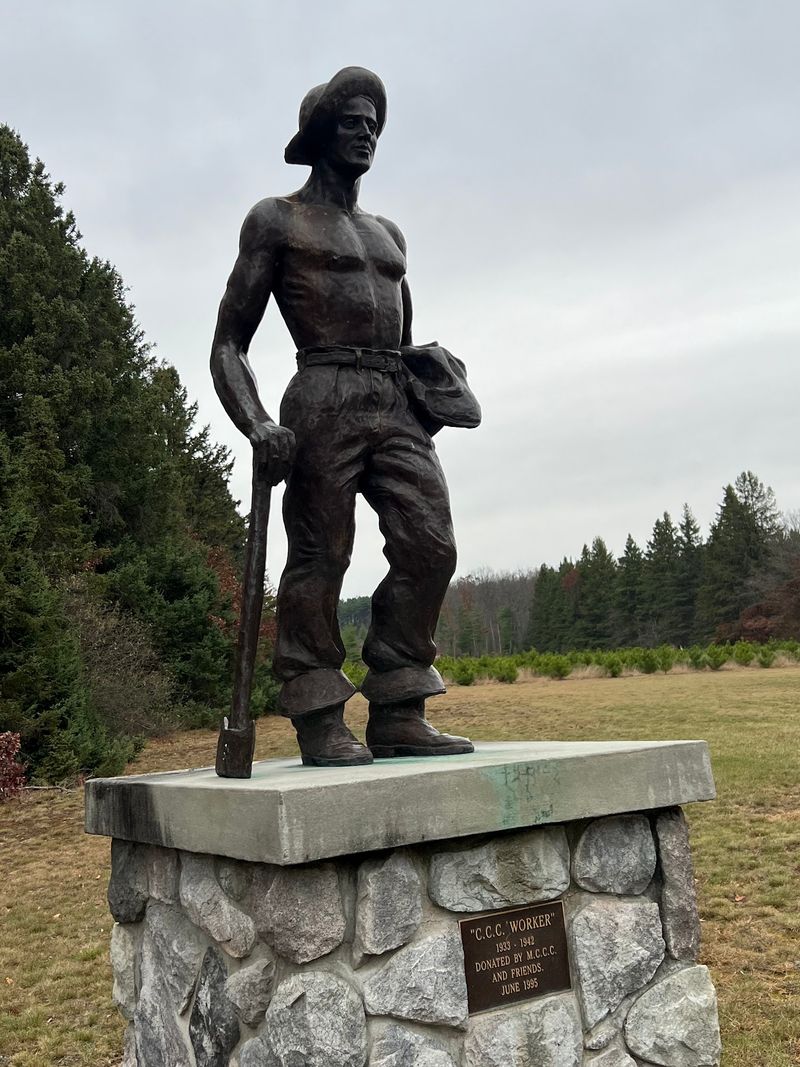
There is something moving about ordinary people doing lasting work with simple tools. That idea is at the heart of this museum, where the story is not about celebrity or wealth.
It is about young workers who helped build parks, trails, and public places many people still use.
The Civilian Conservation Corps Museum in Roscommon tells the story of the CCC during the Great Depression. Photos, artifacts, and camp details show how enrollees lived and worked while improving forests and recreation areas.
Because many visitors know these places today, the exhibits make the past feel surprisingly close.
Higgins Lake nearby adds to the experience, especially if you spend time outdoors after your visit. You start connecting the museum’s lessons to the landscape around you.
It is a thoughtful stop, not a flashy one. Still, the message sticks: small acts of service, repeated every day, can leave a mark for generations.
Top of the Lake Snowmobile Museum

A line of vintage snowmobiles has its own kind of charm, especially when the colors are bright and the shapes look wonderfully strange. What begins as a quick stop can turn into a longer visit once you realize how much personality these machines actually carry.
The Top of the Lake Snowmobile Museum in Naubinway celebrates winter travel across the Upper Peninsula with a huge collection of sleds, gear, and memorabilia. Old models show how design changed over time, from practical machines to sleeker recreational rides.
Even people who have never driven one can enjoy the strong sense of local life and snow season culture.
This museum works best when you lean into its quirky spirit. Take your time with the older models and look for unusual details in the seats, handlebars, and decals.
On a road trip across US-2, it makes an unexpectedly fun memory. Few places explain northern Michigan winters with such cheerful character.
Michigan’s Military & Space Heroes Museum
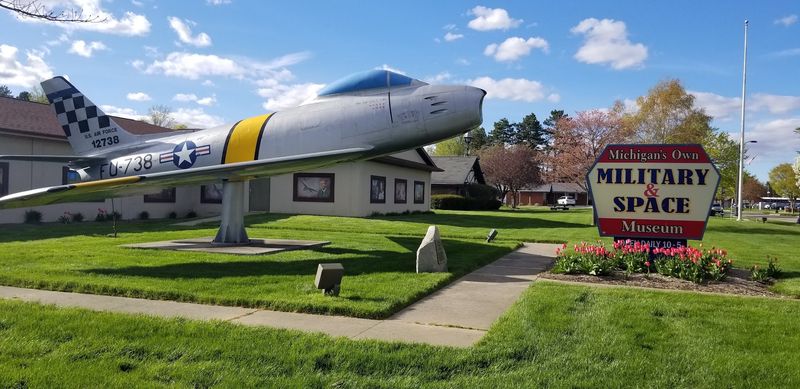
Some history hits hardest when it is told through one person’s life. A uniform, a letter, or a medal can carry more feeling than a whole timeline.
That is the strength of this museum, where big events are explained through individual courage and service.
Michigan’s Military & Space Heroes Museum in Frankenmuth honors people from Michigan who served in the armed forces and space programs. Exhibits focus on personal stories, which helps visitors connect with moments that might otherwise feel far away.
Artifacts, photos, and careful tributes create a respectful tone without making the experience feel cold or distant.
Because Frankenmuth is known for its festive streets and family restaurants, this museum adds a thoughtful balance to a day in town. It brings reflection into a lively setting.
Take time to read the names and background notes carefully. The museum reminds visitors that history is not only about events.
It is about people.