The best weekend discoveries are often the ones you never planned to find. A quiet gallery, a surprising collection, or a museum tucked into an unexpected corner can completely change the way you experience a place.
New York museums offer far more than famous exhibits and crowded attractions. Across the state, visitors can uncover fascinating stories through art, science, history, transportation, and local culture.
Some museums invite hands-on exploration, while others reveal hidden pieces of the communities around them.
A weekend spent exploring these places becomes less about checking off stops and more about collecting memorable moments along the way. From unique collections to immersive experiences, these destinations make every visit feel worthwhile.
Discover 12 museums in New York that turned an ordinary weekend into an adventure filled with curiosity, discovery, and unexpected highlights.
Corning Museum of Glass
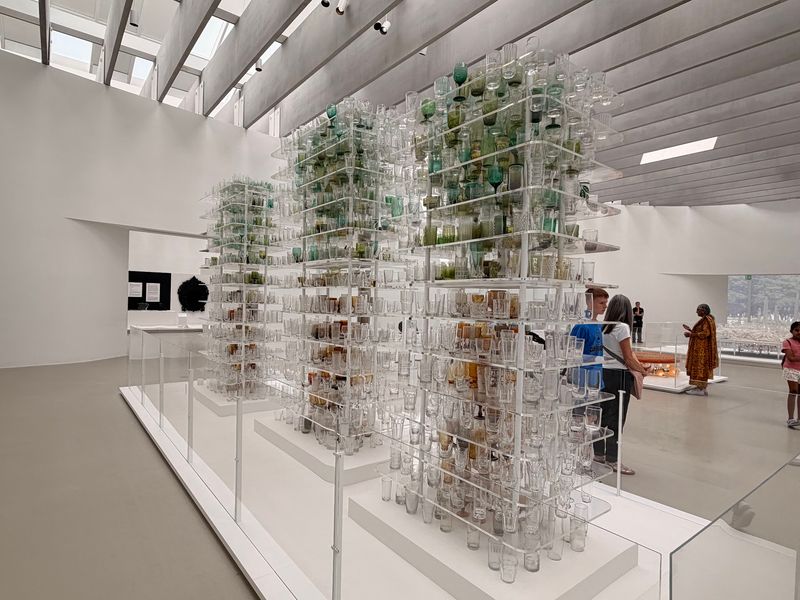
Heat, color, and the soft roar of furnaces hit us before we even saw the galleries. Instead of feeling quiet and distant, the whole place buzzed with motion, like art was still being invented right in front of us.
That first energy set the tone for the rest of our afternoon.
Later, inside the Corning Museum of Glass in Corning, we watched a live glassblowing demo where a glowing blob slowly turned into a vase. The rooms full of ancient pieces, stained glass, and wild modern designs made it easy to move from history to pure surprise.
Even the gift shop felt hard to leave.
If you go, give yourself extra time for the hands-on activities and nearby Market Street. We liked pairing the visit with coffee and a slow walk downtown, which made the weekend feel fuller without being rushed at all.
Strong National Museum of Play
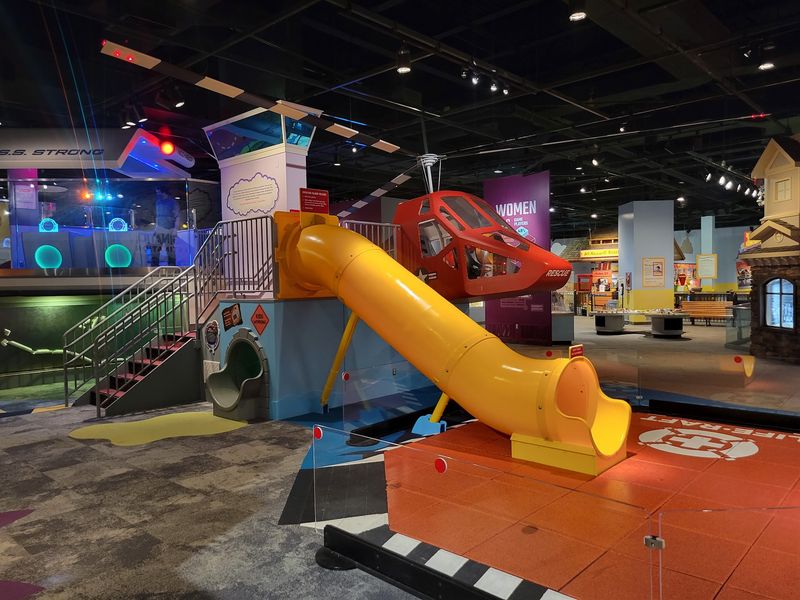
Laughter bounced through the halls, and suddenly every grown-up around us looked ten years younger. Bright colors, old toys, and the sound of arcade games created that strange happy feeling where memories come back fast.
It felt less like a museum visit and more like walking into a giant shared childhood.
At the Strong National Museum of Play in Rochester, one room pulled us toward classic video games while another brought out dollhouses, board games, and the National Toy Hall of Fame. Kids had huge spaces to climb and explore, but adults were just as hooked.
We saw parents racing to show their children what they used to play.
Plan for more time than you think you need, because the place is huge. A break for lunch nearby helps, and so does comfortable shoes.
By the end, our whole weekend felt lighter, funnier, and surprisingly full of real joy and nostalgia.
National Baseball Hall of Fame and Museum
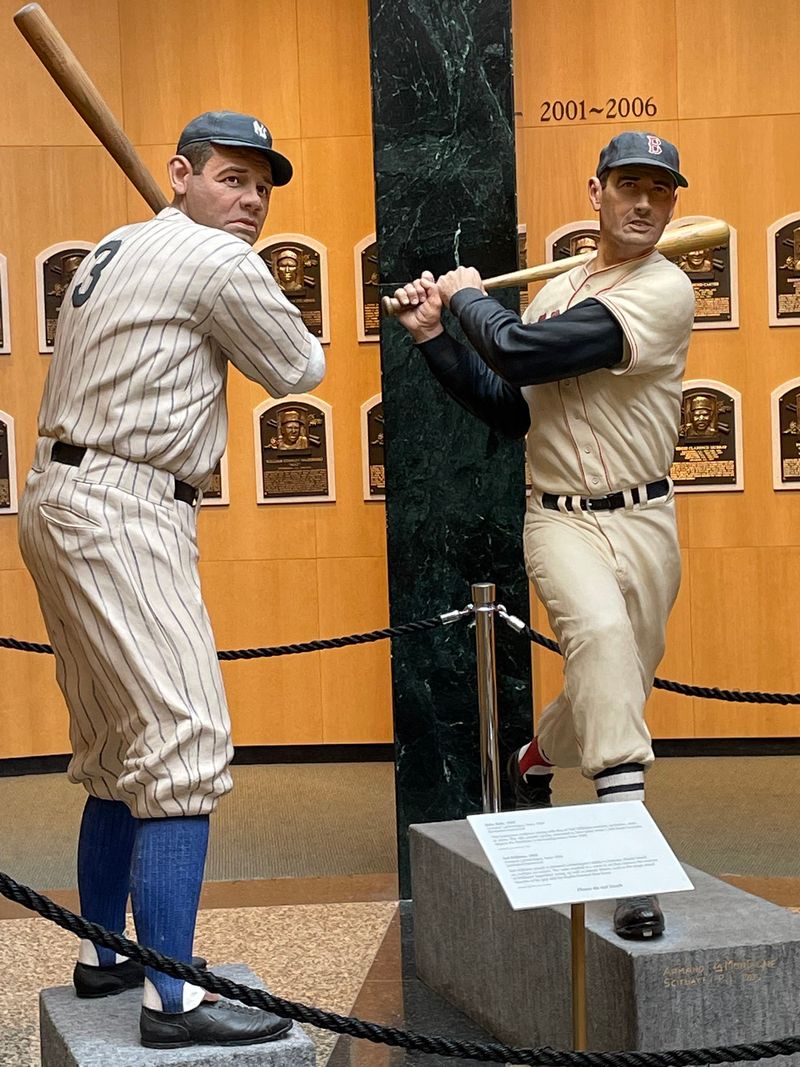
You do not need to love baseball to feel something here. The rooms carry a mix of pride, memory, and old summer energy, like the sound of a game drifting over a neighborhood field.
Even people who came along for the ride ended up slowing down and reading every label.
Inside the National Baseball Hall of Fame and Museum in Cooperstown, we saw famous jerseys, dusty scorecards, and stories that made big sports moments feel personal. One favorite section showed how the game changed across different eras, from old ballparks to modern stars.
Outside, Main Street added ice cream shops and a classic village backdrop.
Try pairing your visit with a walk by Otsego Lake or a relaxed dinner in town. The museum gives the weekend a strong centerpiece, but Cooperstown itself keeps the mood going.
Everything together makes the trip feel easy, memorable, and warmly American.
Museum of the Moving Image
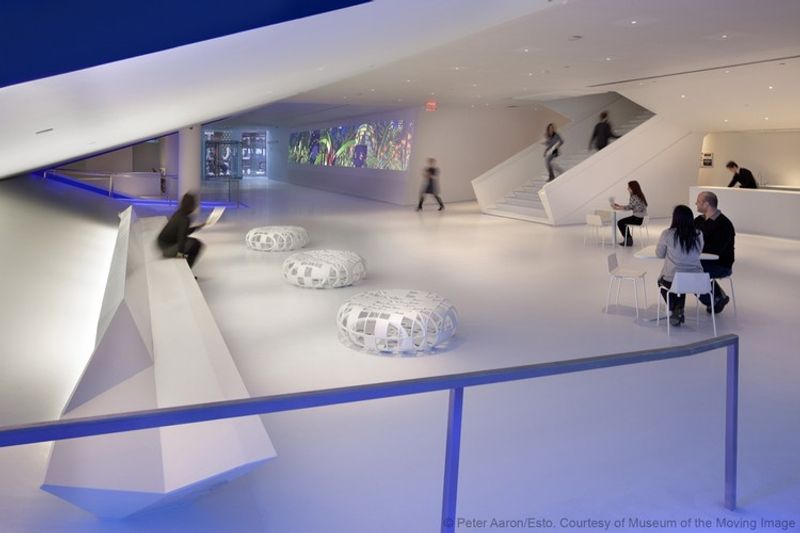
Flashing screens, old cameras, and familiar movie voices made the building feel alive from the start. There was always something blinking, spinning, or playing nearby, so the visit never sank into that slow museum pace.
It felt curious, clever, and a little playful in the best way.
At the Museum of the Moving Image in Astoria, we moved from early film history to television costumes and behind-the-scenes effects. Seeing how editing, sound, and animation work gave us a fresh respect for things we usually watch without thinking.
A few famous props added just enough pop culture fun to keep everyone engaged.
Astoria makes a great match for this stop, especially if you grab Greek food afterward or wander neighborhood streets. The museum works well for movie fans, but it is also great for people who simply like stories and technology.
We left noticing screens differently all weekend.
Storm King Art Center
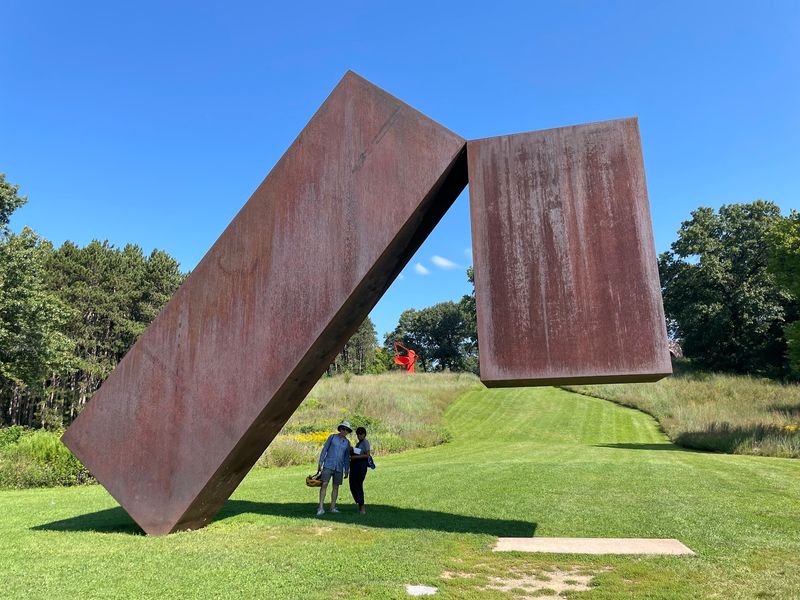
Wind moved through the grass, and a giant sculpture appeared over the next hill like something from a dream. The open space changed the way we looked at art because nothing was crowded, boxed in, or rushed.
Each turn felt quiet and huge at the same time.
Storm King Art Center in New Windsor spreads across rolling land, so the walk between artworks becomes part of the experience. We loved seeing massive steel pieces against trees and sky, then stopping for photos that never quite captured the scale.
Renting bikes can help if you want to cover more ground.
Bring water, check the weather, and wear shoes that can handle a long stroll. This is a place where picnic energy and serious art somehow fit together naturally.
After a few hours outside, our weekend felt reset, calmer, and more open than it had before the drive there.
Dia Beacon
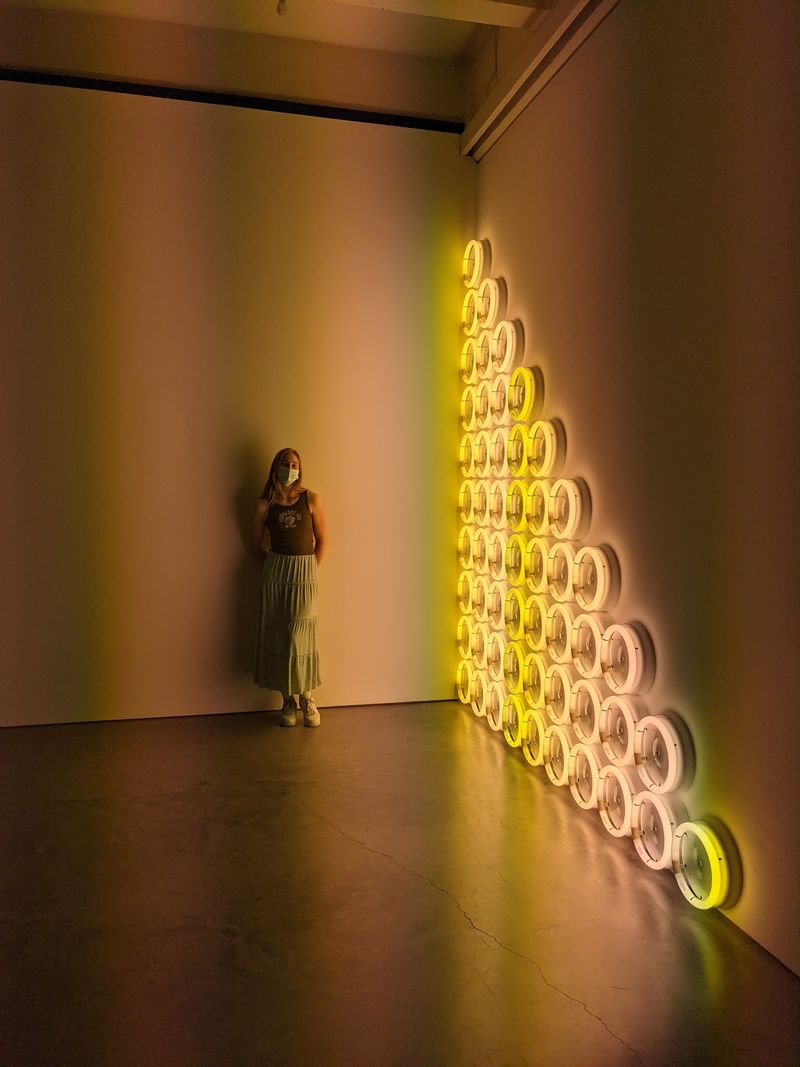
Sunlight poured across huge floors, and the silence felt almost dramatic. Nothing about the place asked for quick reactions, which made us slow down and pay attention in a different way.
Some rooms were strange at first, then unexpectedly moving after a few quiet minutes.
Dia Beacon, set inside a former factory in Beacon, gives contemporary art plenty of breathing room. We saw massive installations, long lines of light, and paintings that changed as clouds shifted outside the windows.
The building itself does half the storytelling, with tall industrial spaces that make each artwork feel deliberate and strong.
Beacon adds another layer to the trip, especially if you walk Main Street for coffee, bookstores, or a relaxed meal after the museum. This stop worked best when we stopped trying to understand everything immediately.
By the end, the weekend felt a little more thoughtful and a lot more memorable.
The Wild Center
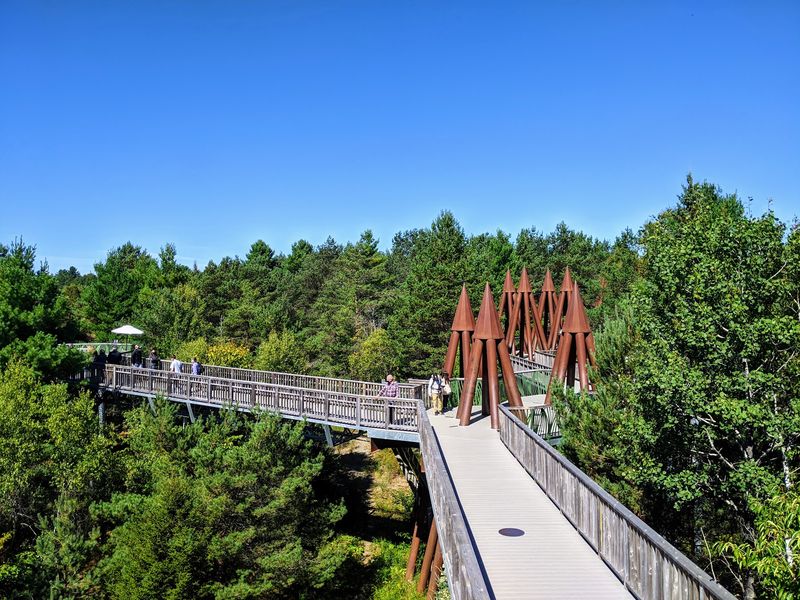
Fresh mountain air changed the mood before we even reached the entrance. Birds, trees, and the feeling of being far from busy streets made this stop feel part museum, part outdoor escape.
It was the kind of place where learning happened without much effort.
At The Wild Center in Tupper Lake, interactive exhibits introduced Adirondack wildlife, regional ecology, and the changing seasons. Then the trails and elevated walkways outside pulled us into the landscape itself.
Watching kids move from indoor displays to real forest views made the whole experience feel connected and alive.
This stop works especially well if your weekend already includes hiking, paddling, or a cabin stay. Bring layers, because weather can shift quickly in the Adirondacks.
What stayed with us most was how gently the museum links science with place, making the surrounding woods feel richer long after the visit ends.
Buffalo Museum of Science
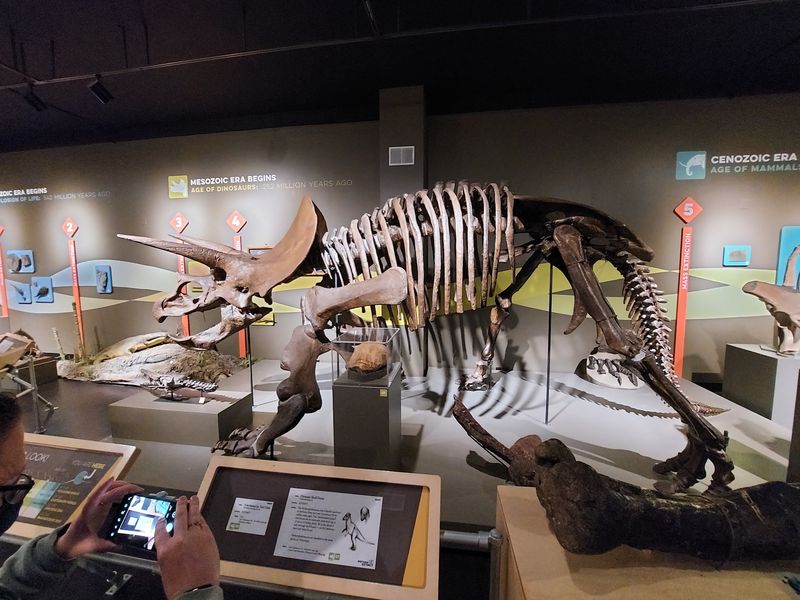
Rainy weather can ruin weekend plans, but this place turned a gray day into one of our favorite stops. Big skeletons, colorful displays, and plenty to look at made the hours pass quickly.
There was always another room waiting with a different kind of surprise.
Inside the Buffalo Museum of Science, we moved from dinosaurs to regional geology, animal exhibits, and hands-on science displays. The mix kept the visit lively because every gallery offered a new mood.
One moment felt ancient and dramatic, while the next felt local and grounded in Western New York history.
It is easy to pair the museum with other Buffalo favorites, like wings, nearby parks, or striking architecture around the city. Families, school-age kids, and curious adults all have enough to enjoy here.
For our weekend, it worked like an anchor, giving the trip structure without making anything feel overly planned.
Olana State Historic Site
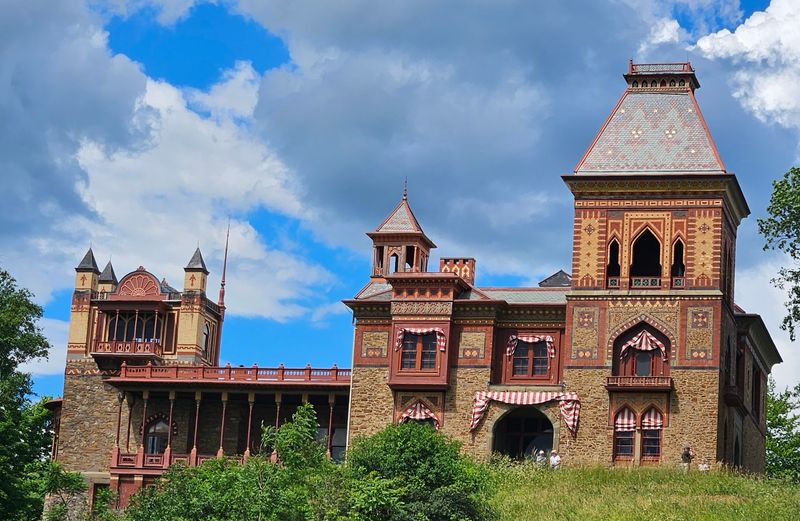
Few places make you stop talking as quickly as a wide valley view. From the first look across the hills, it was clear that the landscape mattered just as much as the house itself.
The setting felt painterly before we even learned whose home it was.
Olana State Historic Site in Hudson was the home of artist Frederic Church, and that creative eye still shapes the whole visit. Inside, rooms hold rich colors, collected objects, and details that feel personal rather than stiff.
Outside, paths and overlooks give you the kind of Hudson Valley scenery that can easily stretch a quick stop into hours.
Try visiting when the light is changing later in the day, because the views become especially memorable then. Hudson also has good food and appealing shops, which makes the museum easy to build a weekend around.
We left feeling both rested and newly alert to landscape.
The National Museum of Racing and Hall of Fame
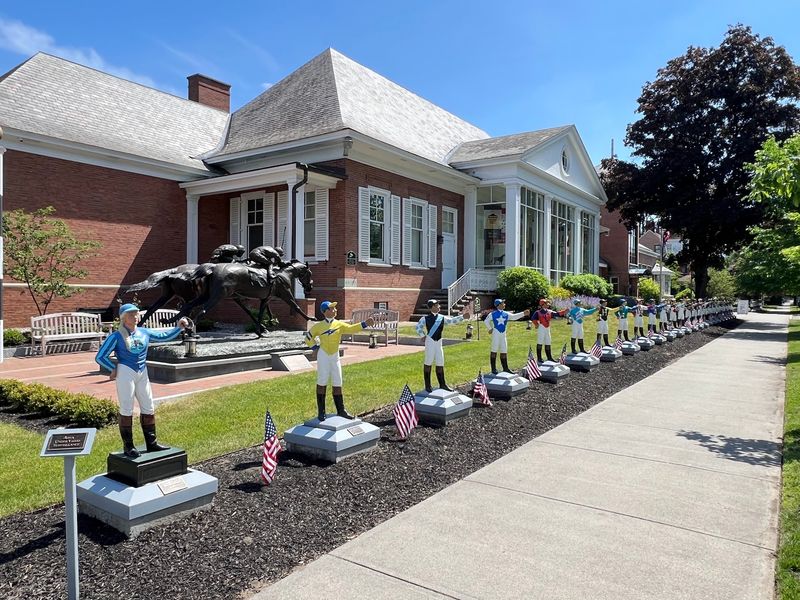
Shiny trophies and the image of powerful horses gave the rooms a sense of motion, even when everything stood still. There was glamour here, but also plenty of human effort behind the polished surfaces.
That balance made the visit feel richer than we expected.
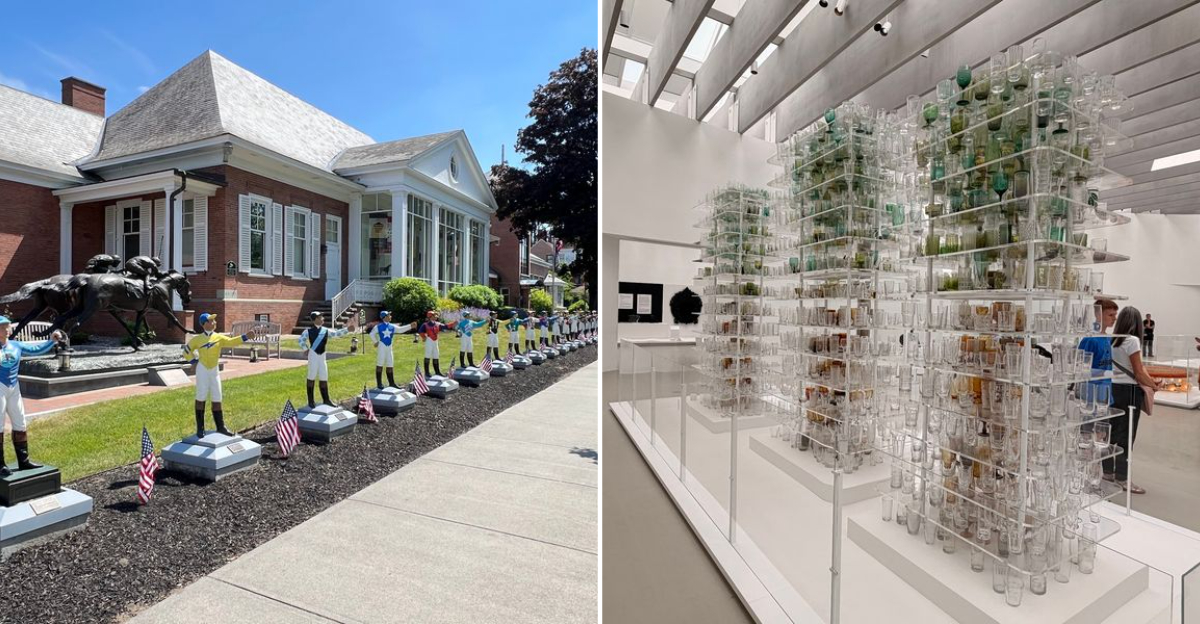
At the National Museum of Racing and Hall of Fame in Saratoga Springs, we found artwork, historic silks, famous names, and exhibits explaining how the sport developed over time. Even for visitors who do not follow racing closely, the stories are easy to connect with.
They are really about competition, tradition, and the bond between people and animals.
Because the museum sits near the racetrack area, it fits naturally into a Saratoga weekend. Add a walk through town, mineral springs, or a nice dinner, and the day fills out well.
We came away with a sharper sense of the city’s personality and history.
Adirondack Experience, The Museum on Blue Mountain Lake
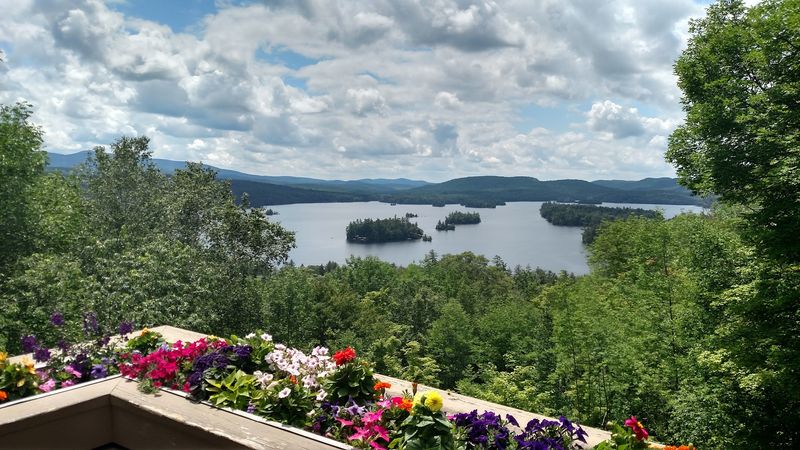
Misty mountain air and the sight of water through the trees gave this place a storybook feeling. The campus spreads out enough that every short walk reveals something new, from rustic buildings to wide views.
It felt like regional history with room to breathe.
Adirondack Experience, The Museum on Blue Mountain Lake, explores work, recreation, wilderness, and daily life in this part of New York. We liked how boats, cabins, and handmade objects helped explain the region without making it feel like a school lesson.
The grounds themselves do a lot of the teaching.
Because the setting is so beautiful, this museum works best when you do not rush. Pack a camera, allow time for overlooks, and pair the visit with a drive around the lake or a meal nearby.
More than any display case, the place helped us understand why people fall hard for the Adirondacks.
Museum of the City of New York
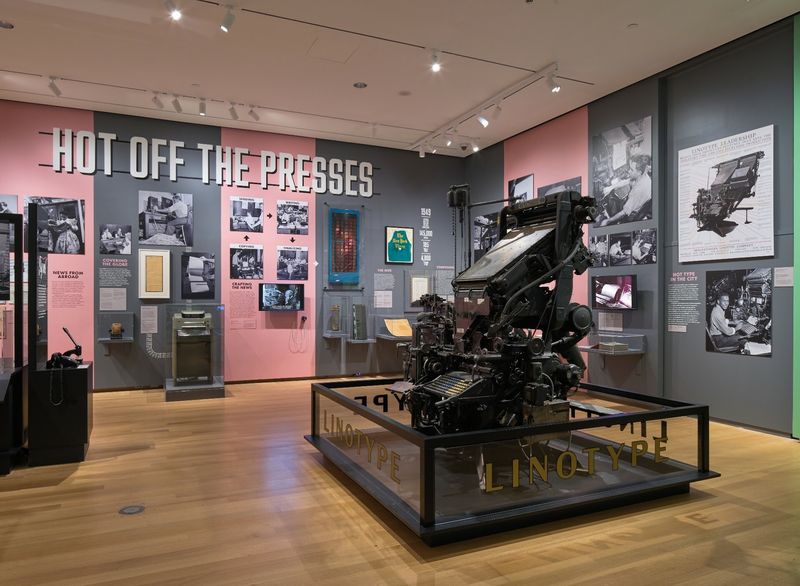
Big cities can blur together when you move too fast, and New York is especially good at overwhelming the senses. This museum helped slow the city down into stories, neighborhoods, and changes people could actually follow.
Suddenly the streets outside felt easier to read.
Inside the Museum of the City of New York on Fifth Avenue, exhibits trace the people, movements, and everyday shifts that shaped the city over time. We spent extra minutes with old photos, design pieces, and displays about culture and identity.
Afterward, even a simple walk nearby felt layered with more meaning.
Because it sits along Museum Mile near Central Park, the stop is easy to combine with other plans. Grab a snack, walk north or south, and let the museum color what you see next.
For repeat visitors especially, it offers a fresh angle on a city that rarely stops changing.