

Growing up, my grandmother had a tradition of dragging me across New York City to places I thought were totally boring.
I’d roll my eyes at every museum, every bridge, every crowded street corner she insisted we visit.
But now, years later, I find myself thinking about each of those spots with a completely different set of eyes.
Here’s a look back at the 11 places she took me — and why I finally get it.
Central Park
When I was little, Central Park meant one thing: grass. Lots and lots of grass, with the occasional ice cream cart to make it bearable.
My grandmother would walk slowly, pointing at the landscaping and whispering things like, “Frederick Law Olmsted designed every inch of this.” I had no idea who that was.
Now I understand that Central Park is one of the most brilliantly designed public spaces in the world. Covering 843 acres in the middle of Manhattan, it was built to give city residents a genuine escape from urban noise and concrete.
Hidden pathways, stone bridges, and meadows were all placed intentionally to create a sense of natural calm.
The carousel, the boathouse, the Bethesda Fountain — these aren’t just attractions. They’re chapters of New York history.
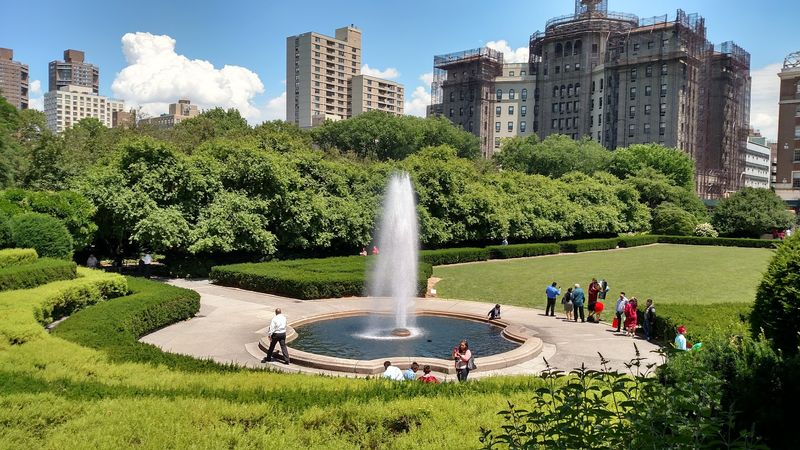
Grandma used to pack sandwiches and find a quiet bench near the Conservatory Garden. I thought it was dull.
Today, I’d give anything to sit on that bench with her again, finally appreciating the masterpiece she was showing me all along.
The Metropolitan Museum of Art
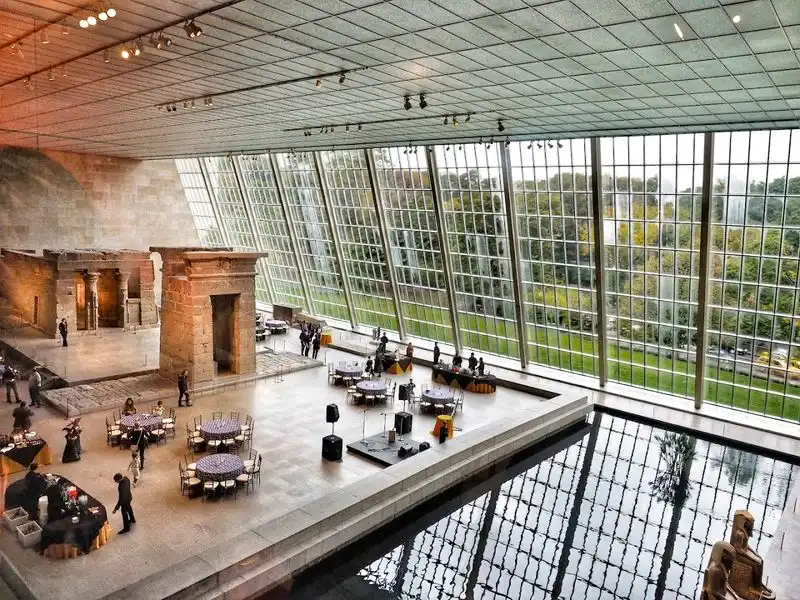
Honestly? I used to count ceiling tiles at the Met.
My grandmother would stand in front of a painting for what felt like forty-five minutes, and I’d tug at her sleeve wondering when we could leave. The armor collection was cool for about ten seconds, then I was done.
The Met holds over two million works spanning five thousand years of human history. That number didn’t mean anything to me as a kid.
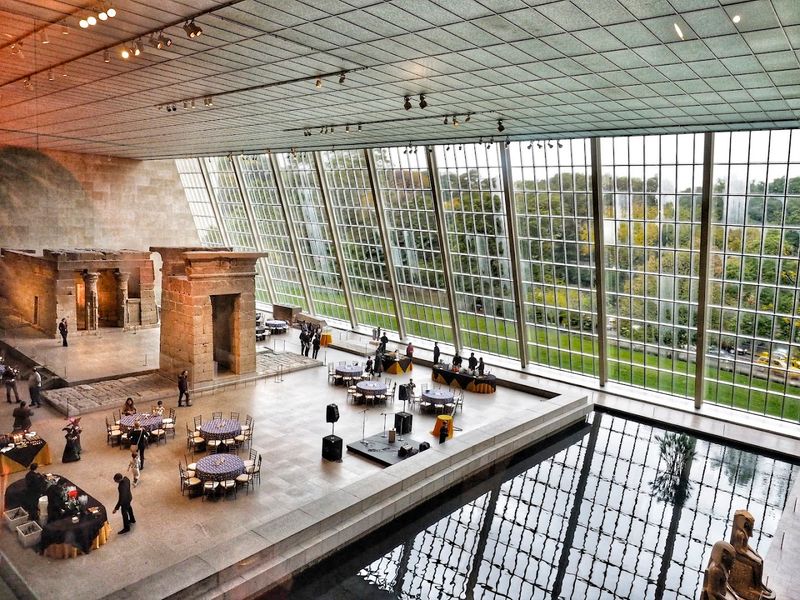
But now I realize what Grandma was doing — she was handing me the entire story of humanity, one gallery at a time. Ancient Egyptian temples, Renaissance masterpieces, Japanese samurai gear: it’s all under one roof.
What strikes me most now is how she connected the art to real life. She’d point to a Greek vase and say, “People your age made mistakes back then too.” It felt like a lecture.
It was actually wisdom. The Met isn’t just a museum — it’s a mirror.
Grandma saw that clearly. I just needed a few more years to catch up with her perspective and finally see what she saw.
The High Line
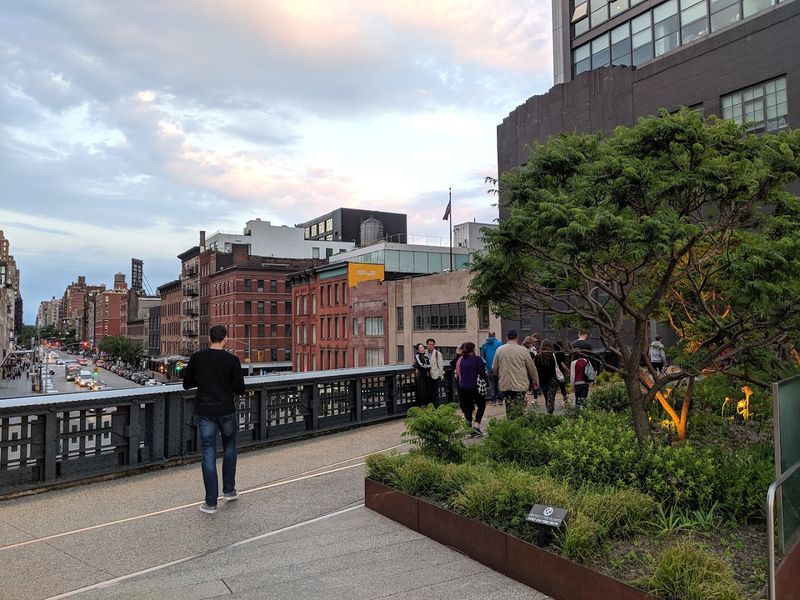
“We’re walking on train tracks,” I told my grandmother the first time she brought me to the High Line. She laughed and said, “Exactly.” I didn’t find that nearly as exciting as she did.
It was just a long walkway with some plants, as far as I was concerned.
The High Line was built on a section of the old New York Central Railroad, which ran freight trains through Manhattan’s West Side until 1980. When the city was about to tear it down, a group of residents fought to transform it into a public park.
The result is one of the most creative urban spaces anywhere in the world.
Walking it now, I notice things I completely ignored as a kid — the wildflower plantings that change with the seasons, the art installations tucked between benches, the framed views of the Hudson River. Grandma had an eye for places that told a story, and the High Line tells a great one.
It’s proof that cities can reinvent themselves beautifully. I just wish I’d paid more attention when she first showed me the view from up there.
Grand Central Terminal
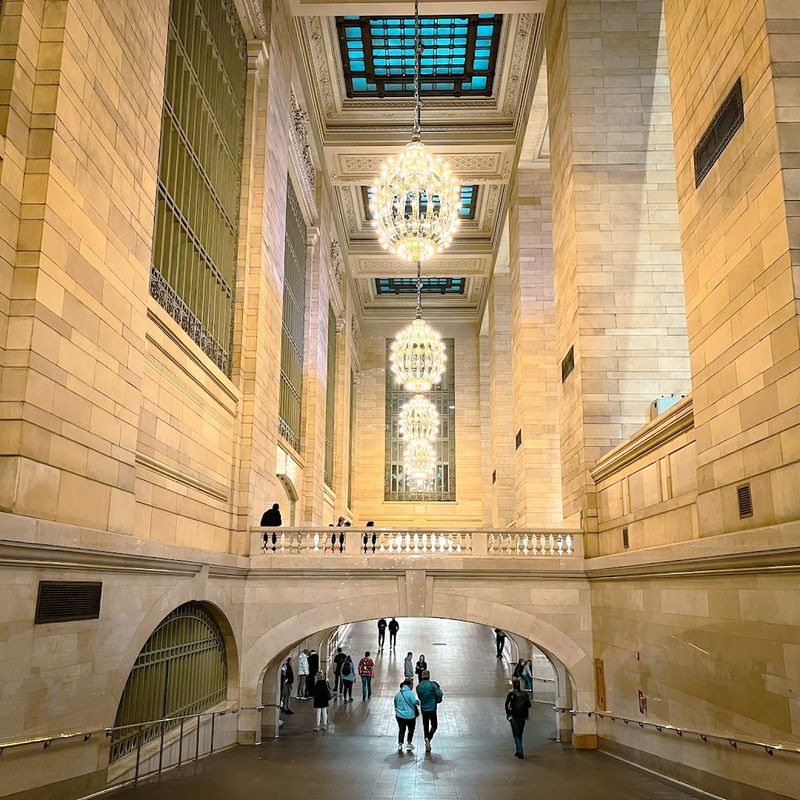
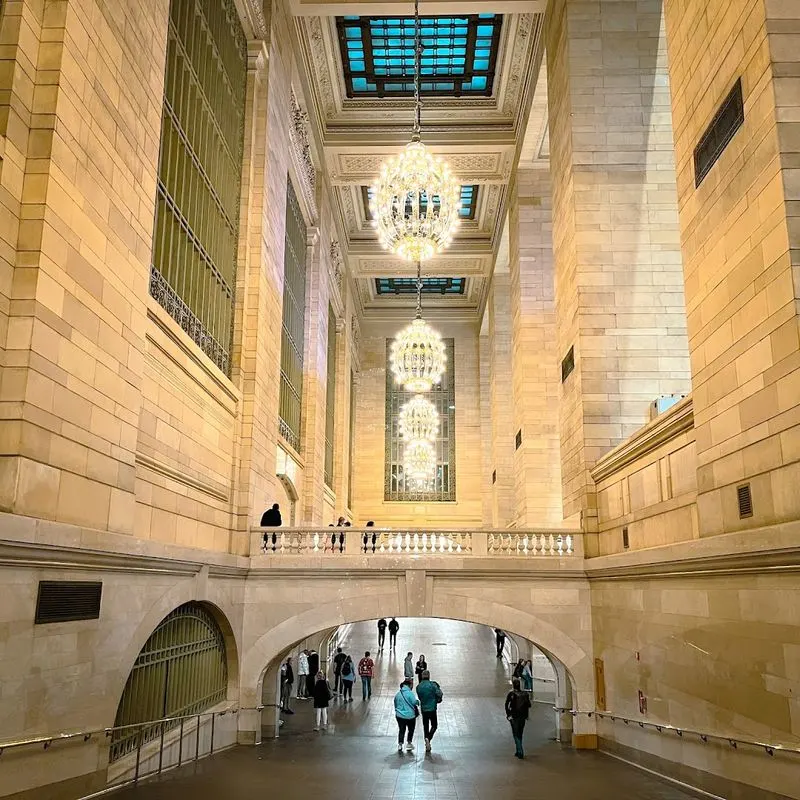
Grand Central was a place we rushed through. My grandmother, however, always stopped in the middle of the main concourse and looked up.
I thought she just forgot where she was going. Turns out, she was doing what everyone should do the moment they walk in.
That ceiling — painted deep teal and gold with constellations — is one of New York’s most stunning hidden-in-plain-sight masterpieces. The terminal opened in 1913 and was almost demolished in the 1960s before preservationists, including Jacqueline Kennedy Onassis, helped save it.
Today it serves over 750,000 visitors and commuters every single day.
Grandma also knew about the whispering gallery near the Oyster Bar, where you can stand in opposite corners of an arched hallway and hear each other perfectly despite the distance. She whispered something to me from across the hall once.
I was too busy being embarrassed to listen. Now I wish I knew what she said.
Grand Central isn’t just a transit hub — it’s a living monument to ambition, beauty, and the art of going somewhere. Grandma always understood that better than I did.
Brooklyn Bridge
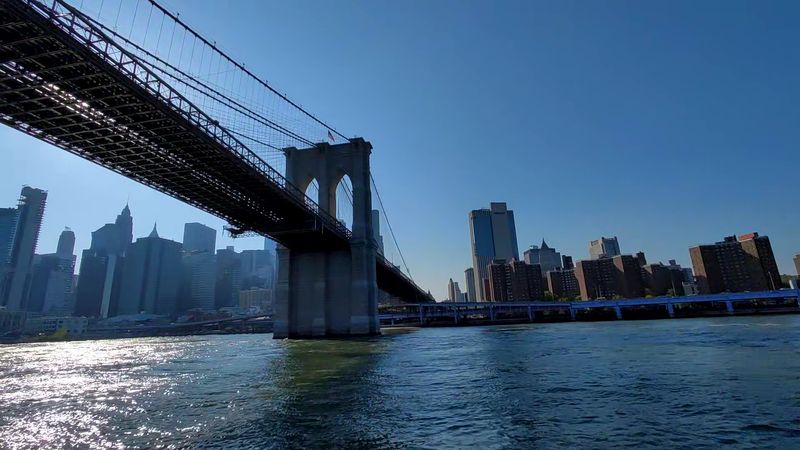
My grandmother made me walk the entire Brooklyn Bridge. Both ways.
I complained the whole time about my feet hurting. She just kept pointing at the cables and saying, “Look at how they hold it all up.” I was not interested in cables.
Completed in 1883, the Brooklyn Bridge was the longest suspension bridge in the world at the time. It took 14 years to build and cost the lives of 27 workers.
The chief engineer, John Roebling, died from an injury sustained during the project before it was even finished. His son Washington took over, and when Washington became too ill to work, his wife Emily supervised construction from the site.
That’s a story of determination I never knew as a kid dragging my feet across the wooden planks. Now, when I look at those massive stone towers and the web of steel cables overhead, I feel something close to awe.
The views of lower Manhattan and the East River are genuinely breathtaking. Grandma wasn’t making me walk too much — she was showing me what human willpower looks like when it’s built into something you can literally walk across.
Ellis Island and the Statue of Liberty
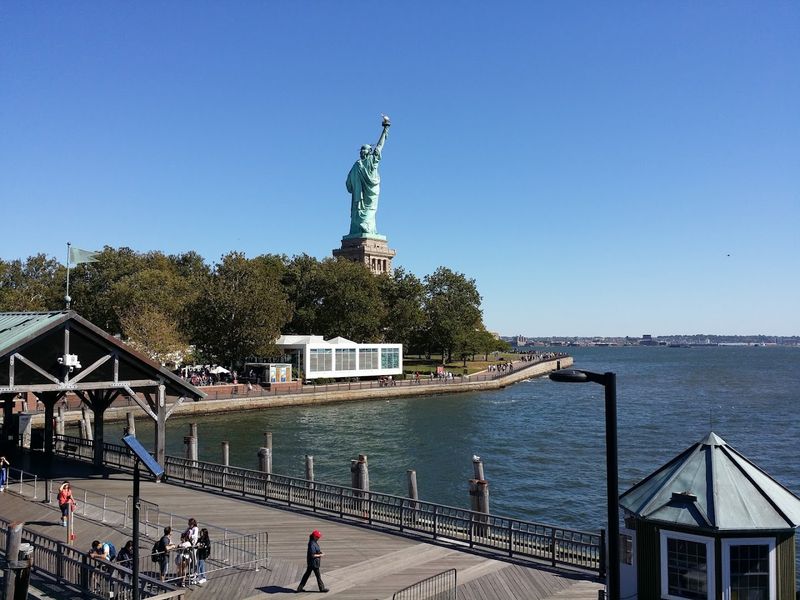
The ferry ride was the best part, as far as younger-me was concerned. The Statue of Liberty was cool for a photo, and Ellis Island felt like a school field trip I hadn’t signed up for.
My grandmother moved much more slowly through Ellis Island than anywhere else we visited.
I understand why now. Between 1892 and 1954, over twelve million immigrants passed through Ellis Island hoping for a new life in America.
Many of our own family members may have walked those same floors, carrying everything they owned in a single bag, hoping they’d be allowed to stay. That weight doesn’t hit you at ten years old the way it does later.
The Registry Room — that enormous hall with the vaulted tile ceiling — is one of the most emotionally powerful spaces I’ve ever stood in. Grandma used to get quiet there.
She’d read the names on the wall and sometimes just stand still. I thought she was tired.
She was remembering. The Statue of Liberty isn’t just a landmark.
It’s a promise. Grandma wanted me to understand what that promise meant to real people — people who looked a lot like us.
Coney Island
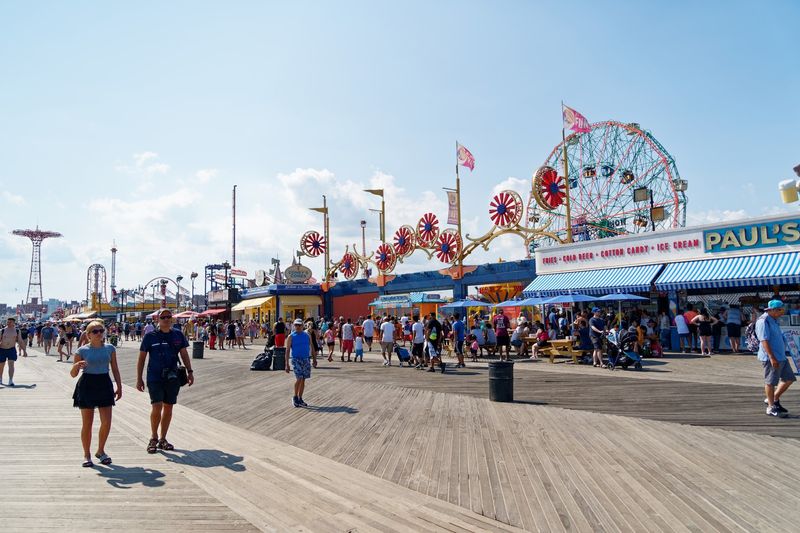
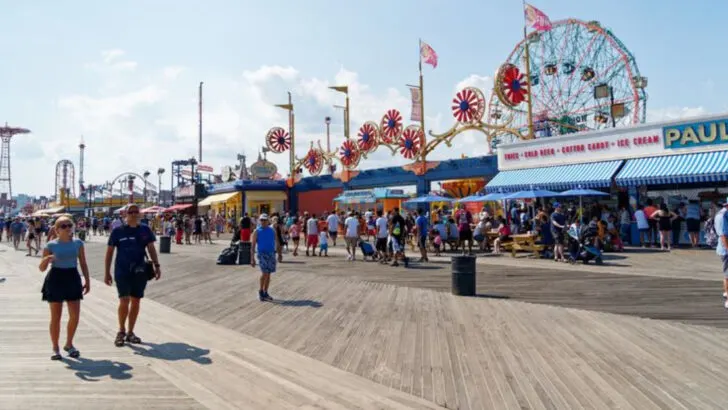
Coney Island was the one trip I actually looked forward to as a kid — cotton candy, the Wonder Wheel, Nathan’s Famous hot dogs. My grandmother loved it too, but for completely different reasons.
She’d stare out at the ocean and get this faraway look on her face that I didn’t understand at all back then.
Coney Island has been New York City’s playground since the 1800s. At its peak in the early 20th century, it drew millions of visitors each summer and was home to three separate amusement parks.
It was one of the first places where working-class New Yorkers could actually afford to have fun. That history is baked into every creaky ride and salt-air breeze.
When I visit now, I feel both the joy and the nostalgia at the same time — which is probably exactly what Grandma felt. The boardwalk is a little worn, the rides a bit faded, but that scrappy, joyful spirit is still completely alive.
She laughed loudest at Coney Island. Her laughter near the ocean is one of my clearest memories.
Places like this don’t just entertain — they hold onto pieces of the people who loved them.
The Tenement Museum
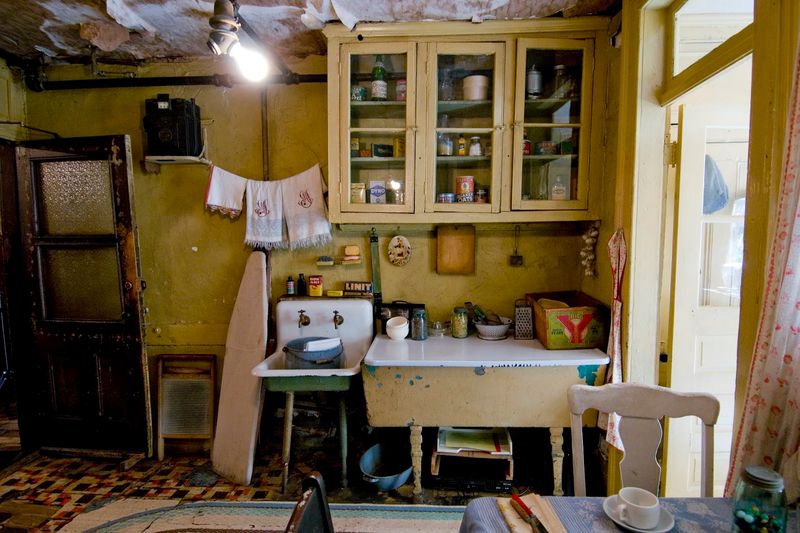
My grandmother took me to the Tenement Museum on a rainy afternoon, and I remember thinking it was the strangest place to spend a day off. It was a cramped old apartment building.
No gift shop visible from the entrance. No giant exhibits.
Just small, dark rooms that smelled like old wood.
The museum at 97 Orchard Street preserves the actual apartments of immigrant families who lived there between the 1860s and 1930s. Guides walk you through recreated living spaces — each one belonging to a real family whose records were found and researched.
You’re not looking at artifacts behind glass. You’re standing in someone’s kitchen.
That distinction matters enormously. One family’s story involved a garment worker who sewed twelve hours a day in that same apartment to send money back to relatives overseas.
Another family fled persecution in Eastern Europe. Their stories aren’t textbook history — they’re human history, the kind that lives in your chest after you hear it.
Grandma knew that the Lower East Side was built on struggle and resilience. She brought me there so I’d know it too.
Museums don’t have to be grand to be important. Sometimes the smallest rooms hold the biggest truths.
The New York Public Library
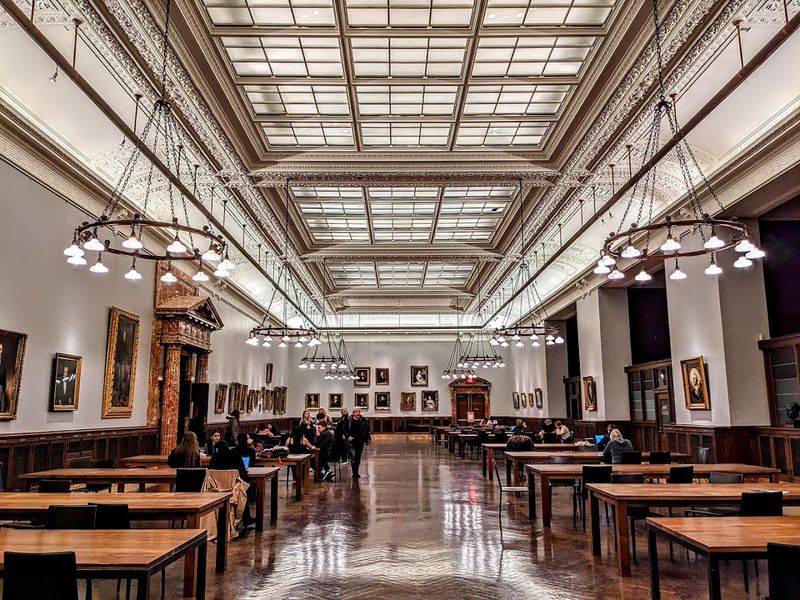
Two stone lions named Patience and Fortitude guard the entrance to the New York Public Library on Fifth Avenue. My grandmother always said good morning to them.
As a kid, I thought that was embarrassing. Now I think it’s one of the most charming things a person can do.
The Stephen A. Schwarzman Building opened in 1911 and is one of the finest examples of Beaux-Arts architecture in America.
The Rose Main Reading Room stretches nearly two city blocks in length and has a ceiling covered in painted clouds. It was restored in 2016 after years of careful work, and it looks exactly as magnificent as it did over a century ago.
Grandma used to bring me here to pick out books, but she always made us walk through the reading room first. She’d whisper, “Look at the ceiling.” I’d glance up for half a second and keep walking.
Now I sit in that room sometimes just to think. The hush of it, the weight of all those books, the beauty overhead — it’s a reminder that learning is something worth honoring.
Grandma was teaching me reverence for knowledge long before I had the vocabulary to name what she was doing.
Little Italy and Chinatown
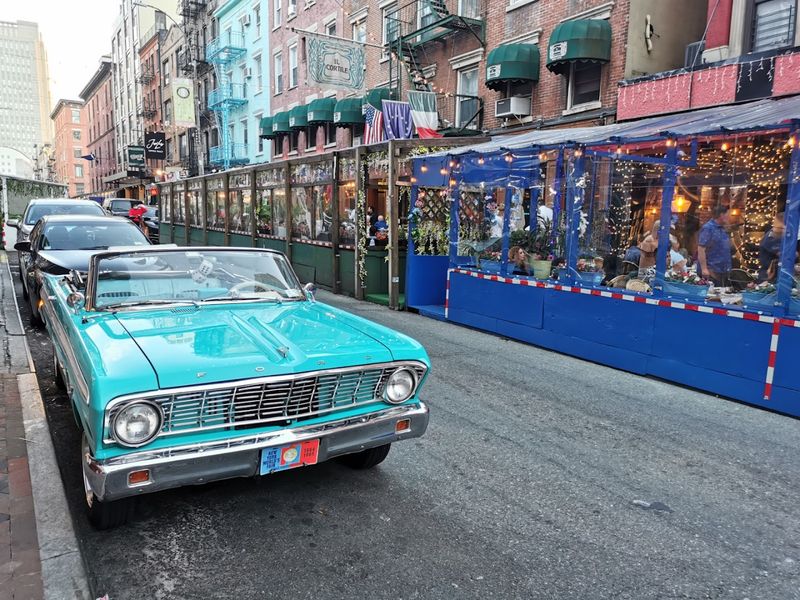
To a hungry kid, Little Italy meant cannoli and Chinatown meant soup dumplings. That was the full extent of my appreciation.
My grandmother, though, always slowed down to read the storefront signs, chat with vendors, and point out details on the buildings that I never would have noticed on my own.
These two neighborhoods sit side by side in lower Manhattan and represent waves of immigration that permanently shaped the city’s identity. Italian immigrants began settling the area in the late 1800s, followed by Chinese immigrants who built one of the most vibrant and densely populated Chinatowns in the entire country.
Each community brought language, food, religion, and tradition that took deep root in New York’s streets.
Walking through now, I notice the mix of old and new — a 100-year-old bakery next to a modern bubble tea shop, a church built by immigrant hands still holding Sunday Mass in Italian. Grandma used to say that New York’s real flavor came from its neighborhoods, not its skyline.
She was right. The food is still incredible, but now it tastes like history too.
Every bite carries a story, and she made sure I’d eventually be hungry enough to hear it.
Broadway and Times Square at Night
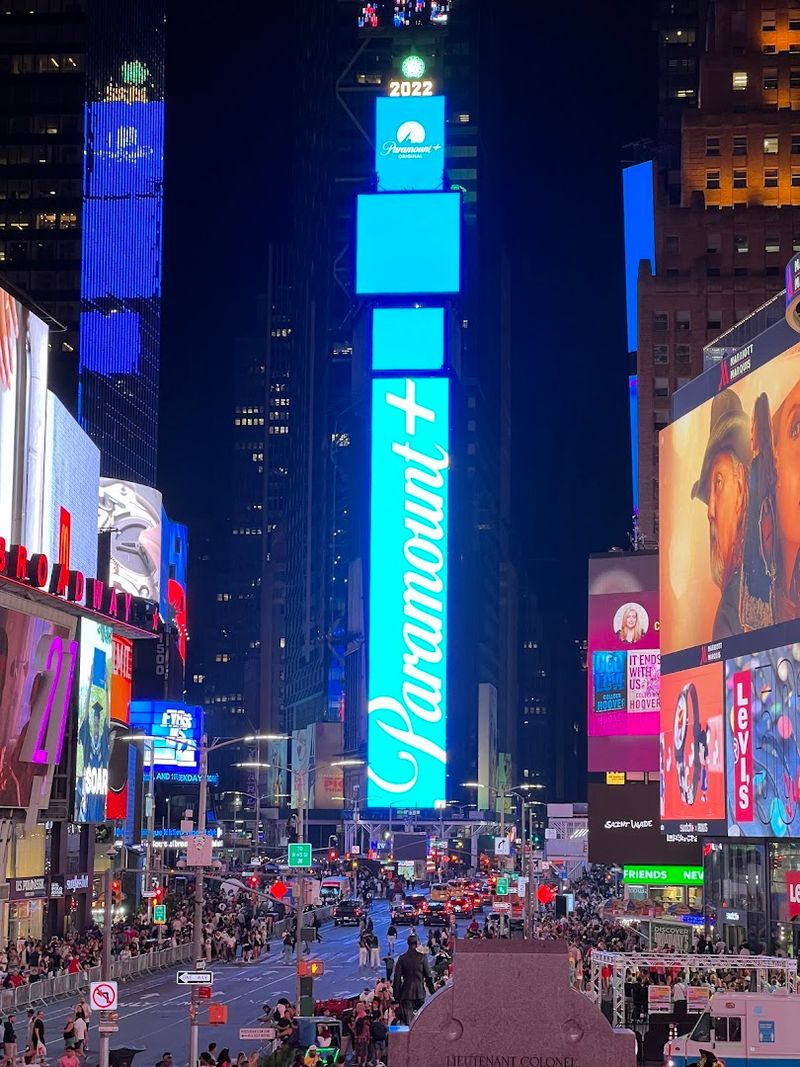
Times Square at night felt like sensory overload when I was young — too loud, too bright, too many strangers bumping into me. Grandma would stand right in the middle of it all with the biggest smile on her face.
I couldn’t figure out what she was so happy about.
Broadway has been the beating heart of American theater for well over a century. The productions that run on those stages represent years of rehearsal, collaboration, and craft from some of the most talented performers and designers in the world.
A single Broadway show can involve hundreds of people working behind the scenes — choreographers, set builders, lighting designers, costume makers — all for a two-hour performance.
Grandma took me to see a musical once, and I remember being genuinely swept away by the energy of it — the live orchestra, the voices filling the theater, the way the audience collectively held its breath. That feeling is hard to replicate anywhere else.
Times Square is chaotic and overwhelming, yes, but it’s also electric in a way that only New York can manage. Grandma stood in the middle of all those lights because she understood that some experiences are meant to be felt with your whole body, not just watched from a safe distance.