North Carolina is home to some of the most remarkable wild places in the entire eastern United States, and its national wildlife refuges are proof of that.
From misty blackwater swamps to windswept barrier islands, these protected lands shelter rare animals, migratory birds, and ecosystems found almost nowhere else on the continent.
Whether you love hiking through dense forests, paddling quiet waterways, or simply watching wildlife at the edge of a marsh, there is a refuge here waiting for you.
Pack your binoculars, grab a paddle, and get ready to explore ten incredible refuges scattered across the Tar Heel State.
Alligator River National Wildlife Refuge — Manteo
Few places in the eastern United States carry as much ecological mystery as Alligator River National Wildlife Refuge. Spanning over 150,000 acres of pocosin wetlands, dense shrub bogs, and forested swamps near Manteo, this refuge holds one of the rarest secrets in American conservation — a wild population of the critically endangered red wolf, the most endangered canid in the world.
Hiking trails here are quiet and unhurried, winding through thick vegetation where black bears frequently cross the path. Early morning walkers often spot bear tracks pressed into the soft mud, a reminder that the wilderness here is very much alive.
The refuge offers guided red wolf howling events on Wednesday evenings during summer, where rangers lead groups out to listen for the haunting calls echoing across the darkness.
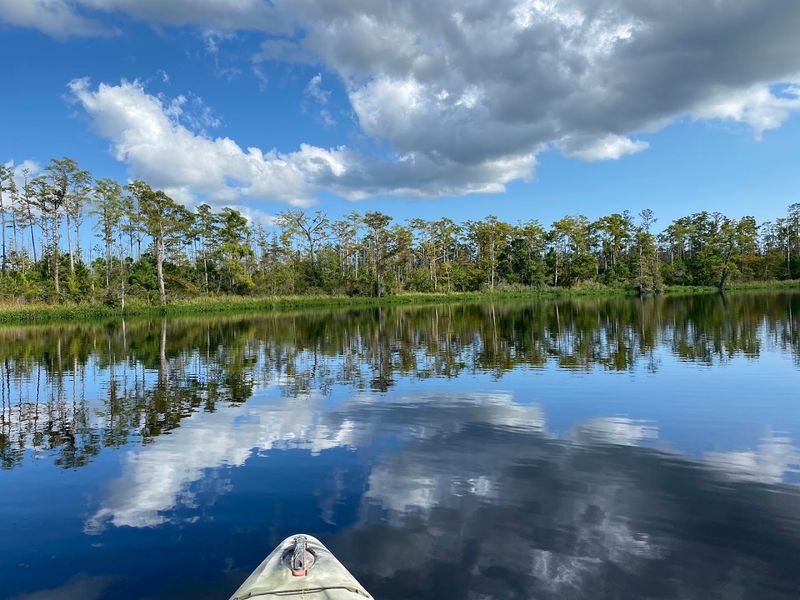
Paddling the blackwater canals is equally unforgettable. The dark, tannin-stained water reflects the sky like a mirror, and river otters, wood ducks, and great blue herons are regular companions on the water.
Bring bug spray, wear layers, and go slow — Alligator River rewards patience with wildlife encounters that feel almost unreal. This refuge is not just a destination; it is a living laboratory of survival.
Pea Island National Wildlife Refuge — Rodanthe
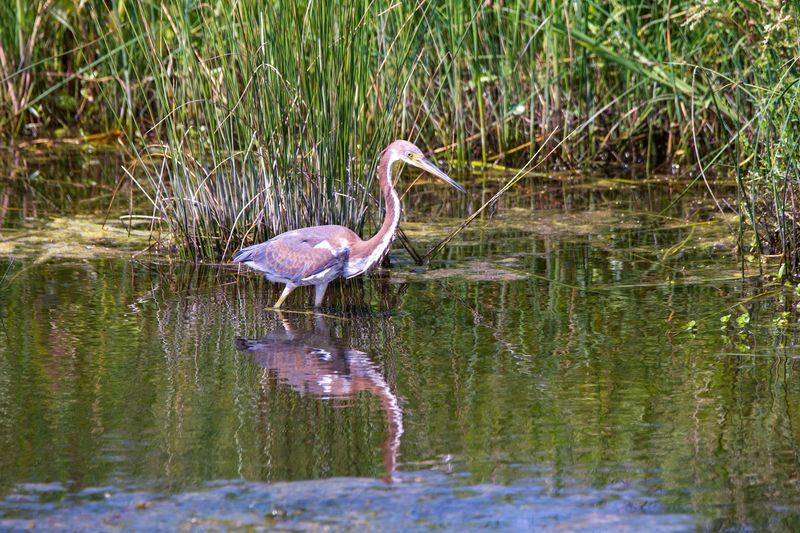
Stretching along the northern end of Hatteras Island on the famous Outer Banks, Pea Island National Wildlife Refuge is one of those places that makes birdwatchers feel like they have won the lottery. Established in 1938, it was also the first national wildlife refuge managed specifically by African American staff — a piece of history worth knowing before you set foot on the trail.
Walking paths here are flat, easy, and accessible, making the refuge a great choice for families and first-time refuge visitors. The North Pond Wildlife Trail is a favorite, looping around a freshwater impoundment where snow geese, tundra swans, and dozens of duck species gather in enormous numbers during fall and winter migrations.
Over 365 bird species have been recorded in this refuge, which is a staggering number for any single location.
Kayakers will love paddling the calm sound-side marshes, where diamondback terrapins sun themselves on logs and great egrets stalk the shallows. The refuge has no campgrounds, so day trips are the way to go.
Arrive early in the morning for the best wildlife activity, and always check the visitor center for recent rare bird sightings — Pea Island has a habit of delivering surprises.
Pocosin Lakes National Wildlife Refuge — Columbia
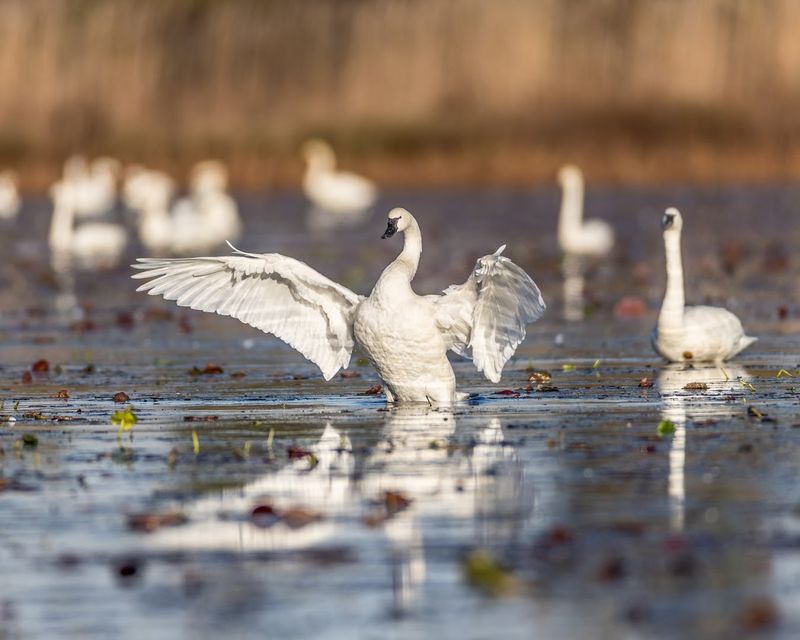
If you have never heard the sound of ten thousand tundra swans calling at once, Pocosin Lakes National Wildlife Refuge near Columbia will fix that immediately. Every winter, this refuge becomes one of the most spectacular wildlife spectacles in the eastern United States, as massive flocks of tundra swans and snow geese descend on the open water and flooded farm fields surrounding the ancient peat bogs.
Pocosin — a word from the Algonquian language meaning “swamp on a hill” — describes the rare, raised peat bog ecosystem that defines this refuge. This type of habitat is found in only a handful of places in North America, and Pocosin Lakes protects one of the largest remaining examples.
The dark, acidic soil supports unusual plant communities and provides critical habitat for black bears, bobcats, and red-cockaded woodpeckers.
Paddling routes through the canals offer an immersive way to experience the landscape. The vegetation presses close on both sides, and the silence between bird calls feels almost sacred.
Hikers can explore the dike roads on foot or by bike, scanning the fields for distant swan flocks. Visiting between November and February gives you the best chance to witness the winter gatherings that make this refuge truly one-of-a-kind.
Mattamuskeet National Wildlife Refuge — Swan Quarter
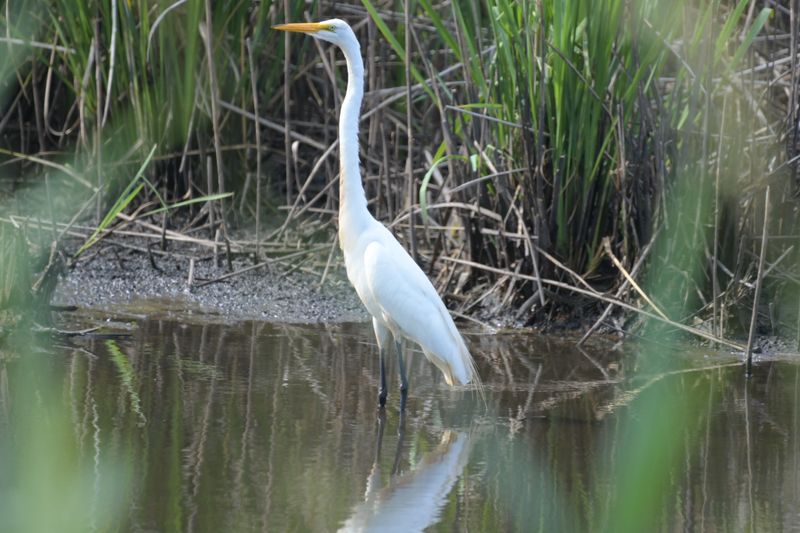
Lake Mattamuskeet is the largest natural lake in North Carolina, and the refuge that surrounds it is one of the most visually stunning places in the entire state. Located near Swan Quarter in Hyde County, this refuge draws wildlife lovers from across the country, especially during the winter months when the lake becomes a congregation point for astonishing numbers of migratory waterfowl.
Walking the flat dike roads that crisscross the refuge is a peaceful, unhurried experience. Canada geese, tundra swans, pintails, and canvasbacks crowd the shallow lake waters, while bald eagles perch in nearby trees watching the spectacle from above.
The historic Mattamuskeet Lodge, a converted 1930s pumping station, stands near the main entrance and adds a fascinating layer of human history to the natural landscape.
Paddlers can launch kayaks and canoes from several access points and explore the lake and surrounding canals at their own pace. The calm, shallow water makes it manageable for beginners, though wind can pick up quickly on the open lake.
Bring a spotting scope if you have one — the sheer density of birds on the water during peak season is something you will want to observe up close. Mattamuskeet is genuinely awe-inspiring in the truest sense of the word.
Currituck National Wildlife Refuge — Corolla
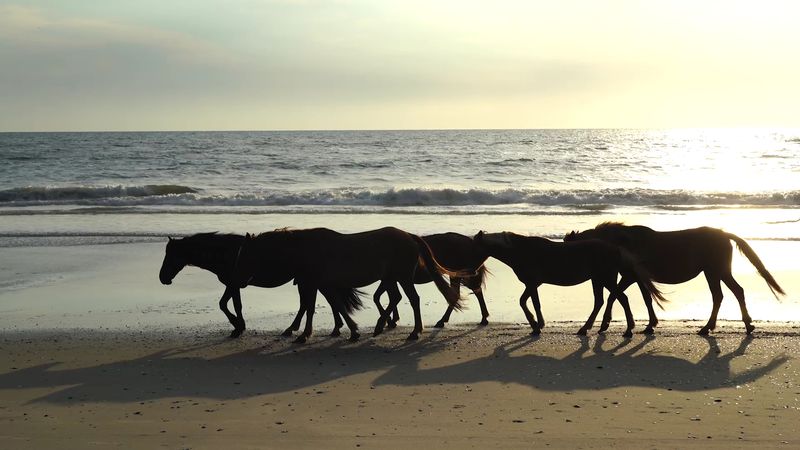
Getting to parts of Currituck National Wildlife Refuge is half the adventure. Located north of Corolla on a narrow barrier island, much of this refuge is accessible only by four-wheel-drive vehicle along the beach or by boat — no paved roads, no crowds, no cell service.
That sense of true remoteness is exactly what makes it special.
The refuge protects a stunning stretch of undeveloped coastline, maritime shrub thickets, and brackish marshes that shelter an impressive range of wildlife. Loggerhead sea turtles nest on the beaches during summer, and the refuge works actively to protect those nests.
Shorebirds like piping plovers, American oystercatchers, and Wilson’s plovers breed here as well, making it a critical nesting habitat for species that are declining across the East Coast.
Paddling through the sound-side marshes is a quiet, meditative experience where clapper rails call from the reeds and bottlenose dolphins occasionally cruise nearby waters. Hikers who make the drive up the beach can follow unmarked routes through the dunes and shrub zones, keeping an eye out for the famous wild Colonial Spanish Mustangs that roam freely in this area.
Currituck feels like a place that time forgot, and spending a day here is a genuine privilege.
Roanoke River National Wildlife Refuge — Williamston
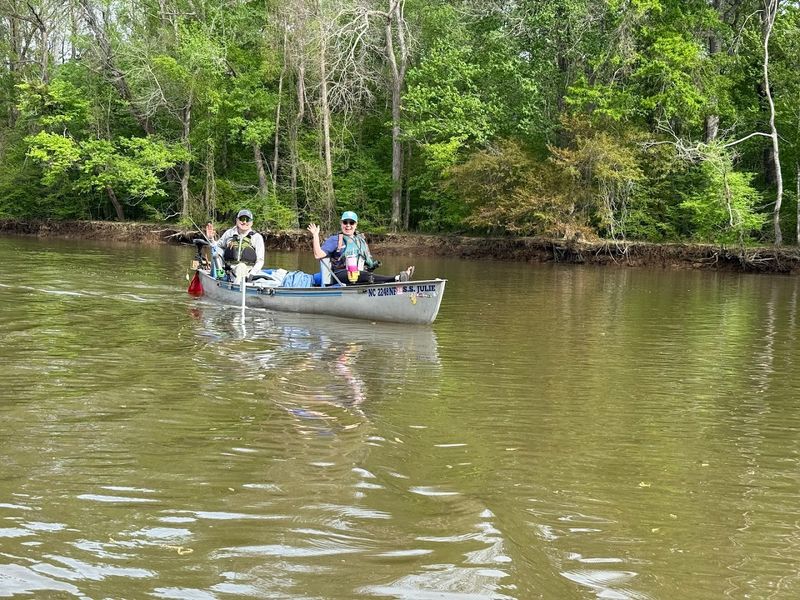
Tucked along the banks of the Roanoke River in the inner coastal plain near Williamston, this refuge protects one of the most ecologically significant bottomland hardwood forests in the entire southeastern United States. Ancient cypress and tupelo trees rise from the floodplain like cathedral columns, their roots submerged in slow-moving, tea-colored water for much of the year.
Spring is the absolute best time to visit. Neotropical songbirds pour through during migration, and the forest practically vibrates with bird activity.
Prothonotary warblers — sometimes called swamp canaries for their brilliant golden color — nest in tree cavities above the waterline, and their loud, ringing calls fill the air from April through July. Birders travel from across the country to witness this spectacle.
Paddling the Roanoke River is the primary way to explore the heart of the refuge. Several boat launches provide access, and the water is generally calm and manageable.
Hiking is possible along the dike roads and upland edges of the refuge, where deer, wild turkeys, and river otters are commonly spotted. The refuge also supports populations of American black bears and bald eagles year-round.
Roanoke River is a place that genuinely rewards those willing to slow down and pay attention to every rustle and ripple around them.
Pee Dee National Wildlife Refuge — Wadesboro
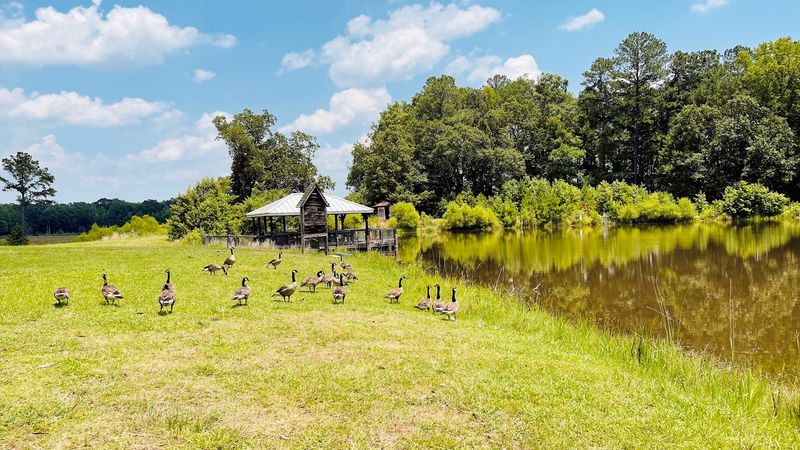
Most people driving through Anson County near Wadesboro have no idea they are passing one of the most productive managed wetland habitats in the entire Piedmont region. Pee Dee National Wildlife Refuge sits quietly off the beaten path, and that low profile is honestly part of its charm.
Established in 1939, it was created specifically to provide wintering habitat for migratory waterfowl along the Atlantic Flyway.
The refuge manages a series of impoundments — shallow, controlled wetland pools — that are flooded seasonally to attract ducks and geese. During late fall and winter, the numbers of ring-necked ducks, wood ducks, mallards, and Canada geese using these impoundments can be genuinely impressive.
Walking the dike roads that border these wetlands puts you right at eye level with the action, and the photography opportunities are outstanding.
Riverside trails along the Pee Dee River add another dimension to the visit, winding through mature bottomland forest where woodpeckers hammer at dead snags and white-tailed deer browse in the understory. Paddling the river is possible for experienced paddlers who bring their own boats.
Pee Dee may not have the fame of some coastal refuges, but wildlife enthusiasts who make the trip inland consistently leave impressed by what this underappreciated refuge quietly delivers.
Cedar Island National Wildlife Refuge — Cedar Island
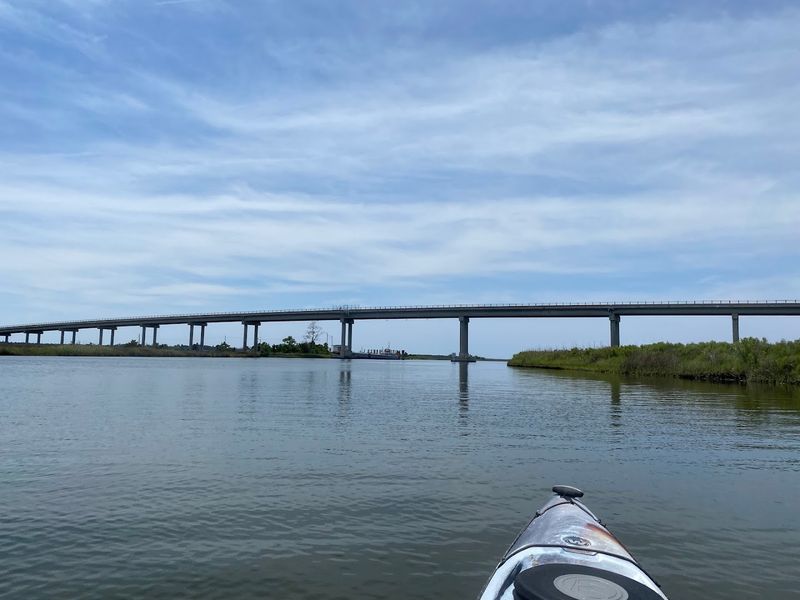
Cedar Island sits at the very edge of North Carolina’s inner coastal plain, where the land dissolves into the vast Pamlico Sound in a tangle of salt marsh, shallow tidal flats, and maritime grassland. The refuge here is one of the most undisturbed coastal wetland systems on the entire East Coast, and that undisturbed quality is exactly what makes it so valuable for wildlife.
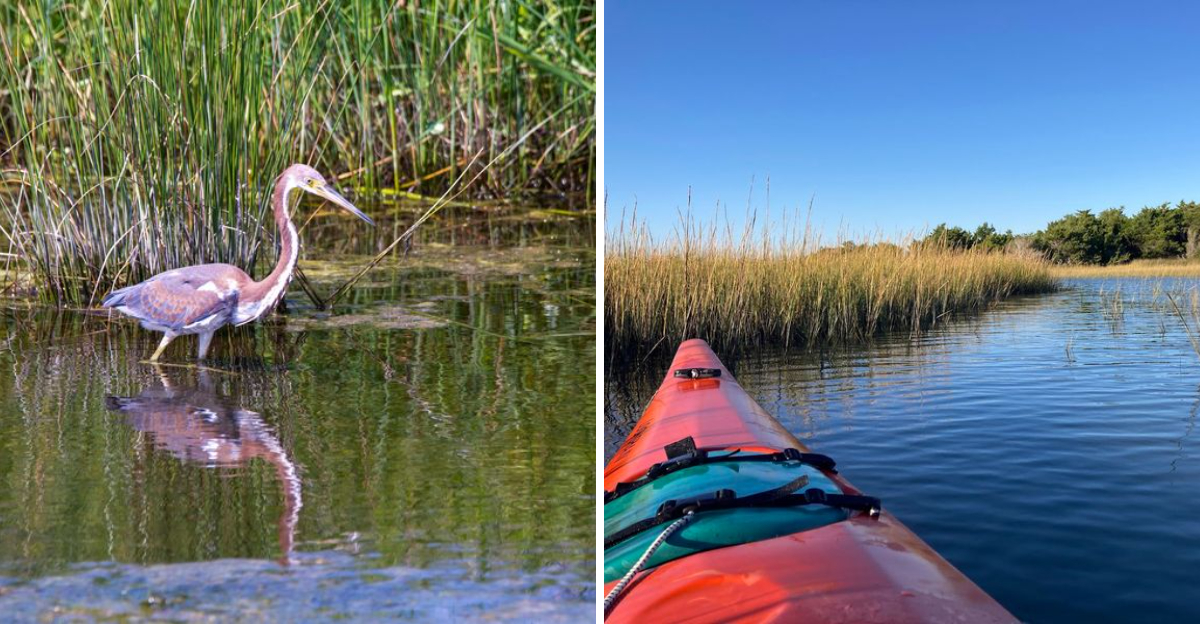
Colonial nesting waterbirds are the stars of Cedar Island. Great blue herons, tricolored herons, snowy egrets, glossy ibis, and black-crowned night-herons all use the refuge’s marsh islands as nesting colonies, raising their chicks in dense, noisy clusters during spring and early summer.
These nesting colonies represent a critical piece of the coastal waterbird puzzle along the Atlantic Flyway, and protecting them from human disturbance is a top conservation priority.
Wood ducks and other cavity-nesting species also benefit from the wooded upland habitats that fringe the marsh. Visitors can explore the refuge by kayak, launching from the nearby Cedar Island Ferry landing area and paddling through the tidal creeks that lace the marsh.
The scenery is serene and almost otherworldly, especially at low tide when the mudflats shimmer with feeding shorebirds. Cedar Island is a quiet gem that deserves far more recognition than it typically receives.
Mackay Island National Wildlife Refuge — Knotts Island
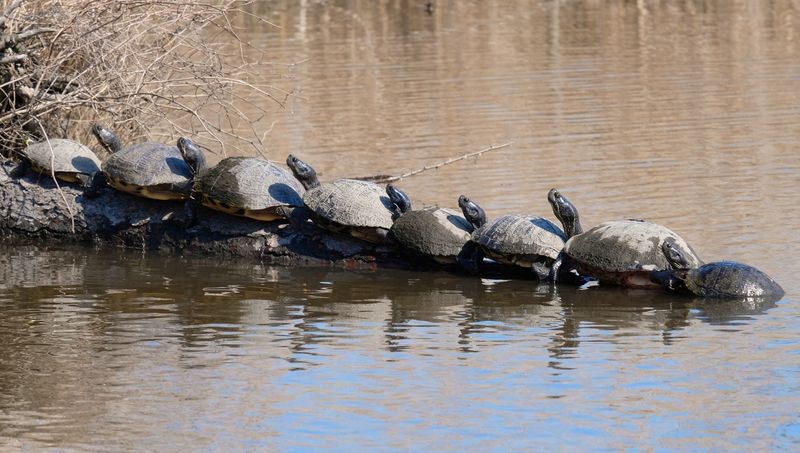
Wedged between the Virginia border and the Currituck Sound, Mackay Island National Wildlife Refuge occupies a wonderfully remote corner of North Carolina that most people never think to visit. Knotts Island itself is accessible only by ferry from Currituck or by a long drive through Virginia, which keeps the crowds thin and the wildlife encounters refreshingly undisturbed.
The refuge is a birdwatcher’s dream, especially during the colder months. Thousands of snow geese, tundra swans, and diving ducks crowd the managed impoundments that make up the heart of the refuge.
The Great Marsh Trail, a flat and easy walk along the dike system, puts birders right at the edge of these impoundments, where the bird activity during peak winter migration can be absolutely overwhelming in the best possible way.
Mackay Island also offers paddling opportunities in the sound and through the marsh channels, where river otters and muskrats are frequently spotted. During spring and summer, the refuge transitions into nesting season, and the chorus of red-winged blackbirds, marsh wrens, and ospreys takes over.
The refuge is open to vehicles only during certain seasons, so check current access conditions before visiting. Those who make the effort to reach Mackay Island almost always say they wish they had come sooner.
Rachel Carson Reserve — Beaufort
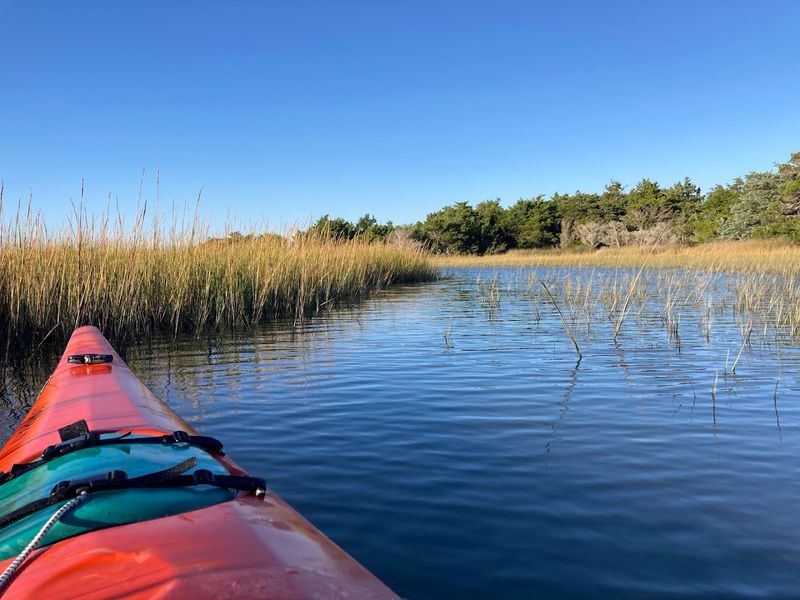
Named after the legendary marine biologist and author of Silent Spring, the Rachel Carson Reserve near Beaufort is one of those places that makes you feel like you have stumbled into a secret. There are no bridges leading here, no parking lots, no concession stands.
Every single visitor arrives by kayak, private boat, or passenger ferry — and that simple fact changes the entire experience.
The reserve is made up of several small islands and tidal flats in the North River estuary, protecting a mosaic of salt marsh, tidal creek, mudflat, and maritime shrub habitat. A small herd of feral ponies roams the main island freely, descendants of horses that have lived here for generations.
Watching them graze along the beach while brown pelicans cruise overhead is one of those moments that stops you mid-paddle and makes you forget everything else.
Hiking on the sandy trails and beaches is easy and informal, with no marked routes — you simply explore at your own pace. The tidal creeks are ideal for kayaking, offering calm water and extraordinary wildlife visibility.
Bottlenose dolphins frequently feed in the channels, and the shelling along the beach is exceptional. The Rachel Carson Reserve is not just a nature destination; it is a reminder of why protecting wild places matters so deeply.