Some places in North Carolina look impressive on a screen, but the real magic starts when the wind, spray, silence, and scale hit you in person. From misty peaks to shifting dunes, these landscapes have a way of making photos feel like rough previews instead of the main event.
If you want a well-researched outline packed with standout stops, practical context, and scenery worth the drive, this list will pull you straight into the state’s wild side. You may come for the views, but you will remember how each place actually felt.
Linville Gorge
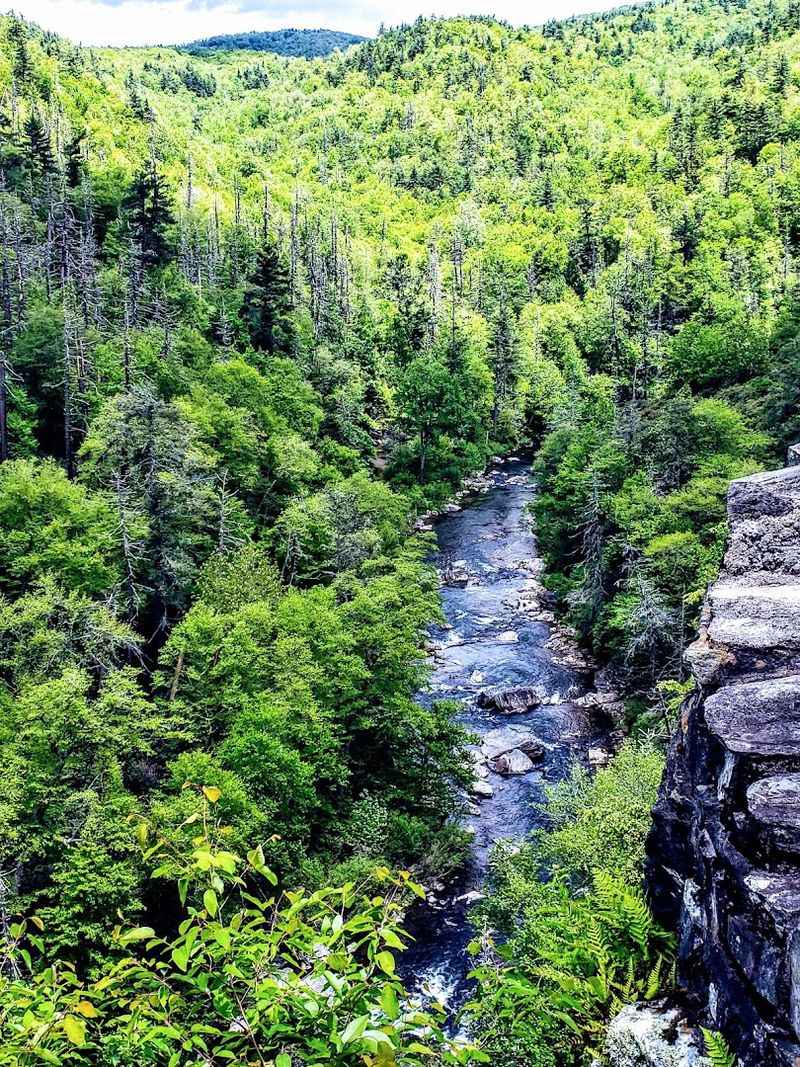
Linville Gorge earns its nickname as the Grand Canyon of the East the second you see its rugged depth in person. Near Morganton, this wilderness area feels raw, steep, and far less polished than many postcard stops across the state.
That untamed character is exactly why it leaves such a strong impression.
Jagged cliffs, thick forest, and the Linville River cutting below create a landscape that looks dramatic from overlooks and even more intense from the trails. Wiseman’s View and Linville Falls offer accessible introductions, while deeper hikes demand preparation and respect.
The terrain can be strenuous, exposed, and unpredictable.
If you are drawn to wild scenery rather than convenient scenery, this place stands out immediately. I would not underestimate weather, trail conditions, or the time needed to move safely here.
Photos capture the drop-offs, but they miss the scale under your feet and the way the gorge makes you feel wonderfully small, alert, and fully awake.
Chimney Rock State Park
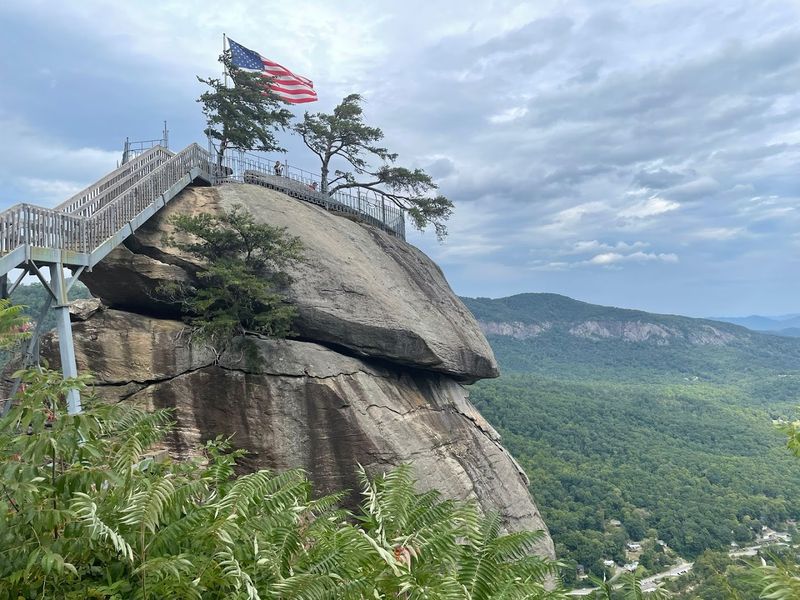
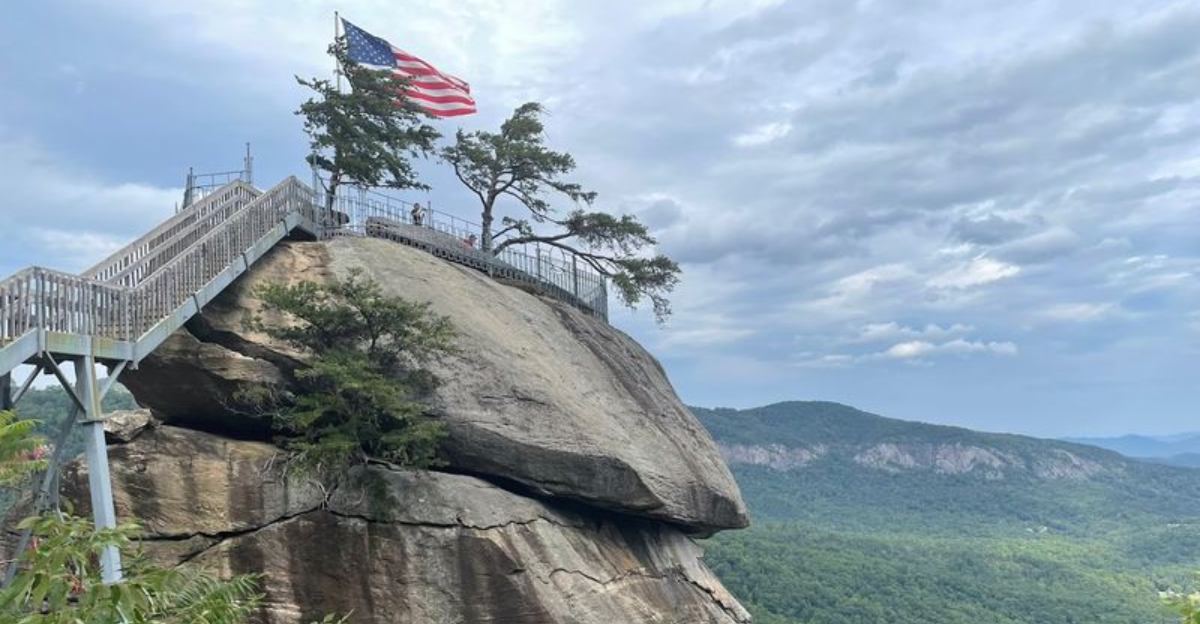
Chimney Rock State Park has one of those landmarks that looks iconic in photos and somehow still feels more impressive face to face. The 315-foot granite monolith rises above Hickory Nut Gorge with a presence that is hard to appreciate until you are standing there, looking out over the broad sweep of mountains and forest.
It feels cinematic without seeming artificial.
The park combines easy access with big visual reward, which makes it a great choice for mixed-age groups or short mountain trips. Elevator access and stairs help many visitors reach the famous viewpoint, while trails lead to additional vistas and waterfalls like Hickory Nut Falls.
The scenery changes beautifully with each season.
I think the best surprise here is how layered everything looks beyond the rock itself. The gorge stretches out in a way that keeps your eyes moving.
Pictures focus on the formation, but in person you get the wind, the height, and the full amphitheater of landscape around it.
Whitewater Falls
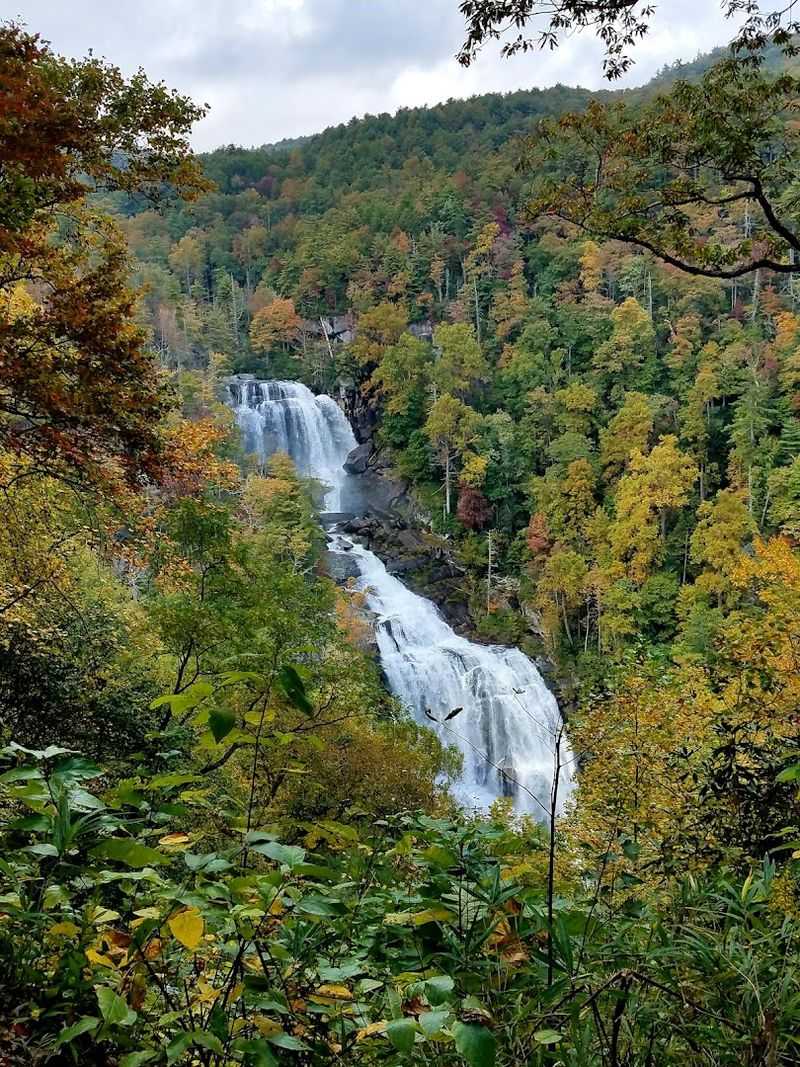
Whitewater Falls is one of those places where the sound reaches you before the full view does, and that matters. Near Sapphire, this massive cascade drops 811 feet, making it the tallest waterfall east of the Rockies.
Photos can show the height, but they cannot deliver the deep rushing roar and cool mist that shape the whole experience.
The main overlook gives a dramatic perspective, and the paved path makes the site approachable for many visitors. Additional stairs bring you closer for another angle, though even the first view is enough to stop conversation for a moment.
After rain, the volume and energy feel especially powerful.
I would visit early or on a weekday if you want a quieter atmosphere and easier parking. The surrounding forest and gorge add to the sense that you have reached something immense.
What stays with you here is not just beauty. It is the physical force of the water and how small it makes everything else feel.
Looking Glass Rock
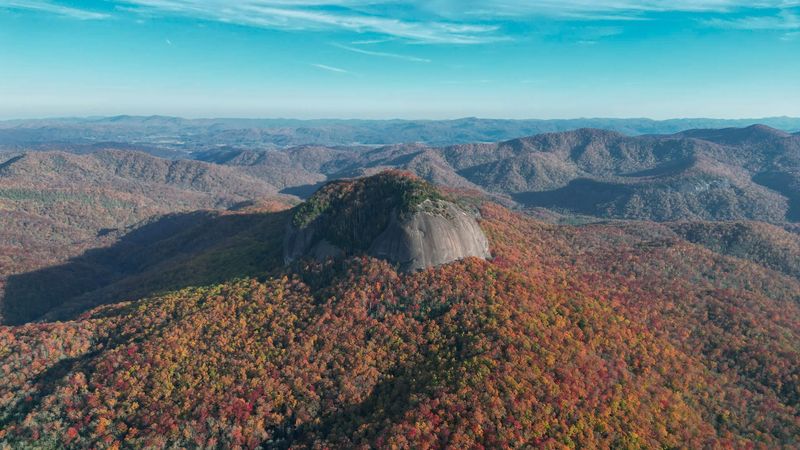
Looking Glass Rock stands out in Pisgah National Forest like a giant stone wave frozen above the trees. From a distance, the granite dome already looks striking, but hiking toward it reveals a scale and texture that photographs rarely convey well.
In certain light, the rock face seems to glow, which helps explain its memorable name.
The trail is a steady workout, but the payoff is excellent. Summit views open over rolling forest, ridges, and the broader Brevard area, making the climb feel worth every switchback.
Cooler months often provide the clearest long-range visibility.
If you enjoy hikes with a strong visual reward, this one belongs high on your list. I would bring water, start early, and leave enough time to sit at the top instead of rushing back down.
What makes Looking Glass Rock special is the contrast between the dense woods below and the open stone above. The transition feels dramatic, almost theatrical, once you step onto the granite.
Sliding Rock
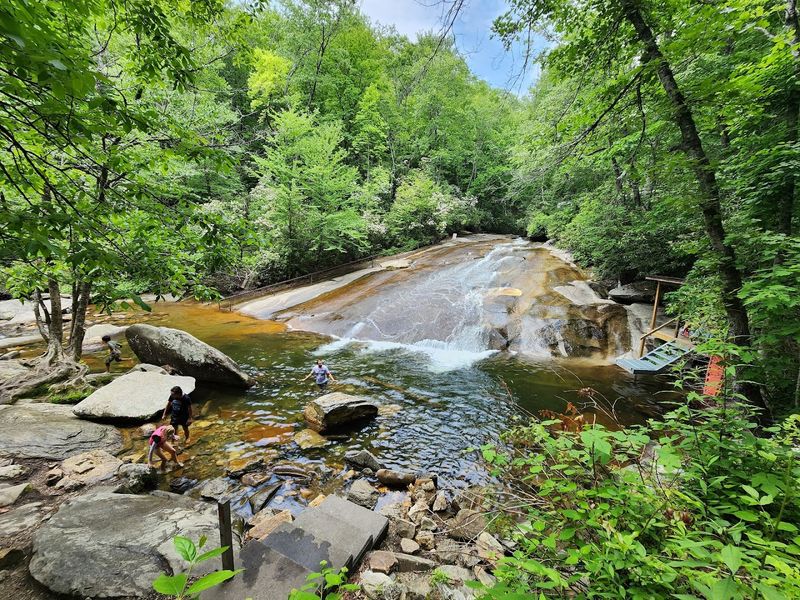
Sliding Rock proves that a natural wonder does not have to be huge or remote to feel unforgettable in person. This smooth, sloping rock in Pisgah Forest channels cold mountain water into a natural slide that sends visitors splashing into a clear pool below.
It looks fun in pictures, but the real surprise is just how brisk and refreshing the water feels.
In summer, it becomes one of the most playful places in the state, especially for families and anyone willing to embrace an icy jolt. Lifeguards are usually on duty during the main season, and observation areas let non-sliders enjoy the scene too.
The setting under dense trees adds to the classic mountain-swimming-hole atmosphere.
I would bring water shoes, patience, and a towel you do not mind getting very wet. Even watching others take the plunge is entertaining.
Photos show the slide, but they miss the laughter, the cold shock, and the pure kid-like thrill of going down once and wanting to do it again.
Grandfather Mountain
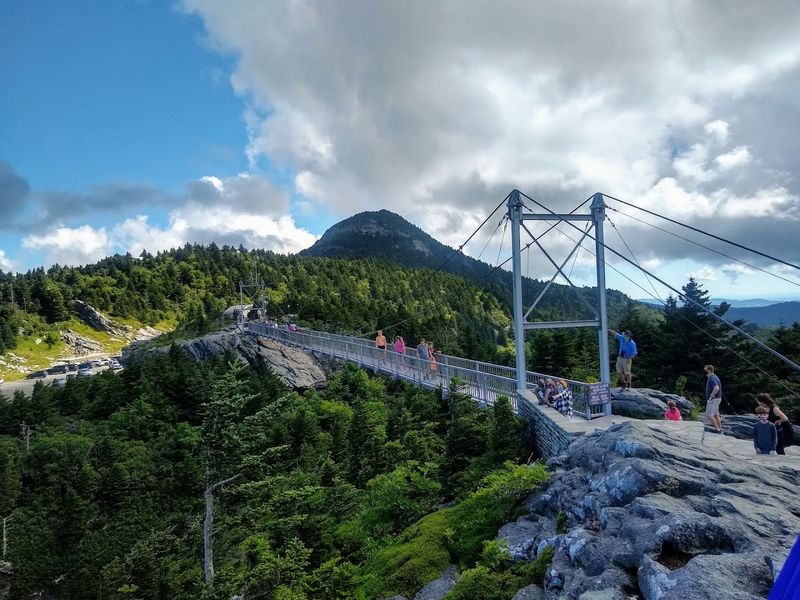
Grandfather Mountain feels rugged, elevated, and a little wild in ways that photos only hint at. Near Linville, it is famous for the Mile High Swinging Bridge, but the broader landscape is what makes the visit so memorable.
Craggy peaks, shifting clouds, and strong winds give the whole mountain an exposed, high-country energy.
The bridge offers easy access to dramatic views, making it one of the most approachable big-payoff experiences in North Carolina. Beyond that, hiking trails range from moderate to extremely challenging, with ladders and cables on some routes.
The mountain’s biodiversity also adds depth for visitors who care about ecology as much as scenery.
I think this is one of the best places in the state to feel both exhilarated and humbled at once. Weather changes fast, so layers are worth bringing even in warmer months.
Pictures usually frame the bridge, but being there means feeling it sway slightly, hearing the wind, and seeing ridgelines stack endlessly into the distance.
Jockey’s Ridge State Park
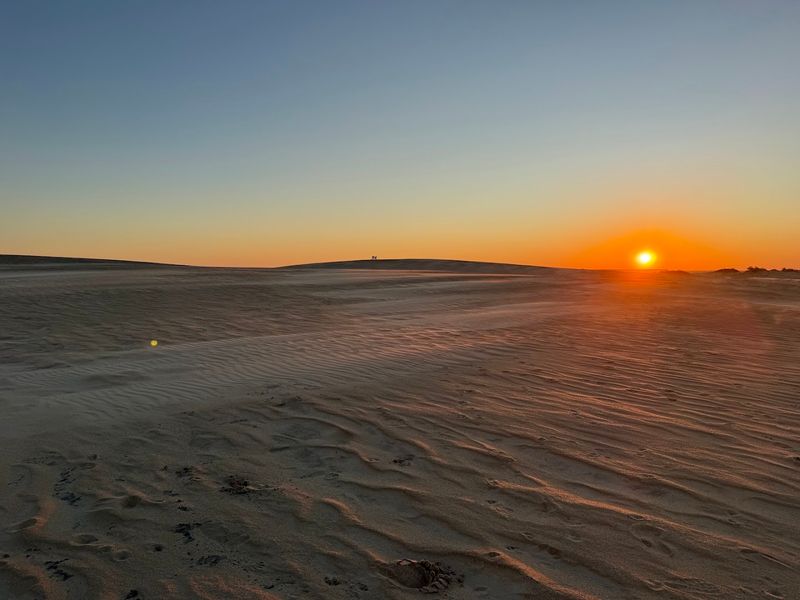
Jockey’s Ridge State Park looks unreal even before you step onto the sand, and in person it feels even stranger and better. The tallest living sand dune system on the East Coast rises from Nags Head like a small desert dropped beside the Atlantic.
Wind reshapes the landscape constantly, so the place always feels in motion.
Walking here is part workout, part dreamscape. The dunes shift underfoot, the horizon opens wide, and sunset can turn the sand and sky into a glowing gradient of gold, pink, and blue.
Hang gliders often add a little drama overhead, which somehow suits the setting perfectly.
I would aim for late afternoon so you can experience the cooler light and stay for sunset. Bare feet work for some, but hot sand in summer can be intense.
Photos capture the curves, yet they cannot replicate the feeling of standing on a high dune with ocean breezes on one side, soundside views on the other, and nothing blocking the sky.
Outer Banks
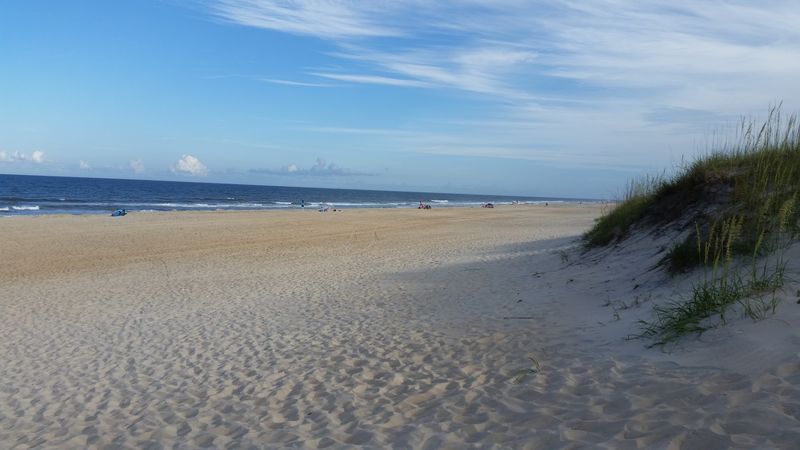
The Outer Banks are more than a beach destination – they are a long, shifting edge between land and sea that feels wild in person. These barrier islands stretch along coastal North Carolina with windswept dunes, broad beaches, maritime forests, and stretches of shoreline that still seem gloriously untamed.
Photos can be beautiful, but they rarely show the full mood of the place.
Driving from town to town reveals changing character, from lively beach communities to quieter reaches near Cape Hatteras National Seashore. You might see wild horses in Corolla, climb a lighthouse, or stand on a beach where the wind feels strong enough to rearrange your thoughts.
Storm history and shipwreck lore add even more depth.
I think the Outer Banks are best when you slow down and let weather become part of the trip. Sunrise, sunset, and shoulder season all feel especially rewarding.
What makes this coastline memorable is its openness. You are never just looking at the ocean – you are feeling the whole fragile strip of land around it.
Pilot Mountain State Park
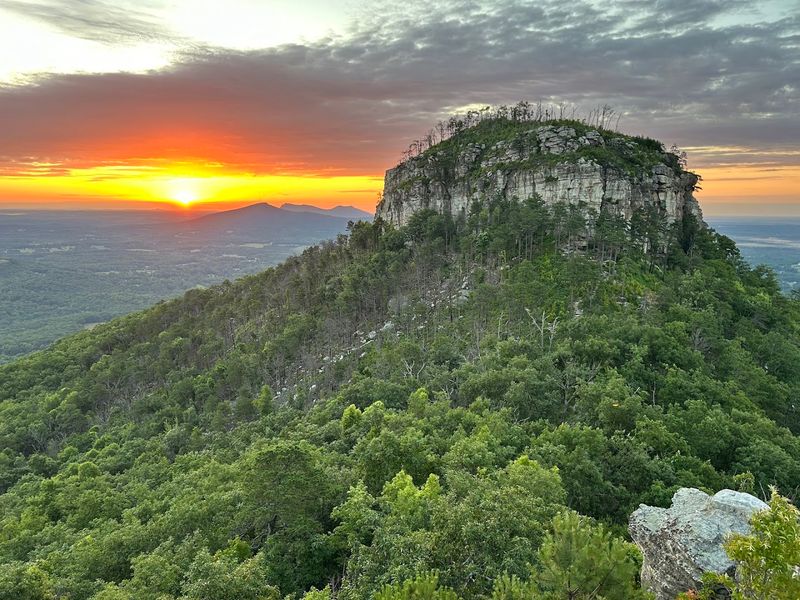
Pilot Mountain State Park is one of the most recognizable natural landmarks in North Carolina, and it absolutely lives up to the silhouette. Rising sharply above the surrounding landscape, the quartzite monadnock feels almost improbable when you first see it from the road.
In person, the mountain’s shape gives the whole area a strong sense of place.
Easy overlooks let you appreciate the famous knob without much effort, while trails around and below the summit reveal changing angles and beautiful foothill scenery. On clear days, the views spread across the Yadkin Valley and the distant Blue Ridge.
The mountain also carries cultural importance, including significance to Indigenous communities.
I would pair the summit area with a longer hike if you want more than a quick viewpoint stop. Morning light often gives the rock and ridges a cleaner, sharper look.
Photos isolate the mountain, but being there shows how dramatically it rises from the land around it. That contrast is what makes Pilot Mountain feel so striking and unforgettable.
Hanging Rock State Park
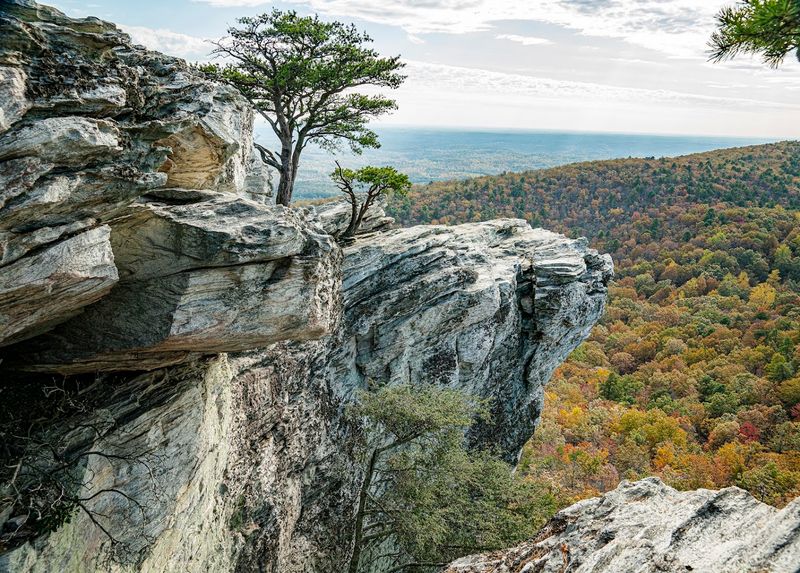
Hanging Rock State Park packs a surprising amount of variety into one destination, which is why it tends to exceed expectations in person. Near Danbury, the park combines dramatic cliffs, scenic hikes, mountain views, and several waterfalls in a way that feels generous rather than overwhelming.
It is a place where you can build a full day around changing scenery.
The hike to Hanging Rock itself offers one of the best panoramic payoffs in the Piedmont region, with broad views over the Sauratown Mountains. Trails to Lower Cascades, Hidden Falls, and other spots keep the visit visually fresh.
Families, casual hikers, and more ambitious walkers can all find something satisfying here.
I think this park works especially well if you want mountain drama without driving deep into the far western part of the state. Cooler months make the trails more comfortable.
Pictures often focus on the overlook, but the real charm is how much contrast the park gives you. One hour you are beside tumbling water, the next you are staring across miles of ridgeline.
Stone Mountain State Park
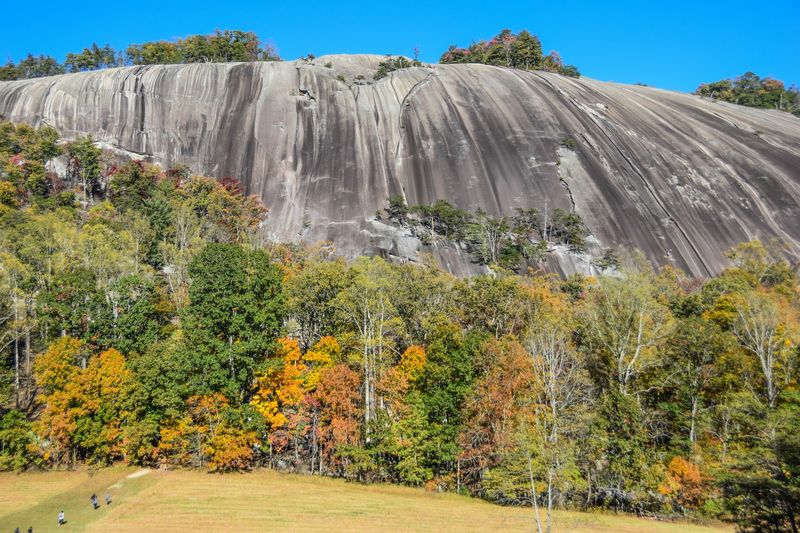
Stone Mountain State Park feels both massive and oddly elegant when you finally see the granite dome up close. Rising about 600 feet above the surrounding valley, the smooth stone face catches light beautifully and creates a landscape that looks part mountain, part sculpture.
It is one of those places where scale becomes the main event.
The park offers more than the dome itself. Trails wind through forest, past streams, and toward sites like Stone Mountain Falls and the historic Hutchinson Homestead, giving the area a fuller sense of natural and cultural history.
The loop hikes provide changing perspectives that make the mountain feel different from every angle.
I would wear shoes with good traction if you plan to explore broadly, especially after rain. The open rock and steeper sections can feel exposed in sun or slick in wet conditions.
Photos capture the shape, but not the way the dome dominates the valley and draws your eyes upward again and again. In person, it feels calm, powerful, and quietly unusual.
Gorges State Park
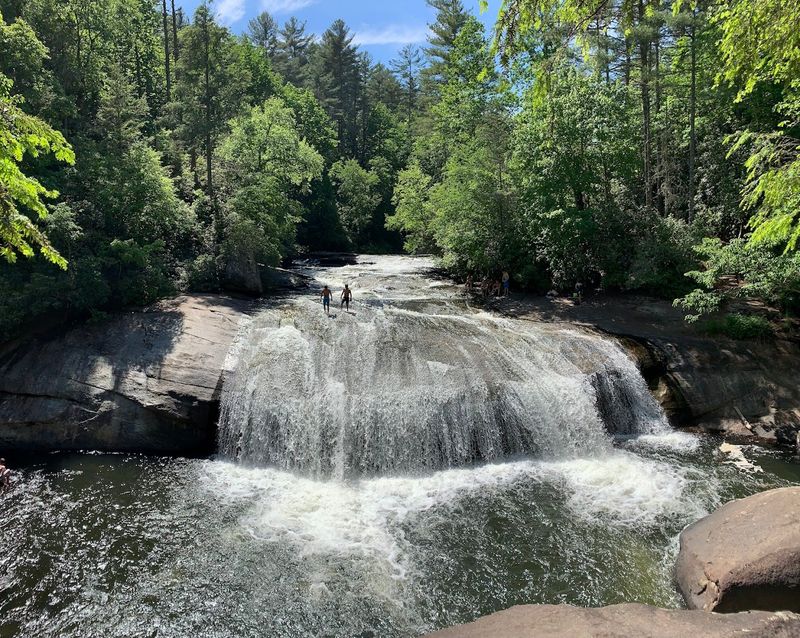
Gorges State Park feels almost primeval in person, especially if you visit after rainfall when everything seems greener, louder, and more alive. Near Sapphire, this protected area is one of the wettest places in North Carolina, which helps explain the thick vegetation, abundant waterfalls, and remarkable biodiversity.
It has a lushness that photos often flatten.
Rainbow Falls is the best-known destination, but the broader park rewards anyone willing to hike farther and pay attention. Ferns, mosses, rushing streams, and rare plant communities give the landscape a temperate-rainforest feel that sets it apart from drier mountain parks.
The terrain can be demanding, especially on return climbs.
I think this is a great pick for visitors who want immersion more than easy checklists. Good footwear, water, and realistic timing matter here.
What makes Gorges State Park unforgettable is how saturated it feels – not just wet, but full. The air, the ground, and the soundscape all seem charged with movement and growth.
Black Balsam Knob
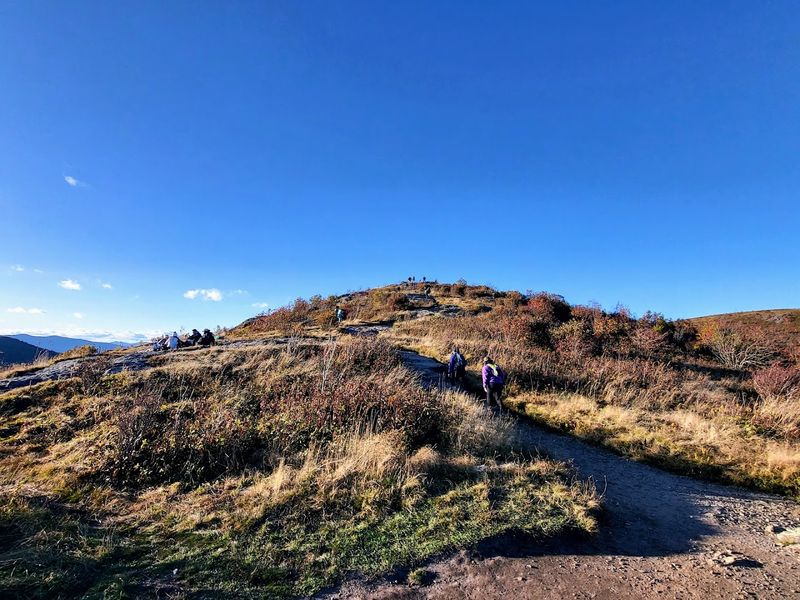
Black Balsam Knob feels unusually open for the southern Appalachians, and that openness is exactly what makes it unforgettable. Near Canton, the bald summits rise above the tree line, creating wide grassy ridges and 360-degree views that feel more like the highlands of another region.
In person, the sweep of sky and mountain is far more immersive than a photograph suggests.
The hike is relatively accessible compared with the visual payoff, which helps make this area so popular. You can link several balds and trails together, including nearby Tennent Mountain, for an outing filled with constant vistas.
Sunset and sunrise are both stunning when weather cooperates.
I think this is one of the best places in North Carolina for that rare sense of standing completely exposed to the elements in a beautiful way. Wind can be strong, and weather can change quickly.
Pictures show the ridgeline, but they miss how the horizon wraps around you. Up there, the mountains do not feel like a backdrop – they feel like an ocean of land.
Dry Falls
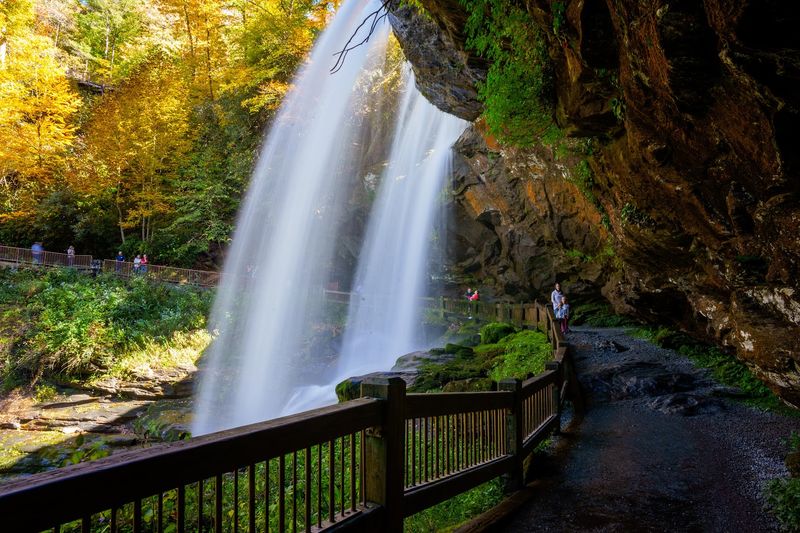
Dry Falls is memorable because it gives you something rare and satisfying right away: the chance to walk behind a waterfall. Near Highlands on US-64, this powerful cascade drops over a rock ledge in a way that lets visitors step into the echoing space behind the water.
Photos make it look cool, but the sensation is what sells it.
You hear the pounding water bounce off stone, feel mist in the air, and watch the curtain shift with the breeze while staying surprisingly protected. The path is short and accessible for many visitors, making this a high-reward stop for road trippers exploring the region’s famous waterfalls.
After rain, the force becomes even more dramatic.
I would bring a light rain layer or at least expect a little spray, especially if you linger at the best viewpoints. The site can be busy, but it is worth it.
Pictures show the waterfall’s shape, yet they cannot recreate that unusual behind-the-water perspective. It feels immersive, loud, and just different enough to be unforgettable.
Lake Mattamuskeet
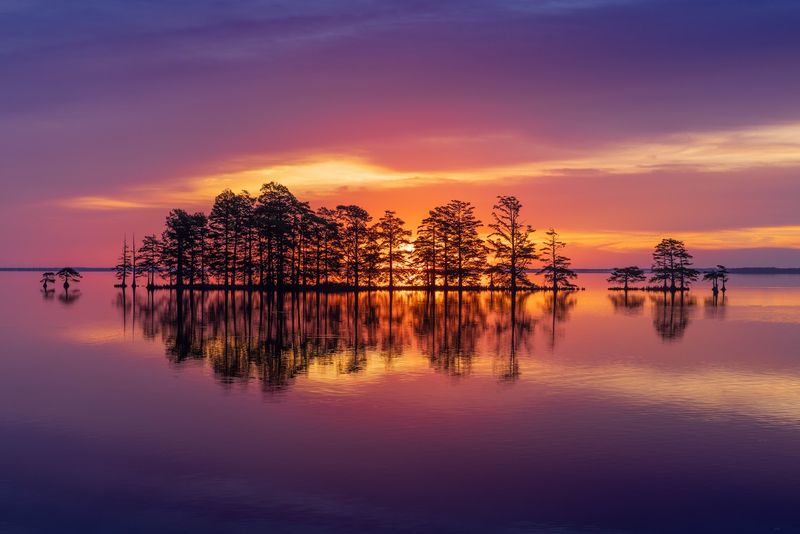
Lake Mattamuskeet offers a very different kind of natural beauty from North Carolina’s mountains and beaches, and that difference is its strength. As the state’s largest natural lake, it spreads across the coastal plain with a calm, spacious character that feels almost meditative in person.
The sheer openness of the sky and water gives the landscape room to breathe.
This area is especially famous for bird migration, with tundra swans, ducks, and other waterfowl drawing wildlife watchers in colder months. The refuge setting adds a quieter rhythm, where the real thrill often comes from light, motion, and distant sound rather than dramatic elevation or crashing surf.
Sunrise and sunset can be exceptional.
I think it is one of the best places in the state for slowing down and noticing details you might otherwise miss. Bring binoculars if you have them.
Photos can show flocks and reflections, but they rarely capture the hush that settles over the lake. In person, the broad horizon and constant birdlife make the whole place feel alive and serene at once.