
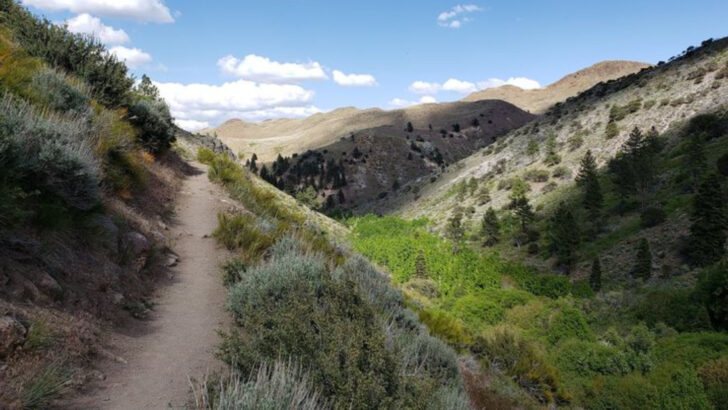
Nevada is home to some of the most jaw-dropping landscapes in the entire country, and March is one of the best times to lace up your hiking boots and hit the trails.
The weather is mild, the crowds are smaller, and the desert and mountain scenery is at its most vibrant.
Whether you are a seasoned hiker or just getting started, these trails offer experiences that go way beyond what their mileage numbers suggest.
Each one tells a story, and you will want to hear every word.
Calico Tanks Trail (Red Rock Canyon National Conservation Area)
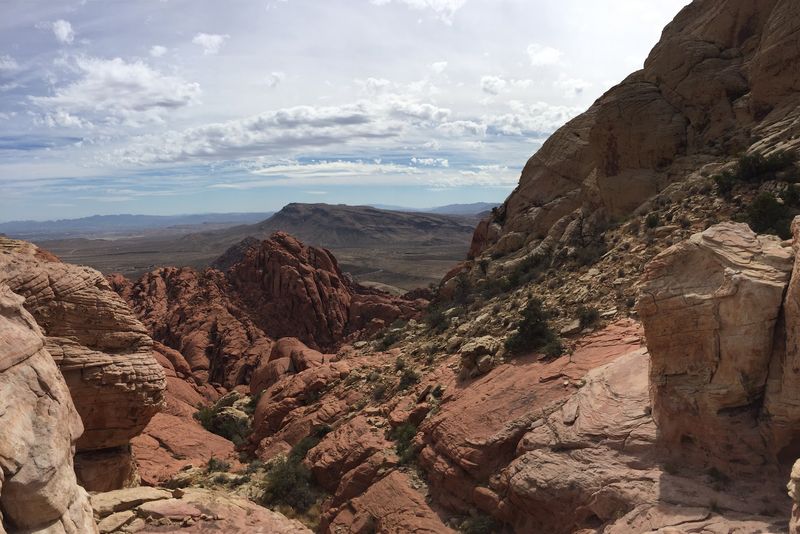
You might glance at the trailhead sign and think, “Only 2.2 miles? That will take no time.” But Calico Tanks Trail has a way of making you forget time altogether.
Every twist and turn reveals a new burst of color — deep reds, burnt oranges, and creamy whites layered into sandstone walls that look like they were painted by hand.
The trail winds through narrow rocky passages and scrambles over boulders, giving hikers a real sense of adventure without demanding marathon-level endurance. March is an especially magical time to visit, because recent winter rains often fill the natural basin at the trail’s end with a shallow pool of water.
That pool reflects the surrounding cliffs in a way that feels almost unreal.
Red Rock Canyon sits just outside Las Vegas, making it a surprisingly easy escape from the city. Wildlife sightings, including bighorn sheep and colorful lizards, are common along this route.
Bring plenty of water, wear sturdy shoes, and give yourself extra time — because this short trail will absolutely earn your full attention and then some.
Fire Wave Trail (Valley of Fire State Park)
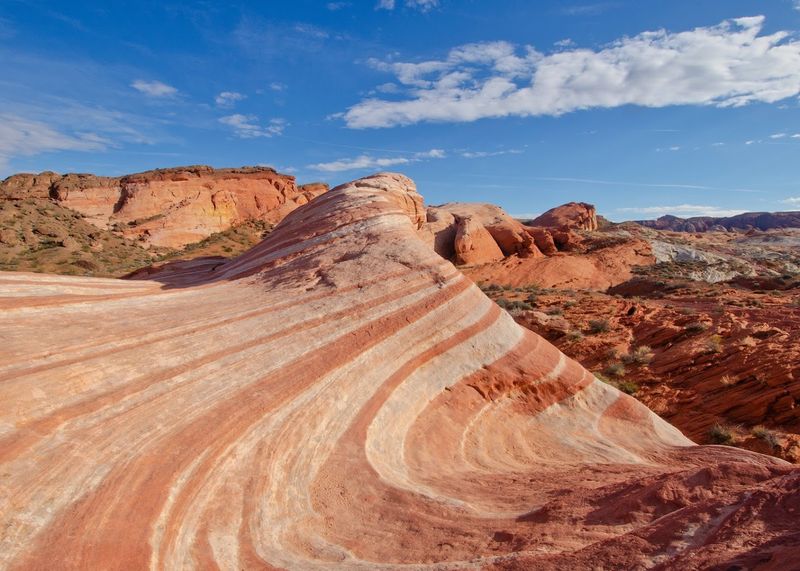
Imagine standing on rock that looks like a frozen ocean wave, its surface swirling with bold stripes of red, pink, and white. That is exactly what Fire Wave Trail delivers, and it does it in just about 1.5 miles round-trip.
The sheer visual drama packed into this short distance is genuinely hard to believe until you experience it yourself.
Valley of Fire earned its name honestly. The iron-rich sandstone formations glow like embers when the sun hits them just right, especially during the golden hours of morning and late afternoon.
March brings comfortable temperatures that make the walk feel refreshing rather than grueling, and the lower sun angle during this month creates stunning photographic lighting across the striped rock surfaces.
This trail is relatively flat, making it accessible for most fitness levels, though the uneven terrain requires careful footing. There are no trail markers on the rock itself, so staying aware of your surroundings keeps you on the right path.
Fun fact: Valley of Fire is Nevada’s oldest state park, established in 1935. Pack a camera, because you will want proof that this otherworldly landscape actually exists on planet Earth.
White Domes Loop (Valley of Fire State Park)
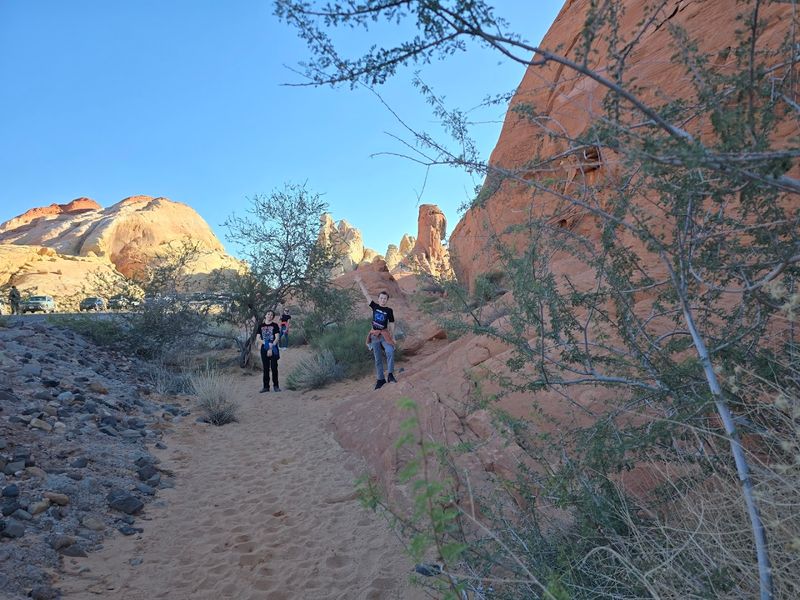
One mile. That is all it takes for White Domes Loop to completely blow your mind.
This compact trail is like a greatest-hits album of desert landscapes squeezed into a single short walk, delivering towering sandstone spires, shadowy slot canyon passages, and wide-open desert vistas in rapid, breathtaking succession.
The slot canyon section is a highlight that hikers of all ages tend to love. Squeezing through narrow rock walls with colorful layers overhead creates a sense of exploration that feels far removed from an ordinary stroll.
Movie fans might also appreciate that remnants of an old film set from a 1966 production still linger along the route, adding a quirky layer of Hollywood history to the desert scenery.
March temperatures in Valley of Fire hover in a sweet spot — warm enough to enjoy without the brutal summer heat that makes midday hikes dangerous. The loop format means you never backtrack, keeping the experience fresh from start to finish.
Sturdy shoes are a must, as the terrain shifts between sandy washes and rocky scrambles. For anyone short on time but hungry for a landscape that feels like another planet, White Domes Loop delivers every single time.
Historic Railroad Trail (Lake Mead National Recreation Area)
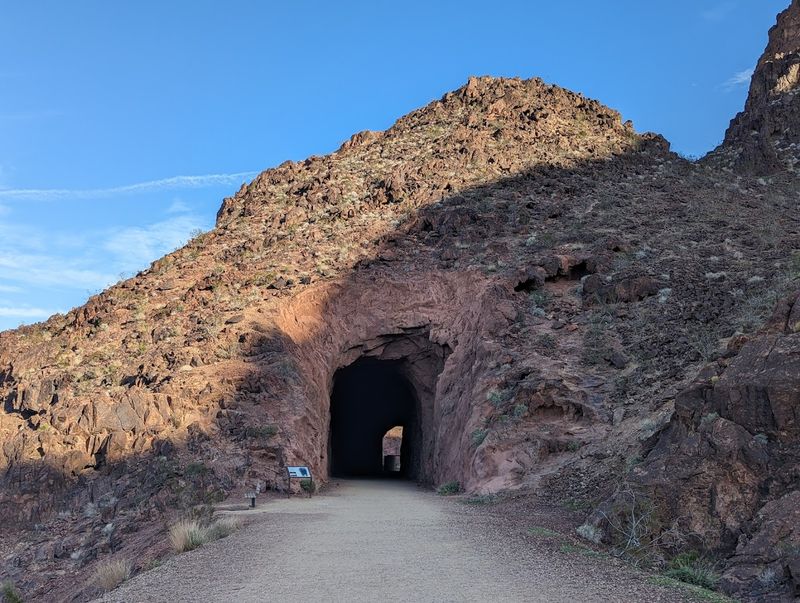
Walking the Historic Railroad Trail feels less like a hike and more like stepping into a time machine. Built in the 1930s to supply materials for the construction of Hoover Dam, this old railroad grade now serves as a 7.5-mile out-and-back trail that carries hikers through five original tunnels blasted directly through the rock.
Each tunnel is a cool, echoing reminder of the massive human effort that shaped this region.
Between tunnels, the trail opens up to sweeping views of Lake Mead’s shimmering blue water stretching toward distant mountains. March is an ideal month for this walk because the temperatures are mild and the lake often sits at higher water levels following winter precipitation.
The combination of natural beauty and industrial history gives this trail a depth that far exceeds what its mileage implies.
The path is wide and mostly flat, making it suitable for families and casual hikers. Bring a flashlight for the tunnel sections, as some stretches get quite dark inside.
The trailhead sits near Boulder City, an easy drive from Las Vegas. Whether you are drawn by history, scenery, or simply the novelty of walking through mountain tunnels, this trail rewards every step with something genuinely memorable.
Monkey Rock Trail (Incline Village / Lake Tahoe Area)
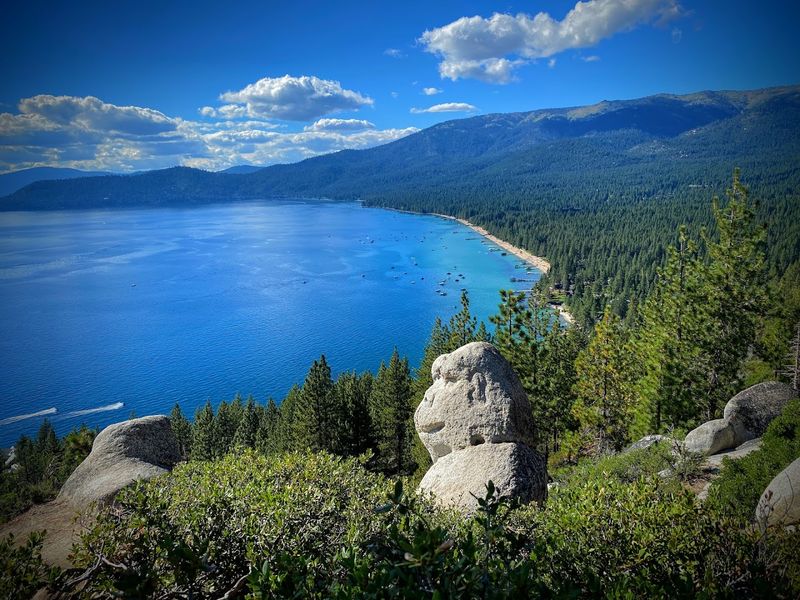
There is something wonderfully playful about a trail named after a rock that looks like a monkey. Monkey Rock Trail near Incline Village earns its quirky name with a distinctive granite formation that becomes a natural frame for some of the most stunning views of Lake Tahoe you will ever encounter.
At roughly 2.6 miles, the hike feels casual right up until the moment the lake appears — and then it feels extraordinary.
March marks a transitional time in this area, with snow beginning to melt at lower elevations while the surrounding peaks still wear their winter white. That contrast between icy mountain summits and the impossibly blue water below creates a visual drama that photographs can barely capture.
The trail itself winds through pine forest before opening onto rocky terrain near the summit viewpoint.
Hikers should check trail conditions before heading out in March, as patches of snow or mud can make footing tricky in spots. Traction devices like microspikes may come in handy depending on recent weather.
The effort, however, is always worth it. Lake Tahoe is one of the clearest and deepest lakes in North America, and viewing it from this elevated granite perch is an experience that stays with you long after you head back down the trail.
Spooner Lake Trail (Lake Tahoe-Nevada State Park)
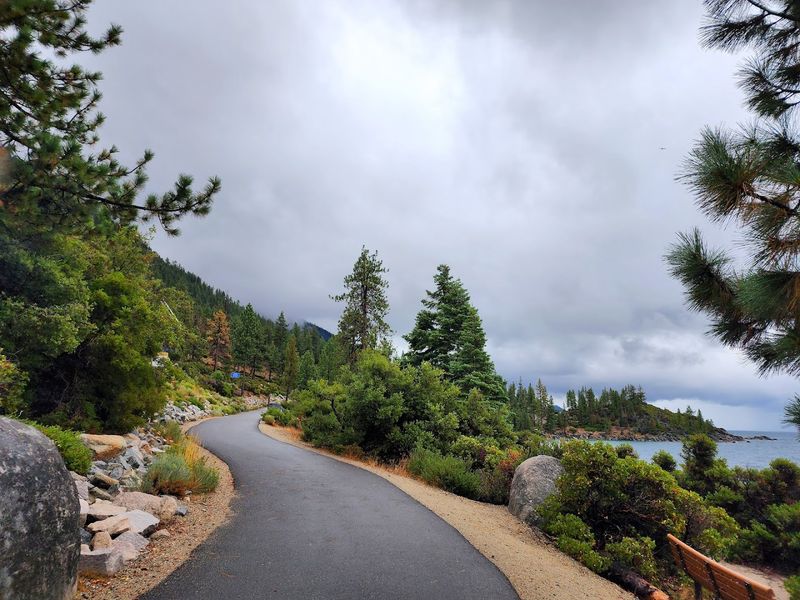
Not every great trail needs to challenge your lungs or test your legs. Spooner Lake Trail is proof that easy and extraordinary can coexist in perfect harmony.
This gentle 2.4-mile loop circles a peaceful alpine lake tucked inside Lake Tahoe-Nevada State Park, offering the kind of quiet beauty that makes you slow down and actually pay attention to the world around you.
In March, the lake often still holds glassy reflections of snow-capped peaks and bare-branched aspens beginning to hint at spring. Wildlife activity picks up noticeably this time of year — mule deer, osprey, and various waterfowl are commonly spotted along the shoreline.
The unhurried pace of this trail invites you to stop often, breathe deeply, and appreciate the small details that faster hikes rush past.
The trailhead is easily accessible and the path is well-maintained, making it a welcoming option for families with younger children or hikers returning from a long winter break. Interpretive signs along the route offer interesting information about the local ecosystem, adding an educational dimension to the walk.
Spooner Lake may not demand much physically, but it gives back generously in atmosphere, wildlife encounters, and the simple pleasure of wandering somewhere genuinely beautiful at your own pace.
Hunter Creek Trail (Humboldt-Toiyabe National Forest)
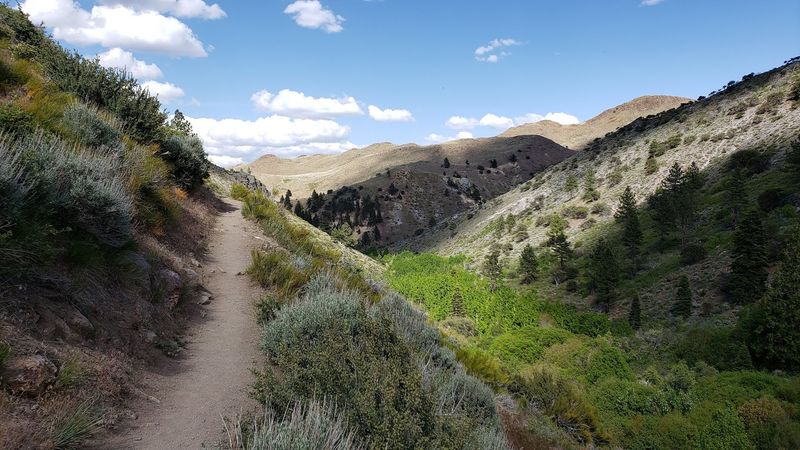
Reno locals have a secret weapon for shaking off the winter blues, and it is called Hunter Creek Trail. This 5.7-mile route winds through a desert canyon just minutes from the city, climbing steadily alongside a creek before delivering hikers to a waterfall that feels like a genuine reward.
The sound of rushing water grows louder as you approach, building anticipation with every step.
March is arguably the best month to tackle this trail. Snowmelt feeds the creek generously this time of year, making the waterfall more powerful and the surrounding vegetation greener than at almost any other point on the calendar.
The contrast between the dry sage-covered hillsides above and the lush, water-fed canyon bottom below gives the trail a layered visual richness that keeps things interesting throughout.
The path involves some rocky scrambling near the upper sections, so sturdy footwear with good ankle support is strongly recommended. Trail conditions can be muddy in early March following rain or snow, so checking recent reports before you go is a smart move.
Despite being relatively close to an urban area, Hunter Creek Trail manages to feel genuinely wild and remote. That combination of convenience and authentic outdoor experience makes it one of northern Nevada’s most beloved short hikes.
Smith Lake via Angel Lake Trail (Near Humboldt National Forest)
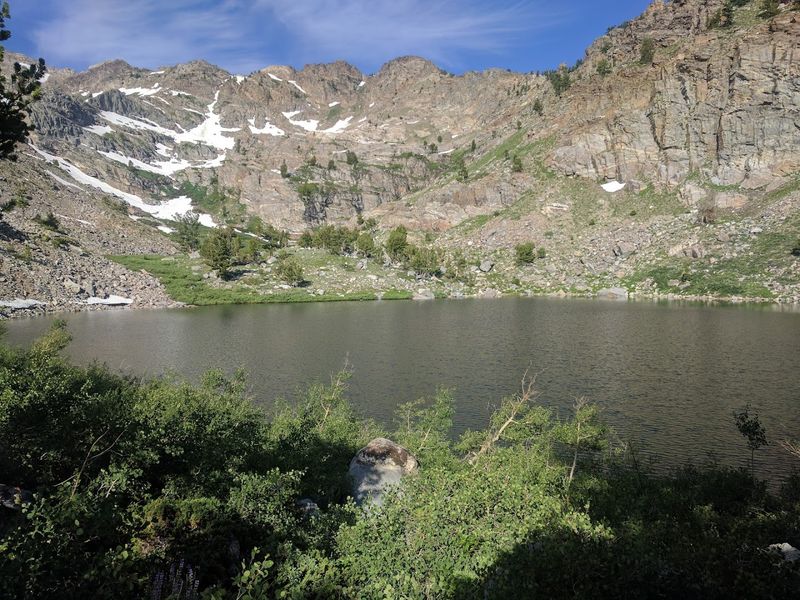
Angel Lake Trail earns its celestial name the moment you crest the final ridge and catch your first glimpse of the shimmering alpine lake waiting below.
The roughly 2.5-mile climb into the East Humboldt Range packs serious elevation gain into a compact distance, threading through stands of pine and aspen that in March are just beginning to stir back to life after winter.
Smith Lake sits in a dramatic glacial cirque — a bowl carved by ancient ice — and the rocky walls surrounding it create mirror-perfect reflections on calm days. Early wildflowers begin appearing along sheltered sections of trail in March, adding unexpected bursts of color to the otherwise rugged landscape.
The sense of having discovered something remote and pristine is strong here, even though the trailhead is reachable by car.
Be prepared for lingering snow at higher elevations, especially on north-facing slopes. Layers are essential because temperatures at altitude can shift quickly between warm sunshine and chilly gusts.
The physical effort required to reach Smith Lake feels disproportionate to the trail’s modest mileage — in the very best way.
Every step of elevation gained translates directly into a more breathtaking panorama, making this one of northeastern Nevada’s most rewarding springtime adventures for those willing to work for their views.
Moenkopi Trail (Red Rock Canyon National Conservation Area)
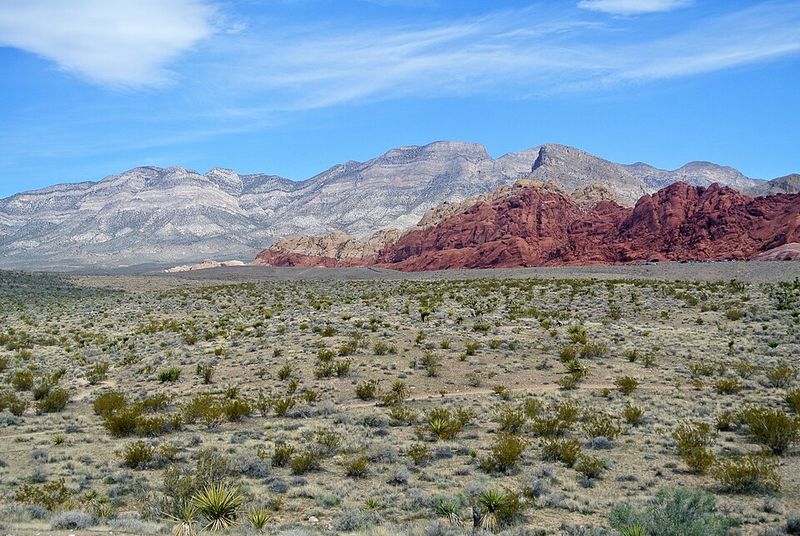
Red Rock Canyon gets a lot of attention for its dramatic climbing walls and strenuous summit routes, but Moenkopi Trail quietly offers something equally compelling at a far gentler pace.
This roughly 2-mile loop rolls through open desert terrain studded with sculpted sandstone formations, giving walkers a broad, unhurried view of the canyon’s famous red rock landscape without demanding serious athletic effort.
The trail feels surprisingly spacious and immersive, partly because the surrounding terrain stretches wide in every direction. Unlike some canyon hikes that funnel you between narrow walls, Moenkopi opens up the sky and lets the desert breathe around you.
March brings mild temperatures and occasional wildflower blooms to the desert floor, adding delicate splashes of yellow and purple to the rust-colored scenery.
Interpretive signs along the route explain the geological history of the formations, which date back hundreds of millions of years. Learning that the red rock beneath your feet was once a towering sand dune makes every step feel a little more significant.
The trail is suitable for most fitness levels and is a wonderful option for families or anyone wanting a meaningful outdoor experience without a strenuous workout. Morning visits offer the best lighting for photography and cooler air for comfortable walking.
Petroglyph Trail (Sloan Canyon National Conservation Area)
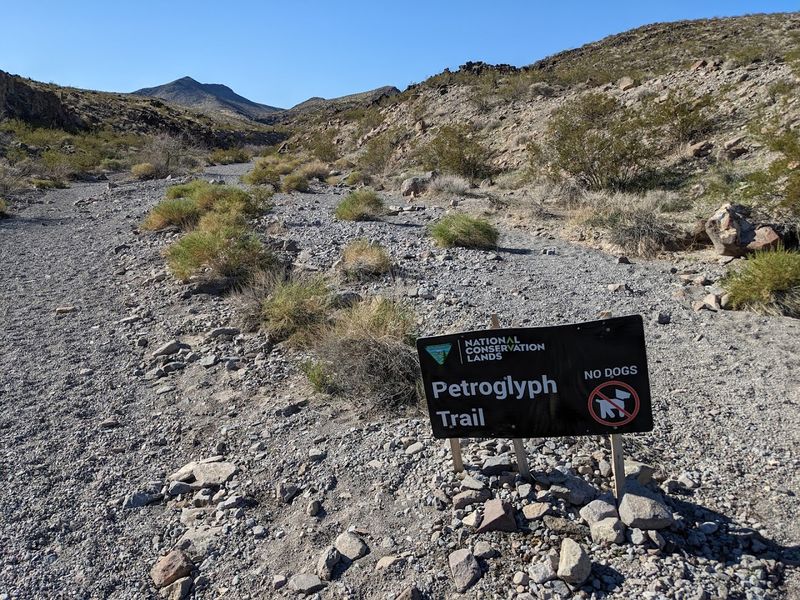
Walking the Petroglyph Trail in Sloan Canyon feels like reading a message written thousands of years ago by people who knew this land intimately. Stretched across roughly 4.5 miles of relatively flat desert terrain south of Henderson, this trail leads to one of the largest concentrations of Native American rock art in the Mojave Desert.
The petroglyphs — images carved into dark desert varnish — depict animals, geometric patterns, and human figures that have endured for millennia.
March offers near-perfect hiking conditions here, with comfortable temperatures and clear skies that make the carved images easier to spot against the rock surface. The canyon itself is a quiet, unhurried place, and the absence of large crowds gives the experience an intimate, almost reverent quality.
Standing before artwork that old, in a landscape that has changed very little since it was made, produces a genuine sense of connection to something much larger than a single afternoon hike.
Visitors are asked to stay on designated paths and avoid touching the petroglyphs, which helps preserve them for future generations. Bring binoculars for a closer look at images positioned higher on the canyon walls.
The cultural richness layered into this trail transforms what might otherwise be a simple desert walk into something that lingers in the memory long after the drive home.