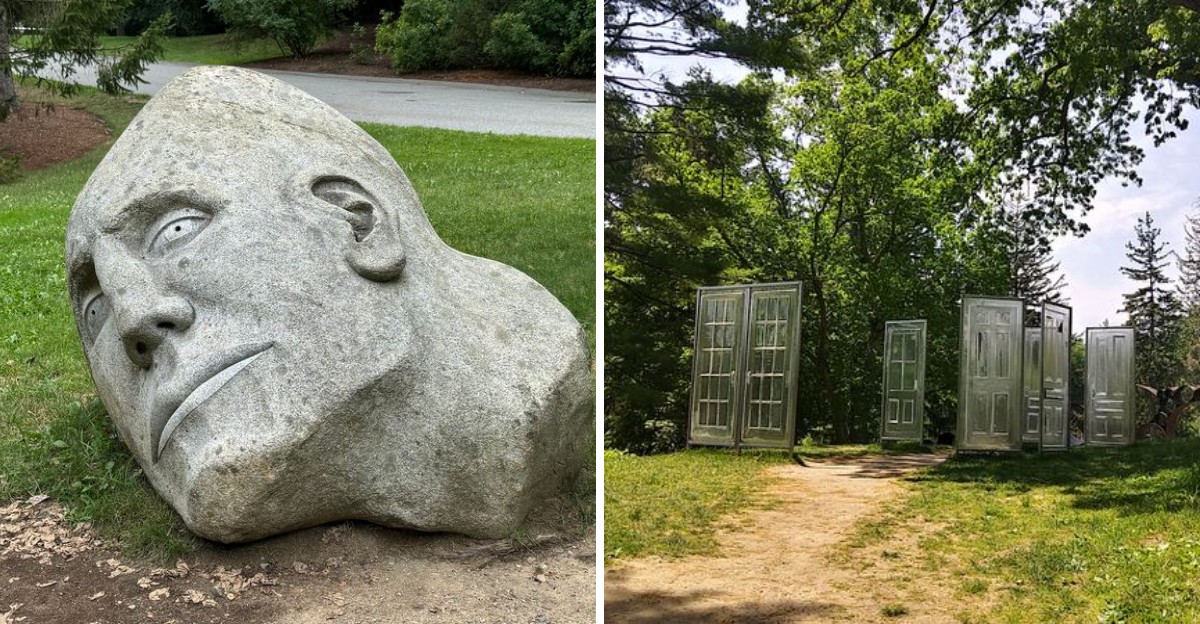
Forget everything you think a sculpture park is supposed to be.
At deCordova Sculpture Park and Museum in Lincoln, Massachusetts, giant works of art appear among trees, open fields, and winding paths, turning a simple walk into a hunt for the next unforgettable sight.
Spread across 30 acres beside Flint’s Pond, this outdoor art destination features more than 50 contemporary sculptures.
Some tower overhead, others hide in unexpected corners, and a few practically demand that you stop, stare, and wonder what you’re looking at.
The setting makes every step feel different, with art and nature constantly competing for your attention.
If you’re searching for a Massachusetts day trip that breaks every museum rule, this is one outdoor adventure you’ll want on your list.
Wander Through 30 Acres Of Art And Nature
Forget cramped gallery spaces where you shuffle shoulder-to-shoulder past paintings. deCordova spreads contemporary sculpture across 30 acres of lawns, gardens, forests, fields, and terraces along Flint’s Pond, giving every piece room to breathe and visitors the freedom to explore at their own pace.
The scale is what makes the experience feel less like walking through a traditional museum and more like exploring an outdoor art trail. More than 50 works are positioned throughout the landscape, so you might spot a sculpture tucked between pine trees one moment and discover another rising from an open meadow the next.
Each turn brings different scenery. Wooded paths give way to sunny clearings, rocky terraces overlook the pond, and manicured gardens lead into wilder natural areas.
The park’s layout encourages wandering rather than following a single route, so visitors can spend anywhere from an hour to an entire afternoon discovering what catches their eye across this massive property.
See Giant Sculptures Rising From The Landscape
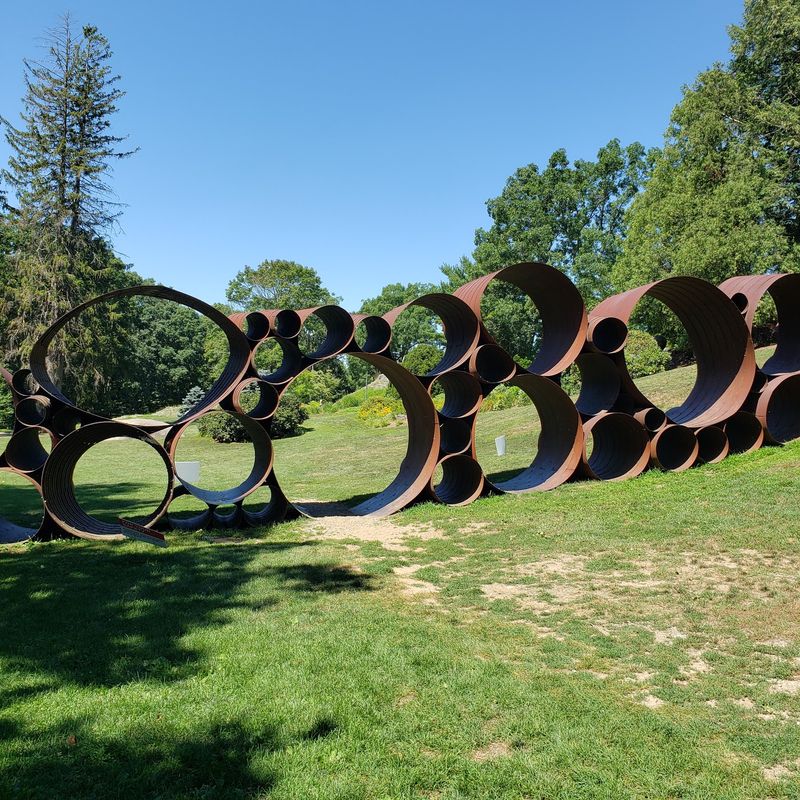
Size matters here, and these aren’t your typical tabletop sculptures. The park is known for large-scale contemporary works that interact with their surroundings rather than simply sitting on pedestals, creating moments where art and nature seem to merge into one experience.
Visitors encounter pieces tucked among trees, placed on lawns, set against rocky areas, and positioned to make the natural landscape part of the artwork itself. Some sculptures stretch upward toward the sky while others sprawl horizontally across the ground.
The varying scales keep the walk visually interesting and often surprising.
What makes these installations particularly memorable is how they change depending on where you stand and what time of day you visit. Morning light might cast dramatic shadows across a metal sculpture, while late afternoon sun could make another piece seem to glow.
Walking around each work reveals new angles, textures, and relationships with the trees, rocks, and water nearby.
Discover Works By Major Contemporary Artists
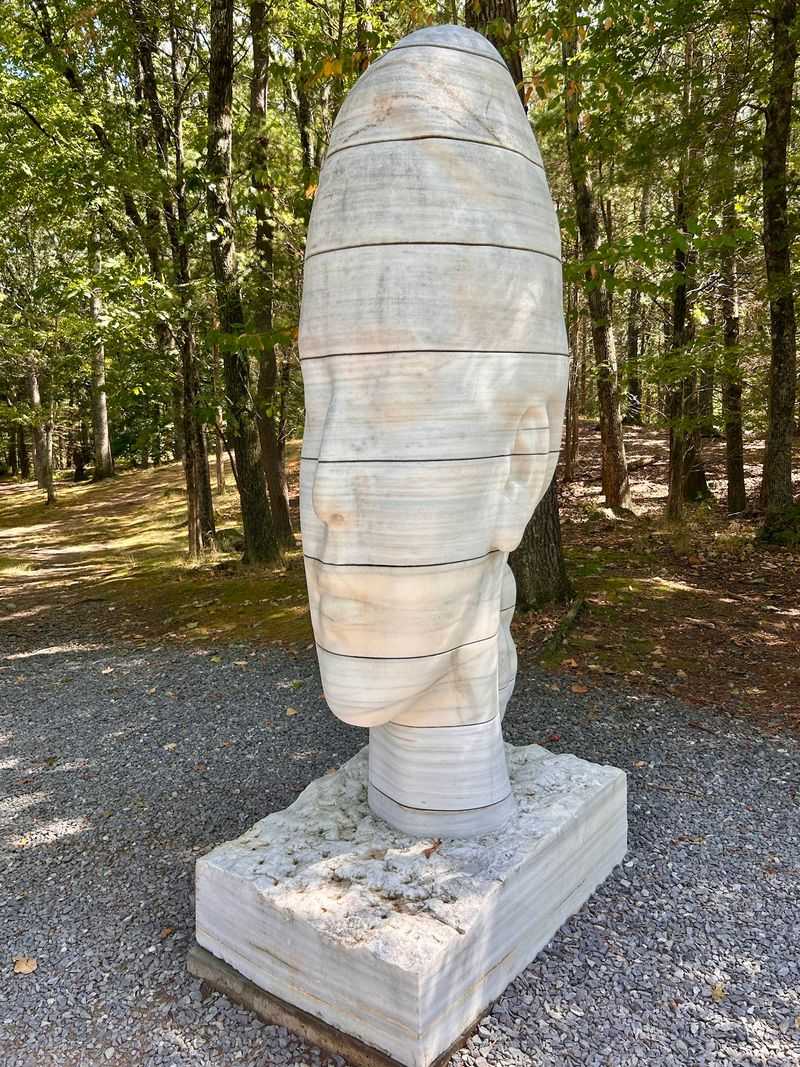
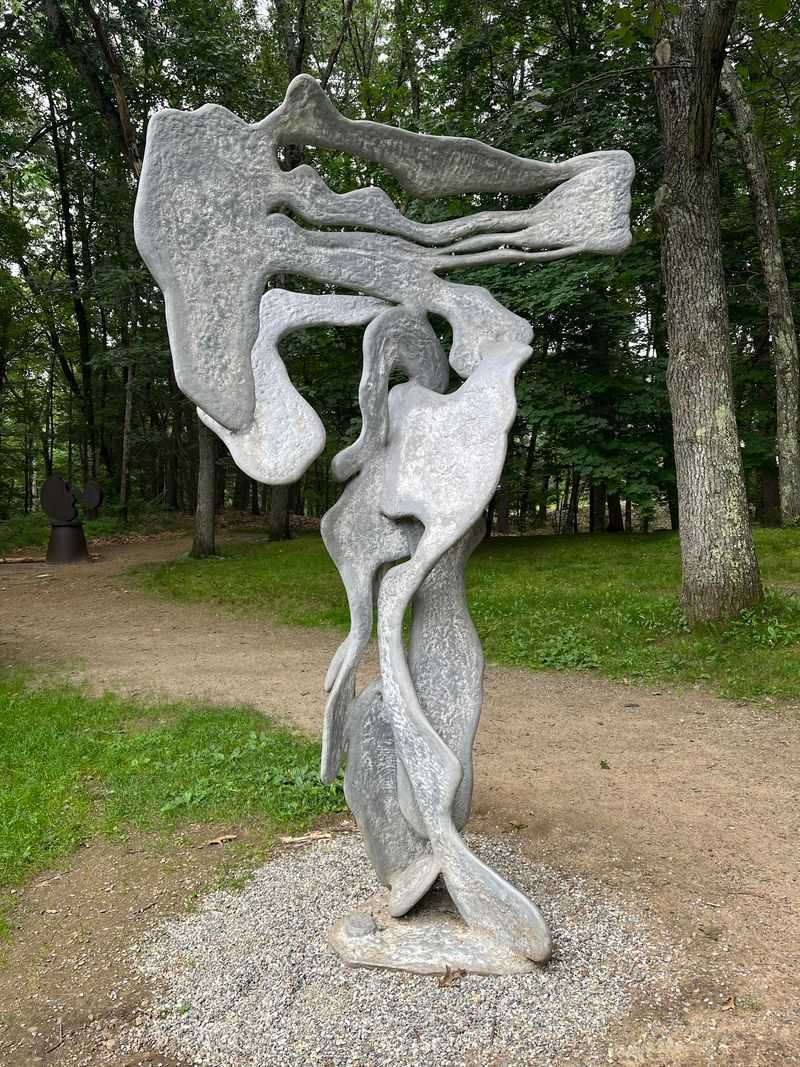
This isn’t just a random collection of outdoor art. The collection features artists including Andy Goldsworthy, Antony Gormley, Nam June Paik, Beverly Pepper, Jaume Plensa, and Ursula von Rydingsvard, giving visitors a chance to encounter internationally recognized contemporary art in an unusually open setting.
For context, these are names you’d typically find in major museums around the world. Andy Goldsworthy creates site-specific works using natural materials like stones and branches.
Antony Gormley makes sculptures exploring the human body’s relationship to space.
Nam June Paik pioneered video art before it became mainstream. Having access to works by artists of this caliber without traveling to Manhattan or overseas makes deCordova particularly valuable for New England art lovers.
You’re viewing museum-quality pieces while standing on grass instead of polished marble floors, which somehow makes the whole experience feel more approachable and less intimidating than traditional gallery visits.
Look For Art That Actually Responds To Its Setting
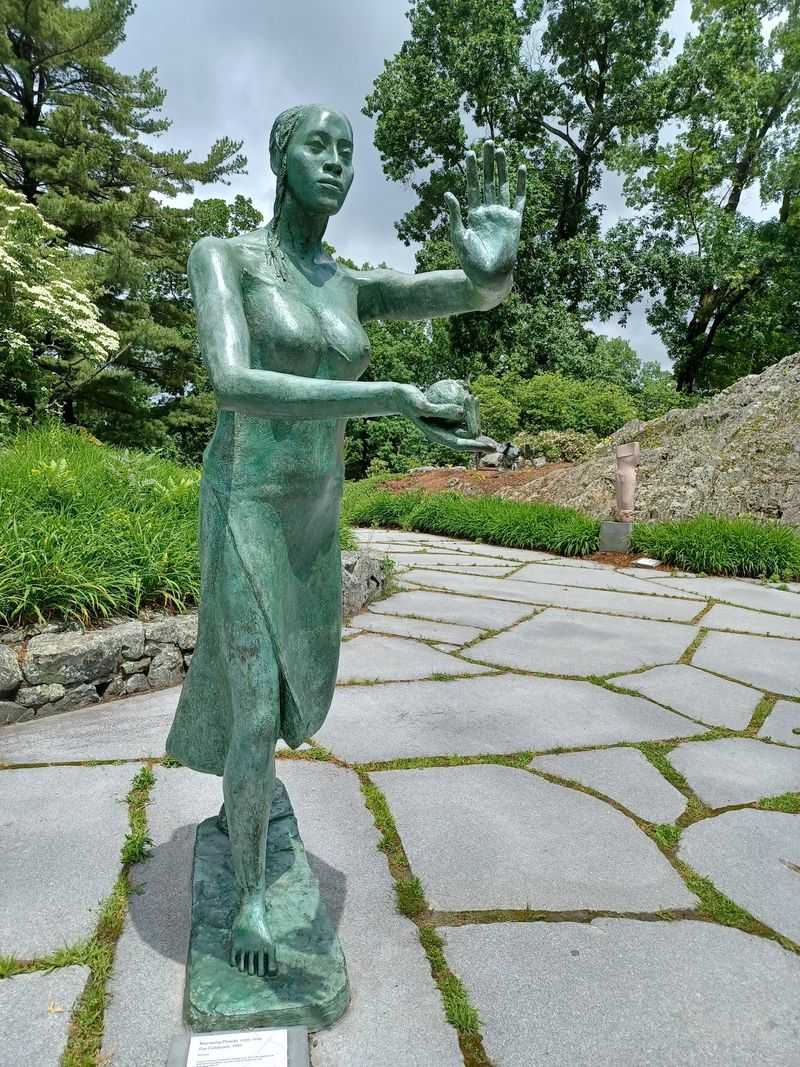
Here’s where things get interesting. Site-specific installations are an important part of deCordova’s identity, meaning some artworks wouldn’t exist anywhere else because they were created specifically for this exact spot.
Some projects take cues from the park’s landscape, architecture, ecology, or history, making the location itself part of the artwork rather than just a backdrop. An artist might design a piece to frame a particular view of Flint’s Pond, or create something that responds to the changing seasons in this specific forest.
This approach transforms how you experience both the art and the landscape. Instead of thinking about a sculpture as something that could be moved to any park anywhere, you start noticing why it belongs exactly where it stands.
The relationship between artwork and environment becomes part of what you’re looking at, adding layers of meaning that wouldn’t exist if the same piece sat in a different setting elsewhere.
Let The Sculpture Park Surprise You Around Every Turn
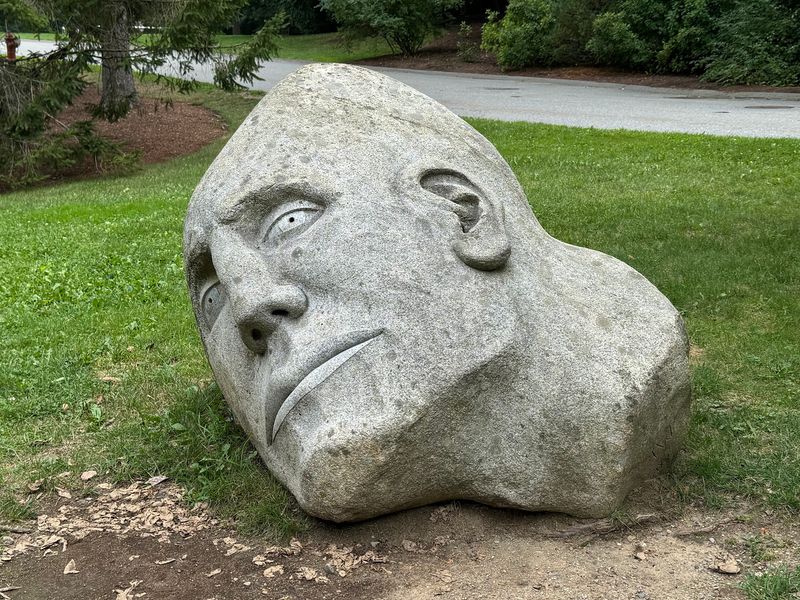
Part of the fun is not knowing exactly what you’ll encounter next. The changing arrangement of outdoor works means a walk through the grounds can bring everything from towering sculptures to playful, unusual, or interactive pieces that break every expectation about what art should look or feel like.
The park has included works such as Paul Matisse’s Musical Fence, where visitors can physically interact with the installation by creating sounds. Other pieces might use unexpected materials, create optical illusions, or simply make you stop and wonder what the artist was thinking.
This element of surprise keeps the experience from feeling predictable or routine, even for repeat visitors. Since exhibitions rotate and artworks change positions or get replaced over time, the park never stays completely static.
You might round a corner expecting open lawn and instead find yourself face-to-face with something completely different from your last visit, making each trip feel like a fresh discovery rather than a repeat performance.
Take In The Views Along Flint’s Pond
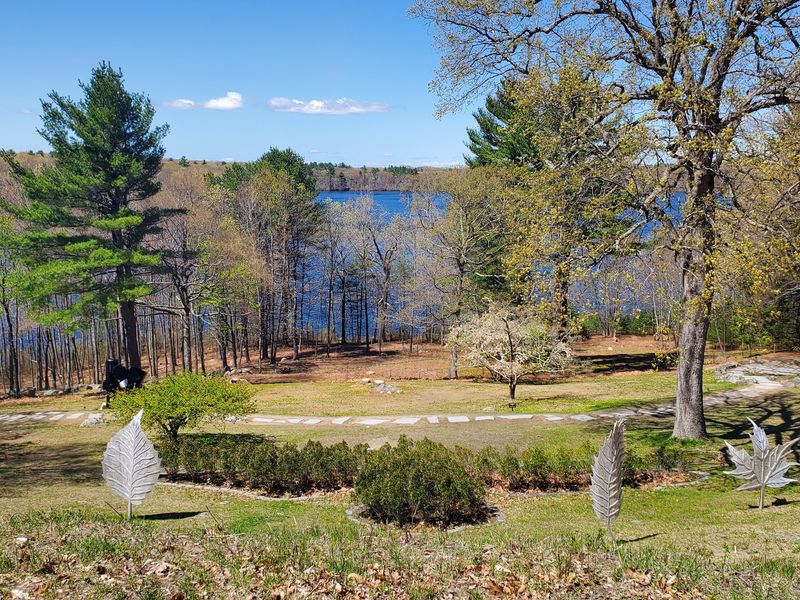
deCordova’s location on the shore of Flint’s Pond gives the outdoor art walk another layer beyond the sculptures themselves. The park’s lawns, wooded areas, wetlands, and pond-side scenery create changing views as visitors move between installations, adding natural beauty to the artistic experience.
Water views appear throughout the property, sometimes framing sculptures and other times offering quiet spots to pause between artworks. The pond stretches across the landscape with conservation land on the opposite shore, giving the whole area a peaceful, less-developed feel despite being relatively close to Boston.
Seasonal changes affect these views dramatically. Spring brings fresh green growth, summer fills the woods with full canopy, fall transforms the landscape with foliage, and winter reveals the park’s underlying structure.
These natural cycles mean the same sculpture might look completely different depending on when you visit, as changing light, vegetation, and water conditions alter the backdrop throughout the year.
Explore The Park With Kids, Too
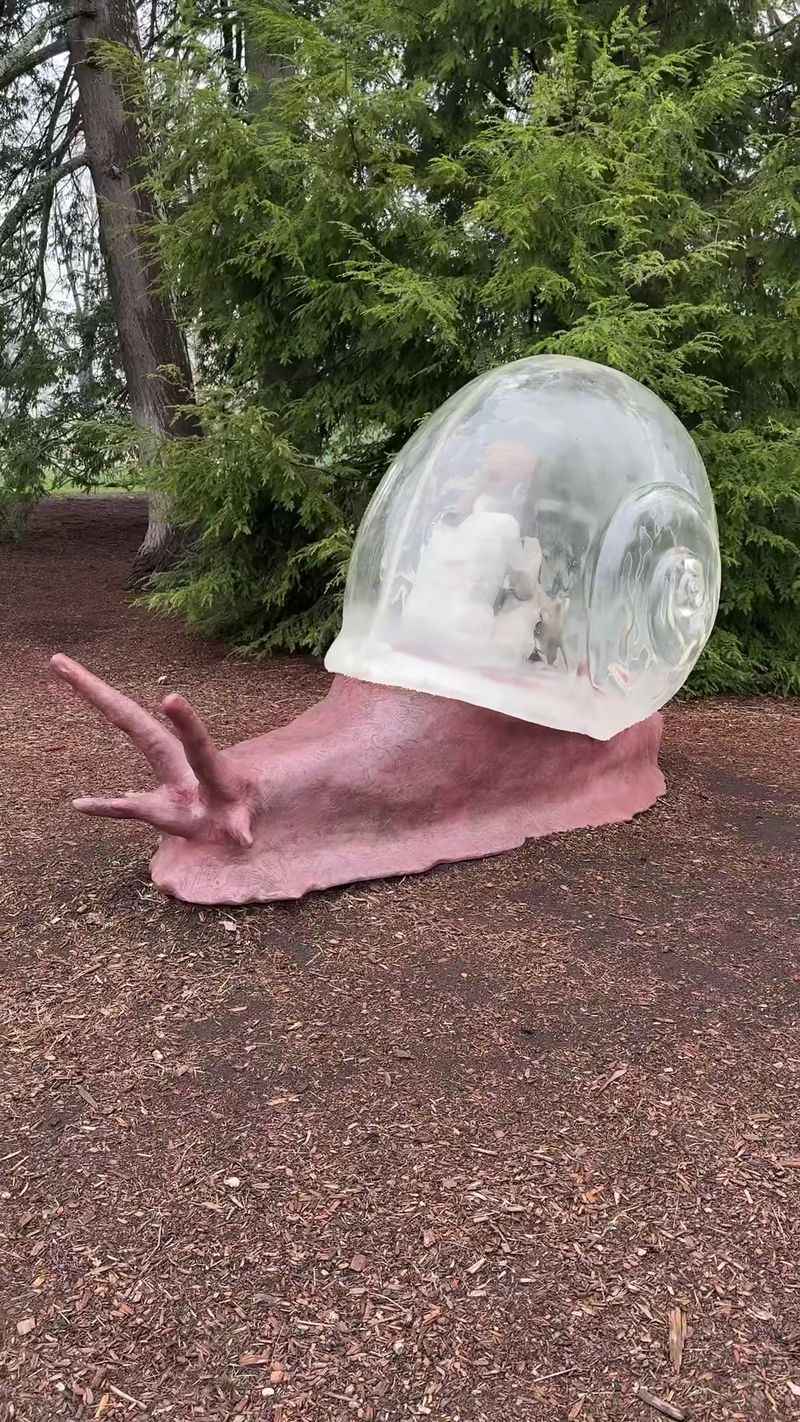
This isn’t an art destination that requires children to quietly trail behind adults with hands behind their backs. deCordova offers self-guided activities and scavenger hunts designed to encourage younger visitors to explore the grounds and engage with the sculptures in ways that feel like play rather than forced education.
The combination of open space, trails, and hands-on interpretation makes the park particularly suited to family outings. Kids can run between installations, climb hills, investigate natural features, and experience art without the pressure of museum behavior rules.
Many sculptures naturally spark curiosity in younger visitors, especially larger-than-life pieces or works with interesting textures and shapes. The outdoor setting means children can talk at normal volume, point excitedly at discoveries, and move at their own energy level without disrupting other visitors.
Parents often find this makes for a more relaxed cultural experience compared to indoor museums where keeping kids engaged and quiet simultaneously becomes the real challenge of the day.
See How Art And Ecology Come Together
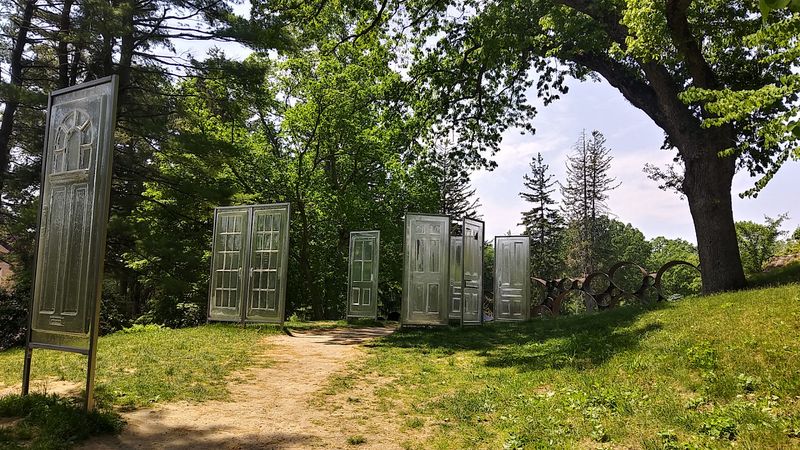
The grounds are more than landscaped space surrounding the artwork. deCordova’s natural areas support wetlands and wildlife, including wood frogs, yellow-spotted salamanders, eagles, and common loons, making the park function as both cultural institution and ecological preserve.
Its 2025-2026 Nature Sanctuary exhibition explores connections between art, nature, climate change, land, and migration. This programming treats environmental concerns as valid subjects for contemporary art rather than keeping ecology and culture in separate boxes.
Visitors might notice bird nests, amphibian habitats, or native plant communities while moving between sculptures. The park’s approach suggests that protecting natural systems and displaying art aren’t competing interests but complementary goals.
Wetland boardwalks lead past artworks while keeping visitors from damaging sensitive areas.
Some installations directly address environmental themes, while others simply coexist with the landscape in ways that respect ecological balance rather than dominating or ignoring it completely.
Make A Longer Day Of Your Visit

A visit can easily stretch beyond simply walking past sculptures if you want it to. Visitors can bring a picnic, stop at the Twisted Tree Cafe, browse the on-site store, join public programs, or continue onto nearby conservation trails around Flint’s Pond.
This gives the 30-acre property the feel of a full afternoon destination rather than a quick museum stop. You might spend an hour viewing art, another hour eating lunch on the lawn, and more time exploring natural trails or participating in a scheduled program or workshop.
The cafe provides refreshments without requiring you to leave and break up your visit. The shop offers art-related items, books, and gifts if you want something tangible to remember the experience.
Public programs vary throughout the year and might include artist talks, outdoor yoga, guided tours, or seasonal events.
Nearby conservation trails extend your outdoor time beyond the sculpture park itself, letting you transition from curated art experience into wilder hiking territory if you’re up for more walking.
Plan Your Visit
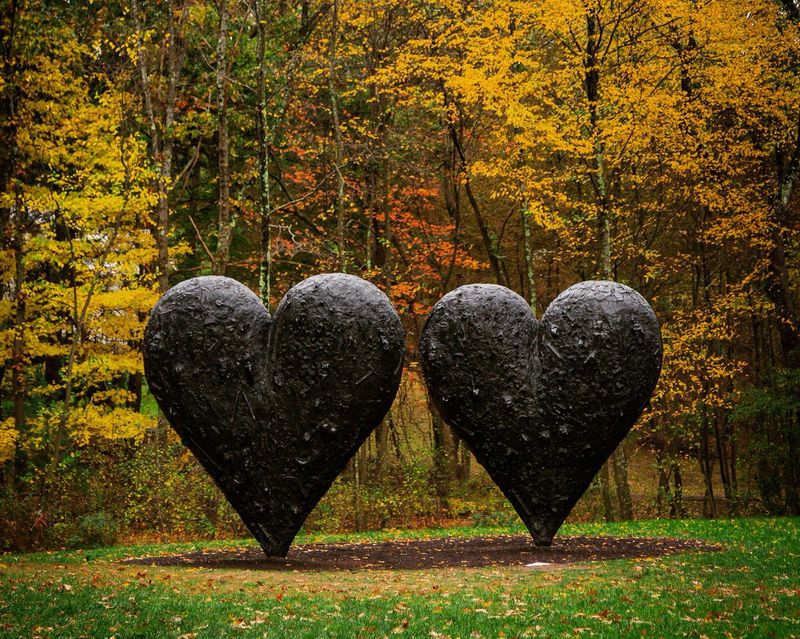
Before you head to Lincoln, here’s what you need to know. deCordova Sculpture Park and Museum is located at 51 Sandy Pond Road, Lincoln, MA 01773. You can reach them by phone at 781-259-8355 for specific questions about current exhibitions or special circumstances.
The Sculpture Park is currently open Tuesday through Friday from 10 a.m. to 4 p.m. and Saturday through Sunday from 10 a.m. to 5 p.m. Holiday Mondays are also open during specified holidays, so check ahead if you’re planning a holiday visit.
Admission is currently $14 for adults and $12 for seniors and students. Children 12 and under get in free, as do Trustees members and Lincoln residents.
Free admission also applies to several qualifying assistance programs, so ask if you’re participating in programs like WIC, EBT, or ConnectorCare.
These policies make the park more accessible to families and community members regardless of budget constraints.