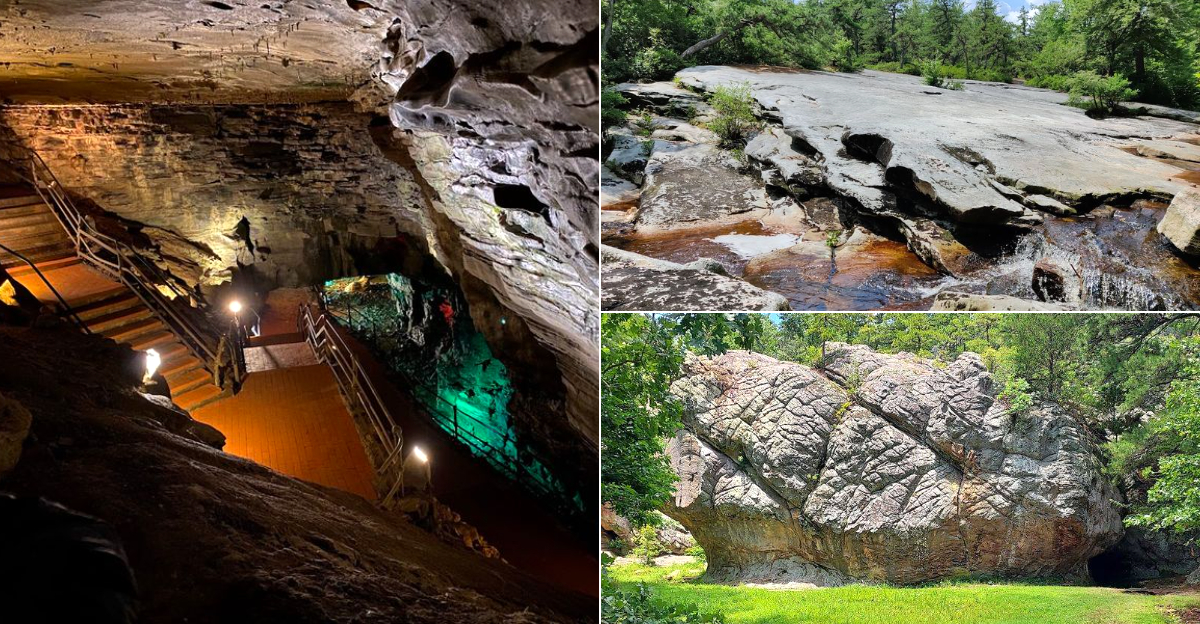
New York may be famous for its skylines and coastlines, but hidden beneath its hills and forests lies a world that most visitors never think to explore.
The state’s cave landscape is remarkably diverse, ranging from dramatic limestone caverns lit by glittering formations to rugged wild passages carved through ancient rock.
Some of New York’s most impressive underground spaces have been drawing curious visitors for generations, while others remain beautifully off the beaten path.
Whether you’re looking for a guided tour through towering stalagmites or a quiet scramble through a remote natural tunnel, there’s something here for every level of adventurer.
These 12 New York caves are among the finest natural masterpieces the state has to offer, and every one of them is worth making the trip for.
1. Howe Caverns, Howes Cave, Schoharie County
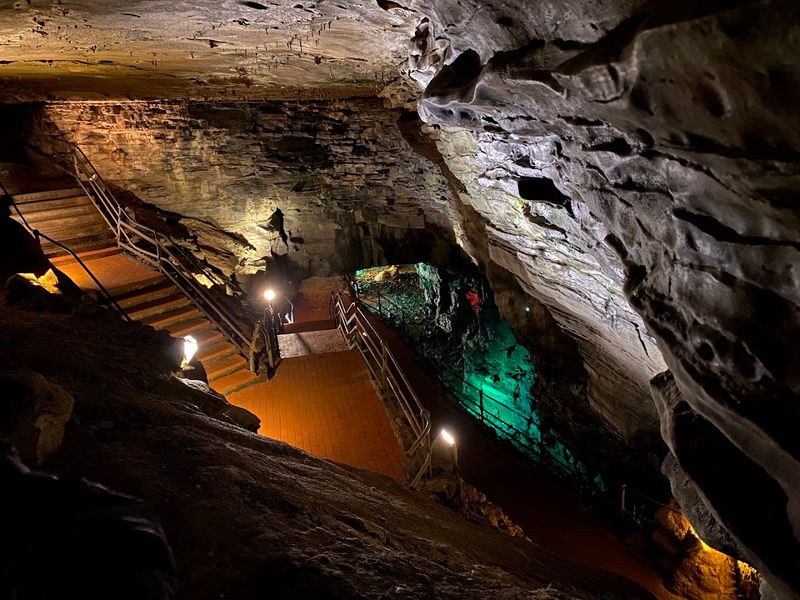
A cool hush settles in long before you fully understand how vast the underground world around you really is.
The path gradually reveals cathedral-like chambers, mineral draperies, and an eerie river that seems to glide through stone in silence.
That unforgettable first impression belongs to Howe Caverns in Howes Cave, Schoharie County, one of New York’s most famous subterranean landmarks.
Formed over millions of years within limestone, this cave system combines accessibility with the kind of grandeur that still feels genuinely wild.
Guided tours lead you through well-lit passages where stalactites, stalagmites, and flowstone create scenes that look almost theatrical.
The signature boat ride along the underground waterway adds a sense of discovery, making the experience feel more immersive than a typical walk-through attraction.
Even with its popularity, the cavern keeps its power because scale and texture do most of the talking.
You notice the drop in temperature, the echo of footsteps, and the constant reminder that water shaped every surface here patiently.
Families, casual explorers, and geology lovers all find something memorable, especially when the chambers suddenly open into spaces bigger than expected.
Few places in the state introduce New York’s underground beauty with such confidence and timeless appeal.
2. Secret Caverns, Howes Cave, Schoharie County
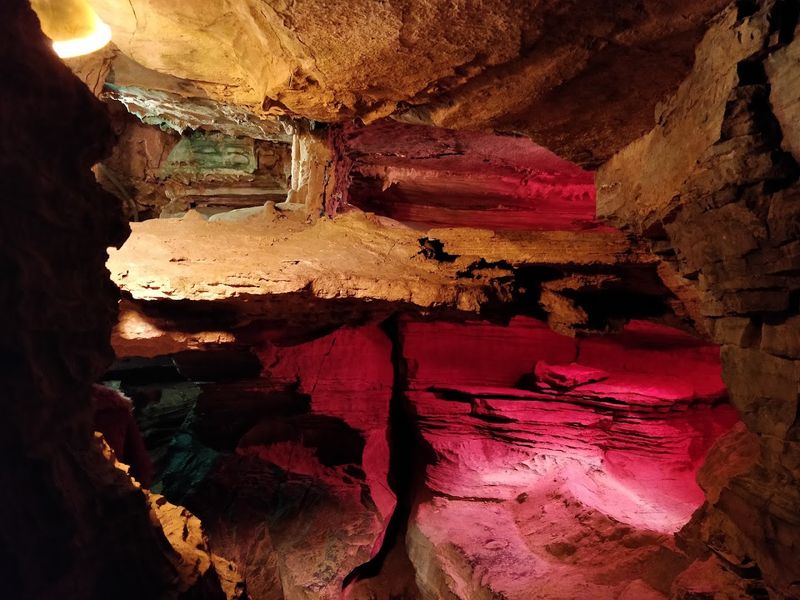
Roadside nostalgia and underground drama make a surprisingly perfect pair when you pull into this old-school cave stop.
The mood feels less polished than larger attractions, which is exactly why the descent seems more adventurous and personal.
That blend of quirky charm and natural spectacle defines Secret Caverns in Howes Cave, Schoharie County.
Unlike more refined tour caves, this one leans into a rugged personality that many visitors find refreshing.
Its passages are full of limestone textures, dripping formations, and narrow stretches that heighten the sense of entering someplace hidden.
The biggest payoff comes near the end, when you reach the impressive underground waterfall that has become the cavern’s signature sight.
There is something satisfying about how unpretentious the whole experience feels from start to finish.
You are not just moving through a curated attraction, but stepping into a place that still retains a bit of roadside Americana and cave-country mystery.
That atmosphere makes the formations, damp air, and echoing chambers feel more memorable because nothing about it seems overly staged.
If you enjoy natural wonders with personality, Secret Caverns easily earns a spot on your New York list.
It offers enough geological interest for curious travelers while keeping an offbeat spirit that stands apart from more famous destinations.
3. Natural Stone Bridge and Caves, Pottersville, Warren County
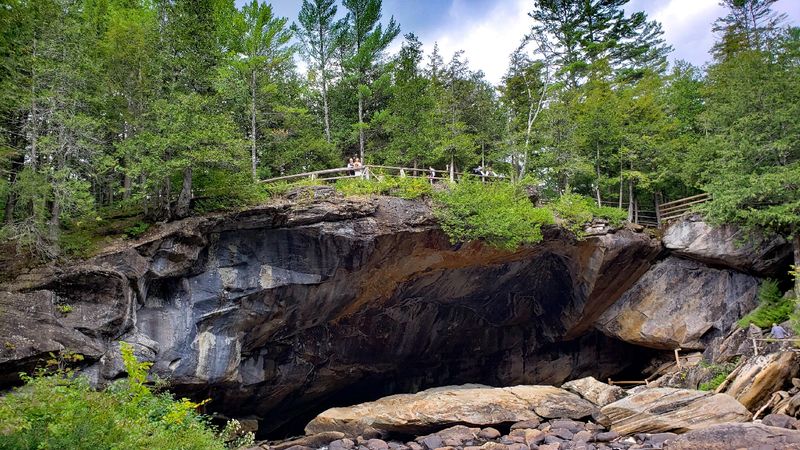
Rushing water, sculpted rock, and forest light create the kind of setting that feels half canyon, half hidden fantasy.
Instead of one enclosed cavern, you get a wider landscape of crevices, cave-like passages, and stone forms shaped by relentless water.
That dynamic scene unfolds at Natural Stone Bridge and Caves in Pottersville, Warren County.
The site is known for its massive marble arch, often described as the largest natural stone bridge in the eastern United States.
Walking the trails reveals potholes, narrow rock corridors, small caves, and overlooks where the stream has carved astonishing detail into the marble.
Because the terrain mixes surface scenery with underground elements, the experience feels more varied than a traditional cave visit.
Seasonal changes make this place especially rewarding if you enjoy returning to see a landscape in different moods.
Summer highlights the cool water and green canopy, while autumn brings fiery foliage that contrasts beautifully with pale stone and shadowy openings.
Even when the caves themselves are modest in scale, the setting gives every passage an epic sense of context.
It is approachable for families, photogenic for casual visitors, and layered enough to keep nature lovers engaged throughout the walk.
4. Ausable Chasm Cave, Ausable Chasm, Clinton County
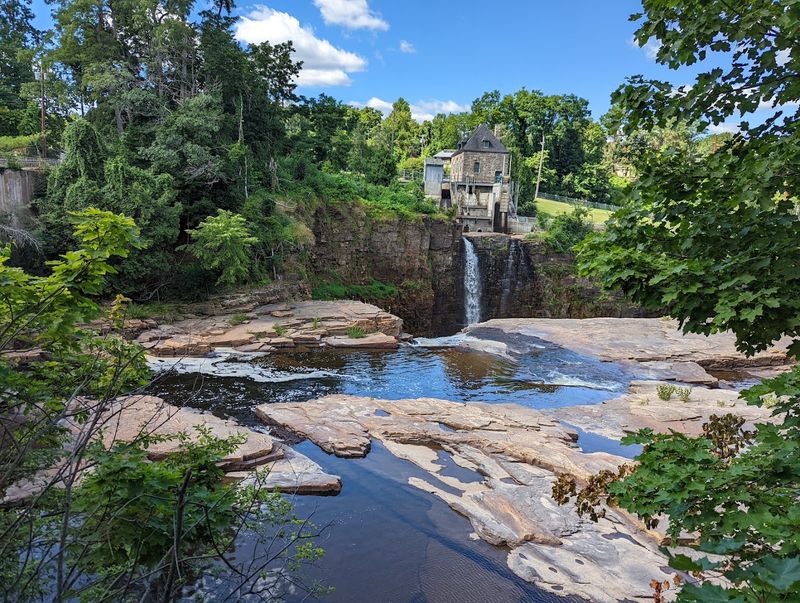
Sheer cliffs and thunderous water set the tone before the darker recesses in the rock begin to catch your eye.
This is less about a single classic cave and more about discovering hidden spaces within one of New York’s most dramatic chasms.
That sense of layered adventure defines the cave features around Ausable Chasm in Ausable Chasm, Clinton County.
Often called the Grand Canyon of the Adirondacks, the gorge is famous for towering sandstone walls carved by the Ausable River.
Along its trails and cliff faces, you will find alcoves, overhangs, and cave-like formations that deepen the feeling of exploring a rock-sculpted labyrinth.
These spaces may be smaller than major commercial caverns, but the surrounding scale makes them feel surprisingly cinematic.
The combination of water, height, and shadow gives every sheltered opening a dramatic backdrop.
One moment you are admiring sunlit cliffs, and the next you are stepping near darker pockets that hint at erosion’s patient craftsmanship.
Because the chasm offers hiking, rafting, and scenic viewpoints, the cave elements become part of a broader geological story rather than a standalone attraction.
This stop is ideal if you want cave atmosphere without giving up big outdoor scenery.
Even brief encounters with its cave-like spaces add mystery to a destination already overflowing with natural grandeur.
5. Indian Ladder Caves, Altamont, Albany County
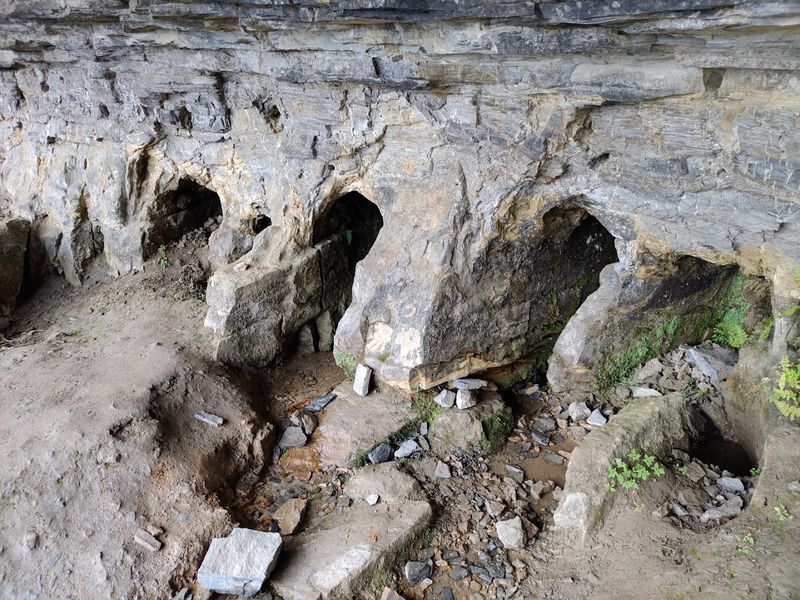
Few places feel as inviting as a cliffside trail where waterfalls, overhangs, and shallow caves unfold one after another.
The experience is less about descending underground and more about moving through a living rock wall shaped by time and weather.
That is the magic of Indian Ladder Caves in Altamont, Albany County.
Set within John Boyd Thacher State Park, these cave-like spaces line the base of the Helderberg Escarpment and create an unusually immersive walk.
You pass beneath dripping ledges, behind delicate falls, and alongside recesses where shadow, moss, and limestone textures make the route feel enchanted.
Because the trail runs directly under the cliffs, you stay close to the geology in a way that feels immediate and memorable.
This destination works beautifully for visitors who want dramatic cave atmosphere without the demands of technical caving.
Children often love the sense of discovery, while photographers appreciate how changing light transforms the rock surfaces throughout the day.
On a warm afternoon, the cooler air near the cliff base adds another layer of comfort and sensory appeal.
Indian Ladder Caves may be modest in depth, but they deliver oversized charm and accessibility.
The surrounding views from the escarpment also give you a sweeping reward before or after the sheltered trail below.
6. Ice Cave Mountain, Sam’s Point, Ulster County
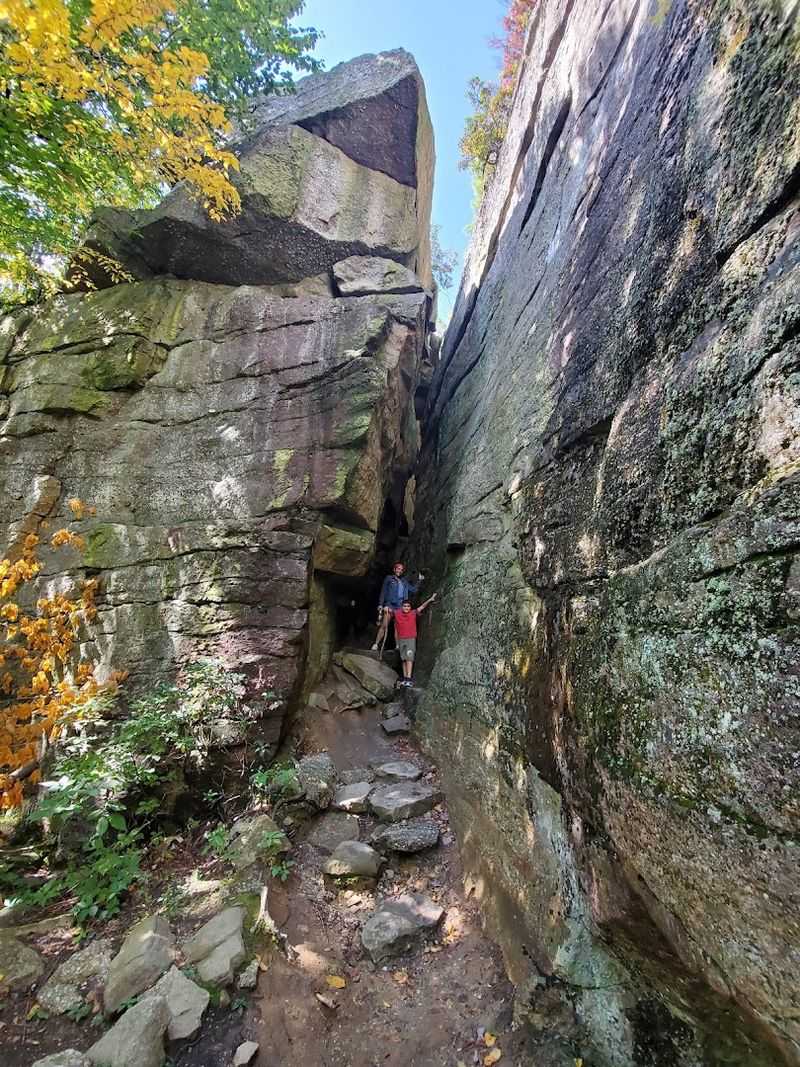
A strange chill lingers here even when the day outside feels bright and undeniably warm.
The landscape is rugged, fractured, and unforgettable, filled with giant boulders that create hidden spaces where cold air seems to live year-round.
That rare atmosphere defines Ice Cave Mountain at Sam’s Point in Ulster County.
Located within the Shawangunk Ridge preserve, this area is famous for its ice caves formed by deep talus crevices rather than classic limestone caverns.
Hiking the trail brings you through a stark, beautiful environment where broken rock piles and hardy vegetation create a setting unlike most New York cave destinations.
As you move among the fissures, the temperature shift becomes part of the thrill, especially during warmer months.
The appeal is not only geological but almost surreal, because the mountain feels governed by its own internal climate.
Those cool pockets once held ice deep into the year, giving the site its lasting reputation and a sense of natural oddity.
Combined with sweeping views from Sam’s Point, the cave area feels both intimate and expansive within a single outing.
This is a perfect choice for travelers who enjoy hiking as much as hidden rock features.
Among New York’s cave experiences, Ice Cave Mountain stands apart for turning broken stone and cold air into something truly mesmerizing.
7. Lake Minnewaska Caves, New Paltz, Ulster County
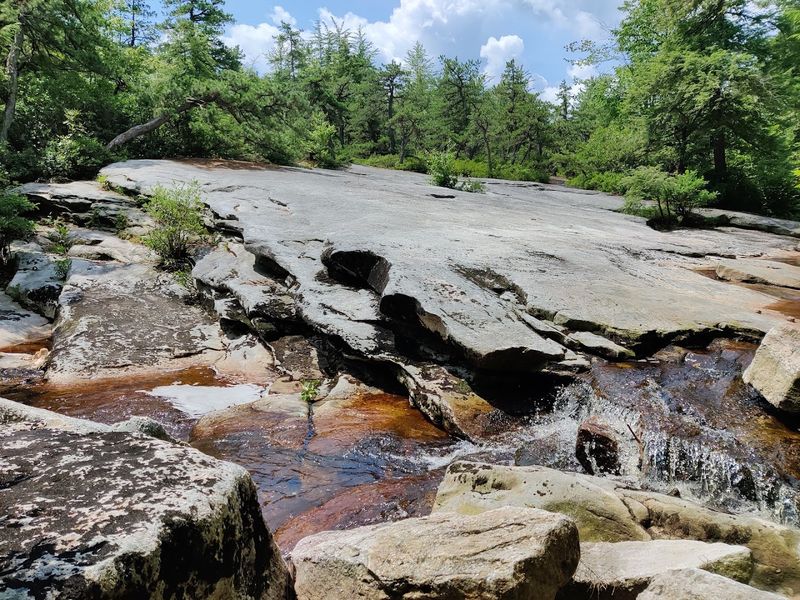
Open sky and rugged stone come together here in a way that feels adventurous without losing its calm, scenic grace.
Rather than a deep underground maze, you encounter cave-like spaces tucked into the dramatic rock landscape of the Shawangunks.
That understated appeal defines the caves around Lake Minnewaska in New Paltz, Ulster County.
The preserve is best known for cliffs, carriage roads, forests, and clear mountain lakes, yet its rock formations hide small recesses and sheltered passages worth noticing.
These features add texture to hikes by breaking up expansive viewpoints with moments of enclosure, shadow, and close-up geological detail.
You get the pleasure of discovery while still enjoying one of the Hudson Valley’s most beloved outdoor settings.
Because the terrain is so photogenic, even modest cave spaces feel elevated by their surroundings.
Wind-shaped trees, sweeping cliff edges, and changing light over the stone create a sense that every opening belongs to a larger natural composition.
The result is less dramatic than a commercial cavern, but often more peaceful and personally rewarding.
This spot is especially appealing if you like your cave experiences woven into a full day outdoors.
Visitors can hike, admire the lake, and explore rocky pockets without committing to a highly specialized outing.
8. Leatherman’s Cave, Ossining, Westchester County
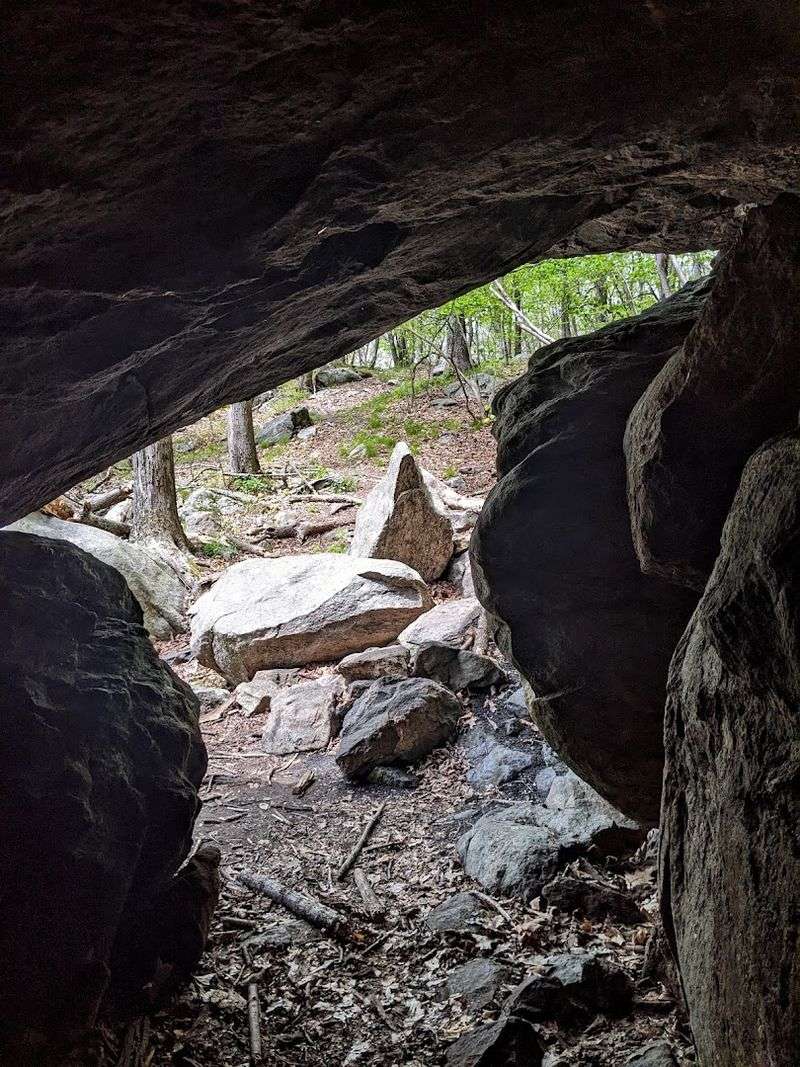
Not every memorable cave needs towering chambers or a long descent to leave an impression on you.
Sometimes mystery, local legend, and a quiet wooded setting are enough to make a simple rock shelter feel surprisingly powerful.
That is exactly the draw of Leatherman’s Cave in Ossining, Westchester County.
This modest cave is tied to the famous nineteenth-century wanderer known as the Leatherman, whose unusual route and handmade clothing inspired generations of regional folklore.
Whether you arrive for history, curiosity, or scenery, the site carries a reflective mood that feels different from more geological showstoppers.
Its scale is intimate, but the story attached to it expands the experience beyond the rock itself.
Set within a forested environment, the cave encourages slower looking and a more thoughtful kind of exploration.
You notice the contours of the shelter, the filtered light, and the way oral tradition can transform a simple place into something emotionally resonant.
That blend of landscape and legend gives it a special place among New York’s lesser-known cave destinations.
Leatherman’s Cave is best appreciated with modest expectations and an interest in atmosphere over spectacle.
It works beautifully as a side trip for travelers who enjoy hidden history and places with a strong sense of narrative.
9. Chimney Bluffs Caves, Wolcott, Wayne County
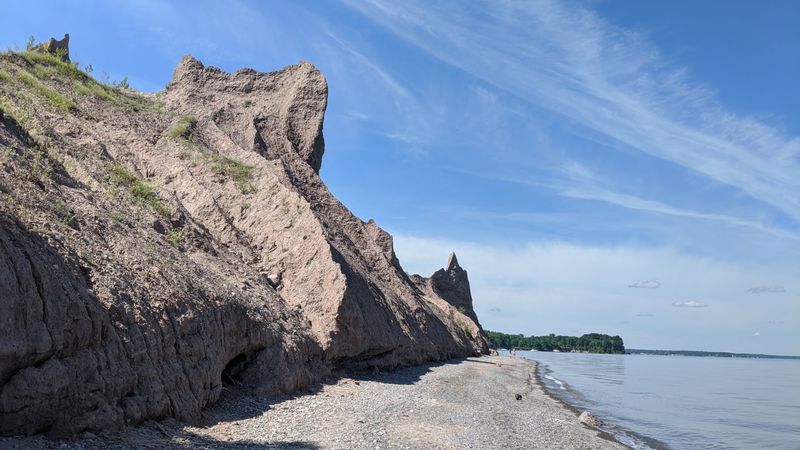
Wind, waves, and fragile earth create a landscape here that feels almost otherworldly along the Lake Ontario shore.The cave features are part of a bigger spectacle, where erosion has carved dramatic bluffs, narrow formations, and occasional openings into the soft sediment.
That shifting natural artwork defines the caves and recesses at Chimney Bluffs near Wolcott, Wayne County.
Unlike limestone caverns, these formations are coastal and temporary in character, shaped by water, ice, and weather rather than deep underground processes.Small caves and hollows appear within the striking spires and cliffs, adding mystery to one of New York’s most unusual shoreline settings.
Because the bluffs are constantly changing, every visit carries a sense that the landscape is still actively being sculpted.
The visual drama is the main attraction, especially when light hits the pale earth and casts sharp shadows across the ridges.Walking nearby trails gives you changing perspectives of the caves, pinnacles, and steep faces, with the lake providing a moody backdrop.
It is a place where fragility and grandeur exist together, making even brief exploration feel memorable.
Chimney Bluffs is ideal for travelers who appreciate geology in motion and scenery that looks almost unreal.The cave elements may be modest, but they amplify the wild personality of the bluffs around them.
For something different from traditional caving, this shoreline wonder offers erosion, atmosphere, and constant visual surprise.
10. Robbers Cave, Tully, Onondaga County
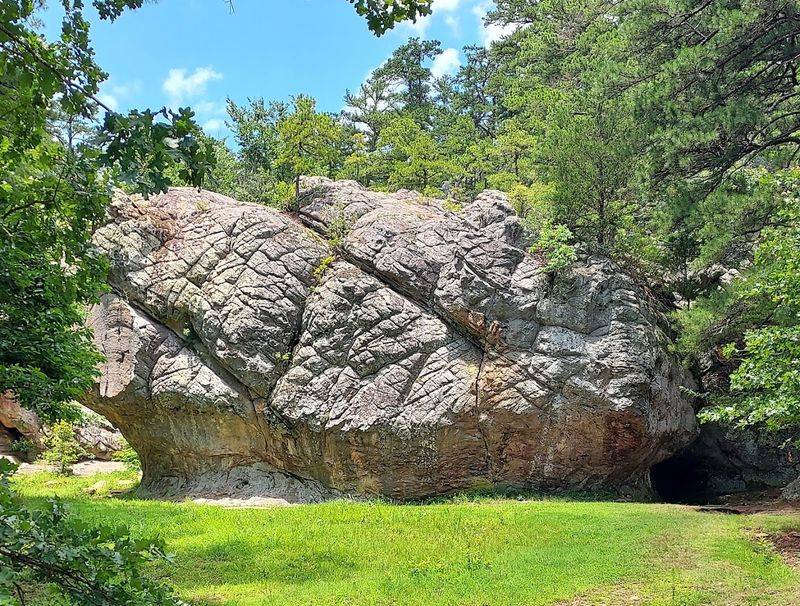
The best hidden places often feel like they are shared in whispers rather than advertised with giant signs.
Tucked into a quieter part of central New York, this cave carries that exact sense of local secrecy and understated intrigue.
That low-key charm surrounds Robbers Cave near Tully, Onondaga County.
Though not as widely known as the state’s commercial caverns, Roberts Cave appeals to people who enjoy lesser-visited natural features.
Its setting emphasizes woodland atmosphere, rock texture, and the pleasure of finding a place that still feels personal rather than heavily interpreted.
For many travelers, the cave is memorable precisely because it asks for curiosity and attention instead of spectacle.
The surrounding landscape helps shape the experience by making the cave feel connected to the rhythms of the forest.
You notice damp stone, filtered light, and the subtle transition from open air into shadow, which gives even a smaller space emotional weight.
That shift is often enough to make a modest cave feel significant, especially when the destination remains off the usual tourist path.
Robbers Cave works best for explorers who like hidden gems and are comfortable valuing mood as much as size.
Sometimes the most compelling natural masterpieces are the ones that still feel like discoveries, and this cave fits that idea beautifully.
11. Paul Smiths Cave, Paul Smiths, Franklin County
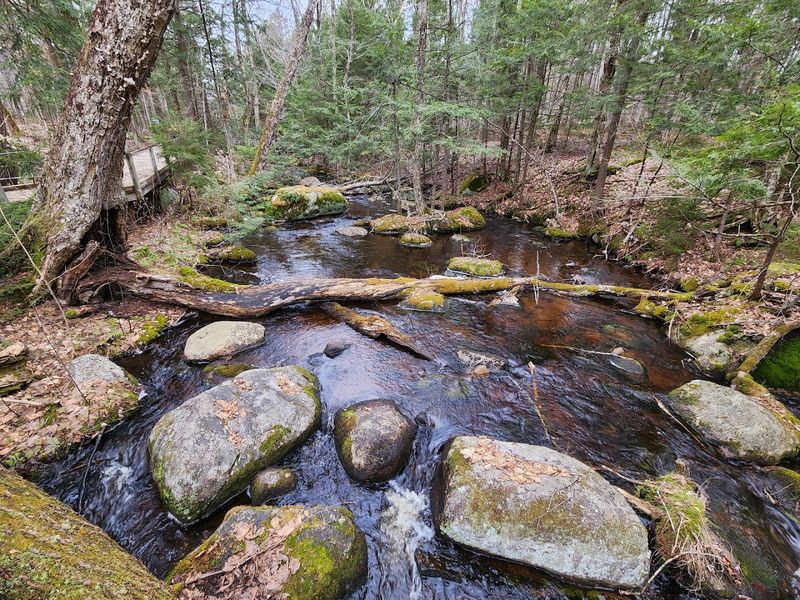
Deep in Adirondack country, even a small cave can feel magnified by the solitude around it.
The forest, the quiet, and the sense of remoteness make every rocky opening seem richer with possibility than its size might suggest.
That wilderness mood shapes the appeal of Paul Smiths Cave in Paul Smiths, Franklin County.
This is not a flashy destination built around dramatic lighting or large guided groups.
Instead, the cave is valued for its secluded setting and the way it complements the broader natural character of the northern Adirondacks.
When you visit, the experience is as much about the surrounding landscape as the cave itself, which creates a more contemplative kind of adventure.
Mossy stone, filtered light, and the quiet presence of dense woods give the site an almost storybook quality.
You feel invited to slow down, listen carefully, and appreciate how modest geological features can become meaningful in the right environment.
That is part of what makes this cave memorable, especially for travelers who care about atmosphere and place.
Paul Smiths Cave is best suited to people who enjoy hidden corners rather than headline attractions.
For a final reminder that New York’s underground wonders come in many forms, this one feels quietly perfect.
12. Clarksville Cave, Knox, Albany County
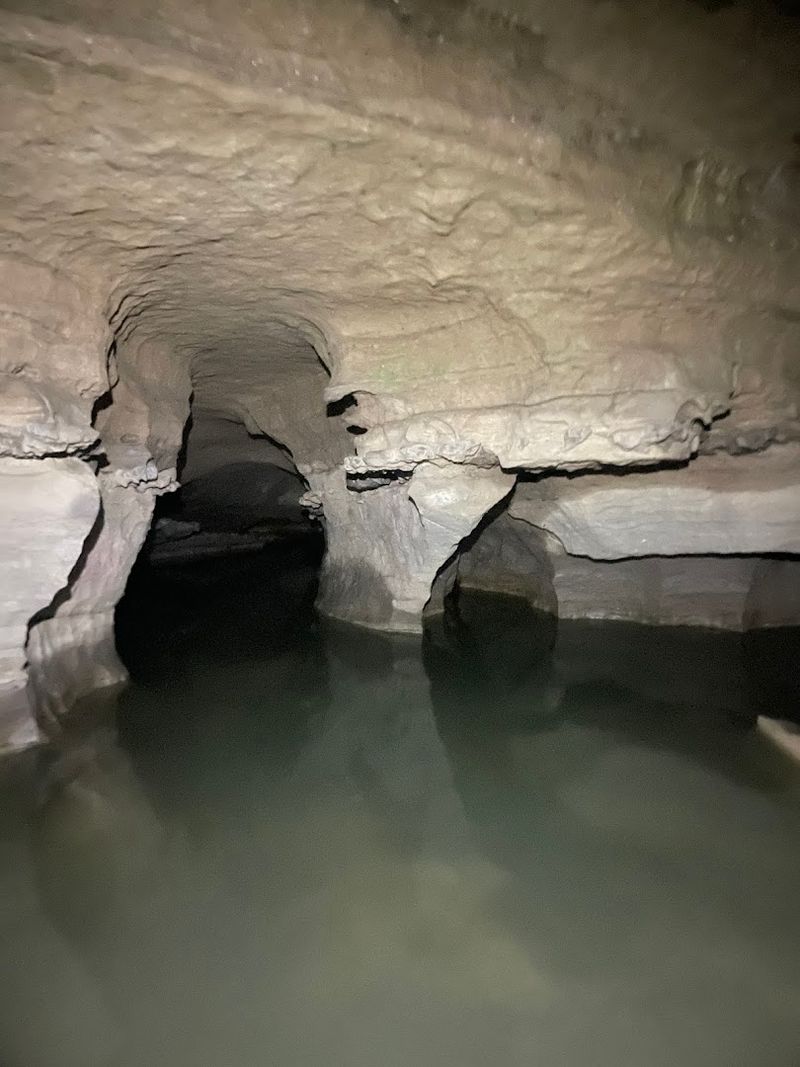
The thrill here begins with uncertainty, because this is not the kind of cave that holds your hand.
You feel the shift immediately as daylight fades, the passage narrows, and every scrape of rock reminds you this is genuine spelunking territory.
That raw underground experience belongs to Clarksville Cave in Knox, Albany County.
Managed as a protected cave preserve, Clarksville Cave is best known among cavers for its undeveloped, adventurous character.
Instead of paved walkways and theatrical lighting, you encounter muddy sections, tight squeezes, and chambers that demand care, preparation, and respect.
The reward is authenticity, since every turn feels earned rather than staged for comfort or convenience.
This cave has long attracted people who want to experience New York geology in a more intimate and physically engaging way.
Limestone passages, occasional stream features, and dark recesses create the kind of atmosphere that sharpens your senses and slows your pace.
You become more aware of temperature, sound, and texture because there is little separating you from the cave itself.
Clarksville Cave is not ideal for every traveler, and that is exactly part of its appeal.
If developed caverns show New York’s accessible beauty, this preserve reveals its rougher, deeper, and more adventurous underground personality.