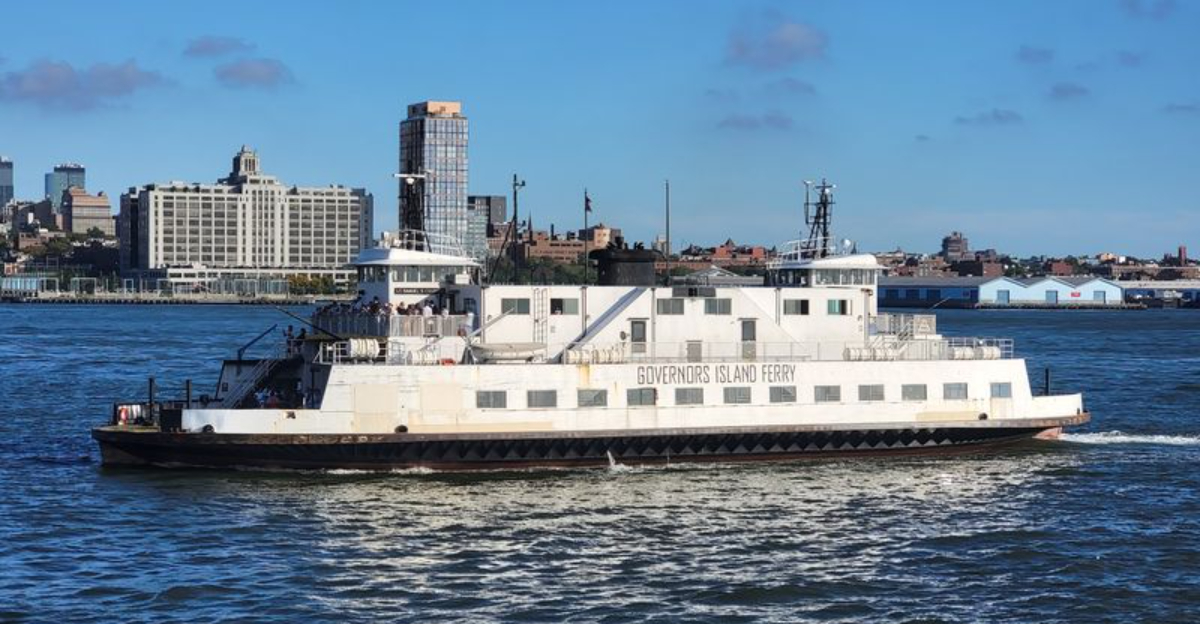
New York looks different from the water.
Skyscrapers seem taller, bridges feel grander, and tiny shoreline details suddenly pop into view like hidden clues in a treasure hunt.
Ferry rides also turn regular travel into a mini adventure, whether you are crossing a busy harbor, gliding past Hudson River towns, or heading toward a quiet island with picnic grass and old forts.
The best part is that many of these trips are affordable, easy to plan, and packed with stories you might miss from a car window.
Some routes feel like moving postcards, while others work like time machines with snack bars.
Bring a jacket, charge your phone, and keep your camera ready because gulls, lighthouses, skyline views, and surprise sunsets do not wait politely.
Pick a route, grab a window seat, and let New York show off its watery side in style today.
1. Staten Island Ferry – Manhattan to Staten Island
Orange boats do not usually become New York legends, but this one managed it.
The Staten Island Ferry is free, frequent, and famous for good reason.
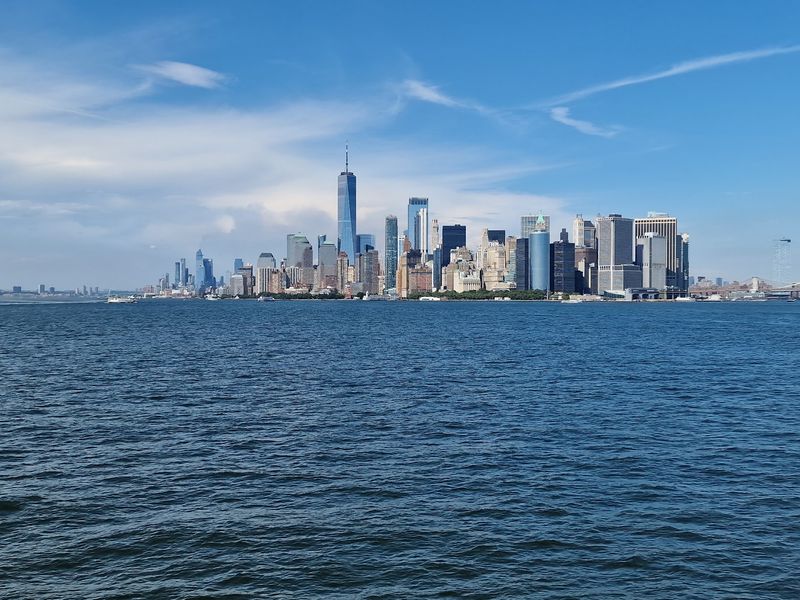
It runs between Whitehall Terminal in Lower Manhattan and St. George on Staten Island, giving riders a front-row look at the Statue of Liberty, Ellis Island, and the downtown skyline.
For the best view, stand outside on the right side when leaving Manhattan, then switch sides for the return.
Commuters use it daily, so avoid blocking doors or stairs while snapping photos.
The ride takes about 25 minutes each way, which is just long enough to feel like a harbor cruise without paying cruise prices.
Even locals still glance up when the ferry pulls away and the skyline starts to shrink.
At St. George, you can visit the waterfront, catch a Staten Island Yankees memory at the ballpark area, or simply ride back.
Sunset trips add golden drama, and night rides sparkle like Manhattan borrowed a jewelry box.
2. NYC Ferry East River Route – Manhattan to Brooklyn and Queens
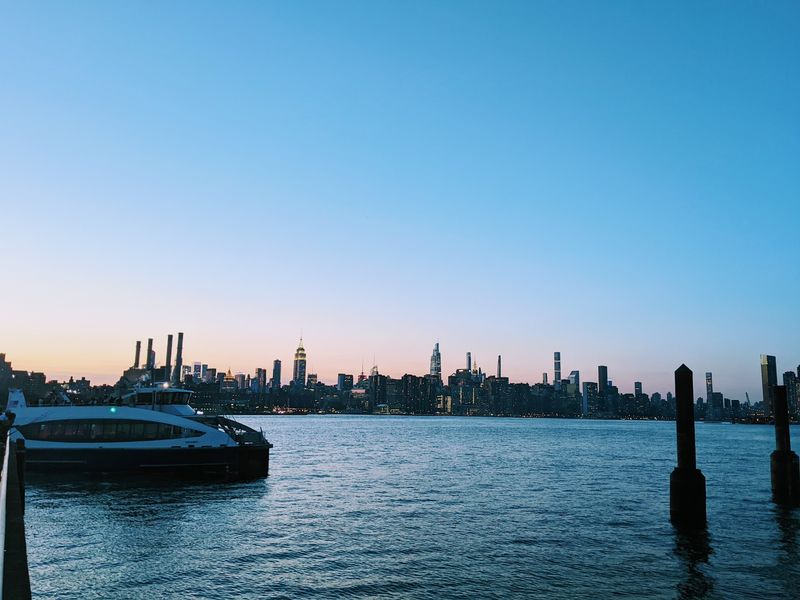
Bridge fans, skyline watchers, and people who secretly enjoy boat horns all win here.
The NYC Ferry East River Route links Manhattan with Brooklyn and Queens, stopping at places like Wall Street, Dumbo, Williamsburg, Greenpoint, and Long Island City.
It feels less like a commute and more like a floating neighborhood tour.
From the deck, the Brooklyn Bridge, Manhattan Bridge, and Williamsburg Bridge stack up like giant steel artwork.
Tickets are bought through the NYC Ferry app or at machines on the docks.
Arrive early on warm weekends because outdoor seats disappear faster than a slice of hot pizza.
The route is especially useful if you want to pair waterfront parks with food stops, galleries, or a walk along Brooklyn Bridge Park.
Look for Jane’s Carousel in Dumbo, the Pepsi-Cola sign in Long Island City, and the glassy towers rising along the shore.
A breezy evening ride can turn a simple transfer into the best part of your whole day.
3. Governors Island Ferry – Manhattan to Governors Island
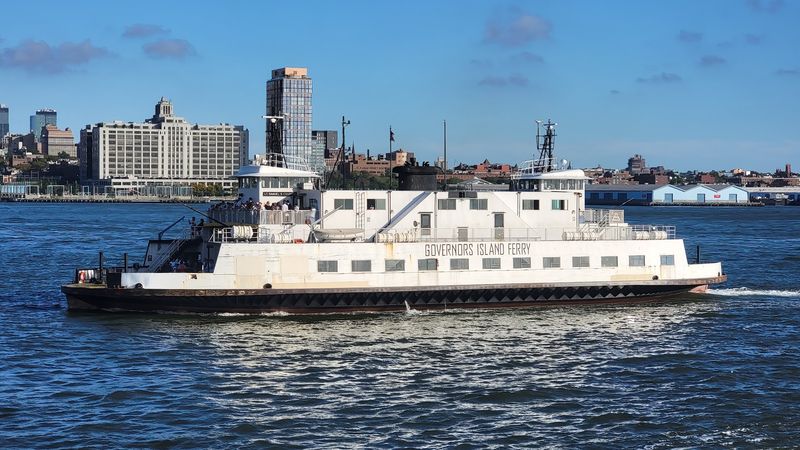
A ten-minute ride can feel like a magic trick when it lands you on an island full of lawns, old forts, and skyline views.
The Governors Island Ferry leaves from the Battery Maritime Building in Lower Manhattan and carries visitors to a car-free escape in New York Harbor.
Once you arrive, you can rent bikes, wander past historic military buildings, climb the Hills for a huge harbor view, or stretch out with a picnic.
Castle Williams and Fort Jay remind visitors that the island once guarded the city.
Check the seasonal schedule before you go, since service changes during the year.
Weekends can bring extra ferries from Brooklyn, plus food vendors, art events, and outdoor concerts.
Comfortable shoes help because the island rewards slow wandering.
Families love the open space, while photographers chase views of Lady Liberty and Lower Manhattan.
Pack sunscreen, water, and curiosity.
Governors Island proves that a short ferry hop can make New York feel suddenly roomy, relaxed, and delightfully weird.
4. Roosevelt Island Tram and Ferry – Manhattan to Roosevelt Island
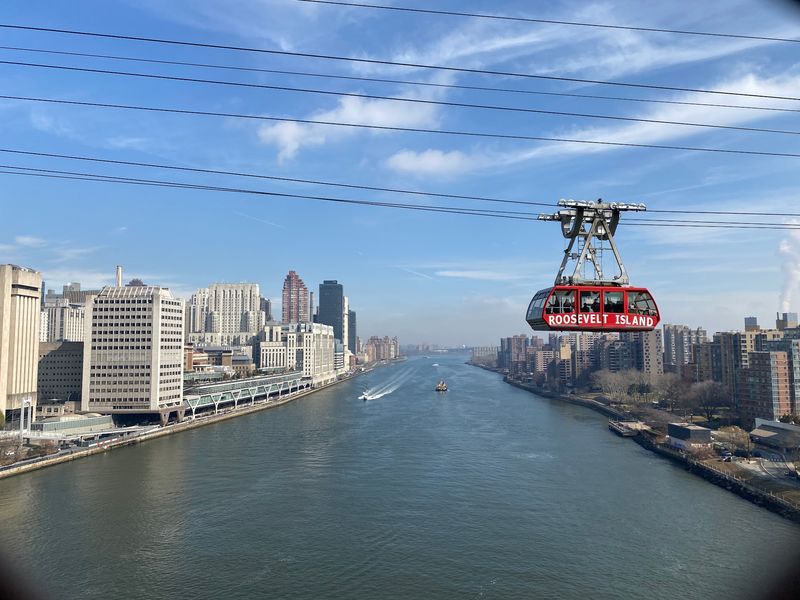
Some New York trips come with a bonus in the sky.
Roosevelt Island is best known for its red tram, but the NYC Ferry stop adds another peaceful way to reach this narrow East River island.
You can ride the ferry from Manhattan, Queens, or Brooklyn connections, then stroll along quiet paths with striking views of Midtown and the Queensboro Bridge.
The tram and ferry together make a fun loop, especially for visitors who like unusual city angles.
Do not rush off the island after arriving.
Walk south to Franklin D.
Roosevelt Four Freedoms State Park, where clean stone lines frame the United Nations and Manhattan skyline.
Near the north end, the old Smallpox Hospital ruins add a moody history note that feels almost gothic.
Spring cherry blossoms brighten the waterfront, while winter brings crisp, calm views.
Roosevelt Island is small, but it packs in bridges, parks, ruins, and one very photogenic tram.
That is quite a résumé for a skinny strip of land.
5. NY Waterway Hudson River Ferry – Manhattan to Yonkers
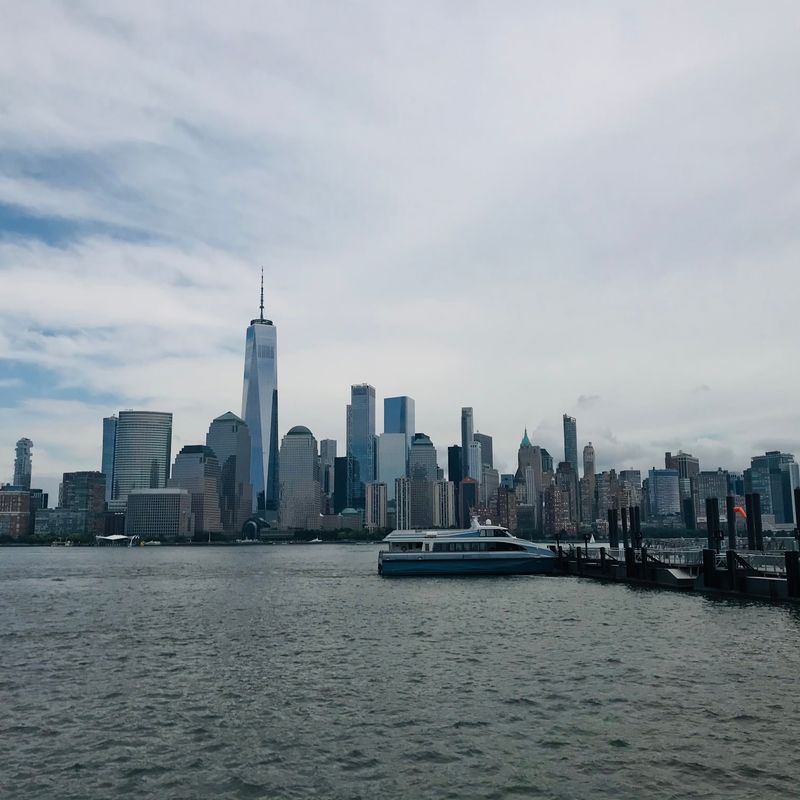
The Hudson River knows how to stretch a view until your shoulders finally relax.
NY Waterway service between Manhattan and Yonkers offers a commuter-friendly ride with scenery that feels surprisingly grand.
Instead of subway tunnels and traffic lights, you get wide water, the Palisades, passing marinas, and a changing skyline that slowly trades skyscrapers for river towns.
It is a smart choice for travelers heading north without wanting to wrestle with rush-hour roads.
Schedules can vary, so check NY Waterway before planning your trip.
Morning rides feel businesslike, while late-day crossings bring softer light and better photo chances.
Bring a light layer because the Hudson breeze likes to act dramatic.
Yonkers has a walkable waterfront with restaurants, parks, and views back toward the river.
History lovers can explore nearby sites like Philipse Manor Hall, one of the oldest buildings in Westchester.
The route proves that even practical ferries can deliver a quiet dose of river romance between errands, meetings, or weekend plans.
6. Newburgh-Beacon Ferry – Newburgh to Beacon
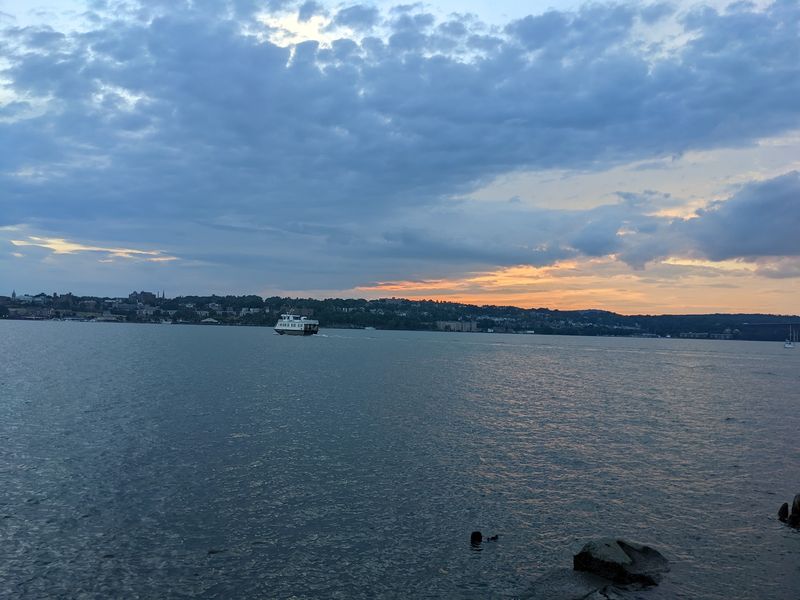
Mountains in the background make even a short ferry ride feel like a scene from a travel poster.
The Newburgh-Beacon Ferry crosses the Hudson River between Newburgh and Beacon, mainly helping commuters reach Metro-North trains.
The ride is brief, but the setting is rich with Hudson Valley charm.
You see Mount Beacon rising above the water, historic Newburgh on one side, and Beacon’s train station and artsy energy on the other.
Service usually runs on weekdays and is timed for trains, so plan carefully before expecting a casual midday cruise.
The ferry is especially handy if you want to explore Beacon without driving across the bridge.
Dia Beacon, Main Street shops, coffee stops, and trailheads make the town a popular day-trip target.
Newburgh’s waterfront also offers restaurants and river views, with layers of history tied to George Washington’s headquarters nearby.
In fall, the hills turn fiery, and the crossing feels far bigger than its few minutes.
Tiny ride, big scenery, no bridge nerves required.
7. Haverstraw-Ossining Ferry – Haverstraw to Ossining
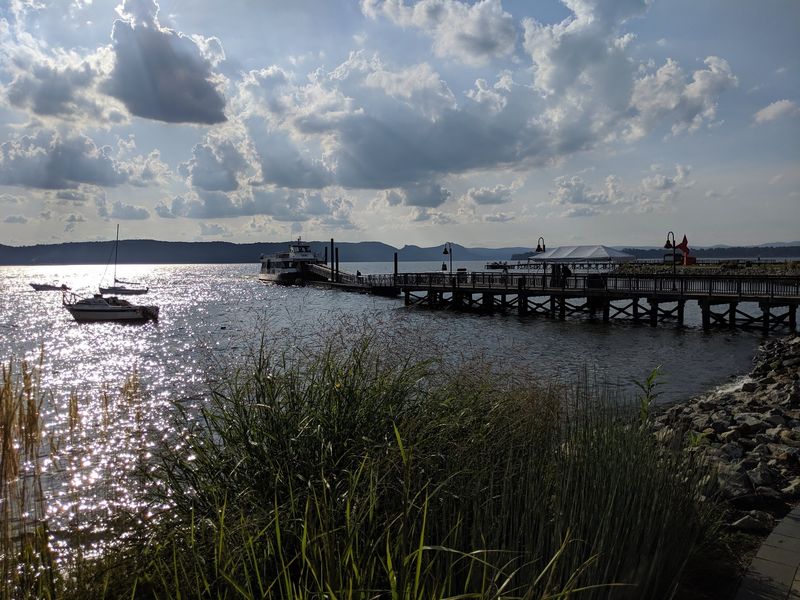
Here is a ferry that quietly saves commuters from a long, roundabout drive and rewards them with river scenery.
The Haverstraw-Ossining Ferry connects Rockland County with the Metro-North station in Ossining.
The crossing opens a useful shortcut across a wide part of the Hudson, where the water feels almost lake-like.
On clear days, the distant hills and low shoreline buildings create a calm, open view.
The schedule is built around weekday train service, so it is best for commuters or careful planners.
Still, visitors can use it as part of a creative Hudson Valley outing.
Check fares, parking, and service updates before heading out because this is not a turn-up-anytime tourist boat.
Ossining has a waterfront park, local restaurants, and a long history shaped by river trade and the nearby Sing Sing prison site.
Haverstraw brings its own brickmaking past, once helping build parts of New York City.
That makes the ride more than a shortcut.
It is a small floating link between workdays, old industries, and wide Hudson air.
8. Charlotte-Essex Ferry – Charlotte to Essex
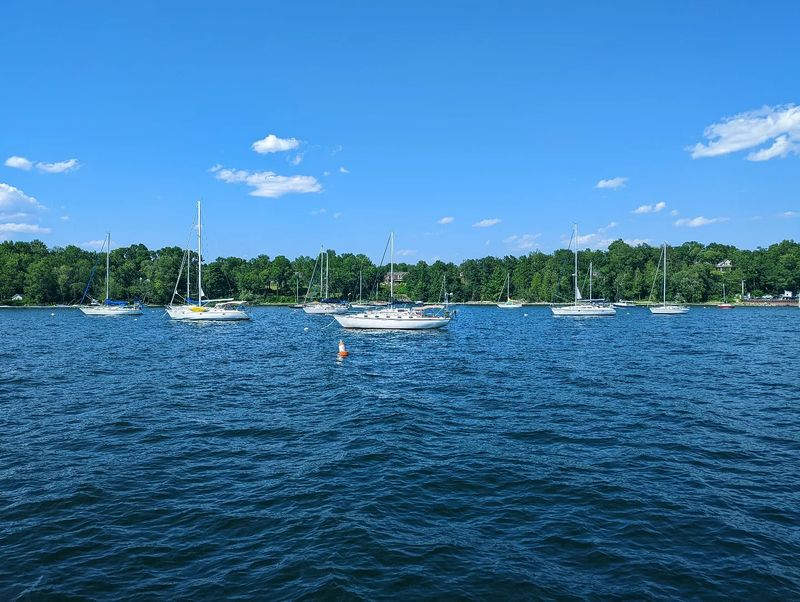
Lake Champlain brings a slower kind of beauty, the kind that makes people lower their voices without meaning to.
The Charlotte-Essex Ferry connects Charlotte, Vermont, with Essex, New York, across one of the lake’s most scenic stretches.
Yes, it touches Vermont, but the New York landing at Essex gives riders a postcard village full of historic homes, leafy streets, and Adirondack views.
The crossing is popular with drivers, cyclists, and travelers building a relaxed lake country loop.
Unlike many city ferries, this one carries vehicles, so you can roll aboard and stay close to your car or step out for fresh air.
The lake view changes with the weather, from bright blue sparkle to misty mountain mystery.
Bring binoculars if you like birds or distant sailboats.
Essex is listed as a historic district, and its waterfront feels wonderfully unhurried.
Check seasonal schedules, especially outside summer.
The ferry works as transportation, but honestly, the real point is watching mountains, water, and village charm take turns showing off.
9. Cumberland Head-Plattsburgh Ferry – Plattsburgh to Grand Isle
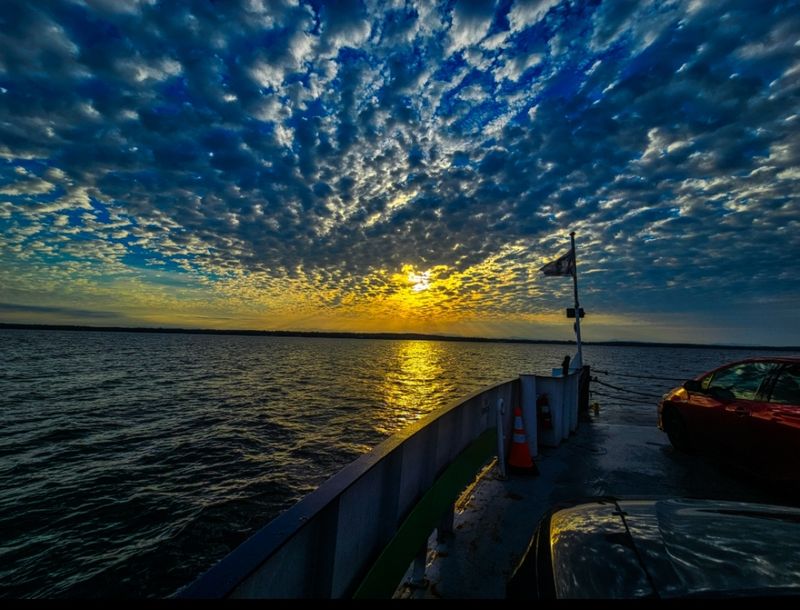
Wind, water, and wide-open sky make this Lake Champlain crossing feel like New York took a deep breath.
The Cumberland Head-Plattsburgh Ferry links the Plattsburgh area in New York with Grand Isle in Vermont.
It is a practical route for drivers, but the views lift it far above basic transportation.
The lake spreads out broadly here, with mountain ridges sitting low on the horizon like painted backdrops.
Because it carries vehicles, the ferry is handy for road trips through the North Country and Vermont islands.
Check operating times before you travel, especially during rough weather or quieter seasons.
A jacket helps, since Lake Champlain breezes can turn confident hair into modern art.
Plattsburgh has deep War of 1812 history, and the lake itself played a major role in the Battle of Plattsburgh.
That means your crossing glides over water tied to real American history.
Between the practical shortcut, the open-air deck, and the mountain views, this ride turns a simple drive into a refreshing northern adventure.
10. Glen Cove Ferry – Glen Cove to Manhattan
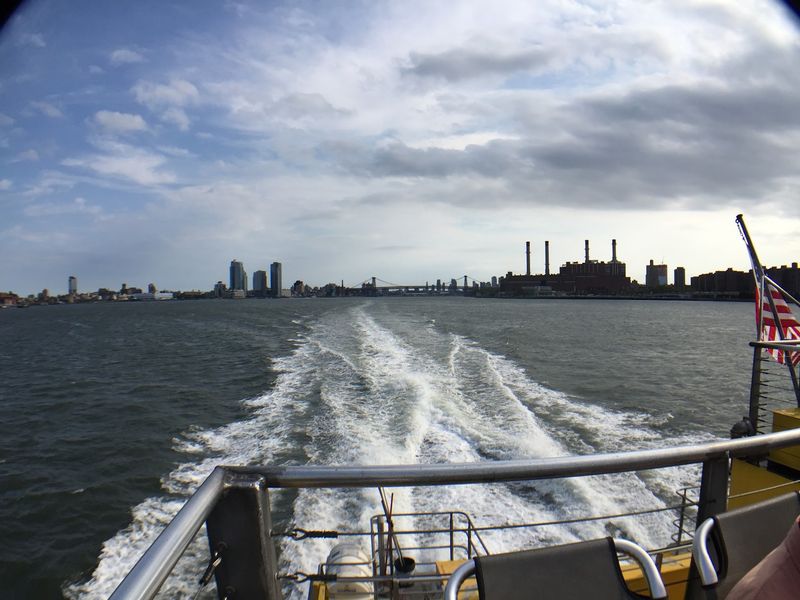
Long Island commutes do not have to involve brake lights and dashboard sighs.
The Glen Cove Ferry offers seasonal or scheduled service that can connect Glen Cove with Manhattan, giving riders a water route from Nassau County into the city.
For many travelers, the appeal is simple: trade crowded roads for open water, skyline views, and a calmer start or finish to the day.
The route highlights Long Island Sound, the East River approaches, and the growing drama of Manhattan ahead.
Service details can change, so confirm current schedules through official Glen Cove or operator sources before planning.
When running, the ferry can be useful for commuters, day-trippers, and anyone curious about a different way into New York City.
Arrive early, especially if parking or ticketing rules apply.
Glen Cove itself has Gold Coast history, waterfront parks, and nearby mansions that recall Long Island’s grand old days.
A ride into Manhattan adds modern shine to that historic setting.
It is part commute, part mini escape, and part bragging rights.