The most talked-about restaurants in New York often have a secret that goes beyond the menu. It might be the decades of stories hidden inside a dining room, the unmistakable sound of a packed neighborhood table, or a signature dish that has become part of the city’s identity.
Across New York, certain restaurants have earned their fame for reasons that are impossible to capture in a simple review. Some hold onto traditions passed through generations, while others create unforgettable moments through atmosphere, craftsmanship, and a sense of place.
These are the restaurants where the experience begins before the first bite and continues long after the plates are cleared.
From legendary institutions to unexpected favorites, these 12 New York restaurants reveal the history, flavors, and unique details that explain why people keep returning—and why their stories are worth discovering.
Katz’s Delicatessen
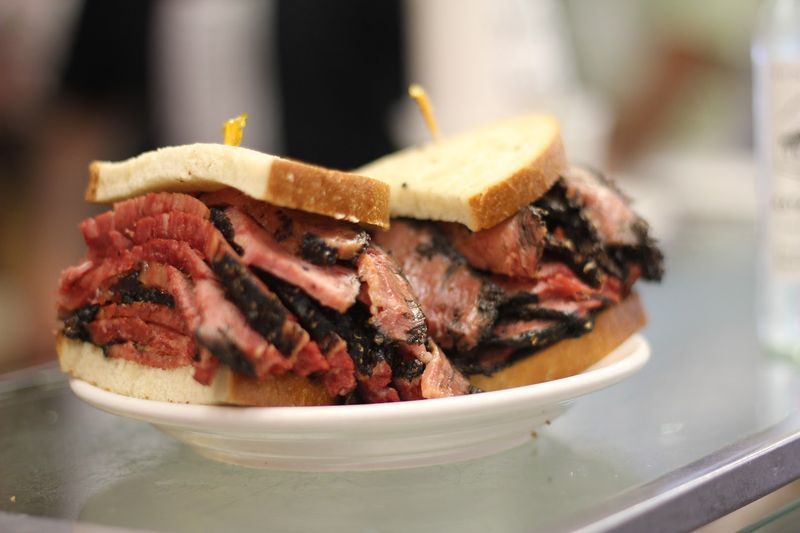
The first thing that hits you is not nostalgia. It is noise, steam, and the sight of sandwiches stacked so high they look almost comic, carried through a room that still moves with old Lower East Side rhythm.
That is the magic of Katz’s Delicatessen on East Houston Street, where the ritual matters nearly as much as the meal. You clutch the paper ticket, wait your turn, and watch carvers shave warm pastrami into thick, peppery folds that barely stay inside the rye.
Nothing here feels curated for modern approval, which is exactly why it lands. The mustard bites, the pickles snap, and the crowded tables make you feel like a temporary local in a city that rarely slows down for ceremony.
Its fame makes sense once you are inside: this is not just lunch, but a living piece of New York appetite, still defiantly itself.
Peter Luger Steak House
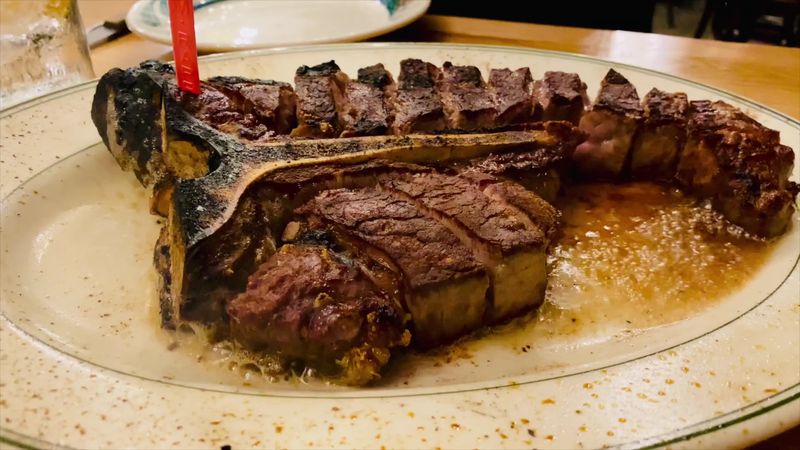
You can feel the blunt confidence before the steak ever arrives. The room is wood-paneled, the service is brisk, and the whole experience suggests that if you came for unnecessary flourishes, you are in the wrong borough.
At Peter Luger Steak House in Williamsburg, the famous porterhouse arrives already sliced, glistening with butter and its own juices, with creamed spinach and German potatoes playing sturdy supporting roles. The dry-aged flavor is deep and mineral, rich without trying to impress you.
That no-frills certainty is exactly what made the place an institution. Nothing about the meal begs for attention, yet every detail feels sharpened by tradition, from the tomato and onion starter to the crackle of the steakhouse plates.
Its reputation holds because dinner here feels like old New York discipline: direct, confident, and memorable long after the last bite of beef disappears.
Gramercy Tavern
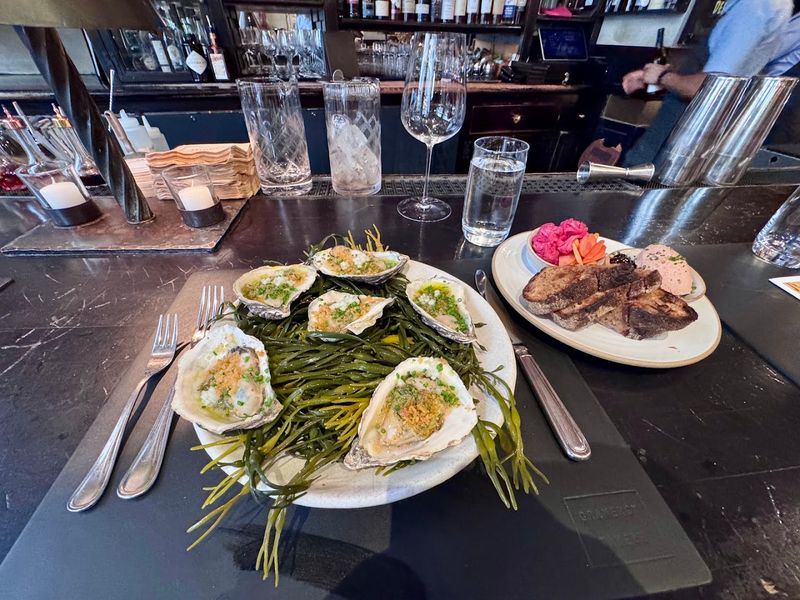
Some dining rooms manage to calm you the moment you sit down. The light is warm, the wood glows softly, and even before the first plate arrives, there is a sense that someone has thought carefully about how you should feel here.
That rare ease defines Gramercy Tavern near East 20th Street, where seasonal New American cooking never loses its human touch. A roast chicken can feel as meaningful as a more intricate tasting, and polished service somehow stays personal rather than stiff.
The restaurant’s fame is rooted less in spectacle than consistency. You notice the crust on the bread, the delicate acidity in a vegetable dish, the way the room holds both celebration and ordinary dinner without making either seem out of place.
In a city that often confuses exclusivity with excellence, this place became famous by offering something deeper: warmth, precision, and a version of hospitality that still feels timeless.
Minetta Tavern
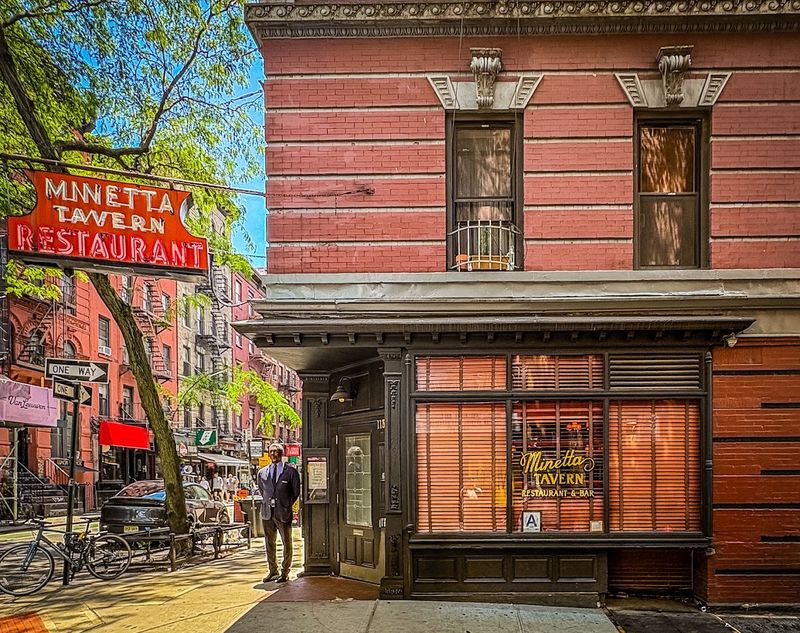
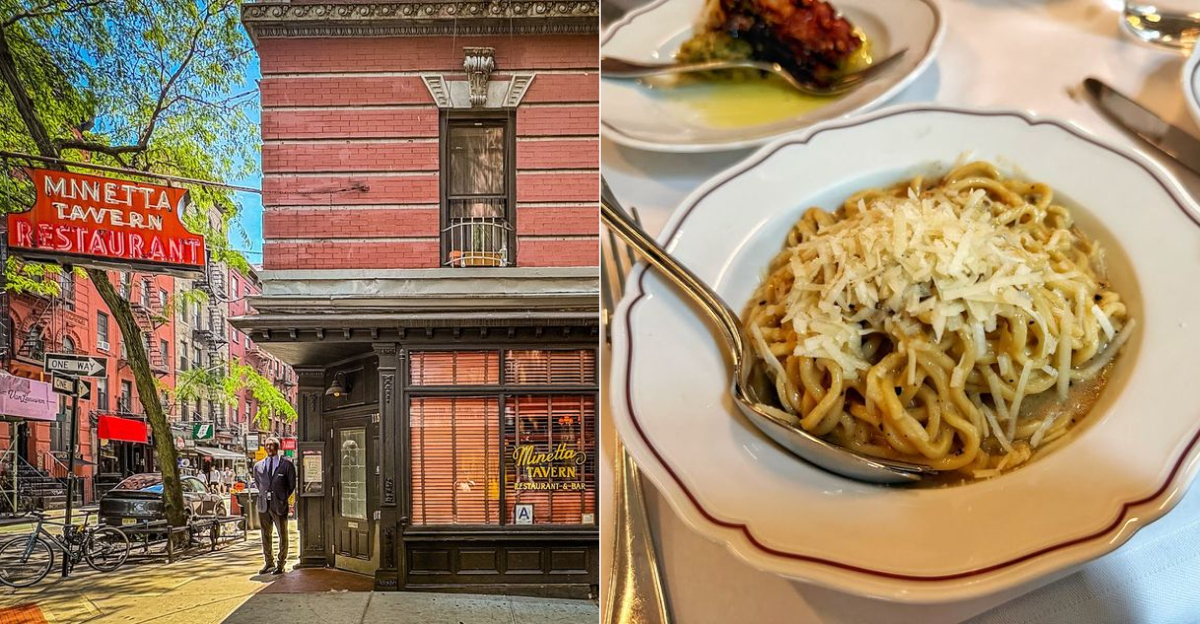
Dim light, close tables, and a low hum of conversation make the room feel like a secret that somehow everybody knows. It is the kind of place where you half expect to spot a novelist in the corner, lingering over a drink and saying little.
That mood belongs to Minetta Tavern in Greenwich Village, where the past feels present without turning into theater. The Black Label Burger arrives with a deep, almost buttery richness, and a platter of fries and a martini somehow complete the scene better than anything more elaborate could.
What made it famous is not only the food, though the burger has become part of downtown mythology. It is the way the room carries memory, with mirrors, dark wood, and just enough glamour to remind you that New York once built legends in places exactly like this.
By dessert, you understand why people return for atmosphere as much as appetite.
Le Bernardin
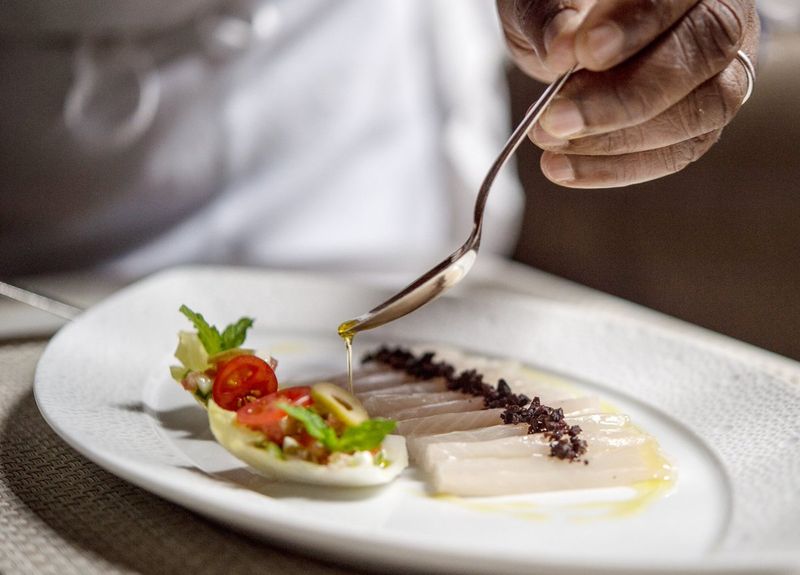
Silence can be its own kind of drama. In certain dining rooms, conversation softens, movements become deliberate, and you start noticing tiny gestures like the angle of a fork or the flawless placement of a sauce.
That level of control defines Le Bernardin in Midtown, where seafood is treated with almost reverent precision. A barely cooked piece of fish, a spoonful of luminous broth, or a shellfish preparation with exact acidity can feel more intense than a louder, heavier dish elsewhere.
The restaurant’s fame comes from restraint, not excess. French technique is everywhere, yet nothing feels weighed down by it, and the service glides so smoothly that the evening seems to unfold by instinct rather than choreography.
You leave understanding why this dining room remains so revered. It turns refinement into something palpable, proving that luxury does not have to shout when every texture, temperature, and pause is already saying enough.
Daniel
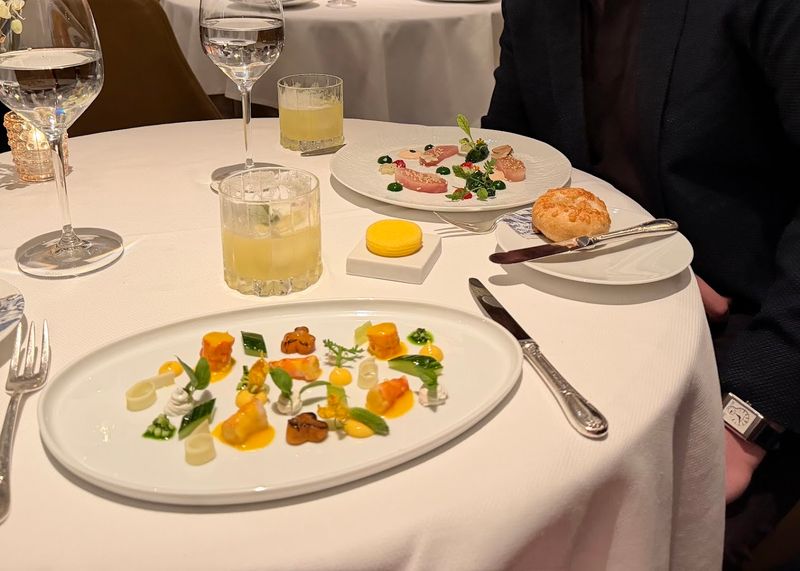
There are restaurants that impress you on arrival, and then there are those that seem designed to slow your breathing. High ceilings, soft light, and graceful service create that effect before the menu at Daniel even fully comes into focus.
On East 65th Street, Chef Daniel Boulud’s flagship feels every bit like a grand New York occasion, but never in a cold way. The French cooking leans refined and polished, with luxurious sauces, precise vegetables, and desserts that arrive like small acts of architecture.
Its reputation rests on more than opulence. What stays with you is the balance between ceremony and warmth, the sense that every plate has been deeply considered while the room still invites pleasure rather than intimidation.
That is why it became famous for more than prestige alone. Dinner here feels like stepping into a version of Manhattan that still believes elegance can be generous, sensual, and deeply attentive to every detail around you.
Via Carota
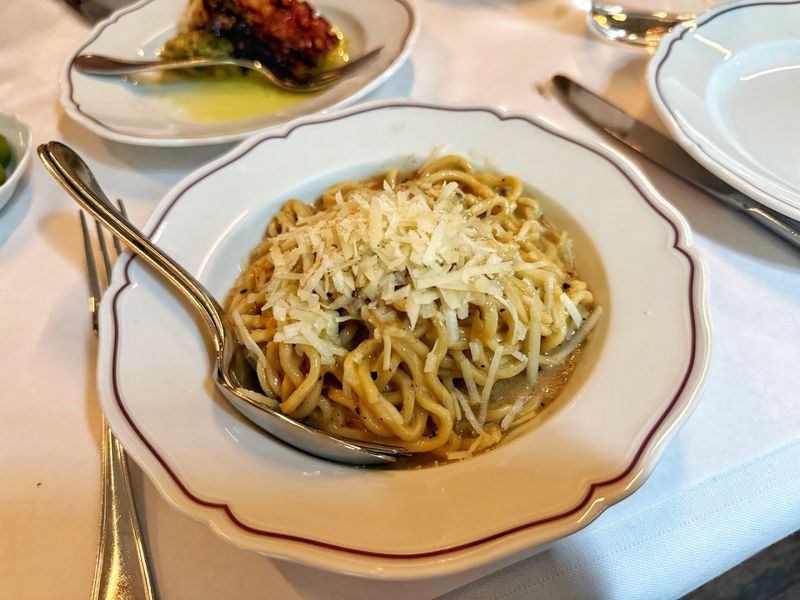
Sometimes the hardest reservation in town belongs to a place that feels almost disarmingly simple. Sunlight on the windows, marble tables, and that low Village hum create the impression of a neighborhood spot, until you notice how many people are waiting patiently outside.
Via Carota on Grove Street built its fame on restraint and flavor rather than flash. A plate of cacio e pepe arrives silky and exact, while the famous insalata verde, crisp and sharply dressed, reminds you how powerful careful simplicity can be.
The room has rustic elegance without self-consciousness, and that is part of the spell. You feel looked after, but never managed, as if you happened upon someone’s exceptionally stylish dining room and were lucky enough to stay for dinner.
Its reputation makes sense because the experience feels personal. In a city obsessed with novelty, this restaurant became a destination by making everyday Italian cooking feel intimate, beautiful, and impossible to forget.
Carbone
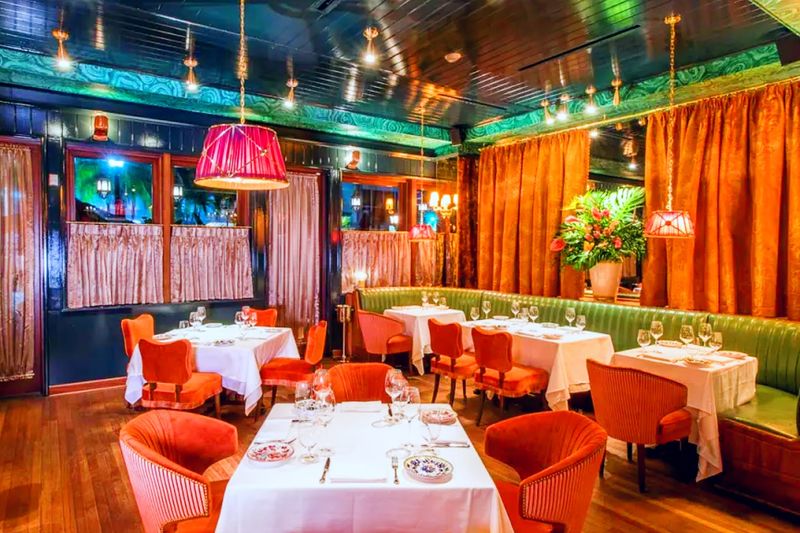
Some restaurants do not just serve dinner – they stage it. The room glows, the crowd leans in, and even a waiter crossing the floor with a platter can feel like part of a carefully directed scene.
That theatrical energy is the engine at Carbone in Greenwich Village, where Italian-American classics are delivered with swagger and precision. The spicy rigatoni vodka, the tableside Caesar, and the veal parmesan all arrive with enough presence to justify the room’s near-mythic status.
Yet beneath the glamour, the details are serious. Sauces have depth, service has timing, and the whole experience understands exactly how much nostalgia, humor, and polish to place on the plate without tipping into parody.
Its fame endures because it captures a specific New York fantasy and actually delivers on it. You come for a meal, but what stays with you is the sense of having briefly entered the city’s most entertaining dining performance.
Eleven Madison Park
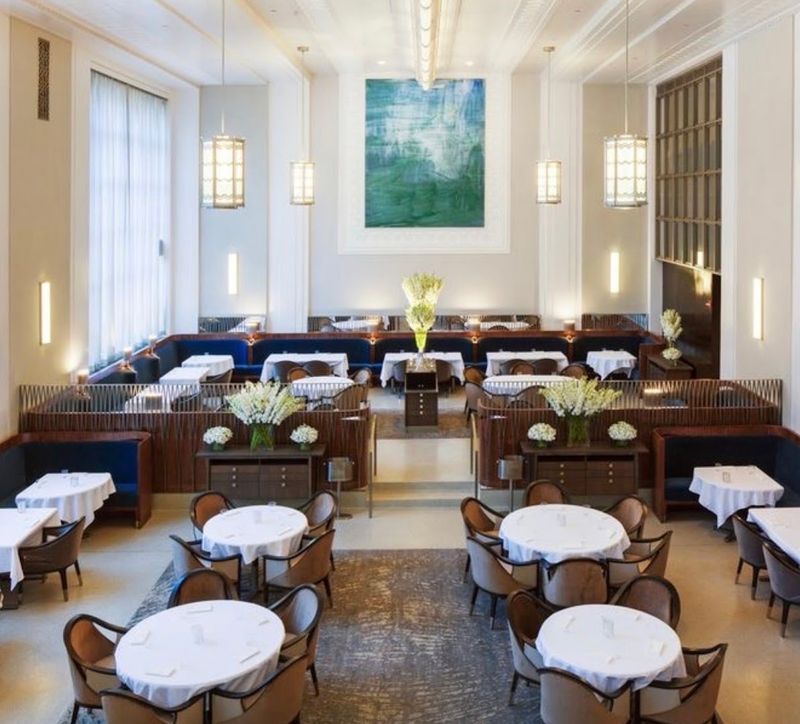
There is a moment in certain restaurants when the outside world starts to dissolve. The room becomes quieter, the pacing grows more deliberate, and each course arrives with the strange ability to reset your attention completely.
That sensation is central to Eleven Madison Park, facing the park that gives it part of its name. Known for inventive tasting menus and immaculate service, it turns each dish into a small conversation about texture, surprise, and the possibilities of contemporary fine dining.
What made it world famous is not just creativity, but evolution. The meal asks you to notice everything – a broth’s clarity, a nearly sculptural vegetable preparation, the timing of each course – while the service team anticipates needs before they become visible.
Even if you think you know what elite dining looks like, this place shifts the frame. It became legendary by making reinvention feel coherent, thoughtful, and deeply tied to the city around it.
Manhatta
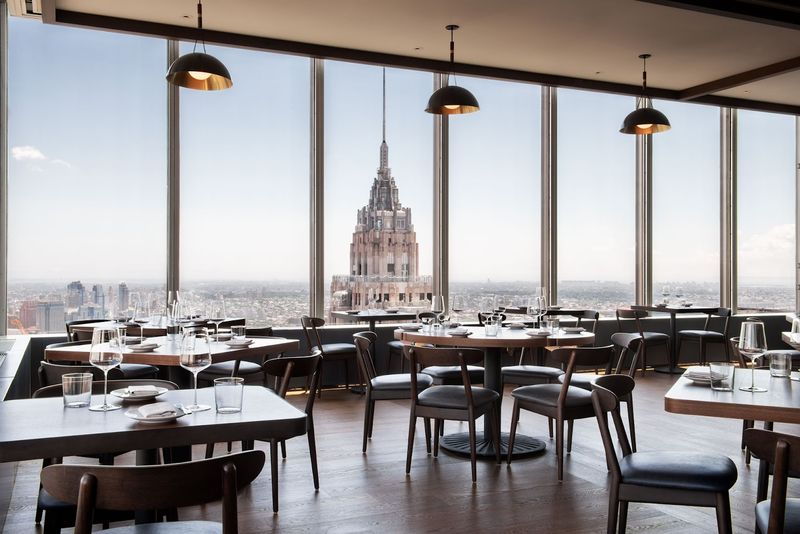
Before the first drink lands, the city has already started performing for you. Bridges, towers, river light, and the distant geometry of neighborhoods unfold beneath the windows in a way that makes dinner feel almost secondary for a moment.
Then Manhatta, high above Liberty Street in the Financial District, gently proves that the food belongs in the picture too. Contemporary American plates arrive thoughtful and polished, often with seasonal ingredients that mirror the room’s clean, modern elegance.
What makes the restaurant memorable is the balance between spectacle and composure. The skyline never stops being thrilling, yet the dining room avoids gimmickry, letting a well-made cocktail, a carefully cooked fish, or a graceful dessert hold your attention just as firmly.
Its fame comes from treating the view as part of the meal rather than a distraction from it. You leave feeling as though Manhattan itself joined you for dinner.
Keens Steakhouse
History hangs from the ceiling here, literally, and the effect is wonderfully strange. Thousands of old churchwarden pipes turn the room into something between a private club, a museum, and the kind of steakhouse that could only belong to New York.
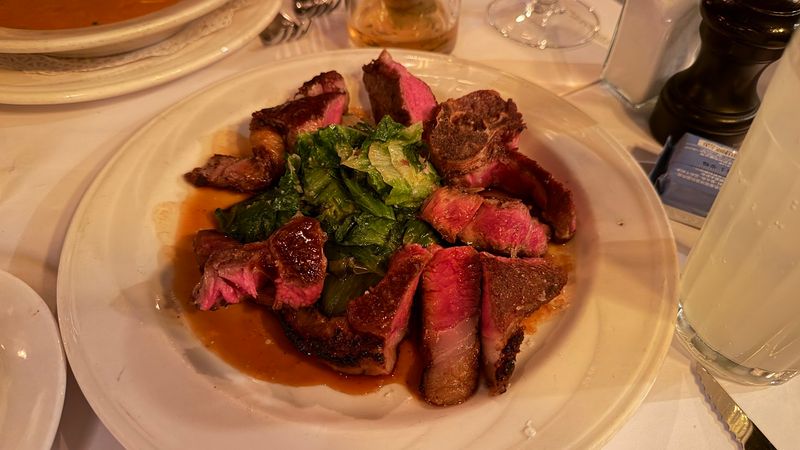
Keens Steakhouse in Midtown built its legend on tradition with backbone. The famous mutton chop arrives thick, deeply savory, and unapologetically old-fashioned, while the dark wood rooms and hushed corners make even an ordinary weeknight feel connected to another century.
That atmosphere is not decorative nostalgia. It supports a meal that still values substance over trend, from well-made martinis to straightforward sides and steakhouse service that knows exactly what it is doing.
The restaurant became famous because it feels anchored in time without becoming dusty. You go expecting a classic, then realize the real draw is how convincingly it preserves the city’s appetite for ritual, character, and generous plates.
Russ & Daughters Cafe
Some meals feel like a city remembering itself. Silver towers of smoked fish, glossy bagels, and little dishes meant for passing around the table create a kind of edible archive, one that is intimate rather than formal.
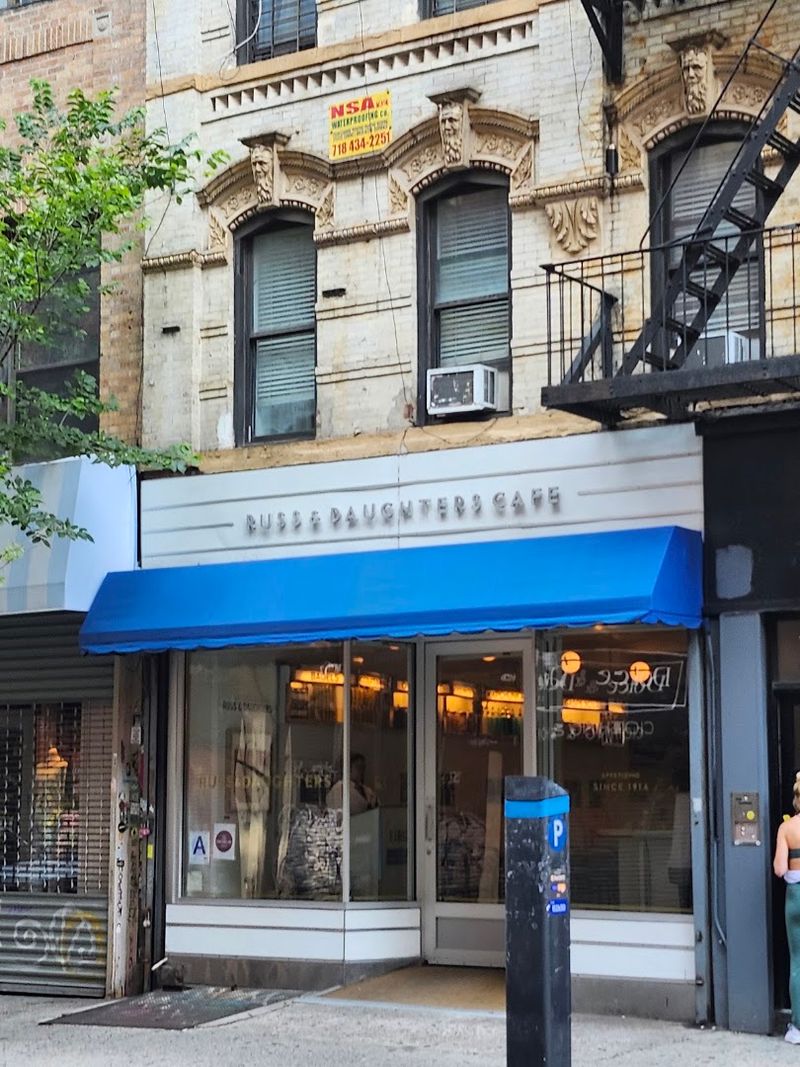
That is the spirit at Russ & Daughters Cafe on Orchard Street, where the old New York appetizing tradition is given room to sit, breathe, and become a full experience. Salmon, sable, and herring arrive with cream cheese, tomatoes, and onion, and suddenly breakfast feels ceremonial.
The fame here is deeply earned because the meal carries culture as naturally as flavor. Nothing seems forced or museum-like, even though every plate quietly preserves a food language that shaped generations of the Lower East Side.
You come away with more than a craving for another bagel. The restaurant matters because it turns memory into something delicious, generous, and still completely alive in the middle of a fast-changing neighborhood.