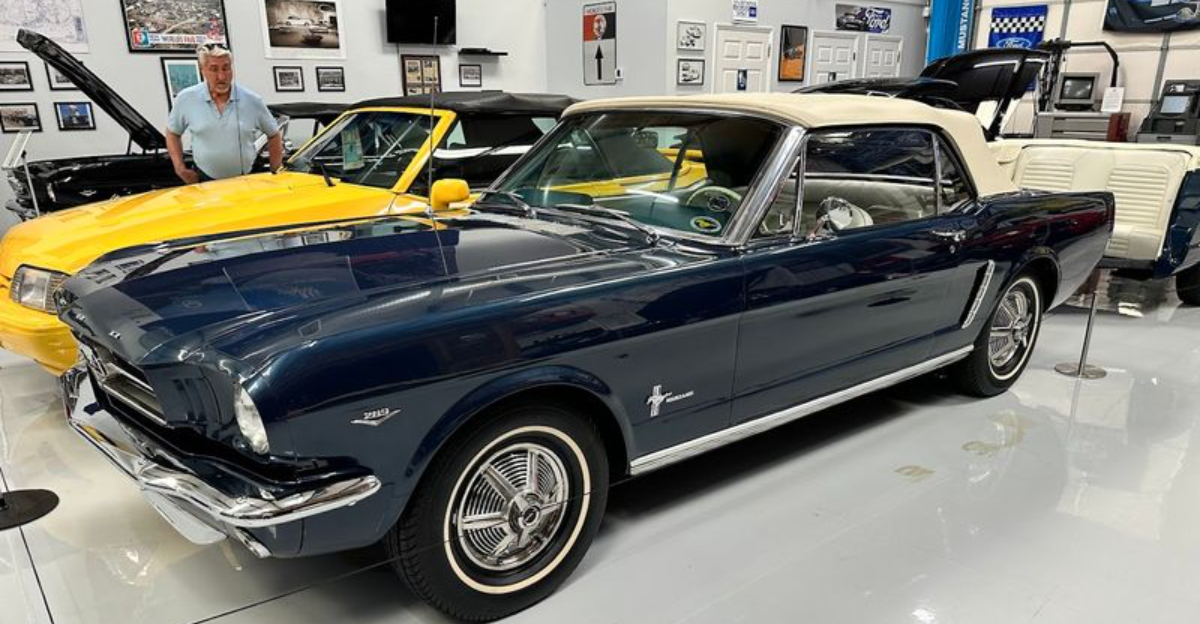
Some of North Carolina’s most memorable stories aren’t found on postcards—they’re parked under showroom lights, tucked inside racing garages, and preserved in quiet museums where engines seem to hold onto their last echo of speed. In a state shaped by motorsports and mechanical ambition, cars are treated less like objects and more like milestones in a long, evolving journey.
Across the region, North Carolina car museums capture that energy in all its forms, from championship NASCAR machines and rare prototypes to early automobiles and transport vehicles that helped define everyday travel. Many of these collections sit just off familiar highways or inside working racing facilities, creating moments where history feels unexpectedly close.
This guide to North Carolina car museums packed with historic and high-performance cars brings together standout destinations where speed, craftsmanship, and heritage meet. Inside, you’ll discover 14 places where the state’s deep automotive culture is still alive, waiting to be experienced up close.
NASCAR Hall of Fame
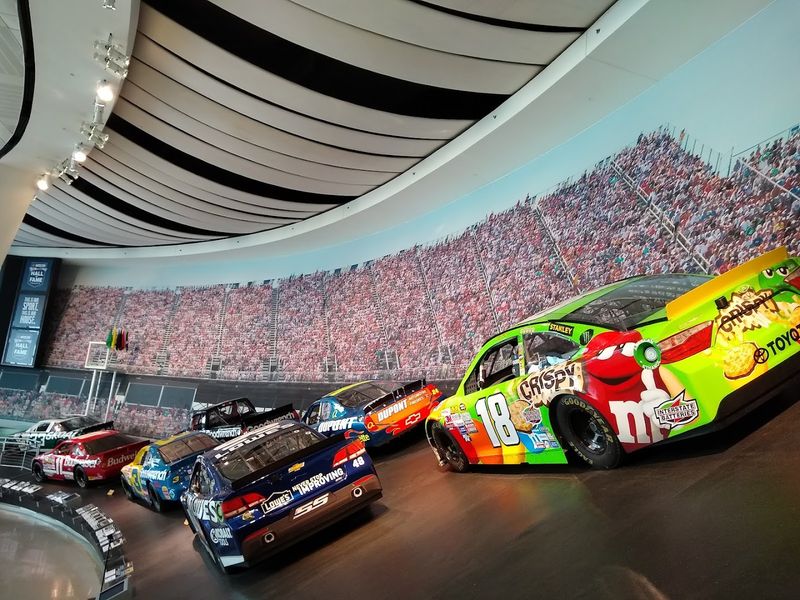
The first thing you notice is the sound in your head. Even before any engine turns over, the angled bodywork, sponsor colors, and walls of racing history make everything feel fast.
Screens glow, tires look impossibly wide, and the whole place carries that charged energy of a Sunday before green flag.
Later, in Charlotte, the NASCAR Hall of Fame turns that feeling into a full story. You move from legendary cars to hands-on simulators, from driver tributes to exhibits that explain how crews chase tiny advantages in setup and aerodynamics.
It is polished without feeling cold, and the trophy displays land with real weight.
What stays with you is how human the sport becomes. Between the race machines and the personal artifacts, you start to see the patience, routine, and risk behind the spectacle.
Even if you arrive casually curious, it is hard not to leave more invested.
Memory Lane Museum
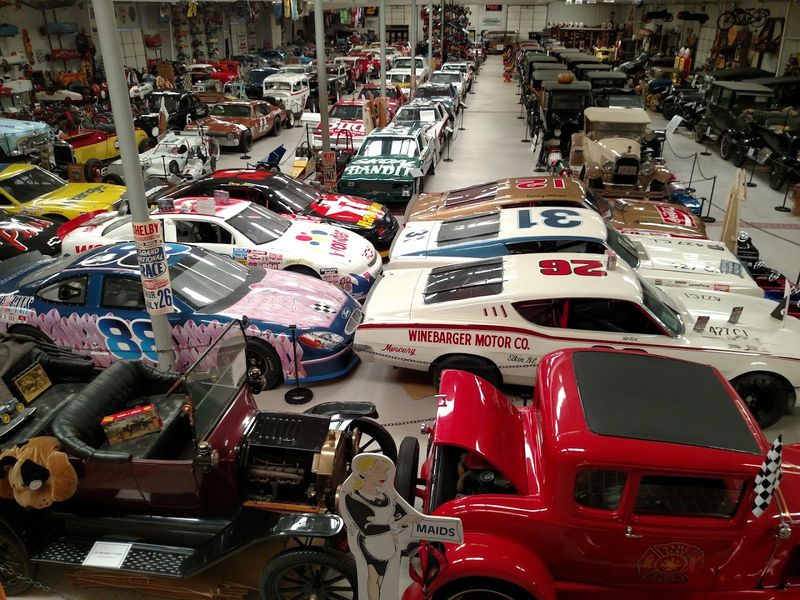
Some collections feel formal, but this one feels like wandering into someone else’s lifelong obsession in the best possible way. Chrome glints from every corner, old signage crowds the walls, and each car seems ready to trigger a different memory.
There is a looseness here that makes you slow down and look closer.
That atmosphere defines Memory Lane Museum in Mooresville, where more than classic cars share space with NASCAR artifacts and a few unexpected pop culture touches. One minute you are studying an old stock car, the next you are peeking at a movie vehicle or memorabilia that pulls the room into a different decade.
It is dense, personal, and full of stories.
What makes the visit satisfying is the sense of discovery. You are not rushed toward one star attraction, because the fun is in noticing details, comparing eras, and letting your own nostalgia do some of the work.
It feels wonderfully unfiltered.
Richard Petty Museum
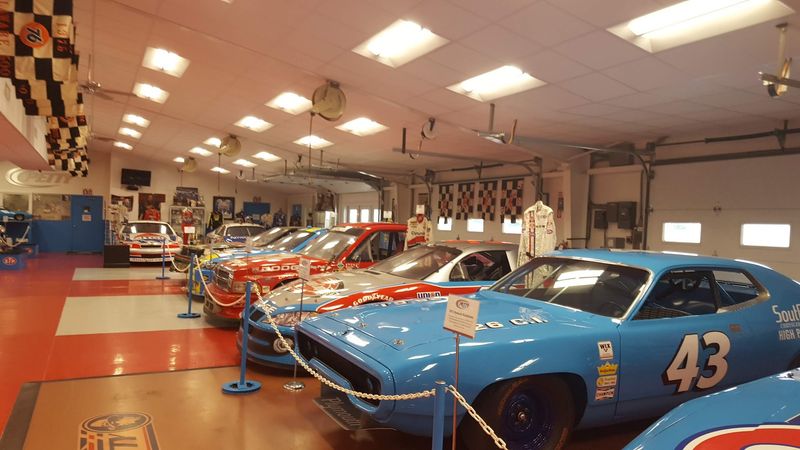
Blue paint can carry a surprising amount of emotion. Here, it is not just a color but a signal that you are stepping into one of stock car racing’s most recognizable family legacies.
Photographs, trophies, and race machines create an atmosphere that feels reverent without becoming stiff.
By the time you settle into the Richard Petty Museum in Randleman, the famous name has become more personal. Cars connected to The King sit alongside family history, competition milestones, and the kind of memorabilia that turns statistics into lived experience.
You are not just looking at a career, but at a long North Carolina relationship between speed, community, and identity.
The visit works because it stays grounded. Instead of overwhelming you with spectacle, it lets details do the talking, from older race equipment to intimate displays that remind you how racing dynasties are built over years.
It feels proud, direct, and distinctly local.
Richard Childress Racing Museum
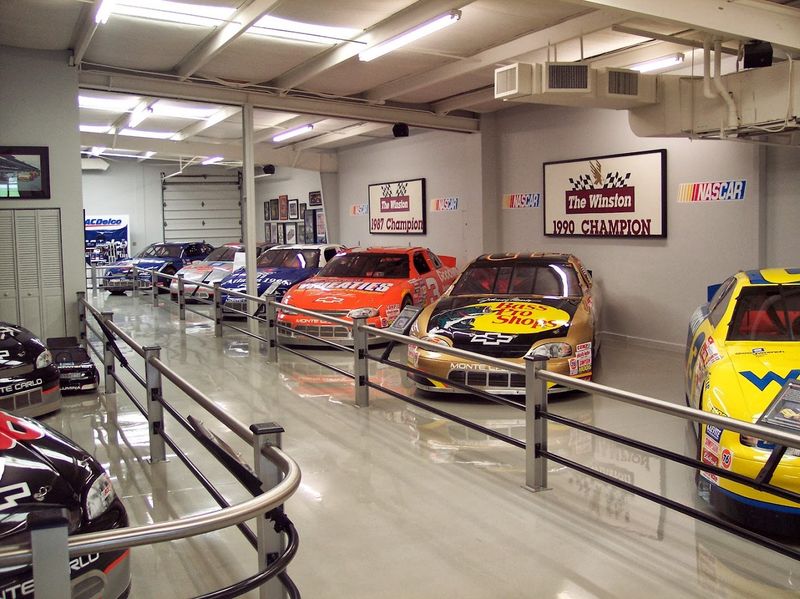
There is a certain gravity to championship hardware, and you feel it before reading a single placard. Glossy bodies, famous numbers, and rows of silver trophies turn the room into a record of pressure handled well.
Even the quieter corners seem charged with the memory of race day.
At the Richard Childress Racing Museum in Welcome, the story naturally circles around Dale Earnhardt and the powerhouse years that shaped modern NASCAR. Historic cars, team artifacts, and championship pieces create a sharp, focused portrait of an organization built to compete at the highest level.
The displays are clean, but they still carry a rough edge of grit and determination.
What makes it memorable is the contrast between presentation and history. Everything shines now, yet the meaning comes from worn tracks, split-second decisions, and countless shop hours.
If you care about racing legacy, this stop gives you a concentrated dose of it without unnecessary excess.
Curb Museum for Music & Motorsports
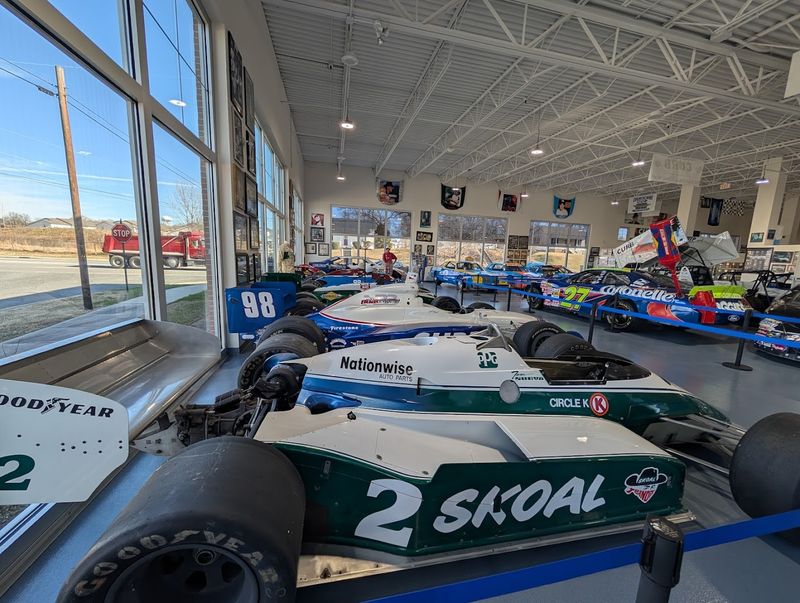
It is not every day that guitars and race cars share the same conversation, yet the pairing makes immediate sense once you are inside. Both worlds thrive on performance, personality, and noise, and the exhibits lean into that shared showmanship.
The mood feels a little unexpected, which is exactly why it works.
In Kannapolis, the Curb Museum for Music and Motorsports links celebrity culture with competition in a way that keeps you curious. NASCAR and IndyCar pieces appear alongside music industry memorabilia, turning the visit into something more layered than a standard car collection.
One gallery might pull you toward a famous vehicle, while another shifts the spotlight to the entertainment world around it.
The best part is the rhythm of surprise. You never settle into one pattern for long, and that gives the museum a breezy energy many niche collections lack.
It feels like stepping into overlapping American stories, all tuned to movement, ambition, and image.
North Carolina Transportation Museum
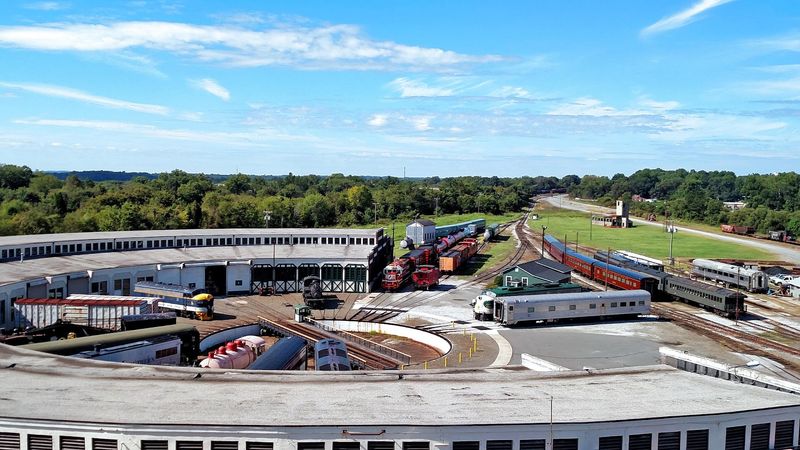
Scale is the first surprise here. Instead of a compact gallery, you get vast historic shop buildings where machines from different eras breathe under the same roof.
Cars share attention with locomotives and aircraft, and that mix makes the whole experience feel bigger than a single hobby or timeline.
Set in Spencer, the North Carolina Transportation Museum turns transportation history into something you can physically feel. Walking through the old railway complex, you move between automotive exhibits and giant rail equipment, then catch details like industrial beams, brick walls, and open floor space that preserve the site’s working past.
It is easy to imagine grease, steam, and constant motion.
This stop rewards curiosity rather than speed. Maybe you came mainly for cars, but the surrounding context deepens everything, showing how roads, rails, and machines shaped the state together.
If you pack a snack and take your time, the grounds can fill most of an afternoon.
North Carolina Auto Racing Hall of Fame
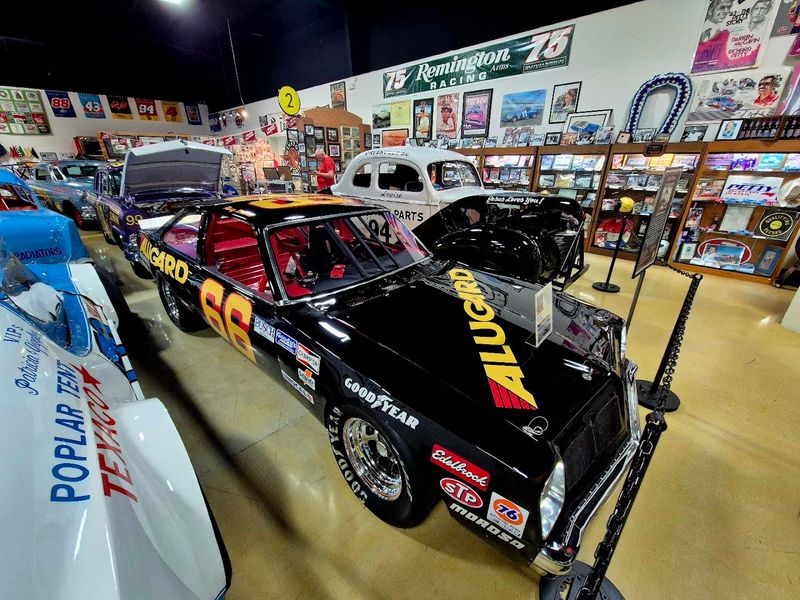
Some places do not need flash because the stories already have enough horsepower. Here, the rooms feel straightforward and deeply rooted, as if local racing history simply gathered itself indoors and waited for you to ask questions.
The effect is humble, but never dull.
That is the charm of the North Carolina Auto Racing Hall of Fame in Mooresville. Vintage stock cars, driver tributes, and regional motorsports artifacts give the collection a strong sense of place, reminding you how much of racing’s identity was built in small shops and local communities.
The exhibits may feel less theatrical than bigger institutions, yet they often feel more immediate for that reason.
You leave with a better appreciation for the layers beneath major league fame. This is where local legends, mechanical ingenuity, and statewide obsession come into focus together.
If you enjoy the roots of the sport as much as the polished modern version, this stop lands quietly and effectively.
Hendrick Motorsports Museum
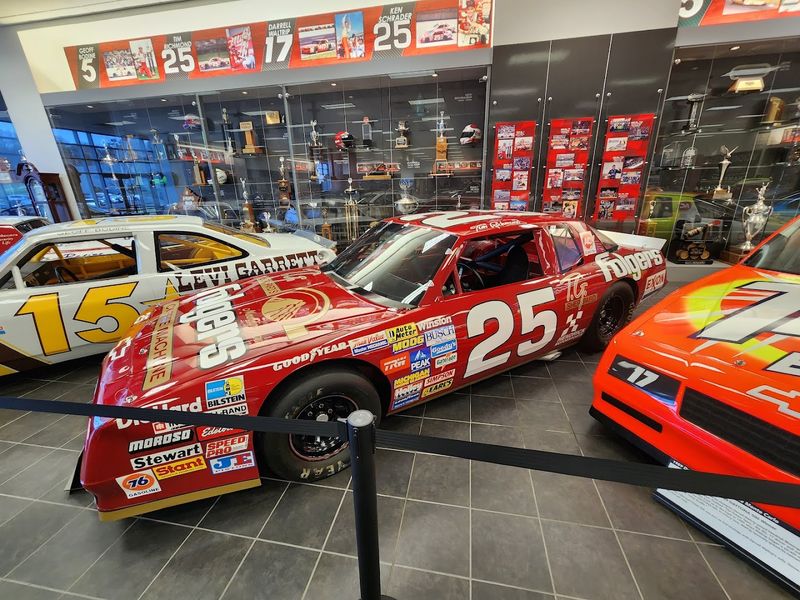
You can almost smell the polish and competition the moment you walk in. Everything feels precise, from the paint on the cars to the arrangement of trophies, as though the museum itself reflects the discipline of a championship team.
It is sleek, controlled, and impossible to separate from winning.
At the Hendrick Motorsports Museum in Charlotte, race history sits close to active ambition. Championship cars, memorabilia, and team achievements are displayed with the kind of clarity that lets you track eras, personalities, and technical evolution without getting lost.
Because it is tied to one of the sport’s most successful organizations, the whole experience carries a present-tense energy.
What stands out is the sense of continuity. These are not relics from a disconnected past, but milestones in a larger story still being written.
If you enjoy seeing how excellence is documented, branded, and remembered, this museum gives you a crisp look at modern NASCAR culture.
Joe Gibbs Racing Fan Display
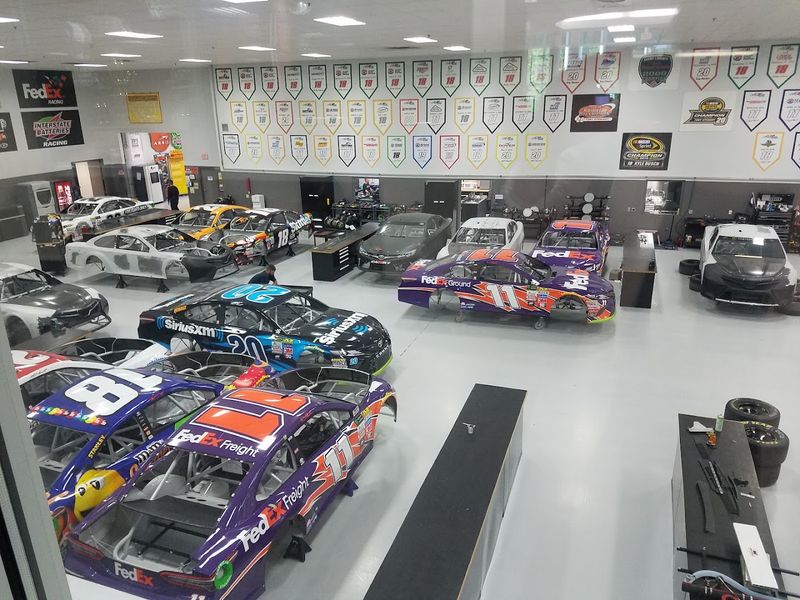
The room is quieter than a speedway, but the competitive pulse is still obvious. Trophies catch the light, race cars sit with coiled purpose, and the displays feel like snapshots from a team that expects to contend.
There is something intriguing about seeing elite performance framed in such a controlled space.
In Huntersville, the Joe Gibbs Racing Fan Display offers a more compact encounter with top-tier NASCAR history. You may not get the sprawl of a standalone museum, yet the cars, awards, and branded details tell a focused story about consistency, strategy, and high expectations.
For fans who follow drivers across seasons, even brief access can feel rewarding.
The appeal here is concentration. Nothing is overly padded, so you spend your time looking closely rather than navigating around filler.
Pair it with lunch nearby or another motorsports stop in the region, and it becomes part of a satisfying day that reveals how deeply racing shapes this part of North Carolina.
Team Penske Mooresville Display Area
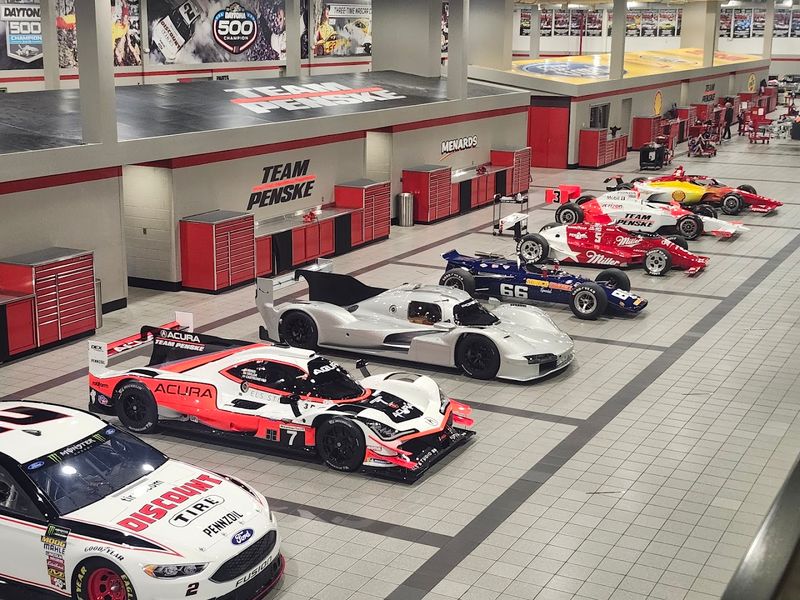
Few names in racing carry such immediate authority, and that reputation adds tension to every display. Even standing still, the cars seem engineered around ambition, with low silhouettes, sponsor graphics, and the visual language of pure competition.
You are looking at objects designed for no other purpose than to be faster.
That feeling sharpens at the Team Penske display area in Mooresville, where historic IndyCar and NASCAR machines can appear in rotating public access. Because the experience may change, there is a pleasing sense that you are catching a moving target rather than a frozen archive.
The mix of disciplines also broadens the story beyond one branch of motorsports.
What makes the stop interesting is its selective nature. You are not buried under endless material, so each car gets room to make an impression.
In a region crowded with racing attractions, this one stands out for the clean focus and the prestige attached to every detail.
Estes-Winn Antique Car Museum
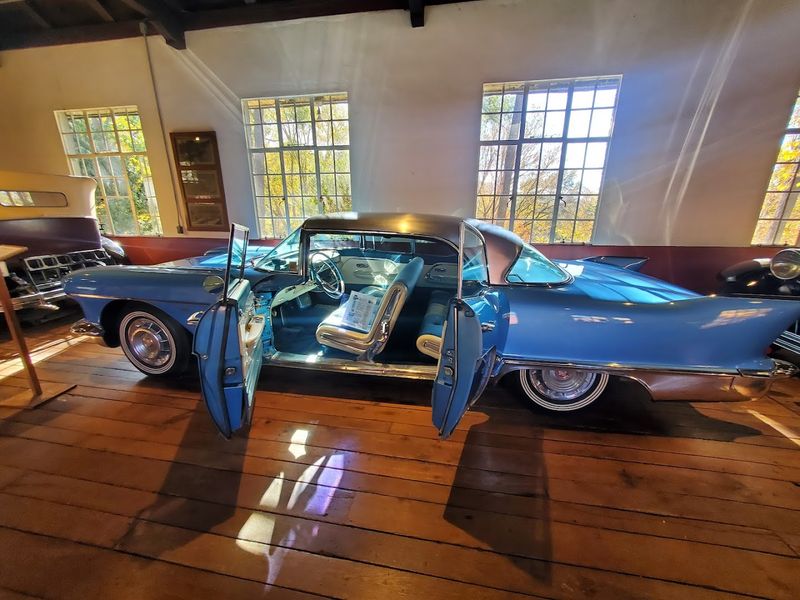
Not every memorable car museum smells like rubber and racing. This one feels older, quieter, and somehow more delicate, with brass-era lines and narrow bodies that seem to belong to another rhythm of American life.
You find yourself studying headlights, wheels, and wooden details the way you might admire furniture or architecture.
Tucked into Grovewood Village in Asheville, the Estes-Winn Antique Car Museum specializes in early automobiles and moonshine-era vehicles that carry the texture of mountain history. The setting adds to the charm, since Asheville’s artistic atmosphere softens the mechanical focus with a sense of place.
These are cars from a time when roads were rougher and travel felt far less predictable.
What lingers is the contrast with North Carolina’s racing-heavy collections. Instead of pure performance, you get fragility, invention, and social history.
It is an especially rewarding stop if you enjoy seeing how vehicles once fit into daily life, regional culture, and the state’s more layered past.
C.Grier Beam Truck Museum
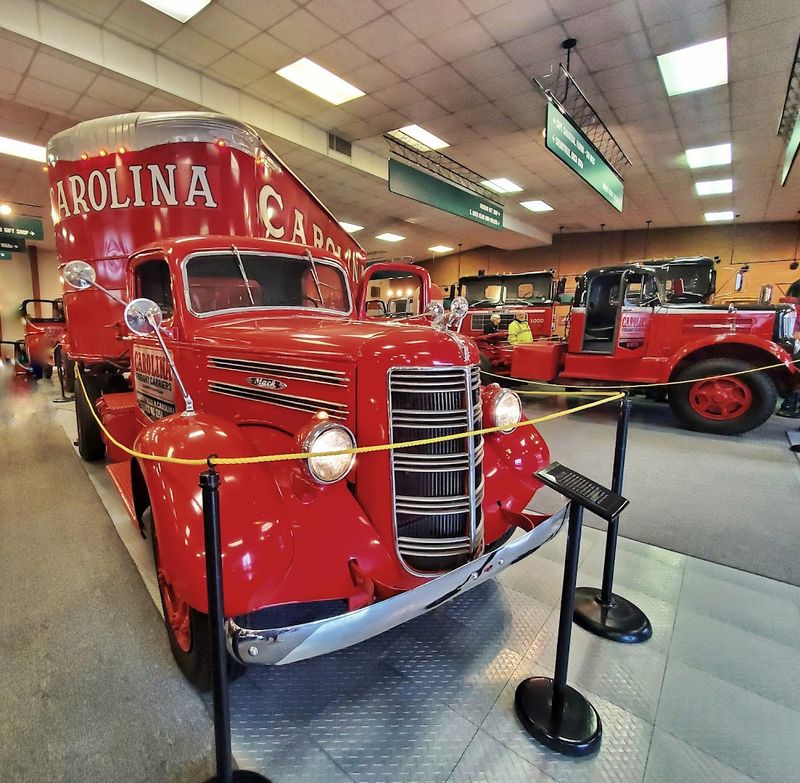
Big trucks tell a different American story than sleek race cars do. Their beauty comes from function, durability, and the wear of real labor, and that practicality gives the exhibits a grounded kind of charisma.
You start noticing grilles, cabs, and cargo details you might usually drive past without a second thought.
In Cherryville, the C.Grier Beam Truck Museum focuses on historic trucking and early commercial vehicles, opening a window into the working side of transportation. The collection highlights how goods once moved through towns and across the state, long before logistics became an invisible modern system.
Restored trucks have presence, but they also hint at dust, routes, and long days behind the wheel.
This museum feels worthwhile because it broadens your understanding of vehicle culture. North Carolina’s transportation history is not only about trophies and famous drivers.
Sometimes it is about the machines that kept businesses, farms, and communities connected, and seeing them up close makes that legacy surprisingly vivid.
Mustang Owners Museum
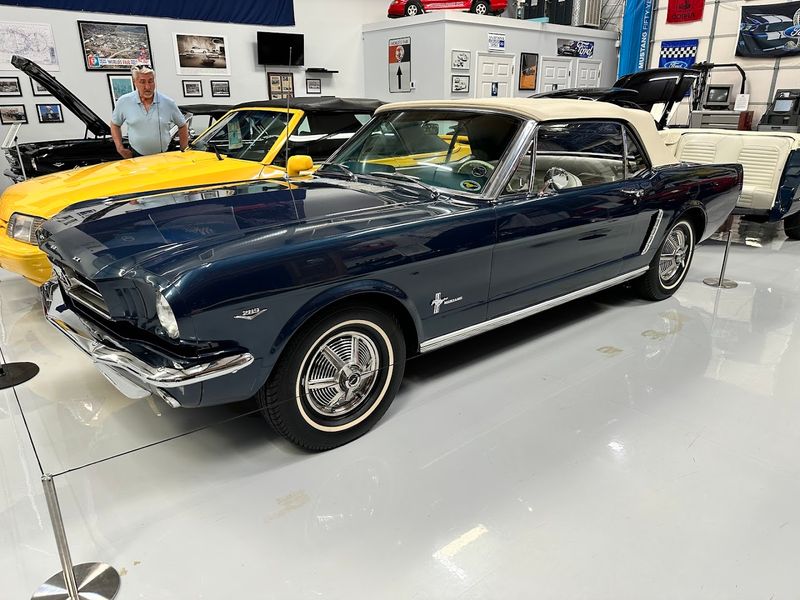
Some cars arrive carrying a whole soundtrack with them. The Mustang does that, bringing muscle, youth, and decades of American identity into one instantly recognizable shape.
Even parked indoors, those fastback lines and bold colors suggest motion, rebellion, and weekend drives with the windows down.
In Concord, the Mustang Owners Museum turns one model into a surprisingly rich cultural timeline. Different generations show how styling, performance, and fandom evolved, while memorabilia helps explain why this car became more than transportation for so many people.
Enthusiasts will happily debate details, but casual visitors can still enjoy the visual progression from early icons to later performance versions.
What makes the museum satisfying is its focused devotion. Instead of scattering attention across every brand, it lets a single automotive idea deepen in front of you.
If you have ever noticed a Mustang at a stoplight and felt your attention drift, this place explains exactly why that keeps happening.
Morrison Motor Car Museum
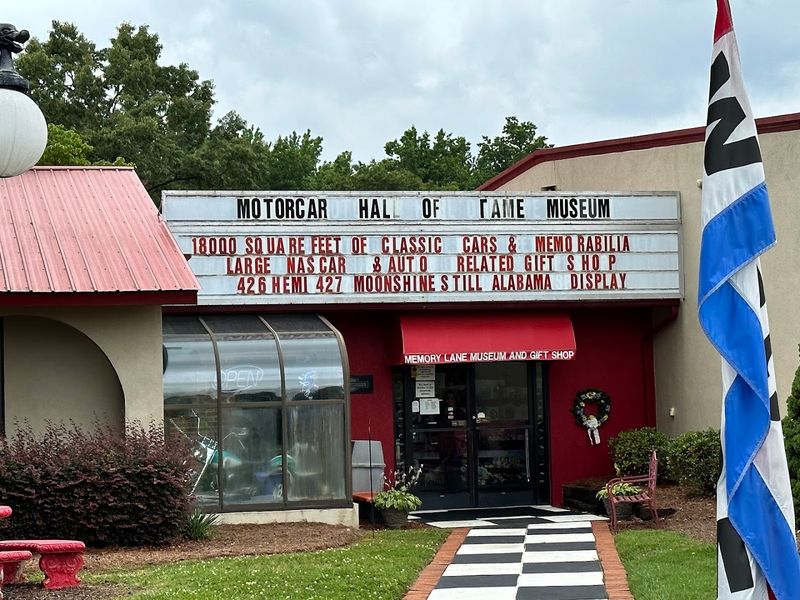
There is a generous, almost playful energy to a collection that refuses to stay in one lane. Tailfins, sports coupes, bright paint, and old signage compete for your attention, and the result feels less like a lecture than an enthusiastic conversation.
Every turn invites a new comparison between eras, brands, and design philosophies.
That spirit defines the Morrison Motor Car Museum in Concord, where American classics and European cars share the spotlight with collectibles and memorabilia. The variety keeps the experience lively, since one moment you are admiring broad domestic styling and the next you are drawn toward a lower, more delicate continental silhouette.
It has the feel of a personal collection opened up for others to enjoy.
The pleasure here is in range. You do not need allegiance to one manufacturer or one period to have a good time, because the museum encourages curiosity over expertise.
It is easy to imagine returning with someone whose taste in cars differs from yours and both leaving happy.