North Carolina’s most surprising landscapes are not always found on the mountaintops or along the coast. Hidden among forests, cliffs, and quiet trails are caves, rock shelters, and unusual stone formations that reveal a different side of the state’s natural story.
The 12 North Carolina caves and rock formations worth exploring showcase places shaped by time, water, and weather. From underground passages and historic caves to dramatic rock features tucked into scenic landscapes, each location offers a chance to see the state from a new perspective.
Some spots are easy family outings, while others invite a little more adventure and curiosity. Along the way, you’ll find peaceful trails, fascinating geology, and landmarks connected to local history.
Discover these 12 remarkable places where North Carolina’s hidden rocky wonders come to life.
Boone’s Cave
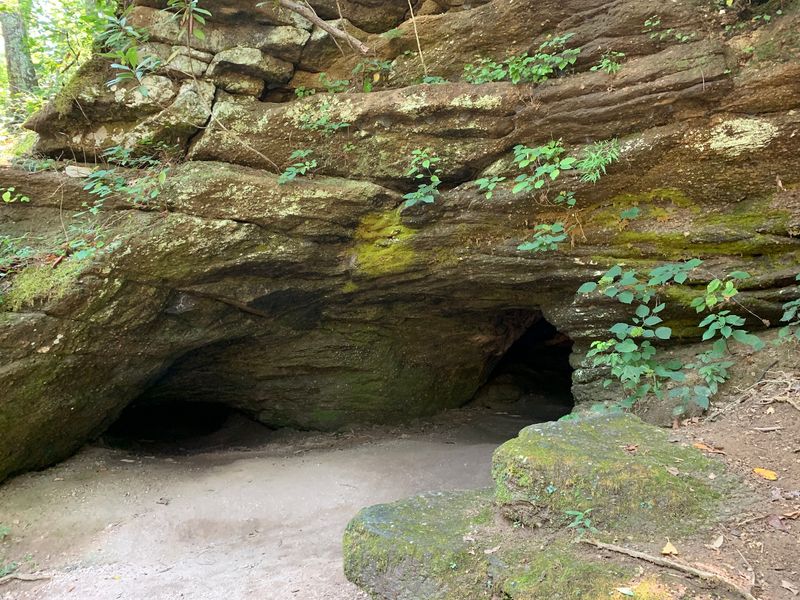
Sunlight flickers through the trees, then suddenly a rocky opening appears near the riverbank like a hiding place from another century. The setting feels quiet and a little playful, as if it was made for stories told on the walk in.
Boone’s Cave, found in Boone’s Cave Park near Lexington, is tied to local tales about Daniel Boone, though history around the site is often debated. Even so, the short cave and wooded trails give visitors a strong sense of place, especially with the Yadkin River moving nearby and picnic areas scattered through the park.
This is a good choice for families because the outing can stay simple and low stress. Bring water, take your time on uneven ground, and enjoy the park as much as the cave itself.
A packed lunch or a stop for Lexington barbecue afterward turns the visit into a very North Carolina kind of day.
Tory’s Den Cave
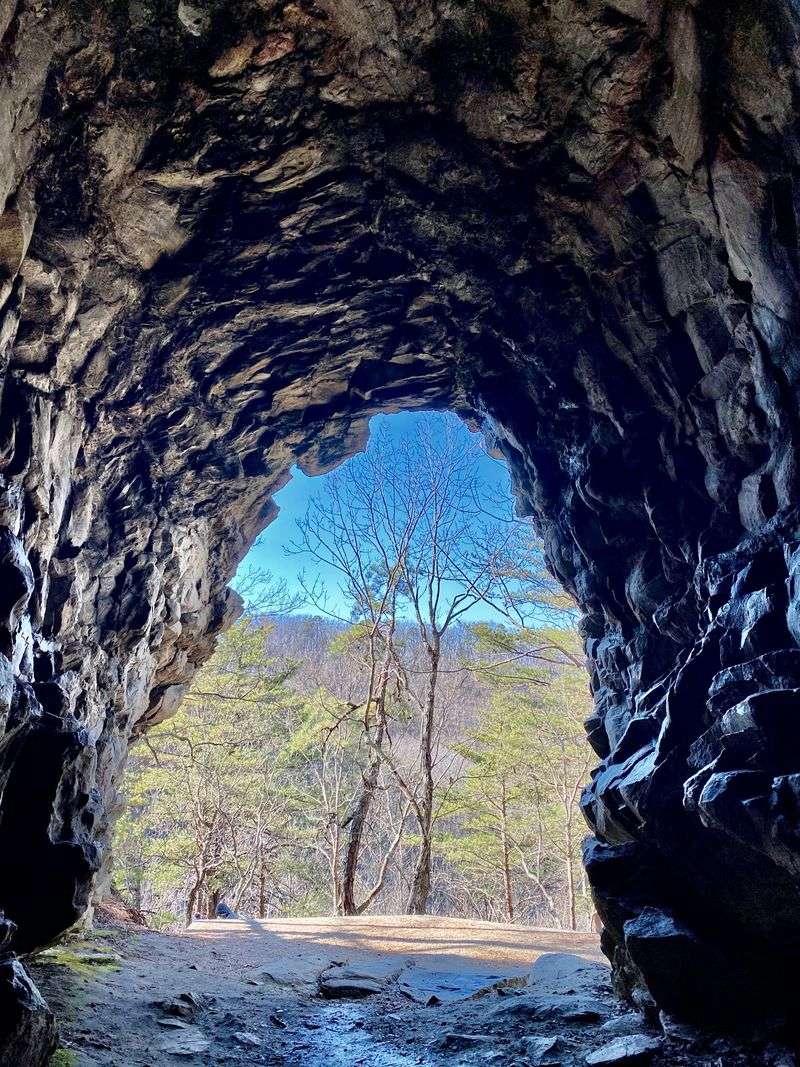
The forest grows still in a way that makes every footstep sound louder, and the rocky hollow ahead feels tied to a story you almost remember. It is the kind of place where history and landscape seem to lean close together.
Tory’s Den Cave in Hanging Rock State Park is known for tales of Loyalist soldiers hiding there during the Revolutionary War. Reaching it takes a hike, which gives the visit a bit more drama than a roadside stop.
Along the way, you’ll pass woods, slopes, and the kind of rough terrain that makes the cave feel earned instead of simply found.
Good shoes matter here, especially after rain, and younger hikers may need a slower pace on steeper sections. If you have extra time, combine the trip with one of Hanging Rock’s overlooks or waterfalls.
That mix of local history, mountain views, and shady trail time makes the experience feel full without becoming rushed.
Linville Caverns
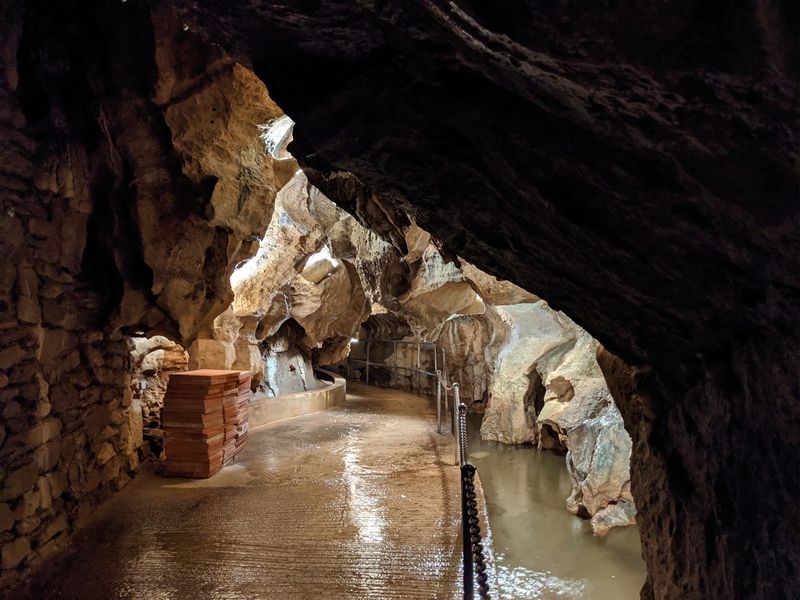
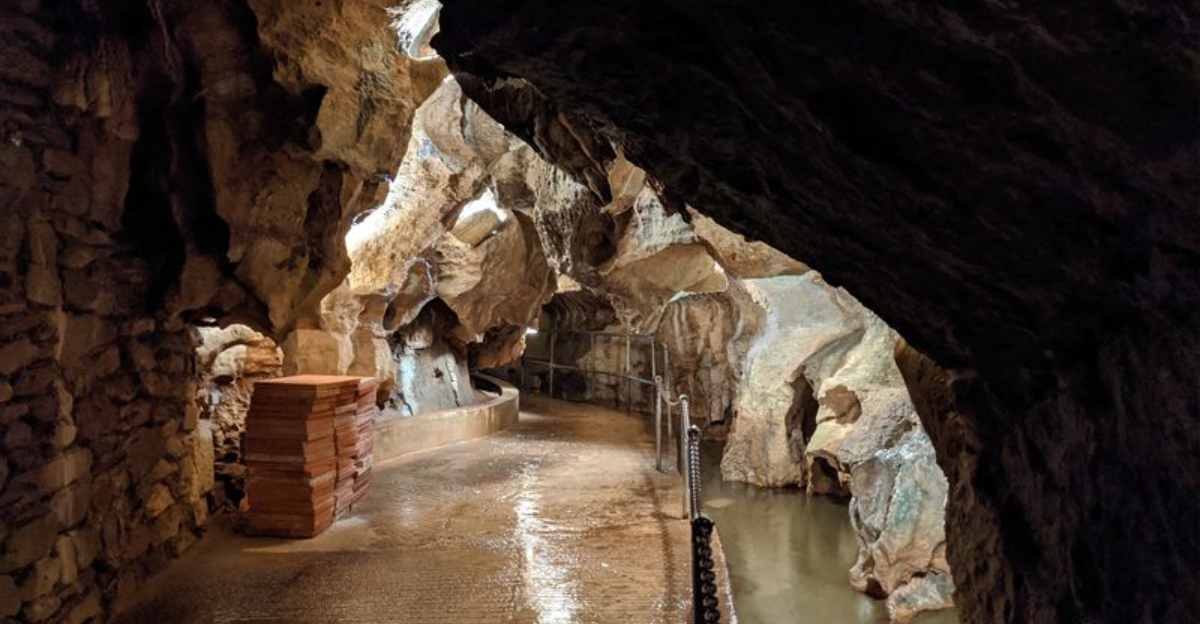
Cool air greets you before your eyes fully adjust, and the outside world seems to slip away with every careful step. Water moves quietly through the dark, turning an ordinary afternoon into something that feels secret and old.
That mood is what makes Linville Caverns such a memorable stop in McDowell County. Guided tours lead visitors through limestone rooms, past underground pools and unusual formations, while guides share stories about geology, local legends, and the cave’s long hidden life beneath the mountains.
Because the path can be slick, sturdy shoes make the visit easier and safer. A light jacket helps too, since the temperature stays cool all year.
Afterward, many travelers pair the cave with a drive on the Blue Ridge Parkway or lunch in nearby Marion, which gives the whole outing a relaxed mountain rhythm that feels easy to enjoy.
Rumbling Bald Caves
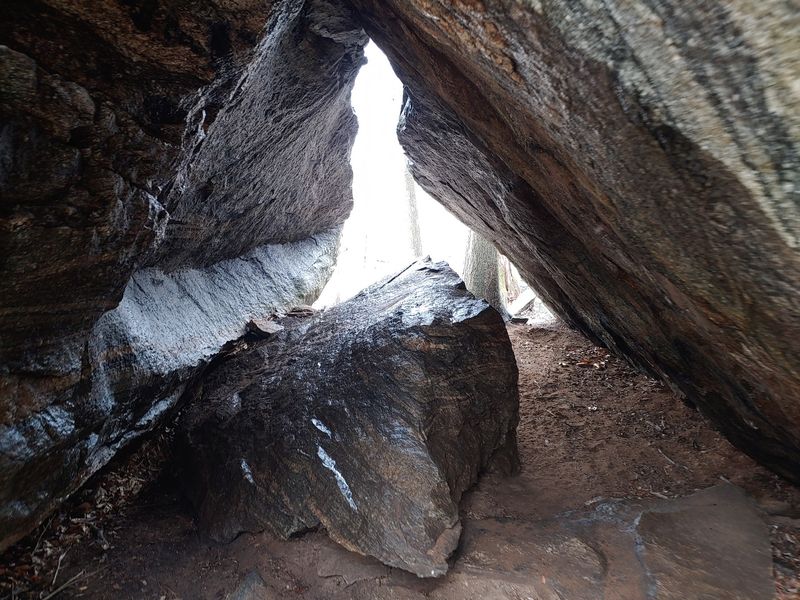
Nothing looks quite normal here. Huge boulders seem tossed across the mountainside by a giant hand, creating dark gaps, squeezed passageways, and hidden corners that feel more like a puzzle than a typical cave visit.
Those wild spaces are the Rumbling Bald Caves near Lake Lure, where talus caves formed between massive fallen rocks instead of inside limestone. Exploring the area feels adventurous even before you duck into an opening.
The mountain itself is striking, and nearby views of Lake Lure add a softer contrast to all that rough stone.
This spot rewards people who like scrambling, but caution matters because surfaces can be uneven, steep, and slippery. Move slowly, keep both hands free, and avoid pushing beyond your comfort level.
Many visitors pair the trip with a lakeside meal or a scenic drive through Hickory Nut Gorge, which balances the bold, rocky energy of the caves with something calmer and easier.
Gneiss Cave
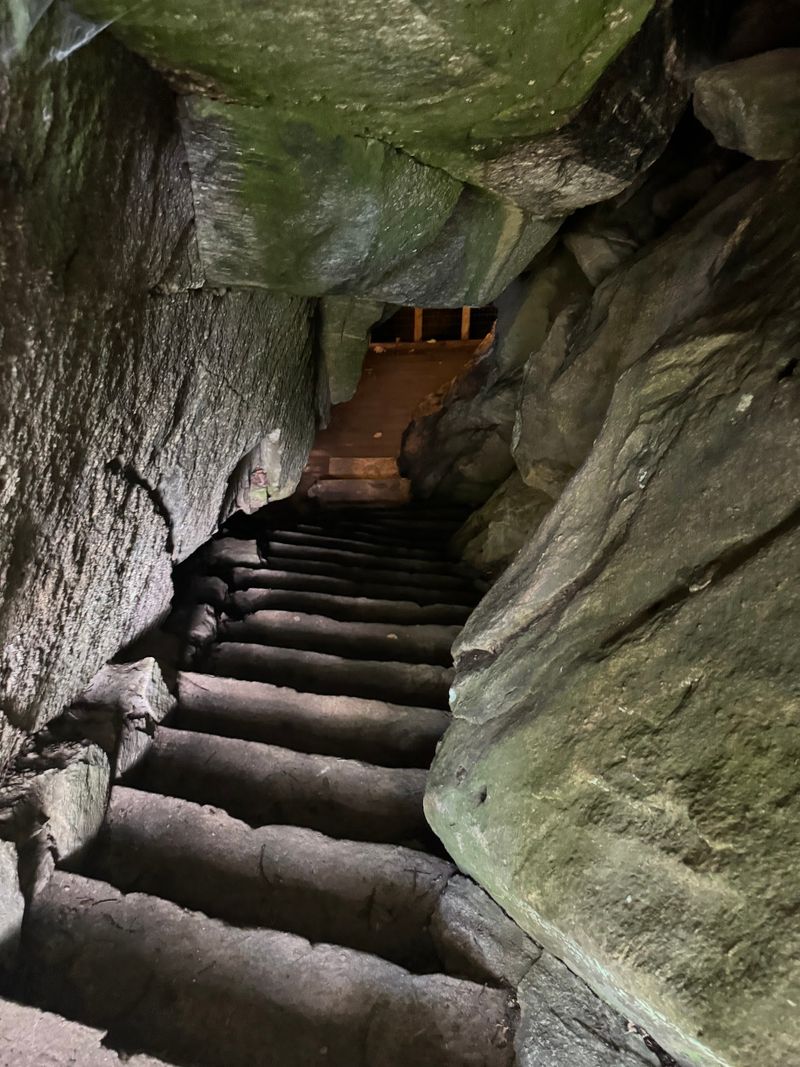
At first glance, it feels like a trick of the mountain, a shadowy notch in the rock that invites a closer look. The textures are part of the fun, with stone surfaces folded and striped in ways that show just how much pressure shaped this land.
Gneiss Cave, near Lake Lure, is less about underground depth and more about the beauty of exposed metamorphic rock. The cave-like opening gives hikers a rewarding destination, especially if they enjoy unusual geology.
Nearby trails and mountain views make the stop feel connected to the broader landscape instead of isolated from it.
Because this is a natural feature rather than a developed attraction, visitors should come prepared and keep expectations realistic. Take water, watch your footing, and leave the rocks exactly as you found them.
If you enjoy spotting small details, this place really shines, from the layered stone patterns to the shifting forest light around the entrance on a clear afternoon.
The Looking Glass Rock Overlook
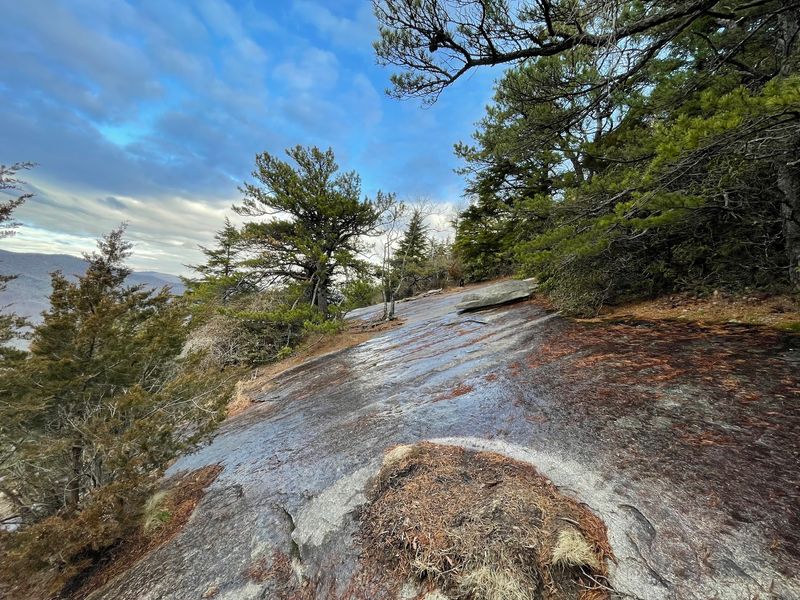
Not every rocky wonder needs a cave entrance to feel unforgettable. Sometimes one giant wall of stone, glowing in shifting light, can hold your attention longer than any hidden chamber underground.
Looking Glass Rock, in Pisgah National Forest, earns its place among North Carolina’s great formations because of its sheer size and clean granite face. From the right overlook or trail, the dome catches sun in a way that makes it seem to shine.
Hikers often remember the broad forest views, the winding approach roads, and the crisp mountain air as much as the rock itself.
This is a strong pick for travelers who want dramatic geology without focusing on enclosed spaces. Bring layers, especially in cooler months, and start early if you plan to hike nearby trails.
Brevard is close enough for an easy meal afterward, and a bakery stop or coffee in town pairs nicely with a morning outdoors. The whole experience feels grand but still very approachable.
Blowing Rock
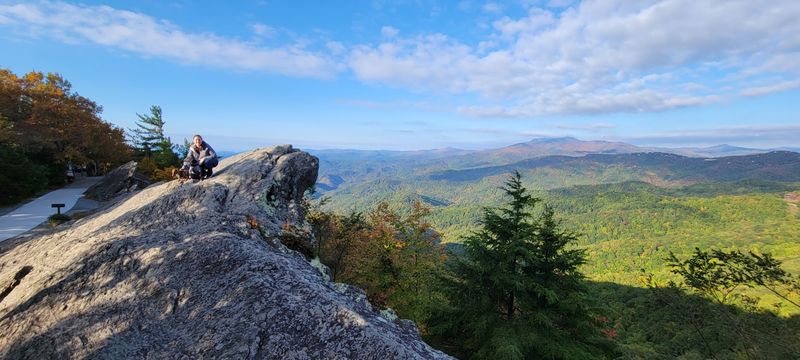
Rising above the Blue Ridge Mountains, the natural rock formations around Blowing Rock create one of North Carolina’s most memorable mountain landscapes. The area’s most famous landmark, the Blowing Rock, is a dramatic cliff formation that has been shaped by millions of years of geological forces and offers sweeping views of the surrounding valleys and peaks.
The unique formation gets its name from the powerful winds that move through the gorge, sometimes lifting lightweight objects back into the air. Visitors can follow paths to viewpoints overlooking the Blue Ridge Parkway and enjoy the unusual combination of rocky scenery, forested mountains, and open skies.
While it is not a traditional cave, Blowing Rock is a fascinating example of North Carolina’s natural geology. Its striking shape, legendary history, and unforgettable mountain views make it a worthwhile stop for travelers exploring the state’s caves and rock formations.
Chimney Rock
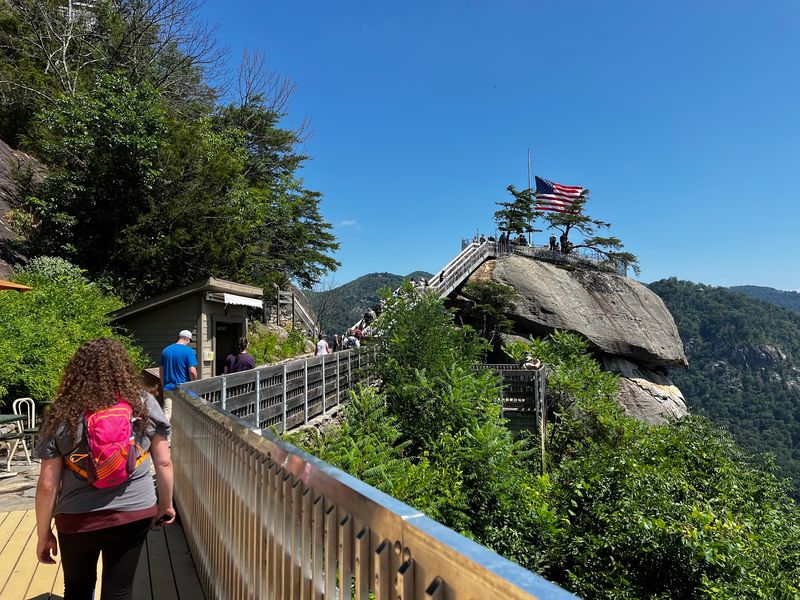
Towering above the Hickory Nut Gorge, Chimney Rock is one of North Carolina’s most recognizable natural rock formations and a breathtaking destination for anyone who loves dramatic landscapes. This massive granite monolith rises high above the surrounding forests and offers incredible views of Lake Lure, the Blue Ridge Mountains, and the winding valleys below.
The landmark gets its name from its tall, chimney-like shape, created over millions of years through natural erosion and weathering. Visitors can reach the top by hiking trails or the elevator built inside the mountain, making the viewpoint accessible while still offering a memorable adventure.
Beyond the famous rock itself, Chimney Rock is surrounded by waterfalls, wooded trails, and other geological wonders within Chimney Rock State Park. Its combination of towering stone, mountain scenery, and fascinating natural history makes it one of North Carolina’s most unforgettable rock formations.
Judaculla Rock
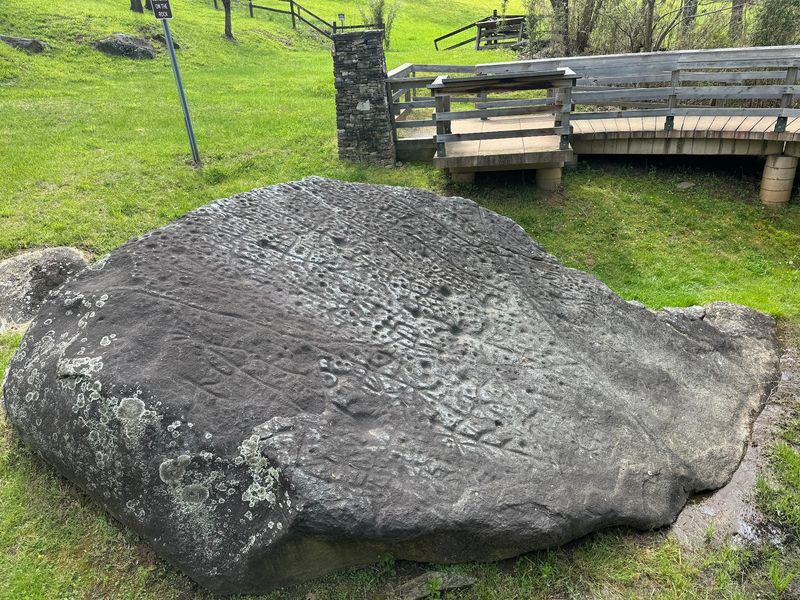
Hidden in the mountains of western North Carolina, Judaculla Rock is a fascinating natural landmark where geology, mystery, and Cherokee history come together. This large soapstone boulder is covered with hundreds of carved markings, making it one of the most intriguing rock art sites in the Southeast.
The symbols etched into the stone have inspired generations of stories and interpretations, adding a sense of wonder to the quiet landscape around it.
Located near Cullowhee in Jackson County, the rock has long been connected to Cherokee traditions and the legendary figure of Judaculla, a powerful being from Cherokee mythology. Visitors can stop by this peaceful roadside site to view the carvings up close and learn about the cultural importance of the area.
Although it is not a cave, Judaculla Rock is a remarkable example of North Carolina’s ancient natural and cultural treasures. Its unusual markings and mysterious history make it a memorable stop for anyone exploring the state’s unique rock formations.
Devil’s Courthouse
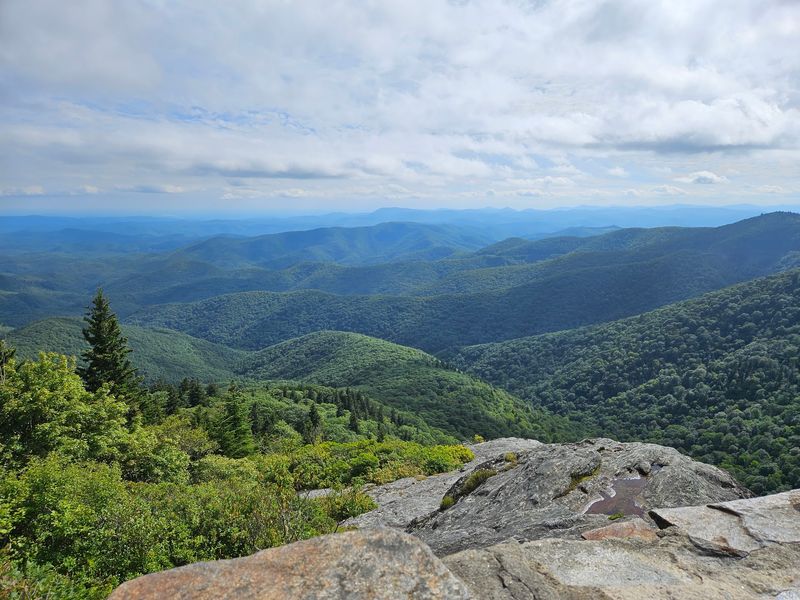
Carolina’s most dramatic rock formations and a place where mountain scenery feels almost endless. This towering cliff of exposed rock rises above the surrounding forests and provides sweeping views across the Appalachian Mountains, with visibility stretching into multiple states on clear days.
The formation gets its unusual name from Cherokee legends that describe the area as a place connected to supernatural stories. Beyond the folklore, the landscape itself tells a powerful geological story, with layers of ancient rock shaped by millions of years of natural forces.
A short but steep trail leads visitors to the summit overlook, where a rocky platform rewards hikers with unforgettable panoramic views. Surrounded by rugged cliffs, dense forests, and the beauty of Pisgah National Forest, Devil’s Courthouse is a perfect example of the wild rock formations that make North Carolina’s mountains so special.
Stone Mountain
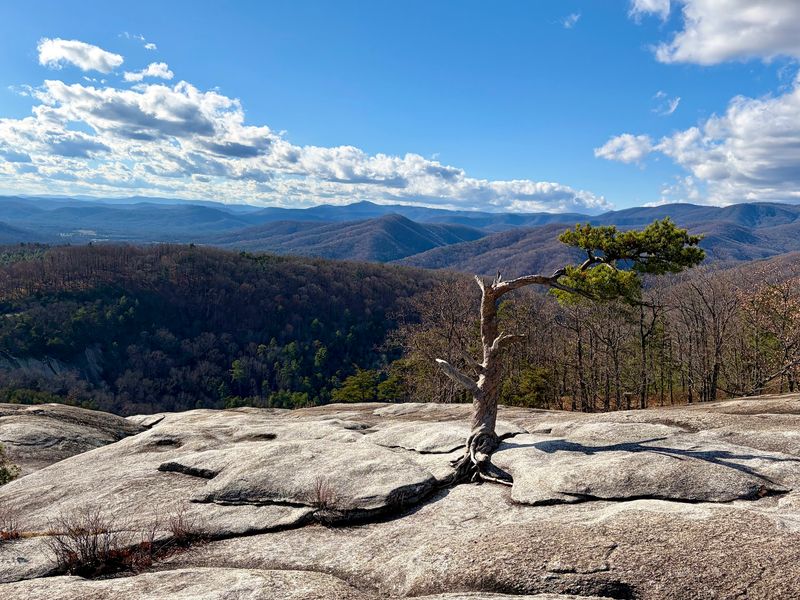
Stretching across the Blue Ridge foothills, Stone Mountain State Park is home to one of North Carolina’s most impressive granite formations. The park’s namesake landmark is a massive granite dome that rises dramatically from the surrounding forest, creating a landscape that feels both peaceful and powerful.
The smooth rock face was shaped over millions of years by erosion, leaving behind a striking natural formation that attracts hikers, photographers, and outdoor lovers. A trail leads to the summit, where visitors can enjoy wide views of the surrounding mountains, valleys, and wooded countryside.
Beyond the mountain itself, Stone Mountain State Park offers waterfalls, historic sites, hiking trails, and the famous Hutchinson Homestead, adding layers of history to the natural scenery. While it is not a cave, this enormous granite dome represents the incredible geological variety found across North Carolina.
Its size, beauty, and quiet mountain setting make it a memorable stop for anyone exploring the state’s remarkable rock formations.
Pilot Mountain
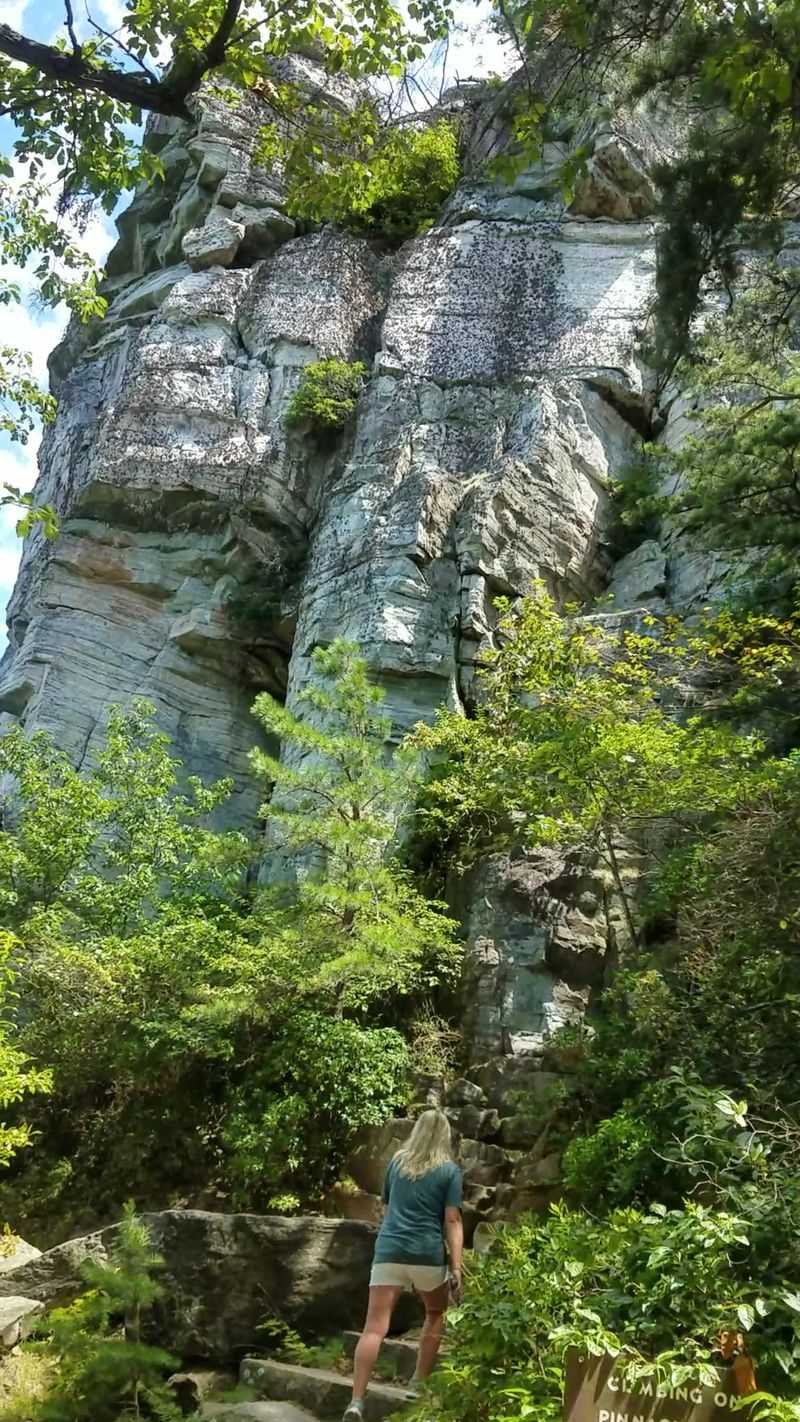
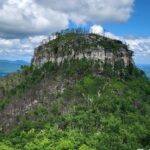
Rising above the foothills of northwestern North Carolina, Pilot Mountain is one of the state’s most recognizable natural landmarks. The distinctive knob-like peak, known as “Big Pinnacle,” is a dramatic quartzite formation that towers above the surrounding landscape and has guided travelers through the region for centuries.
From the Pilot Mountain Scenic Overlook, visitors can enjoy sweeping views of the isolated peak, nearby valleys, and the rolling countryside stretching toward the Blue Ridge Mountains. The scenery changes beautifully with the seasons, from green summer forests to colorful autumn hillsides.
Pilot Mountain’s unusual shape was created through millions of years of erosion, leaving behind a hard rock cap that resisted weathering while the land around it slowly changed. Although it is not a cave, this impressive formation showcases the fascinating geology of North Carolina.
Its easy access, unforgettable views, and unique appearance make it a must-see stop for anyone exploring the state’s natural wonders.