North Carolina has quietly built one of the most exciting food scenes in the South, and its cooking classes are among the best ways to tap into that culinary energy firsthand.
Whether you’re drawn to the farm-to-table traditions of the mountains, the coastal seafood culture of Wilmington, or the bold, chef-driven restaurants of Charlotte and Raleigh, there’s a class here that matches your appetite.
Many of the classes are taught in stunning spaces, from renovated industrial kitchens to intimate restaurant prep areas, which makes the experience feel special before you’ve even picked up a knife.
North Carolina’s emphasis on local ingredients shines through in most of these programs, giving participants a sense of place that goes well beyond the recipes themselves.
If you love food and you’re looking for a new way to experience North Carolina, one of these ten cooking classes is exactly where to start.
1. Sur La Table Charlotte, Charlotte, Mecklenburg County
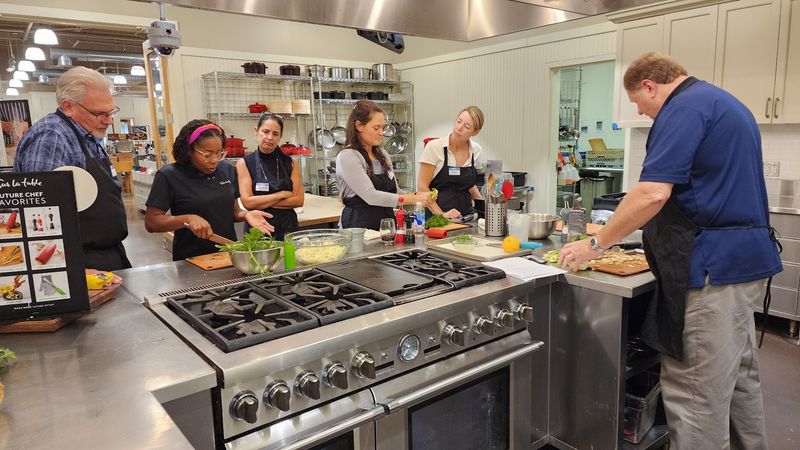
The energy here feels polished but never intimidating, which is exactly what you want when trying a new technique.
You walk into a sleek kitchen classroom where every station is organized, every tool shines, and the evening immediately feels doable.
That balance of structure and fun makes Sur La Table Charlotte one of the easiest places in Mecklenburg County to build confidence.
Class themes usually cover approachable favorites such as pasta, French basics, date-night menus, steakhouse dinners, baking, and seasonal entertaining.
Instructors keep the pace moving, but they also explain why methods work, so you leave with practical knowledge instead of just a full stomach.
If you like learning by doing, the hands-on format gives you plenty of chances to chop, sear, whisk, and plate.
What stands out most is how beginner friendly the environment feels without boring more experienced home cooks.
You can show up solo, bring a partner, or treat it like a social outing with friends who want something more memorable than dinner reservations.
The class calendar also changes often, which makes repeat visits surprisingly tempting.
For food lovers in Charlotte, this is a reliable entry point into cooking education that still feels special.
That combination makes it a smart first booking and a satisfying return destination too.
2. Ceste Si Bon Cooking School, Chapel Hill, Orange County
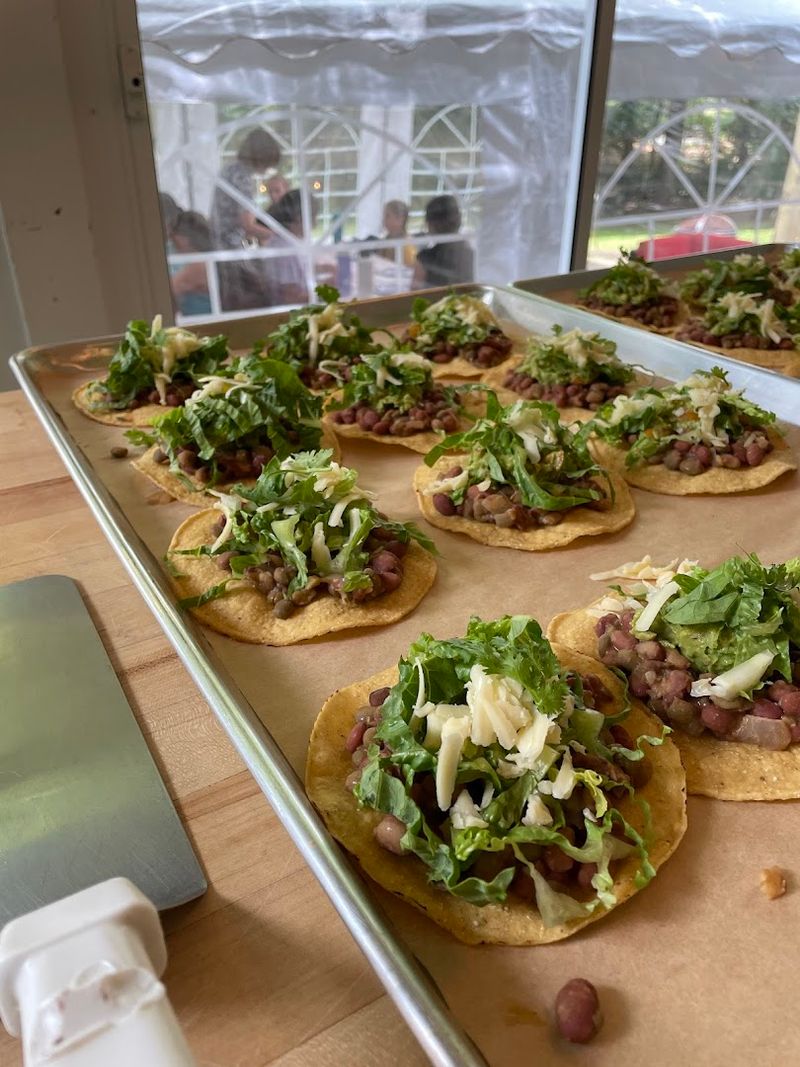
The room smells like flour, herbs, and simmering sauce long before the lesson fully begins.
That warm, welcoming mood makes the experience feel less like school and more like being invited into a well-loved kitchen.
At Ceste Si Bon Cooking School in Chapel Hill, Orange County, that intimacy is a big part of the appeal.
The programming often leans toward Italian traditions, which means fresh pasta, regional sauces, risotto, rustic desserts, and technique-driven comfort food.
Instead of rushing through recipes, classes typically slow down enough for you to understand texture, timing, and the small adjustments that create better results.
That thoughtful pacing is especially helpful if you want skills you can recreate at home without guesswork.
Another strength is the setting itself, which feels personal and community oriented rather than overly corporate.
You are not just following instructions, you are tasting, asking questions, and noticing how ingredients behave from step to step.
For many food lovers, that deeper connection to process is exactly what makes a class worth booking.
Chapel Hill already has a strong food culture, and this school fits naturally into it with classes that celebrate craft and hospitality.
It works well for couples, curious beginners, and serious home cooks who want focused instruction in a comfortable environment.
3. The Asheville Kitchen, Asheville, Buncombe County
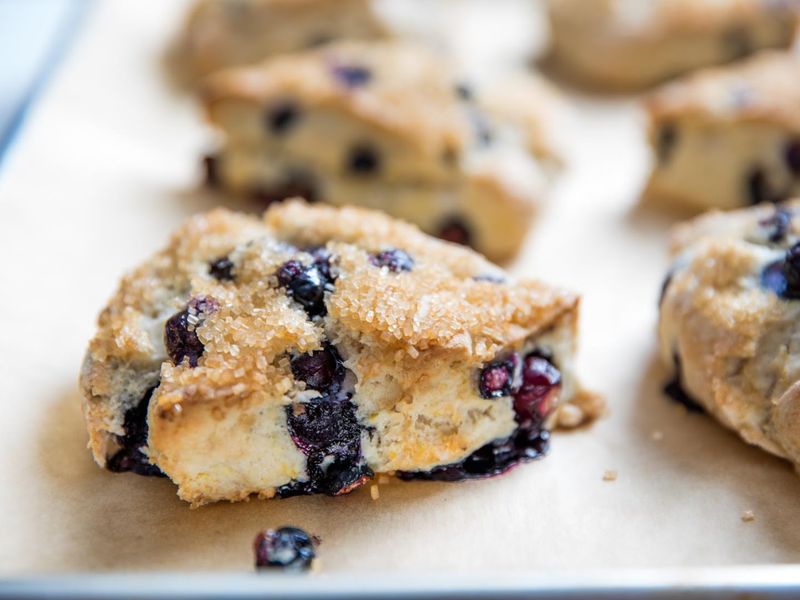
There is a relaxed mountain-town charm here that instantly lowers the pressure and raises the fun.
You feel encouraged to ask questions, laugh at small mistakes, and focus on enjoying the process as much as the meal.
That approachable spirit helps The Asheville Kitchen stand out within Buncombe County’s creative food scene.
Classes often spotlight practical cooking skills, from knife work and weeknight meals to global flavors, holiday dishes, and baking projects.
The teaching style tends to feel grounded and useful, giving you techniques that can improve everyday cooking instead of only one special menu.
If your ideal class sends you home ready to cook better tomorrow, this place checks that box.
Another reason food lovers appreciate it is the sense of connection in the room.
Asheville attracts adventurous eaters, and that energy carries into classes where participants are usually eager to taste, compare notes, and learn something new.
The result feels social without becoming chaotic, which is a nice balance for people who want both instruction and atmosphere.
You also benefit from being in a city known for farmers markets, craft producers, and chef-driven dining.
For a welcoming class experience with local personality, The Asheville Kitchen deserves a place on your North Carolina shortlist.
4. Chef Alyssa’s Kitchen, Charlotte, Mecklenburg County
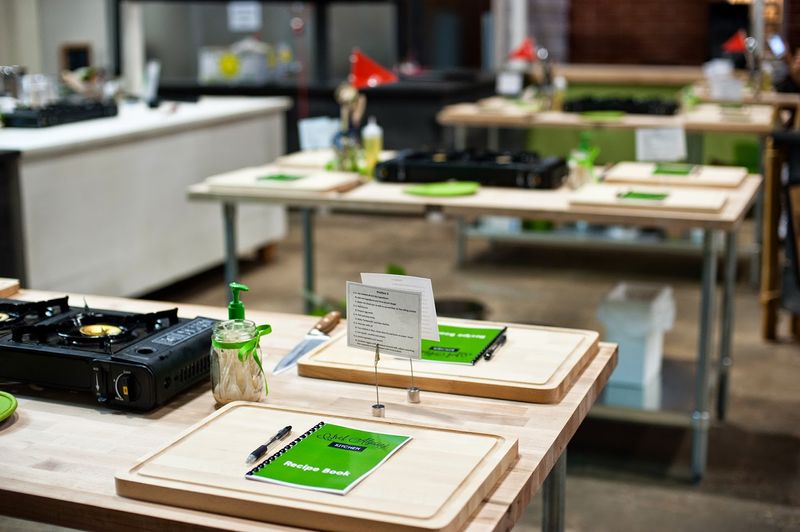
Everything about this experience feels elevated from the moment you see the gleaming ranges and immaculate workstations.
If you are the kind of food lover who gets excited by premium equipment and chef-led instruction, the setting alone is impressive.
That polished atmosphere defines the Chef Alyssa’s Kitchen in Charlotte, one of Mecklenburg County’s most refined class options.
Courses often focus on technique-rich menus such as seafood, steak, sauces, seasonal entertaining, and internationally inspired specialties.
The instruction usually blends demonstration with hands-on learning, so you can watch a professional handle details before trying them yourself.
That format works especially well when a dish has several moving parts and timing matters.
What makes the experience memorable is not just the luxury feel, but the sense that you are learning in a truly professional environment.
You pick up habits about organization, heat control, plating, and workflow that can improve your cooking long after the class ends.
For ambitious home cooks, those subtle lessons are often the real value.
This is a smart pick when you want a class that feels gift worthy, celebratory, or a little indulgent.
It suits date nights, serious hobbyists, and anyone curious about what cooking with high-end appliances can teach about technique.
5. Hone-Sharpen, Raleigh, Wake County
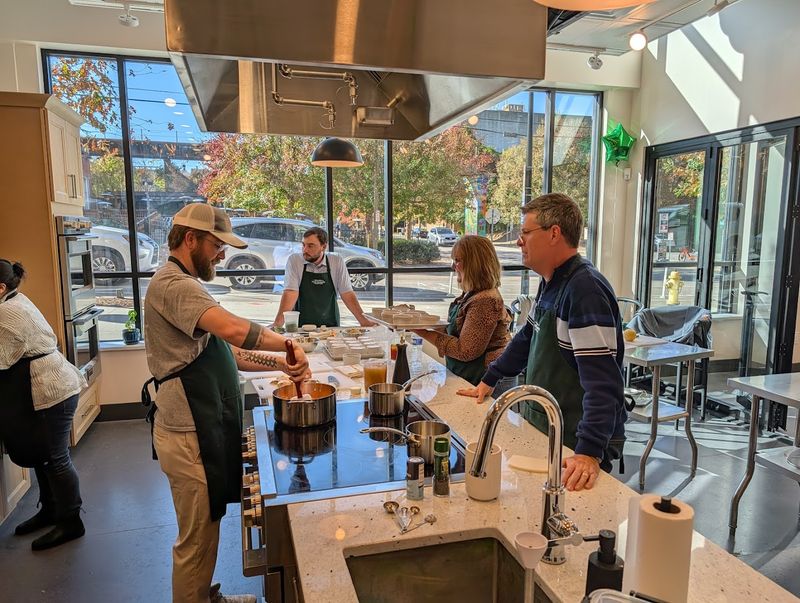
The vibe here is lively, modern, and welcoming in a way that makes strangers feel like dinner guests within minutes.
You are not just passively observing, because the experience is built around participation, conversation, and tasting as you go.
That social energy gives The Hone-Sharpen in Raleigh a memorable place in Wake County’s culinary landscape.
Class topics often blend comfort, creativity, and practical technique, which keeps the schedule appealing to a wide range of cooks.
You might find menus inspired by Southern favorites, globally influenced dishes, entertaining strategies, or seasonal ingredients that deserve more attention.
Because the lessons stay approachable, beginners can join confidently without feeling left behind.
At the same time, experienced home cooks usually find enough insight to justify the outing.
The instructor perspective often highlights shortcuts, flavor layering, and preparation habits that can make home meals more consistent and more exciting.
That mix of accessibility and substance is hard to get right, but it matters when you want a class people will genuinely enjoy.
Raleigh diners tend to appreciate both innovation and comfort, and this class option reflects that combination well.
If you want a class that feels equal parts lesson and gathering, The Hone-Sharpen is worth considering.
6. Leah & Louise Charlotte, Charlotte, Mecklenburg County
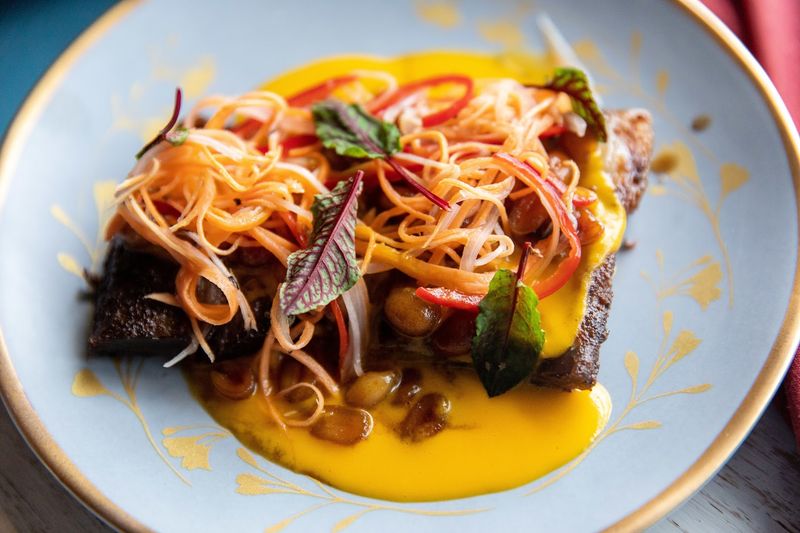
Bold flavor and cultural storytelling can turn a cooking class into something much deeper than a recipe lesson.
When a class carries a strong point of view, you leave remembering the ideas behind the food as much as the food itself.
That is why experiences connected to Leah & Louise in Charlotte deserve attention from serious eaters in Mecklenburg County.
The restaurant is known for a distinctive approach to Southern cooking and broader Black culinary traditions, which makes its educational potential especially compelling.
A class in this orbit can expose you to ingredients, techniques, and flavor pairings that feel personal, contemporary, and rooted in history at once.
For food lovers who crave context alongside technique, that combination is incredibly rewarding.
Rather than treating dishes as isolated instructions, the experience naturally invites you to think about migration, memory, and regional identity.
Even small details such as seasoning choices or cooking methods can reveal larger culinary stories worth understanding.
That added layer gives the class a richness many generic cooking experiences simply do not offer.
Charlotte’s dining scene keeps evolving, and Leah & Louise remains one of the city’s most talked-about creative forces.
Come hungry for conversation, flavor, and a perspective that lingers well after the meal ends.
7. Taste Buds Kitchen Winston-Salem, Winston-Salem, Forsyth County
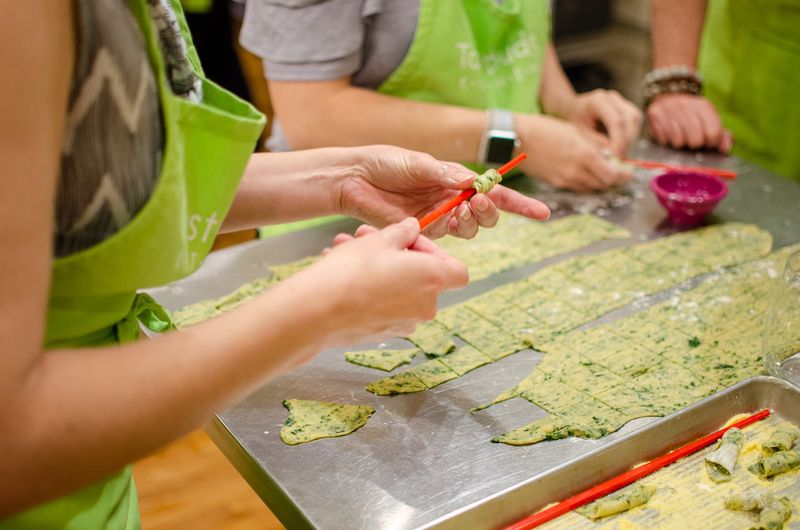
The appeal here starts with craftsmanship, because the whole experience feels built around making things carefully and well.
Instead of flashy gimmicks, you get a setting that invites attention to detail, ingredient quality, and the pleasure of learning by hand.
That thoughtful mood makes Taste Buds Kitchen in Winston-Salem a strong choice within Forsyth County.
Classes often suit people who appreciate both creativity and technique, whether the focus is baking, seasonal cooking, specialty dinners, or polished home entertaining.
You are likely to leave with a better sense of process, not just a stack of recipes you may never revisit.
That practical payoff matters if you want your next class to improve the way you cook every week.
Winston-Salem has a quietly interesting food culture, and this kind of workshop reflects the city’s appreciation for craft and refinement.
The environment tends to feel intimate enough for questions, yet structured enough that the lesson never loses momentum.
It is an especially appealing format for attentive learners who value guidance without excessive formality.
Food lovers who enjoy tactile work such as dough handling, careful plating, or balancing seasonal flavors will probably feel right at home.
This also makes a smart outing for small groups looking for something interactive but more polished than a casual demonstration.
8. Asheville Mountain Kitchen, Asheville, Buncombe County
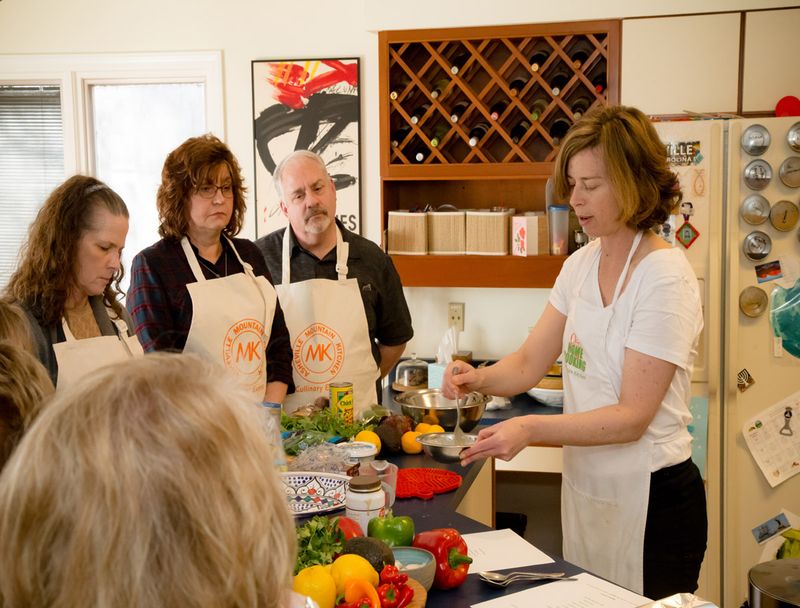
Precision can be surprisingly calming when it is taught in a warm, creative environment.
You start noticing how preparation shapes everything, from cleaner flavors to smoother timing to less stressful cooking overall.
That lesson is built right into the spirit of Asheville Mountain Kitchen, a compelling option in Buncombe County.
The name alone hints at an emphasis on organization, and that can be transformative for home cooks.
Whether the class centers on dinner party menus, regional ingredients, or chef-inspired techniques, the underlying message is that good cooking begins before the pan gets hot.
Once you learn that mindset, many recipes become easier and more enjoyable.
Asheville’s culinary scene rewards curiosity, so classes here can feel especially vibrant for students who like to ask why things work.
There is room to appreciate local produce, thoughtful seasoning, and plating choices without losing sight of practical execution.
That blend of artistry and usefulness is a big reason this kind of workshop resonates with food enthusiasts.
If your kitchen habits could use more rhythm and less scrambling, this is the kind of class that pays off quickly.
You may arrive thinking about one menu, but leave rethinking how you prep, organize, and cook everything else.
9. DeMarco Family Kitchen, Wilmington, New Hanover County
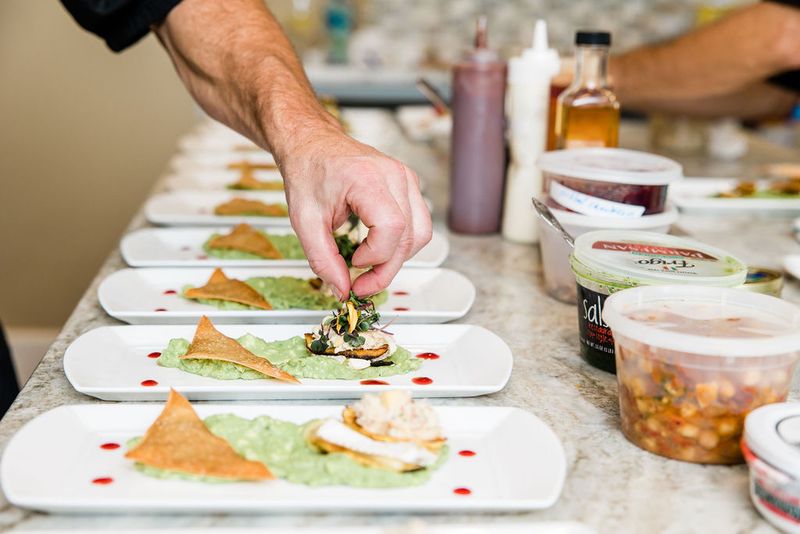
Fresh seafood changes the entire mood of a cooking class, especially when you are learning close to the coast.
There is an immediacy to shellfish, fish cookery, and bright seasonal flavors that makes every technique feel useful and delicious.
That coastal advantage gives DeMarco family Kitchen in Wilmington real appeal within New Hanover County.
Classes in this setting are naturally well suited to lessons on seafood preparation, sauces, grilling, Southern coastal favorites, and relaxed entertaining.
You get more than inspiration, because handling delicate proteins correctly can build kitchen confidence fast.
For many home cooks, mastering timing and temperature with seafood feels like crossing an important threshold.
Wilmington adds its own charm through a food culture shaped by the ocean, hospitality, and casual elegance.
That sense of place can make the learning experience more vivid, especially when menus highlight ingredients people already associate with local dining.
It is easier to remember a technique when the flavors feel tied to a destination you genuinely enjoy.
This is an especially smart class choice for visitors, seafood fans, and locals who want to cook the region more skillfully at home.
The atmosphere can feel festive without sacrificing substance, which is ideal for a memorable outing.
10. Flour Power Cooking Studio North Hills, Raleigh, Wake County
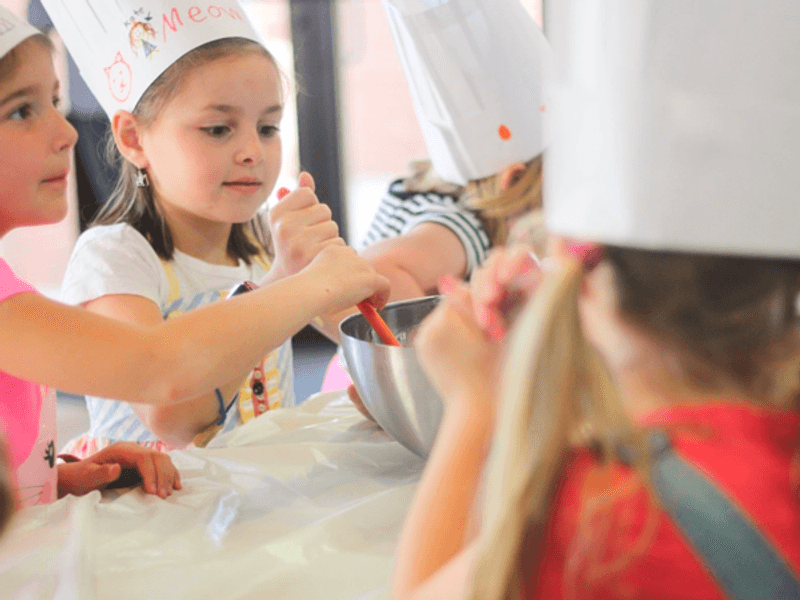
Some classes are built for a fun night out, while others feel like a genuine investment in becoming a better cook, for both you, and your kids.
If you want stronger fundamentals, clearer technique, and a more structured learning environment, that distinction matters.
The Flour Power Cooking Studio in North Hills offers that more serious edge, making it a standout in Wake County.
The appeal is not that it feels rigid, but that it treats cooking as a skill set worth developing carefully.
You can expect value from lessons focused on knife work, sauces, baking principles, menu building, and other foundations that support countless dishes.
That kind of training is useful whether you dream of hosting better dinners or simply want everyday meals to improve.
Raleigh has plenty of food lovers who appreciate substance, and this option is especially attractive for them.
Instead of chasing novelty alone, the class experience can help you understand technique in a way that transfers across cuisines.
That broader payoff often makes the difference between a pleasant evening and a genuinely transformative one for the small ones.
It is a strong recommendation for ambitious beginners, methodical learners, and experienced home cooks ready to tighten their skills and bring them by their kids too.
One leaves with more than recipes, because the real takeaway is that cooking can and should be fun.