Some trips leave you with photographs. Others leave you with clay beneath your fingernails, wood shavings on your sleeves, and the memory of finally making something real.
Across the mountain towns and rural studios of North Carolina, craft schools have offered a slower, richer kind of travel for generations.
These are places where tradition and landscape directly shape what your hands learn.
If you are craving more than passive sightseeing this season, step inside, pay attention, and return home changed.
John C. Campbell Community School – Brasstown
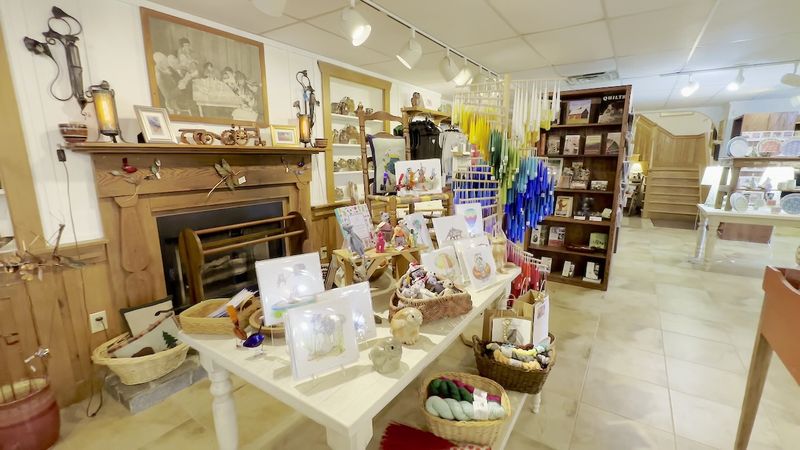
The mountain valley immediately changes the pace of the day, replacing noise and hurry with steady sounds drifting through the area.
Hammers, fiddles, footsteps, and conversation move between barns, studios, gardens, and shaded porches.
What unfolds here feels less like a traditional class setting and more like a living creative rhythm woven into everyday life.
An old Appalachian understanding quietly shapes the experience: making things is not separated from ordinary living, but deeply connected to it.
Within a single afternoon, sparks may leap from a blacksmithing forge while nearby looms fill with color and fresh bread cools beside pottery waiting to dry.
Every craft seems to move with the same calm, deliberate patience.
Beginners arrive without pressure, yet quickly feel included in something meaningful.
Shared meals, evening dances, and long conversations over coffee often become just as memorable as the workshops themselves.
For travelers searching for experiences that demand genuine attention, the atmosphere offers something increasingly rare.
It gives you the chance to slow down and let your hands find confidence before your mind fully catches up.
Arrowmont School of Arts and Crafts – Gatlinburg
Even beyond North Carolina’s border, this creative campus fits naturally into a mountain arts journey because the cultural spirit of the Smokies extends far beyond state lines.
Surrounded by trees, workshop buildings, and shifting mountain light, the setting feels secluded in the best way, offering calm and focus without losing the energy that makes active studios so compelling.
One of the most memorable qualities is the range of artistic practices unfolding side by side.
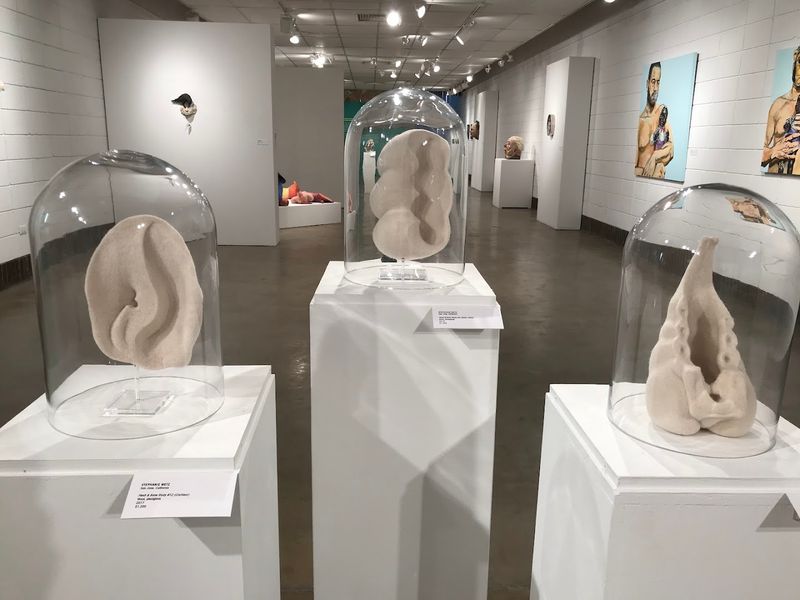
Heat rises from glassblowing furnaces while woodworking follows a slower measured rhythm nearby, and experimental textiles or sculptural clay projects add entirely different textures and movements to the environment.
Technical skill is taken seriously, yet curiosity and play remain equally important, creating an atmosphere that feels energizing rather than intimidating.
The contrast with the surrounding tourist crowds makes the experience even more striking.
Outside, Gatlinburg often moves with noise and constant motion, but inside the studios attention narrows toward making, observation, and conversation.
Gradually, details become sharper: glowing molten glass, fresh tool marks, the smell of ash and wood, or the silence that briefly settles between discussions.
By the end of a session, the object created by hand feels inseparable from the mountain air and focused atmosphere that shaped it.
Penland Craft School – Penland
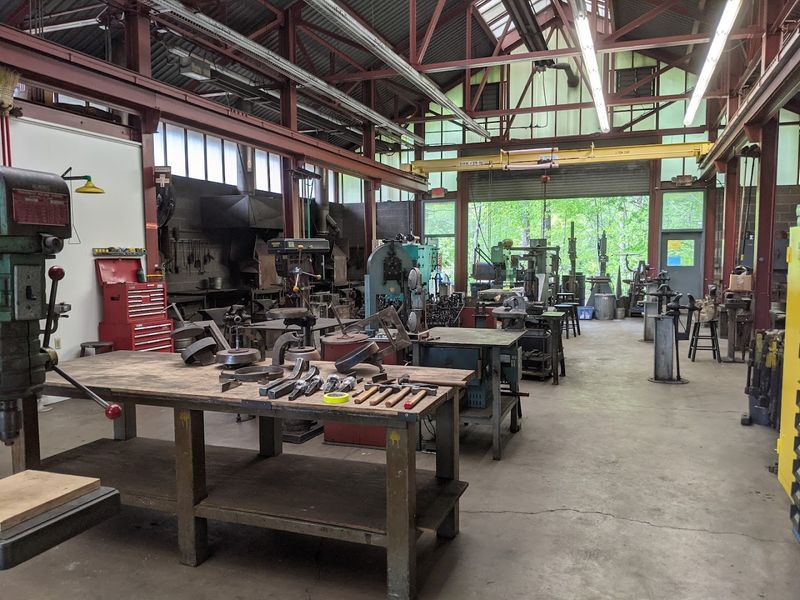
Before any workshop even begins, the atmosphere already heightens your awareness.
Mountain air moves freely through open doors, while people cross the campus carrying lumber, woven fibers, trays filled with glaze tests, or pieces of glass still warm from the furnace.
The entire setting feels active in a deeply focused way, as if creativity has become part of the landscape itself.
What makes the experience especially memorable is the balance between intensity and openness.
Serious work happens everywhere, yet nothing feels cold or intimidating.
Studios stay busy well into the evening, filled with the sounds of tools, quiet concentration, and conversations shaped by curiosity rather than performance.
Watching experienced makers nearby changes the way ordinary materials are perceived, whether it is molten color turning in the hot shop or the subtle grain hidden inside unfinished wood.
Interactions often begin with questions about technique, texture, or process instead of routine small talk, which gives the community a distinctly thoughtful energy.
Time spent here lingers long after the class ends because the environment quietly demonstrates how discipline, experimentation, and shared passion can naturally support one another.
Few creative spaces feel this immersive while remaining so connected to the mountains surrounding them.
Local Cloth – Asheville
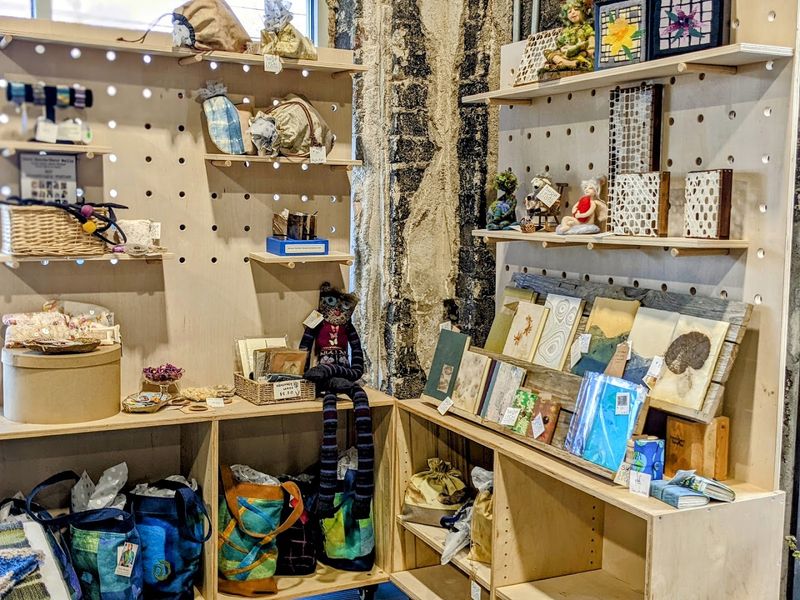
Fabric takes on a deeper meaning in this creative space, where weaving, stitching, dyeing, and sewing reveal connections between touch, memory, and regional tradition.
Threads stretch across looms, naturally dyed textiles carry layered color and texture, and shared worktables bring together people interested not only in making cloth, but in understanding the stories and materials behind it.
That perspective gives the experience unusual depth for travelers seeking something more thoughtful than a quick workshop.
Simple actions like spinning fiber, repairing seams, or guiding thread through fabric begin to feel tied to older forms of knowledge passed through repetition and care.
Even without previous experience, the physical rhythm of warp, weft, tension, and stitching quickly becomes absorbing once the hands settle into the process.
The creative atmosphere here feels quieter and more intimate than spaces filled with sparks or loud machinery.
Color choices begin carrying emotional weight, textures communicate mood, and the soft sounds of scissors, sewing pedals, and conversation shape an attentive atmosphere.
After a while, cloth begins to feel less like an ordinary material and more like something shaped by memory, patience, and generations of careful handwork quietly carried forward through touch and repetition.
Village Potters Clay Center – Asheville
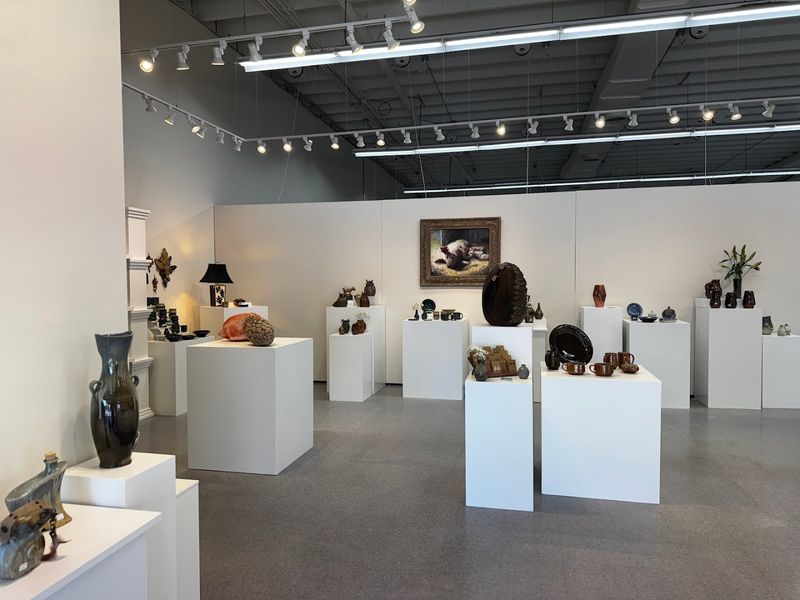
Clay quickly becomes the center of attention here.
Wheels turn steadily, shelves hold bowls and vessels in different stages of becoming, and nearly every surface carries traces of human touch, from porcelain dust to freshly trimmed edges.
The atmosphere feels active but deeply focused, drawing people into the quiet rhythm of making something slowly by hand.
Part of the appeal comes from how intimate the space feels.
Nothing about the experience is distant or performative. Instead, the rooms bring you close enough to notice small adjustments, careful pressure, and the patience hidden inside every movement.
Watching earth settle beneath steady hands can calm the mind surprisingly fast, especially once you attempt it yourself and realize how much sensitivity the material demands in return.
Creative energy flows constantly through Asheville, but here it takes on a tactile and grounded form.
Gentle instruction mixes with the soft thud of clay against spinning wheels and the occasional warmth released from an opened kiln.
What first appears simple gradually reveals layers of precision, muscle memory, judgment, and humility.
Odyssey ClayWorks – Asheville
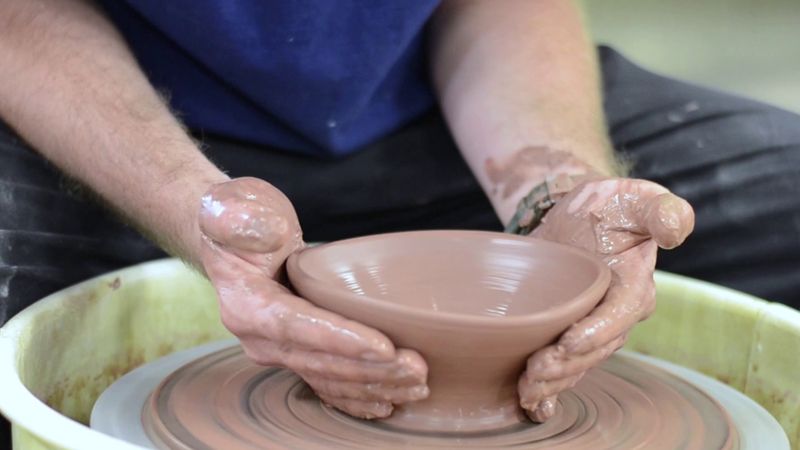
Laughter, splattered aprons, half-finished mugs lined across crowded shelves, and music quietly playing somewhere in the background give the space an energy that feels instantly alive rather than carefully curated.
People move constantly between tables and wheels, comparing uneven bowls, sharing tools, or reacting with surprise when clay suddenly collapses under too much pressure.
Mistakes are not treated like failures here. They become part of the atmosphere.
That sense of looseness makes the experience especially memorable for travelers who usually hesitate before trying something unfamiliar.
Hands stay busy, conversations start naturally, and the room carries the kind of creative momentum that makes hours disappear without notice.
Instead of silence and intense concentration, the environment often feels social, spontaneous, and full of small moments that keep everyone relaxed.
Working with clay still requires patience, but the process feels far less intimidating than in more formal studios.
Wet material sticks to sleeves, fingerprints remain visible on fresh surfaces, and finished pieces rarely emerge perfectly symmetrical.
Oddly, that imperfection becomes part of the appeal.
Somewhere between the spinning wheels, shared laughter, and collapsing bowls, the pressure to “get it right” quietly fades away, replaced by the simple satisfaction of making something entirely with your own hands.
Haywood Community College Professional Crafts Program – Clyde
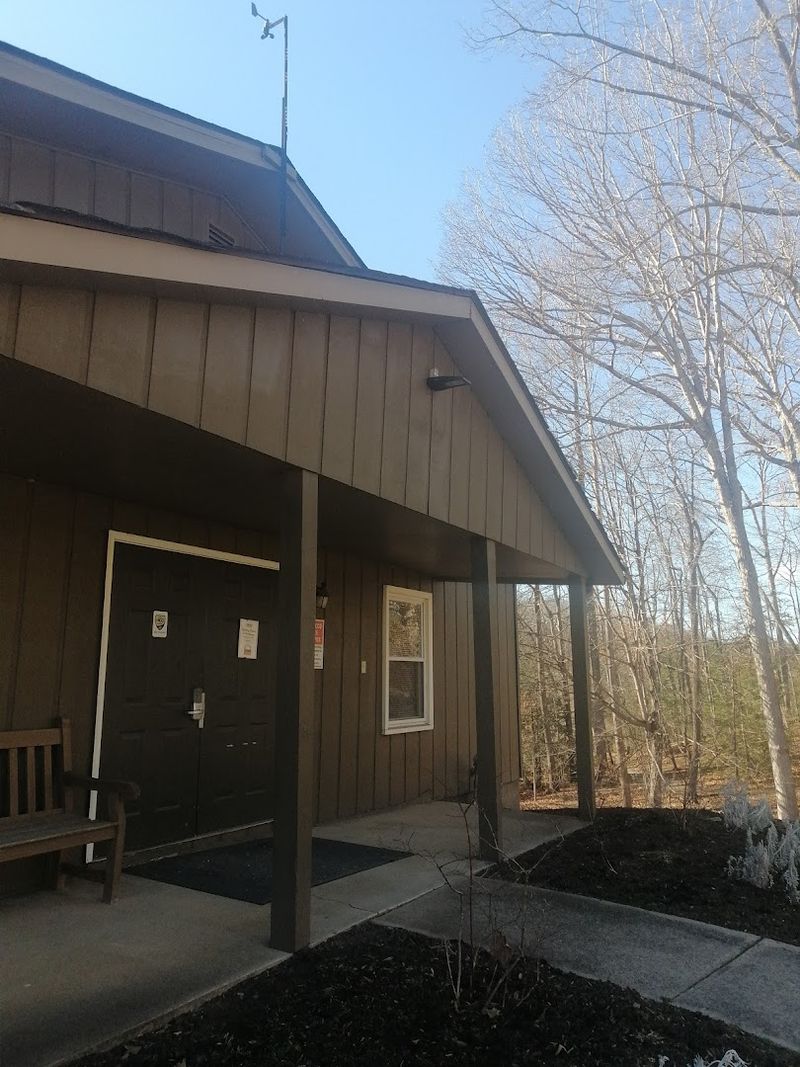
Sunlight falls across workbenches marked by years of use, while stacks of lumber, measuring tools, clamps, and unfinished forms reveal how much patience hides behind fine craftsmanship.
The atmosphere feels grounded and hardworking from the moment you step inside.
Instead of emphasizing artistic performance, the focus stays on repetition, precision, and the steady improvement that comes from doing something carefully over and over again.
Hours here revolve around process.
Hands measure twice before cutting, surfaces are tested for balance and proportion, and even small adjustments carry importance.
Furniture building, woodworking, clay, and fiber practices all reflect the understanding that strong craftsmanship depends on discipline as much as creativity.
Watching that level of concentration up close gives handmade work a completely different weight.
The mountain surroundings soften the intensity without taking away the seriousness of the training. Sawdust lingers in the air, tools rest heavily against worn tables, and workshop windows frame quiet ridgelines beyond the studios.
North Carolina Pottery Center – Seagrove
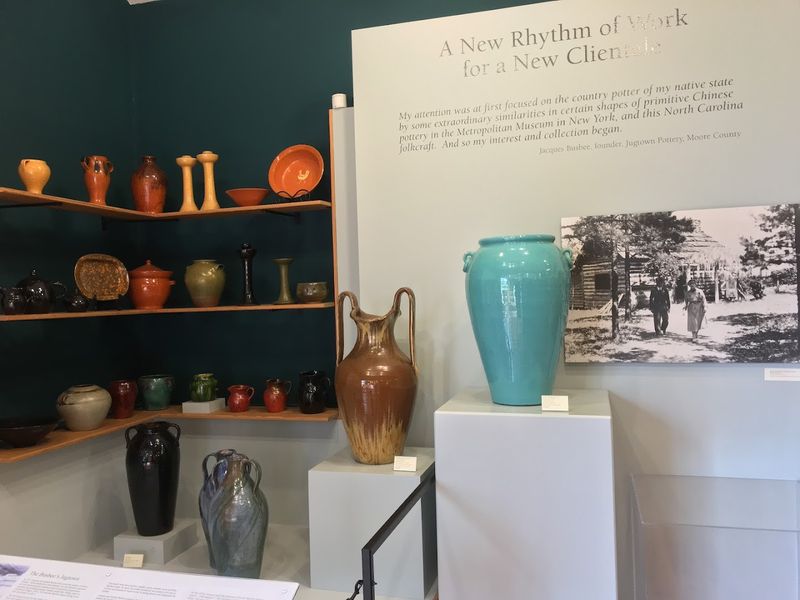
Red clay shapes nearly everything about this region, carrying generations of knowledge within a landscape where pottery has remained part of daily life for centuries.
The experience here feels broader than a single workshop or demonstration because it reveals an ongoing relationship between functional ware, folk traditions, studio experimentation, and the people determined to preserve those practices over time.
That wider perspective changes the way handmade ceramics are understood.
Bowls, pitchers, and jars begin to feel less like isolated decorative objects and more like records of land, firing methods, family histories, and everyday routines.
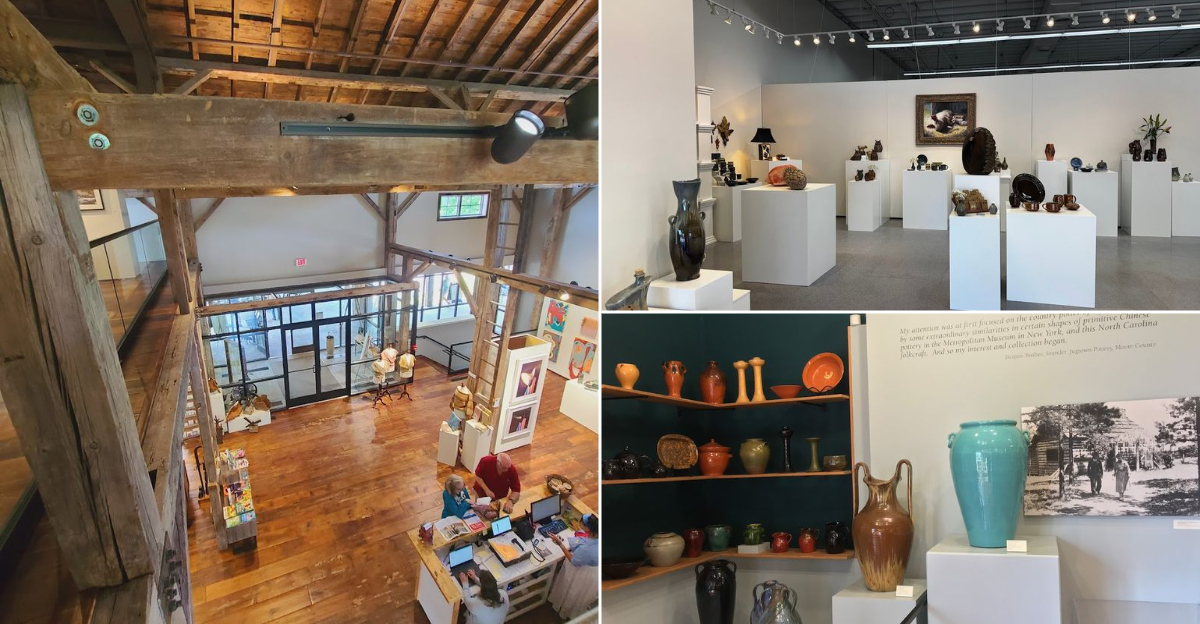
Exhibits build that understanding gradually, while nearby working studios continue the story beyond museum walls through active kilns, spinning wheels, stacked shelves, and hands still covered in clay dust.
The atmosphere remains quieter than the energy of a busy arts campus, yet the impact can feel just as powerful.
Small details become increasingly expressive the longer you study them: the curve of a silhouette, subtle glaze variations, or marks left by firing and touch.
Time spent here rewards patience and observation, offering a rare glimpse into a place where history continues evolving through material, movement, and craftsmanship rather than sitting motionless behind glass.
The Bascom – Highlands
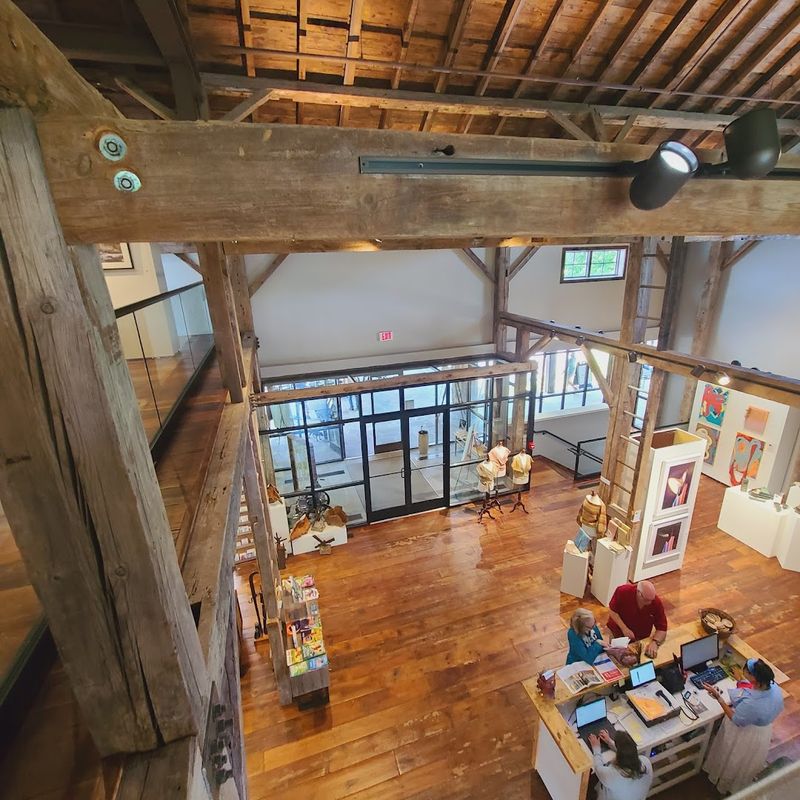
Cool mountain air, dense green slopes, and a lingering sense of quiet shape the atmosphere long before any class begins.
Across the grounds, polished gallery spaces blend naturally with active studios where paint spreads across canvases, clay turns slowly on wheels, and printmaking tools leave careful marks under attentive hands. The entire environment feels calm without ever becoming still.
What lingers most is the way refinement and accessibility exist side by side.
Creative work unfolds at an unhurried pace, yet energy moves constantly through the rooms, encouraging people to slow down enough to truly notice subtle color shifts, textures, shadows, and fine details.
Even those who arrive expecting only to observe often find themselves gradually drawn into the process.
That shift feels especially meaningful in a mountain town already known for scenic beauty.
Rather than simply admiring the landscape from a distance, the experience encourages deeper attention to it.
Blue ridgelines begin to look richer, rain carries a sharper earthy scent, and changing light across stone and leaves suddenly feels worth studying.
Tryon School of Arts and Crafts – Tryon
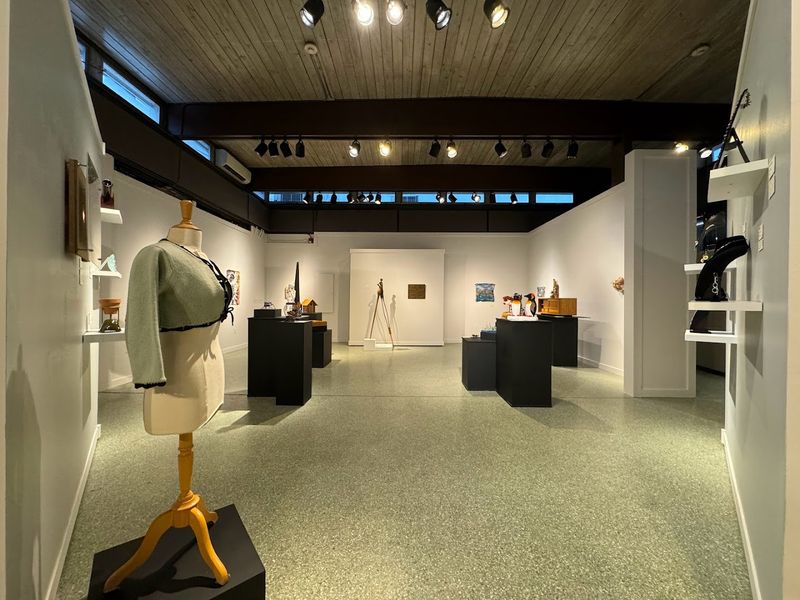
An old artistic spirit runs quietly through this foothills town, and the creative atmosphere here allows people to experience it directly instead of simply hearing about it.
Different forms of craftsmanship share the same space, so the sound of metal striking under heat may drift through one room while careful jewelry work or detailed woodworking unfolds nearby.
The variety keeps the environment constantly shifting in mood and texture.
Rather than feeling locked into a single artistic identity, the setting reflects a community where creativity has long been woven into everyday life.
The pace stays welcoming and personal, with attentive instruction that encourages curiosity instead of perfection.
Nothing feels overly polished or self-important, which makes experimentation easier and far more enjoyable for newcomers and experienced makers alike.
Part of the experience comes from how naturally the workshops connect to the rhythm of the surrounding town.
Stepping back outside afterward, details in the streets, trees, and mountain air feel more vivid than before. Creating something by hand here never feels separated from the place itself, but like an extension of its character and quiet creative energy.