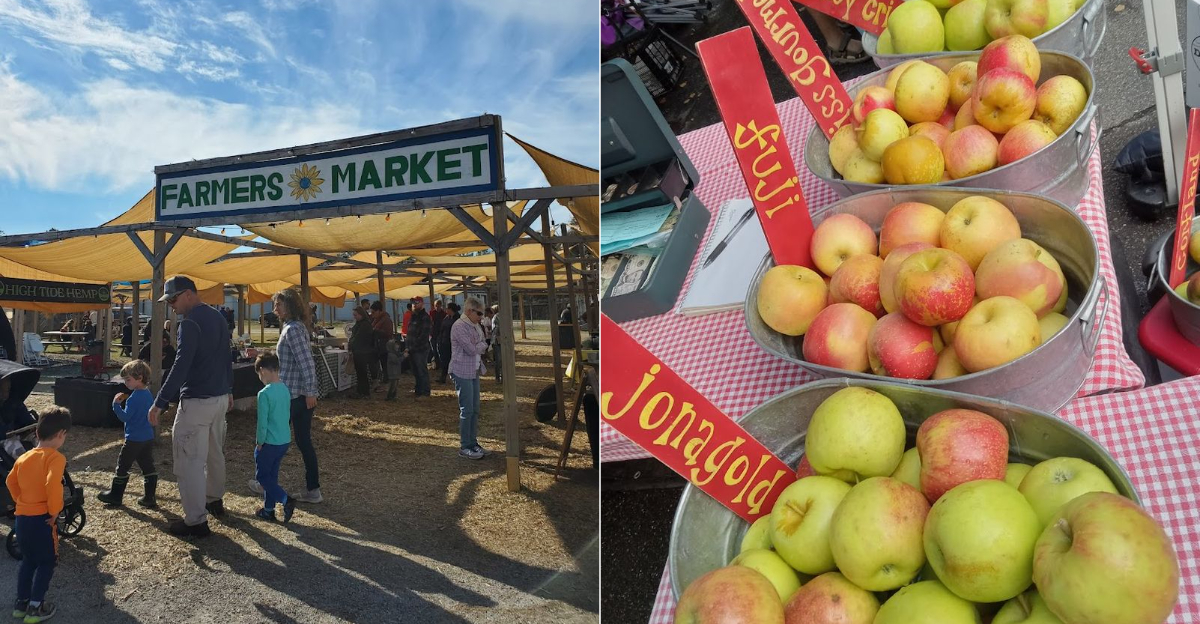
There is something especially enjoyable about a North Carolina farmers market in spring. The air feels a little lighter, flower baskets spill over with color, and tables fill with strawberries, greens, baked goods, and other seasonal favorites that seem to capture the best of the season in a single visit.
From bustling city markets to small-town gathering spots, these markets offer more than fresh food. They create a slower pace, where neighbors chat between vendor stalls, local growers share what’s freshly harvested, and shoppers discover products that rarely make it onto supermarket shelves.
The experience feels equal parts errand and weekend outing.
For travelers and locals alike, May is one of the best times to explore. Farms are coming into full production, gardens are blooming, and market tables are at their most inviting.
These 14 North Carolina farmers markets combine value, freshness, and local character in ways that keep people coming back year after year. Let’s take a closer look at the markets that make the experience so memorable.
State Farmers Market (Raleigh)
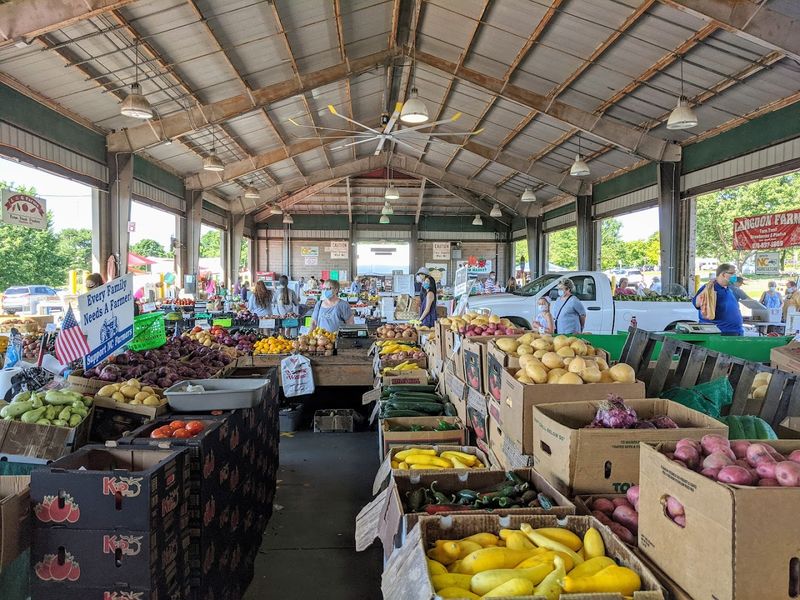
The first thing you notice is the scale – rows of produce, the hum of shoppers, and plenty of reasons to compare prices before filling your bag. This is the State Farmers Market in Raleigh, one of the Southeast’s largest and oldest year-round markets.
It feels part bargain destination, part food lover’s field trip, especially when harvest season brings tables stacked high.
If you like variety, this market delivers with retail vendors, wholesale sheds, meats, seafood, baked goods, flowers, and garden plants. You can often score better prices by shopping what’s abundant, and bulk shoppers have plenty of options too.
The selection changes with the season, so every visit can uncover something new.
Beyond savings, the market gives you a clear sense of North Carolina agriculture in one stop. Farmers and vendors often share cooking tips, storage advice, and which items are at their peak.
That kind of direct connection makes even a quick grocery run feel more personal and useful.
Arriving early usually means the best selection and easier parking, especially on weekends. Bring cash and reusable bags if you want a smoother trip.
If you’re building a North Carolina market bucket list, Raleigh’s State Farmers Market belongs near the top.
Charlotte Regional Farmers Market
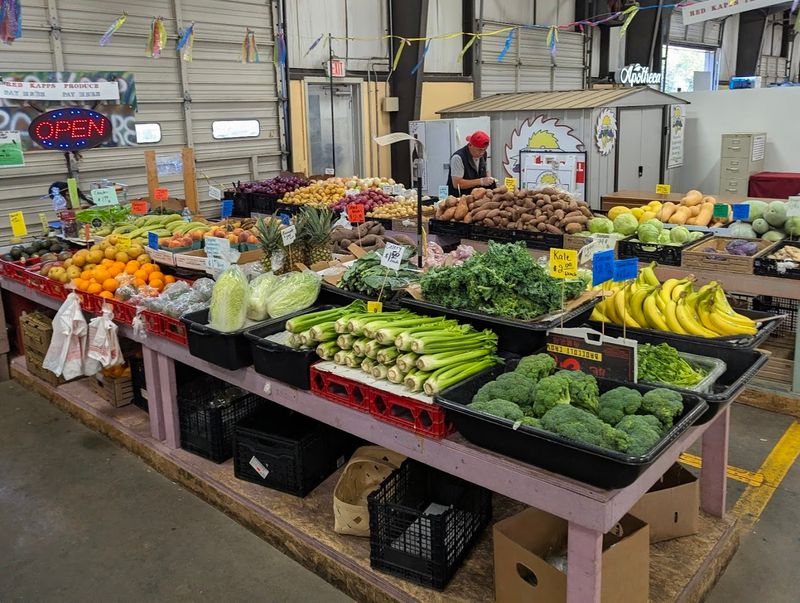
Big baskets, competitive prices, and a steady flow of regulars give this market an easy rhythm from the moment you arrive. The Charlotte Regional Farmers Market is a major state-operated hub that stays active year-round, making it one of the city’s smartest stops for fresh food.
It feels practical and lively at the same time.
You can browse local produce, honey, meats, eggs, jams, baked goods, and seasonal plants without feeling rushed. One of the biggest advantages here is comparison shopping, since multiple vendors often carry similar items at different price points.
That makes it easier to spot true deals and shop according to your budget.
The market also works well if you want a one-stop outing instead of several smaller errands. Fresh herbs, pantry staples, flowers, and garden-ready plants often sit just a few aisles apart.
Because vendors change with the season, the market stays interesting even for frequent shoppers.
Weekends tend to be busiest, so showing up early helps if you want first pick on produce and shorter checkout lines. Bring a cooler if you’re buying meats or delicate greens in warmer months.
For value, variety, and dependable local flavor, Charlotte’s regional market is an easy favorite.
Western North Carolina Farmers Market
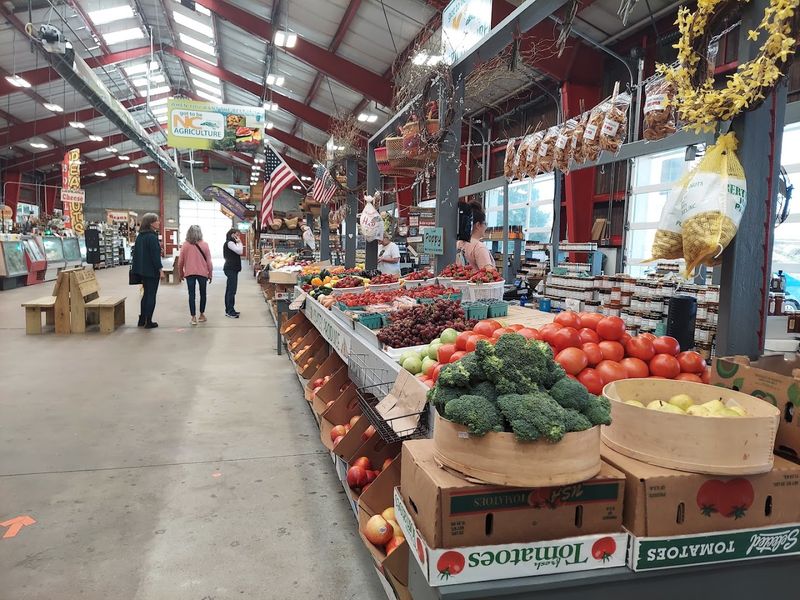
Mountain air, stacked produce boxes, and bright flower stalls set the tone before you even finish parking. The Western North Carolina Farmers Market in Asheville is a major regional hub where mountain-grown food and local goods come together in a spacious setting.
It balances practical shopping with the charm visitors hope to find in the Blue Ridge.
The market includes both wholesale and retail areas, which helps explain the strong selection and frequent value buys. You’ll see seasonal vegetables, apples, beans, tomatoes, jams, baked goods, crafts, and eye-catching flowers depending on the time of year.
When harvests peak, prices can be especially appealing for anyone cooking at home.
What makes this market memorable is how clearly it reflects the farming traditions of western North Carolina. Small growers and larger producers share the same broad destination, giving you lots of ways to shop local.
Conversations here often feel informative instead of salesy, which makes browsing more enjoyable.
If you want the freshest picks, go earlier in the day and wear comfortable shoes for walking the grounds. A cooler is useful if you plan to combine produce shopping with meats or cheeses.
For mountain flavor, good variety, and market energy, this Asheville favorite is well worth the stop.
Robert G. Shaw Piedmont Triad Farmers Market
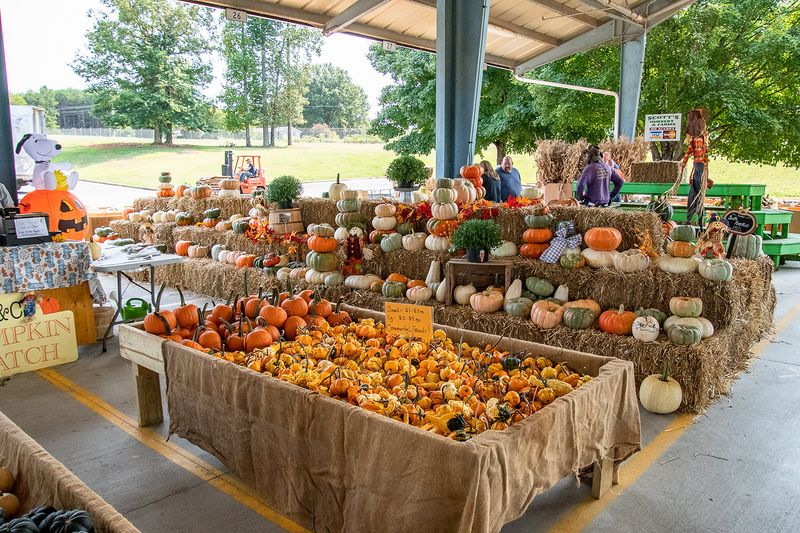
There is something satisfying about a market where serious shoppers and casual browsers can both find what they need. The Robert G.
Shaw Piedmont Triad Farmers Market in Colfax serves the Greensboro and Winston-Salem region with a roomy layout, strong seasonal selection, and pricing that often rewards buying fresh and local. It feels efficient without losing its community appeal.
Produce is the main draw, especially when North Carolina harvests are at their peak, but you’ll also see plants, flowers, meats, preserves, and baked goods. Bulk deals show up regularly, which is great if you’re meal prepping, canning, or shopping for a family.
The variety makes it easy to leave with more than you planned.
Because it functions as a central hub for the Piedmont Triad, the market gives you a broad snapshot of the region’s agricultural output. Vendors often know their products well and can tell you what is freshest that day.
That direct guidance makes smarter shopping much easier.
Try visiting with a rough list but stay flexible enough to buy what is in season and priced best. Early hours usually offer the best selection, especially for popular produce and plants.
If you want value, convenience, and a reliable regional market, Colfax deserves a place on your route.
Durham Farmers’ Market
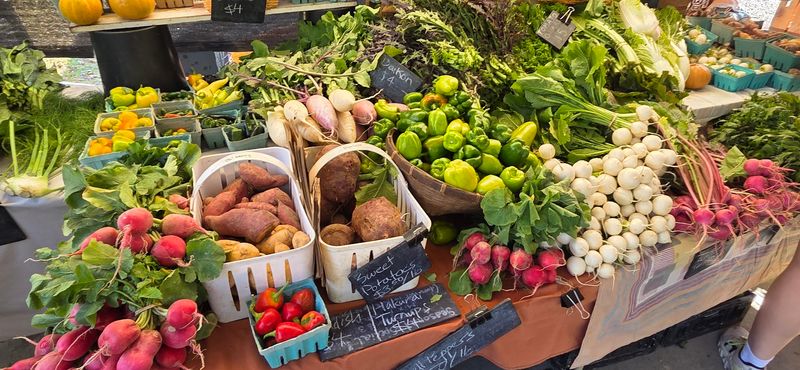
Fresh bread smells, neat produce displays, and a strong neighborhood energy make this one feel instantly welcoming. The Durham Farmers’ Market is a producer-only market known for sourcing from farms and makers within roughly seventy miles, which keeps the food local and the shopping experience refreshingly direct.
It is easy to see why regulars stay loyal.
Because vendors sell what they grow or make themselves, the market has a clear sense of authenticity. You will often find seasonal vegetables, pasture-raised meats, artisan bread, flowers, eggs, and small-batch prepared foods in one compact outing.
Prices can vary, but in-season produce often delivers strong value for the quality.
Another perk is the chance to ask detailed questions about growing practices, harvest timing, and best uses in the kitchen. That makes the market especially helpful if you care about organic methods or want to buy with more confidence.
The experience feels personal without being pushy.
Arrive early for the best bakery selection and a calmer pace before the busiest crowd rolls in. Bring a tote and a flexible meal plan so you can shop around what looks best that morning.
For local food with real producer connections, Durham is one of the state’s standout markets.
Chapel Hill Farmers’ Market
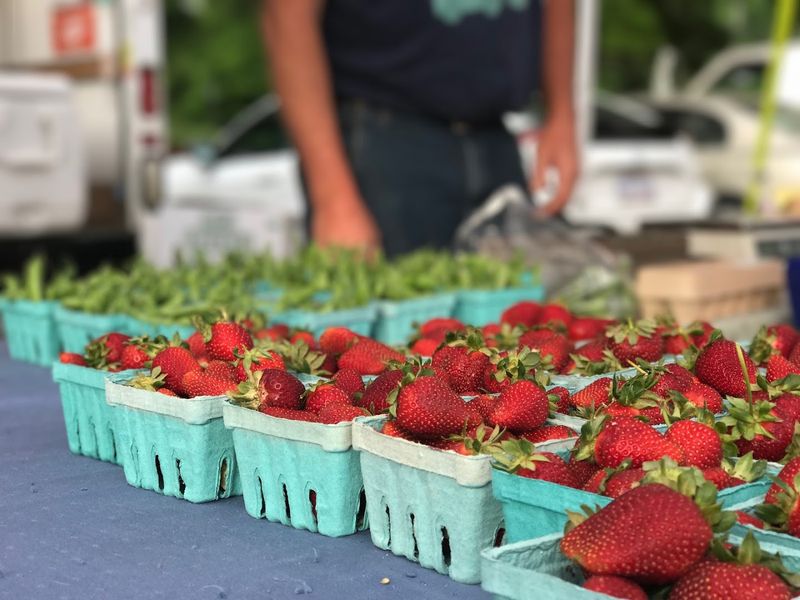
A market with deep roots tends to feel different, and you can sense that here right away. The Chapel Hill Farmers’ Market is one of North Carolina’s oldest continuously operating producer-only markets, with a reputation for sustainability, strong farm relationships, and a loyal local following.
It feels thoughtful, community-minded, and quietly dependable.
Shopping here often means finding produce picked close to market day, along with meats, dairy, flowers, baked goods, and handmade pantry items. Because the focus stays on local producers, quality is usually high and seasonal timing really matters.
If you buy what is abundant, you can still land good prices while eating exceptionally fresh food.
The market also stands out for its connection to local food access and environmentally conscious farming practices. Vendors tend to know their methods inside and out, making it easier to ask smart questions about soil, inputs, and animal care.
That added transparency gives the whole experience more value.
Bring your curiosity along with your shopping list, since this is a place where conversation can improve your choices. Going earlier helps if you want first pick on greens, berries, or specialty items.
For shoppers who care about sustainability as much as flavor, Chapel Hill deserves a dedicated visit.
Carrboro Farmers’ Market
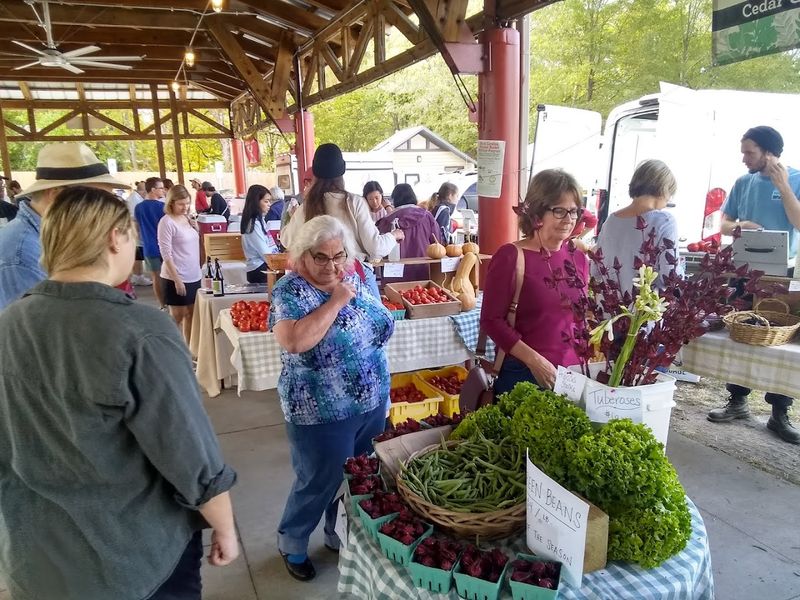
The atmosphere here feels both energetic and grounded, like a weekly ritual built around really good food. The Carrboro Farmers’ Market is a highly regarded year-round producer-only market where shoppers come for seasonal vegetables, local meats, artisan foods, and the trust that comes from buying directly from the people behind the products.
It is small enough to feel personal and strong enough to feel essential.
Quality is a major draw, but so is the sense of seasonality. You might spot spring greens, summer tomatoes, fall roots, or winter staples depending on the month, along with breads, cheeses, and prepared foods.
Prices reflect craftsmanship, yet buying in season can still stretch your dollars surprisingly well.
Because vendors are local producers, conversations often go beyond simple transactions. You can ask what was harvested that morning, how to store delicate greens, or which cuts of meat fit your budget best.
That kind of guidance makes the market especially useful if you are trying to waste less food.
It helps to arrive with a rough plan and leave space for impulse buys, since the displays can be hard to resist. Reusable bags and small bills make the trip smoother.
For flavor, trust, and a genuinely local shopping experience, Carrboro remains one of the state’s most respected markets.
Asheville City Market
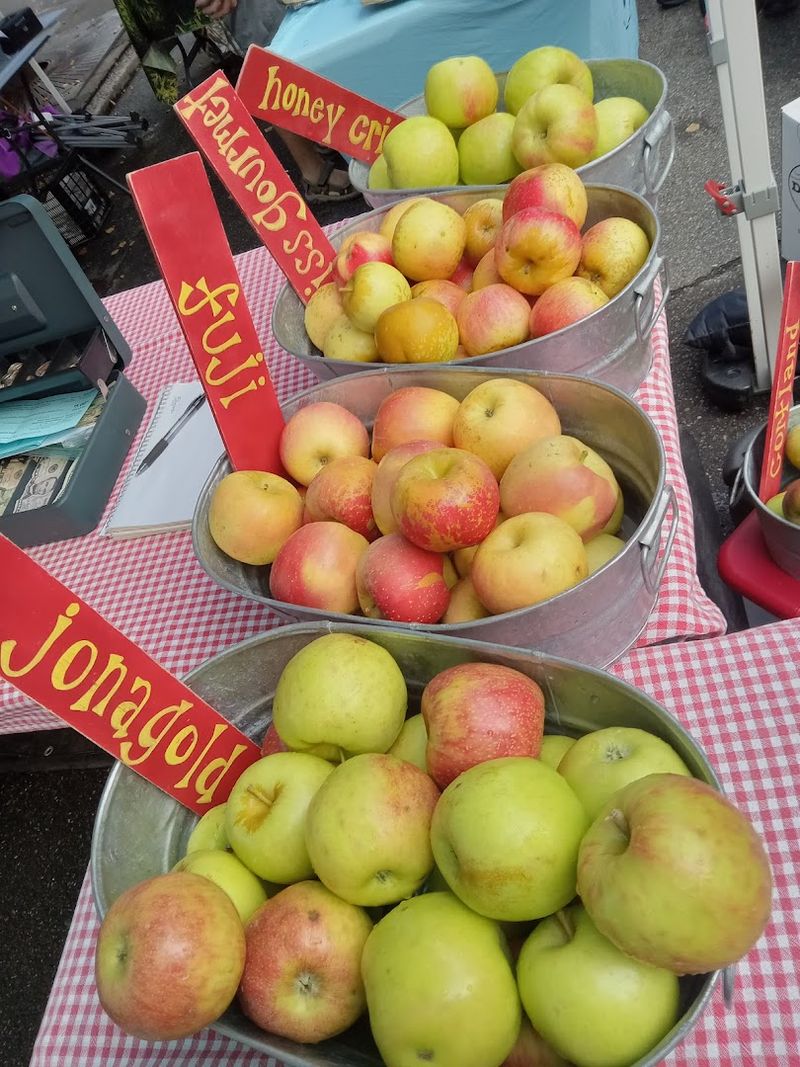
Downtown energy and farm-fresh food make an appealing mix, especially when prices stay approachable. Asheville City Market brings local growers and small-scale farms into a central, easy-to-browse setting where shoppers can find seasonal produce and handmade goods without a major time commitment.
It feels convenient, friendly, and well suited to both locals and visitors.
Because the market highlights farm-direct selling, freshness is one of its strongest advantages. You may find leafy greens, tomatoes, peppers, herbs, flowers, mushrooms, baked goods, and other seasonal staples depending on the calendar.
Affordable pricing often shows up when crops are plentiful, making it a smart stop for budget-conscious cooks.
The smaller scale compared with larger regional markets can actually work in your favor. It is easier to talk with vendors, compare a few options, and build a meal around what looks best that morning.
That direct interaction also gives the market a more personal, community-centered feel.
If you are exploring Asheville, this market fits nicely into a broader day downtown. Bring a tote, shop with the season, and consider going early for the best produce choices before popular items disappear.
For an accessible taste of local agriculture in the city, Asheville City Market is an easy pick.
North Asheville Tailgate Market
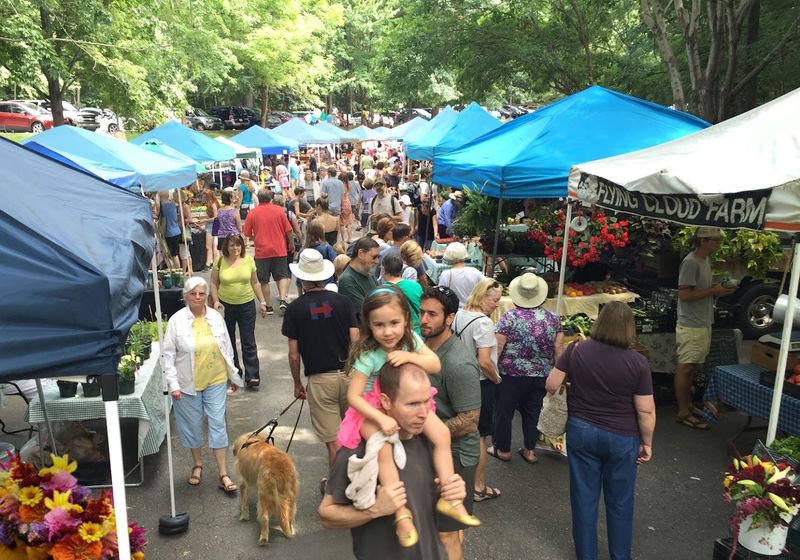
Some markets feel like they grew naturally out of the neighborhood, and this one has exactly that character. The North Asheville Tailgate Market has a long-running community presence and is especially loved for organic vegetables, baked goods, local meats, and a relaxed atmosphere that still rewards shoppers who arrive prepared.
It feels welcoming without losing its serious food credentials.
Seasonal produce is the star, with changing displays that reflect the mountain growing calendar. Alongside vegetables, you can often shop for eggs, flowers, breads, pastries, meats, and specialty pantry items from local producers.
While not always the cheapest stop in every category, quality and freshness often make the value feel worthwhile.
One reason people keep returning is the direct relationship between customer and producer. You are not guessing where your food came from, and that transparency can help you choose better ingredients for your budget and cooking style.
The market also carries a distinctly Asheville sense of community and care.
Get there early if you want the best bakery options and the freshest greens before the crowd thickens. Bring reusable bags and a little flexibility, since what is best changes week to week.
For dependable local flavor and a genuinely neighborly feel, this market is a strong Asheville choice.
Watauga County Farmers’ Market
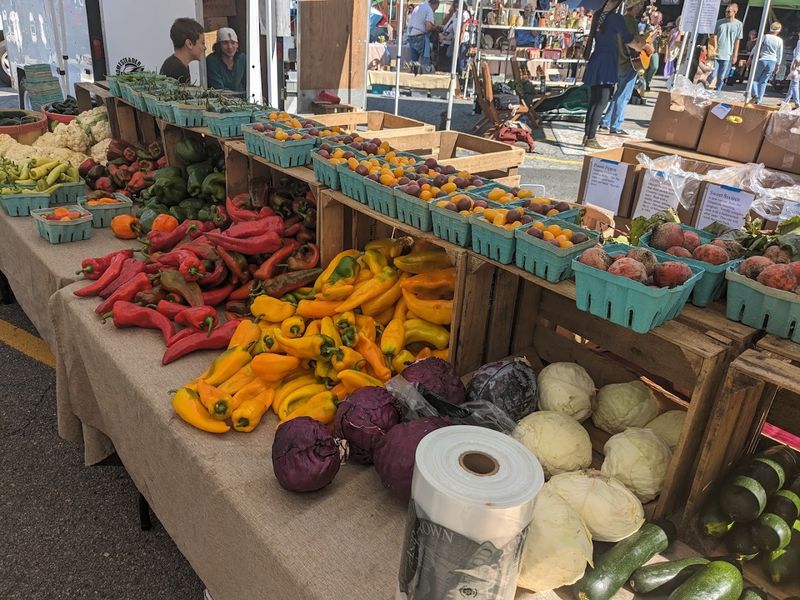
Crisp mountain mornings and tables full of Appalachian produce give this market a personality all its own. The Watauga County Farmers’ Market in Boone is known for supporting small mountain farms, with high-altitude vegetables, local meats, crafts, and seasonal specialties that reflect the region’s cooler climate and strong agricultural traditions.
It feels distinctly local in the best way.
You can expect a mix of food and handmade goods, which makes browsing enjoyable even if you come with a short list. Produce often includes mountain-friendly crops, while other stalls may offer eggs, cheeses, jams, baked items, and pasture-raised meats.
Prices vary, but the freshness and regional uniqueness add real value.
The market’s Appalachian identity is part of what makes it stand out. Shopping here connects you to growers working in a more challenging mountain environment, and their knowledge often shows in every conversation.
That background gives even simple purchases, like potatoes or greens, a stronger sense of place.
Because Boone weather can shift quickly, it helps to dress in layers and plan ahead for cooler mornings. Early visits usually mean the best choice and a more relaxed pace.
If you want a farmers market that feels rooted in mountain culture, Watauga County is an excellent stop.
Riverfront Farmers’ Market
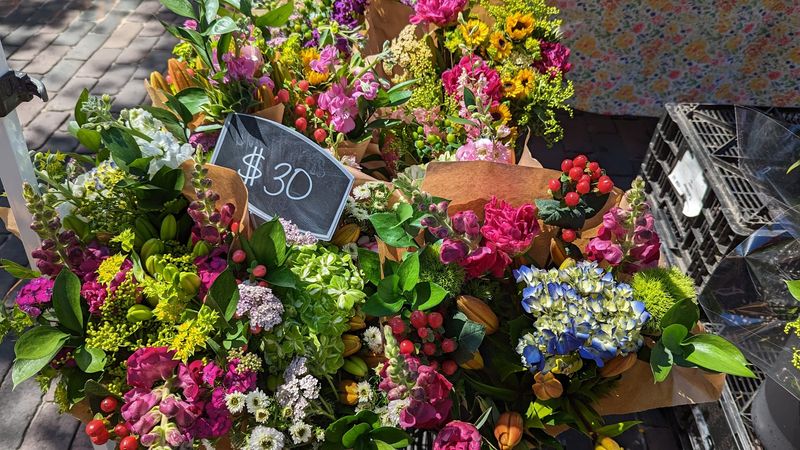
Water views and market stalls make a pretty convincing combination, especially when the shopping is good too. The Riverfront Farmers’ Market in Wilmington brings regional growers and artisan vendors into a scenic waterfront setting where fresh produce, baked goods, and handmade items feel right at home.
It has enough charm for visitors but enough substance for locals.
Because of its location, the market often draws a broad mix of shoppers, which keeps the energy lively. You can look for seasonal coastal produce, breads, pastries, jams, flowers, and specialty products while enjoying a walkable downtown backdrop.
In peak season, farm-direct pricing can offer real value for high-quality goods.
The appeal here is not only what you buy, but how easy the outing feels. You can pair market shopping with coffee, a river walk, or a longer day exploring Wilmington without much effort.
That convenience makes it especially appealing if you want a relaxed introduction to local food.
Going earlier helps if you want the freshest produce before the most popular items sell out. Bring a tote, sunscreen, and a little patience for busier weekends near the water.
For a market stop that blends scenic setting with solid local shopping, Wilmington’s riverfront option is a memorable pick.
Greensboro Curb Market
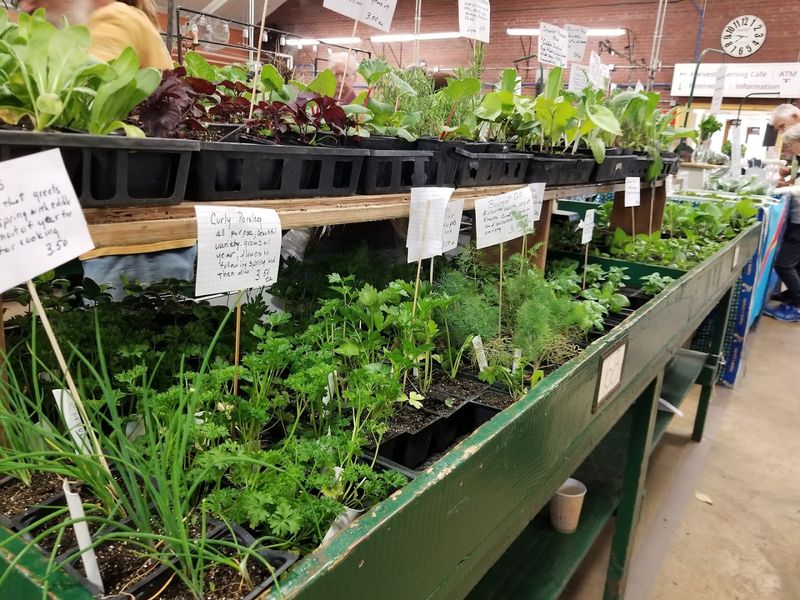
Historic markets always seem to carry a little extra character, and this one wears its age well. The Greensboro Curb Market, established in 1874, is one of North Carolina’s oldest public markets, offering farm produce, baked goods, homemade foods, and a sense of continuity that gives each visit more personality than a standard shopping trip.
It feels rooted and resilient.
Inside, you can often shop for fresh vegetables, meats, pastries, prepared foods, preserves, and regional specialties from a mix of vendors. The selection makes it useful whether you are planning a full meal or just picking up a few things for the weekend.
Deals can appear in produce and pantry items, especially when local harvests are strong.
What makes this market especially appealing is its blend of history and practicality. You are not just browsing a landmark – you are participating in a long-standing local food tradition that still serves everyday needs.
That mix gives the market a warmth newer spaces sometimes lack.
If you enjoy places with stories behind the stalls, give yourself time to look around instead of rushing through. Ask vendors what is made in-house or sourced nearby for the best finds.
For history, local flavor, and dependable community charm, the Greensboro Curb Market remains a standout.
The Market at Cedar Point
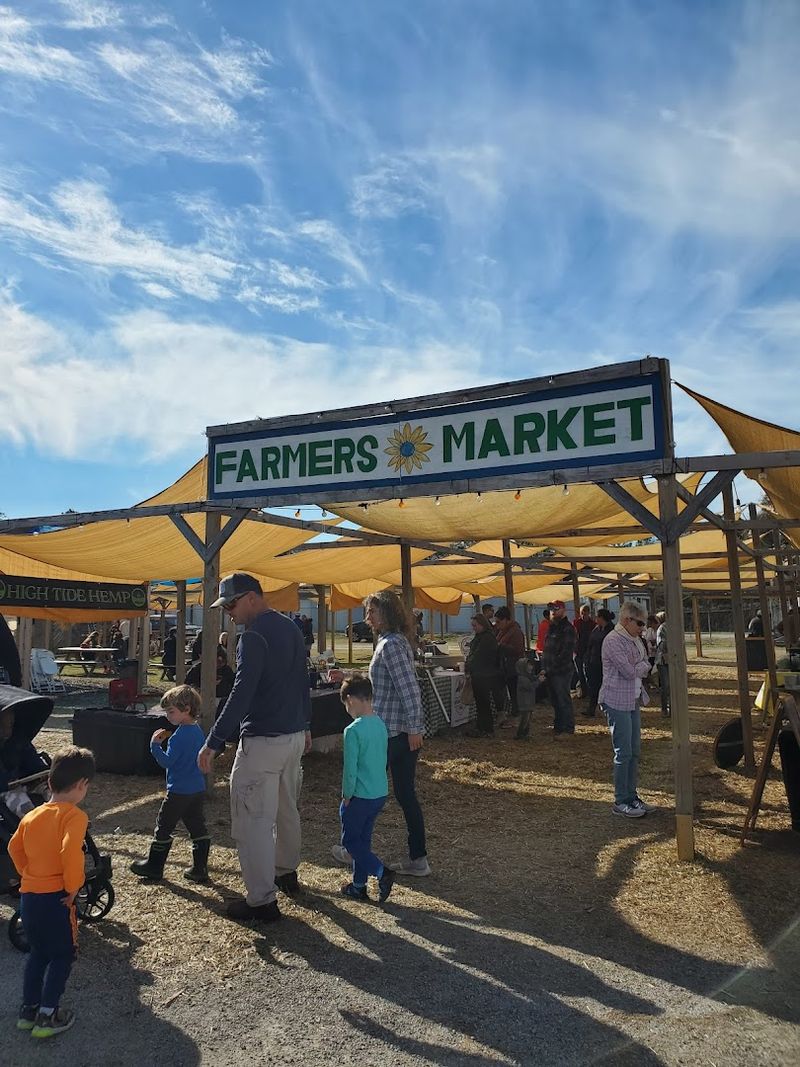
The Market at Cedar Point is more than a place to shop for groceries—it is a community gathering spot where local food, small businesses, and friendly faces come together year-round. Located in Cedar Point, North Carolina, the market is dedicated to supporting regional farmers by offering fresh produce, eggs, meats, dairy products, and a variety of organic and specialty foods sourced from nearby growers whenever possible.
What makes the market especially appealing is its strong connection to the local community. In addition to its indoor market, it hosts a weekly farmers and arts market every Saturday, bringing together farmers, bakers, artisans, makers, food trucks, and musicians in a lively outdoor setting.
Visitors can browse handcrafted jewelry, soaps, artwork, specialty foods, and other unique products while enjoying live entertainment and a welcoming atmosphere.
The market also caters to a wide range of dietary preferences, offering gluten-free, dairy-free, vegan, and vegetarian options alongside locally produced groceries. Shoppers often praise the market for its fresh seasonal products, friendly staff, and commitment to supporting small businesses and local agriculture.
With its blend of fresh food, handmade goods, and community spirit, The Market at Cedar Point has become a favorite destination for both residents and visitors looking to experience the best of North Carolina’s local food culture.
Moyock Farm Market
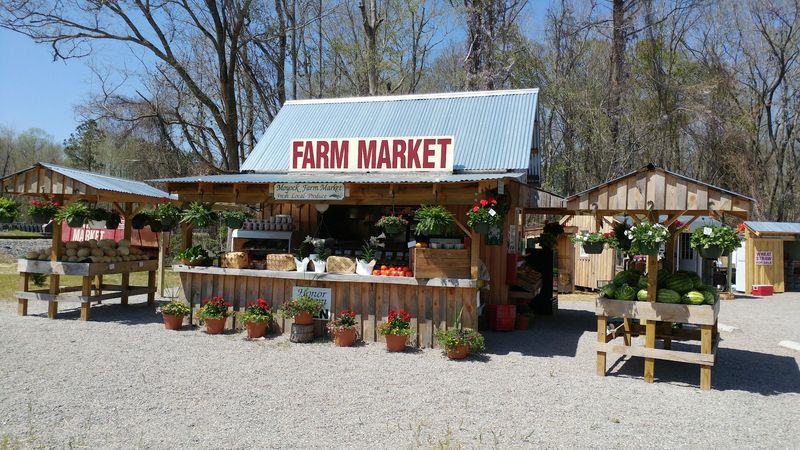
Moyock Farm Market has become a beloved stop for both locals and travelers looking for fresh food and a welcoming community atmosphere in northeastern North Carolina. Established in 2017 by Jonathon and Jamie Pittman, this family-owned market was created from a passion for growing quality produce and sharing it with neighbors.
Over the years, it has grown into much more than a place to shop—it has become a gathering spot that reflects the warmth and character of the Moyock community.
Visitors will find a wide variety of farm-fresh products, including seasonal fruits and vegetables, seafood, baked goods, meats, dairy products, local honey, preserves, and specialty foods from regional vendors. The market also highlights North Carolina-made products such as cheeses, sauces, and handcrafted treats, giving shoppers an opportunity to support local producers while discovering unique flavors.
What makes Moyock Farm Market especially memorable is its year-round appeal. Summer brings sweet corn, peaches, and watermelons, while autumn fills the market with pumpkins and seasonal decorations.
During the holiday season, Christmas trees, wreaths, and festive gifts create a cozy atmosphere that draws families back year after year. Open seven days a week, the market combines fresh food, local pride, and small-town hospitality, making every visit feel like a return to a familiar and welcoming place.