Tucked into the eastern edge of the Blue Ridge, there’s a chasm so deep and dramatic that hikers who reach its rim often stand in silence before saying anything at all.
It cuts nearly 2,000 feet from rim to river, stretching for about 12 miles through federally designated wilderness that has changed remarkably little since it was first explored.
The gorge earns its Grand Canyon comparison not just for scale but for the way it commands attention, a sudden, spectacular interruption in the mountain landscape that most drivers on Highway 105 simply never detour to see.
Table Rock and Hawksbill, the two prominent formations guarding the gorge’s north end, are landmarks in their own right and reward even short hikes with outsized views.
For anyone who thinks North Carolina’s mountains hold no surprises left, Linville Gorge exists as a firm and emphatic correction.
A Canyon Hiding Beside the Road
Many travelers race through western North Carolina without guessing a giant rocky chasm waits beyond the trees and mountain curves near their ordinary highway route.
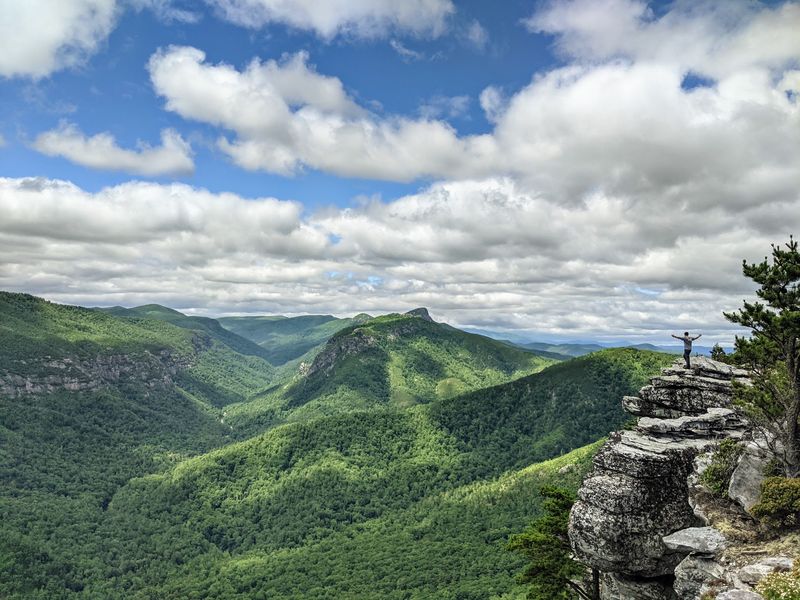
From the right overlook, the land suddenly opens into steep walls, dark forests, and the deep Linville River, creating a view that feels surprisingly huge.
People call it North Carolina’s own Grand Canyon because the gorge looks dramatic, wild, and much larger than many first time visitors expect up close.
Linville Gorge Wilderness Area, Morganton, NC sits in Pisgah National Forest, and its rough cliffs and long drop make that nickname feel fully earned today.
Drivers often miss it because the best views are not parked beside gas stations but tucked along overlooks, trails, and gravel roads in mountains.
Once you stop and look out, the size becomes clear, with rock faces, hidden coves, and layered ridges stretching far beyond one quick glance there.
Sunrise and late afternoon bring softer light, and that golden glow helps the canyon walls stand out better in photos for patient visitors.
Anyone wanting a memorable mountain stop should slow down here because few places in the state deliver such a big reward with little time.
Overlooks That Make You Stop Talking
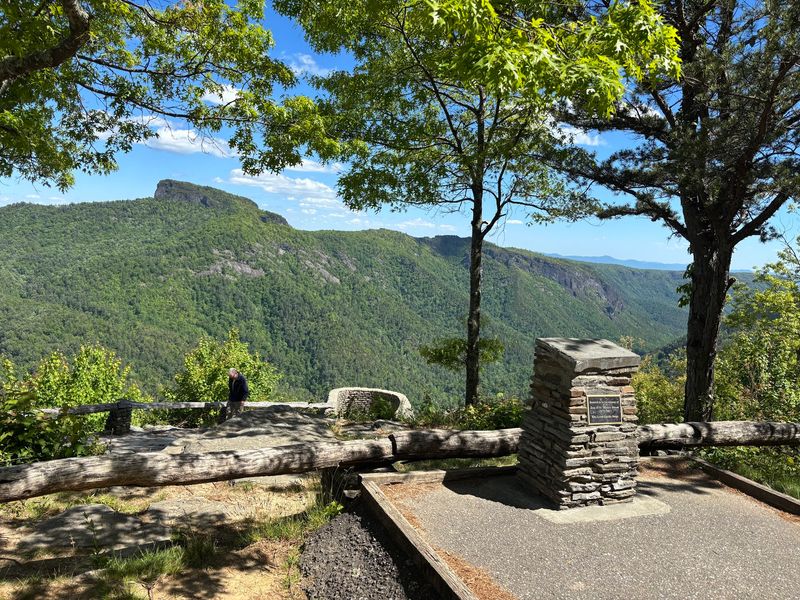
A short walk can lead to the kind of overlook that makes people fall quiet, pull out cameras, and simply stare longer than planned.
Wiseman’s View is one of the easiest places to understand the gorge, especially for visitors who want scenery without a punishing hike.
Nearby spots like Babel Tower and Bynum Bluff offer different angles, showing how the river cuts through forests and stone over rugged miles.
Some overlooks sit close to parking, while others ask for more effort, so families and skilled hikers can both find fits.
Clear weather helps far ridges pop, but a misty morning can be as beautiful, giving the whole scene mystery and moody feeling.
Good shoes still matter because roots, rocks, and uneven ground appear even on popular paths, and mountain weather can shift fast.
Getting there early often means easier parking and a calmer experience, which is helpful when you want to enjoy views instead of crowds.
For travelers who do not want a full backcountry adventure, the overlooks deliver the gorge’s drama in a simple, satisfying way.
Trails With Real Mountain Character
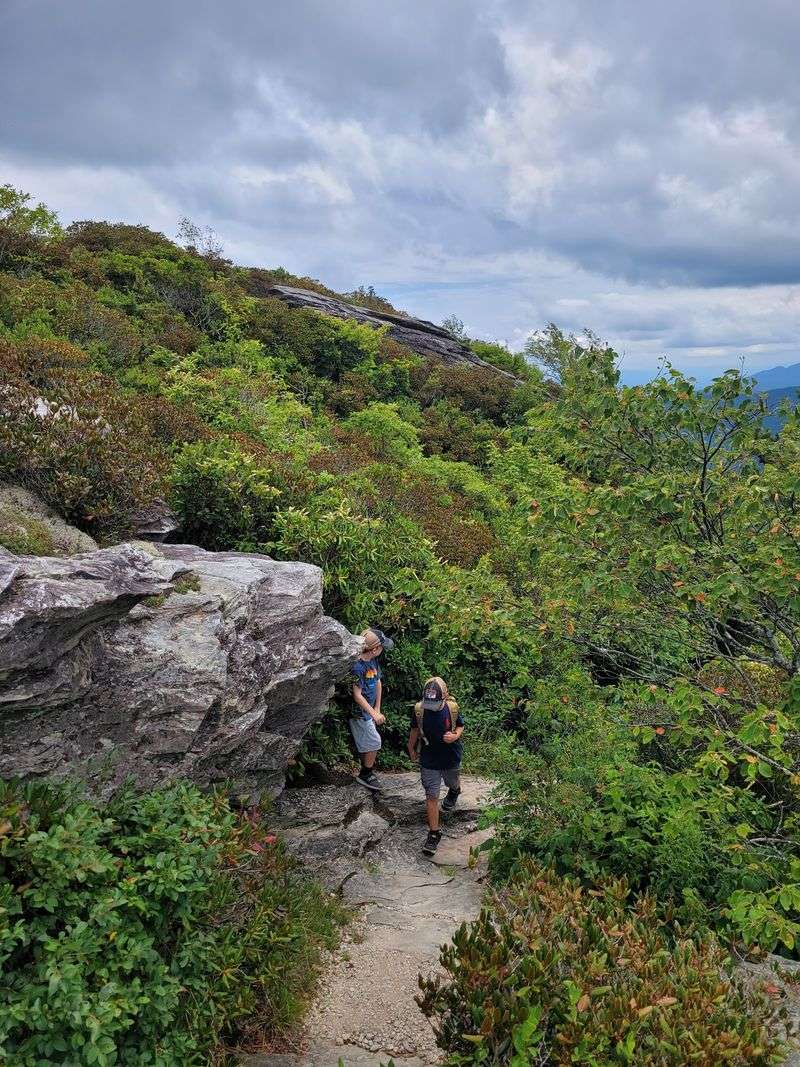
Boots hit the dirt here with a different rhythm, because every trail feels like a small bargain between effort, patience, and payoff.
Some paths stay manageable for casual walkers, while others drop steeply into the gorge and demand careful footing on roots and rocks.
Table Rock, the Chimneys, and river routes are often praised because they offer huge scenery, challenge, and wilderness feeling to hikers.
Trail conditions can change after storms, so checking recent forest updates before leaving home is one of the smartest moves.
Cell service is limited in places, which means offline maps, a paper backup, and a charged phone can make the difference.
Plenty of water is essential, especially in warm weather, since climbing back out of the gorge can feel harder than expected.
People who respect the terrain usually have the best time, moving slower, reading signs carefully, and turning around when needed.
For anyone who loves hiking with real character, this place gives more than exercise, it gives stories you will retell later.
Waterfalls And River Views That Cool The Mood
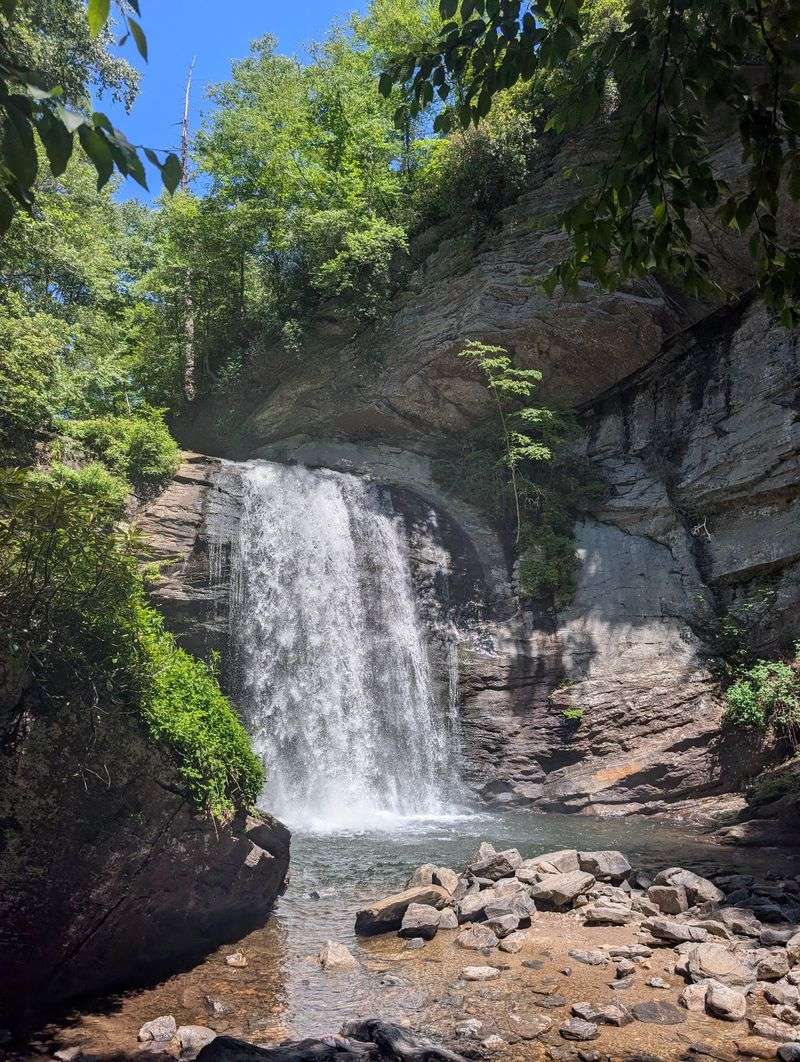
The sound of rushing water adds a softer side to the cliffs, proving the gorge is not only about sweeping views.
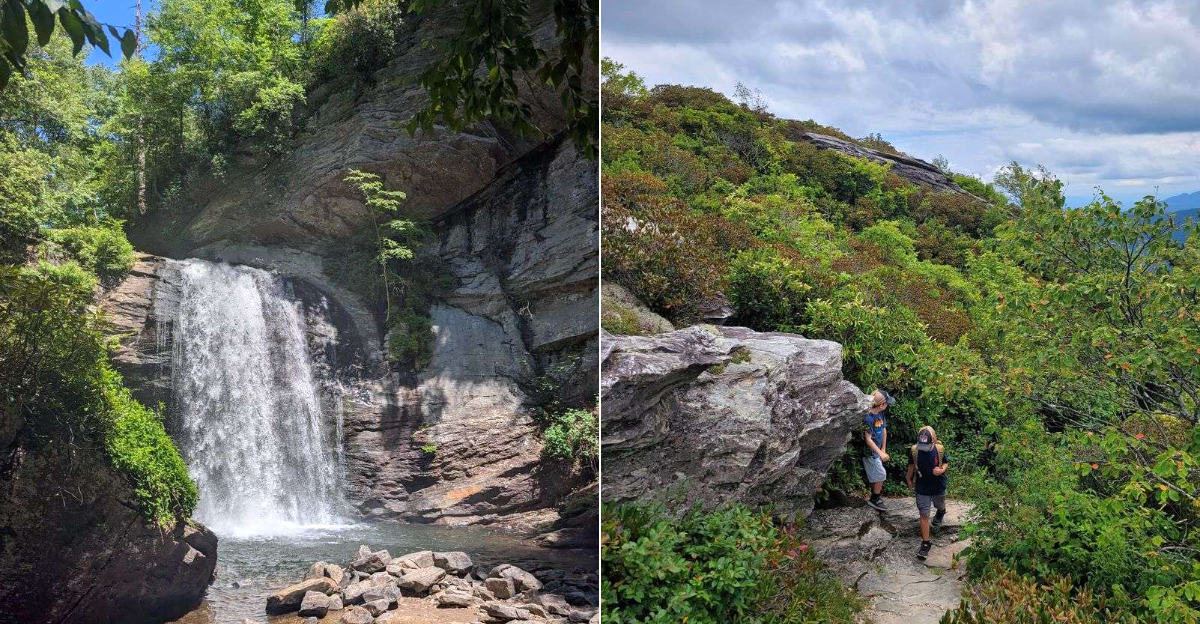
Waterfalls around the area are a big reason people return, since the cold spray, rocky pools, and river sounds feel refreshing.
Trails to water can include hills, roots, and slick stones, so slower steps and steady shoes are much better than hurry.
Some visitors enjoy swimming in calmer spots, but safety should guide every choice because mountain rivers can change quickly after rain.
Early morning visits often feel peaceful, while midday brings brighter light for photos and easier footing when you can see rocks clearly.
Families with children should pick shorter routes, pack snacks, and keep extra clothes handy if little feet find a splashy edge.
The river also cools the mood of the canyon, balancing hard stone with movement and sound that make the landscape feel alive.
Anyone hoping for a complete visit should make time for water, because the gorge becomes even more memorable when it is heard.
Camping That Feels Far From Everything
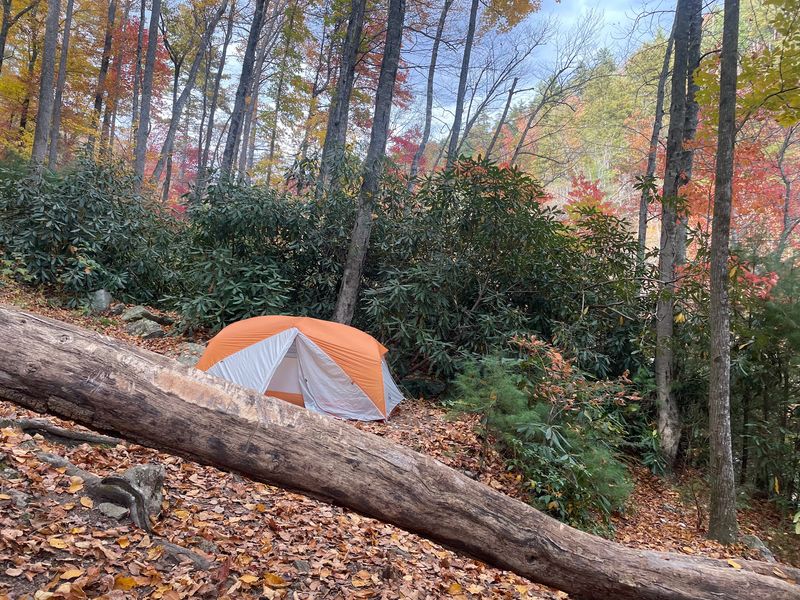
Night changes the place completely, replacing daylight drama with campfire glow, cricket sounds, and a sky that feels wonderfully far away.
Campers love the gorge because it offers both quick overnight escapes and tougher backpacking trips that feel remote without leaving the state.
Primitive camping is part of the appeal, but that freedom also means you need to plan for water, food storage, and weather.
Bears live in the area, so hanging food properly or carrying a bear canister is a smart step, not extra fuss.
A map matters at camp just as much as on the trail, since some routes and trailheads can be confusing.
Cooler months can make sleeping easier, while summer brings thicker humidity, stronger sun, and a bigger need for steady hydration.
Many visitors say the quiet is one of the best parts, especially after sunset when the forest settles and crowds disappear.
For people who want more than a quick stop, camping turns a scenic place into a real wilderness memory that stays.
Rough Roads And Smart Planning
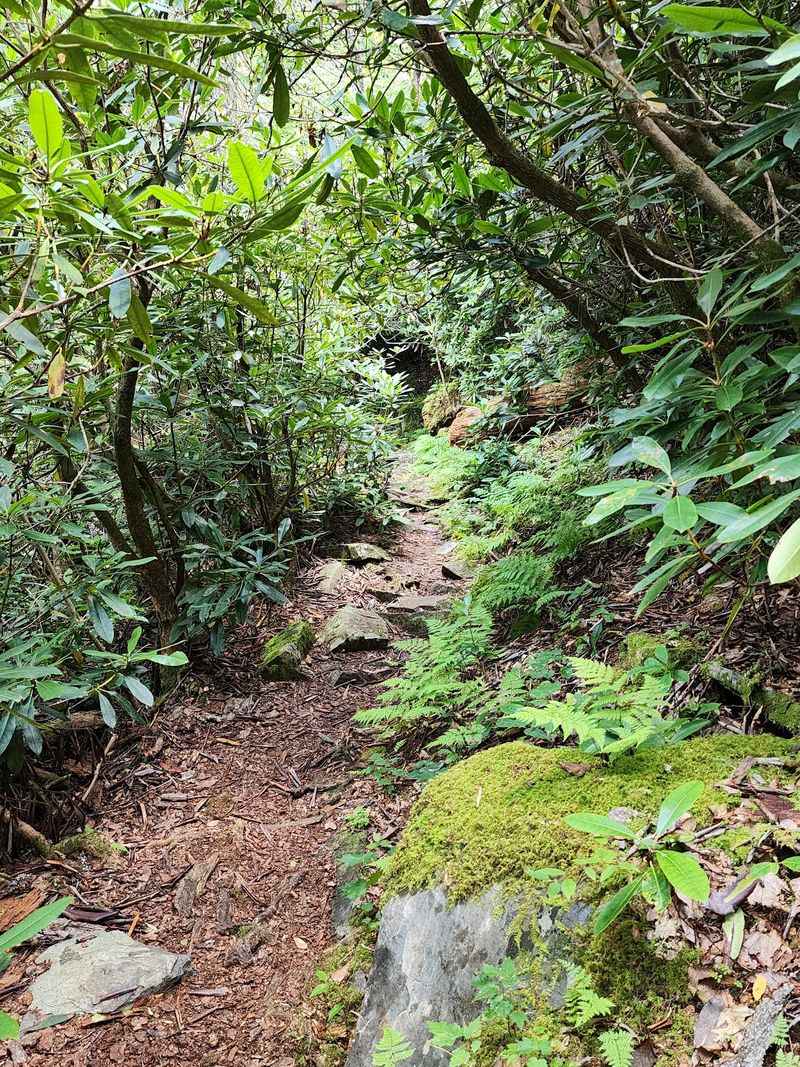
Getting there can be part of the adventure, and not always the smooth kind that road trip postcards like to show.
Several visitors mention bumpy forest roads, deep ruts, and potholes, especially on access routes that require patience and slower driving.
A compact car may still make it in some areas, but going slowly and watching the surface carefully can save trouble.
Checking weather matters because rain, snow, or ice can make an already rough drive harder and sometimes force a turnaround.
Parking can fill on popular days, so arriving earlier gives you more choices and a less stressful start to hiking.
Since cell service may drop out, share your plans ahead of time instead of expecting a quick message from the trail.
Restrooms and indoor comforts can be limited, so bringing basics like water, snacks, and paper maps makes the day easier.
A little planning removes much of the stress, letting the wild scenery feel exciting instead of confusing before you even start.
Safety Matters In A Place This Wild
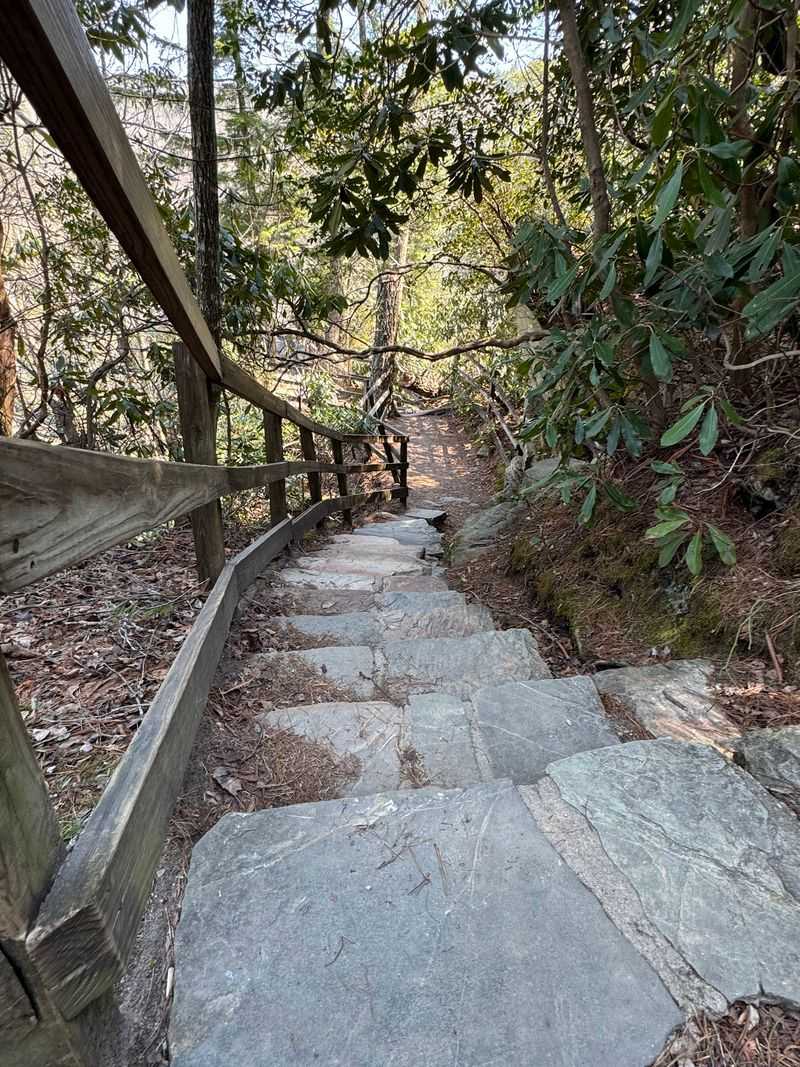
Wild beauty feels best when matched with caution, because the same cliffs and steep drops that amaze visitors can punish careless choices.
Staying on marked routes, watching your footing, and keeping children close are simple habits that matter a lot in rugged terrain.
Snakes, black bears, and sudden weather shifts are part of the mountain environment, so awareness is wiser than fear.
Water is not optional here, especially if your route climbs down and back out, where heat and effort build fast.
Offline maps help when signs are limited, and a paper backup can rescue a trip if a phone stops working.
Good boots protect ankles on loose rocks and roots, while trekking poles can help some hikers stay steady on descents.
Respect also means leaving no trash, keeping noise down, and protecting the quiet that makes the area feel so special.
Smart choices do not weaken the adventure here, they make it possible to enjoy the gorge and come home smiling.
Why Every Season Feels Different Here
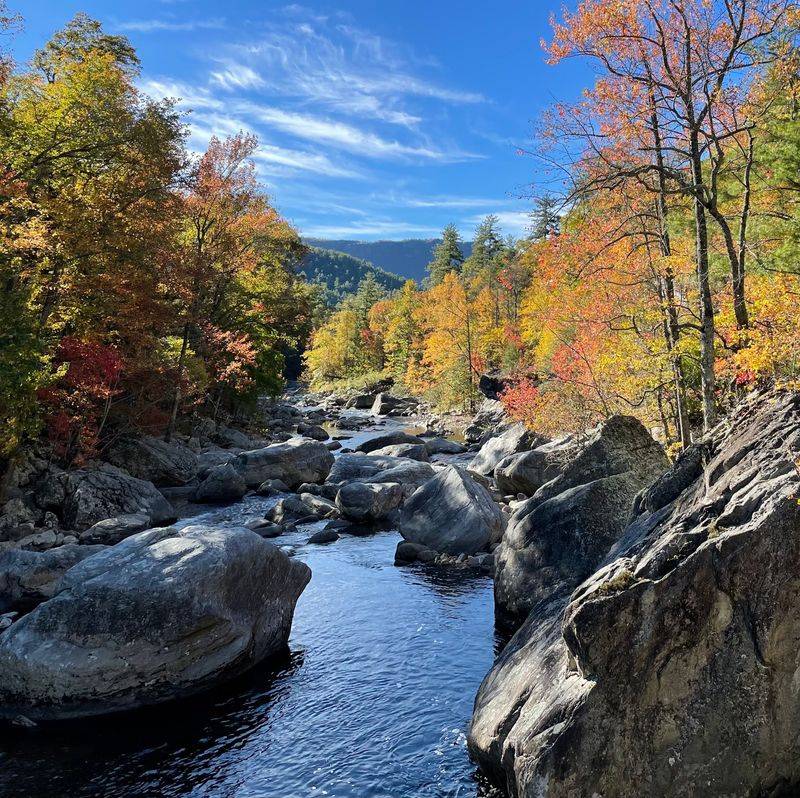
Every season gives the gorge a new personality, which is one reason people remember it long after the drive home.
Spring brings wildflowers and fuller waterfalls, while summer offers green walls, river swims, and long daylight for bigger adventures.
Fall turns the ridges bright with color, making overlooks especially striking when reds, oranges, and golds stack across the distance.
Winter can be stark, windy, and beautiful, but ice and freezing temperatures ask for warmer layers and more careful plans.
Because it stays open all day, visitors have flexibility, yet sunrise and sunset often create the most memorable light.
A rating of 4.8 stars from hundreds of reviews reflects how strongly people connect with the scenery, challenge, and peace.
What surprises many first timers is not only the size, but the feeling of stepping somewhere older, rougher, and quieter.
Slow down for this stop and the state reveals one of its boldest landscapes, hiding in plain sight beside busy roads.