Spring in North Carolina has a way of softening everything it touches. Forests wake up in layers of green, mountain air carries the scent of wildflowers, and streams run fuller, threading through stone and moss like they’ve always known their path.
It is the kind of season that makes you want to step outside just to see what you might find.
Across the state, certain hiking trails seem to hold onto that feeling a little longer. You walk under tall canopies, cross wooden bridges, and climb steadily until the world opens into ridgelines, waterfalls, and quiet overlooks that feel almost unreal in the soft May light.
These are the places where time slows down, phones stay in pockets, and every turn brings something worth remembering.
Here are 11 North Carolina hiking trails that feel almost too beautiful to be real.
Chimney Rock Trail
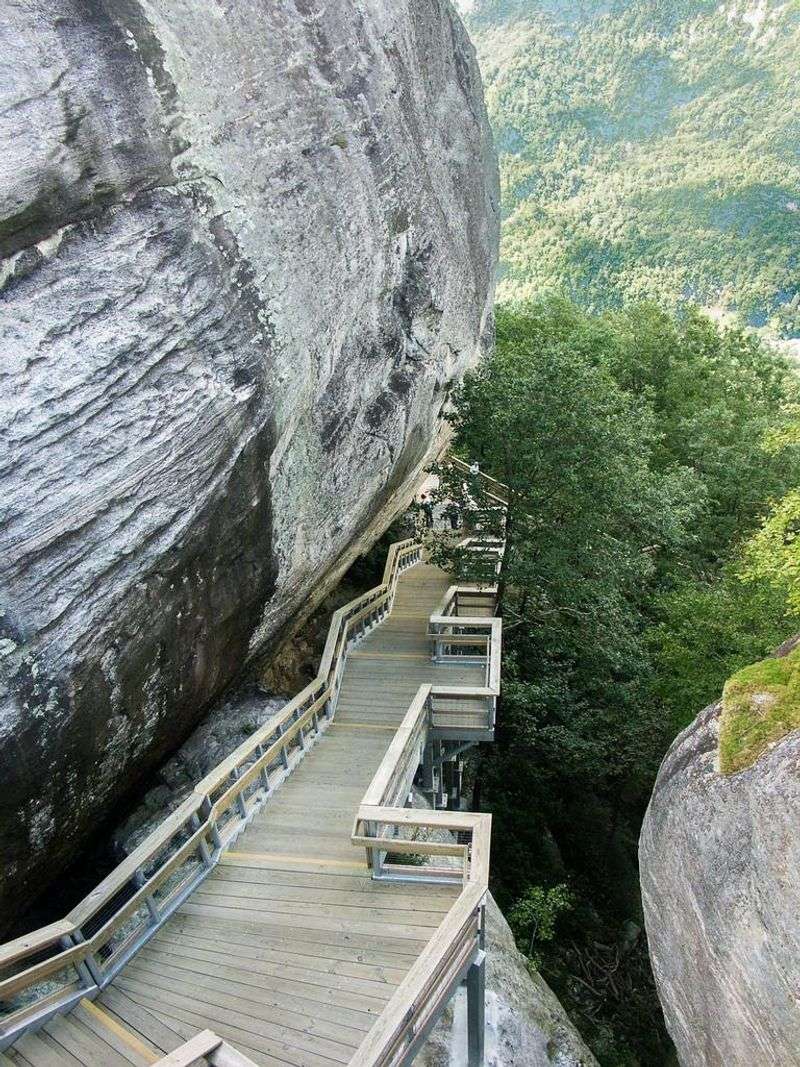
Few hikes in North Carolina deliver drama this quickly. The climb begins with a sense of anticipation, winding upward through hardwood forest before stone steps start pushing you toward the sky.
Every turn seems to widen the view, and the air feels charged with the kind of scenery that makes you pause mid-sentence.
That payoff is the Chimney Rock Trail in Chimney Rock State Park, where a stair-stepped ascent leads to one of the state’s most recognizable overlooks. The route is relatively short, but it earns its reputation with a steady climb and a thrilling finale above Hickory Nut Gorge.
From the top, you can trace the sweep of cliffs, river, and layered Blue Ridge ridgelines in nearly every direction.
I like this trail for travelers who want big scenery without committing to an all-day trek. It can feel busy, especially on weekends, but the route’s accessibility is part of its appeal.
Good shoes, water, and a little patience on the stairs go a long way here.
Try going early or near golden hour if you want softer light and fewer people in your photos. On clear days, the panorama feels almost theatrical, as if the landscape was arranged for maximum effect.
It is bold, iconic, and absolutely worth the climb.
Grandfather Trail
There is a point on some hikes when the forest drops away and your pulse rises for reasons that have nothing to do with elevation. Rock, wind, and open sky suddenly take over, and every step feels sharper, bigger, and more memorable.
This is the kind of trail that asks for focus and rewards you with bragging rights.
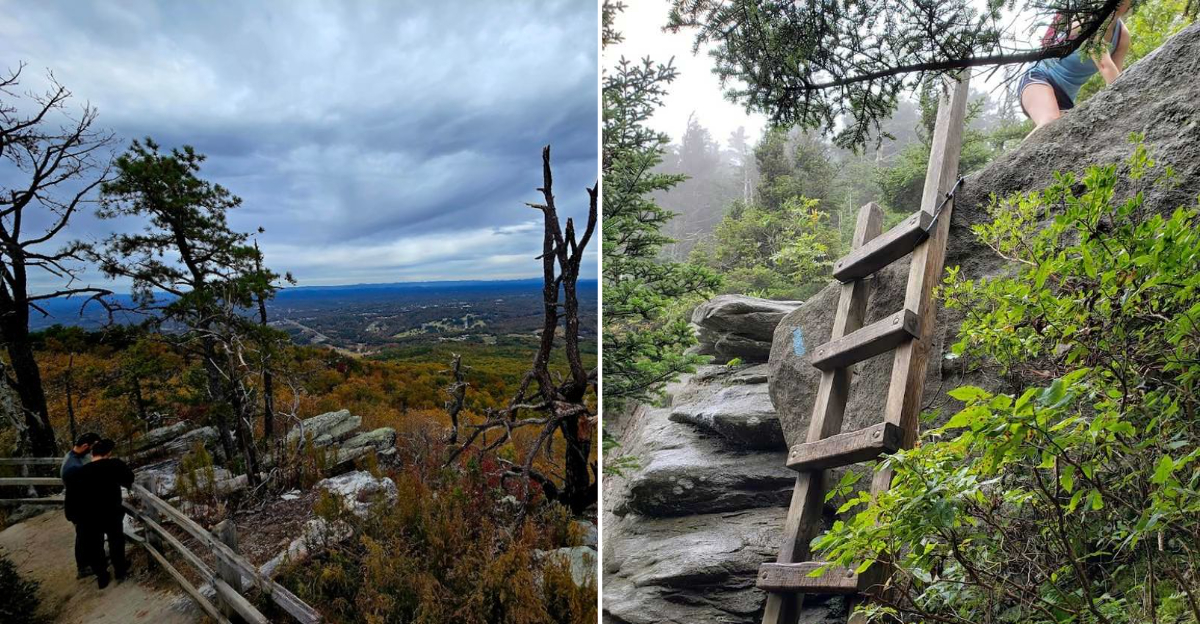
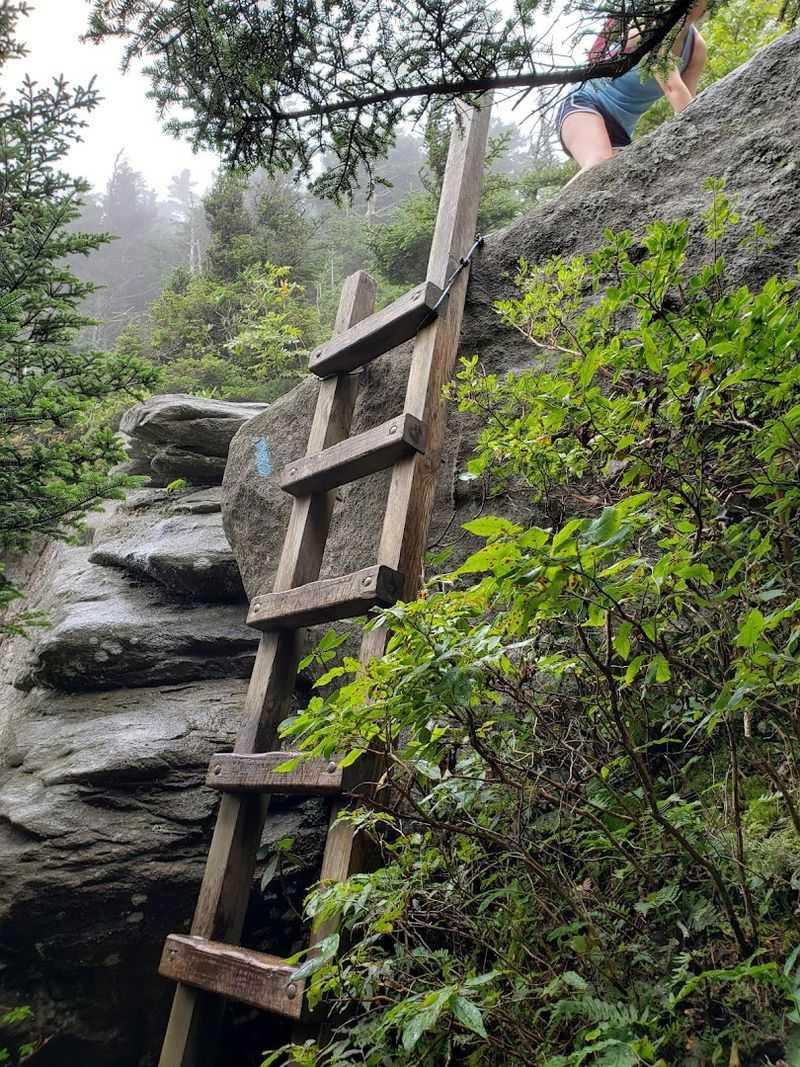
That experience defines the Grandfather Trail in Grandfather Mountain State Park near Linville. Known for rugged terrain, exposed ridges, ladders, and cable-assisted sections, it feels more alpine than most hikes in the Southeast.
The route is not especially long by mileage, but the scrambling and elevation changes make it demanding.
You should come prepared for a true mountain adventure here, not a casual stroll to a viewpoint. Weather can shift quickly on the ridge, and wet rock makes the technical sections even more serious.
If heights make you uneasy, this one may feel exhilarating right up until it feels intense.
Still, for experienced hikers, the scenery is hard to top. The sawtooth spine of the mountain, the deep valleys below, and the constant exposure create a rare sense of scale in North Carolina.
It is one of those trails that stays in your body long after your legs stop aching.
Mount Mitchell Summit Trail
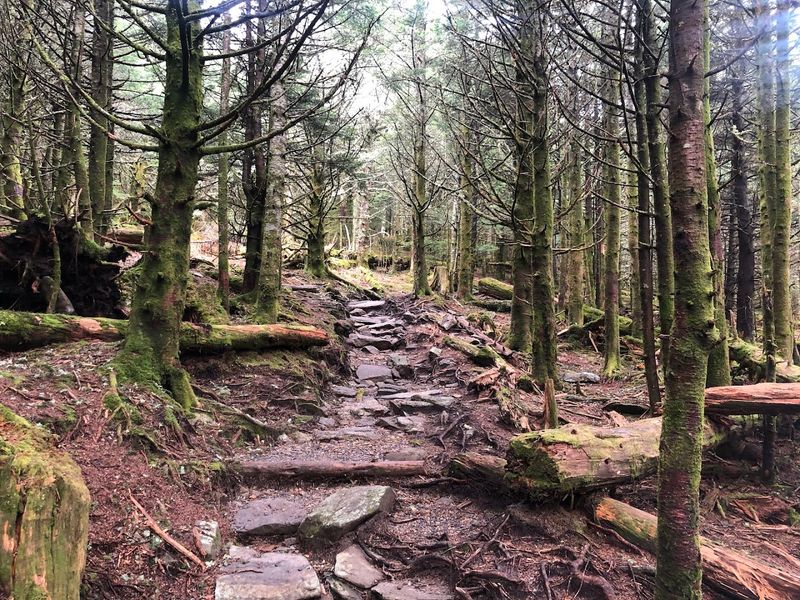
The air changes first. It turns cooler, quieter, and tinged with the resinous scent of spruce and fir, making you feel as if you have wandered far north instead of staying in North Carolina.
Even before the views open up, the forest creates a high-country atmosphere that feels rare and a little magical.
You get that experience on the Mount Mitchell Summit Trail, a short paved path in Mount Mitchell State Park near Burnsville. While it is far more accessible than many peak hikes, it still leads to the highest point east of the Mississippi River.
At the summit, the stone observation area opens to broad mountain layers that can seem endless on a clear day.
This is an ideal option if you want extraordinary elevation with minimal mileage. Families, casual walkers, and serious peak-baggers can all appreciate it, especially when clouds drift through the evergreens and make the mountain feel almost otherworldly.
Bring a jacket even in warmer months, because temperatures up here stay noticeably cooler.
What makes this trail special is not difficulty but atmosphere. The summit feels monumental, yet the approach remains welcoming and easy to fit into a Blue Ridge road trip.
For a quick taste of North Carolina’s highest wild beauty, it is hard to beat.
Hanging Rock Trail
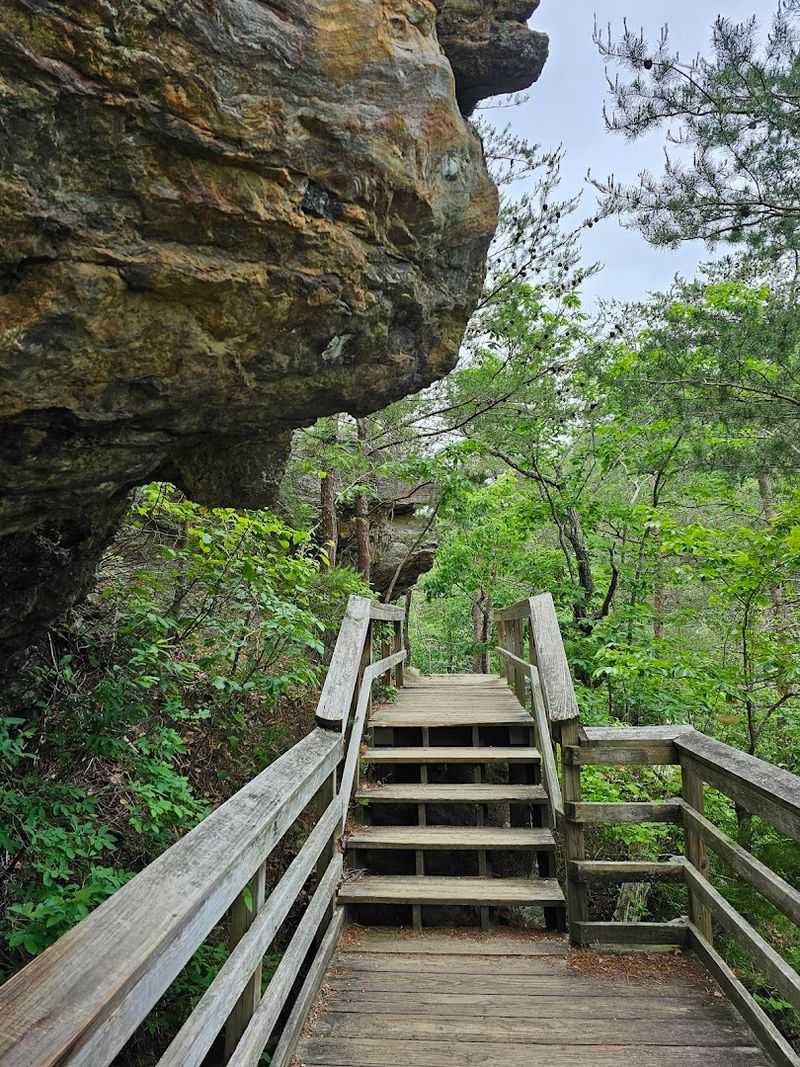
Some trails build suspense with every switchback, offering just enough glimpses of distant ridges to keep you climbing. The forest feels ordinary at first, then the rock begins to appear, and suddenly the landscape opens in a way that seems much larger than the map suggests.
It is a classic payoff hike, and the finish is undeniably cinematic.
That reveal belongs to the Hanging Rock Trail in Hanging Rock State Park near Danbury. The route climbs through woods and rocky terrain to a dramatic quartzite outcrop with sweeping views over the surrounding mountains and the Piedmont beyond.
It is moderately challenging, popular, and deservedly one of the park’s signature experiences.
I think this is a great trail if you want a memorable overlook without needing a technical skill set. The path can get crowded, especially on pleasant weekends, so earlier starts usually make the experience feel calmer and more immersive.
Along the way, the changing vegetation and rock formations keep the ascent interesting.
At the top, the broad ledges invite you to sit still and let the horizon do the work. The contrast between rugged cliff edges and the softer farmland and forest below is striking in every season.
For a hike that feels dramatic without becoming extreme, this one hits a near-perfect balance.
Pilot Mountain Grindstone Trail
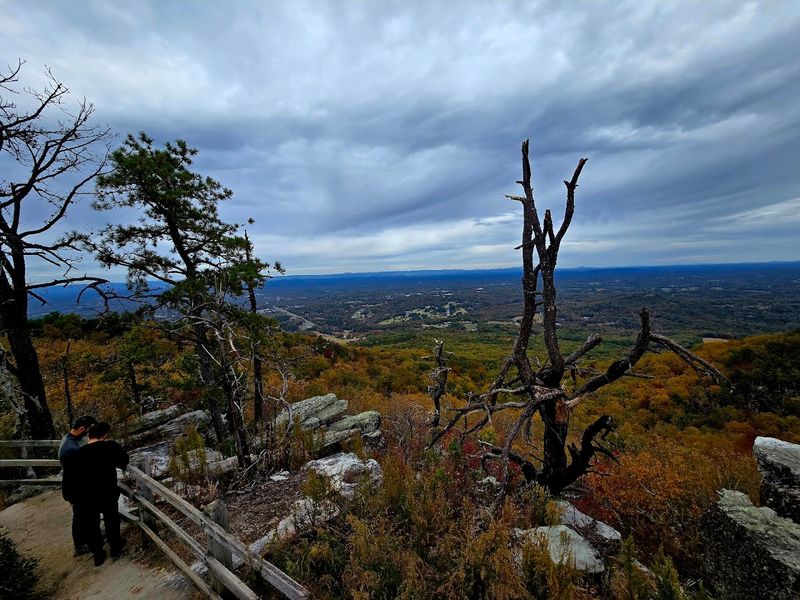
Long before you reach the best viewpoint, the mountain itself keeps pulling your eyes upward. That solitary knob rising above the landscape looks almost unreal from a distance, like a landmark designed to guide travelers home.
Hiking toward it adds a sense of purpose that many scenic trails never quite capture.
The Grindstone Trail in Pilot Mountain State Park near Pinnacle is the park’s most satisfying way to earn the summit area on foot. It climbs steadily through forest and open stretches, gaining enough elevation to make the famous peak feel truly earned by the time you arrive.
Once higher up, the views reach across rolling farmland, wooded ridges, and the broader Sauratown range.
You should expect a workout, especially in warmer weather, because this route is longer and more demanding than simply driving to the summit parking area. Still, that extra effort creates a stronger connection to the mountain and to the changing terrain below.
The trail feels especially beautiful in fall, when color spreads across the foothills.
What I love here is the contrast between geological drama and everyday landscape. Pilot Mountain looks like a monument, yet the surrounding valleys feel deeply lived-in and quietly beautiful.
If you want an iconic North Carolina view with a little sweat attached, this trail delivers exactly that.
Linville Falls Trail
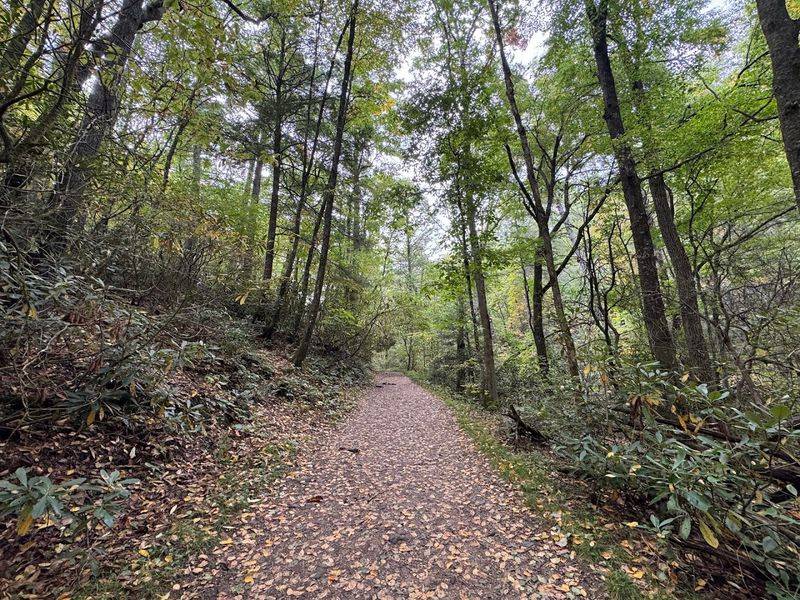
The first thing you notice is the sound, a deep, steady rush that grows louder as the forest thins and the gorge begins to reveal itself. Then the water appears in flashes through the trees, bright and forceful, before the full scene comes together.
Few places create such a strong sense of scale so quickly.
The Linville Falls Trail off the Blue Ridge Parkway near Milepost 316.4 gives you several ways to experience one of North Carolina’s most famous waterfalls. Different overlooks showcase the falls dropping in multiple tiers into the rugged chasm of Linville Gorge, and each angle feels slightly more dramatic than the last.
The trail network is manageable for many hikers, though some spur routes are steeper and rougher.
This is a hike where you should resist the temptation to rush to one viewpoint and leave. The changing perspective is part of what makes the area special, especially when morning light catches the water and the surrounding rock walls.
Sturdy shoes help, because roots, stairs, and uneven surfaces are common on the busier paths.
For pure visual impact, Linville Falls is hard to overstate. The mix of accessible overlooks, wild gorge scenery, and roaring water creates that rare feeling of standing somewhere both famous and genuinely awe-inspiring.
It is one of those classic Blue Ridge stops that fully earns its reputation.
Looking Glass Falls Trail

Sometimes the beauty arrives almost immediately, without the long buildup that many waterfall hikes demand. You hear the water, catch the glint of white spray through the trees, and within moments you are standing in front of a scene that looks improbably polished.
It feels like the kind of place that should require miles of effort, yet there it is.
That easy magic belongs to Looking Glass Falls in Pisgah National Forest near Brevard. The trail is more of a short access walk than a true backcountry hike, but the reward is one of the state’s most photographed waterfalls, dropping powerfully beside U.S. 276.
The setting is lush, scenic, and ideal for travelers who want a memorable stop without a strenuous climb.
You can admire the falls from the overlook or take the stairs down for a closer view, where the sound and mist become part of the experience. The area can be busy, especially in summer and on weekends, so timing matters if you want a quieter moment.
Wet steps and slippery rocks mean you should still move carefully, even on such a short outing.
What I love here is how accessible beauty can still feel thrilling. Looking Glass Falls proves that a brief stop can leave a lasting impression, especially when water volume is high after rain.
It is simple, iconic, and one of Pisgah’s easiest wins.
Triple Falls Trail
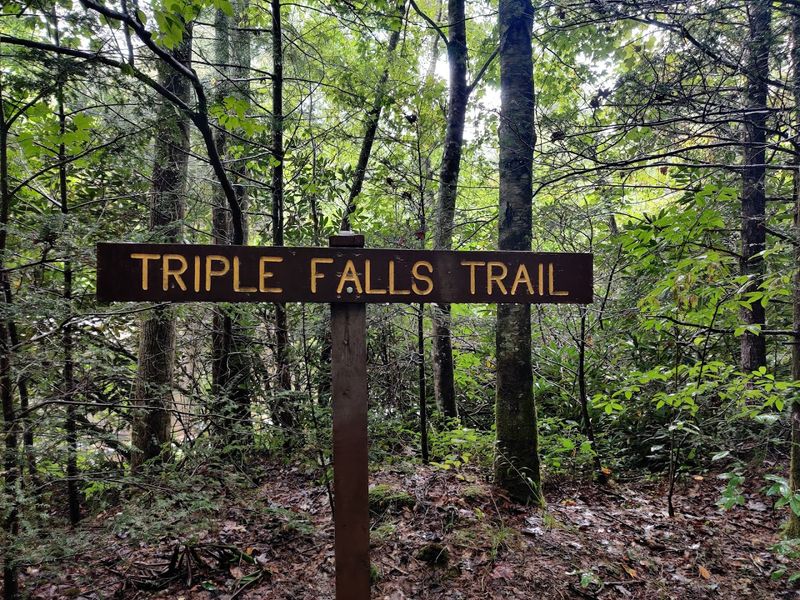
The approach feels gentle at first, almost casual, with wide paths and a forest that seems to invite an unhurried pace. Then the sound of water starts echoing through the trees, and suddenly the landscape reveals one dramatic cascade after another.
It is the kind of scene that makes a place feel instantly familiar, even if you have never been there.
That unforgettable setting is the Triple Falls Trail in DuPont State Recreational Forest near Cedar Mountain. The waterfall drops in three broad steps over exposed rock, creating one of the most recognizable and photographed views in western North Carolina.
It has even appeared in films, but the real-life version still feels more impressive than anything you may have seen on screen.
You do not need advanced hiking skills to enjoy this trail, which is part of its broad appeal. The route is manageable for many visitors, though the stairs near viewing areas can feel steep, and surfaces may be slick after rain.
If you have time, pairing this stop with nearby falls turns the outing into an especially rewarding day.
What stands out most is the composition of the place. The rock, water, and surrounding forest fit together with almost cinematic precision, making every angle photo-worthy without feeling artificial.
Triple Falls is popular for good reason, and once you see it, the hype makes complete sense.
Deep Creek Waterfall Loop
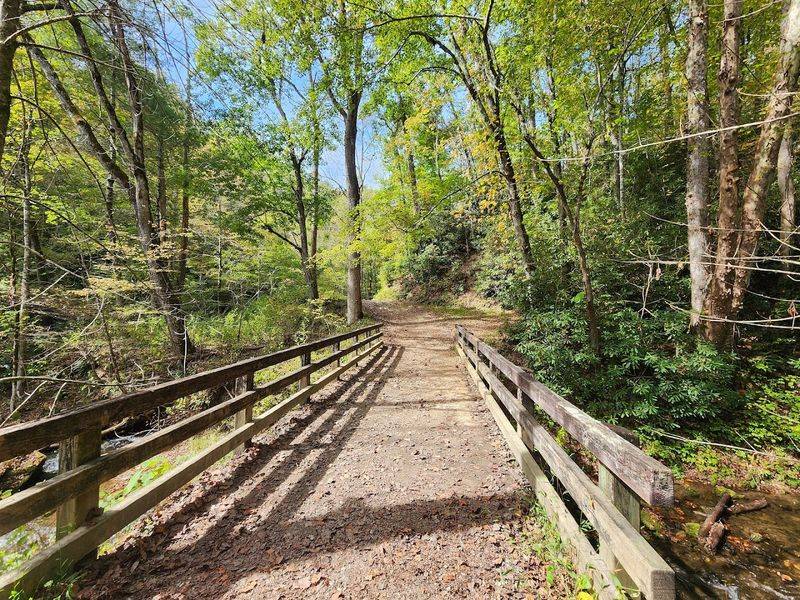
Water is the constant companion on this hike. It flashes beside the path, tumbles over rocks, and leads you from one rewarding stop to the next with very little waiting in between.
If you love trails where something beautiful is always happening, this one feels generously designed.
The Deep Creek waterfall routes near Bryson City in Great Smoky Mountains National Park combine forest walking with easy access to multiple waterfalls. Many visitors link trails to see Tom Branch Falls, Indian Creek Falls, and Juney Whank Falls in one outing, creating a flexible loop-style adventure.
The area is also known for tubing in warmer months, which gives it a lively, family-friendly energy.
You can tailor the distance depending on time and interest, which makes this a smart choice for mixed groups. Some sections are easy and broad, while others involve bridges, roots, or steady inclines, so it never feels completely flat or repetitive.
Because the creek stays close, the soundscape remains soothing even when other hikers are around.
What makes Deep Creek stand out is the sheer density of scenery. Instead of building toward one final reward, the trail keeps handing you cascades, stream views, and quiet woodland moments from start to finish.
It is accessible, photogenic, and one of the best ways to enjoy the Smokies without committing to a huge climb.
High Shoals Falls Trail
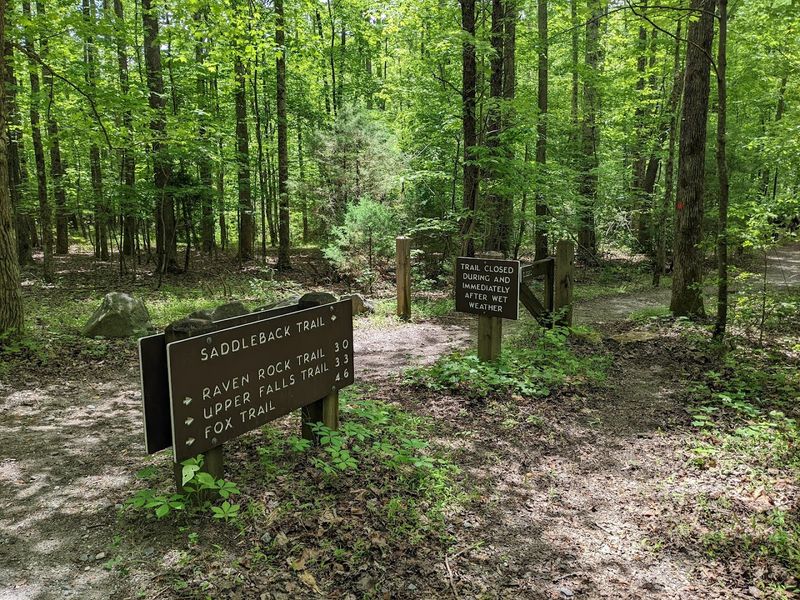
There is a rugged, tucked-away feeling to this hike that makes the waterfall seem earned long before it appears. The forest feels deep and cool, the creek adds a steady soundtrack, and the trail has just enough climb to keep your legs honest.
By the time the first strong glimpses of water arrive, anticipation is already doing part of the work.
You get that payoff on the High Shoals Falls Trail in South Mountains State Park near Connelly Springs. The route follows Jacob Fork River through a beautiful mountain gorge and ends at an impressive waterfall that drops roughly eighty feet over dark rock.
It is one of the park’s signature hikes and an excellent introduction to this less talked-about mountain region.
I like this trail because it feels substantial without becoming intimidating for most hikers. The path is well traveled, but the scenery still feels wilder and more secluded than some of the state’s better-known waterfall destinations.
Humidity, roots, and occasional slick spots mean a little caution helps, especially after rain.
At the falls, the setting turns dramatic in the best way. Water spreads in a white ribbon against the rock face, framed by dense forest that makes the whole scene feel enclosed and intimate.
If you want a waterfall hike with real presence and fewer headlines, this one deserves your attention.
Cox Mountain Trail
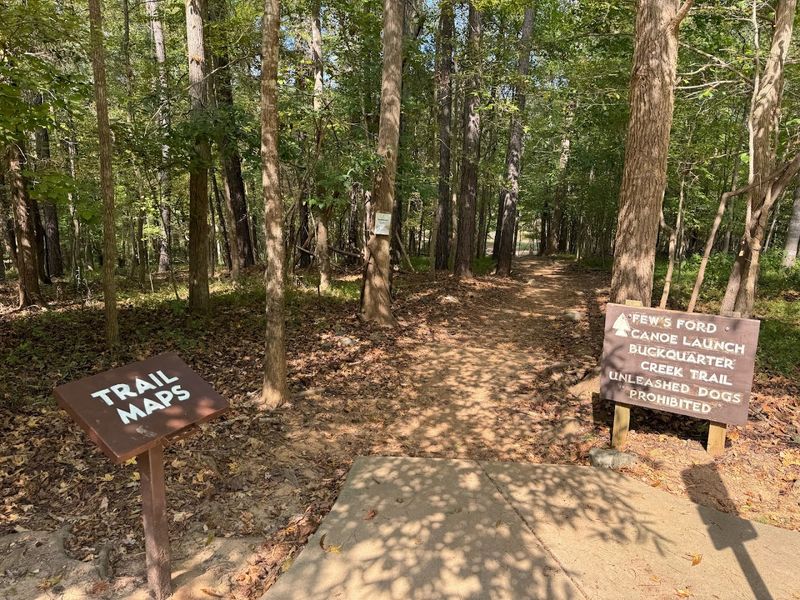
Not every beautiful trail in North Carolina rises into big mountain views. Some work more quietly, using river bends, dense woods, and changing terrain to create a sense of discovery that feels just as rewarding.
This one has that grounded, local magic that sneaks up on you.
The Cox Mountain Trail in Eno River State Park near Durham is one of the Piedmont’s most satisfying hikes. It combines river scenery, moderate climbs, and access to features like a suspension footbridge and traces of the area’s old mill landscape.
The route feels more dynamic than many low-elevation trails, with enough ups and downs to keep the walk engaging.
You should come here expecting texture rather than towering vistas. The Eno River winds beside rocky banks and under leafy canopy, and seasonal changes give the trail a different personality throughout the year.
After rain, the water runs stronger and the forest looks especially alive, though muddy spots can make footing less predictable.
What I appreciate most is how this hike proves beauty is not limited to the highest peaks. Cox Mountain offers movement, history, and a strong connection to the river, all within easy reach of the Triangle.
If you want a trail that feels restorative, scenic, and surprisingly varied, this one absolutely belongs on your list.