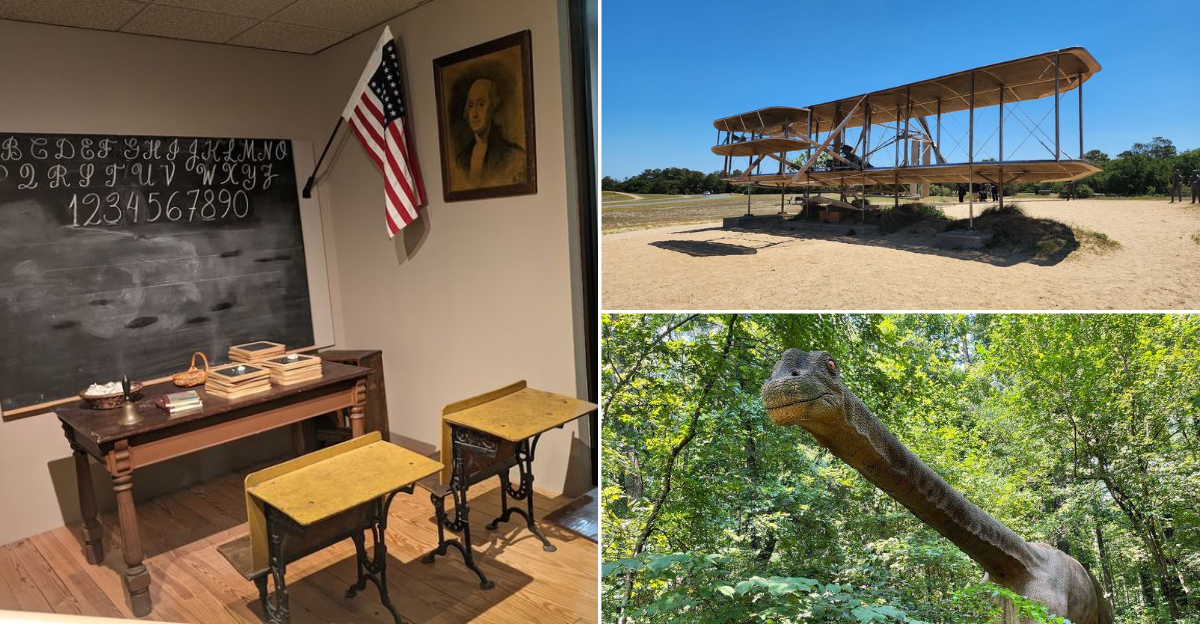
Some trips are powered by scenic drives, but the best North Carolina adventures come with dinosaur bones, hands-on experiments, soaring aircraft stories, and enough buttons to press to keep curious minds gloriously busy all day long.
I love a museum that does more than ask you to look quietly from a polite distance, and these twelve spots deliver the kind of playful, brainy energy that makes you lose track of time, forget your phone, and start saying things like just one more exhibit.
From Raleigh to the Outer Banks, each place on this list mixes real learning with real fun, whether you are traveling with kids, planning a date, or simply indulging your inner science goblin who still wants to touch everything.
If your ideal outing includes discovery, laughs, and the occasional wow, start plotting your route now, because these interactive North Carolina museums are absolutely worth a repeat visit.
1. North Carolina Museum of Natural Sciences – Raleigh
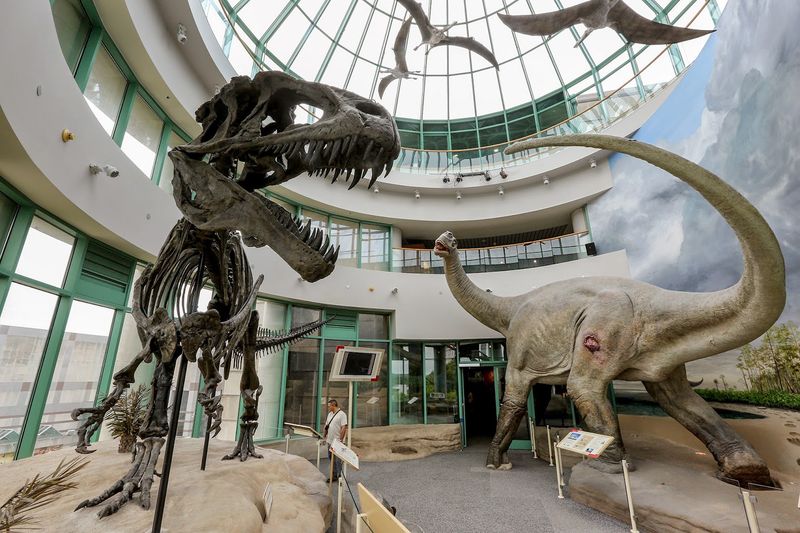
Step inside this Raleigh favorite and your inner fifth grader wakes up fast.
The North Carolina Museum of Natural Sciences fills downtown with dinosaurs, live animals, research labs, and hands-on exhibits that make science feel thrilling instead of homework.
You can watch scientists at work, study coastal habitats, and linger beneath enormous skeletons that still know how to steal a scene.
What keeps this place fresh is its range.
One minute you are admiring gemstones, and the next you are comparing ecosystems or checking out temporary exhibitions that often add new surprises to the visit.
The Nature Research Center across the way brings a more contemporary, investigative vibe, which is perfect if you like your museum visits with extra curiosity and fewer velvet ropes.
Located in the heart of Raleigh, it is easy to pair with lunch, a walk, or more downtown exploring.
I would gladly return for the live animal encounters, the smart exhibit design, and the simple joy of learning something unexpected without feeling lectured.
It is big, lively, and wonderfully hard to outgrow.
2. Marbles Kids Museum – Raleigh
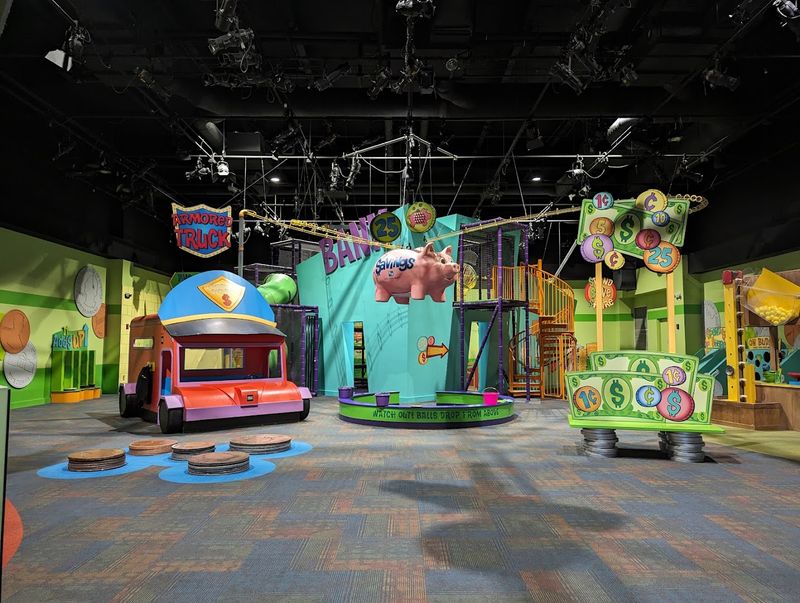
Noise level warning: joy happens loudly at Marbles.
This Raleigh institution is designed for active play, and it turns everyday kid interests into imaginative exhibits where children can build, perform, splash, pretend shop, and test how the world works.
Nothing here feels passive, which is exactly why families keep coming back with sneakers on and energy snacks packed.
The museum understands that play is serious business.
Creative zones encourage problem solving, movement, and social interaction, while themed spaces invite kids to experiment in ways that feel spontaneous rather than structured.
The result is a place where grown-ups can actually watch learning happen in real time, often while chasing someone dressed like a pirate chef astronaut.
In downtown Raleigh, Marbles is a natural anchor for a family day out.
It is especially great for younger children, but the design is smart enough that older siblings usually find plenty to do too, especially in maker-focused or performance-inspired areas.
If you value museums that welcome curiosity with open arms and do not mind a little happy chaos, this one absolutely earns a repeat visit.
3. Museum of Life and Science – Durham

Few places balance science and fresh air as well as this Durham gem.
The Museum of Life and Science spreads learning across indoor exhibits, outdoor play areas, animal habitats, and interactive spaces that make a full day disappear with alarming speed.
It is the kind of museum where you might start with physics and end with butterflies, treehouses, or a train ride.
Its big strength is variety without chaos.
Kids can experiment with water, motion, and engineering, while adults appreciate the thoughtful layout and the way science is woven into every corner instead of boxed into one gallery.
The dinosaur trail adds prehistoric flair, and outdoor exploration keeps everyone from feeling museum-stiff by noon.
Located in Durham, it works beautifully for families who want more than a standard indoor outing.
I would return for the blend of hands-on discovery and room to roam, which feels especially welcome on mild North Carolina days.
This place proves interactive museums do not need to be all blinking screens and buttons, because curiosity also thrives in gardens, habitats, and spaces where you can move, test, and wonder freely.
4. North Carolina Transportation Museum – Spencer
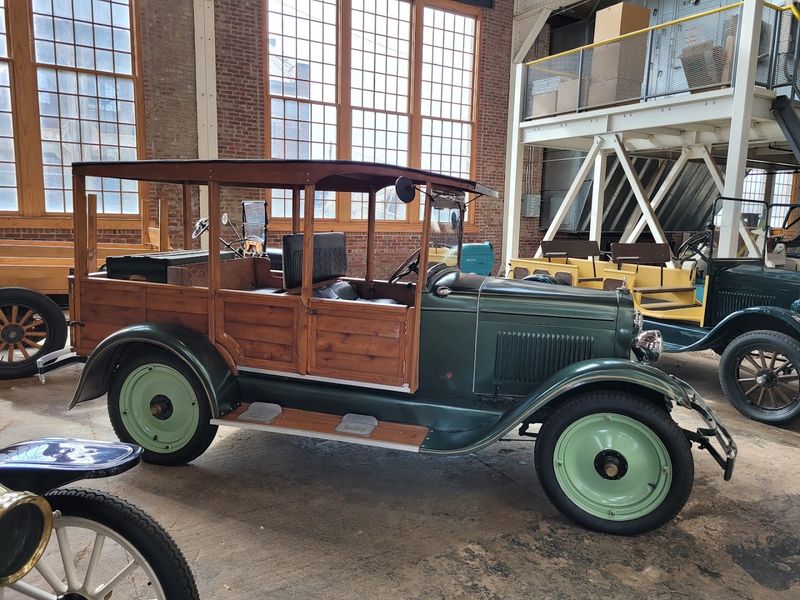
All aboard for a museum visit with serious horsepower.
The North Carolina Transportation Museum in Spencer celebrates trains, cars, aviation, and mechanical history on a historic rail yard campus that feels delightfully oversized from the moment you arrive.
If you have ever loved a whistle, wheel, engine, or anything gloriously greasy in concept, this place delivers.
The setting does half the magic.
Massive locomotives and rail cars create instant drama, while exhibits explain how transportation shaped daily life, commerce, and travel across the state and beyond.
There is a satisfying mix of scale and detail here, so you can admire giant machinery one minute and dive into the human stories behind it the next.
Spencer, near Salisbury, gives the museum room to sprawl in the best possible way.
Seasonal train rides and special events add even more replay value, making repeat visits easy to justify, especially if you are traveling with kids or anyone who cannot resist saying choo choo with sincerity.
I would return for the historic atmosphere, the impressive collection, and the reminder that motion itself can be museum-worthy.
5. Schiele Museum of Natural History – Gastonia
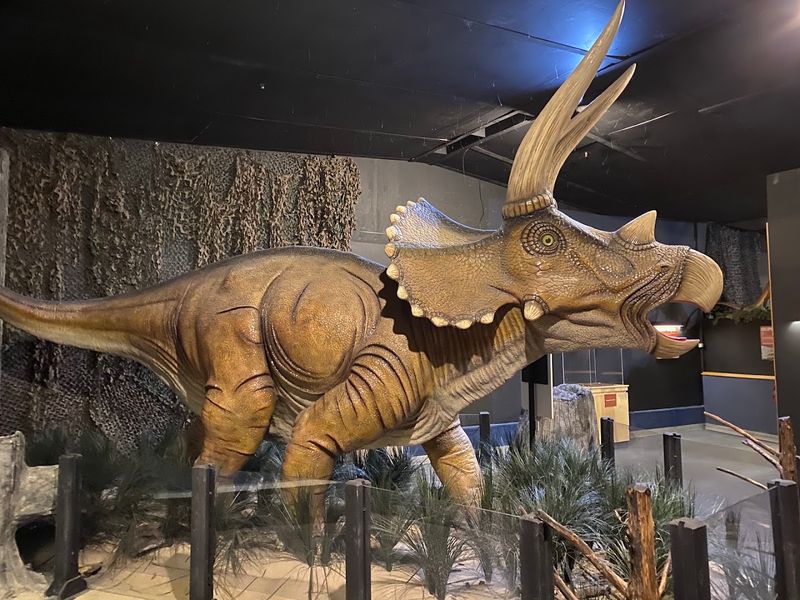
Gastonia’s Schiele Museum quietly punches above its weight.
This natural history museum combines science, wildlife, and regional storytelling in a way that feels approachable, family-friendly, and surprisingly rich for a visit that many travelers might not see coming.
It is a smart stop for anyone who likes museums with personality instead of polish alone.
Inside, you can explore exhibits on North American habitats, prehistoric life, and cultural history, all presented with enough variety to hold attention across different ages.
The planetarium is a major bonus, adding an immersive layer that turns a regular museum trip into something more memorable.
There is also a clear educational mission here, but it never feels stiff or overexplained.
Located in Gastonia, west of Charlotte, the museum is easy to reach and easy to enjoy at a relaxed pace.
I would happily revisit for its balance of classic museum appeal and interactive engagement, especially with children who want to ask ten thousand excellent questions before lunch.
It feels local in the best way, rooted in place, curious about the wider world, and genuinely eager to share both with you.
6. Cape Fear Museum of History and Science – Wilmington
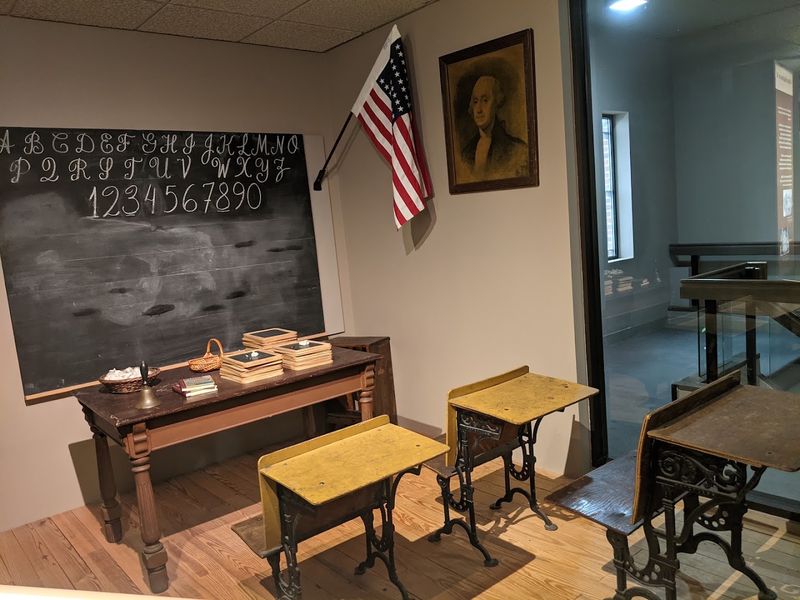
History gets a lively upgrade at Wilmington’s Cape Fear Museum.
As North Carolina’s oldest history museum, it blends regional stories with science and hands-on experiences, proving that local heritage does not have to sit quietly behind glass and hope for attention.
This place knows how to keep the past interesting and the present engaged.
Exhibits often explore the Lower Cape Fear region through topics like transportation, culture, technology, and everyday life, so you leave with a stronger sense of place instead of a random pile of facts.
Interactive elements help younger visitors connect with the material, while adults can appreciate the deeper context and thoughtful interpretation.
It is especially strong when showing how coastal history shaped communities over time.
Right in Wilmington, the museum fits easily into a day of riverfront wandering or a weekend at the beach.
I would return because it offers something many larger museums miss: a clear regional heartbeat that makes each object and story feel grounded, relevant, and human.
If you like museums that teach without sounding like a textbook wearing sensible shoes, this one deserves a spot on your list.
7. Greensboro Science Center – Greensboro
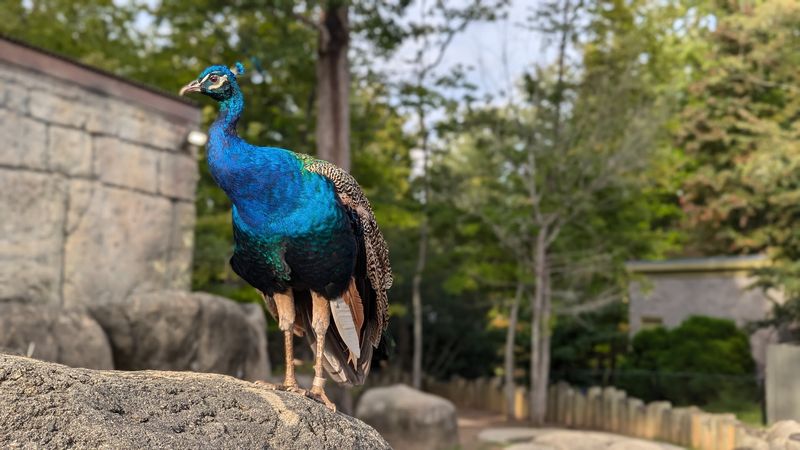
Why choose between an aquarium, a zoo, and a science museum when Greensboro says have all three.
The Greensboro Science Center is one of the most dynamic attractions in the state, blending live animal encounters with hands-on science in a way that feels ambitious, polished, and genuinely fun.
It is built for curious visitors who like their learning with a side of otters.
Interactive exhibits cover science concepts in approachable ways, but the live habitats add a layer of excitement that keeps energy high throughout the visit.
Marine life displays are especially engaging, and the broader campus creates a nice rhythm between indoor exploration and outdoor wandering.
That variety matters, because it helps the day feel like an adventure rather than a single-note museum stop.
In Greensboro, this is an easy pick for families, couples, and road trippers looking for an attraction with broad appeal.
I would absolutely go back for the balance of education and entertainment, plus the simple delight of watching kids make real-world connections without realizing they are learning.
When a museum visit includes science, animals, and happy exhaustion by closing time, you know it has done something right.
8. Wright Brothers National Memorial Visitor Center – Kill Devil Hills
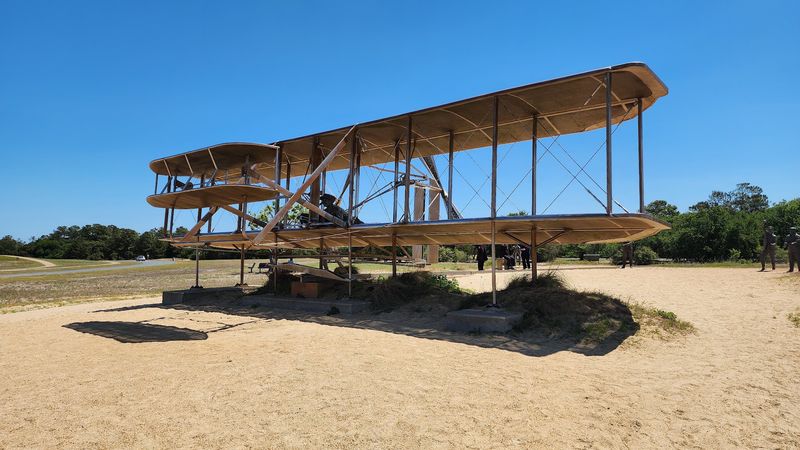
Wind, sand, and history make a strong opening act here.
At the Wright Brothers National Memorial Visitor Center in Kill Devil Hills, the story of first flight becomes vivid through exhibits, replicas, and the powerful realization that one of humanity’s biggest leaps happened in these very dunes.
You do not need to be an aviation buff to feel the spark.
The visitor center presents the brothers’ experiments, setbacks, and engineering breakthroughs with a clarity that makes their achievement feel both improbable and hard-earned.
Interactive displays help connect the science of flight to the human persistence behind it, which is a combination that lands beautifully.
Stepping outside to see the memorial grounds adds scale, context, and a salty breeze that no textbook can provide.
Located on the Outer Banks in Kill Devil Hills, this stop pairs naturally with a coastal getaway.
I would revisit for the atmosphere alone, but the educational value is just as strong, especially for older kids and adults who enjoy invention stories with grit.
It is inspiring without being overly solemn, and yes, the whole place still makes ambition feel airborne.
9. Discovery Place Science – Charlotte
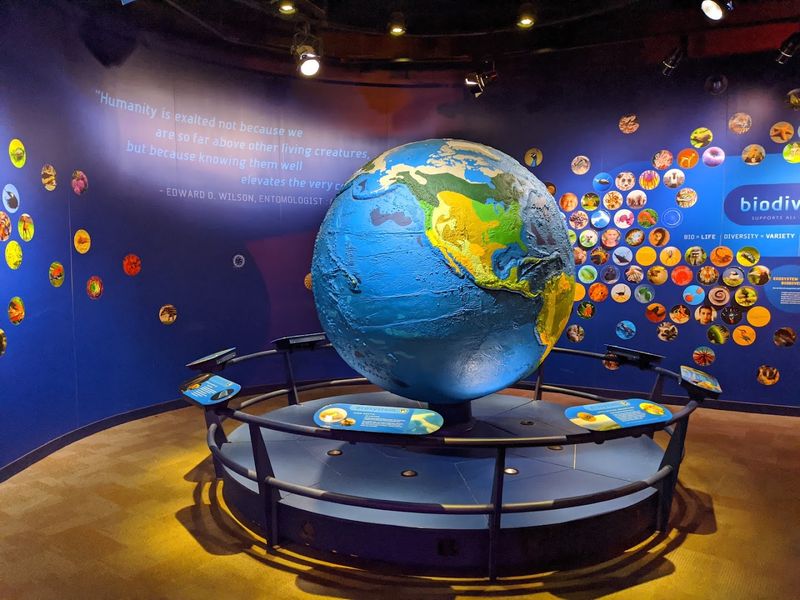
Charlotte knows how to keep science from acting boring.
Discovery Place Science brings immersive exhibits, live demonstrations, and high-energy STEM experiences together in a modern museum that feels built for attention spans of all sizes.
It is fast-moving, bright, and full of chances to poke at a concept until it finally makes sense.
The museum excels at making abstract ideas tangible.
Physics, biology, engineering, and health topics are translated into experiences you can touch, test, and remember, which is useful for kids and honestly pretty satisfying for adults too.
Live presentations often add an extra burst of theater, turning learning into something closer to a show than a lecture.
Right in uptown Charlotte, it is easy to fold into a city day that includes dining, parks, or other attractions.
I would happily return because the museum keeps things contemporary and interactive, and it usually offers enough variety that a second visit still feels fresh.
If you like museums that move at the speed of curiosity and leave you with at least one accidental fun fact to repeat at dinner, this is your place.
10. Museum of the Albemarle – Elizabeth City
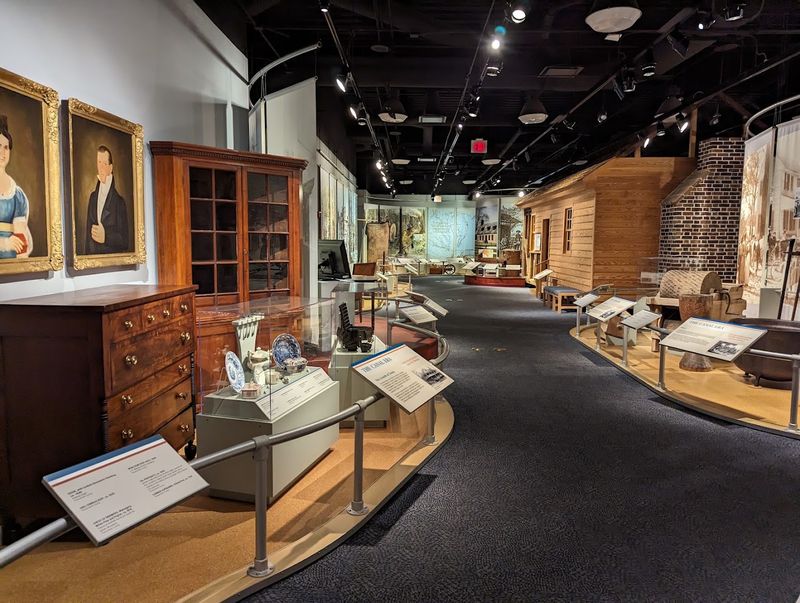
Tucked into Elizabeth City, this museum is a regional storyteller with range.
The Museum of the Albemarle explores northeastern North Carolina through exhibits on community life, waterway culture, industry, and historical change, creating a visit that feels grounded, informative, and more engaging than many first-time visitors expect.
It rewards curiosity with context, which is always a good trade.
Interactive features help bring local history to life, especially for younger visitors who need more than labels and old objects to stay invested.
The museum does a strong job connecting personal stories with larger regional themes, so the Albemarle area emerges as a living place rather than a footnote.
That sense of connection gives the experience real staying power.
Located on the Pasquotank River in Elizabeth City, it is a natural stop for travelers exploring the Inner Banks.
I would return because it offers a thoughtful, well-paced way to understand the region beyond postcard scenery and quick roadside impressions.
This is the kind of museum that deepens a trip, sharpens your sense of place, and quietly sends you back outside seeing the surrounding landscape with smarter eyes.
11. The North Carolina Museum of Art – Raleigh
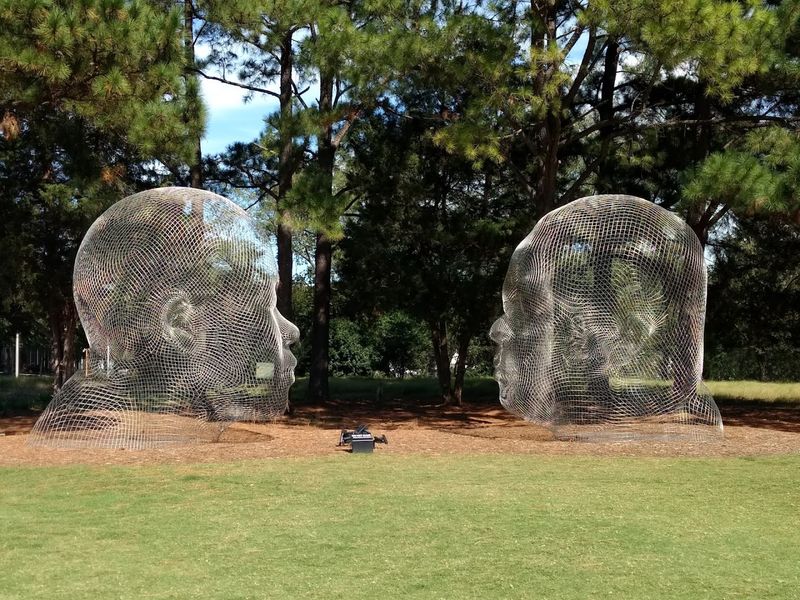
Art museums are not always the first places people call interactive, but this Raleigh standout earns the label.
The North Carolina Museum of Art combines impressive galleries with outdoor trails, sculpture installations, and visitor-friendly programming that encourages movement, conversation, and a more personal connection to what you are seeing.
It feels expansive without becoming intimidating.
Inside, the collection spans centuries and styles, giving you room to shift from ancient works to contemporary pieces without feeling stuck in one mood.
Outside, the Museum Park changes the pace completely, inviting you to walk, reflect, and encounter art in open air rather than formal silence.
That mix makes the whole experience feel more active and accessible.
Set in Raleigh, this museum works beautifully for solo wandering, dates, or family outings with older children who enjoy room to roam.
I would revisit for the quality of the collection and the simple pleasure of pairing art with landscape, which is a combination that rarely gets old.
If you want culture without stiffness, this museum is wonderfully generous with space, perspective, and reasons to linger.
12. Children’s Museum of Winston-Salem – Winston-Salem
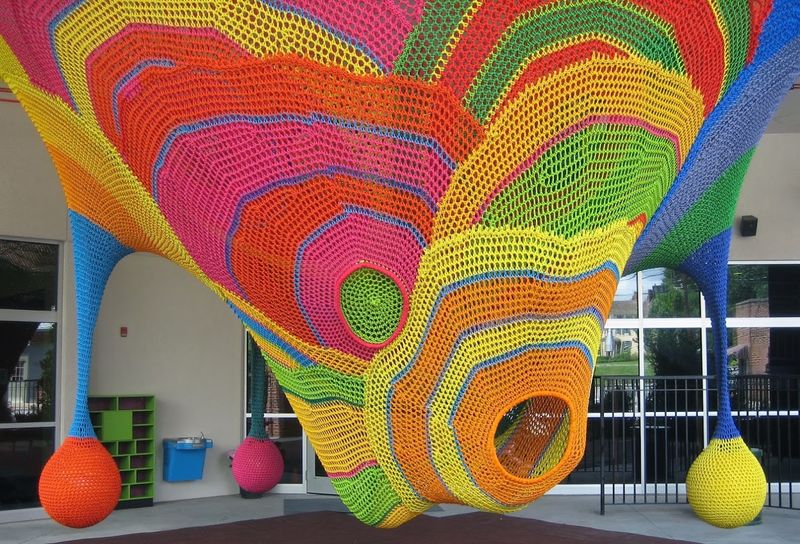
Small hands stay busy here, and that is exactly the point.
The Children’s Museum of Winston-Salem is built around imaginative, tactile play, giving younger kids a welcoming place to explore everyday concepts through movement, role play, and hands-on discovery.
It does not try to be everything, and that focused approach really works.
Exhibits encourage children to climb, create, pretend, and problem solve in spaces scaled to their size and attention span.
That makes the museum especially appealing for toddlers and early elementary ages, who often learn best when they can physically engage with an idea instead of merely hearing about it.
Parents will appreciate the manageable layout and the clear emphasis on purposeful fun.
Located in downtown Winston-Salem, it is easy to pair with lunch or a broader family outing in the city.
I would gladly return because this museum understands its audience and creates a cheerful, low-pressure environment where curiosity can run wild without anyone needing to whisper.
For families with younger children, it offers that magical combination of entertainment, education, and the chance for grown-ups to leave feeling like the outing was both delightful and genuinely worthwhile.