Some places are so memorable, they stop feeling like one-time attractions and start acting like old friends with excellent views.
North Carolina has a talent for that kind of magic, whether it shows up in a mansion the size of a small kingdom, a lighthouse that stares down Atlantic storms, or a mountain road that somehow makes every curve feel cinematic.
I love how this state can switch from wild dunes to polished gardens to rugged gorges without missing a beat, and every stop on this list gives you a different reason to linger, look closer, and plan a return trip before you have even left the parking lot.
If your travel wish list needs a little more wonder, a little more fresh air, and a few stories worth retelling at dinner, these twelve landmarks are ready to earn a permanent spot in your yearly rotation.
1. Biltmore Estate – Asheville
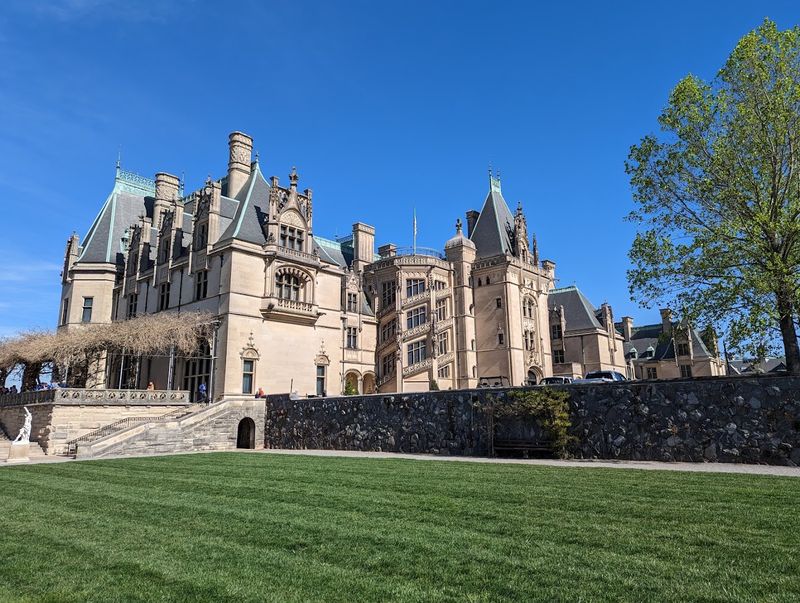
Straight away, Biltmore Estate makes ordinary houses look like they forgot to dream big.
Set in Asheville, this 250-room French Renaissance-style mansion was built by George Vanderbilt and still delivers pure wow with soaring ceilings, priceless art, and rooms that seem determined to out-fancy each other.
You can tour the house, wander the gardens designed by Frederick Law Olmsted, and admire how every detail feels polished without losing its personality.
Then the grounds pull you outside, where trails, seasonal blooms, and Bass Pond keep the visit from feeling like a museum march.
The winery adds a welcome pause, especially if your feet are filing a formal complaint after exploring the estate.
At Christmastime, candlelight and ornaments make the place feel like a holiday movie with a better budget, which helps explain why people return in every season to see what mood this grand Asheville icon is in next.
2. Cape Hatteras Lighthouse – Buxton
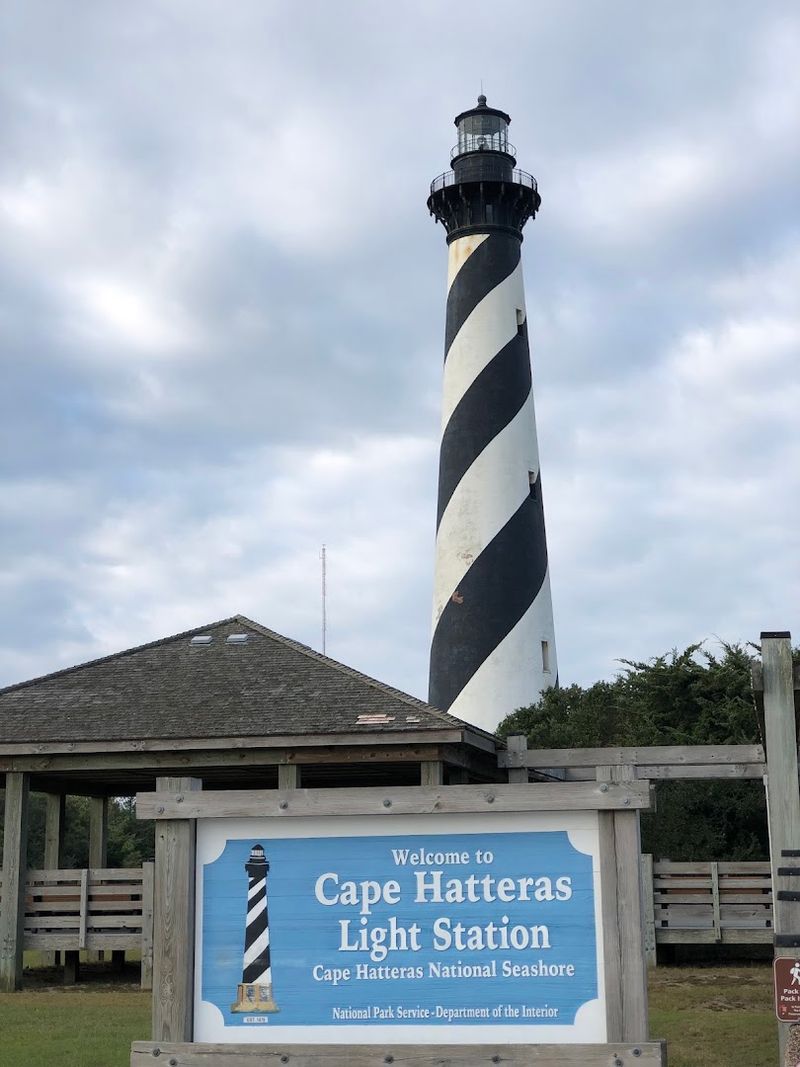
Wind, salt, and a black-and-white spiral make Cape Hatteras Lighthouse impossible to ignore.
Standing in Buxton on the Outer Banks, it is the tallest brick lighthouse in the United States, and it has guided mariners through the dangerous Diamond Shoals for generations.
Even before you climb it, the structure has a cinematic presence, like it knows storms personally and has receipts.
The surrounding beach and maritime setting add even more appeal, especially when the light turns soft and the dunes start glowing.
If the climb is open, the sweeping view from the top rewards every step with ocean, island, and sky stretching in every direction.
Visitors keep coming back because the lighthouse offers more than a photo stop – it captures the rugged, weather-tested spirit of the Outer Banks in one unforgettable landmark that feels both heroic and beautifully lonely.
3. Wright Brothers National Memorial – Kill Devil Hills

Few places let you stand where the future first got off the ground, but this one absolutely does.
At Wright Brothers National Memorial in Kill Devil Hills, you can walk the very site where Orville and Wilbur achieved the first successful powered flights in 1903, changing travel forever with a machine that looked modest and changed everything.
The monument hill, reconstructed camp buildings, and flight path markers give the story shape in a way textbooks never quite manage.
There is something especially moving about the wind here, because it feels like part of the exhibit.
Inside the visitor center, displays and replicas explain the brothers’ experiments, setbacks, and relentless problem solving without draining the wonder from the tale.
People return year after year because this landmark turns a famous achievement into a place you can physically trace, and that mix of inspiration, history, and breezy Outer Banks scenery is hard to shake once you have experienced it.
4. Linville Gorge – Near Marion
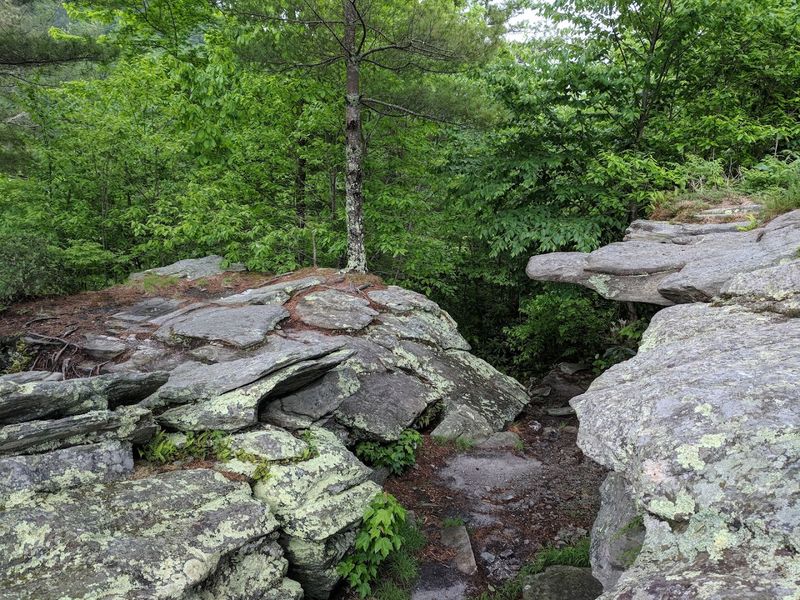
Raw, rugged, and gloriously unbothered, Linville Gorge is where North Carolina shows off its wild side.
Located near Marion in Pisgah National Forest, this deep gorge carved by the Linville River is often called the Grand Canyon of the East, though it feels less like a nickname and more like a warning to pack proper shoes.
The cliffs, forests, and exposed rock create scenery that looks spectacular in photos and even better when the wind hits your face.
Hiking here can be strenuous, which is exactly why the payoff feels so satisfying.
Overlooks like Wiseman’s View and Table Rock offer big rewards, while backcountry trails give experienced visitors a more intimate taste of the gorge’s untamed character.
People return because Linville Gorge never feels fully conquered – weather shifts, light changes, and every season redraws the landscape, making each visit near Marion feel like another chapter in a place that refuses to become ordinary.
5. Chimney Rock State Park – Chimney Rock
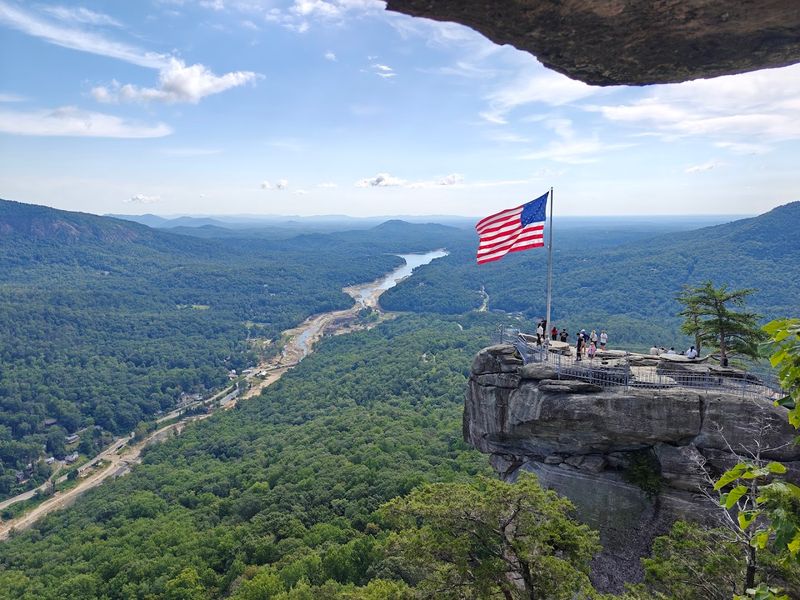
One look up and Chimney Rock makes your neck do the sightseeing before the rest of you catches up.
In the village of Chimney Rock, this state park is famous for its 315-foot granite monolith, reached by trail or elevator, with panoramic views that stretch across Hickory Nut Gorge and toward Lake Lure.
It is the kind of place that makes casual visitors suddenly develop strong opinions about scenic overlooks.
Beyond the signature rock, the park includes waterfalls, forest trails, and plenty of chances to spot birds or simply pause and breathe like you mean it.
Hickory Nut Falls, one of the tallest waterfalls east of the Mississippi, adds another reason to linger instead of rushing back to the car.
Visitors come back because the park packs a satisfying mix of easy access and big drama, giving families, hikers, and road trippers near Asheville a landmark that feels adventurous without demanding mountaineering skills or superhero calves.
6. Old Salem Museums & Gardens – Winston-Salem
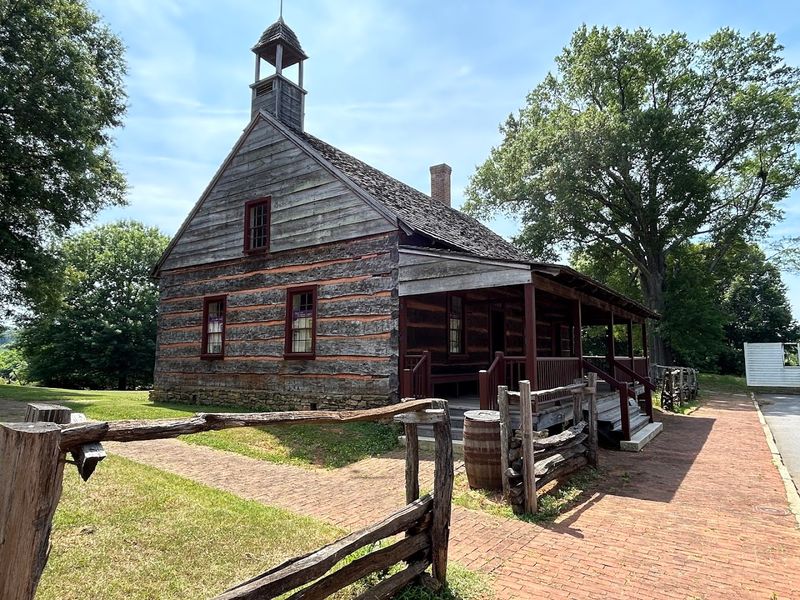
History gets wonderfully tactile at Old Salem, where the past is not behind glass so much as strolling right beside you.
Located in Winston-Salem, this restored Moravian settlement brings the eighteenth and nineteenth centuries to life with preserved buildings, traditional trades, gardens, and interpretive experiences that make daily life feel vivid rather than dusty.
You are not just reading about bakers, gunsmiths, and woodworkers here – you can often watch their crafts in action.
The streets themselves are part of the charm, with brick walkways and old structures that encourage a slower pace.
Museums and historic homes add context, while seasonal programming gives repeat visitors fresh reasons to return beyond simple nostalgia.
People keep coming back because Old Salem balances education with atmosphere, offering Winston-Salem a landmark that feels immersive, thoughtful, and unexpectedly cozy, like stepping into a time capsule that still remembers how to welcome guests with warmth and purpose.
7. Grandfather Mountain – Linville
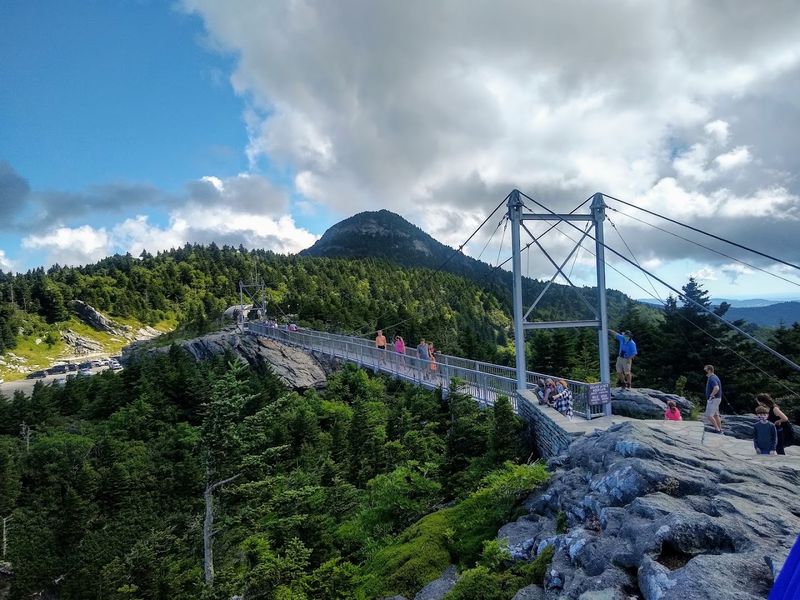
If mountains had personalities, Grandfather Mountain would be the bold one wearing hiking boots before breakfast.
Near Linville, this iconic peak is famous for its rugged profile, diverse habitats, and the Mile High Swinging Bridge, which delivers sweeping Blue Ridge views with just enough bounce to keep your attention focused.
The scenery feels huge, crisp, and unapologetically photogenic, especially when clouds drift low across the ridges.
Nature lovers get more than a pretty overlook here.
The mountain also offers wildlife habitats, challenging trails, and educational exhibits that explain why this biosphere reserve matters beyond its postcard skills.
Visitors return because Grandfather Mountain can be many trips in one – a scenic drive, a family stop, a serious hike, or a quiet moment above the valleys – and that flexible mix of beauty and adventure keeps Linville firmly on repeat-visit lists.
8. Fort Macon State Park – Atlantic Beach
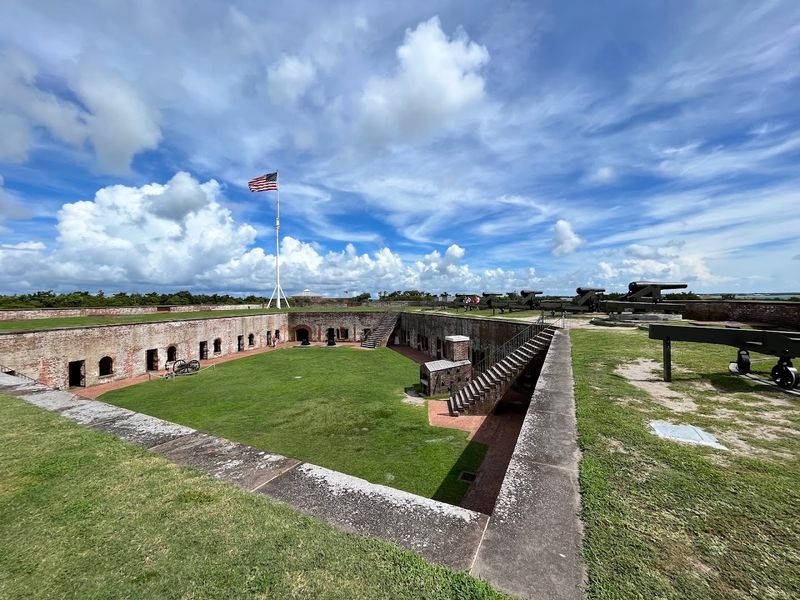
Cannons, coastlines, and sea breeze make Fort Macon State Park feel like a history lesson with excellent ventilation.
Located at Atlantic Beach on Bogue Banks, this restored nineteenth-century fort played roles in the Civil War and later military defense, and today it invites visitors to explore thick brick walls, vaulted rooms, and exhibits that explain its strategic importance.
The site has substance, but it never forgets to be fun.
Once you have walked the ramparts, the surrounding beach gives the day an entirely different rhythm.
Swimming, surf fishing, and shoreline wandering pair surprisingly well with military history, especially if you like your sightseeing with a side of salt air.
People come back because Fort Macon offers a rare two-for-one near Atlantic Beach: a well-preserved fort that sparks curiosity and a beautiful state park that encourages lingering, proving that educational outings do not have to choose between brains, sand, or scenic Atlantic views.
9. Blue Ridge Parkway – Western North Carolina
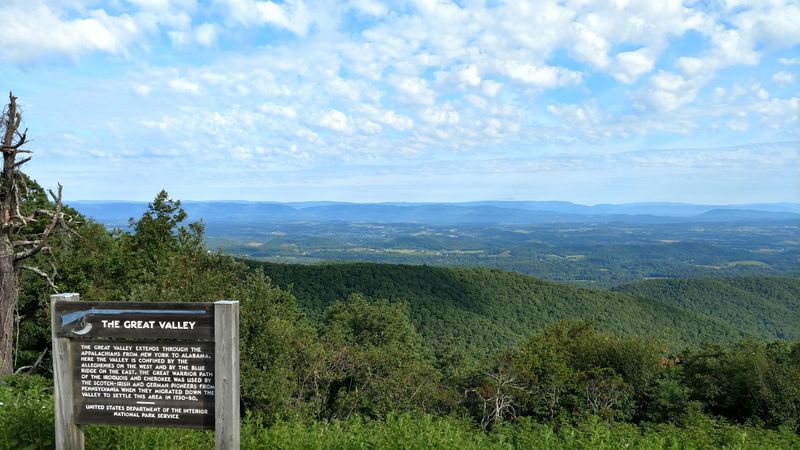
Some roads rush you, but the Blue Ridge Parkway practically insists that you slow down and enjoy yourself.
Running through Western North Carolina with mile after mile of protected mountain scenery, this scenic byway links overlooks, trailheads, picnic spots, and cultural sites in a way that turns driving into the main event.
Even the pull-offs feel like they were designed by someone who understood dramatic entrances.
In spring and summer, wildflowers and green ridges soften the route, while fall arrives like it hired a color consultant.
Stops near Asheville, Boone, and countless points between offer access to hikes, waterfalls, visitor centers, and mountain communities with their own flavor.
Visitors come back year after year because the parkway never has just one perfect version – fog, foliage, snow dusting, and shifting light keep Western North Carolina endlessly fresh, making every drive feel familiar in the best way and brand new where it counts.
10. The North Carolina Arboretum – Asheville
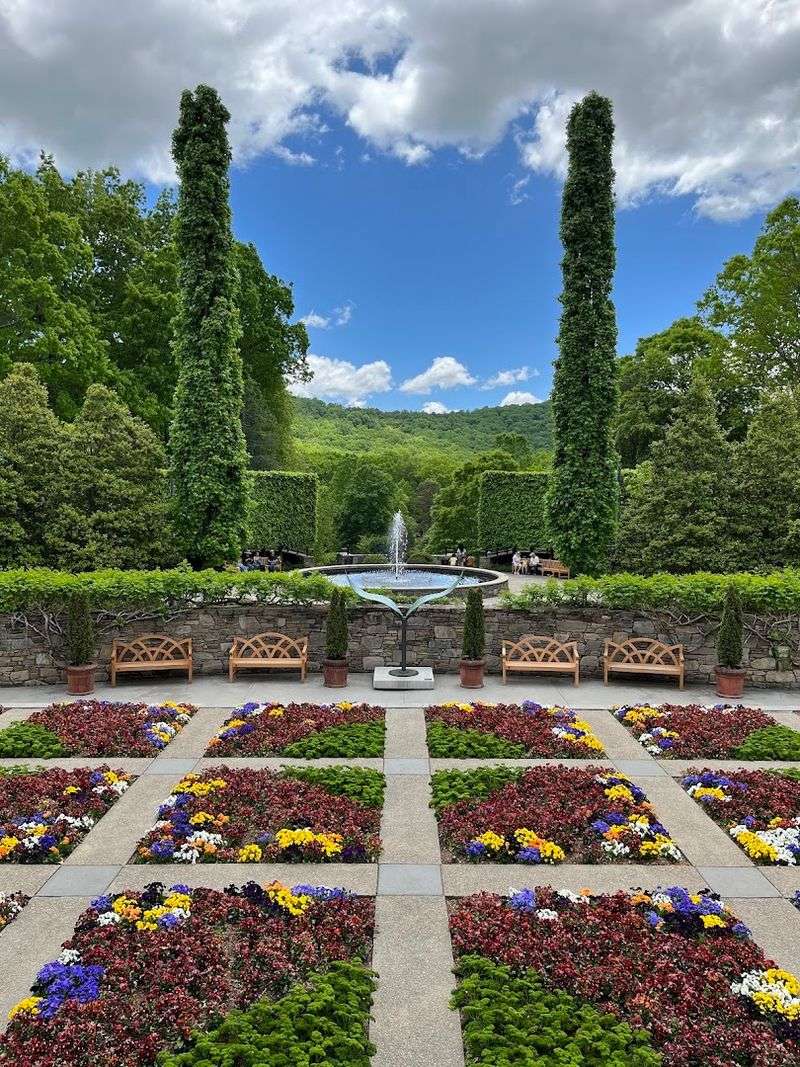
When you need beauty without chaos, The North Carolina Arboretum is a very persuasive answer.
Situated in Asheville within the Bent Creek area of Pisgah National Forest, this expansive public garden blends cultivated landscapes with mountain surroundings, offering themed gardens, wooded trails, and one of the region’s most beloved bonsai collections.
It feels refined without being fussy, which is a tricky balance and one this place nails.
You can wander at your own pace, admire seasonal plantings, and still find pockets of quiet even on busy days.
Educational exhibits and rotating events give the gardens fresh energy, while the surrounding trails invite a deeper dip into the Blue Ridge landscape.
People keep returning because the arboretum works for nearly any mood – part peaceful escape, part learning experience, part photo opportunity – and Asheville gains a landmark that proves nature can be both carefully curated and wonderfully free-spirited at the same time.
11. Jockey’s Ridge State Park – Nags Head
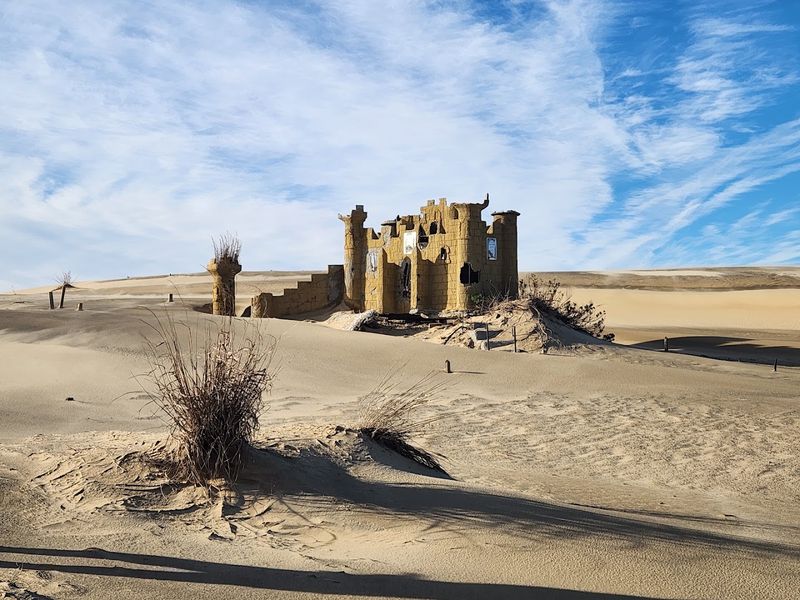
Sand usually stays in the background, but at Jockey’s Ridge it becomes the star of the entire show.
In Nags Head, this state park protects the tallest living sand dune system on the Atlantic coast, creating a shifting landscape that feels part desert, part beach, and part giant natural playground.
Climbing the dunes is a workout, yes, but the views over the Roanoke Sound and Atlantic Ocean are a very fair trade.
Sunset is especially memorable here, when the sky turns theatrical and every footprint glows for a moment before the wind edits the evidence.
Hang gliding, kite flying, and simple barefoot wandering keep the atmosphere lively without ruining the sense of open space.
Visitors return because Jockey’s Ridge never stands still – the dunes move, the light changes, and every season brings a different mood – making this Nags Head landmark feel both playful and strangely profound, like nature decided to build a sandbox with existential flair.
12. Mabry Mill – Meadows of Dan area (North Carolina/Virginia border)
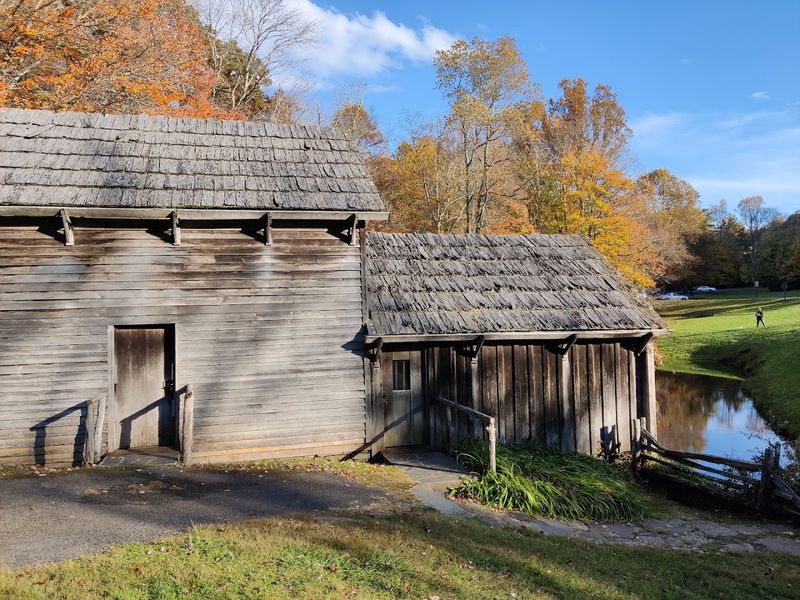
There is something deeply satisfying about a place that looks exactly like a postcard and still exceeds expectations.
Near the North Carolina-Virginia border in the Meadows of Dan area along the Blue Ridge Parkway, Mabry Mill is one of the most photographed sites on the entire route, thanks to its historic wooden mill, reflective pond, and storybook mountain setting.
The scene is charming enough to make even hurried travelers suddenly develop patience.
Built in the early twentieth century by Ed Mabry, the mill site also includes demonstrations and exhibits that reveal Appalachian craftsmanship and rural life.
When the water is still and the reflections line up, it feels almost suspiciously pretty, yet the history keeps it grounded.
People come back because Mabry Mill pairs scenic calm with cultural depth, offering a stop that feels gentle, genuine, and beautifully timed to the slower rhythms of the mountains, especially when Parkway drives call for one unforgettable pause near the state line.